Celebrity Culture
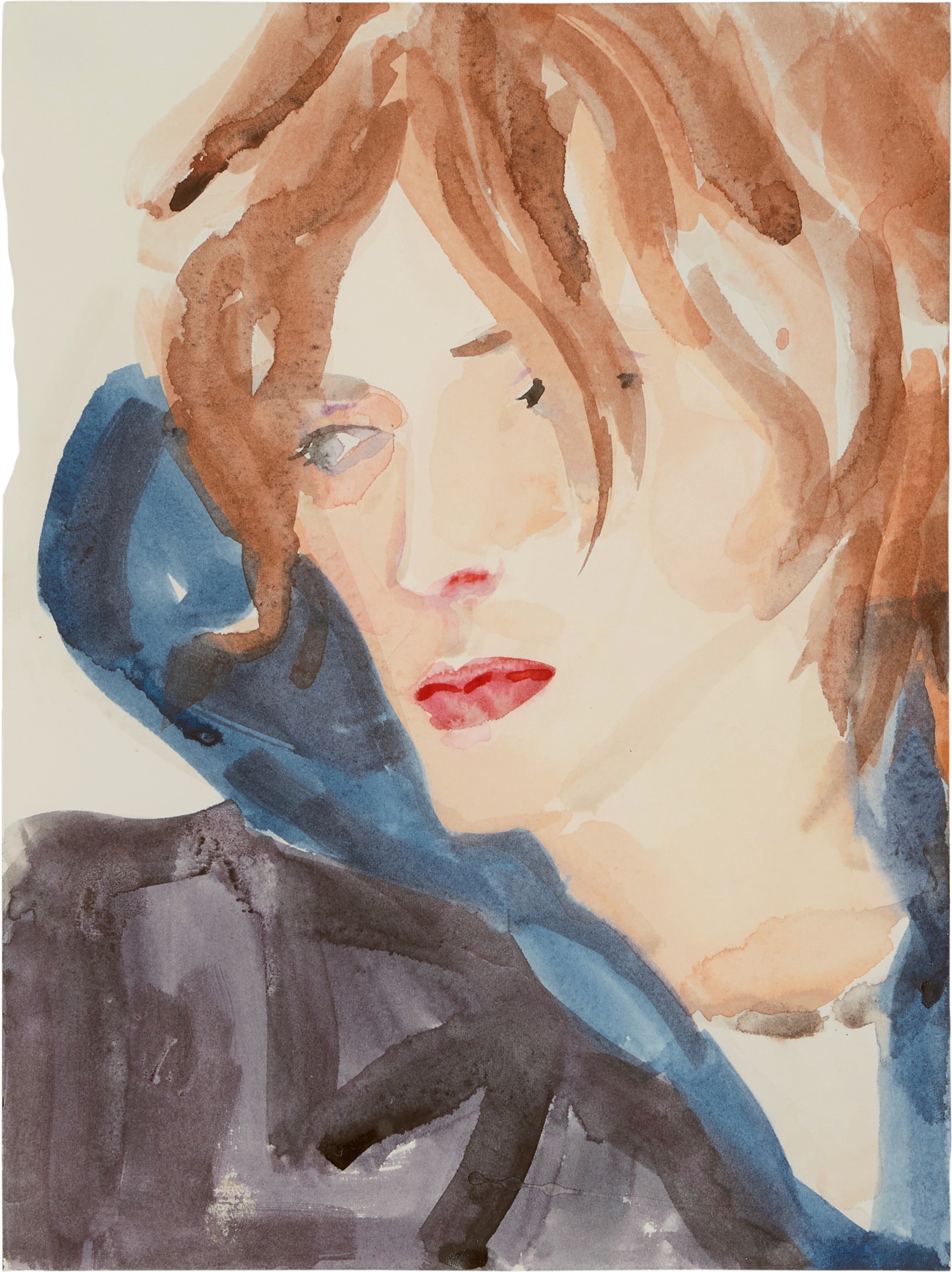
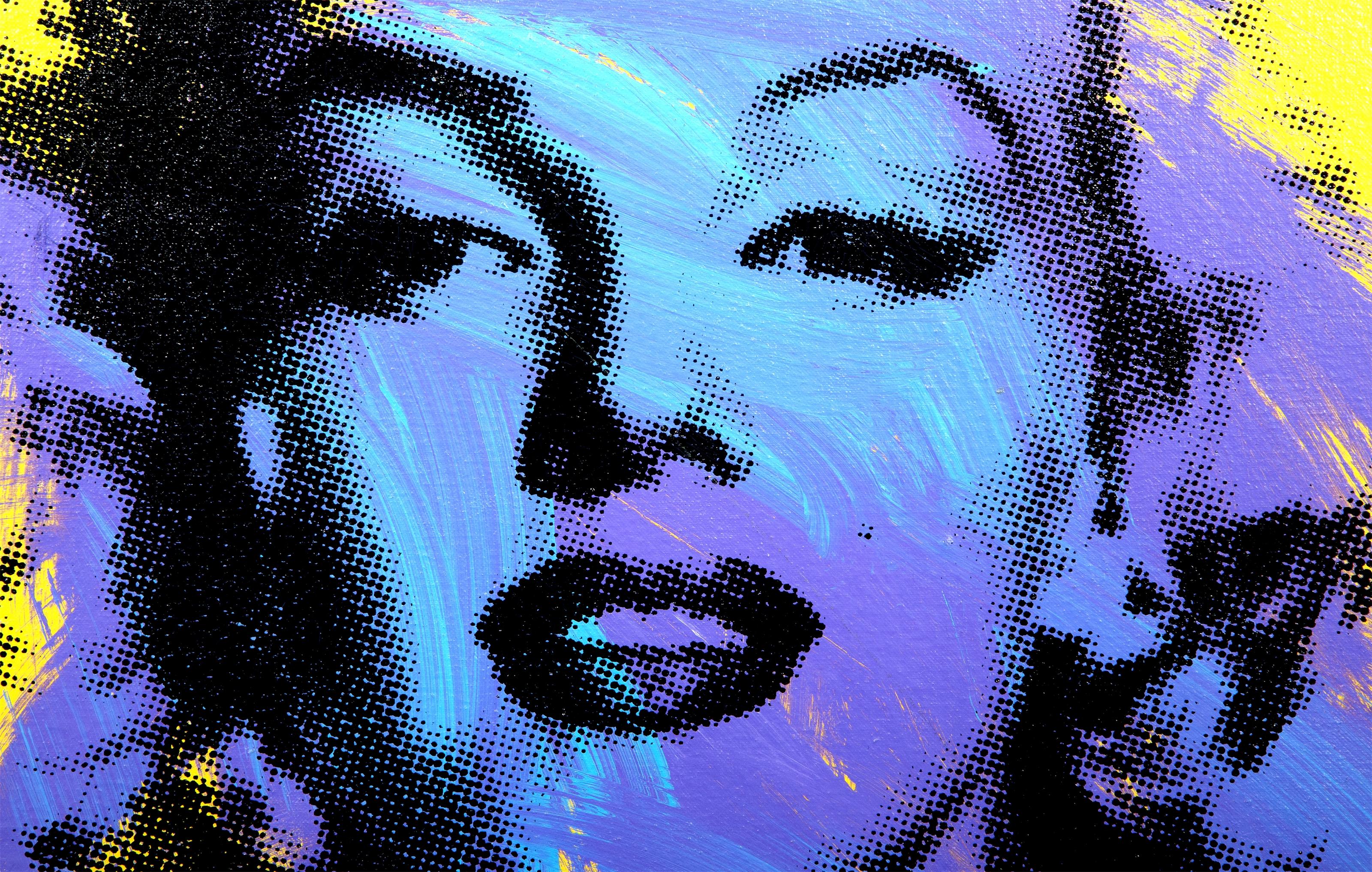
Elizabeth Peyton
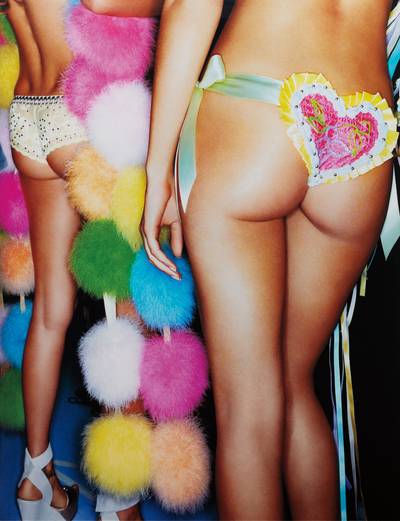
Tony Just


The Fame Machine Never Stops Running
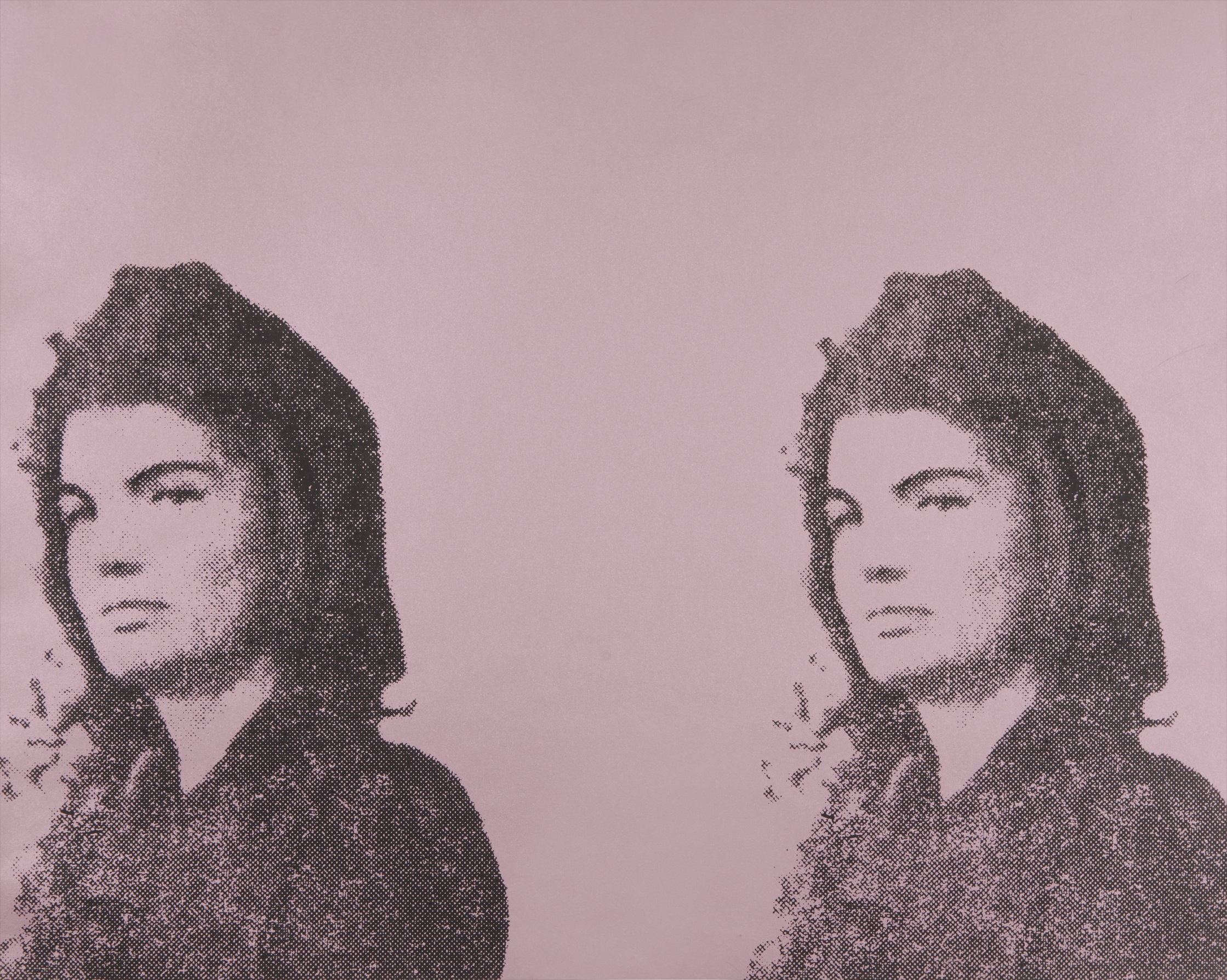
When Andy Warhol's 'Shot Sage Blue Marilyn' sold at Christie's New York in May 2022 for $195 million, it became the most expensive work by an American artist ever sold at auction. The room was quiet in a way that felt almost reverent, which is a strange thing to say about a painting of a movie star. But that moment crystallized something collectors and curators have been circling for decades: the image of celebrity is not a footnote to art history, it is one of its central arguments. Fame, reproduction, desire, and death are as old as painting itself.
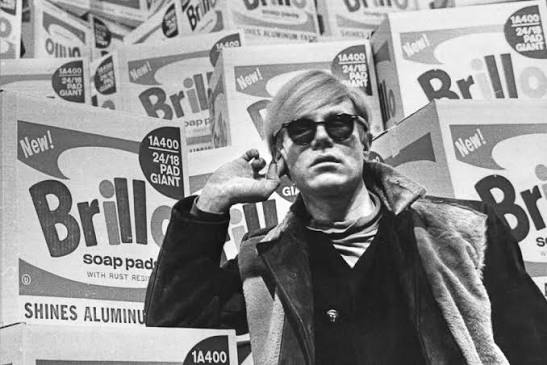
Warhol simply found the modern vocabulary for all of it. The market for work in this space has never been more alive or more stratified. Warhol remains the anchor, and his presence on The Collection is substantial, offering a rare opportunity to trace how his thinking about celebrity evolved across different subjects and print techniques. But the conversation has widened considerably.
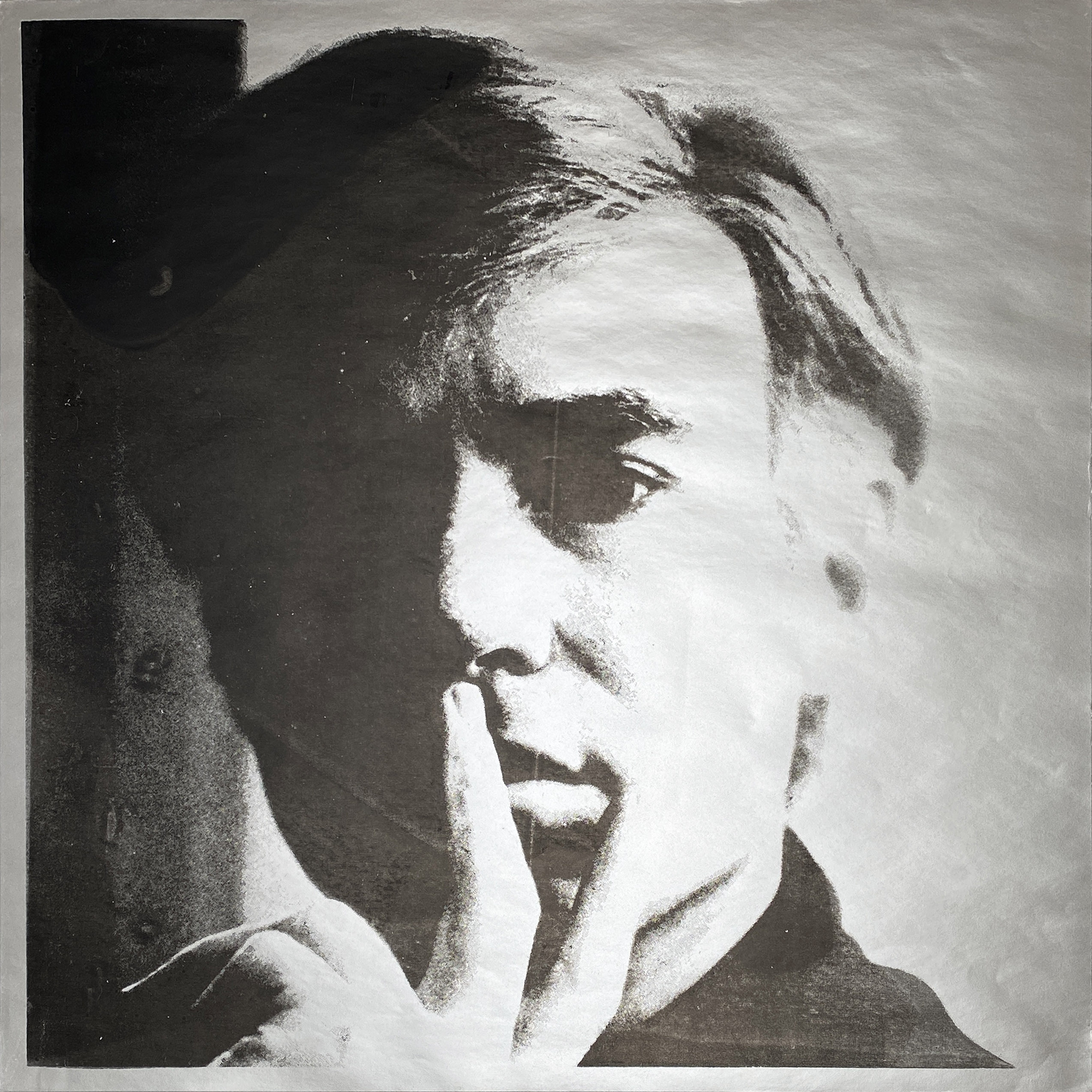
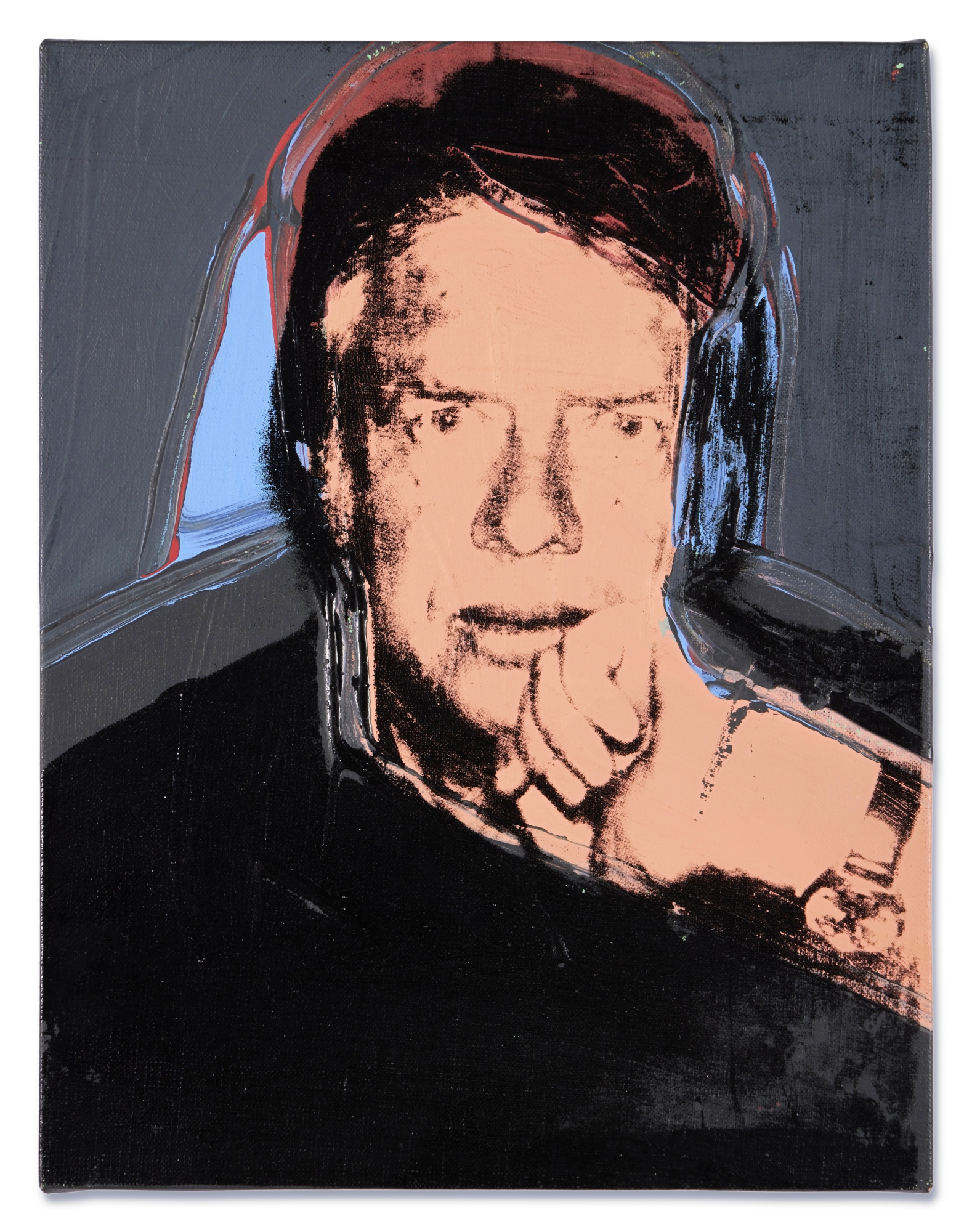
Andy Warhol
Self-Portrait II.16, 1966
Artists like Richard Prince, whose rephotographed imagery of Brooke Shields and Marlboro cowboys upended questions of authorship and desire in the 1980s, now command serious institutional and private attention. Elizabeth Peyton, whose intimate painted portraits of Kurt Cobain, Jarvis Cocker, and Liam Gallagher read simultaneously as fan devotion and art historical ambition, has seen sustained critical and commercial momentum that shows no sign of cooling. Exhibition history in this territory is rich and telling. The Andy Warhol Museum in Pittsburgh, which opened in 1994, remains the essential pilgrimage site, but it was the Whitney Museum's 2018 retrospective 'Andy Warhol: From A to B and Back Again' that reframed the work for a new generation of collectors and critics.
Organized by Donna De Salvo, the show argued forcefully that Warhol's celebrity imagery was not cynical or ironic but deeply, almost painfully sincere. That reading has stuck. It changed prices, changed conversations, and gave younger artists working in the same territory a more serious lineage to claim. The National Portrait Gallery in London has also committed meaningfully to this space, with programming that treats celebrity portraiture as a legitimate heir to the grand tradition rather than a populist distraction.
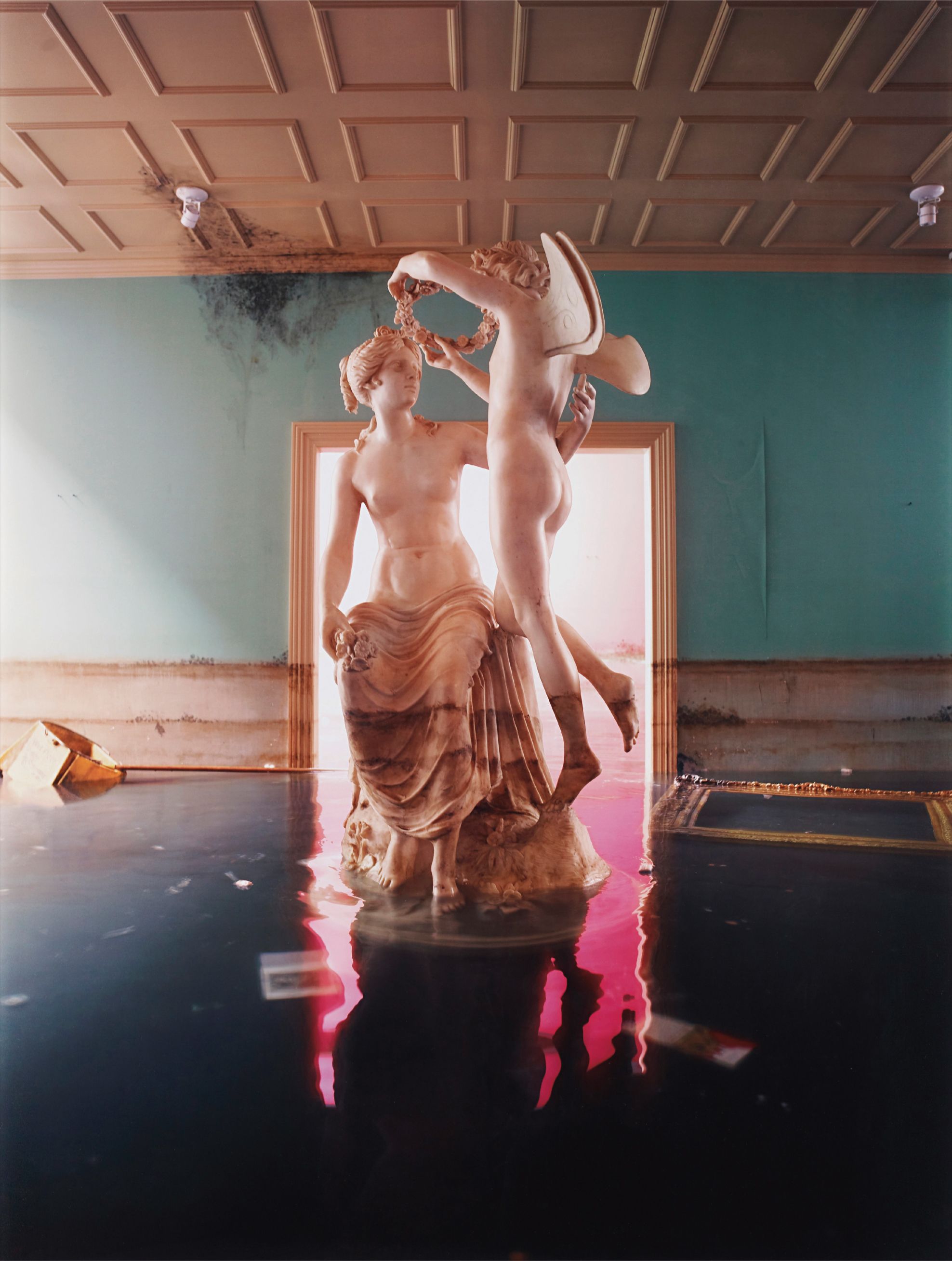
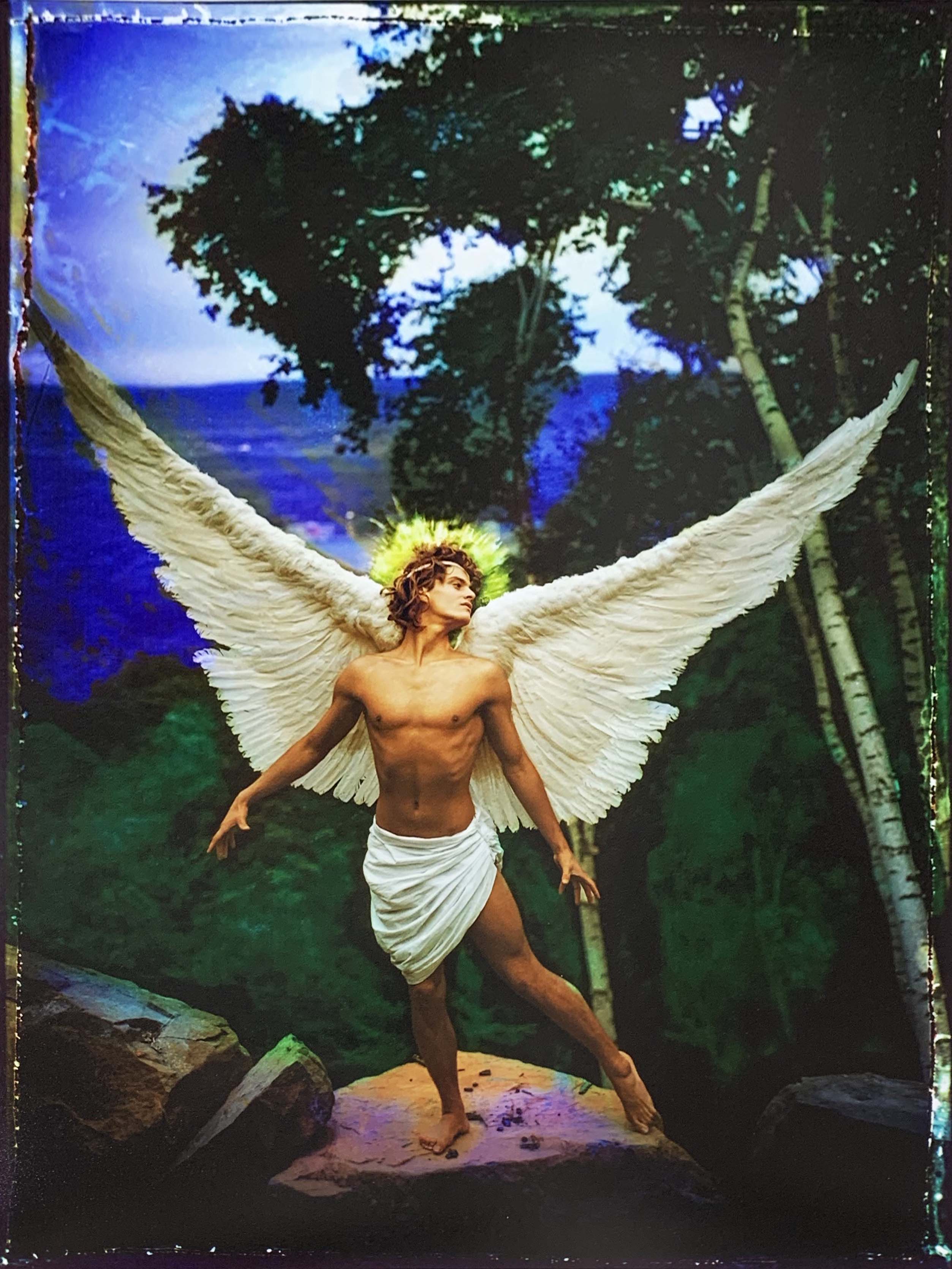
David LaChapelle
Statue, Los Angeles
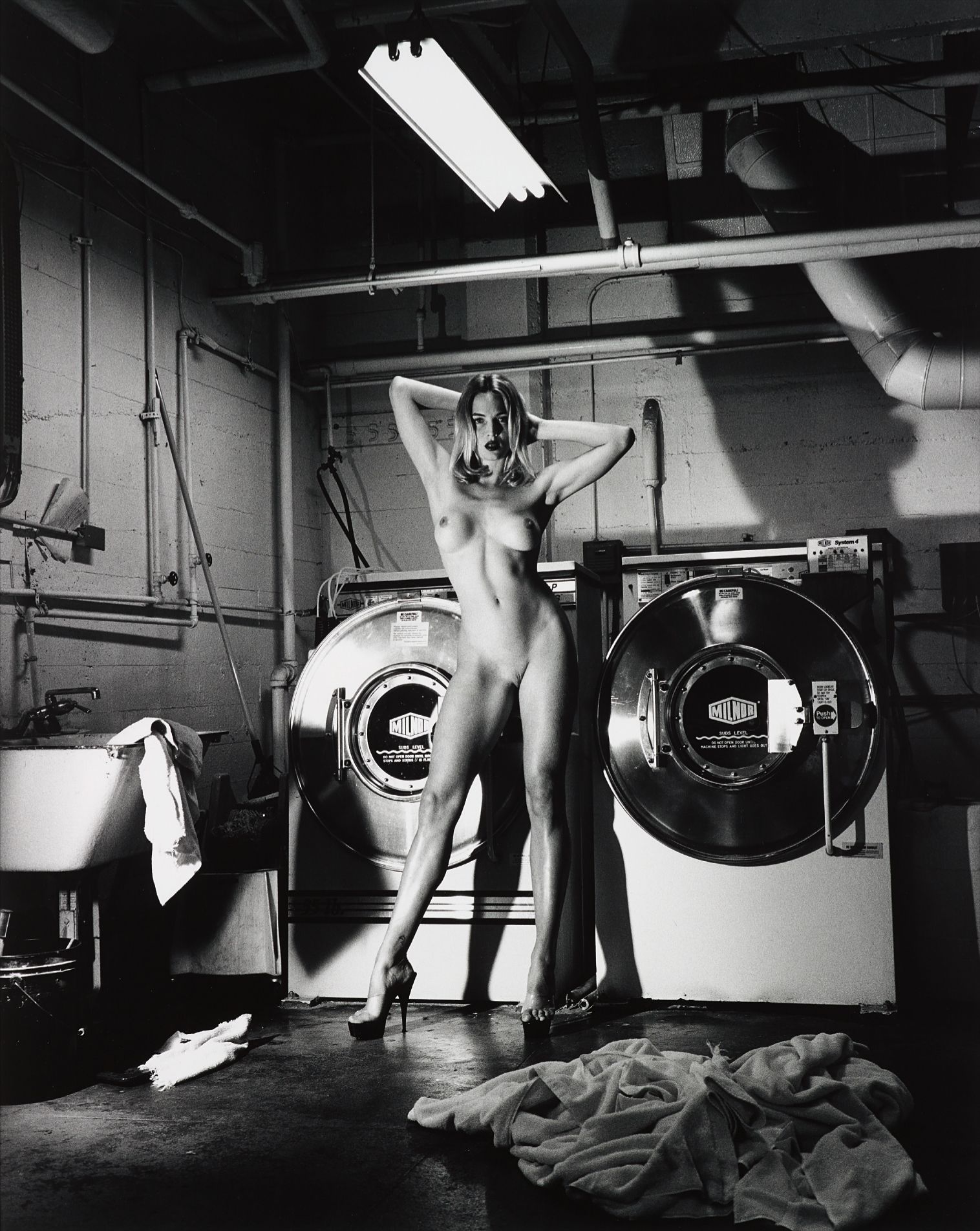
David LaChapelle and Helmut Newton represent different ends of a spectrum that runs from baroque excess to cool authority, and both have found their collectors. LaChapelle's work, with its saturated color and theatrical staging, has attracted renewed attention as younger buyers who grew up with his imagery in magazines seek to own pieces of that visual memory. Newton's photographs command consistent prices at auction precisely because the market understands their dual citizenship in fashion and fine art. Philippe Halsman, whose work captures a generation of Hollywood figures in unexpectedly playful or psychologically revealing moments, belongs to an earlier chapter but remains deeply sought after.
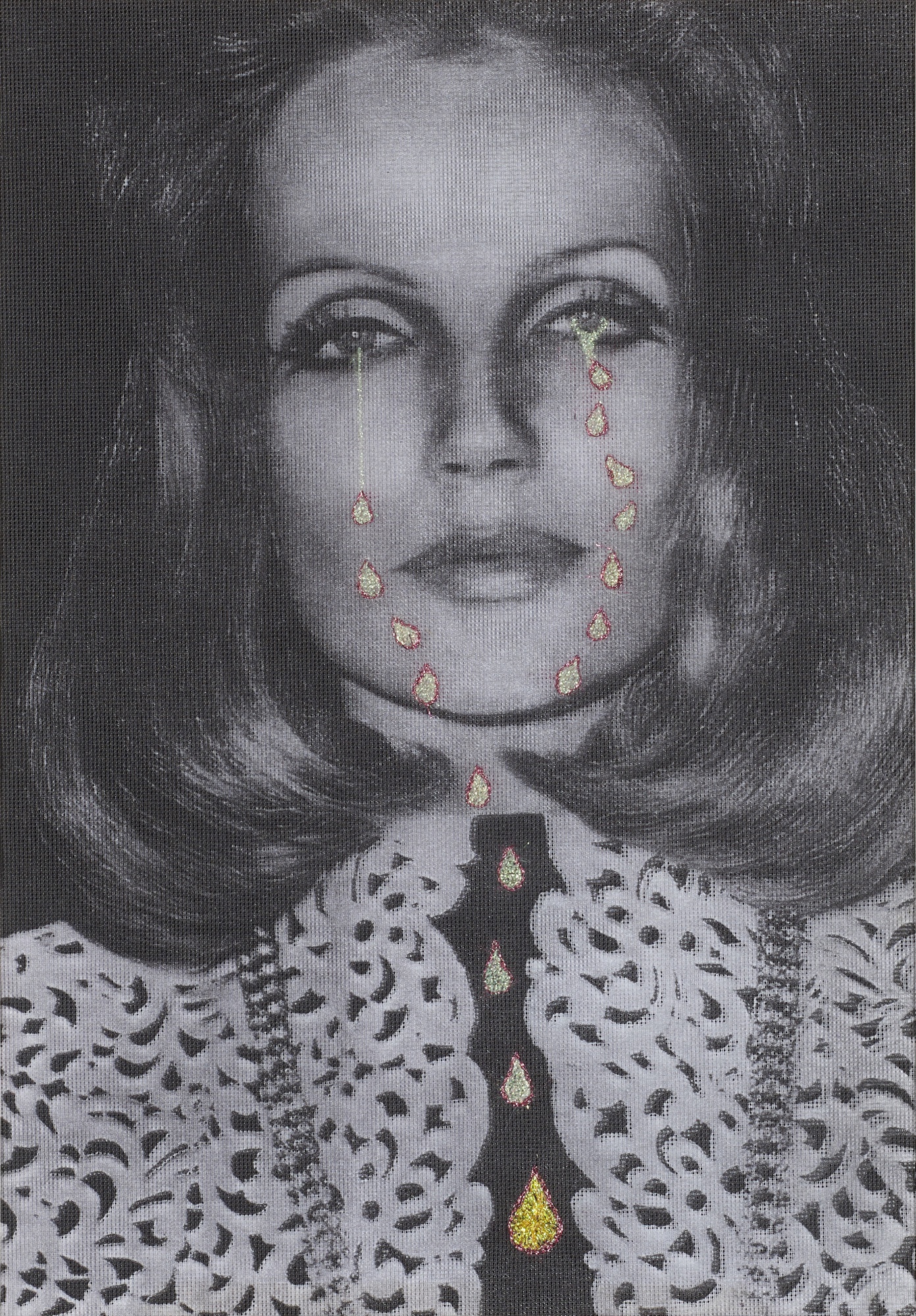
His portrait of Salvador Dali jumping is one of the most recognizable photographs of the twentieth century, and original prints surface rarely enough to create genuine excitement when they do. The critical conversation around celebrity art has grown more sophisticated as scholars and curators have pushed back against the easy reading that equates fame imagery with superficiality. Writers like Douglas Crimp and Hal Foster laid important groundwork in the 1980s through their engagement with appropriation and the simulacrum, but more recent voices have focused on questions of race, gender, and power within celebrity culture's visual economy. Francesco Vezzoli, whose work stitches together classical techniques like embroidery with contemporary fame and spectacle, has been the subject of sustained curatorial interest at institutions including the Guggenheim.
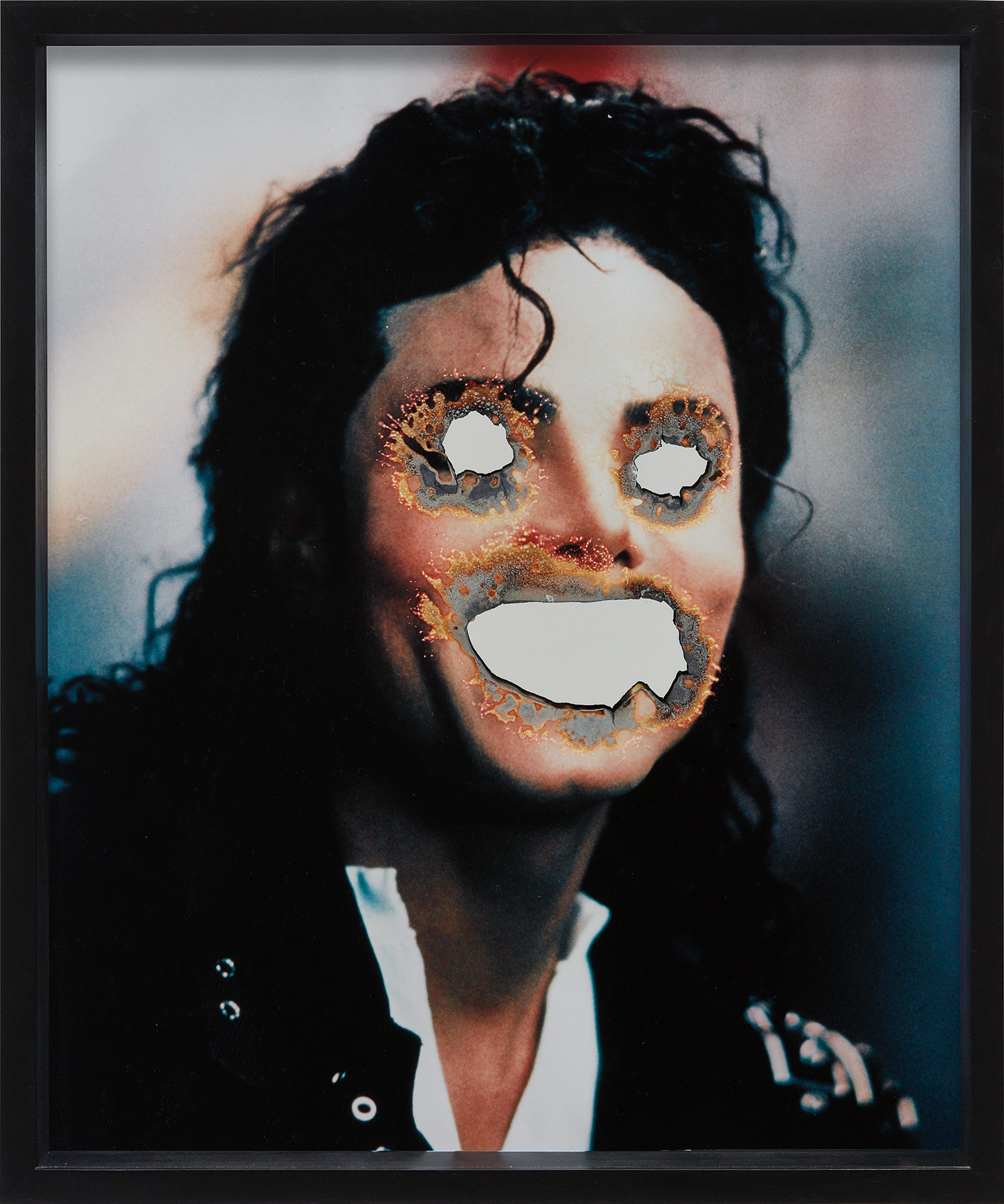
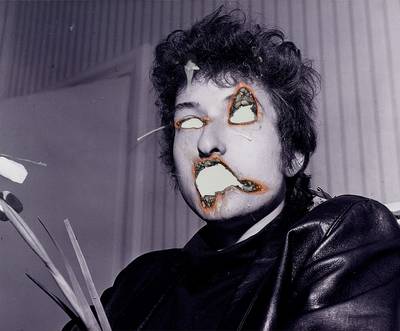
Douglas Gordon
Self Portrait of You + Me (Michael Jackson), 2007
His practice asks, with a kind of delirious wit, whether adoration is a form of critique or simply its own reward. Douglas Gordon, working in video and installation, approaches celebrity through the lens of obsession and repetition, slowing down film footage of iconic performers until something unsettling emerges from the familiar. What feels genuinely alive right now is the question of what celebrity means in an era of social media self construction. Artists like Marilyn Minter, whose work has always trafficked in glamour as a site of ambivalence, feel urgently relevant to a moment when every person with a phone is potentially their own Warhol subject.
Nate Lowman's engagement with American pop iconography, including his recurring motif of bullet holes read alongside smiley faces and tabloid imagery, captures something anxious and specific about fame in a violent culture. Russell Young, working with silkscreen and diamond dust in ways that consciously invoke Warhol while asserting his own sensibility, has attracted a collector base that spans Los Angeles, London, and beyond. Museums are making their commitments clear. The Museum of Modern Art has deepened its holdings in this area, and the Tate Modern's acquisitions over the past decade reflect a serious institutional argument that celebrity culture produces objects worthy of permanent collection.
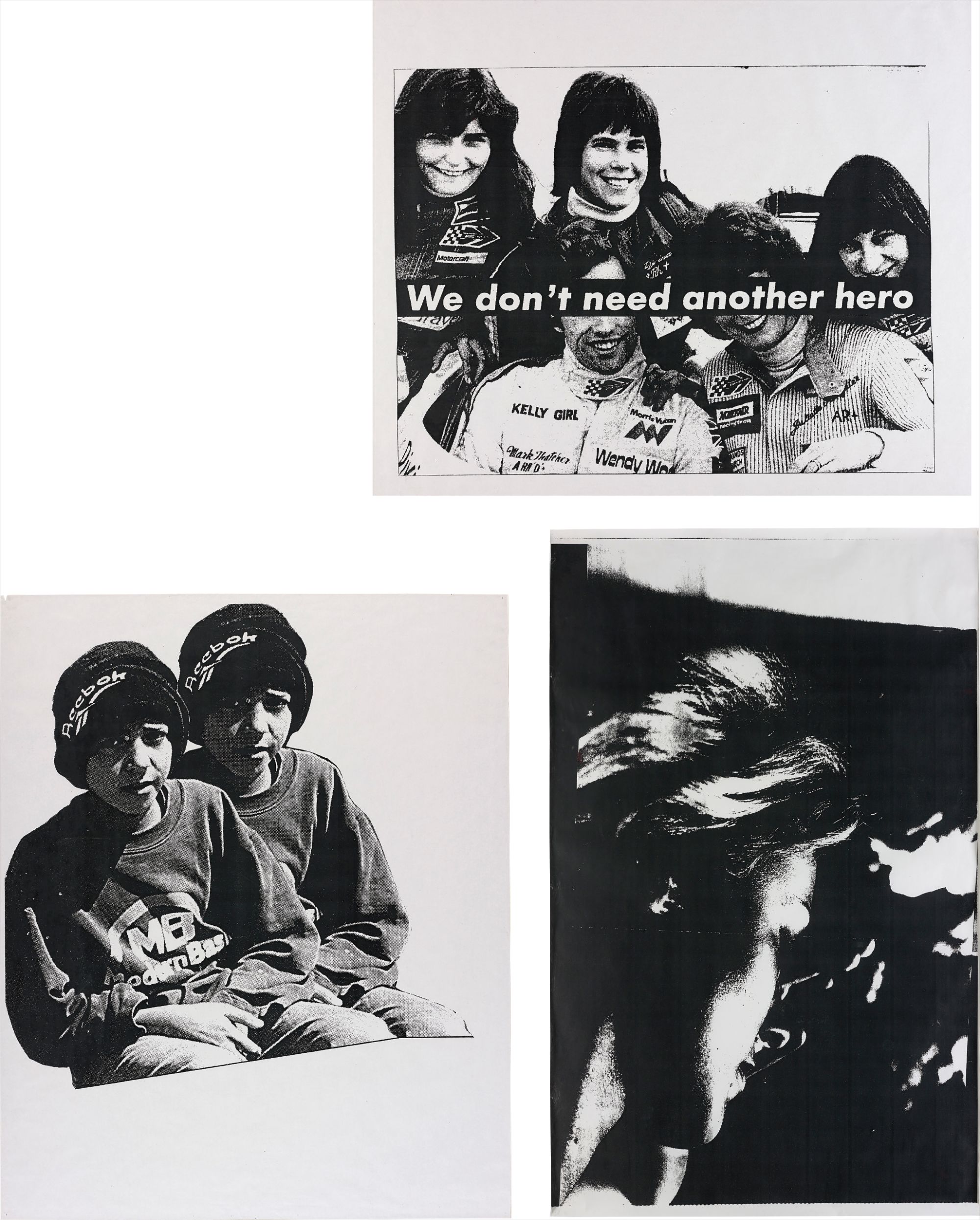
Nate Lowman
Three Works: (i) Sharon Stone; (ii) We Don't Need Another Hero; (iii) Twin Boy Suicide Bomb
The Broad in Los Angeles, with its pop and neo pop holdings, positions this work as central to understanding American visual culture rather than peripheral to it. These decisions matter because they shape the secondary market, validate academic attention, and tell collectors where the field is heading. The surprise that feels most imminent is the reassessment of figures who have been categorized as photographers rather than fine artists in the celebrity space. Gavin Bond, Michael Halsband, and Alex Guofeng Cao each bring distinct perspectives to how celebrity is constructed and consumed through the camera, and the market has not yet fully decided how to value that work.
Halsband's 1986 photograph of Jean Michel Basquiat and Andy Warhol together is one of those images that seems to grow more significant with each passing year, capturing not just two artists but an entire cultural moment at the edge of its own dissolution. That photograph is not simply a document. It is an argument. And the art world, to its credit, is still listening.