Black Figurative Art
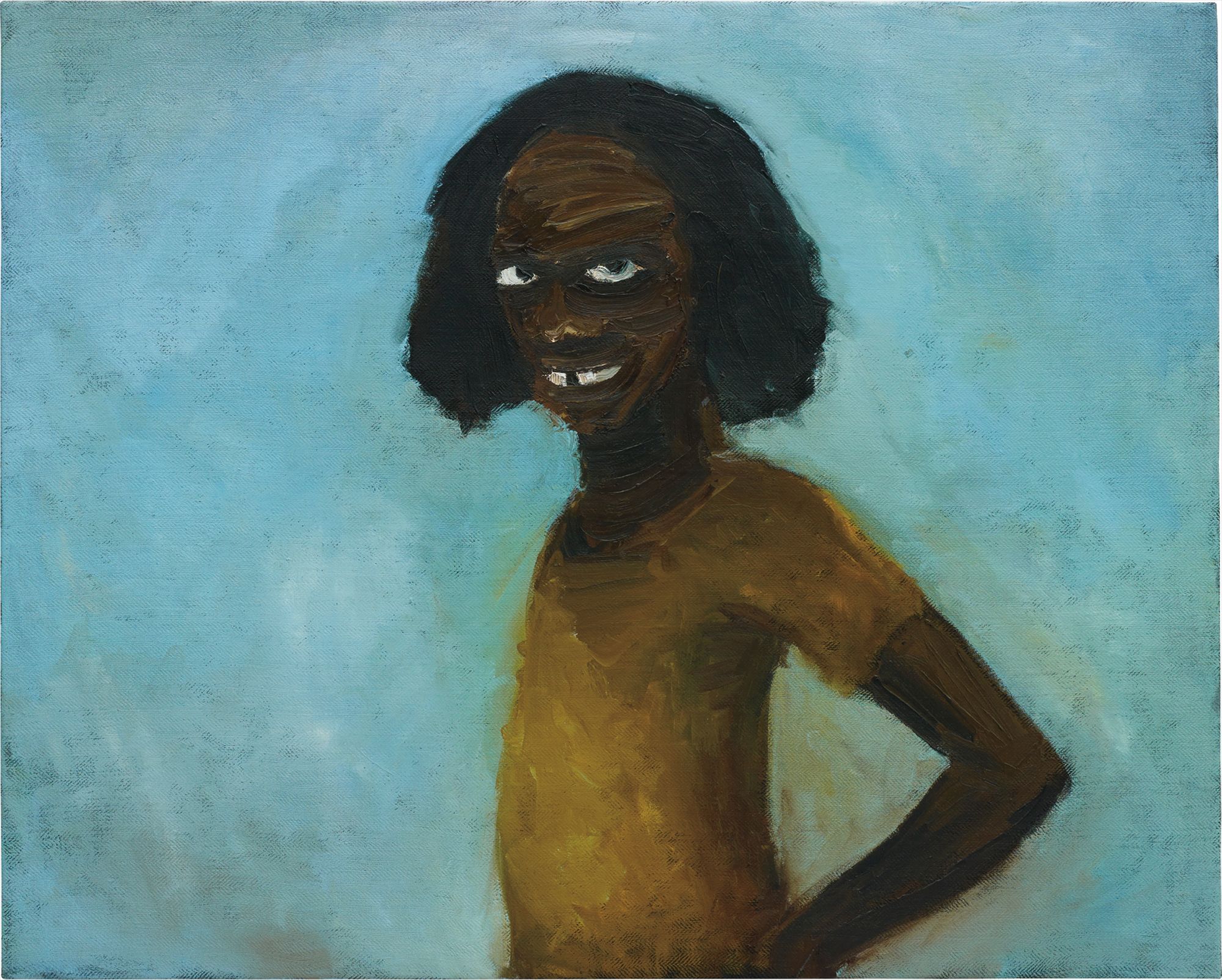
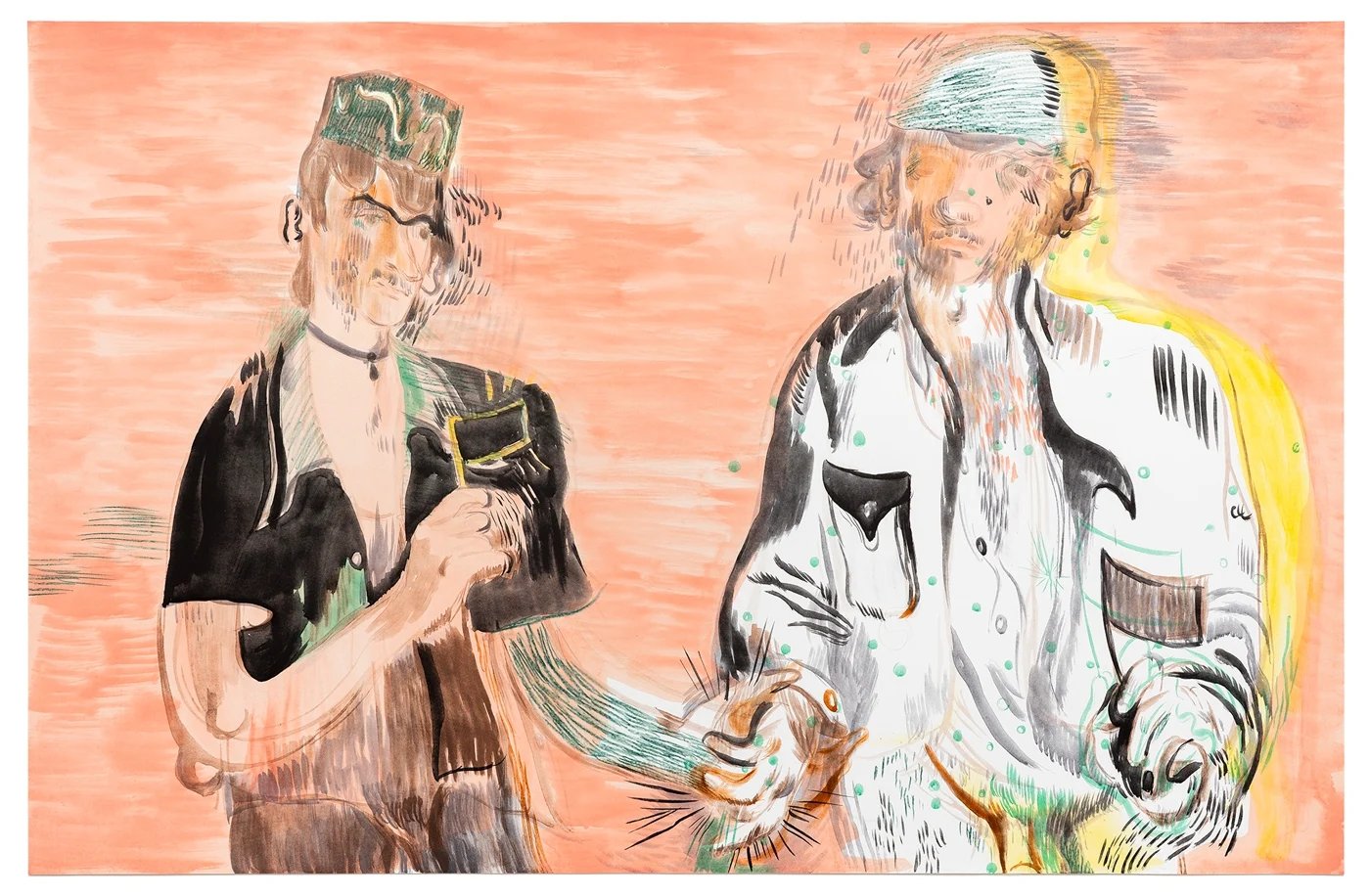
Lynette Yiadom-Boakye
Feeding the Anthrapologist

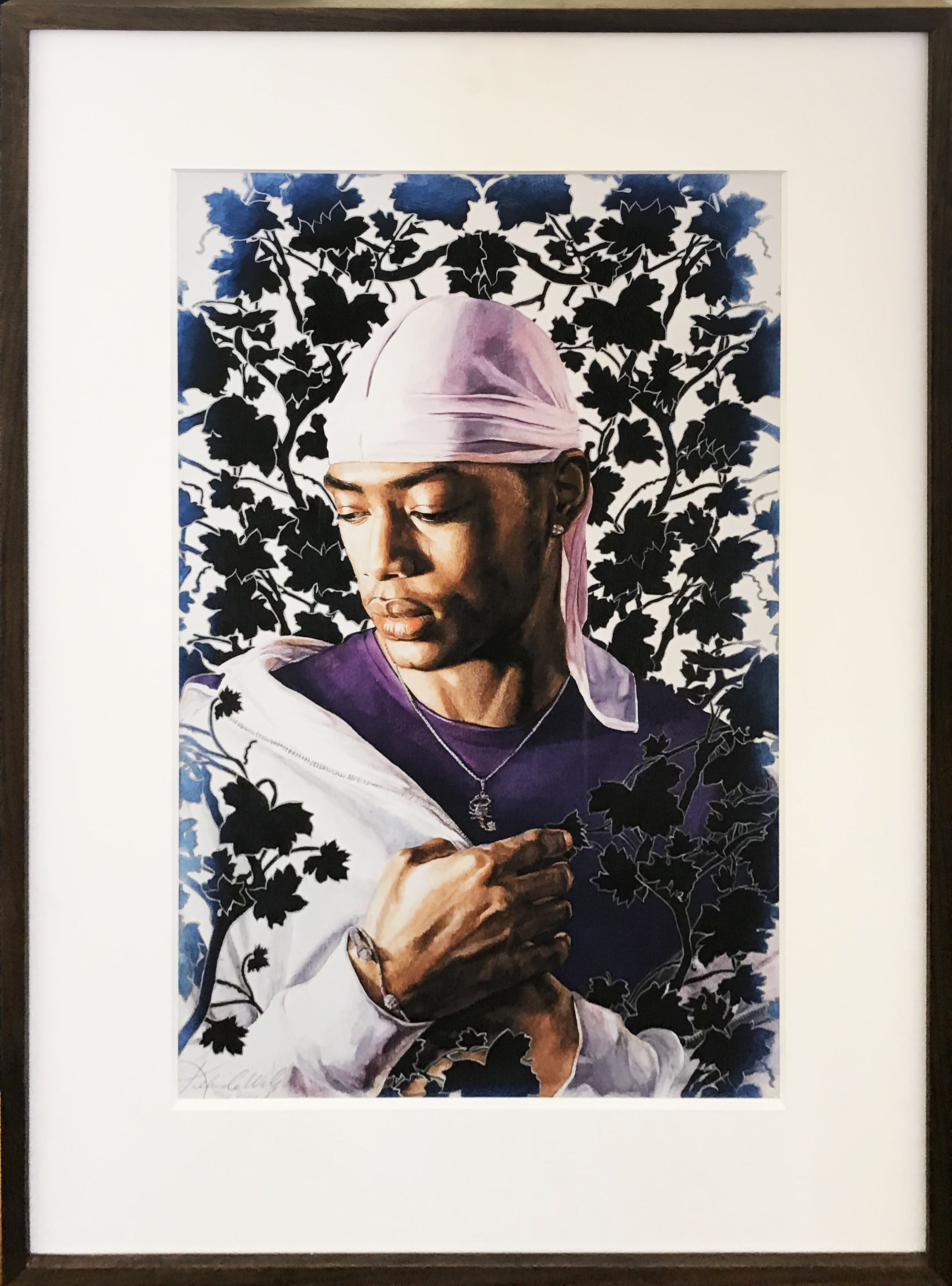
The Figure Reclaimed: Collecting Black Portraiture Now
There is something immediate and irreducible about a figurative painting that looks back at you. In the case of the artists working at the intersection of Blackness and portraiture today, that exchange carries centuries of accumulated weight, desire, erasure, and reclamation. Collectors who come to this area often describe the same experience: a work enters the home and changes the room entirely. It is not decorative in the passive sense.
It demands a kind of reckoning, and that quality is precisely what makes these paintings so compelling to live with over decades rather than seasons. The appeal goes beyond the political, though the politics are inseparable from the work. What draws serious collectors is the painterly ambition on display. These artists are not making arguments dressed as pictures.
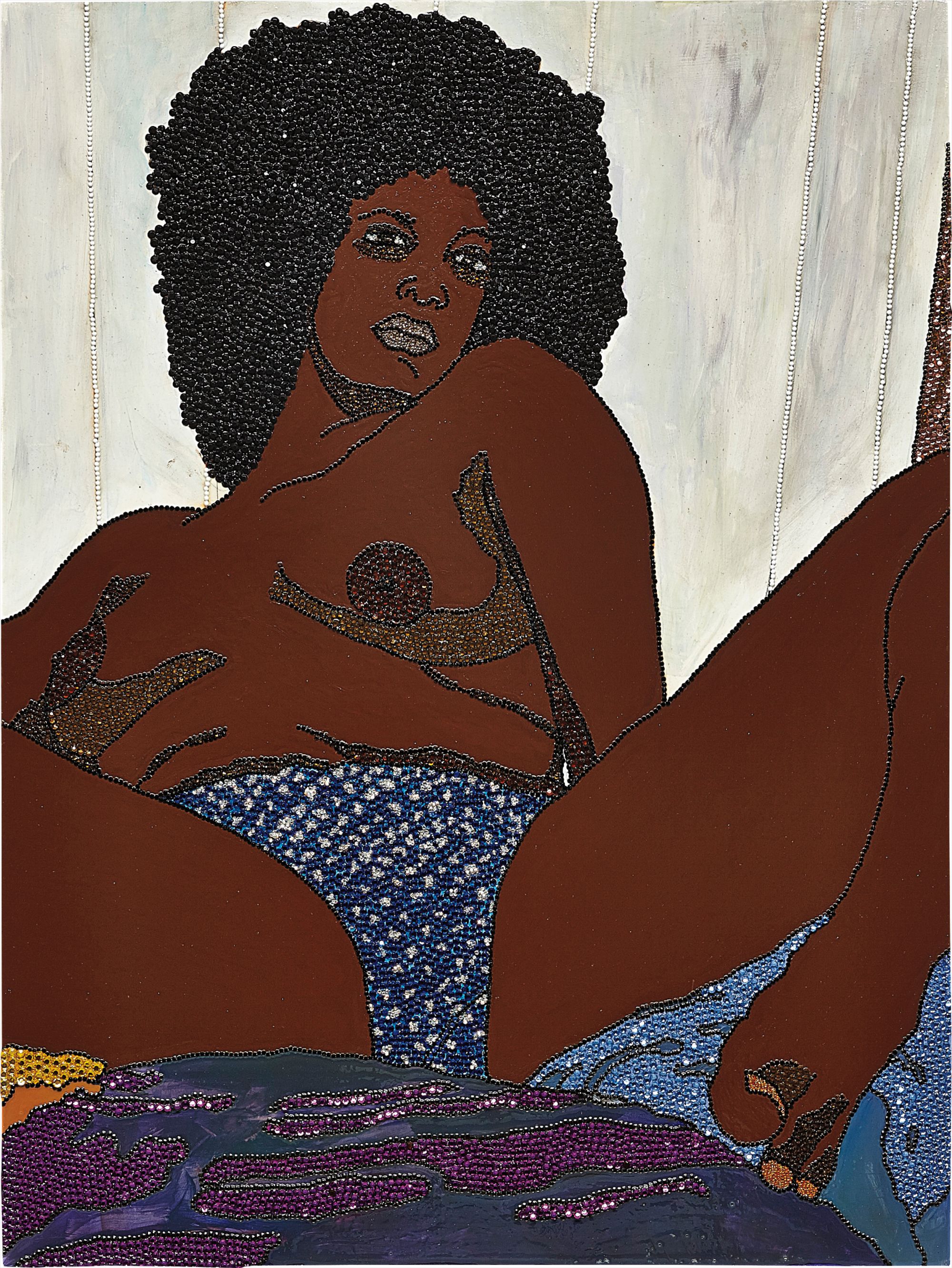
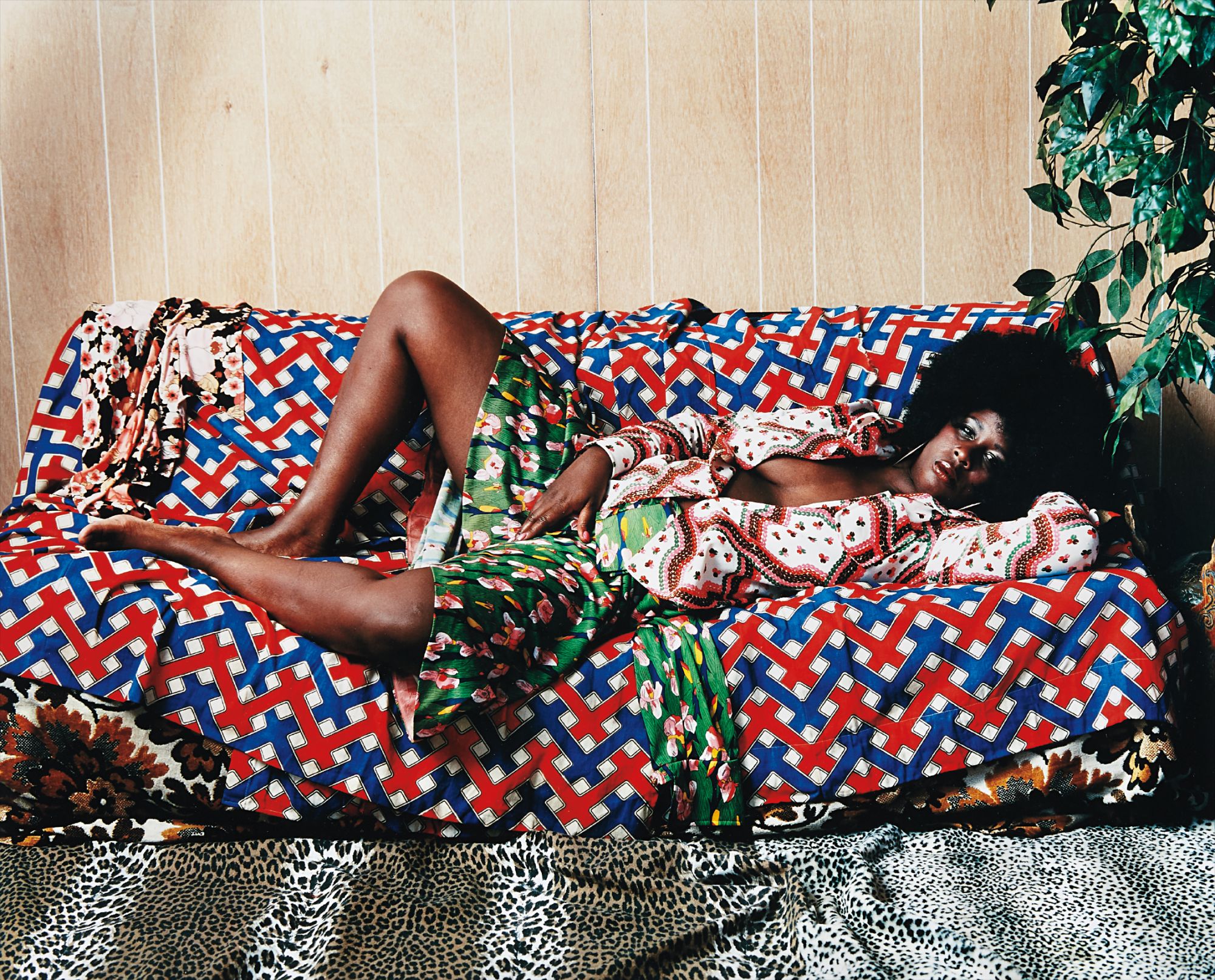
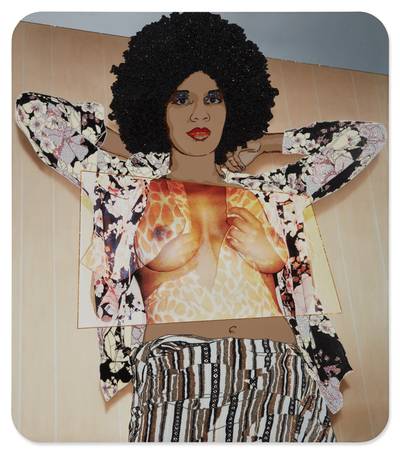
Mickalene Thomas
Stop, Look and Listen
They are grappling with light, color, surface, and scale in ways that sit comfortably alongside the great figurative traditions of Western painting while simultaneously complicating them. When you spend time with one of these works, you find yourself thinking about Velázquez and Basquiat in the same breath, about van Dyck and vernacular photography, about what it means to render a body with care. That intellectual richness is what creates lasting value. So what separates a good work from a great one in this space?
Presence is the first thing, and presence is surprisingly hard to manufacture. The best paintings in this genre have a psychological specificity that resists easy categorization. The subject feels particular, not representative. There is also the question of surface: how the artist handles paint, whether there is a genuine material logic to the work or simply technical facility in service of a pleasing image.
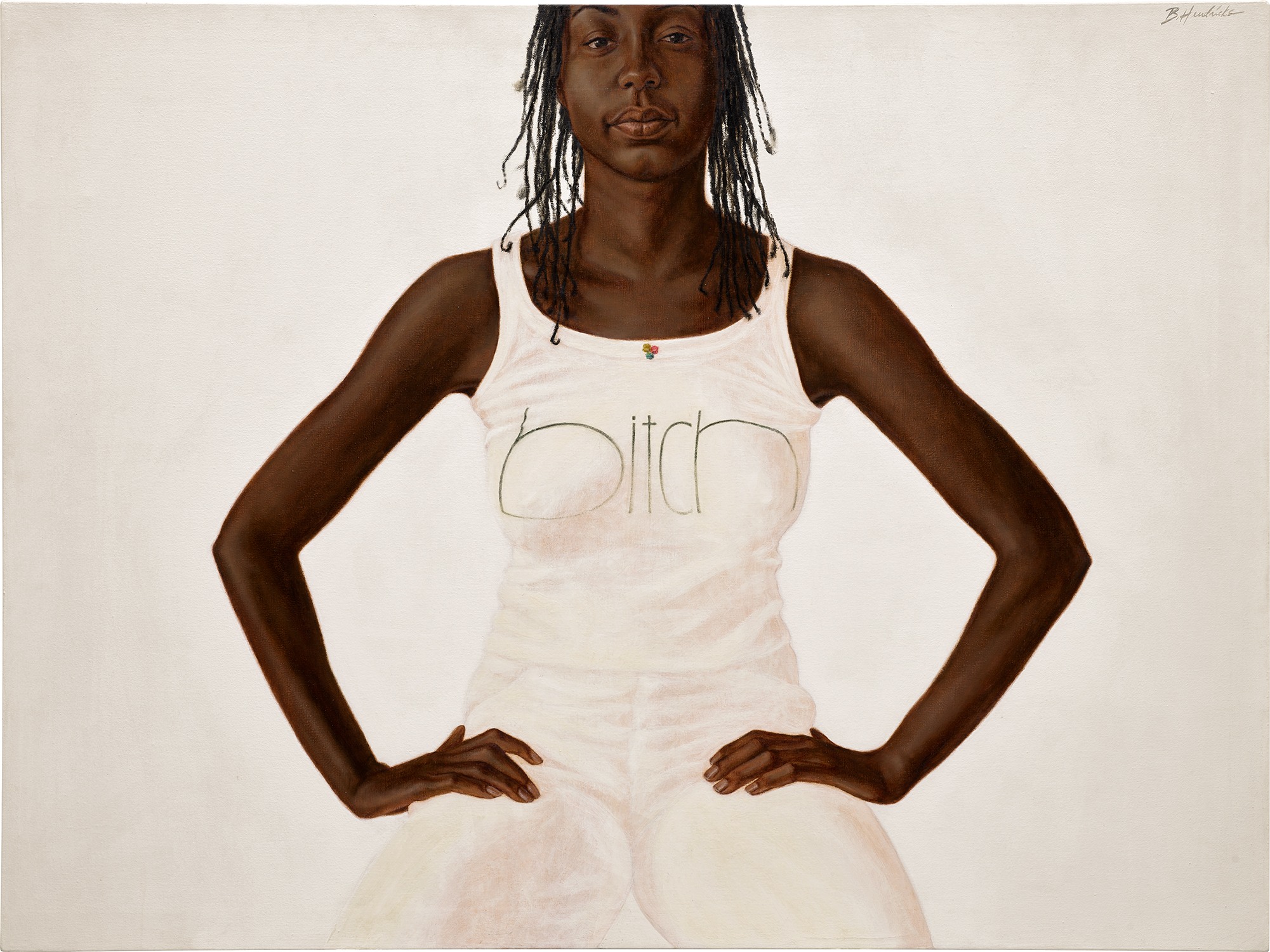
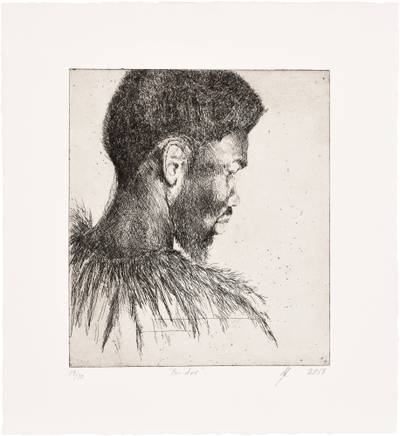
Barkley L. Hendricks
Vendetta, 1977
Collectors should look closely at scale decisions, at whether the composition earns its ambition, and at the relationship between figure and ground. Works that feel resolved in their own internal terms, rather than relying on context or market narrative, are the ones that hold. The artists well represented on The Collection offer a useful study in how different painters approach these questions. Mickalene Thomas builds her figures from rhinestones, acrylic, and enamel, creating surfaces that pulse with a disco era visual logic rooted in her engagement with Black feminine beauty and 1970s American vernacular culture.
Her works demand attention from across a room and reward it up close. Lynette Yiadom Boakye works in an almost opposite register, painting invented figures in muted, atmospheric tones that feel like half remembered portraits of people you cannot quite place. Her restraint is deceptive. The quietness of her surfaces contains real emotional charge, and the fictional quality of her subjects gives collectors something genuinely unresolvable to sit with.
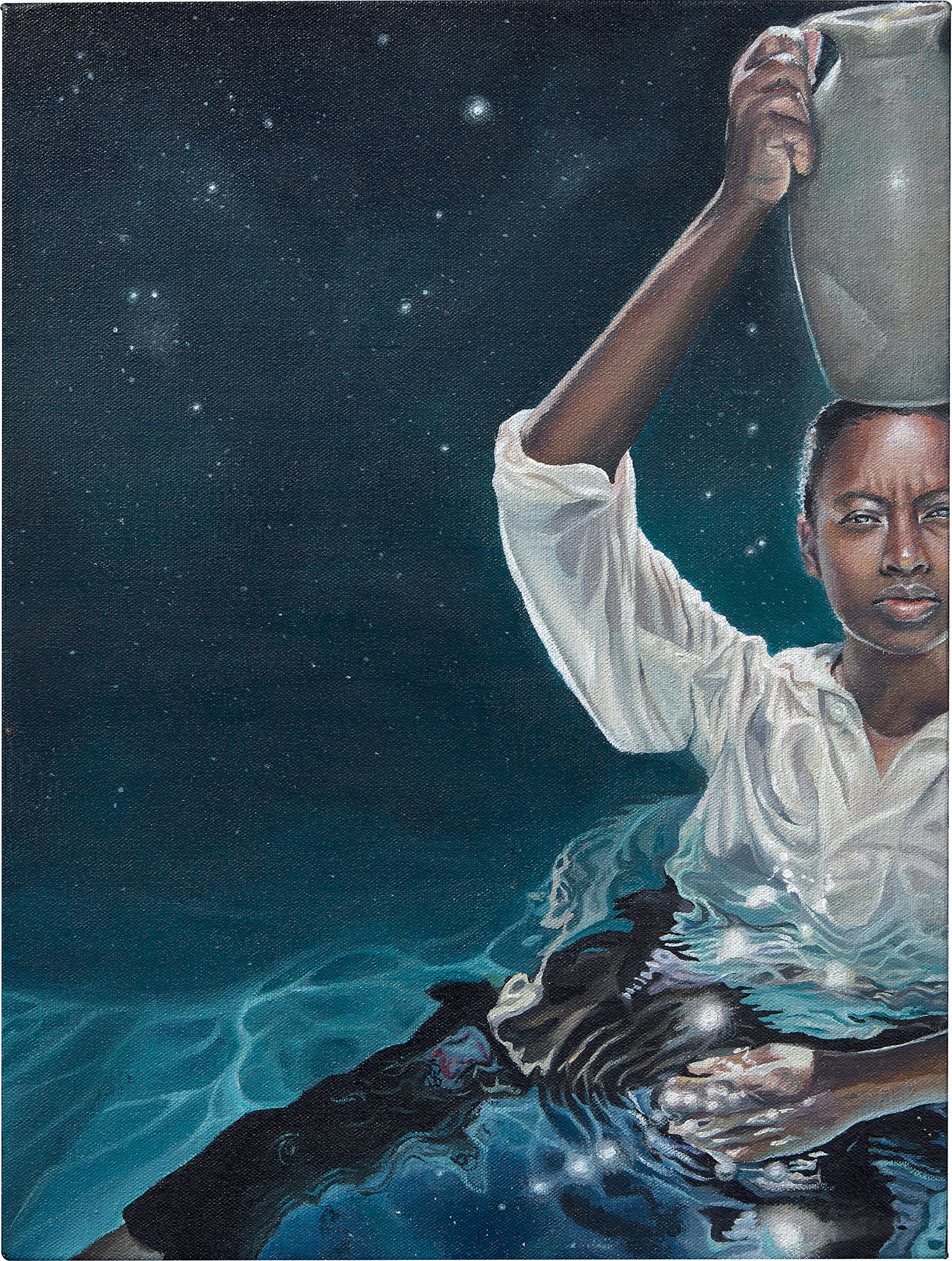
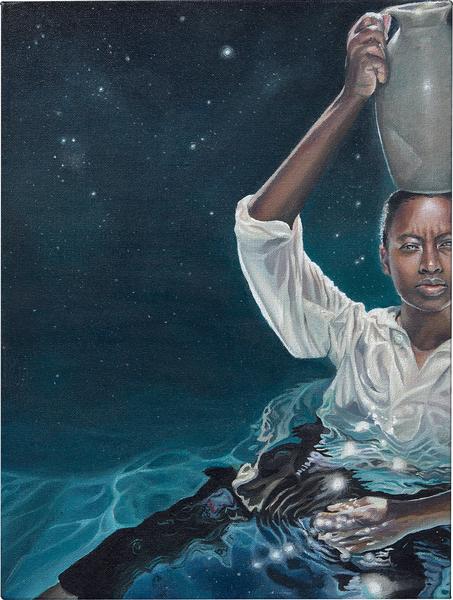
Calida Rawles
Pillar, 2018
Barkley L. Hendricks, whose landmark exhibition Birth of the Cool at the Nasher Museum in 2008 reintroduced his 1970s portraits to a new generation, brought a radical frontality and cool to his figures that anticipated much of what is celebrated now. A Hendricks in a collection carries art historical gravity. Kehinde Wiley and Calida Rawles round out a serious conversation: Wiley through his monumental reframings of Old Master portraiture, Rawles through her luminous, water saturated canvases that use the swimming pool as a meditation on the Black body in contested American space.
For collectors with an eye on the longer arc, the emerging generation working in Black figurative painting deserves serious attention. Artists like Toyin Ojih Odutola, whose intricate graphite and pastel drawings construct elaborate narratives of invented aristocracies, or Tschabalala Self, whose collaged figures carry a raw bodily energy rooted in both craft and conceptual rigor, are producing work that the market has noticed but that remains accessible compared to where it will likely be in a decade. Jordan Casteel, who paints her Harlem neighbors with an intimacy and tenderness that recalls Alice Neel, is another name worth knowing. These are painters whose critical reputations are solidifying even as institutional acquisition intensifies, which historically signals a narrowing window for private collectors.
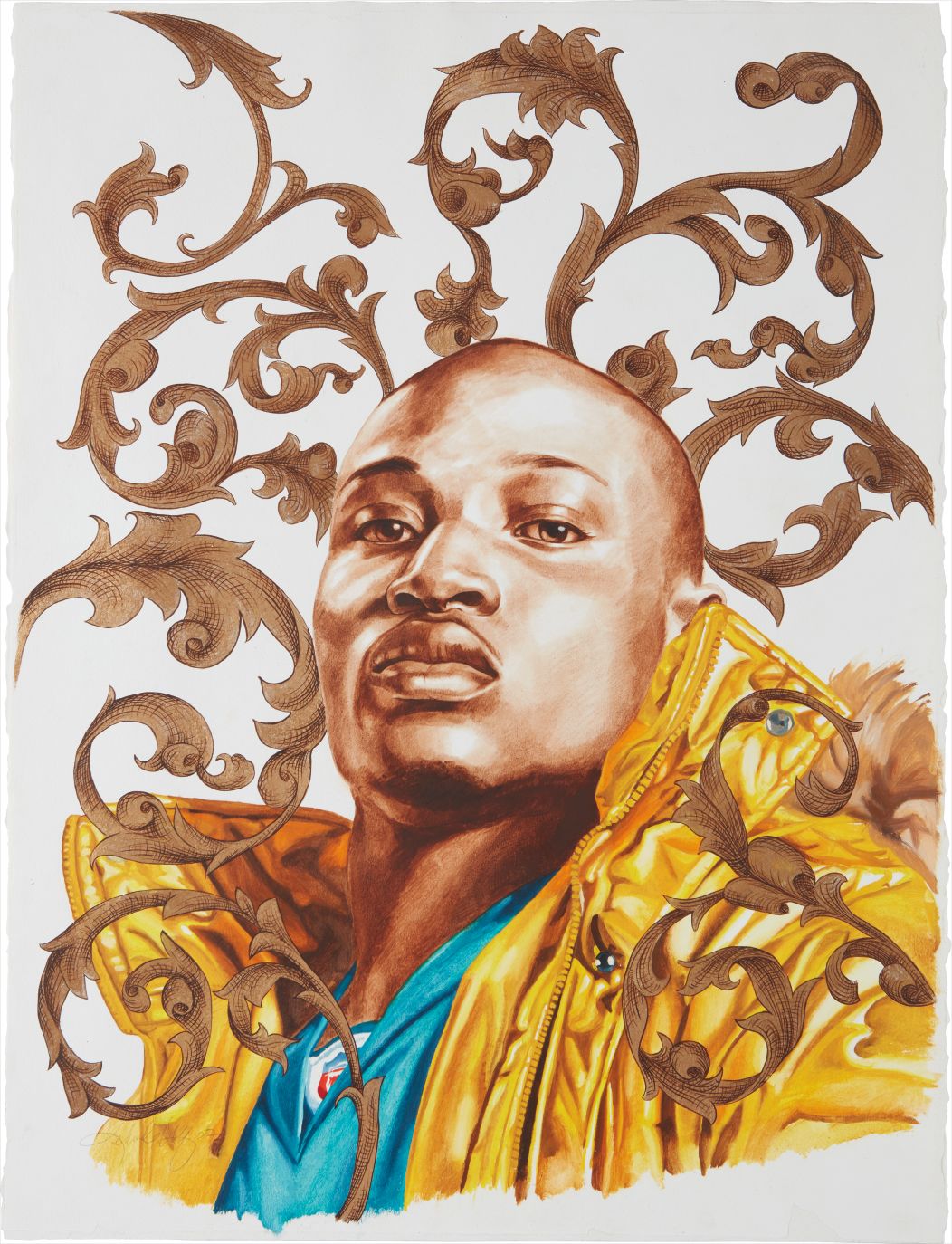
Kehinde Wiley
Le Roi a la Chasse (study), 2007
At auction, the secondary market for Black figurative work has been one of the defining stories of the past decade. Wiley's prices have been consistently strong since the Obama portrait commission in 2018 brought his name to an entirely new audience. Yiadom Boakye set records at Christie's that confirmed what museum curators already knew. Hendricks, tragically, died in 2017 and left a finite body of work whose scarcity is now factored into every secondary sale.
Thomas remains a force at auction with works frequently exceeding estimates. What the data shows, when you look at the pattern across these artists, is not a speculative bubble but a structural repricing: institutions that undervalued this work for decades are now competing with private collectors for pieces, and that competition does not resolve quietly. Resale conditions are favorable for strong examples, particularly paintings from key periods, and the gap between major works and secondary ones is wider than ever, which means quality selection matters enormously. On the practical side, a few things are worth keeping in mind.
Thomas's mixed media surfaces, incorporating non traditional materials, require careful humidity and light management, and condition reports should flag any instability in rhinestone adhesion or ground preparation. Oil paintings on linen, like those of Yiadom Boakye, are generally more forgiving, but older works should be examined for any previous restoration that might affect surface consistency. When acquiring through a gallery, ask directly about whether the artist authorizes print editions or multiples alongside unique paintings, as this affects the long term positioning of unique works in a collection. Ask also about exhibition history and institutional loans, which add provenance value.
And if a work is offered privately rather than through the primary gallery, verify that the artist or estate is aware of the sale. In a category with this much momentum, transparency about provenance and condition is the foundation that protects everything else.