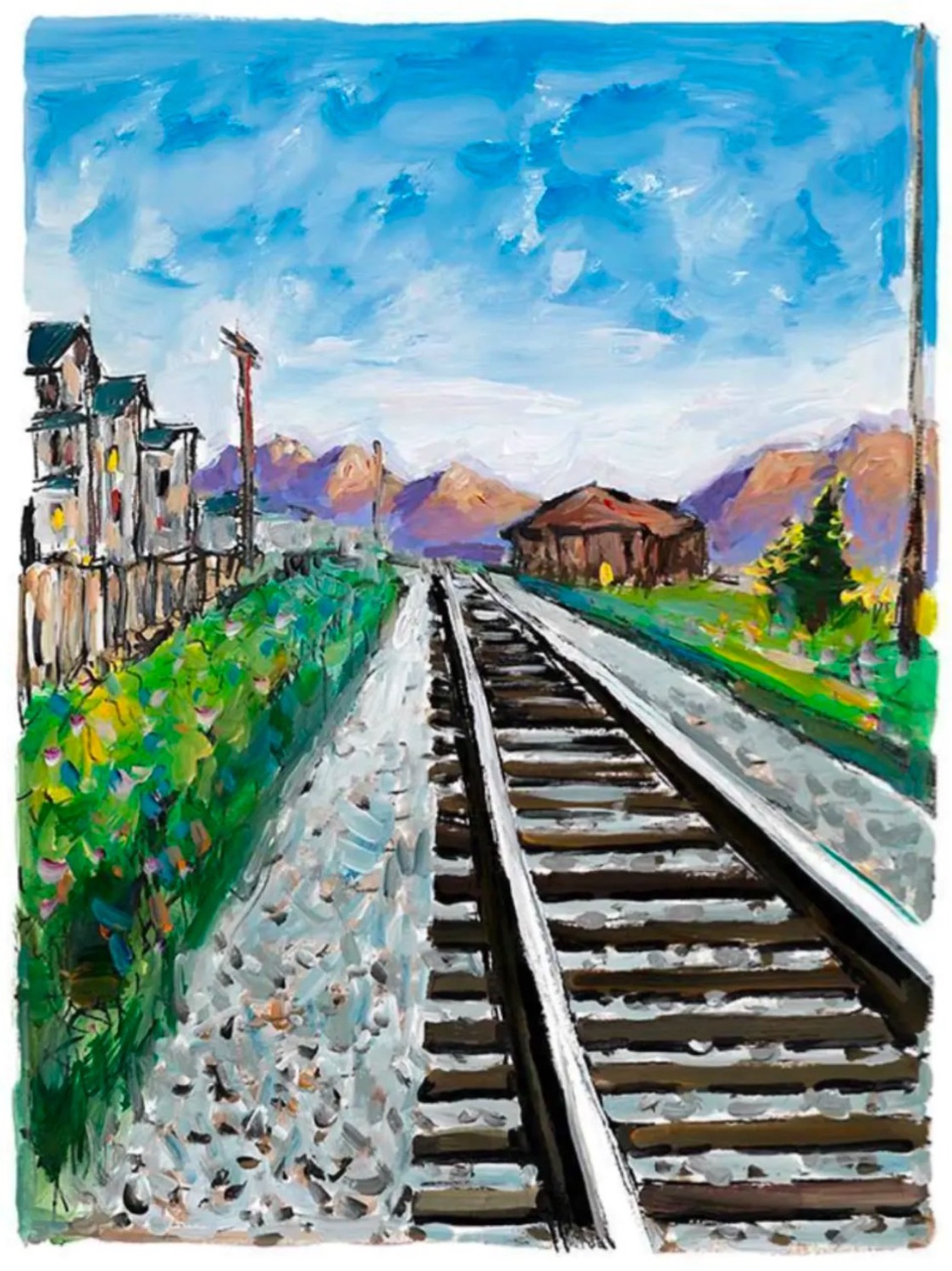
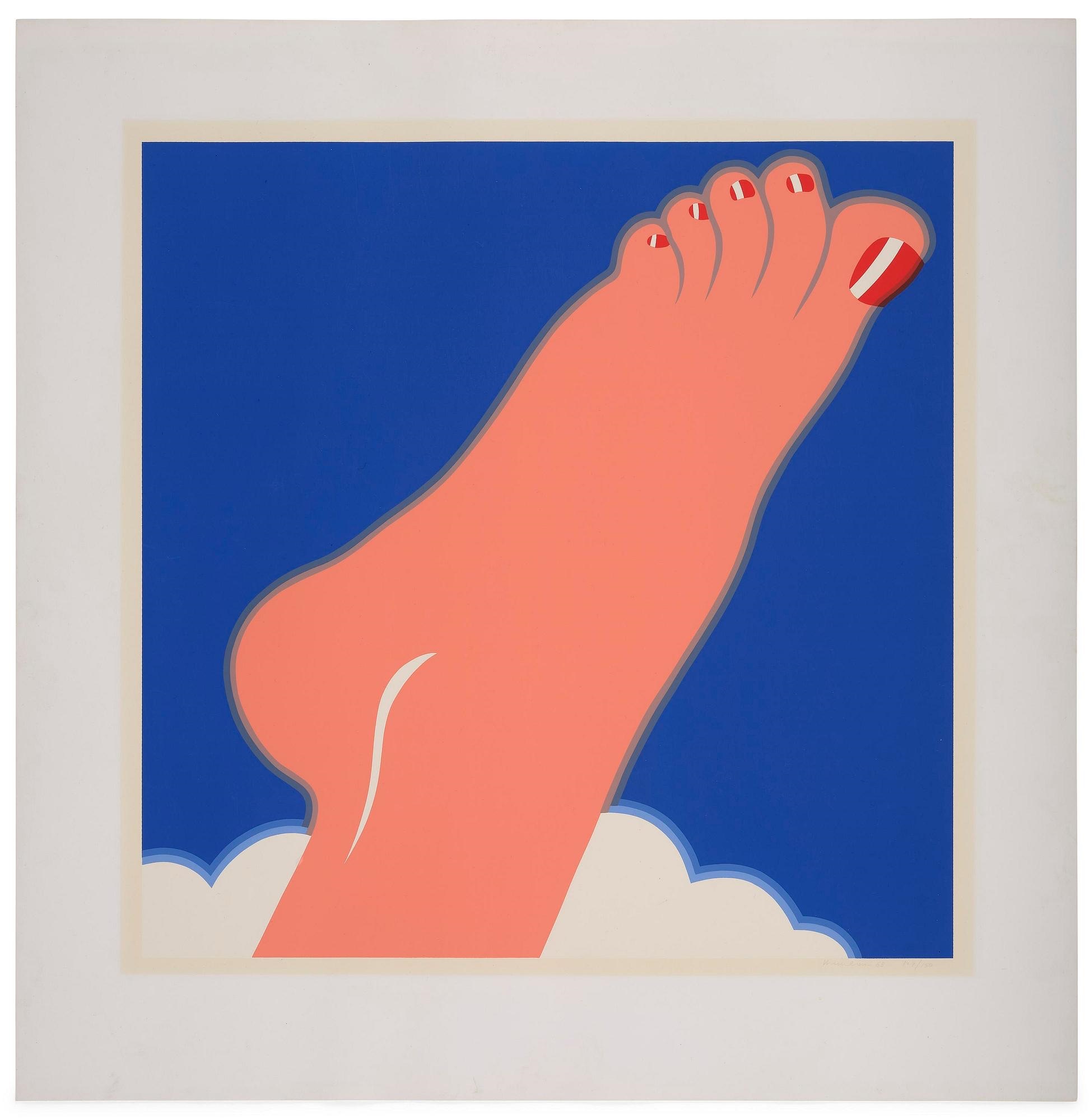
Autumn
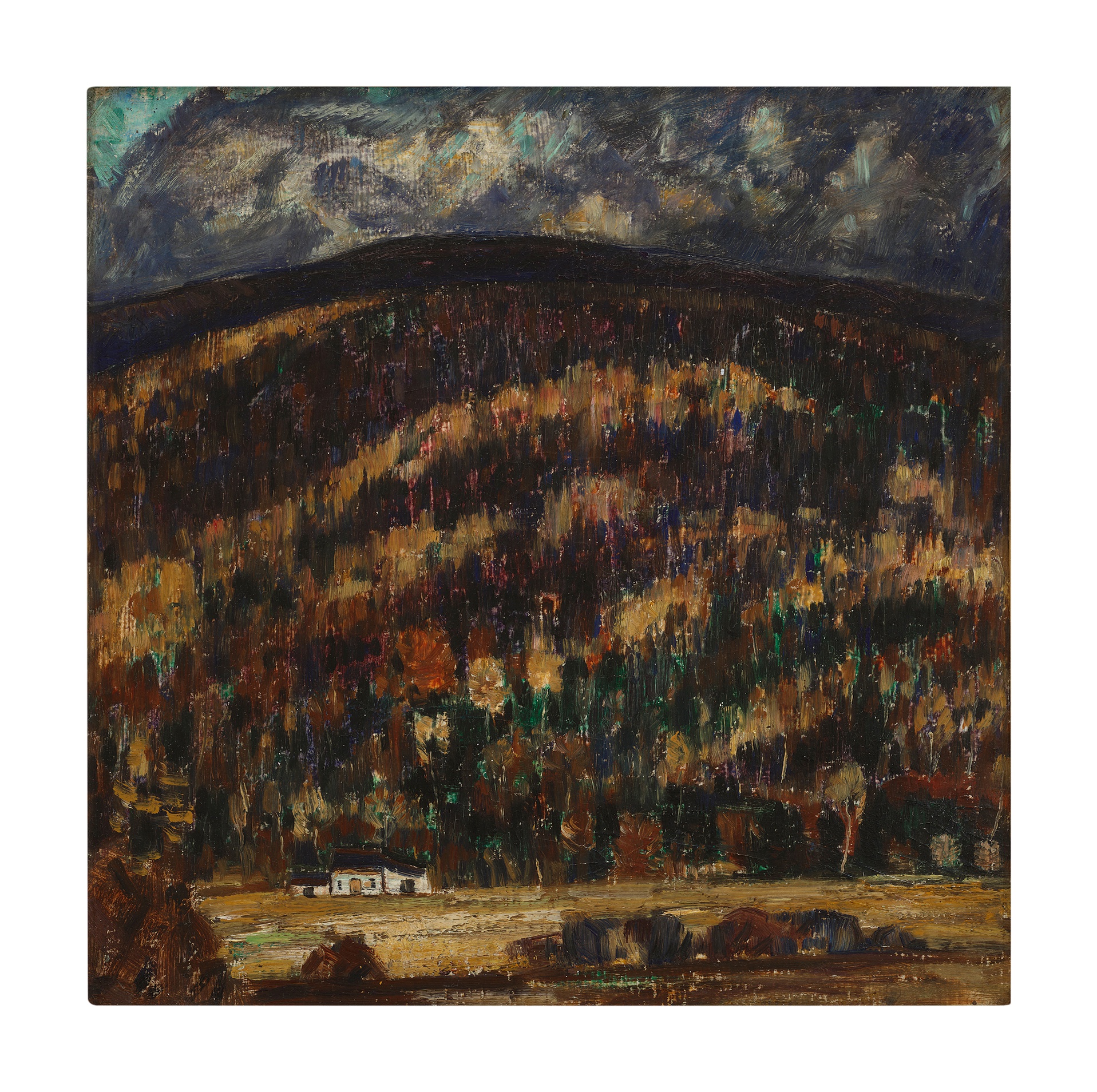
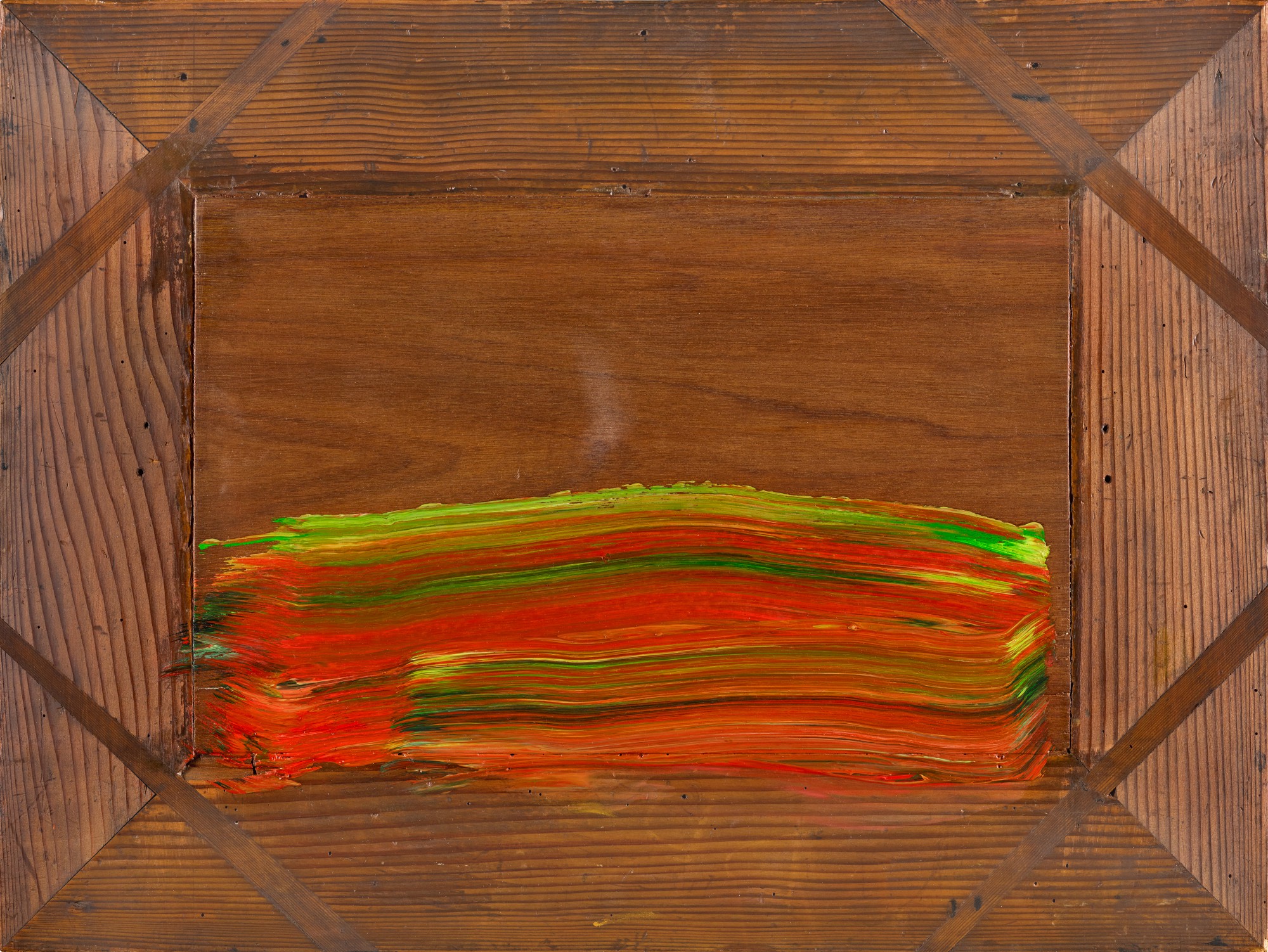
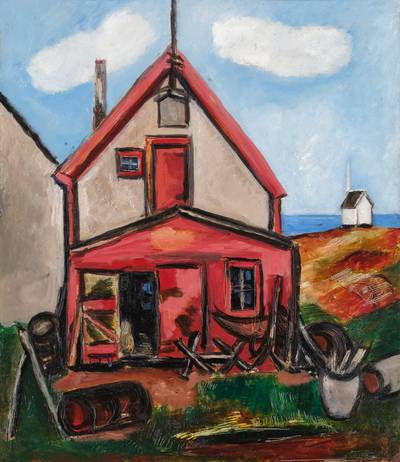
Marsden Hartley
Autumn Hillside: a Double-Sided Work, 1909
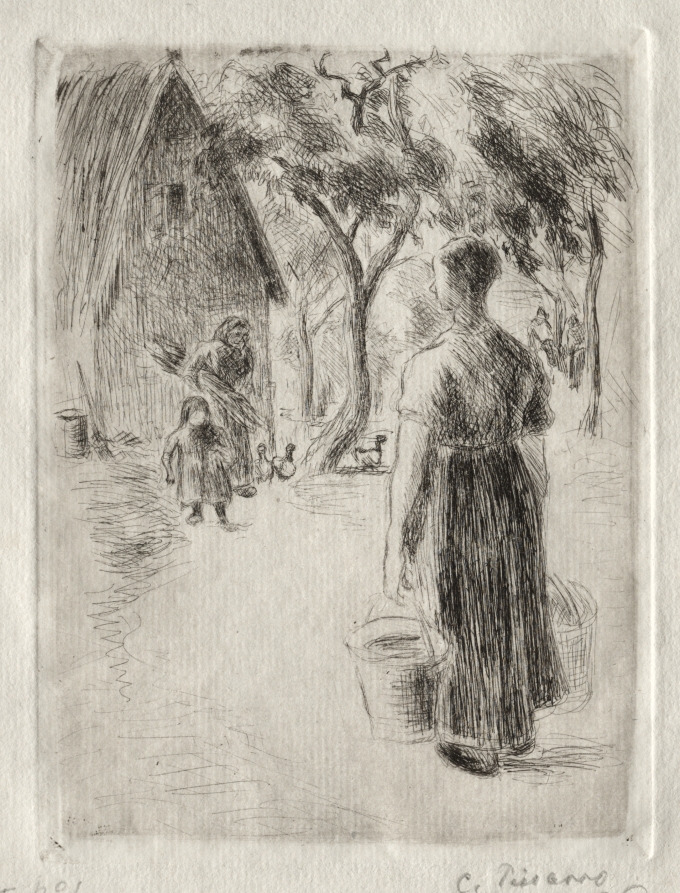
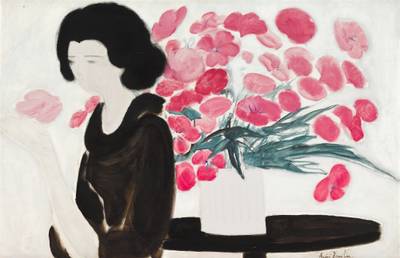



The Season That Makes Collectors Restless
There is something about autumn that collectors cannot resist. Perhaps it is the way the season makes transience feel beautiful rather than sorrowful, or the way a great painting of October light seems to hold something that the eye alone cannot catch and keep. Whatever the reason, works depicting autumn command a loyalty among collectors that few other subjects can match. They are among the most lived with paintings in private collections, the kind that get moved from the guest room to the bedroom to above the fireplace because wherever they hang, they seem to belong.
What draws people to collecting in this area is partly emotional and partly something more considered. Autumn subjects appear across an extraordinary range of traditions and approaches, from the loaded brushwork of Western landscape painting to the disciplined restraint of East Asian ink work, which means a collector can build a genuinely varied collection around a single organizing theme without any sense of repetition or redundancy. The subject also has a remarkable ability to anchor a room. Unlike spring or summer, which can feel decoratively demanding, autumn works tend toward depth and warmth, and they tend to age well on the wall.
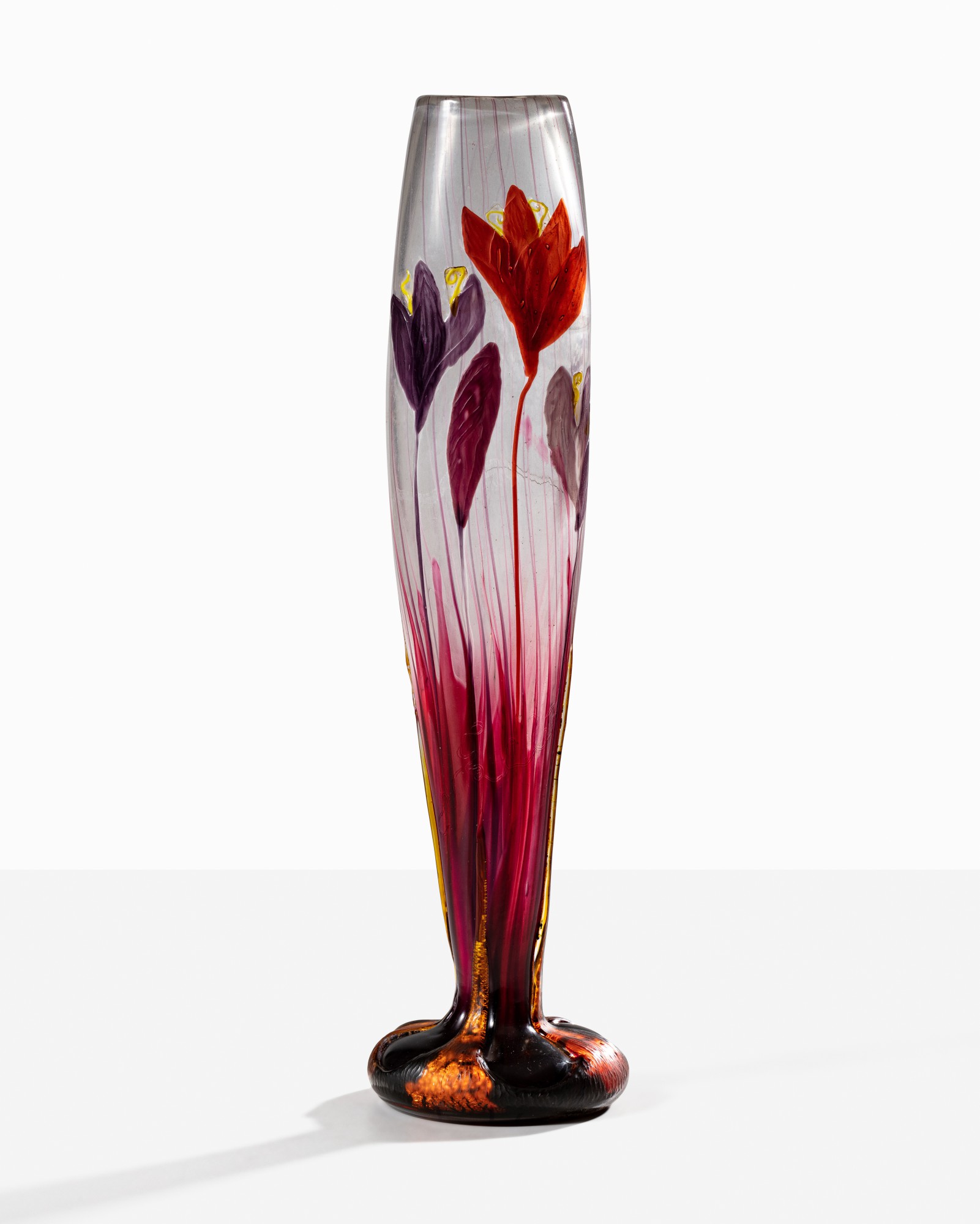
Émile Gallé
Vase Crocus ou Veilleuse d'Automne
The difference between a good autumn work and a great one comes down to a few qualities that experienced collectors learn to trust. The first is specificity of light. Anyone can paint red trees. The painters worth owning are those who understood that autumn light is low and directional, that it bleaches some tones and saturates others simultaneously, and that capturing this creates a psychological charge the viewer feels before they can explain it.
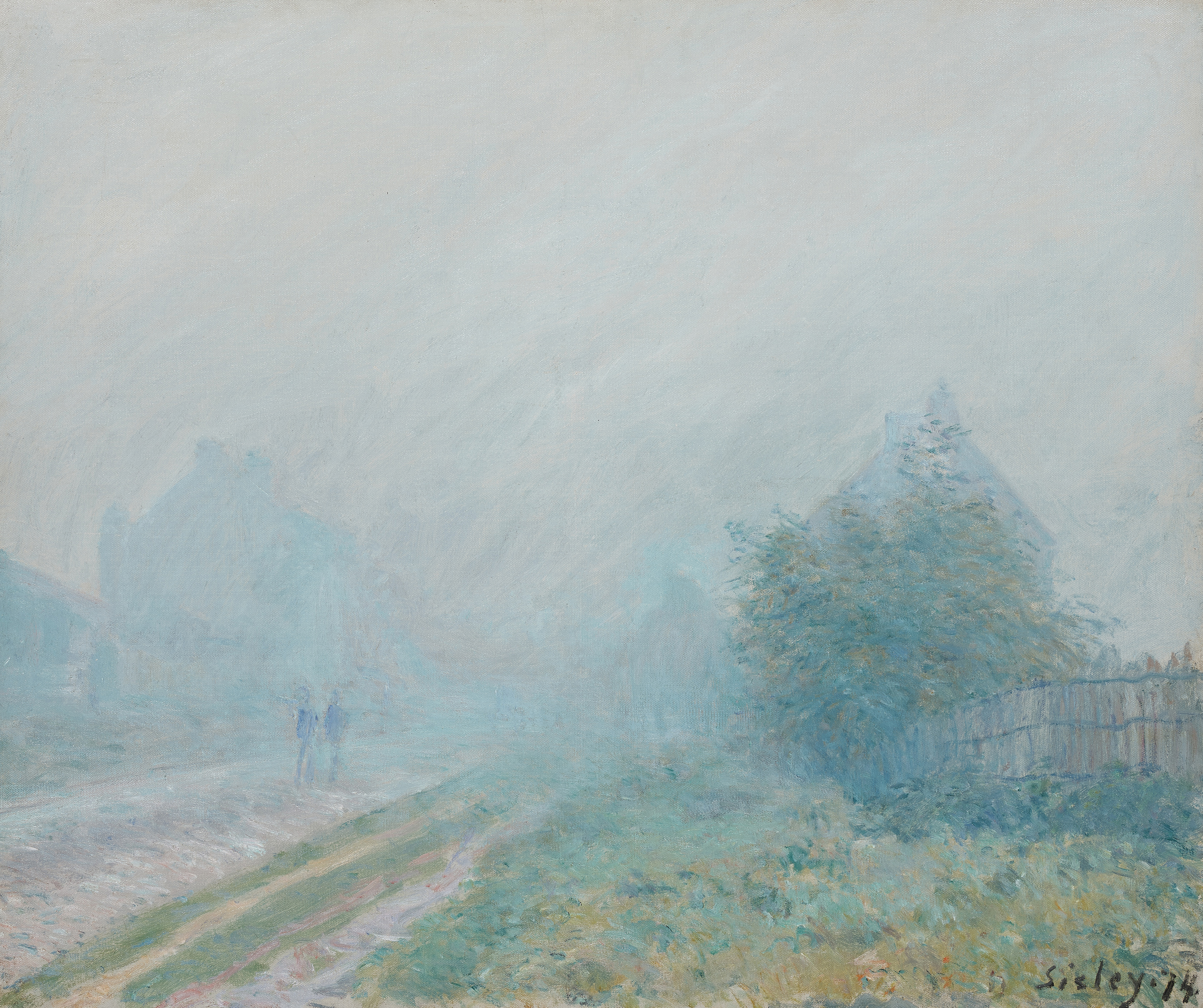
Alfred Sisley spent years working along the rivers near Paris and understood this better than almost anyone of his generation, and when a strong example comes to market it commands the attention it deserves. The second quality to look for is emotional restraint. The season invites sentimentality, and weaker works fall into it. The finest examples hold feeling at a slight distance, which is precisely what makes them so affecting over time.
Alfred Sisley
Brumes d'automne, 1874
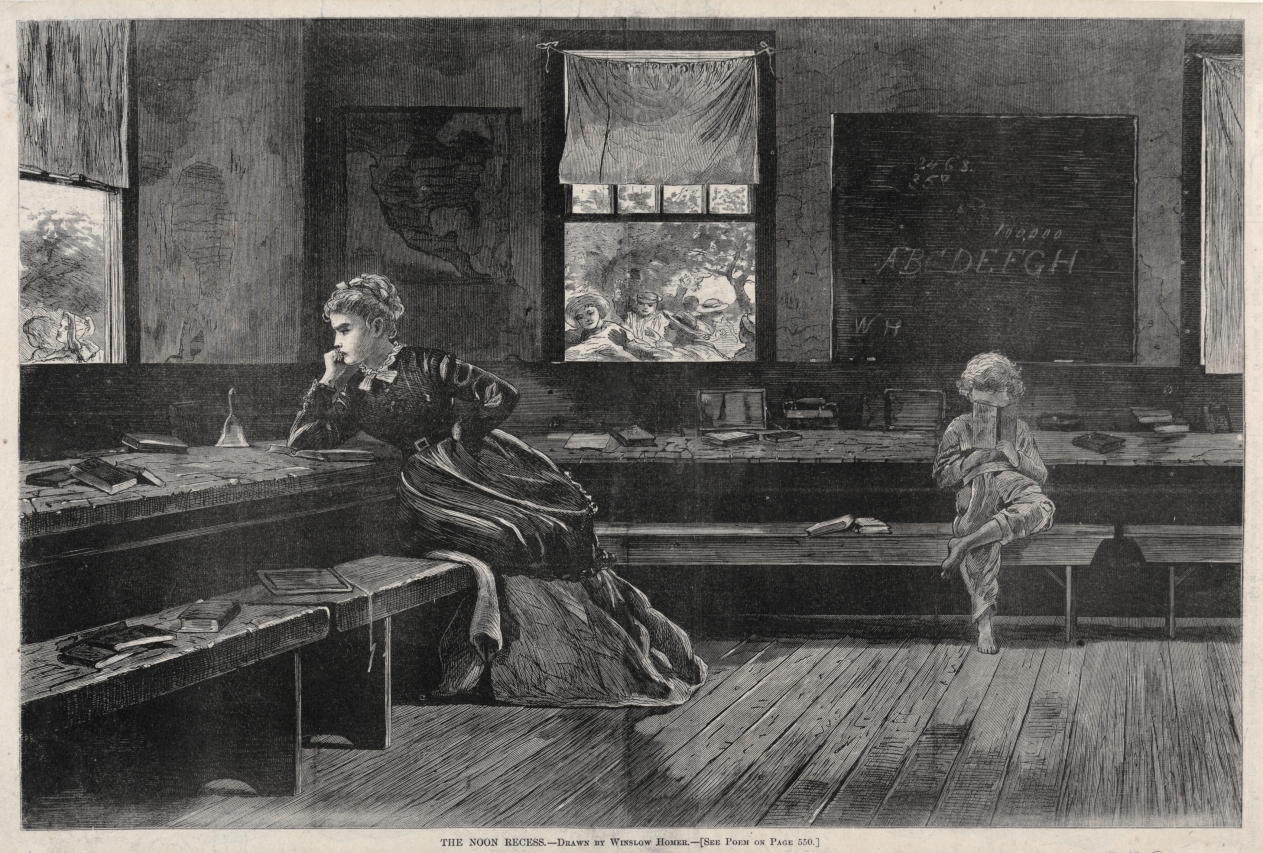
Within the range of artists well represented on The Collection, several stand out as particularly strong investments and as works of genuine distinction to live with. Winslow Homer is an anchor name in American landscape and his autumn subjects carry real weight in the secondary market, partly because his output was relatively limited and his quality remarkably consistent. Camille Pissarro's autumn paintings from the 1870s through the 1890s represent some of the most honest and technically accomplished work of the Impressionist period, and collectors who have purchased serious examples have generally seen them hold and appreciate in value through multiple market cycles. Henri Le Sidaner worked in a more intimate register, and his quiet autumnal garden subjects, often painted at Gerberoy in northern France, offer something rare: genuine poetic feeling without any trace of performance.
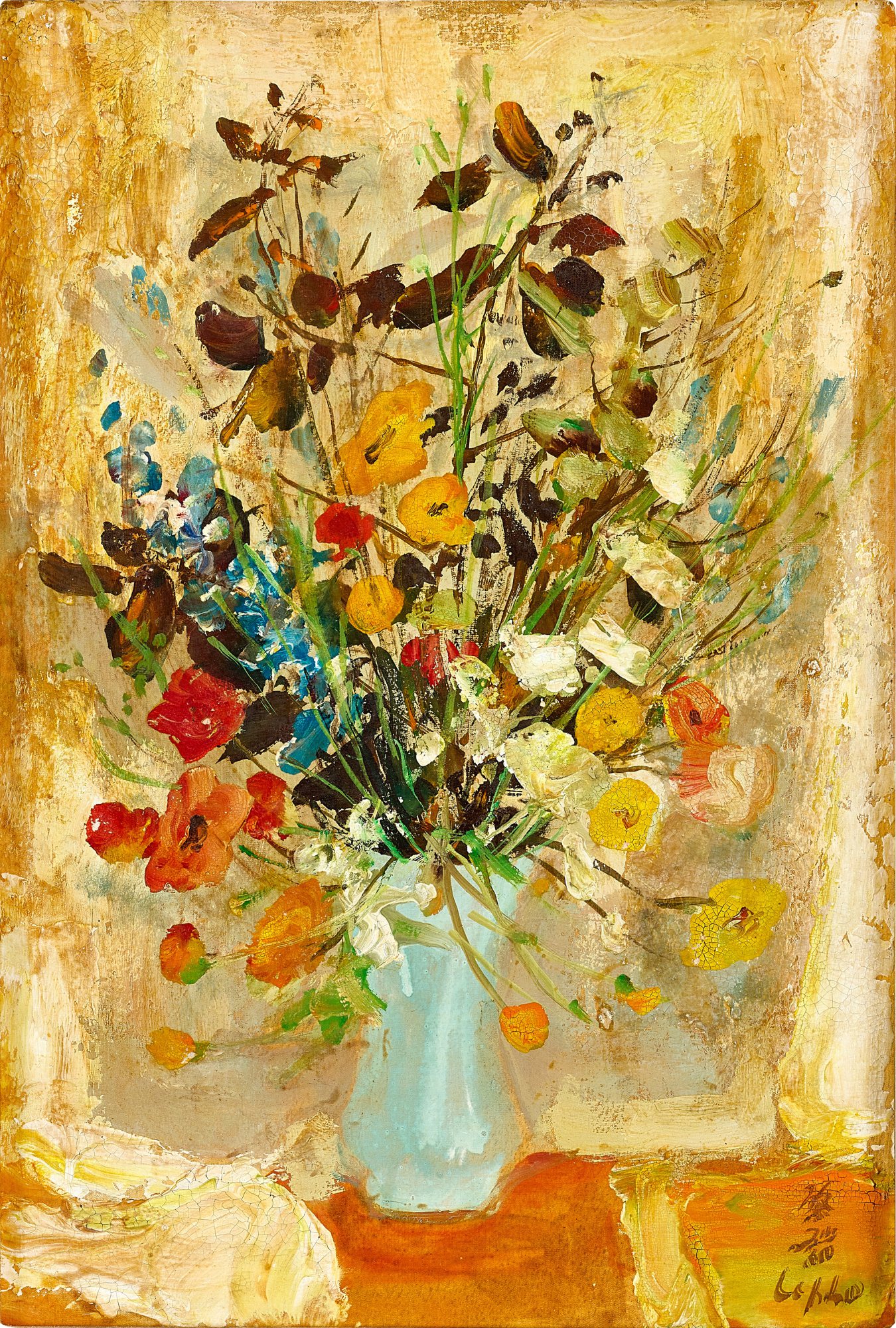
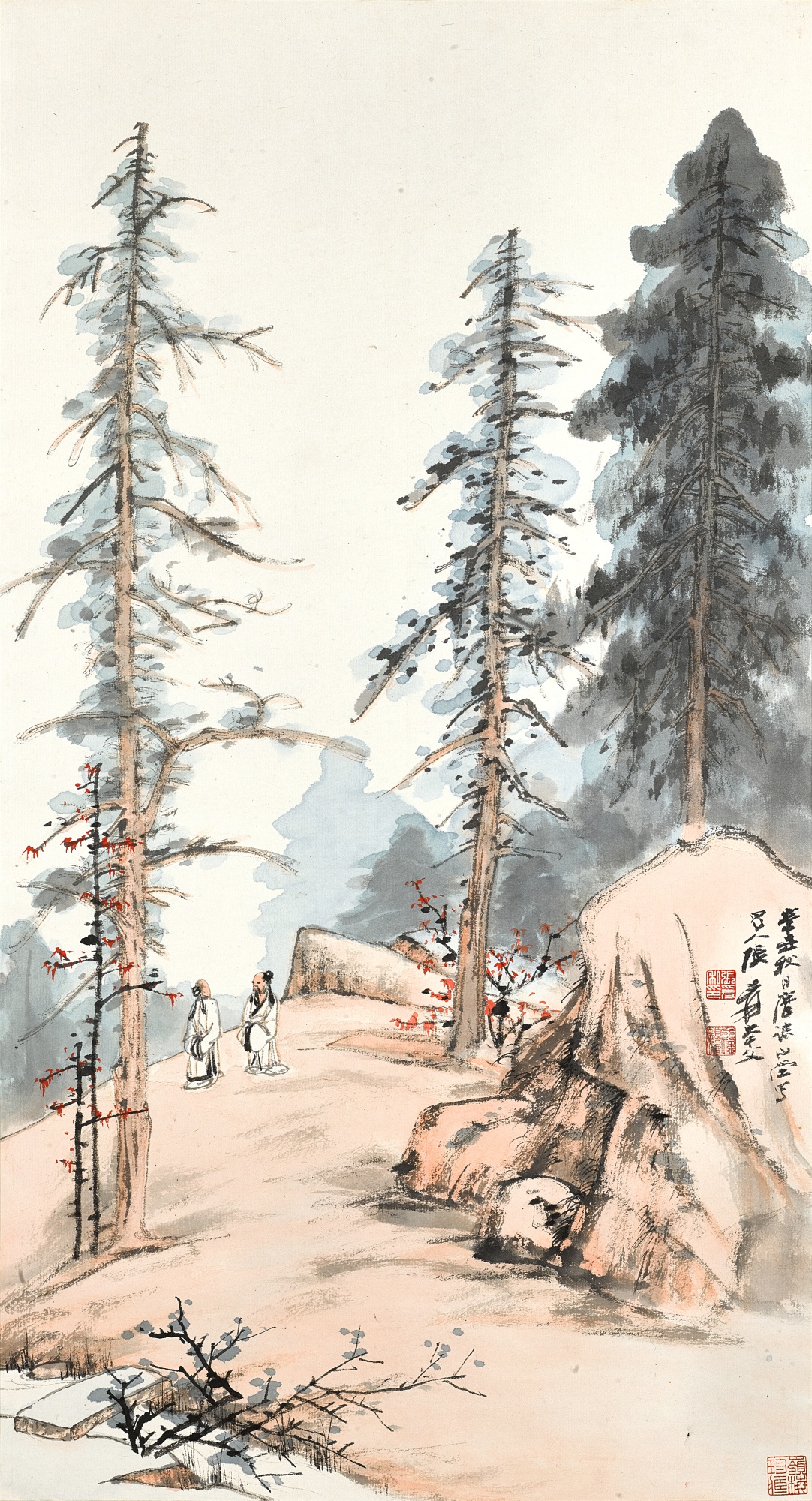
The East Asian artists on The Collection represent some of the most compelling collecting opportunities in this area, and they remain undervalued by Western collectors relative to their historical importance. Zhang Daqian, whose influence on twentieth century Chinese painting is difficult to overstate, brought an expansive technical range to his seasonal work that rewards long looking. Lin Fengmian synthesized European modernism and Chinese ink traditions in ways that produced deeply original seasonal paintings, and serious collectors have been acquiring his work with increasing conviction over the past decade. Huang Junbi worked in a more classically rooted mode and his autumn landscapes carry an almost architectural sense of structure.
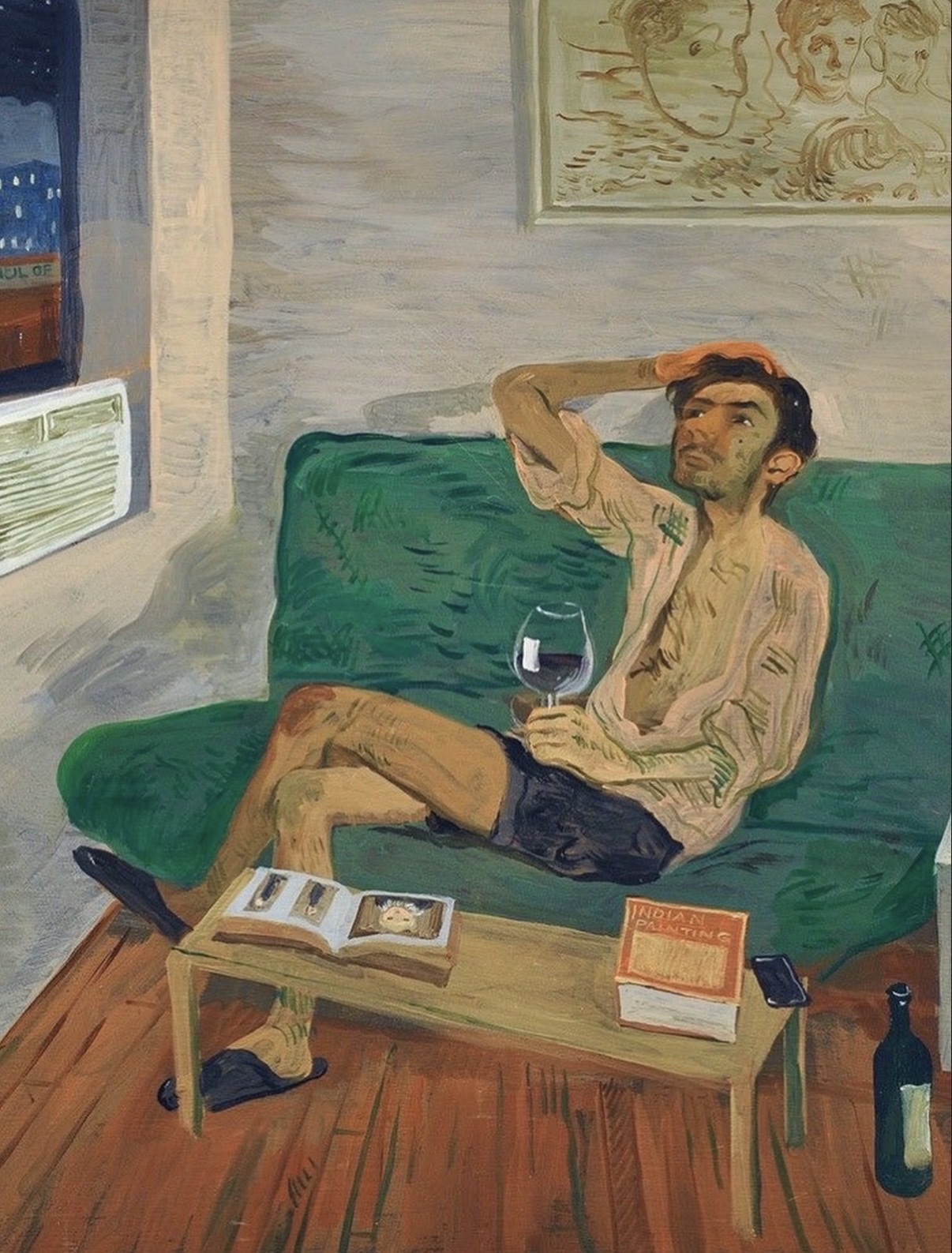
Caleb Hahne Quintana
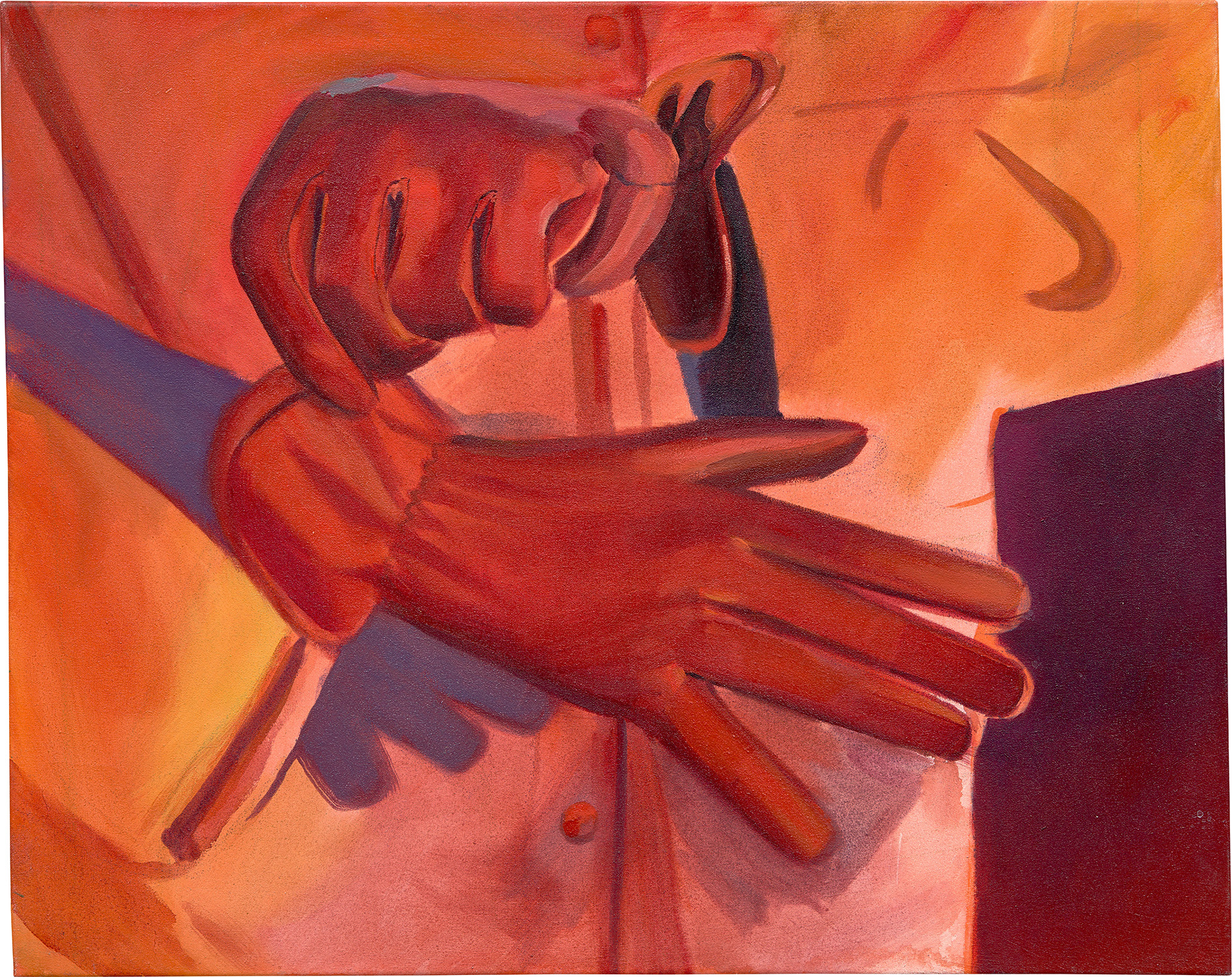
Autumn, 2020
For collectors willing to do the research, these artists offer quality at price points that will not remain available indefinitely. For those watching for emerging and underrecognized voices, Caleb Hahne Quintana is worth sustained attention. His figurative work engages with landscape and season in ways that feel genuinely new rather than merely contemporary, and his institutional profile has been rising steadily. Wolf Kahn spent decades developing his luminous, color saturated landscapes and while he is not unknown, his work has not yet fully settled into the tier his achievement warrants.
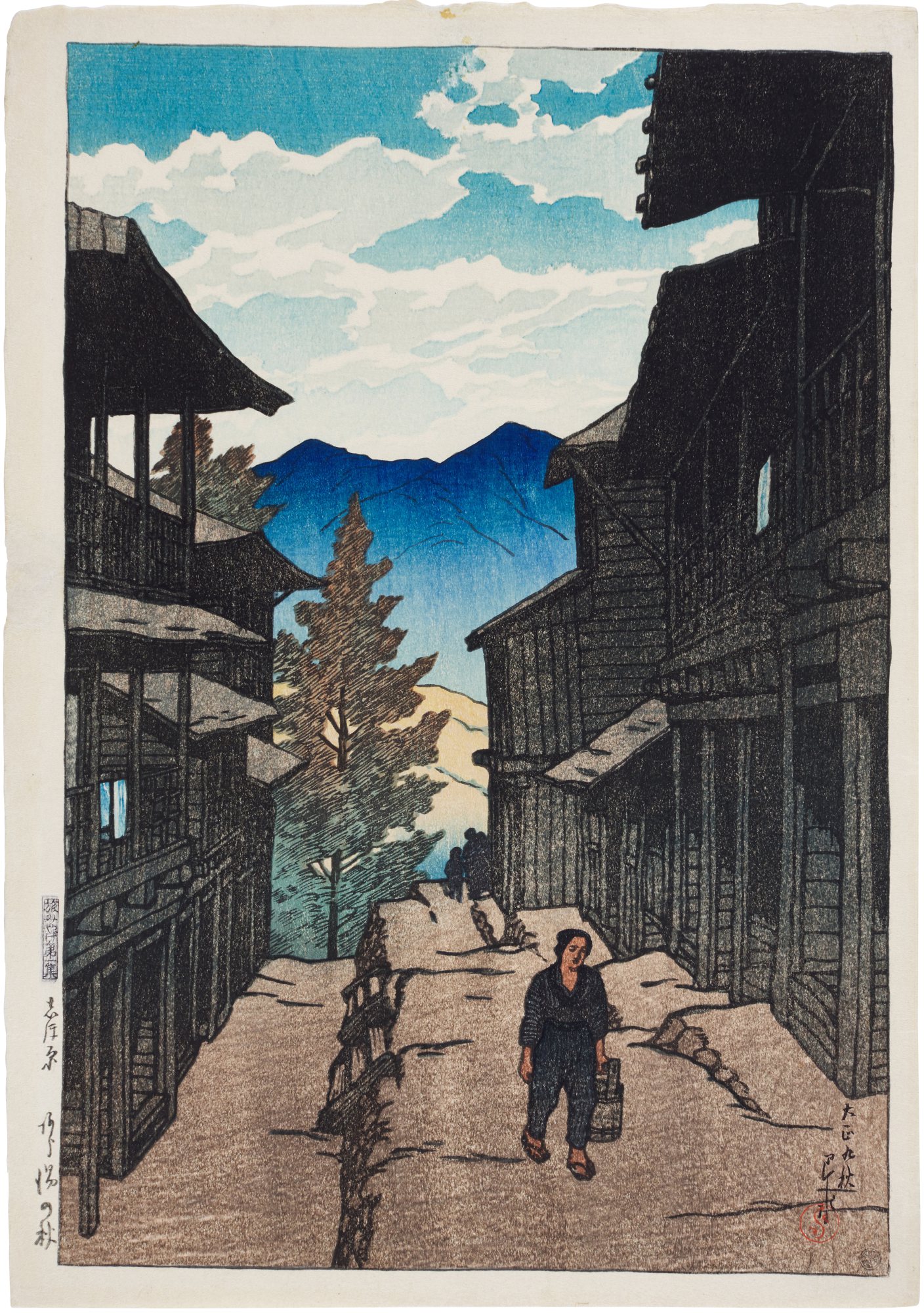
Collectors who acquire serious examples now are likely to feel well positioned as his legacy continues to be reassessed. The Japanese printmaker Hasui Kawase, working in the shin hanga tradition in the early twentieth century, produced autumn subjects of extraordinary refinement, and the market for his work has deepened significantly as Western collectors have come to understand the quality and the relative scarcity of fine impressions. At auction, autumn subjects across traditions have performed with notable consistency over the past two decades, outperforming the broader landscape category in several major sale cycles. Works that combine strong provenance with exhibition history tend to achieve the upper end of their estimates, while condition and freshness of color are weighted heavily by bidders at the major houses.
Hasui Kawase
Autumn at the Arayu Hot Spring, Shiobara (Shiobara Arayu no aki) | Taisho period early 20th century
Private treaty sales for this category have also become more common, particularly for works from Chinese modernist painters, as collectors in Asia and the diaspora have become more active participants in the market for their own traditions. Practical advice for collectors entering or deepening in this area begins with condition. Autumn palettes, particularly the warm ochres and deep reds, can be vulnerable to discoloration from varnish and from light exposure over time. Always request a condition report and ideally a conservation review before purchase, and ask specifically about any history of lining or structural treatment.
For works on paper, which include important prints by Kawase and Auguste Louis Lepère among others, ask about storage history and framing. Acid free materials and UV filtering glass are not optional. When considering editions versus unique works, unique paintings will almost always carry stronger long term value, but fine impressions of prints by significant artists in strong condition represent some of the best value currently available in the market. Ask any gallery you work with to walk you through the specific impression you are considering against known reference examples.
The question of which impression matters enormously, and a knowledgeable gallery will welcome the conversation rather than deflect it.