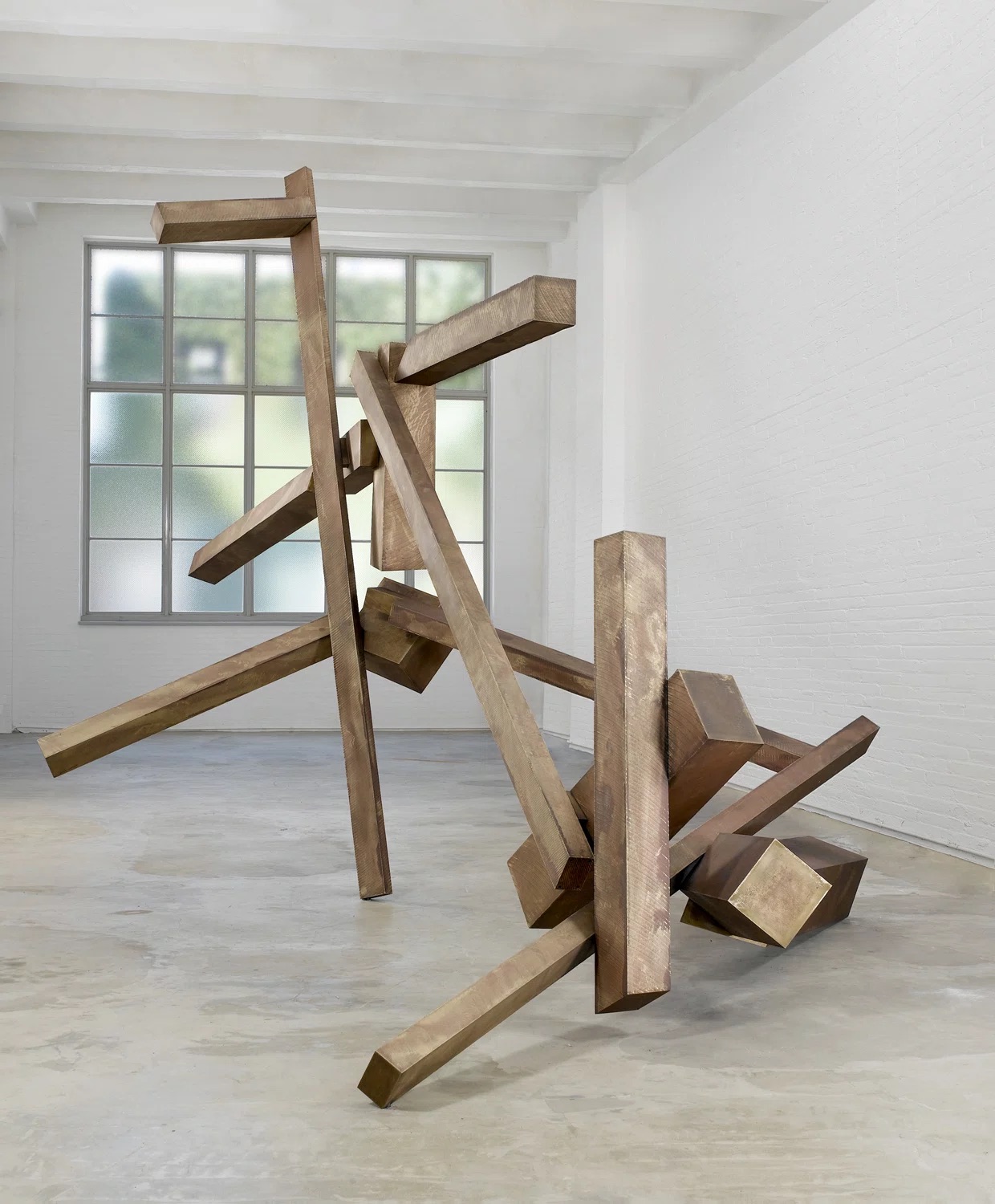
Abstract Figuration
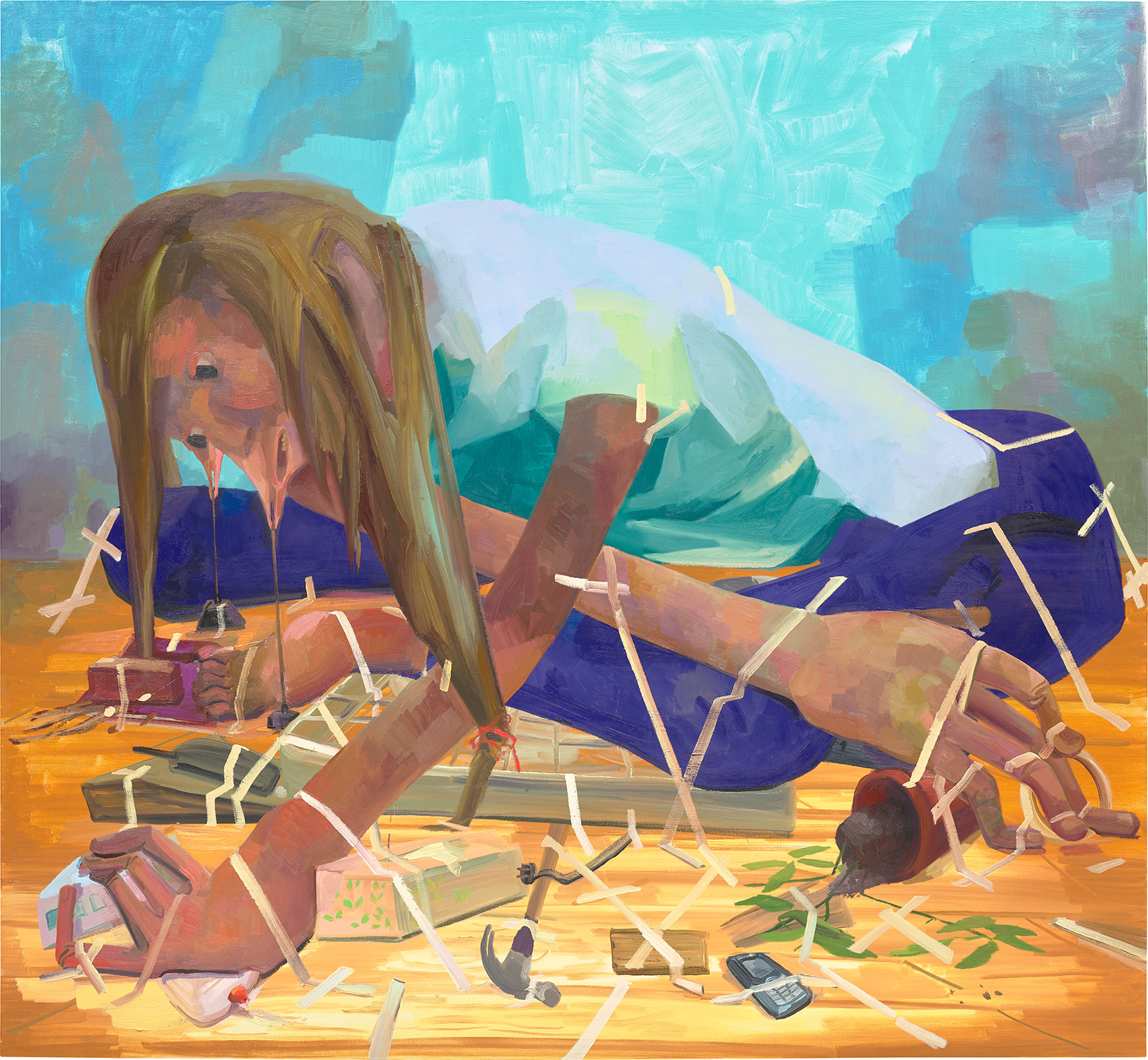
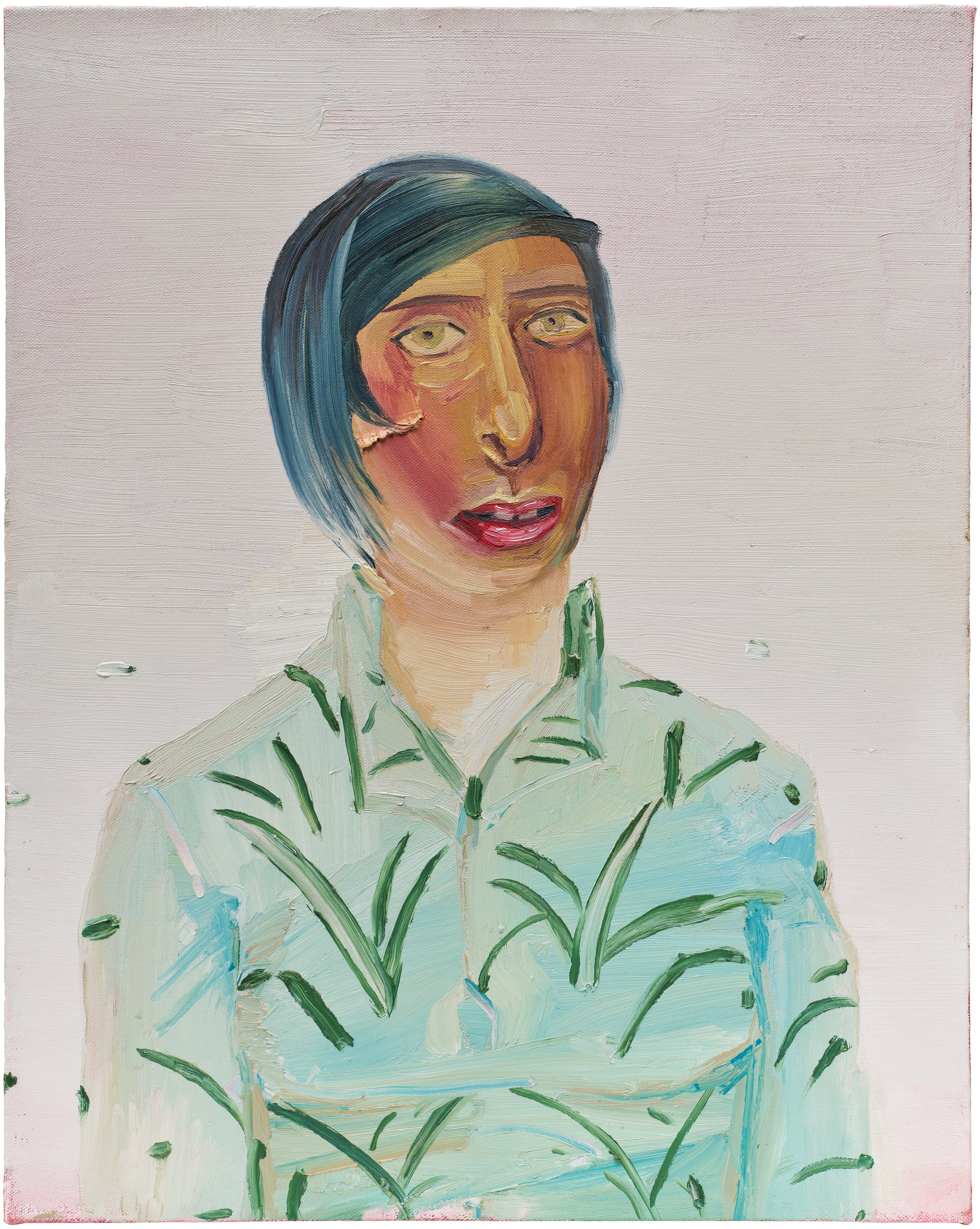
Dana Schutz
Gravity Fanatic, 2005



The Figure Returns, Stranger Than Ever
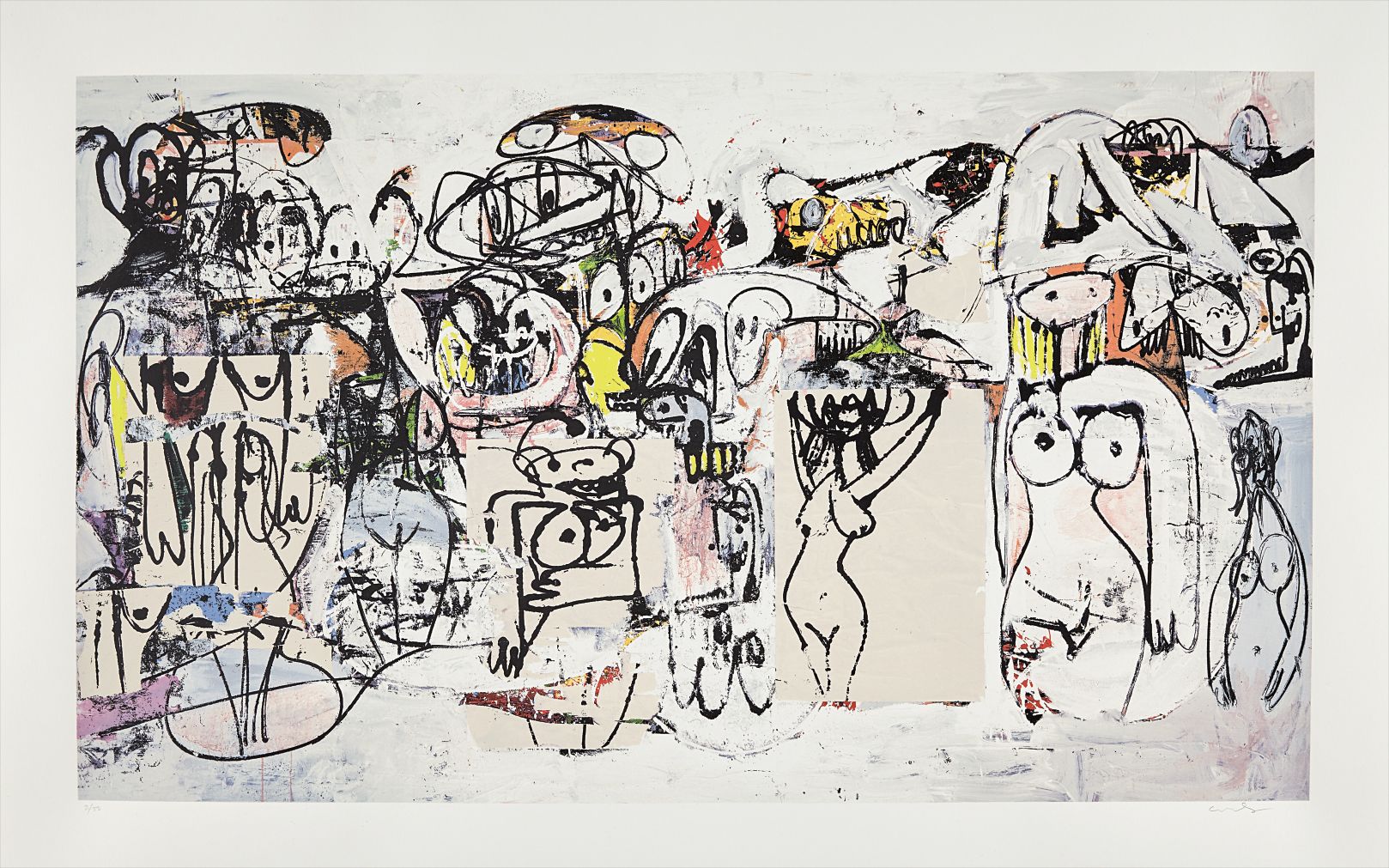
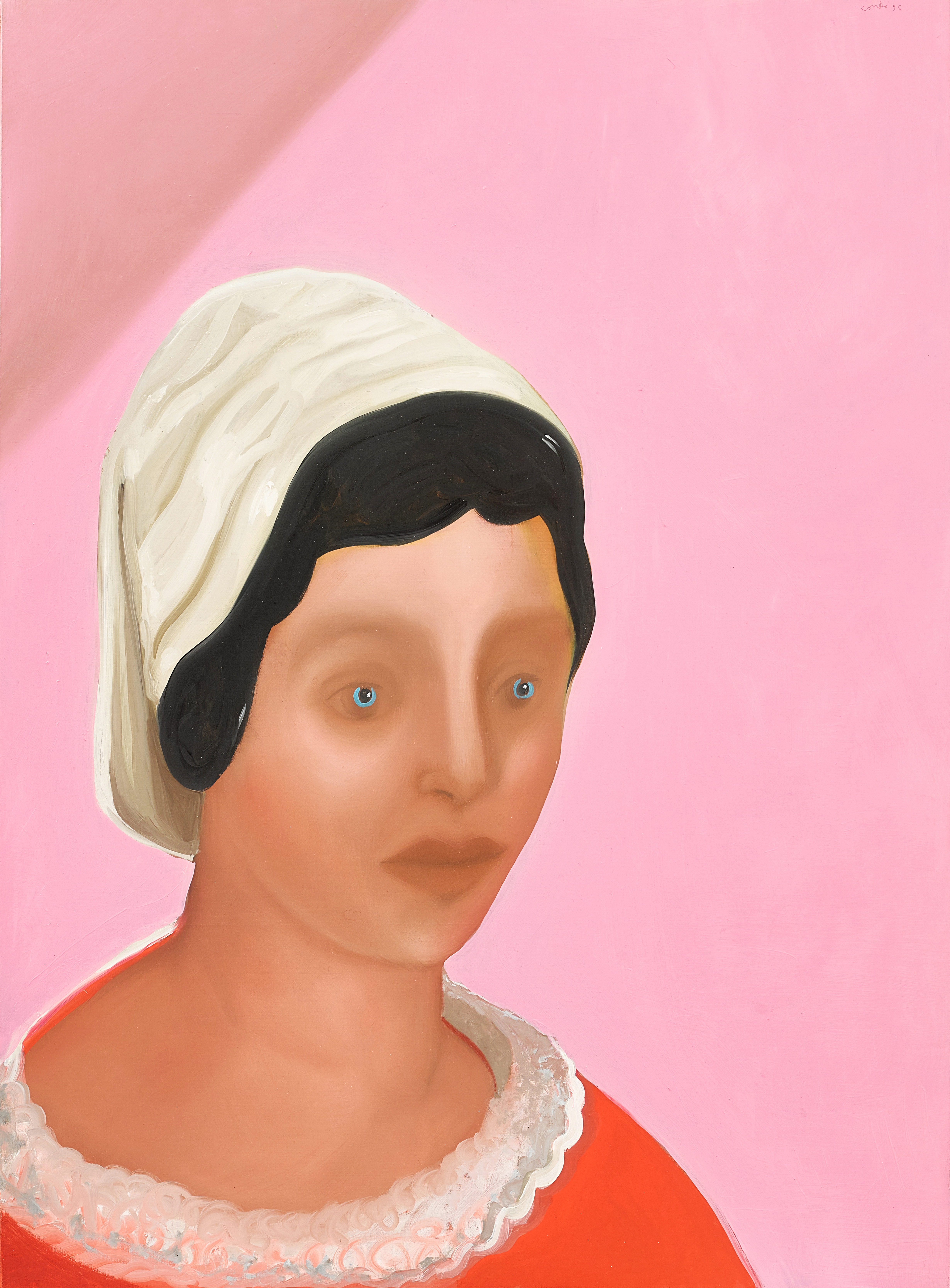
When George Condo's "Antipodal Entities" sold at Christie's New York for well over a million dollars, it confirmed something collectors had quietly understood for years: the figure was never really gone. It had simply gone feral. The painting showed two interlocking forms that were recognizably human and yet fundamentally wrong, faces sliding off skulls, limbs arriving from impossible angles. The room felt the charge of it.
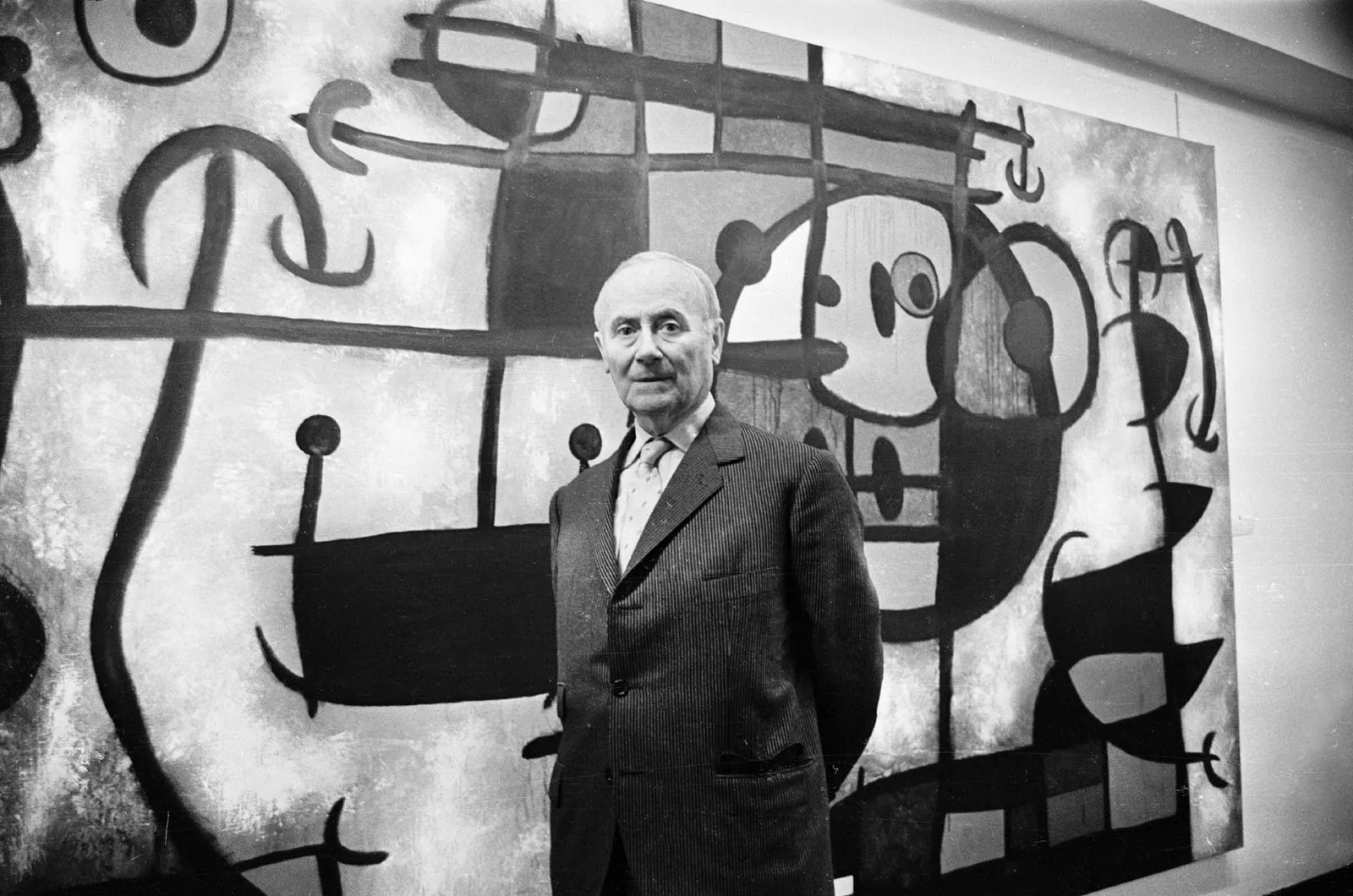
Abstract figuration, that restless middle territory between pure form and readable subject, has become one of the defining preoccupations of the contemporary art market and the critical conversation surrounding it has never been more alive. The energy in this space right now owes something to a generational reckoning with what painting is actually for. After decades in which conceptual strategies dominated institutional attention, there is a hunger for work that carries emotional weight without being literal, that engages the body without depicting it plainly. Joan Miró understood this tension long before it became fashionable, and his biomorphic vocabularies feel astonishingly current when seen against the generation of painters now showing in New York, London, and Berlin.
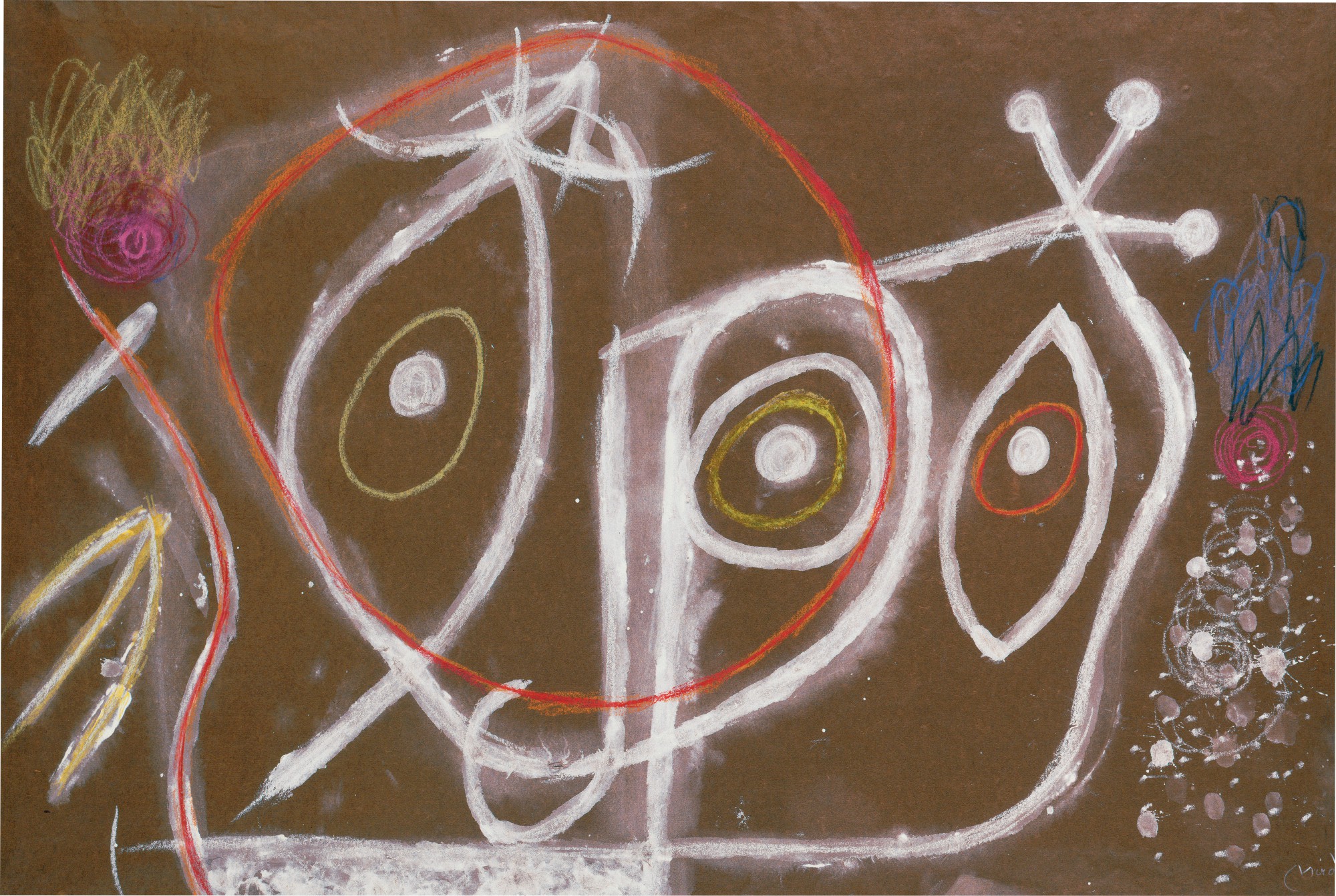
Joan Miró
Tête
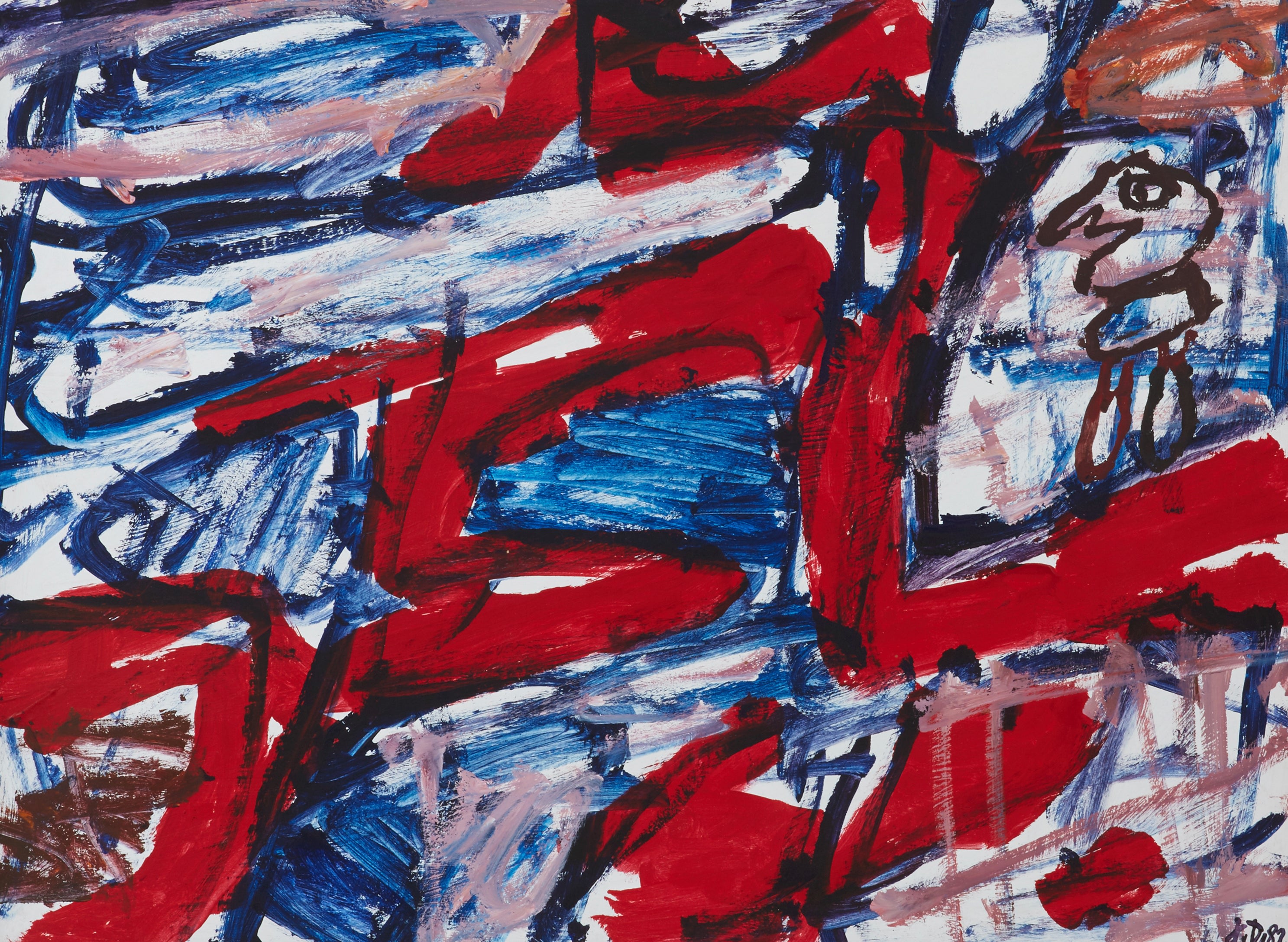
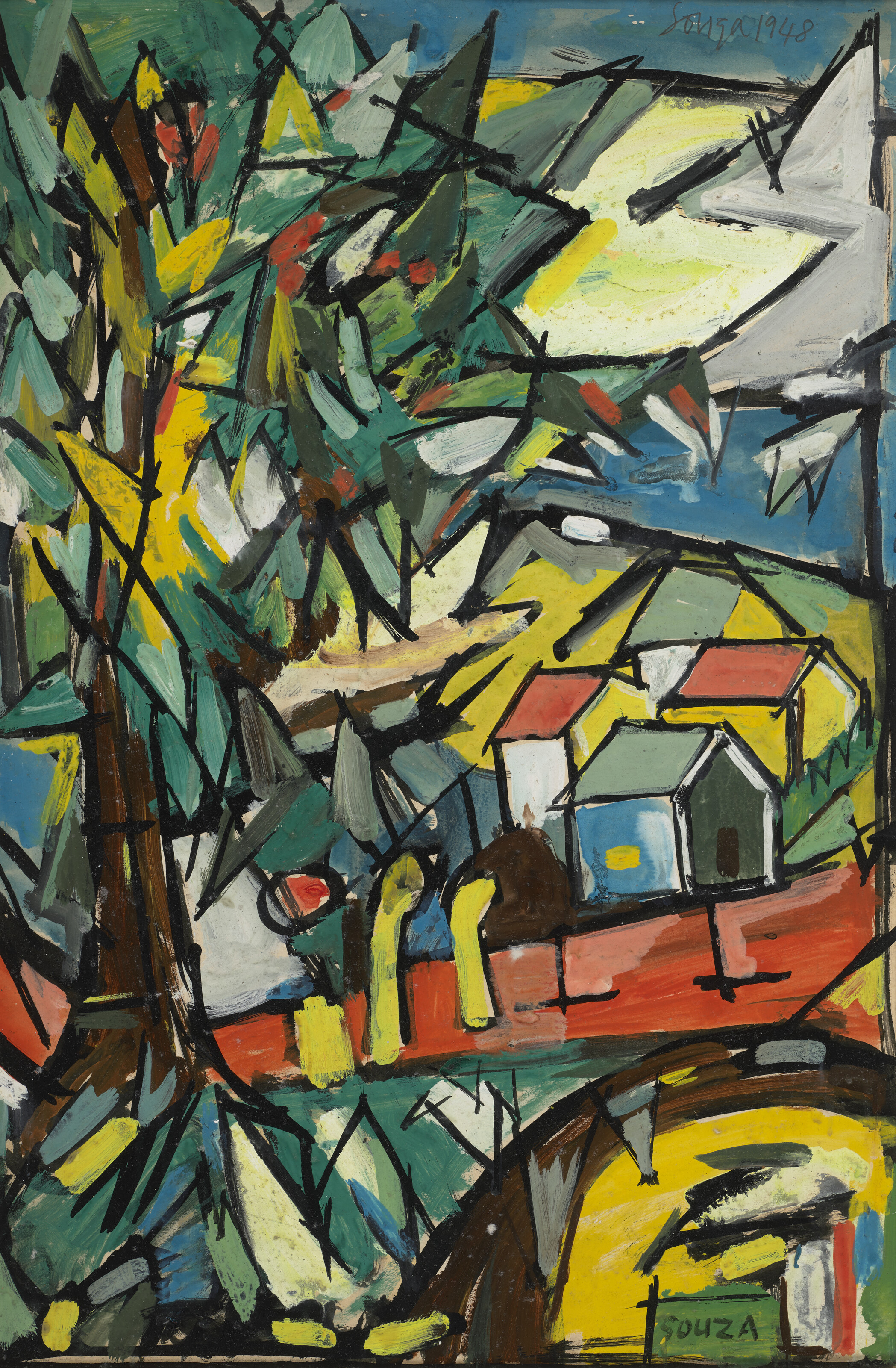
His works on The Collection sit alongside Jean Dubuffet's raw, abraded surfaces and together they form a kind of argument: that the figure, destabilized and reimagined, carries more charge than any straightforward representation ever could. Museum shows have done significant work in mapping this territory. The Centre Pompidou's sustained attention to Art Brut and its descendants has shaped how European institutions approach figuration at the margins of legibility. Tate Modern's retrospective attention to Francis Newton Souza, whose gouged and tormented faces fuse Catholic iconography with a post colonial unease, helped reposition him not as a footnote to British postwar painting but as one of its most psychologically complex figures.
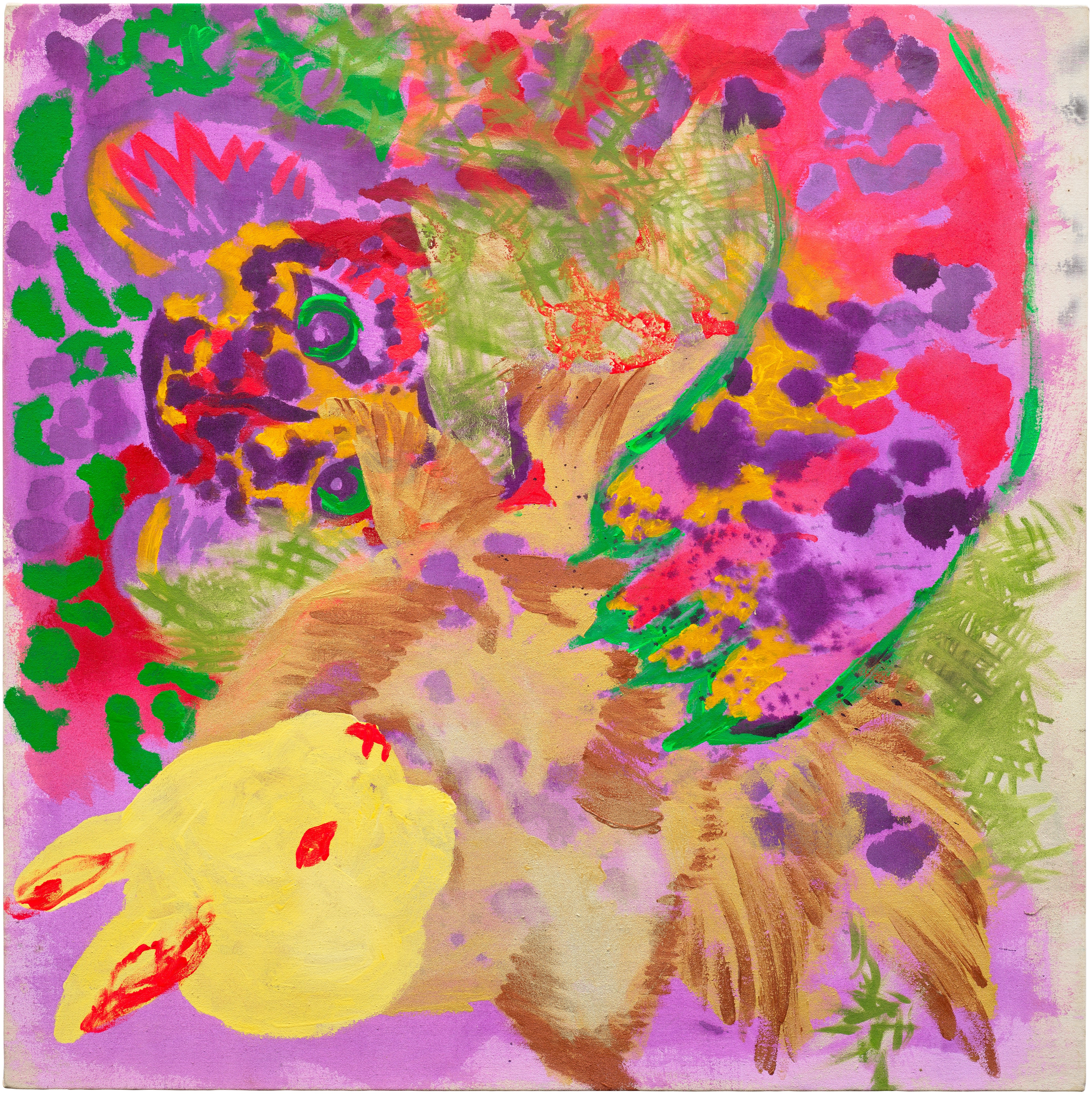
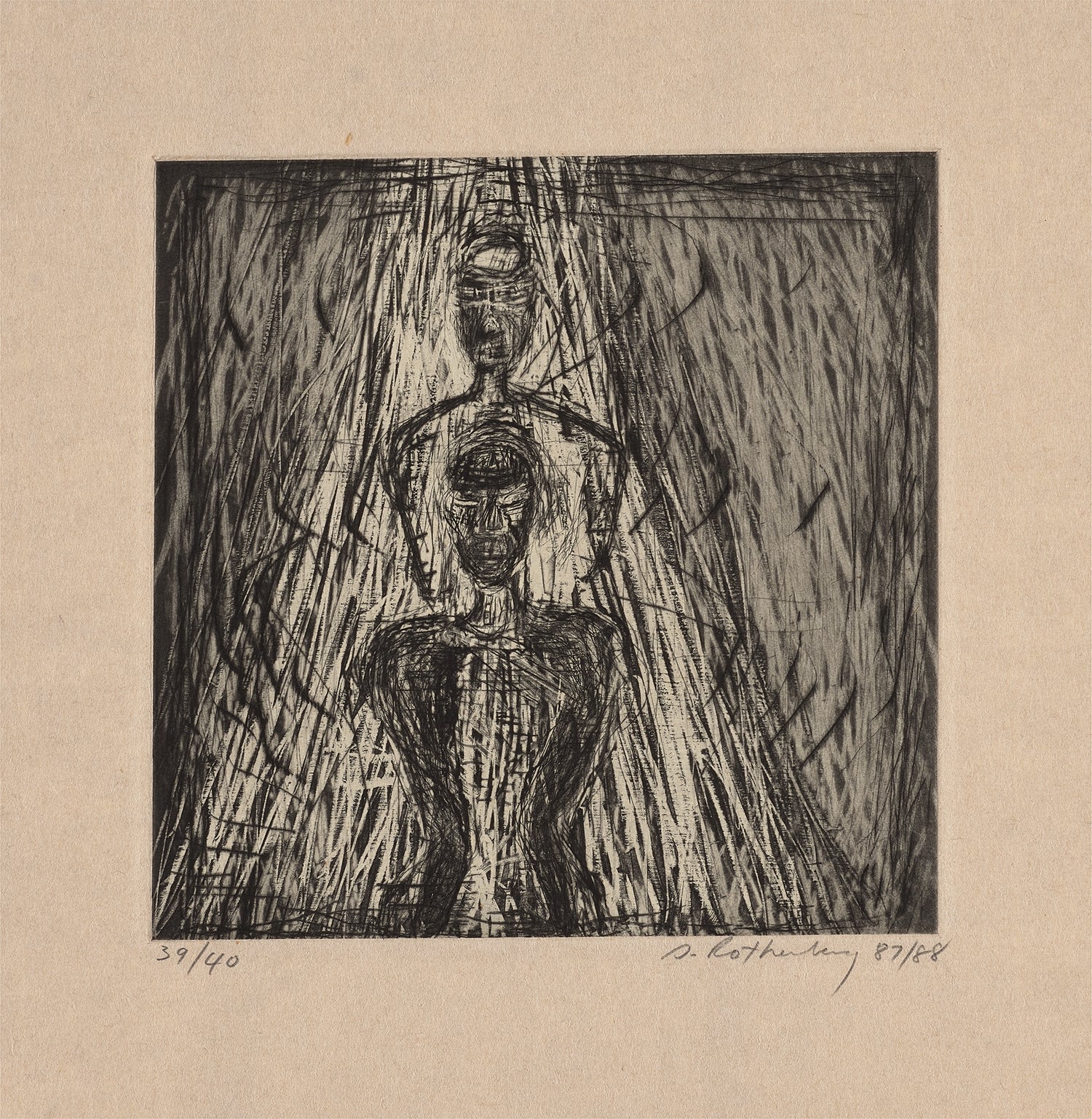
Dana Schutz had a solo exhibition at the Contemporary Art Museum St. Louis that traveled and reframed her disaster narratives and crowd scenes as something beyond grotesque comedy, revealing a genuine philosophical program about collective experience and bodily vulnerability. Susan Rothenberg, whose horses dissolved into gesture and whose human forms arrived like presences at the edge of sleep, was the subject of renewed critical attention following her death in 2011, with institutions reassessing just how much she shaped the terrain that younger painters now occupy. At auction, the market signals are clear and somewhat surprising in their range.
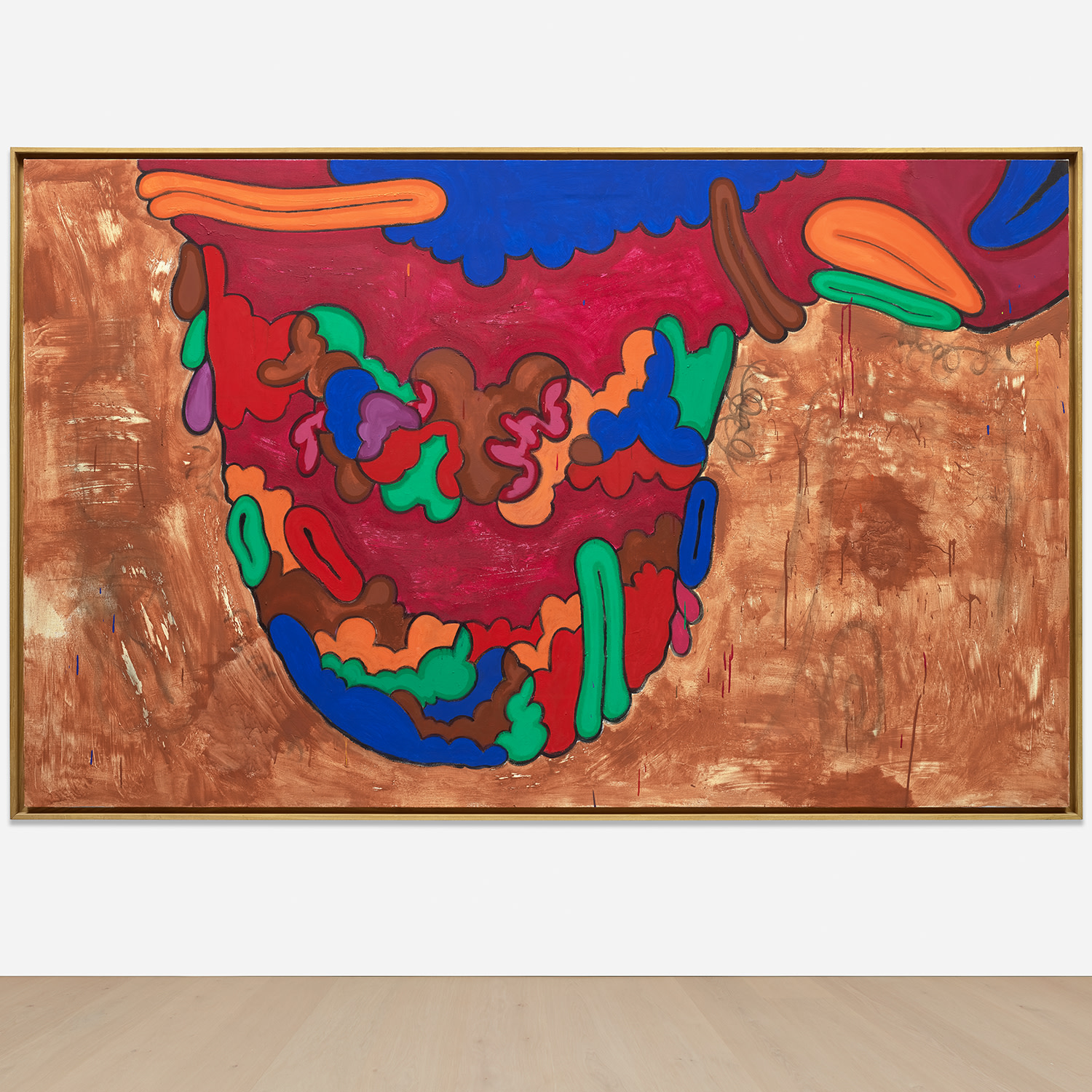
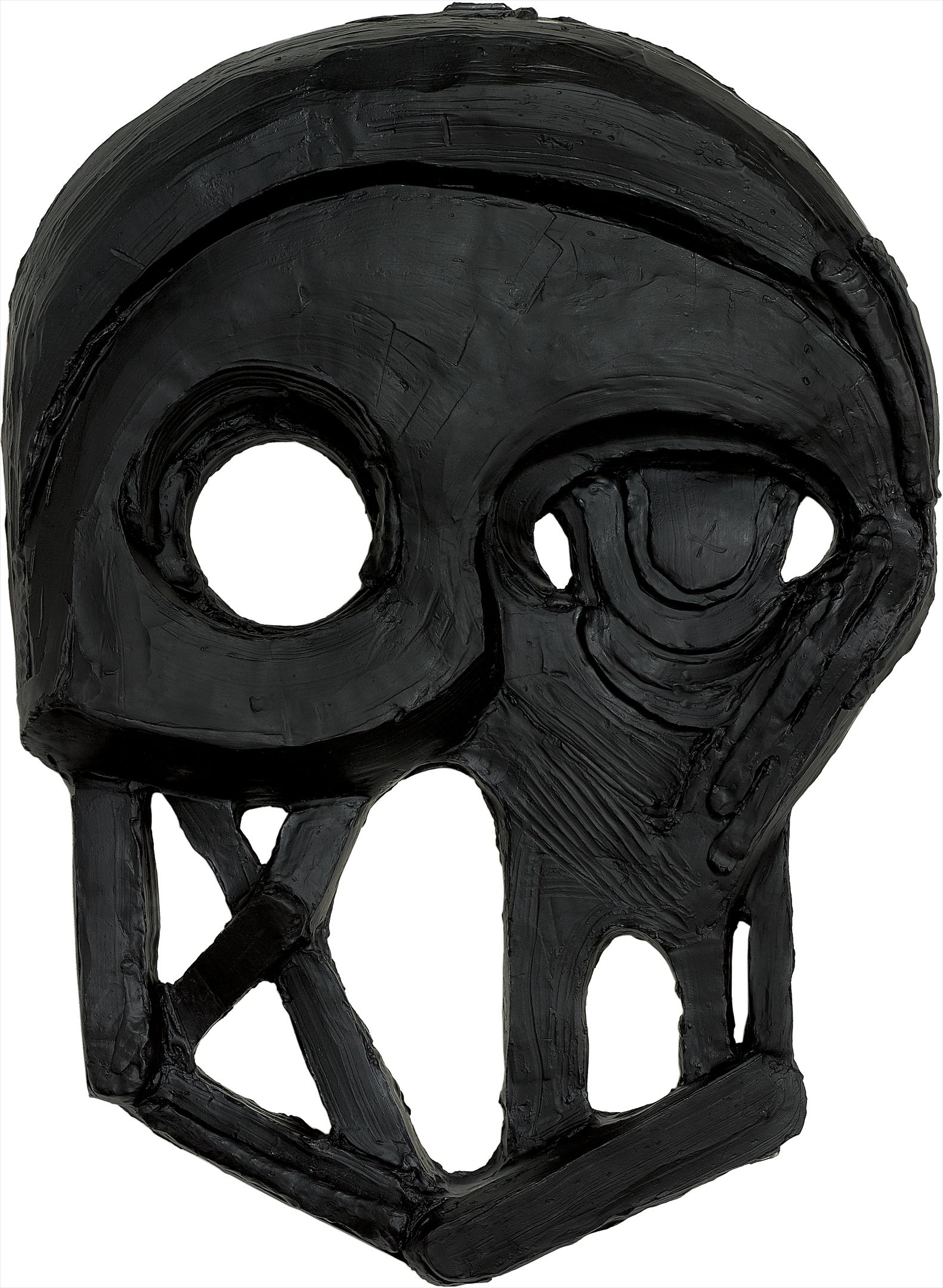
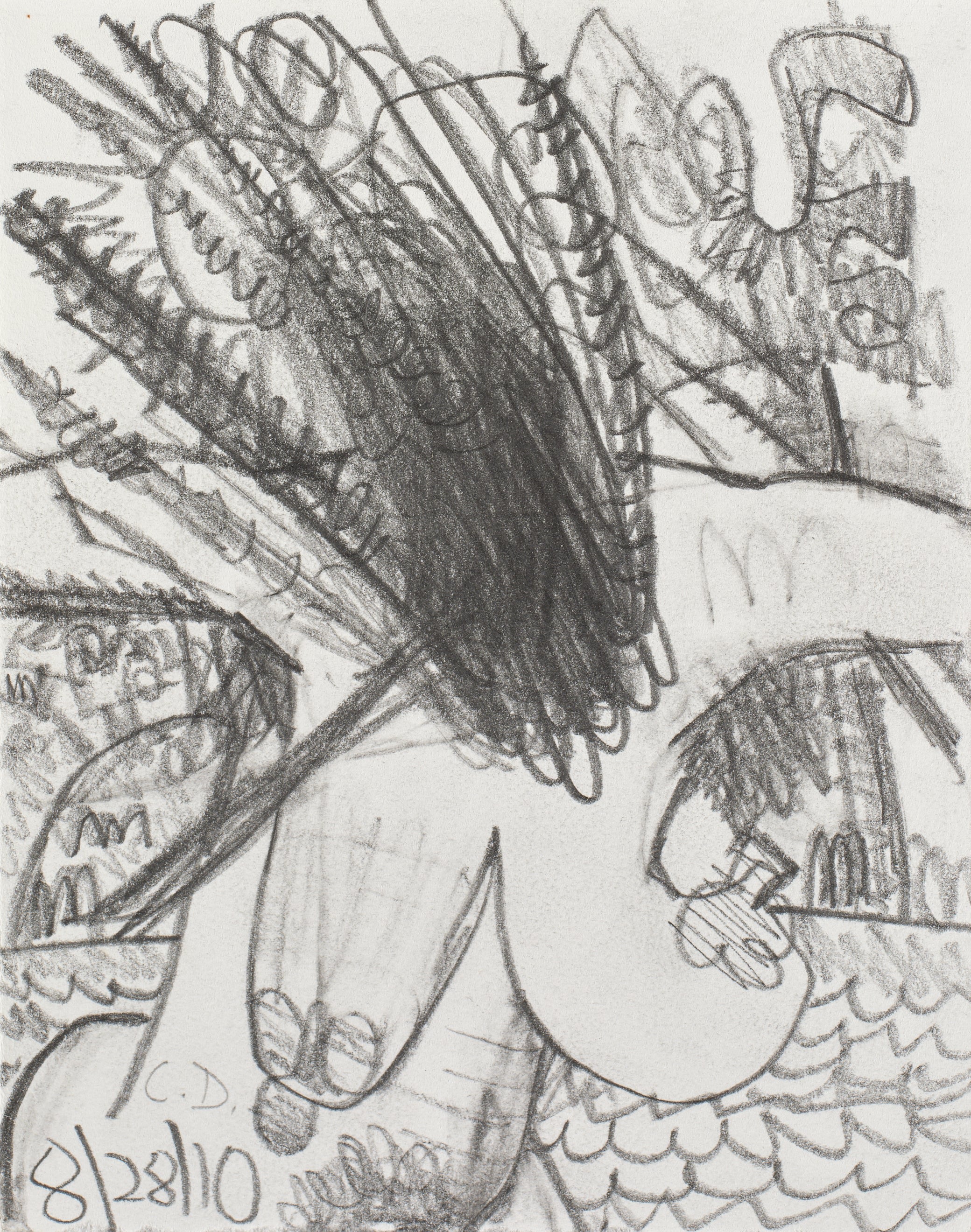
Carroll Dunham
Down (Mound E), 1992
Carroll Dunham has seen consistent demand at the major houses, with works regularly achieving strong results that reflect his status as a bridge between cartoon vernacular and genuine formal rigor. Georg Baselitz commands extraordinary prices, with works selling in the millions at Christie's and Sotheby's, and his inverted figures remain one of the most recognizable gestures in postwar European art. What these results reveal is an appetite not for abstraction or figuration as separate propositions but for the productive friction between them. Collectors are paying for difficulty, for the work that makes you look twice and still does not quite resolve.
Sigmar Polke's market has remained robust for similar reasons: his surfaces refuse to settle, mixing photographic imagery with painterly incident in ways that keep the eye genuinely unsettled. Institutional collecting in this space has accelerated meaningfully. The Museum of Modern Art has been quietly deepening its holdings in artists who work at this boundary, and the Broad in Los Angeles has signaled its commitment through acquisitions and programming that favor painters with strong figural instincts operating through abstraction's methods. In Europe, the Fondation Beyeler has shown ongoing interest in how biomorphic and figurative impulses interact across the twentieth century and into the twenty first.
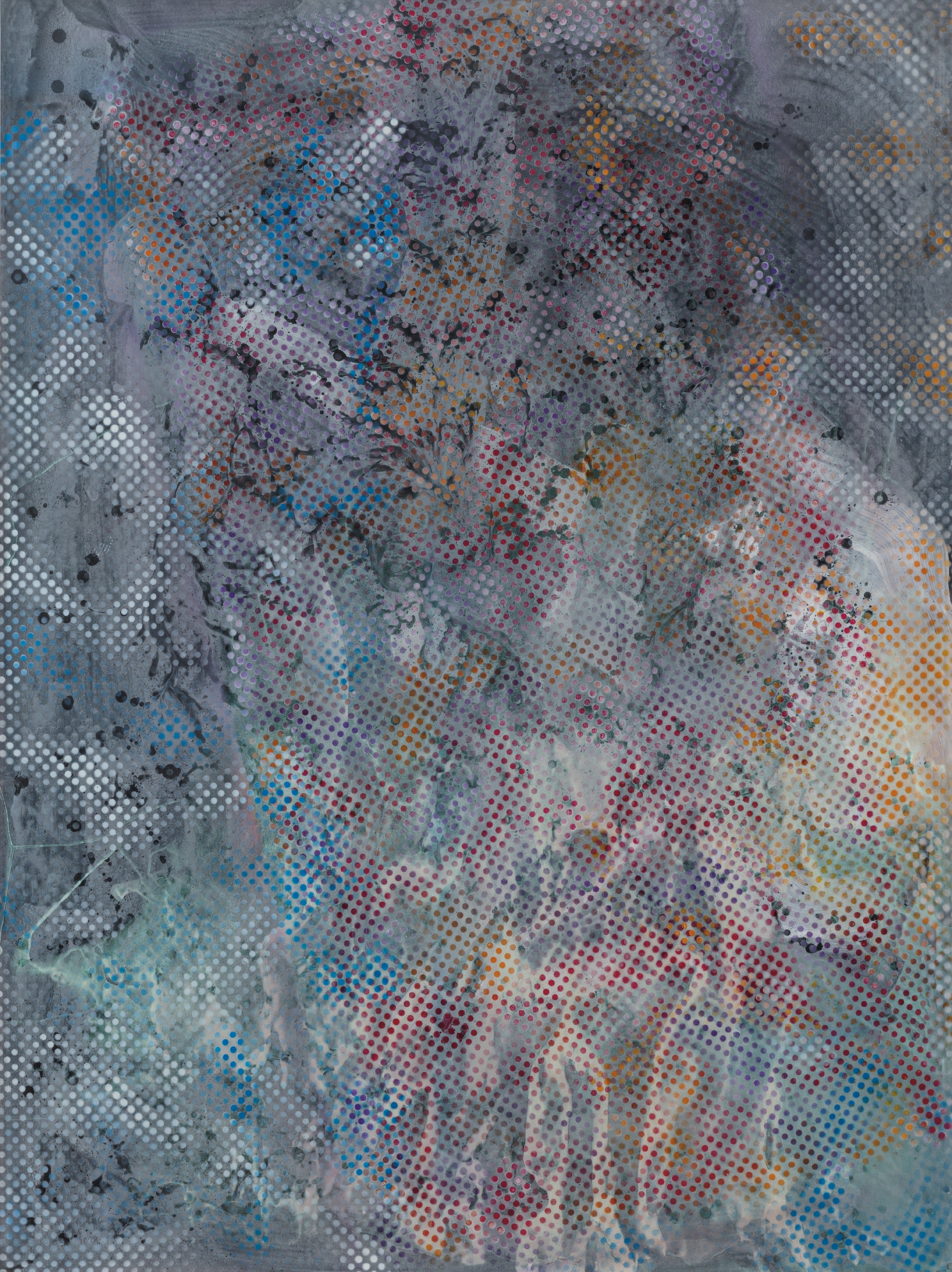
Sigmar Polke
Sigmar Polke’s ability to jump from figuration to abstraction, and everything in between, has defined him as a modern master of post-war painting. His shifting picture planes generate a mesh of layered pigments, which is on display in, 1999
When an institution like the Stedelijk or the Whitechapel gives over its main galleries to an artist working in this mode, it tells the market something. It tells collectors that the critical infrastructure is in place to support long term value, not just momentum. The critical conversation has sharpened considerably. Writers like Barry Schwabsky have been essential in articulating why figuration's return is not a nostalgic move but a genuine theoretical development.
Frieze and Artforum have devoted considerable editorial real estate to painters like Dana Schutz and Joe Bradley, whose scraggly, provisional figures carry a deliberate lightness that some critics read as casualness and others read as precision. Bradley's work in particular has attracted serious curatorial attention in the past decade, his rough stick figures and loosely assembled forms striking a tone that is simultaneously ancient and completely of this moment. The question critics keep returning to is whether the figure brings emotional accountability that pure abstraction can evade, whether putting something that looks like a person on the canvas creates an ethical as well as an aesthetic situation. What feels genuinely alive right now is the generation of artists thinking through figuration across cultural contexts that Western art history has not always centered.
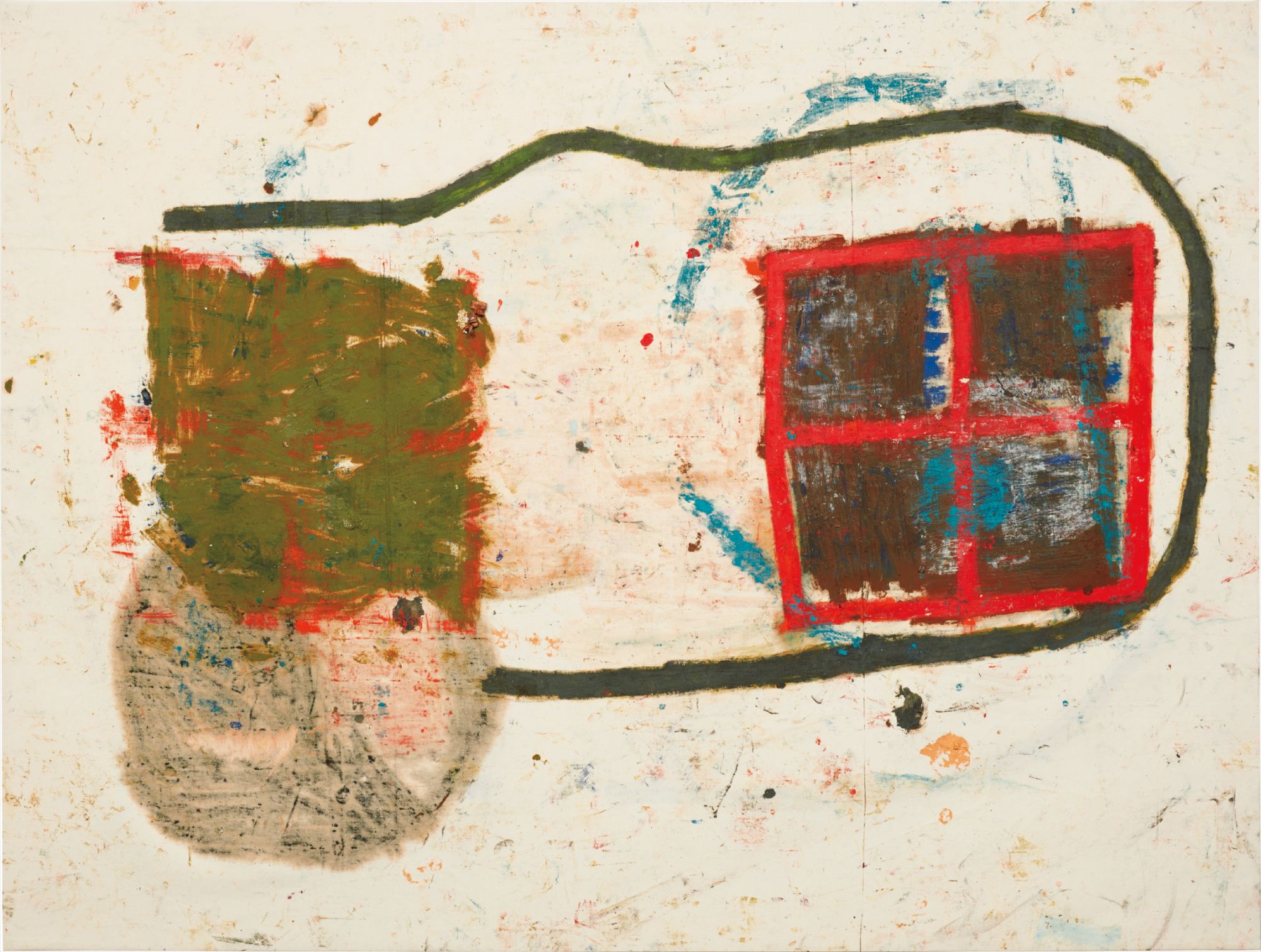
Joe Bradley
Mouth and Foot (Cock and Balls)
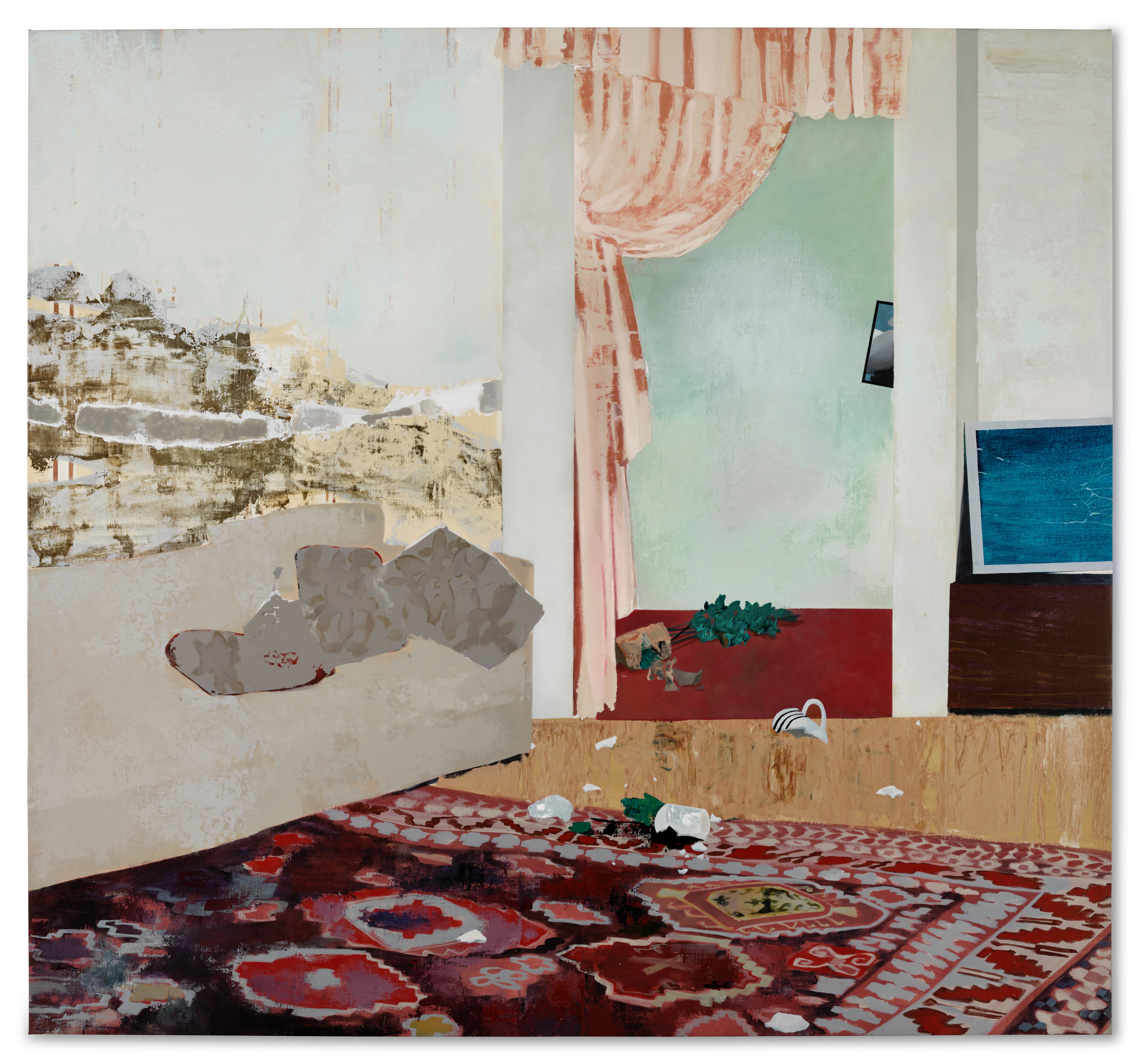
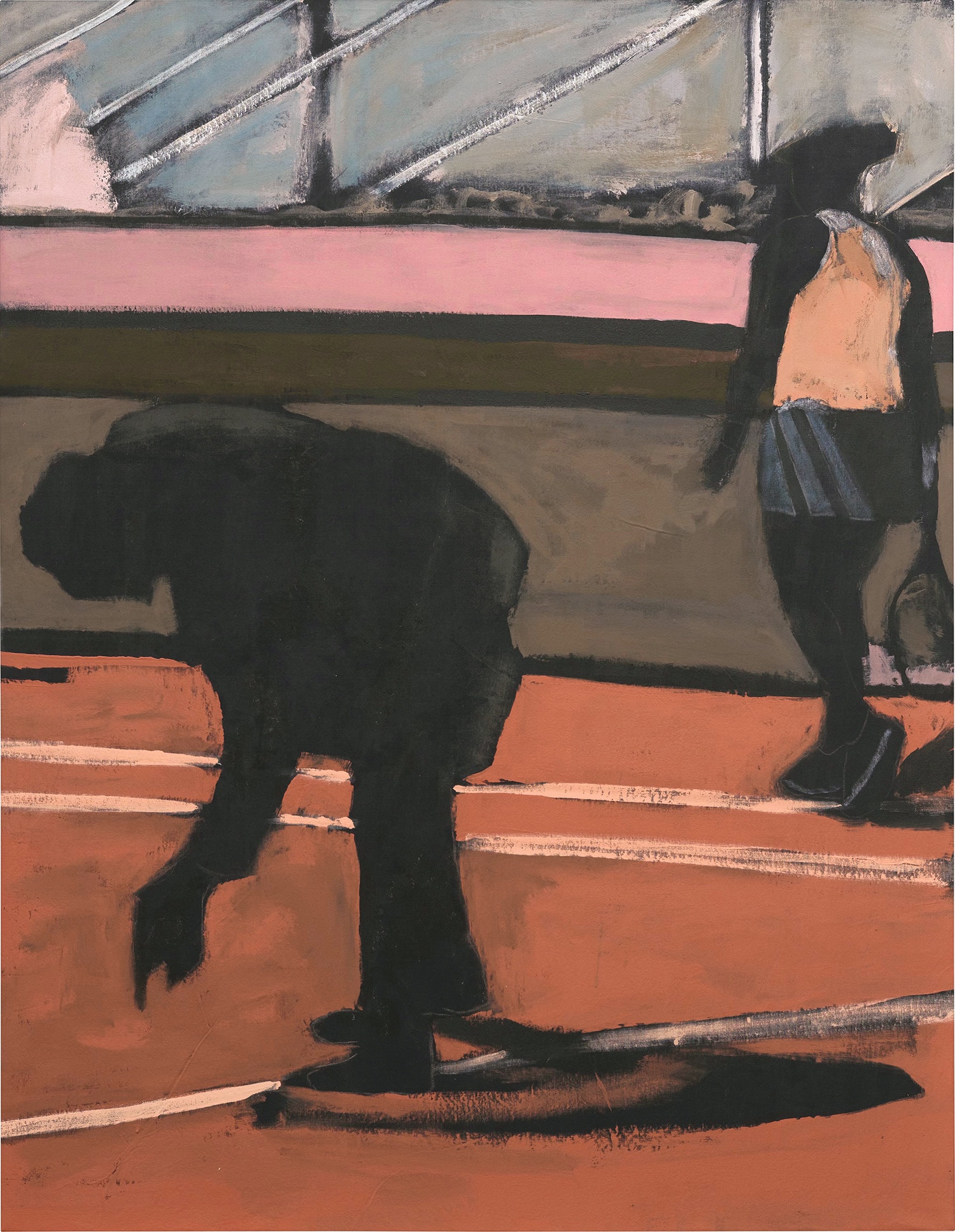
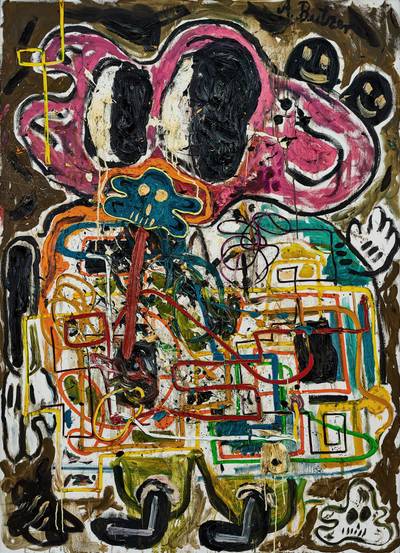
Mohammed Sami's ghostly domestic interiors in which human presence is implied through absence rather than depiction have attracted serious museum attention. Xie Lei's paintings fuse art historical reference with a sensuality that is difficult to place geographically, which is precisely the point. Reggie Burrows Hodges works with silhouette and negative space to create figures that are simultaneously present and withheld, which gives his canvases a quality of held breath. Rita Ackermann's mythological fusions and Anne Kagioka Rigoulet's fragmented bodies suggest that the territory is being reimagined from multiple directions at once.
What feels settled is the blue chip canon: Miró, Dubuffet, Moore, and their generation have been absorbed into art history with prices to match. The surprises are arriving from artists whose practices sit outside the obvious lineages, whose figural impulses draw from sources that the Western market is still learning to read. For collectors with patience and genuine curiosity, this is the productive zone. The figure, after all, has never stopped being strange.
We are simply getting better at trusting that strangeness as a place worth inhabiting.