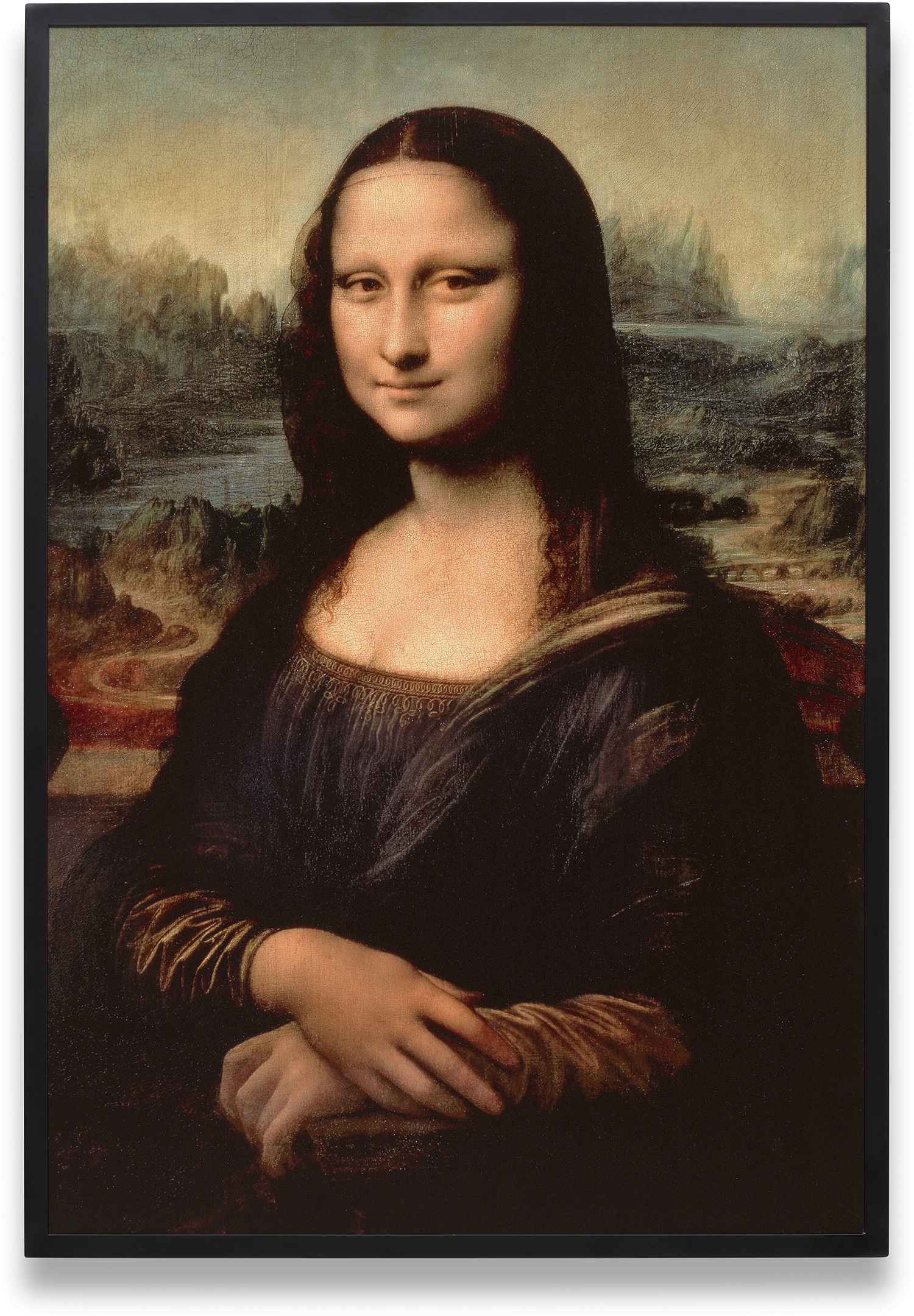
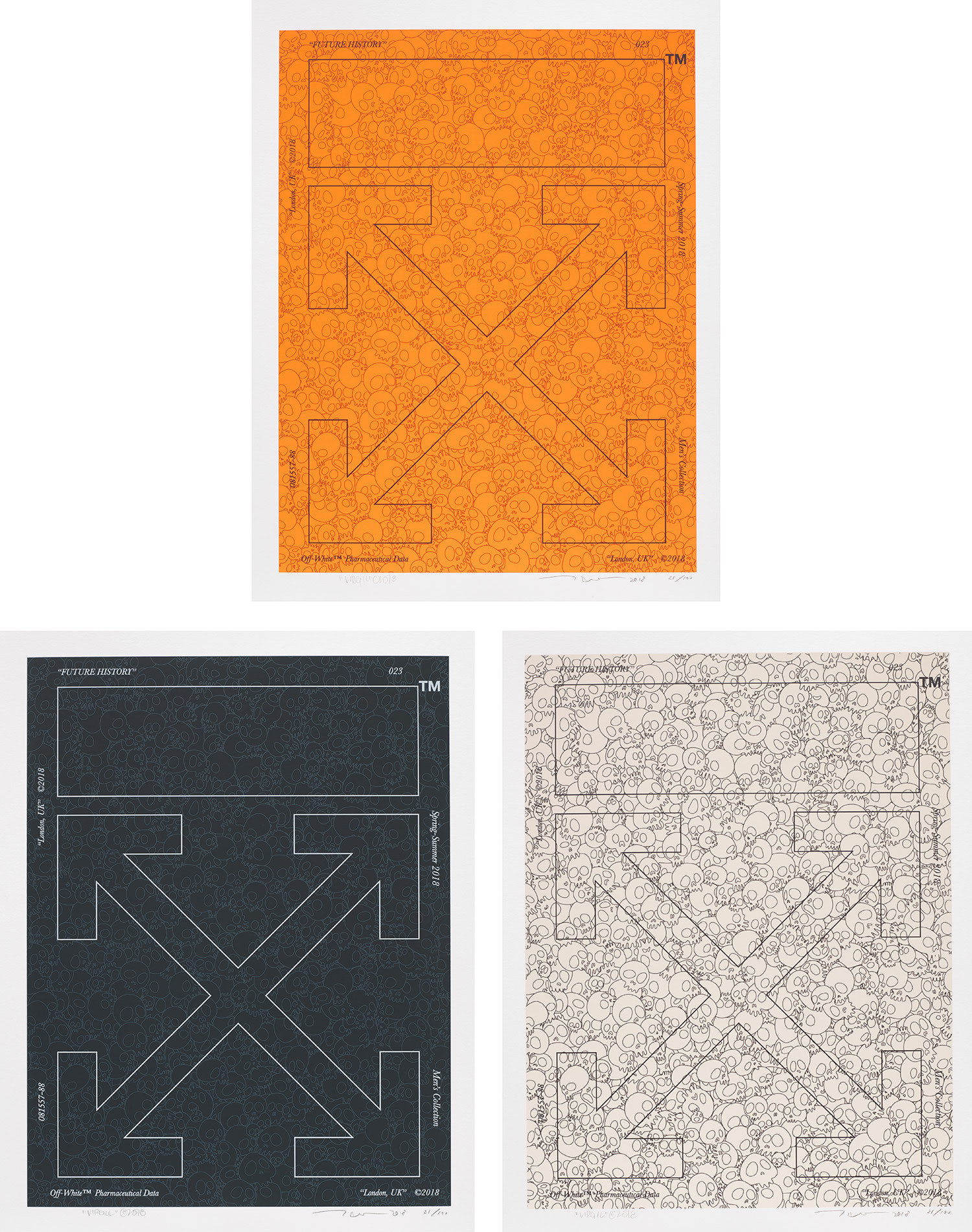
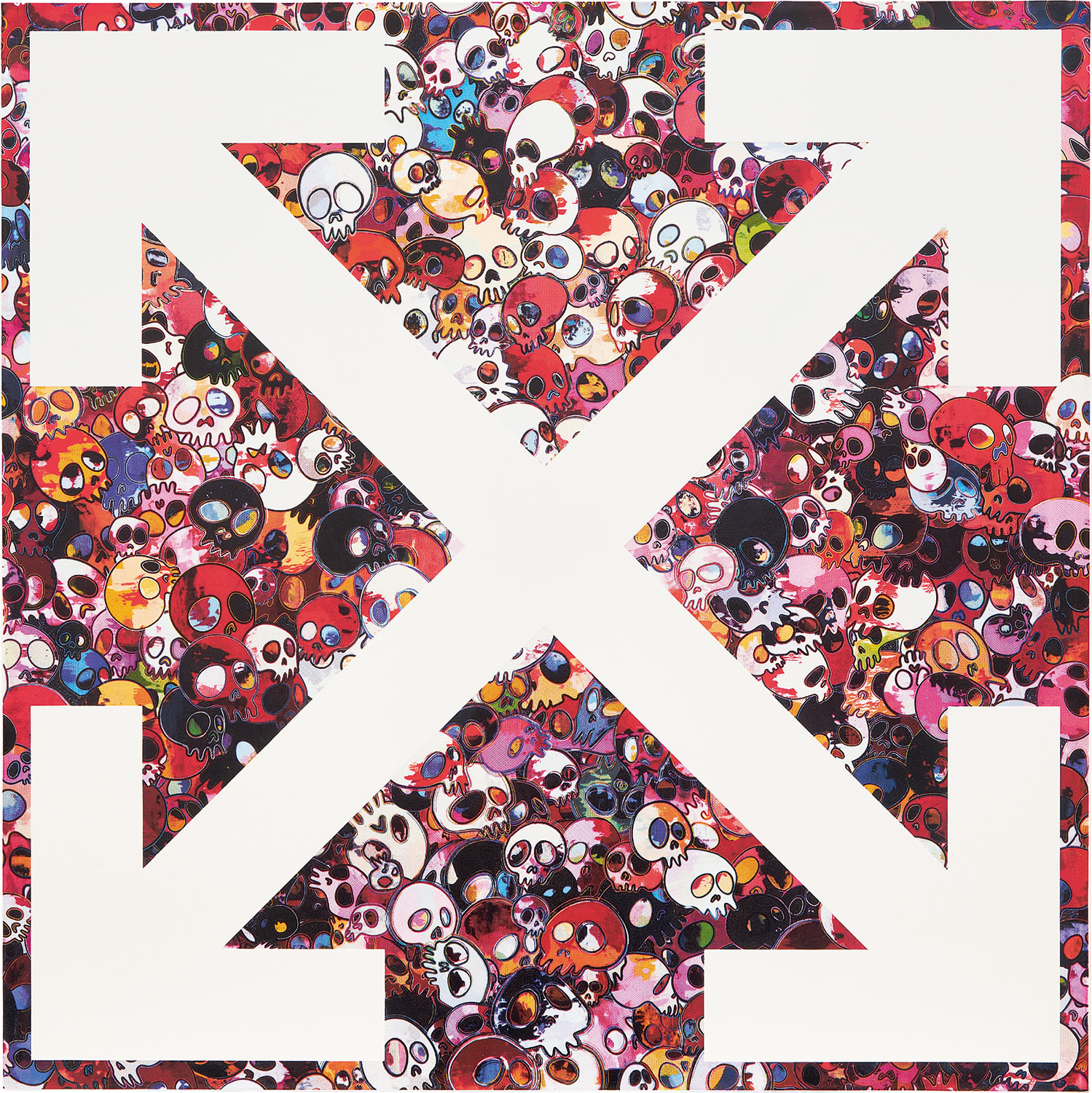
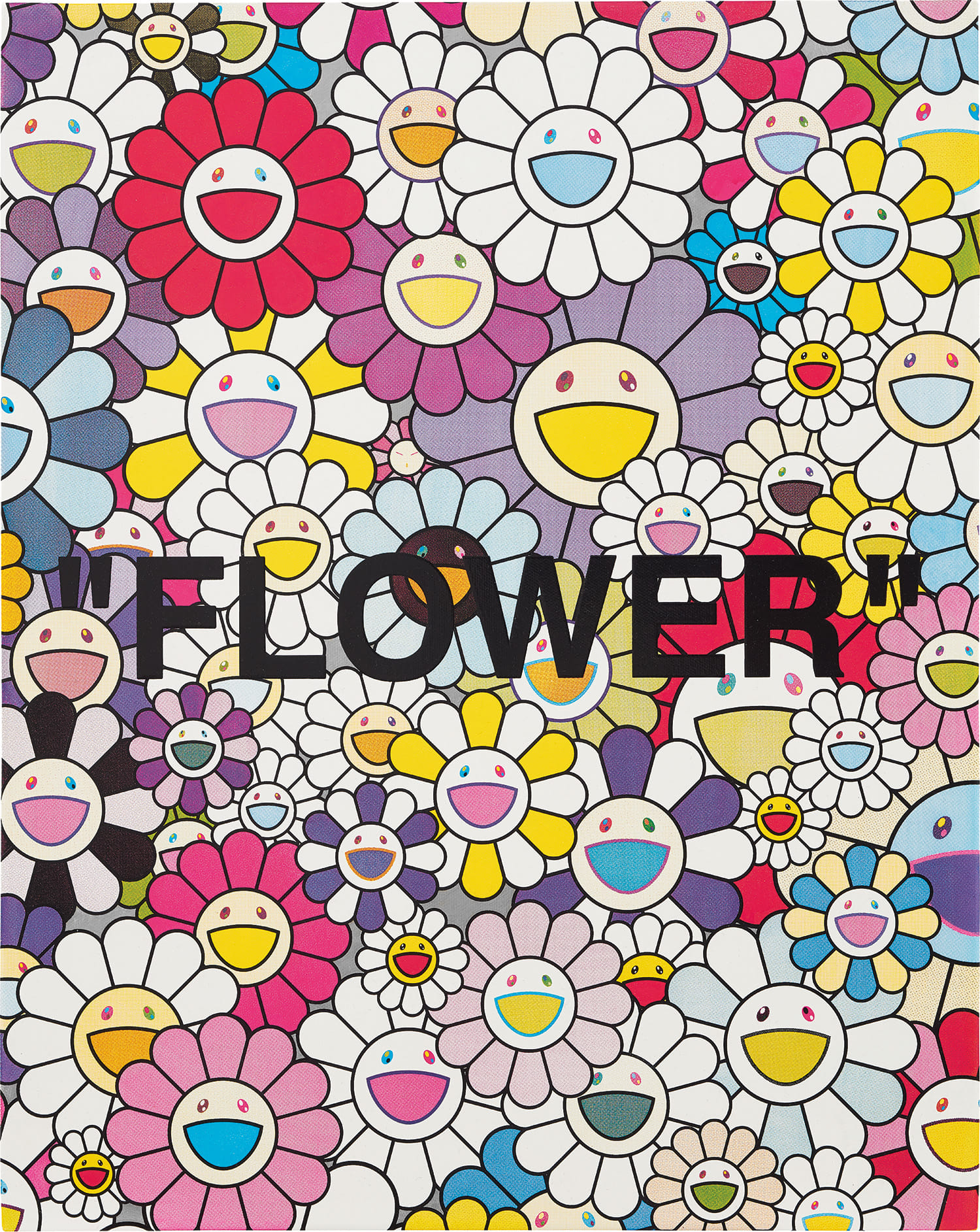
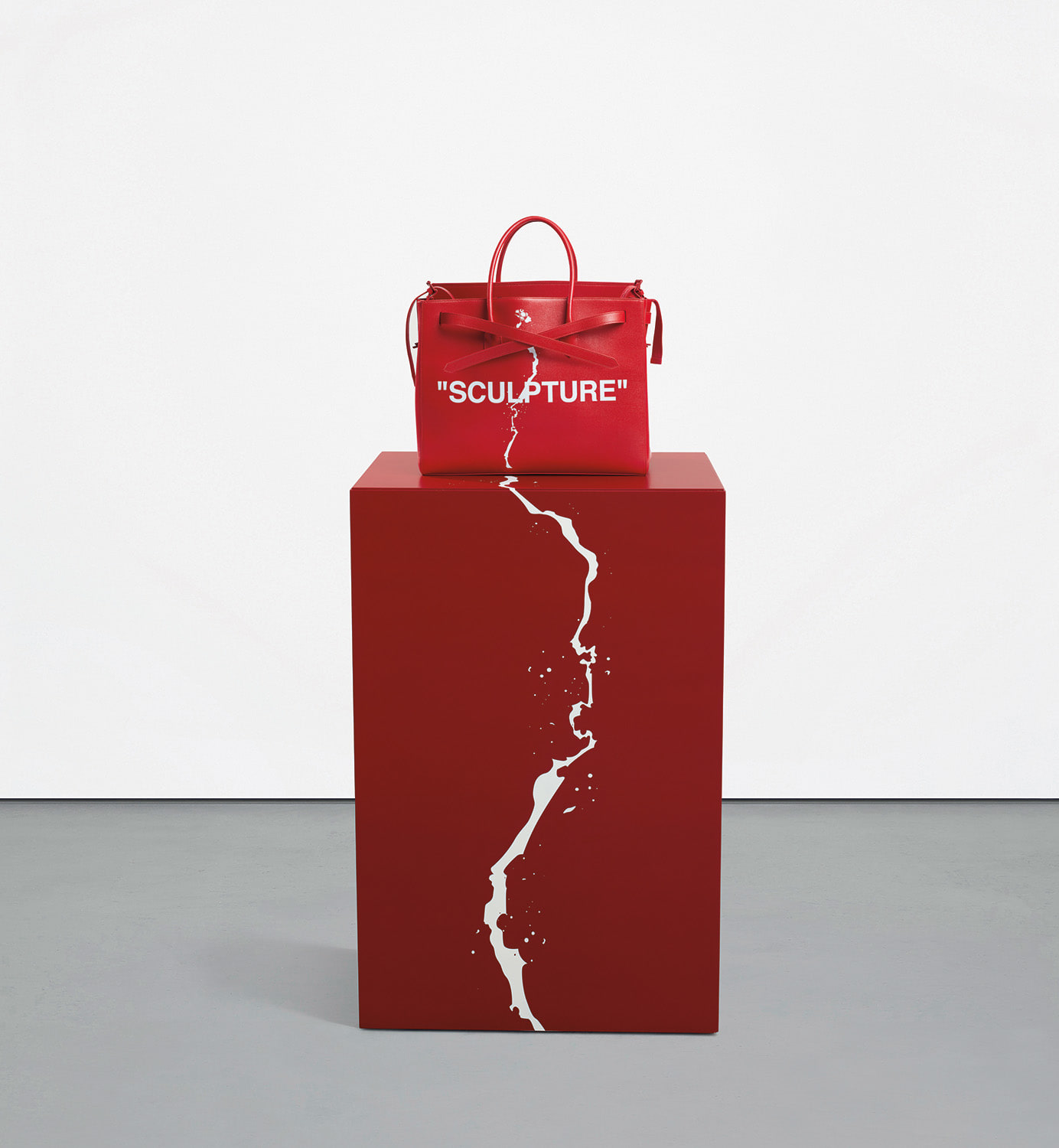
In the months following his passing in November 2021, the art world did something it rarely does with such unanimity: it paused. Museums, auction houses, fashion institutions, and street corners alike paid tribute to Virgil Abloh, a man who had spent his career refusing to be categorized by any single one of them. The Brooklyn Museum, the Museum of Contemporary Art Chicago, and institutions across Europe began reassessing his body of work not merely as the output of a fashion designer who dabbled in art, but as the sustained, philosophically coherent practice of one of the most consequential creative minds of his generation. That reassessment continues today, and it has only deepened the hunger among collectors to understand and acquire work that sits at the precise intersection of culture, craft, and concept. Virgil Abloh was born in 1980 in Rockford, Illinois, the son of Ghanaian immigrant parents who instilled in him both a rigorous work ethic and an expansive sense of what was possible. His father was a painter, his mother a seamstress, and from a young age Abloh absorbed the idea that making things with your hands was not separate from thinking with your mind. He pursued civil engineering at the University of Wisconsin and then architecture at the Illinois Institute of Technology, earning a master of architecture degree in 2006. That training was not incidental to his art. It was foundational. The structural logic, the attention to systems and grids, the understanding of how objects occupy space and carry meaning, these qualities would surface throughout everything he made. His entrée into the wider cultural conversation came through his relationship with Kanye West, with whom he interned at Fendi in Rome in 2009 and later served as creative director of the Donda creative agency. That period placed Abloh at the center of a generational shift in which music, fashion, design, and visual art were collapsing into one another with increasing velocity. He recognized this not as chaos but as opportunity. In 2012 he founded Off White, a Milan based luxury streetwear label that used quotation marks, industrial zip ties, and diagonal stripes as a kind of visual language, a semiotic vocabulary that asked wearers to think about what clothing meant and who got to define it. The brand became a global phenomenon, but its DNA was always conceptual art as much as fashion. His appointment in 2018 as artistic director of Louis Vuitton menswear made him the first Black creative director in the house's history, a milestone that carried profound cultural weight and that Abloh wore with characteristic thoughtfulness rather than triumphalism. He used that platform to open doors, to mentor younger designers, and to push conversations about representation and access in industries that had long been slow to change. But alongside the fashion work, his studio practice in visual art was growing in ambition and complexity. He created paintings, sculptures, installations, and limited edition print collaborations that drew from art history, from Marcel Duchamp's readymades, from the institutional critique of the 1980s, and from the vernacular visual culture of his own upbringing. Among the most compelling works available to collectors today are the paintings created in 2018 and mounted on aluminium frames, works titled with the deliberate simplicity of "our Spot 1," "flower," and "sculpture. " These acrylic on canvas works reflect Abloh's characteristic move of taking a familiar object or category and placing it under a kind of conceptual pressure, asking what a flower means when an artist with his specific history and training decides to paint one. The aluminium mounting is not incidental either: it places the canvas within an architectural and industrial context, refusing the comfortable conventions of the stretched linen hung on a gallery wall. The work titled "sculpture" is particularly resonant, a painting that names itself as something else, an act of Duchampian mischief that Abloh executed with full awareness of the tradition he was inhabiting and gently destabilizing. The "Mona Lisa" and the "Memento Mori" series, created in collaboration with Takashi Murakami and published by Kaikai Kiki Co. in Tokyo, represent another dimension of his practice entirely. Signed by both artists, numbered in a limited edition of 100, and dated with the care of objects that know their own art historical weight, these works bring together two of the most culturally fluent artists of their era in a conversation about mortality, iconography, and the circulation of images across cultures and centuries. The "Memento Mori" prints in fluorescent orange, stone black, and the quietly audacious off white speak in the tones of a meditation that is neither morbid nor sentimental, but instead enormously alive to the strangeness of making art in a world already saturated with images. For collectors, Abloh's work occupies a genuinely unusual position in the current market. His output exists across multiple categories: prints, paintings, sculptures, and design objects, which means that entry points vary considerably and that the depth of a collection can be built thoughtfully over time. The limited edition prints, particularly the Murakami collaborations published through Kaikai Kiki, have attracted strong attention at auction and in the secondary market, in part because of their impeccable provenance and in part because Murakami's own market provides a contextual floor of institutional confidence. The 2018 paintings mounted on aluminium are rarer and speak more directly to collectors who are interested in Abloh as a visual artist in the fullest sense, someone whose studio practice merits the same sustained attention as his work in fashion and design. Abloh invites comparison with a number of artists who share his commitment to dissolving boundaries between high and low, between art world legitimacy and popular culture. Jeff Koons and Damien Hirst explored similar territories in the 1980s and 1990s, using irony and mass production as artistic tools. Takashi Murakami built an entire theory, his "Superflat" concept, around the collapse of hierarchies between fine art and commercial imagery. But Abloh brought something to this conversation that none of those predecessors could: a specific lived experience as a Black American man, the son of immigrants, operating inside institutions that had not been built with him in mind and transforming them through the force of his intelligence and generosity. His work is inseparable from that biography, and it is richer for it. The legacy Abloh leaves is one of radical permission. He demonstrated, at the highest levels of global culture, that a person trained as an engineer could become one of the most important designers in fashion history. That a streetwear founder could be a serious visual artist. That collaboration was not dilution but amplification. For the collectors who hold his work today, and for those who are beginning to look seriously at his practice, there is the particular satisfaction of knowing that these objects were made by someone who understood exactly what he was doing and why it mattered. Abloh was, in the most precise sense of the word, an architect: someone who looked at empty space and saw, with total clarity, what could be built there.