Stoneware
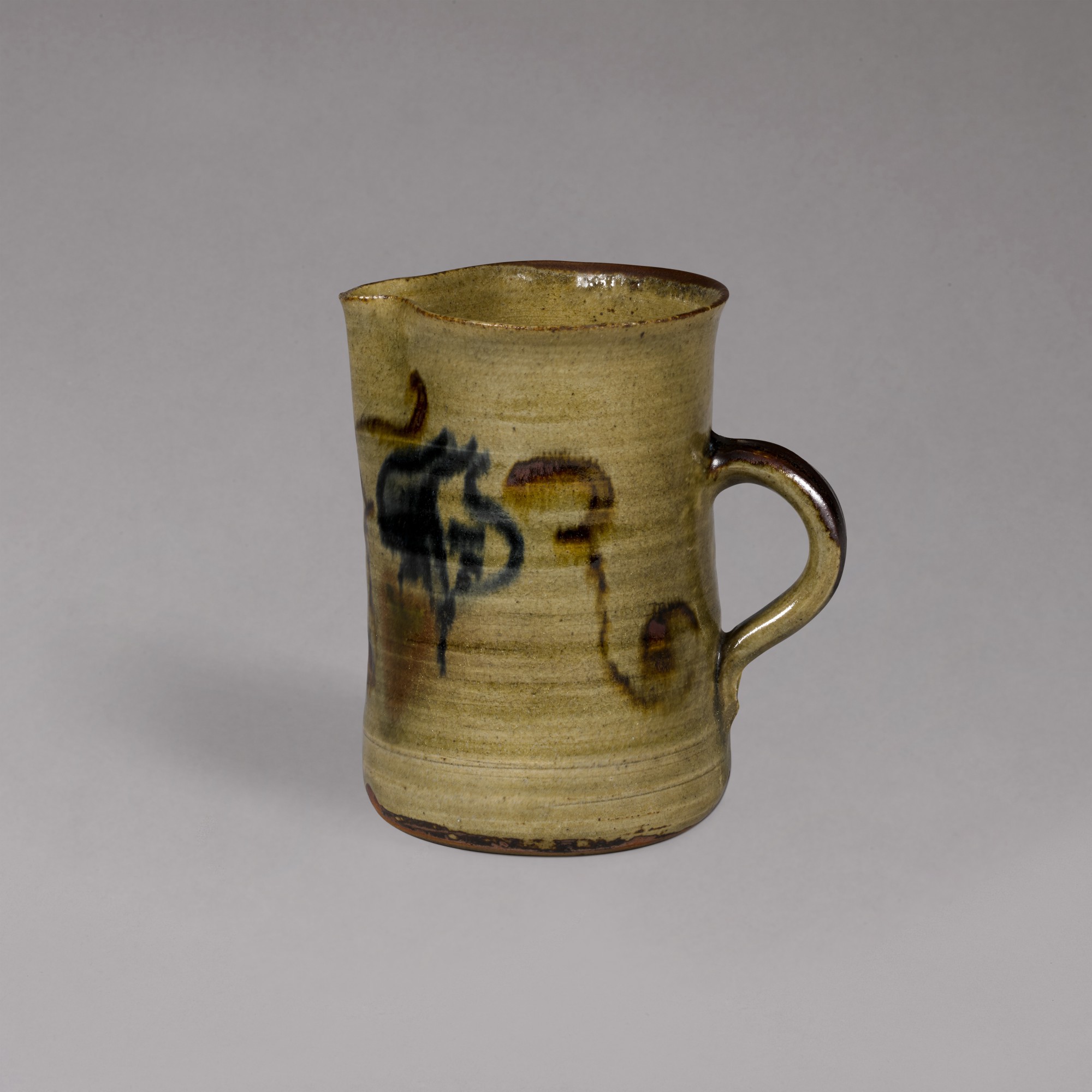
Unknown
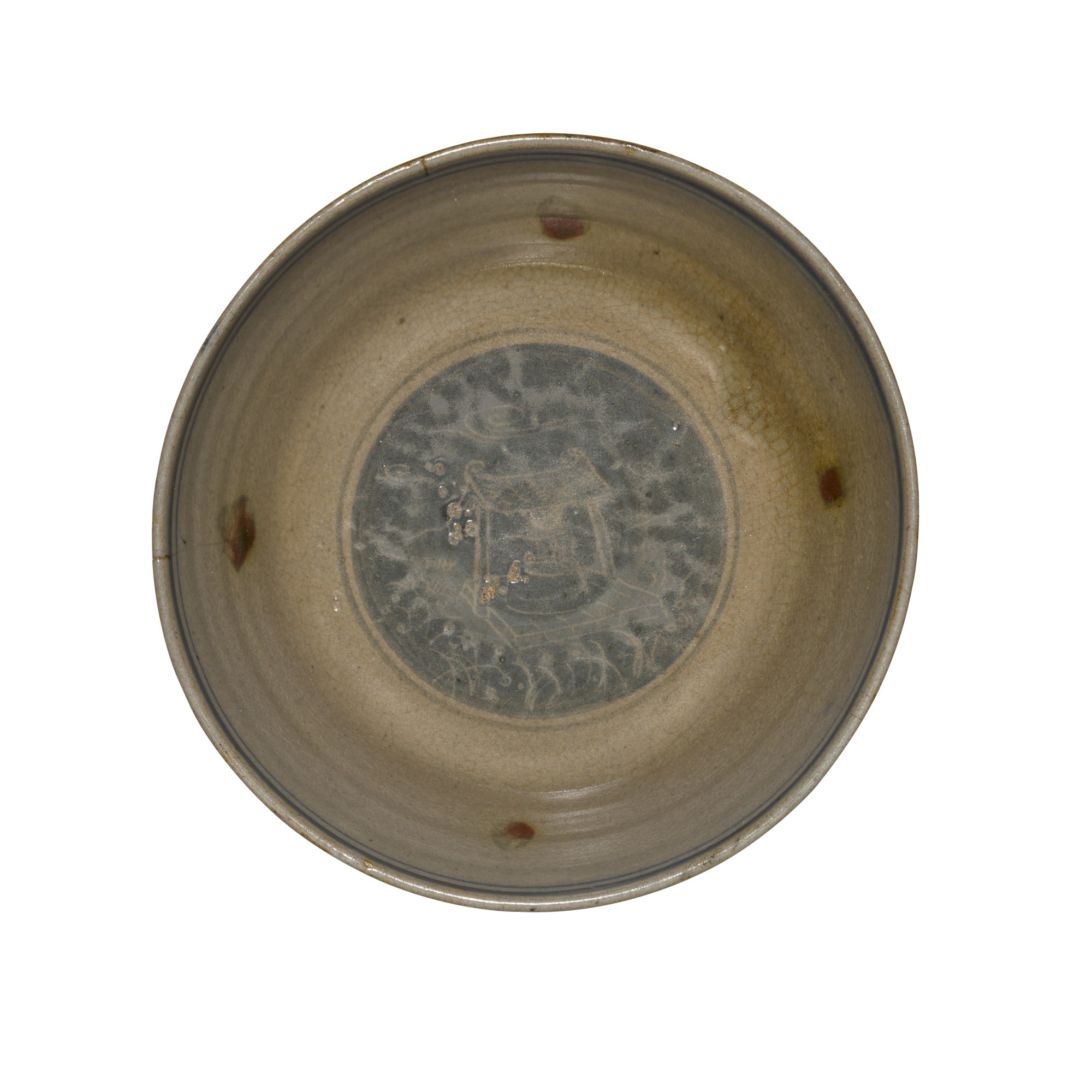
A stoneware jug | Showa period, 20th century
Earth, Fire, and the Art World's Obsession
When a Hamada Shoji tenmoku tea bowl sold at Christie's London for well above its high estimate, the room went quiet in that particular way rooms do when something unexpected clarifies itself. It was not a surprise that the work sold well. It was a surprise at just how much appetite remained, how many paddles went up, how long the bidding took to resolve. That moment, replayed in various forms across auction houses in New York, London, and Tokyo over the past several years, tells you everything about where stoneware sits in the cultural conversation right now.
It is no longer a category for the specialist alone. It has moved toward the center. The critical reappraisal has been building for some time, but the exhibitions of the past decade have accelerated it considerably. The 2016 show at the Mingei International Museum devoted to Japanese folk ceramics brought serious critical attention to the mingei tradition and its giants, including Hamada and his mentor Yanagi Soetsu.
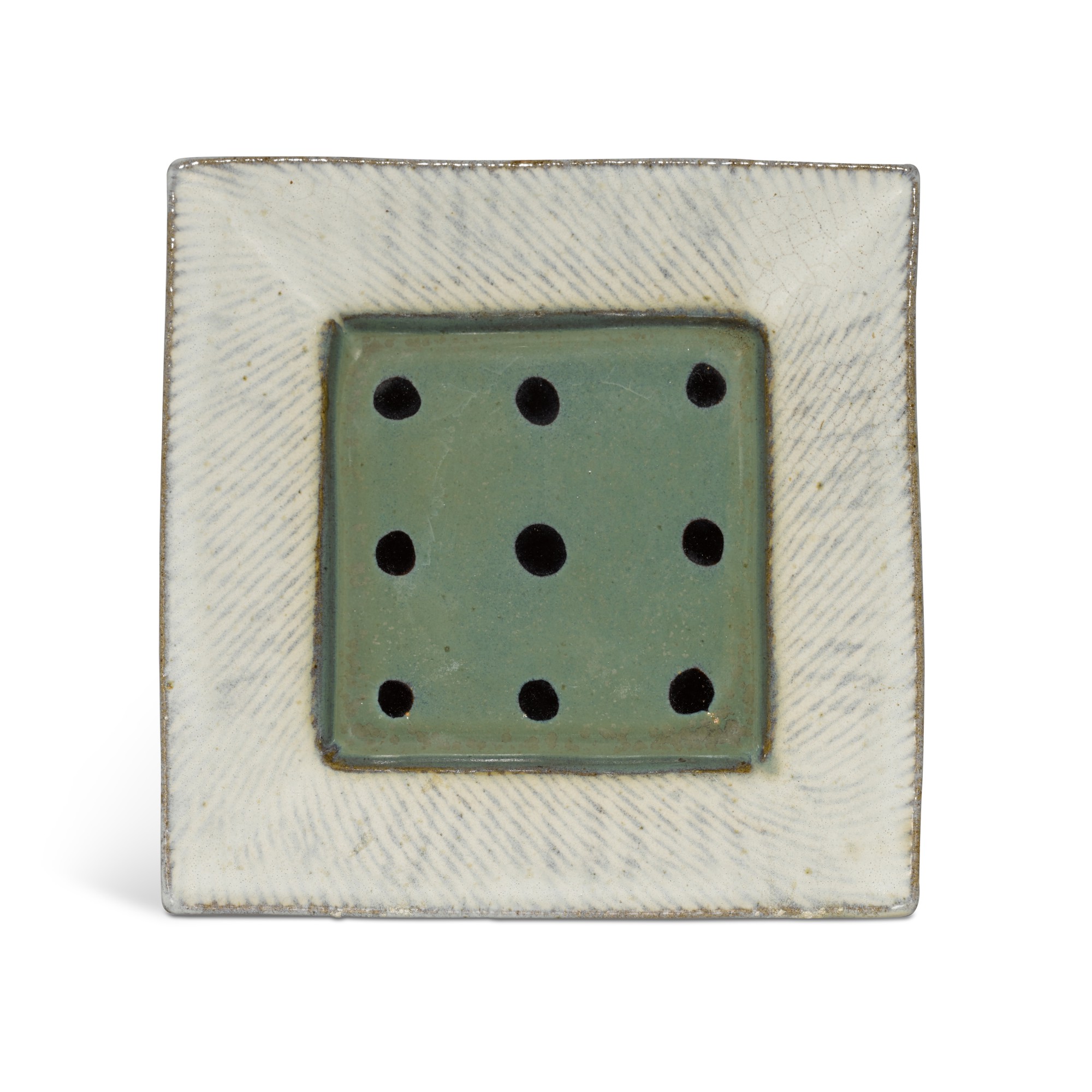
Shimaoka Tatsuzo
A stoneware dish | Showa period, 20th century
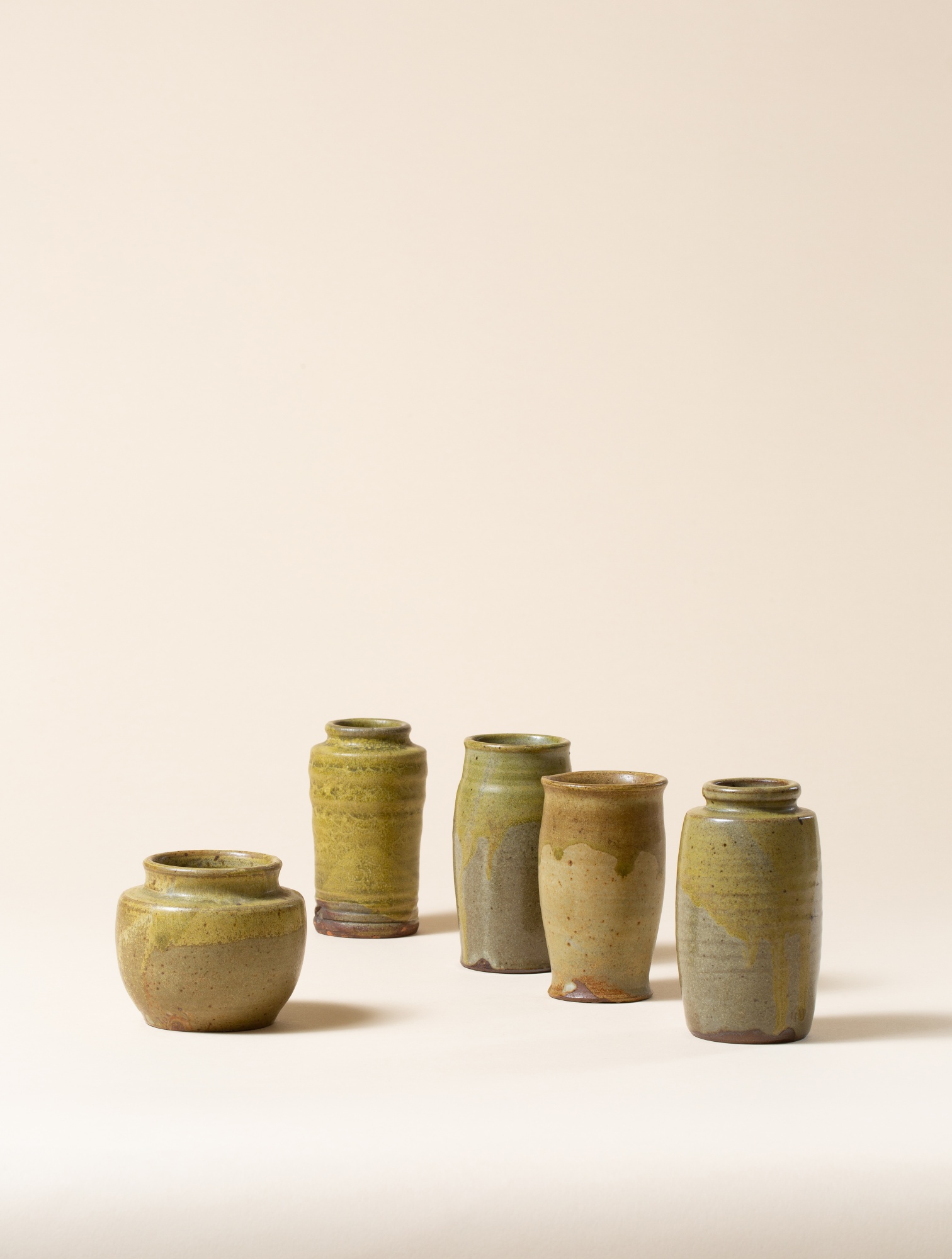
The Museum of Arts and Design in New York has continued to position ceramic work not as craft but as fine art, a distinction that once mattered enormously to the market and now matters somewhat less, which is itself a form of progress. The Smithsonian's Renwick Gallery has been particularly important in making the institutional case that objects fired in a kiln can carry the same conceptual weight as anything on canvas. Auction results have followed the institutional signal, as they tend to do. Works by Hamada Shoji and Shimaoka Tatsuzo, both well represented on The Collection, have performed consistently at the top of Asian art sales worldwide.
Hamada in particular commands a reverence that translates directly into price. His pots feel inevitable, as if they arrived in their finished form without the intervention of human decision, and collectors respond to that quality with genuine emotion and real money. Shimaoka, who studied under Hamada and developed his own signature mishima inlay technique, has seen steadily rising interest from collectors who came to the mingei tradition through Hamada and then looked for what came next. Beyond Japan, the market has grown more plural and more interesting.
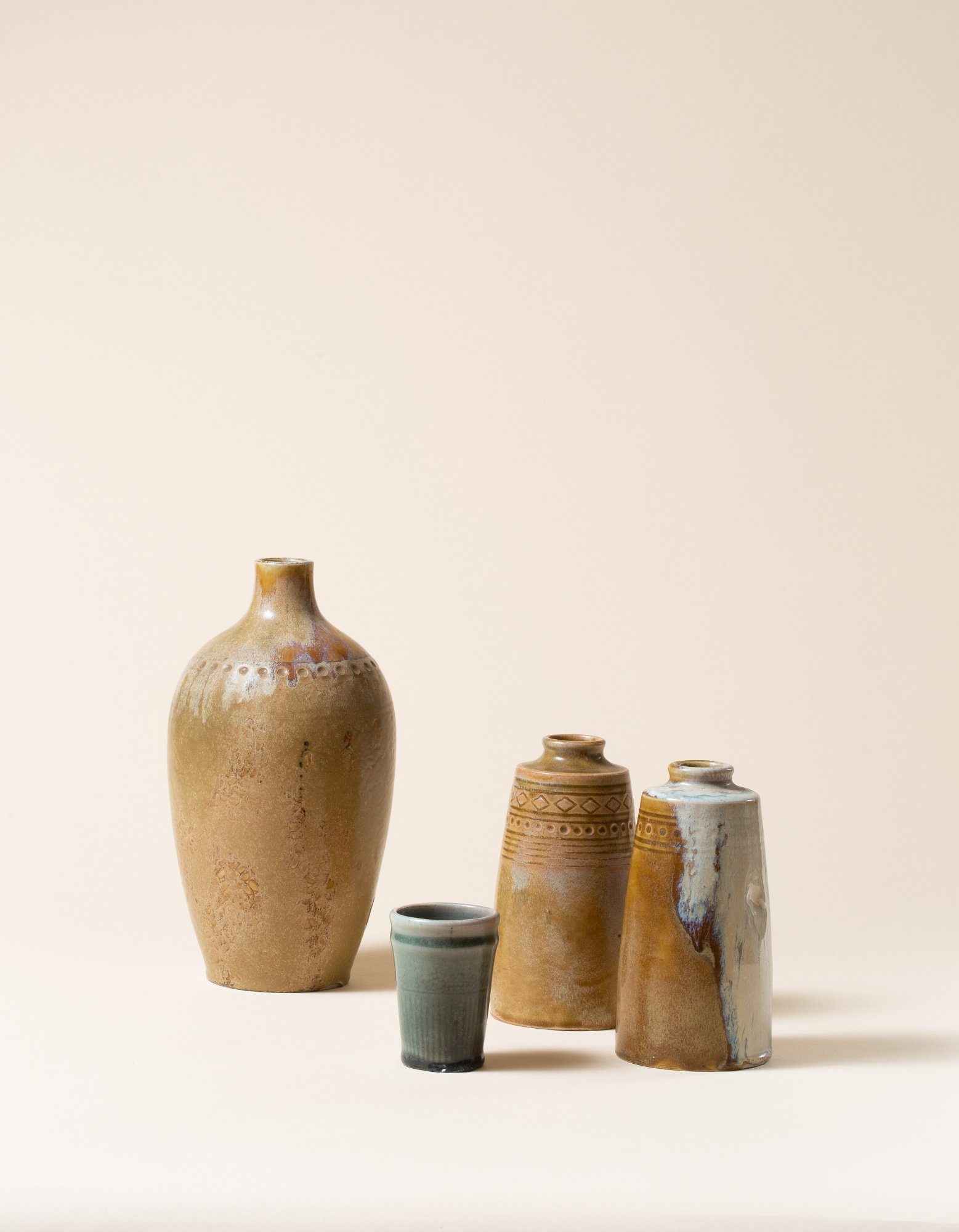
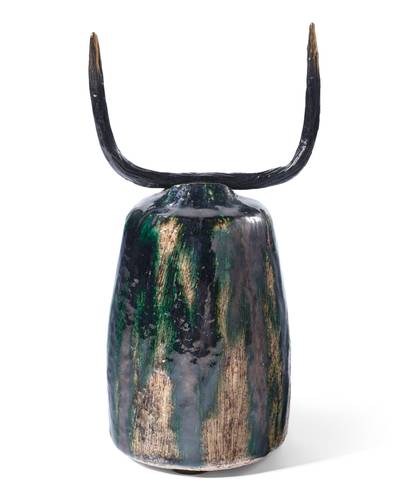
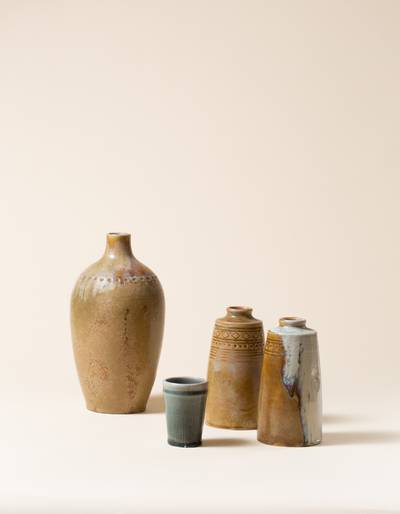
André Metthey
Trois vases et un goblet
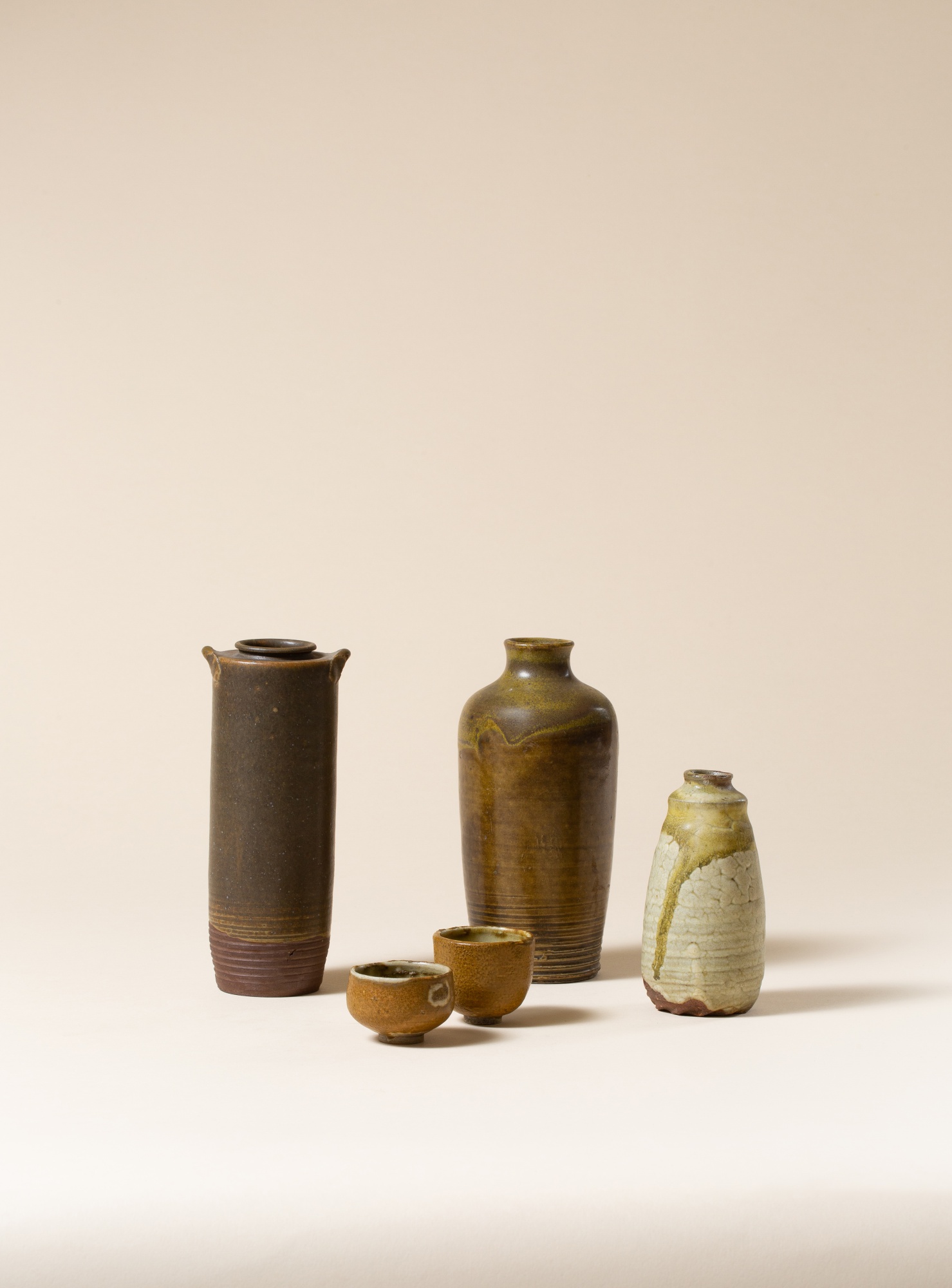
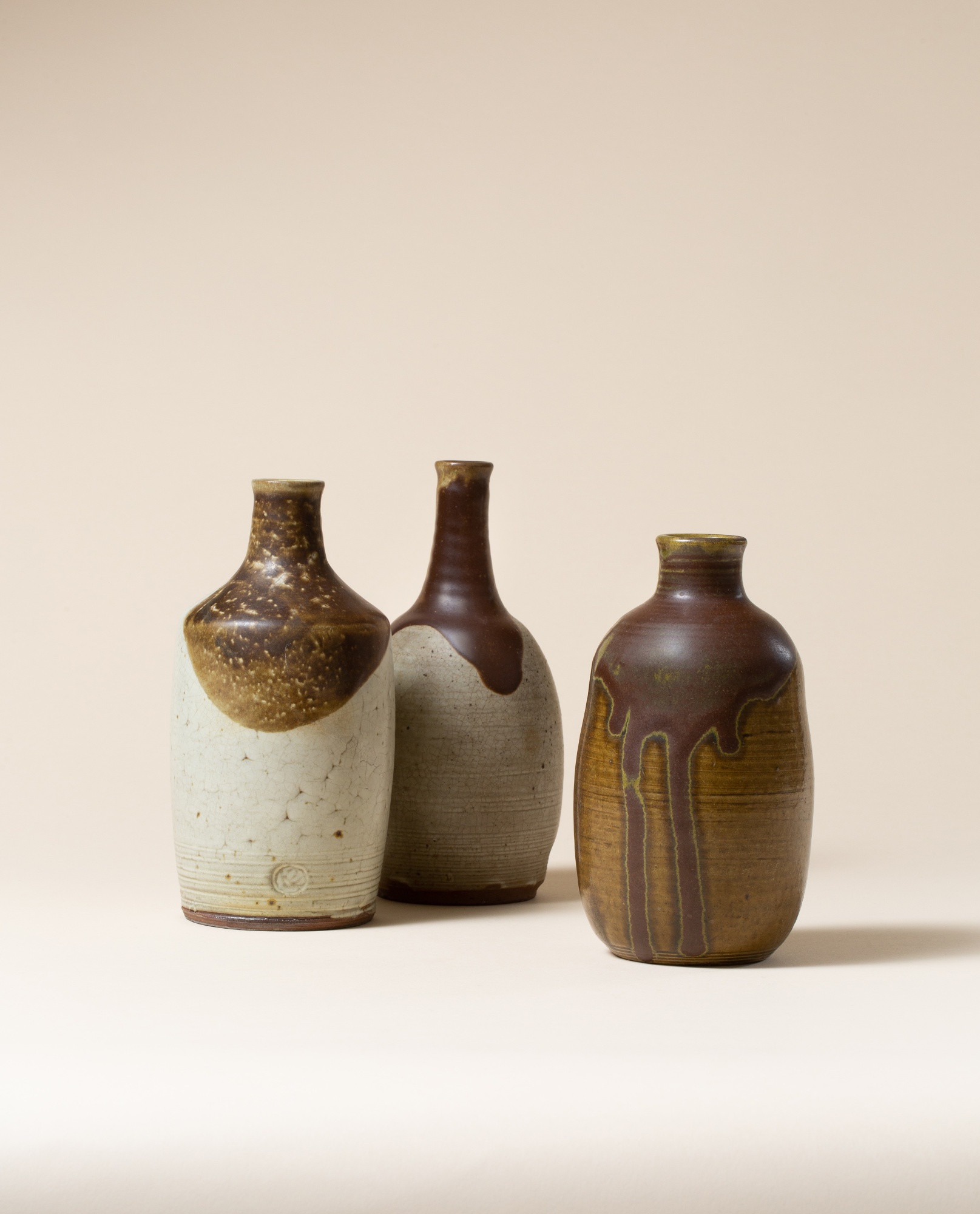
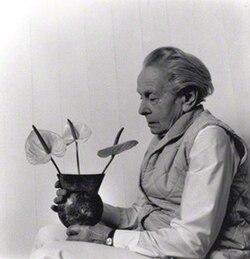
Émile Lenoble and André Metthey, both working in France in the early twentieth century, represent a tradition of European stoneware that drew heavily from East Asian precedent but arrived at something distinctly its own. Their work appears with increasing frequency at the major Paris sales, and prices have reflected a renewed interest in the decorative arts of the French avant garde period. Lucie Rie, the Vienna born ceramicist who spent most of her working life in London, remains one of the most significant figures in the field, and her pots continue to achieve prices that place her firmly in conversation with painters of comparable cultural standing. The market has understood what the art world was slower to say aloud: that her achievement was singular.
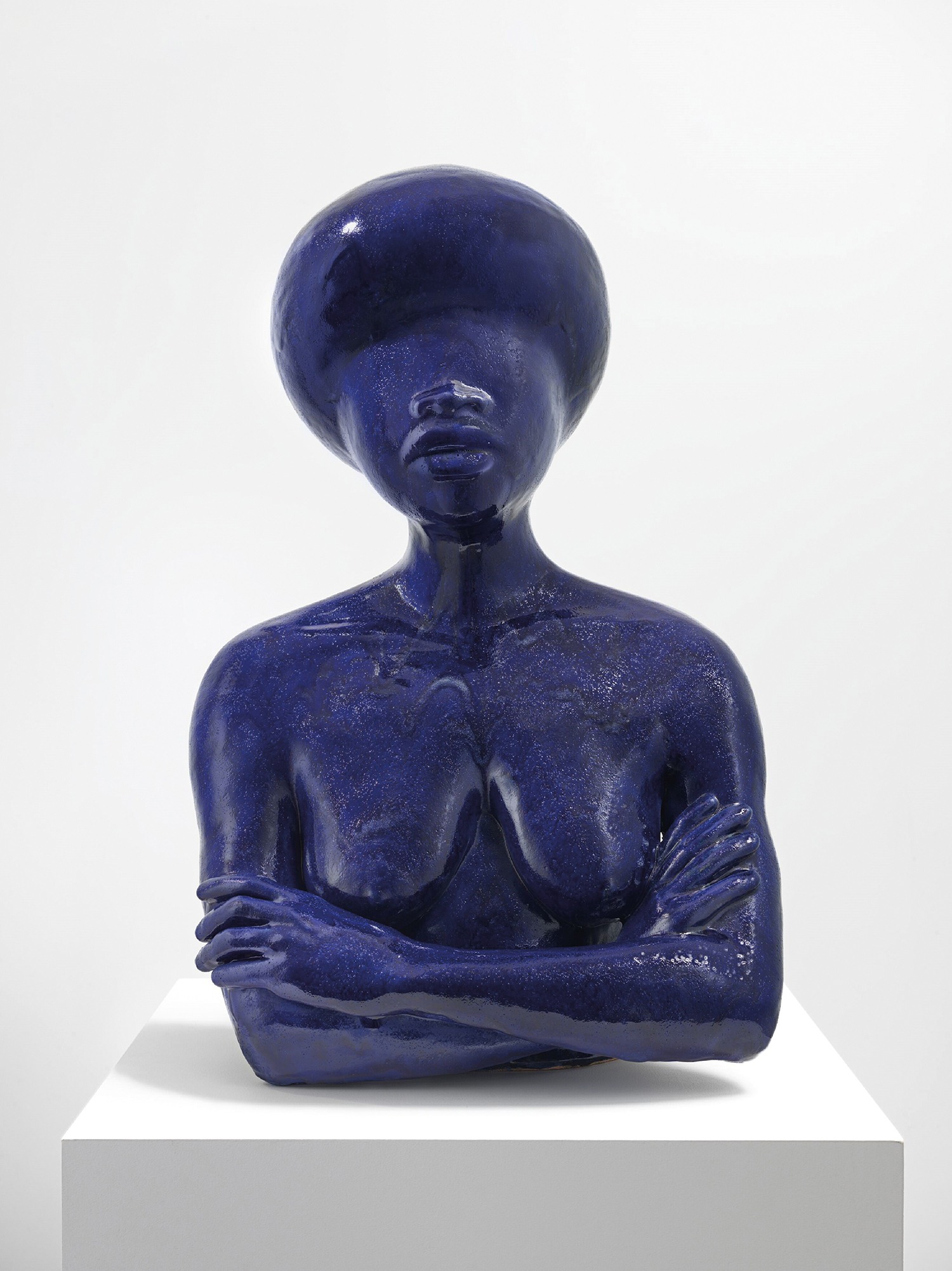
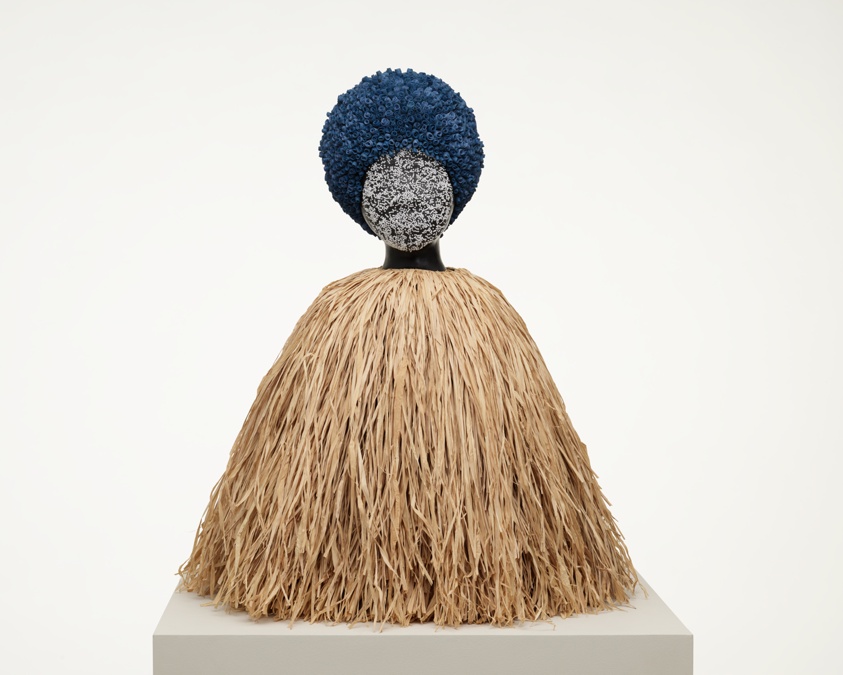
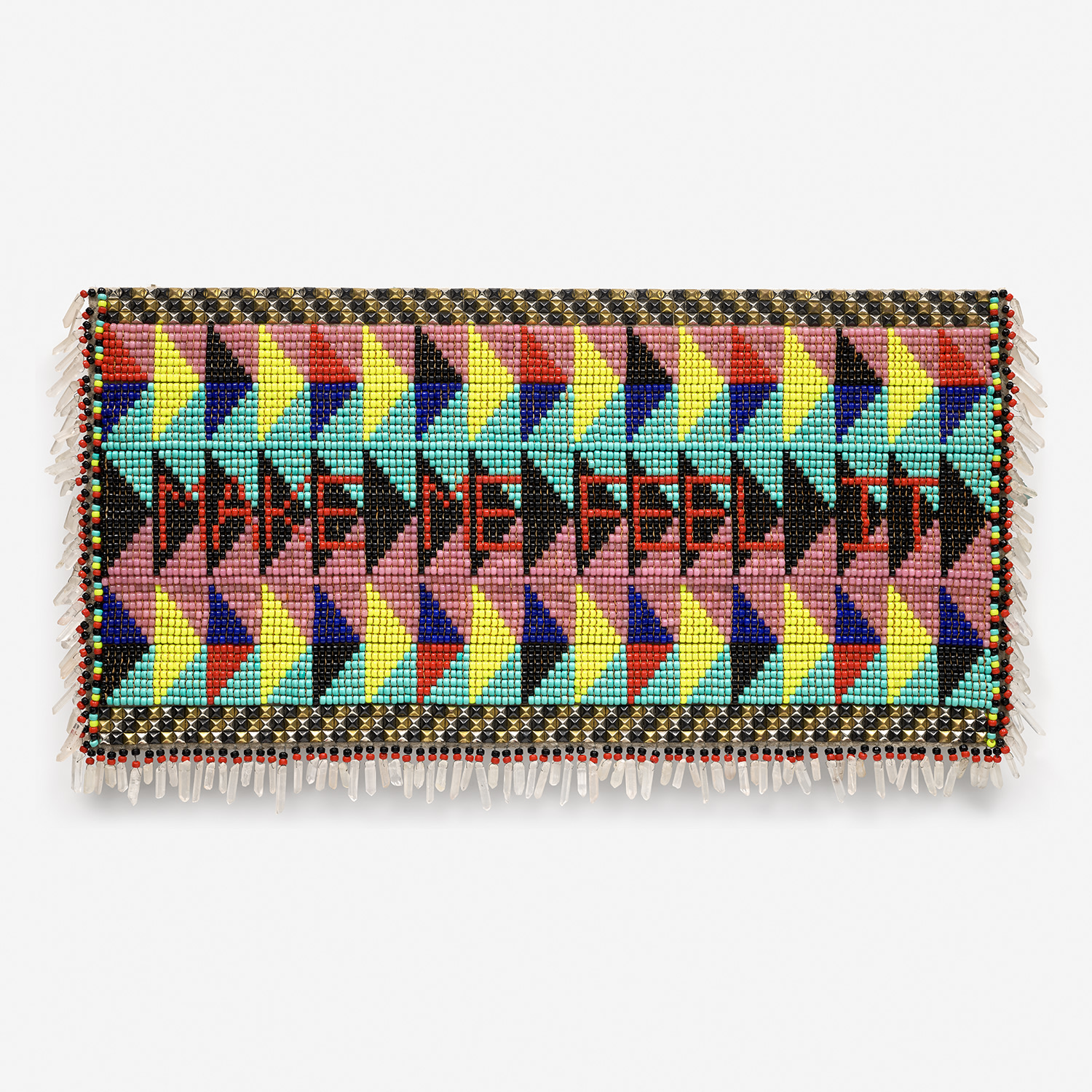
The most energetic part of the market right now is the conversation around living artists working in stoneware, and here the names feel genuinely urgent. Simone Leigh, who won the Golden Lion at the Venice Biennale in 2022, has used ceramic form as the foundation of a practice that engages questions of Black womanhood, care, and architecture. Her institutional support is exceptional, and while her ceramic works appear rarely on the secondary market, their presence in major museum collections signals clearly where the critical establishment has placed its confidence. Zizipho Poswa, working from Cape Town, brings a different kind of intensity to the form, her coiled vessels growing from Xhosa cultural tradition into something that reads as both deeply local and entirely contemporary.
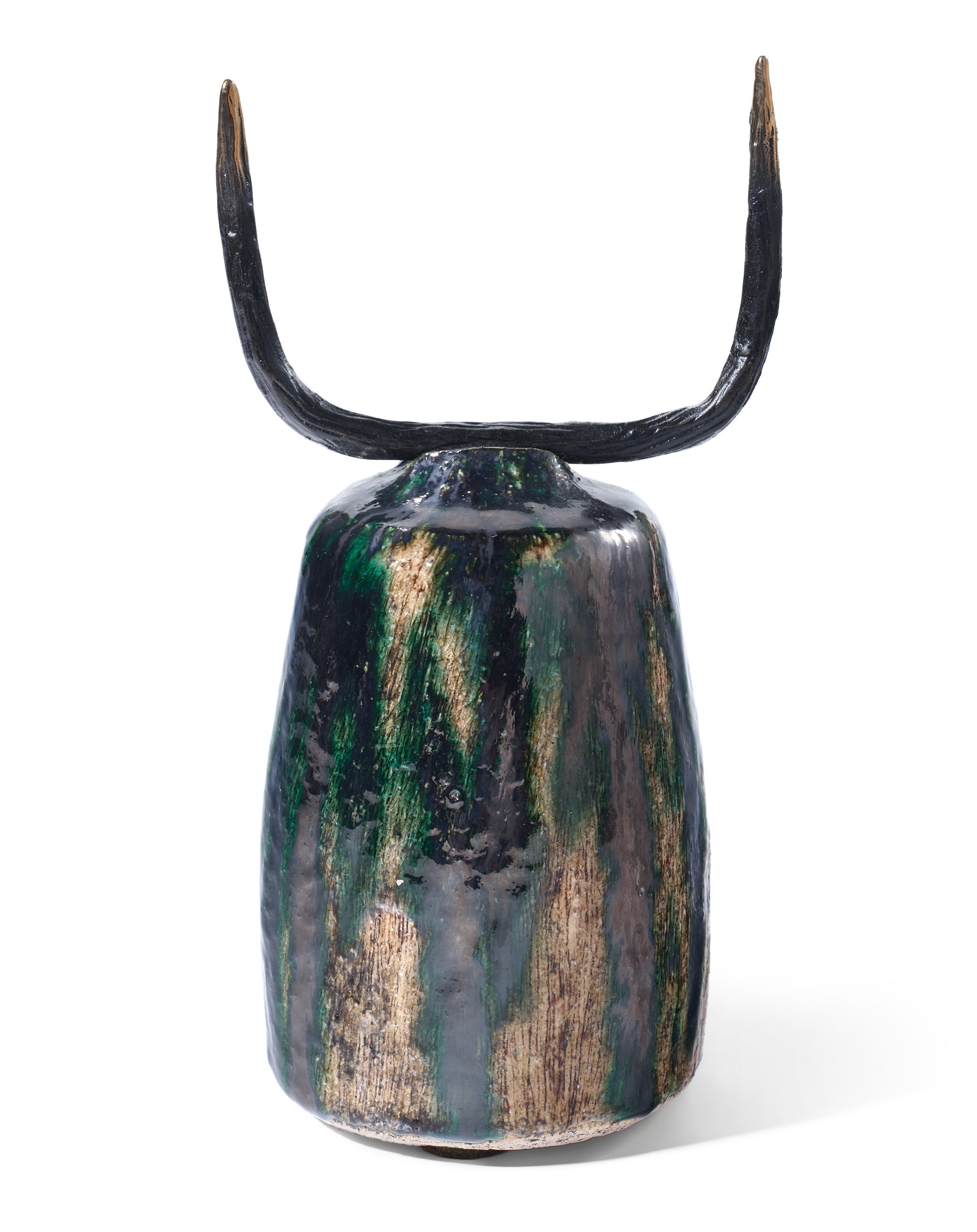
Zizipho Poswa
uMyeni VIII Miniature (Groom)
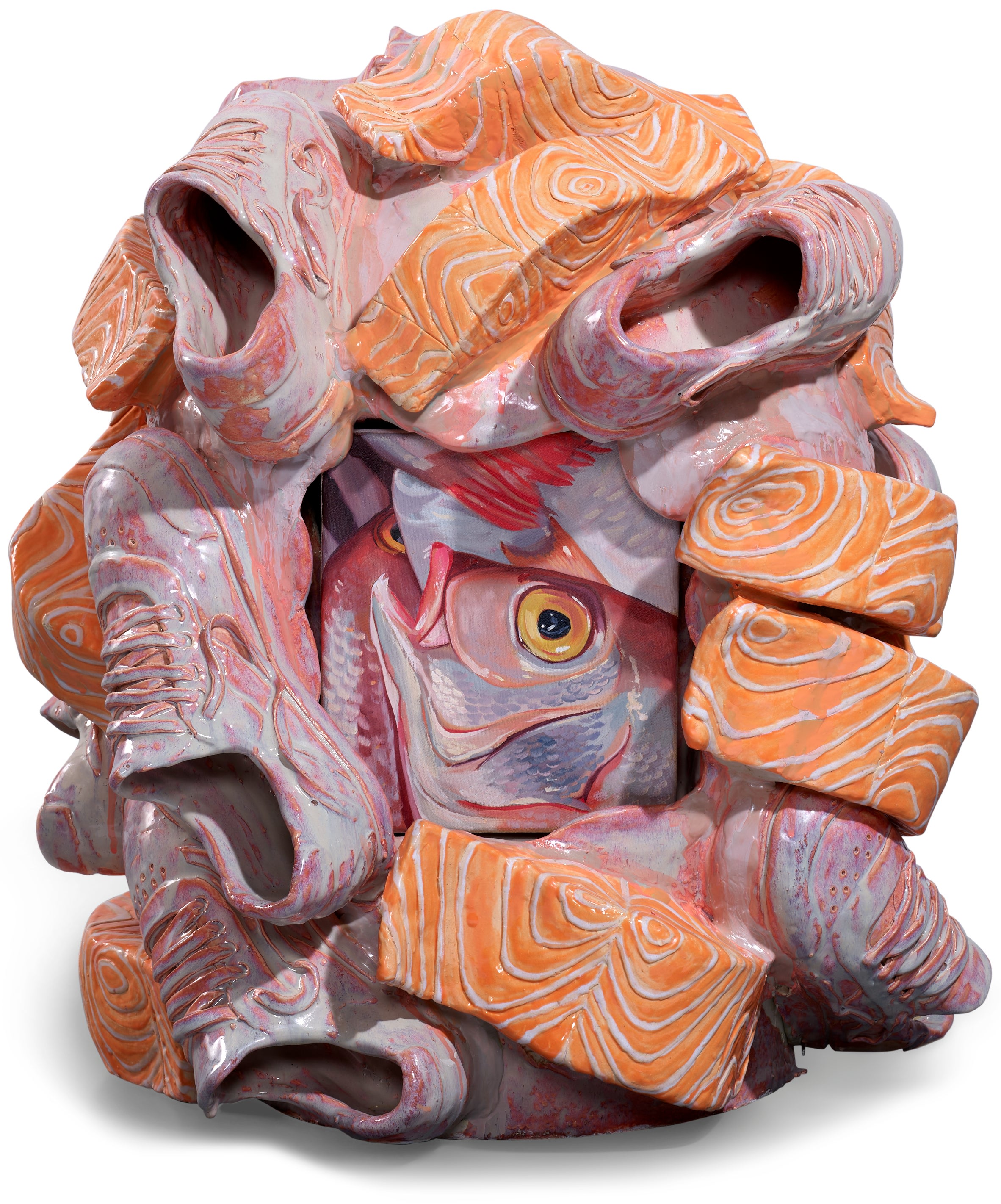
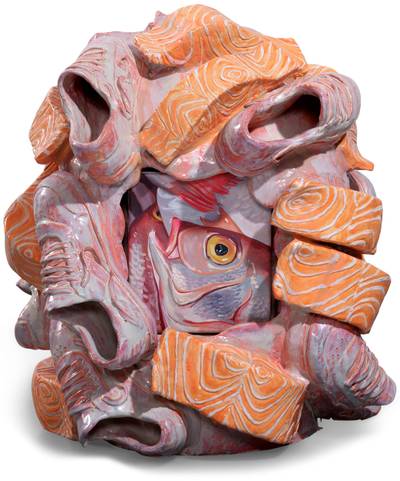
Raven Halfmoon, whose large scale figural vessels draw from Caddo heritage, has attracted serious attention from institutions on both coasts. These three artists are not being grouped together arbitrarily. They represent a generation that has chosen stoneware as the medium most capable of holding the weight of what they need to say. Genesis Belanger brings a cooler, more ironic sensibility to the field, her pastel toned objects sitting somewhere between commodity culture and surrealism, and collectors who came to her work through the gallery circuit have found the stoneware pieces particularly compelling.
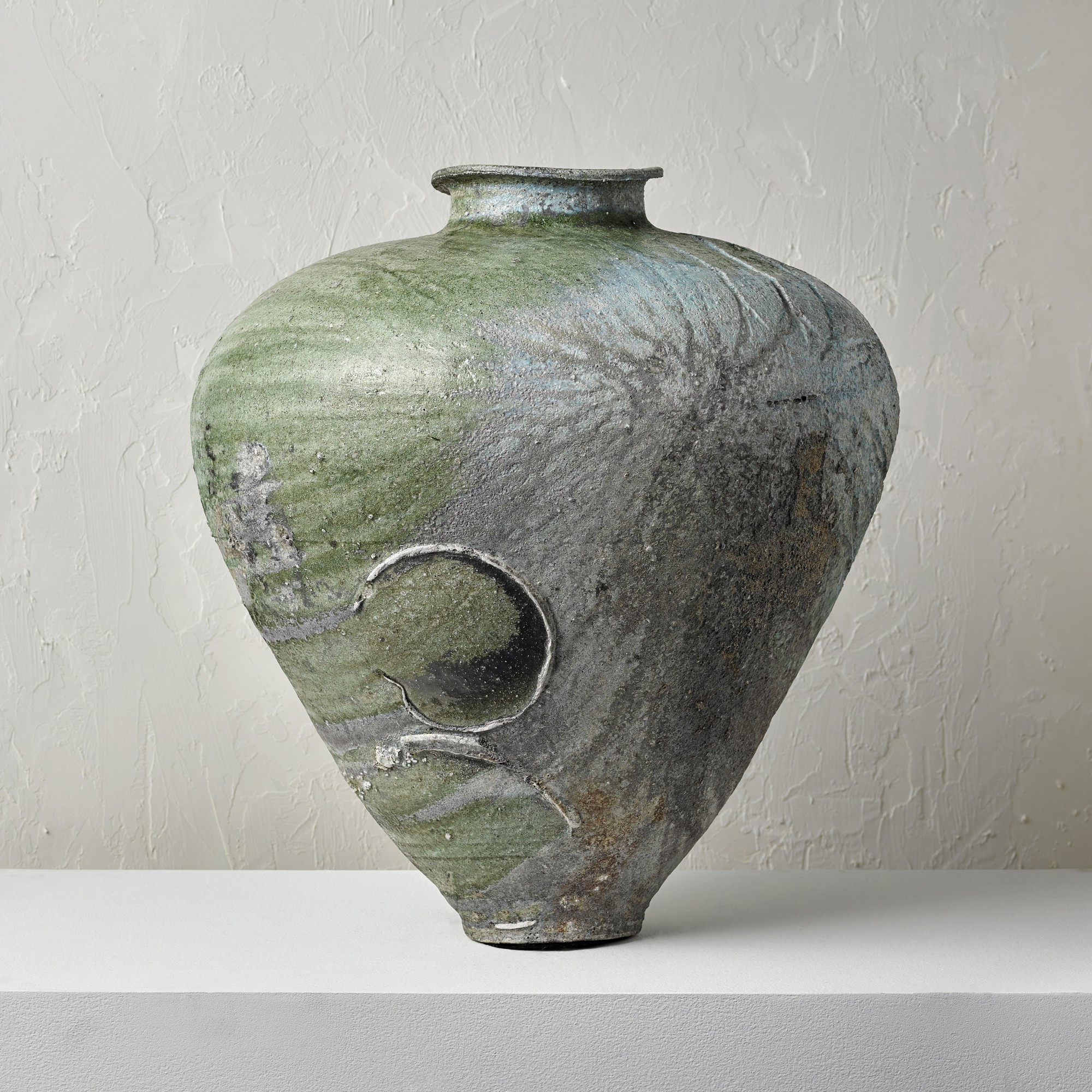
Shio Kusaka works with a quieter vocabulary, her painted vessels referencing Japanese tradition through a lens that is entirely her own. Mona Hatoum has used ceramic form in ways that feel confrontational rather than domestic, which is part of what makes her occasional stoneware works so striking alongside work by potters more conventionally associated with the category. The breadth of what is collected under the term stoneware right now would have surprised a specialist from thirty years ago. The writers and curators shaping this conversation deserve credit.
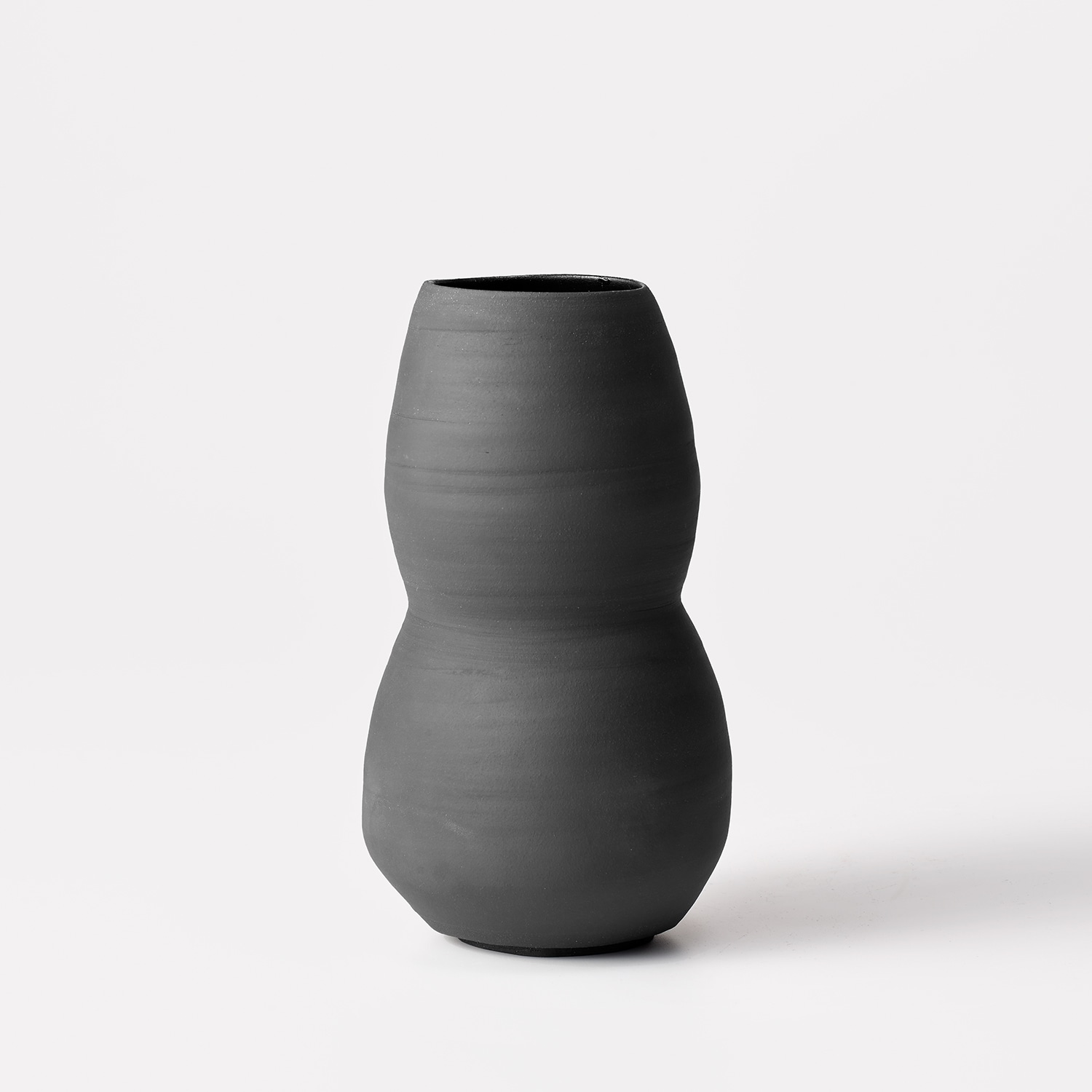
Shio Kusaka
(hole 30), 2012
Namita Gupta Wiggers, the founding director of Critical Craft Forum, has been essential in establishing a critical language for ceramics that does not borrow apologetically from painting discourse. The journal Ceramic Review has elevated its critical ambition considerably. Curators at the Art Institute of Chicago and the Victoria and Albert Museum have mounted arguments, through their acquisition choices and their exhibition programs, that stoneware belongs in dialogue with every other form of artistic production. What feels alive is the intersection between stoneware and the broader conversation about whose hands have shaped culture and whose materials have been taken seriously.
What feels settled, pleasantly so, is the question of whether Hamada or Rie or Lenoble belong in serious collections. They do, and the market knows it. The surprises coming are likely to emerge from West Africa and from Indigenous North America, where artists working with fired clay are building practices that institutions are only beginning to understand how to collect properly. The stoneware category has never been more open, more contested, or more worth paying attention to.