Ceramic
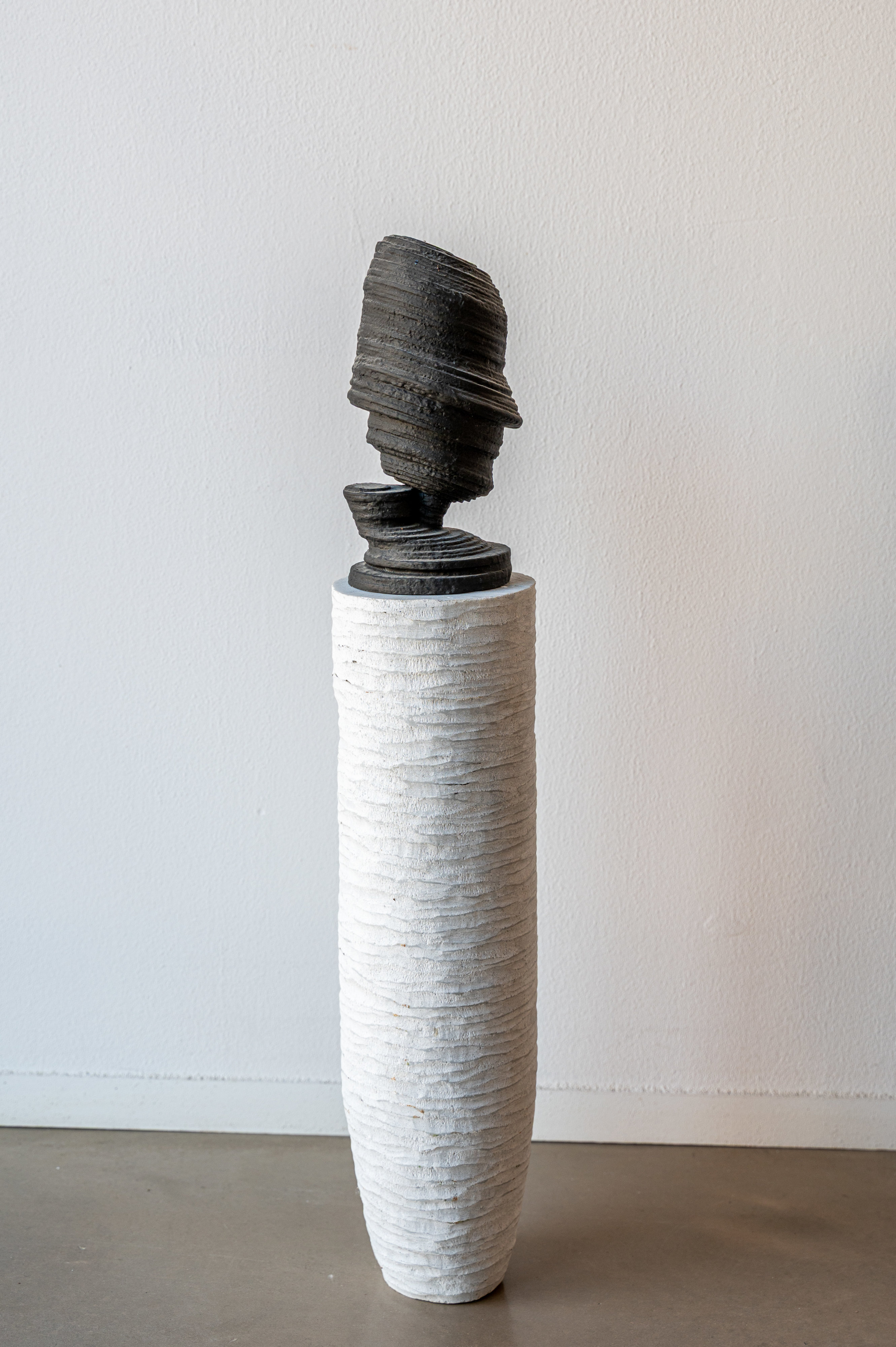
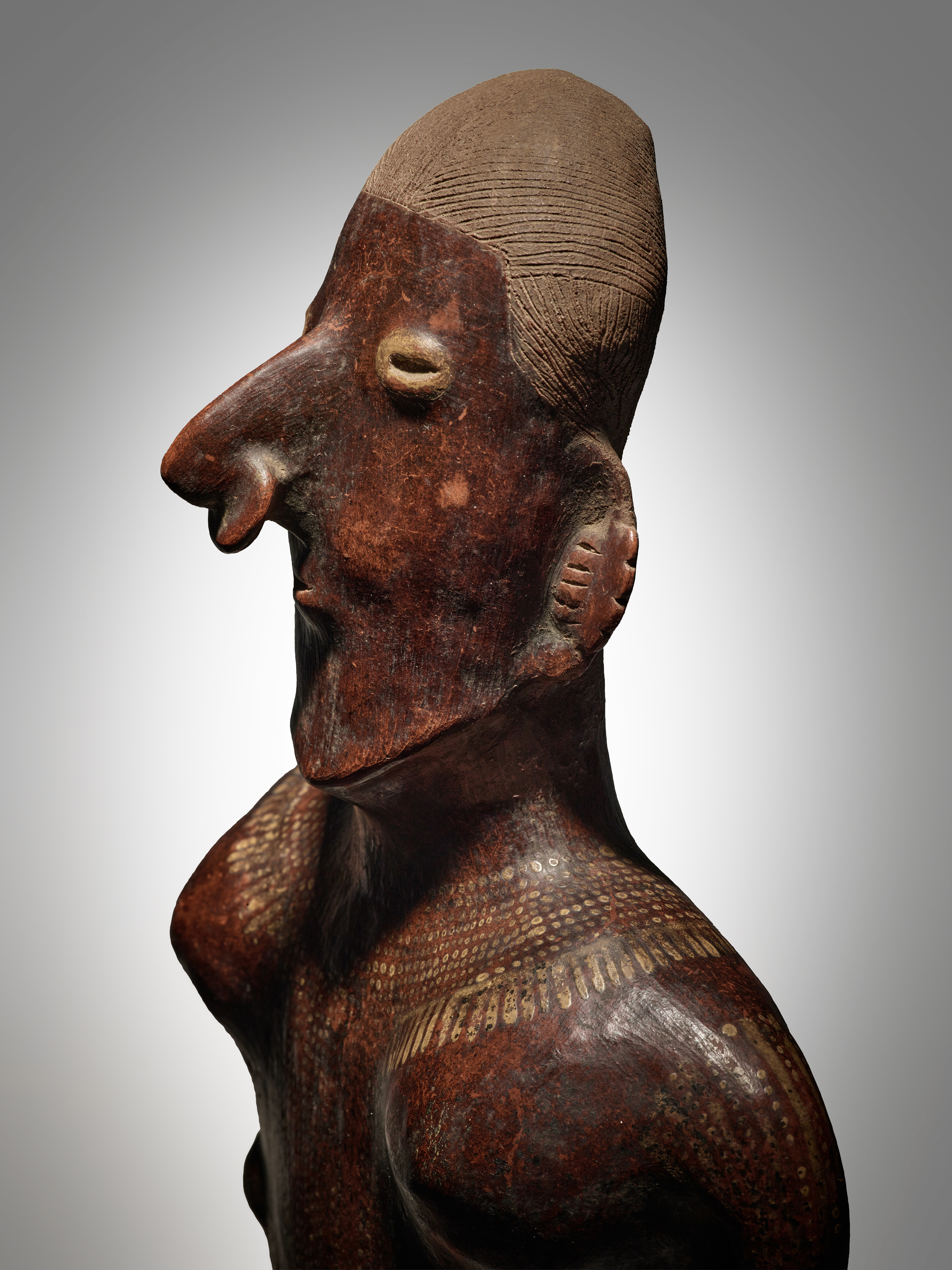
Marco Bagnoli
Colui che sta (modello), 1992



Clay Never Lies: The Case for Ceramic
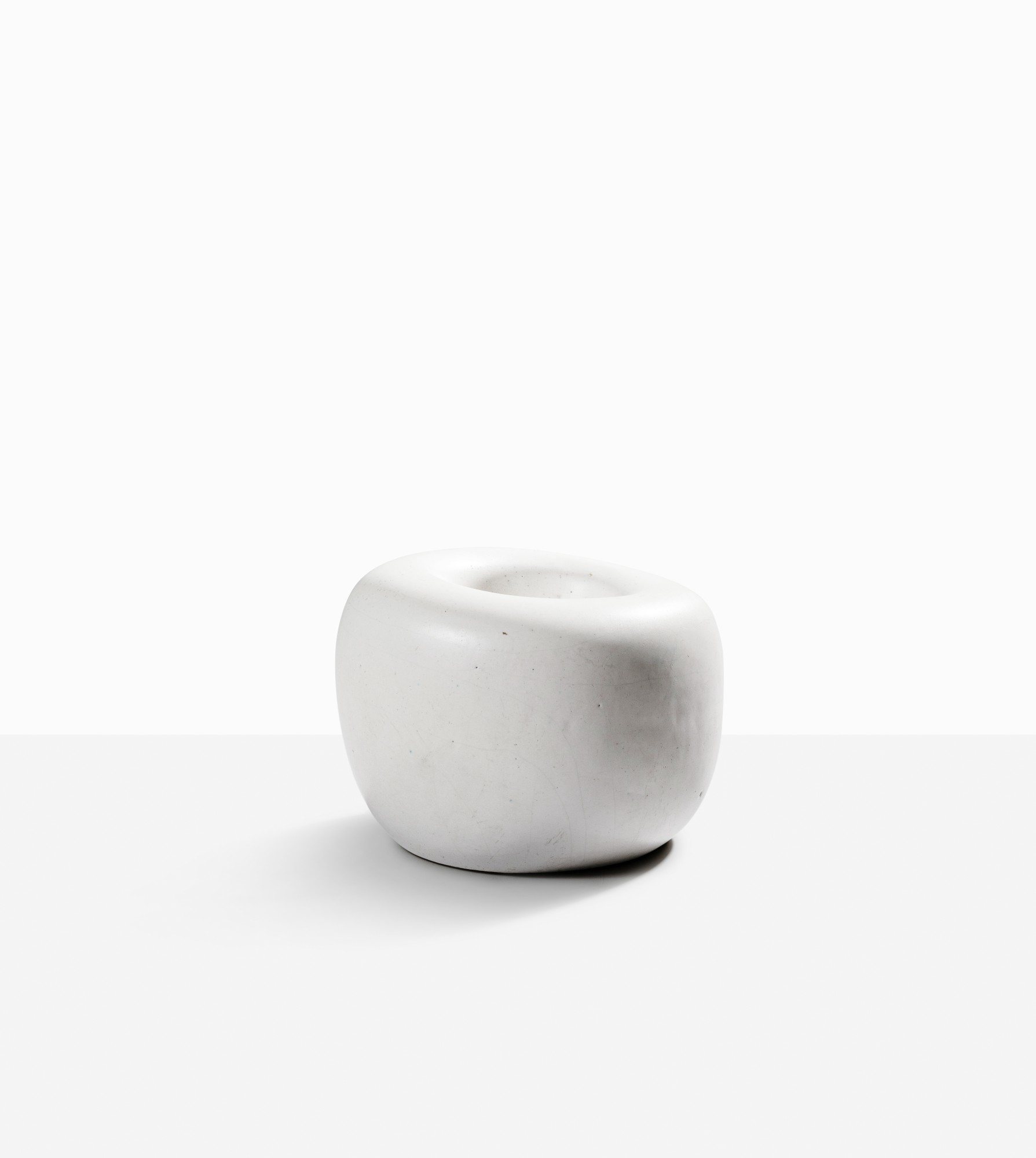
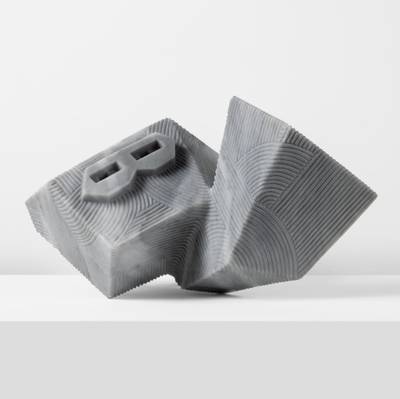
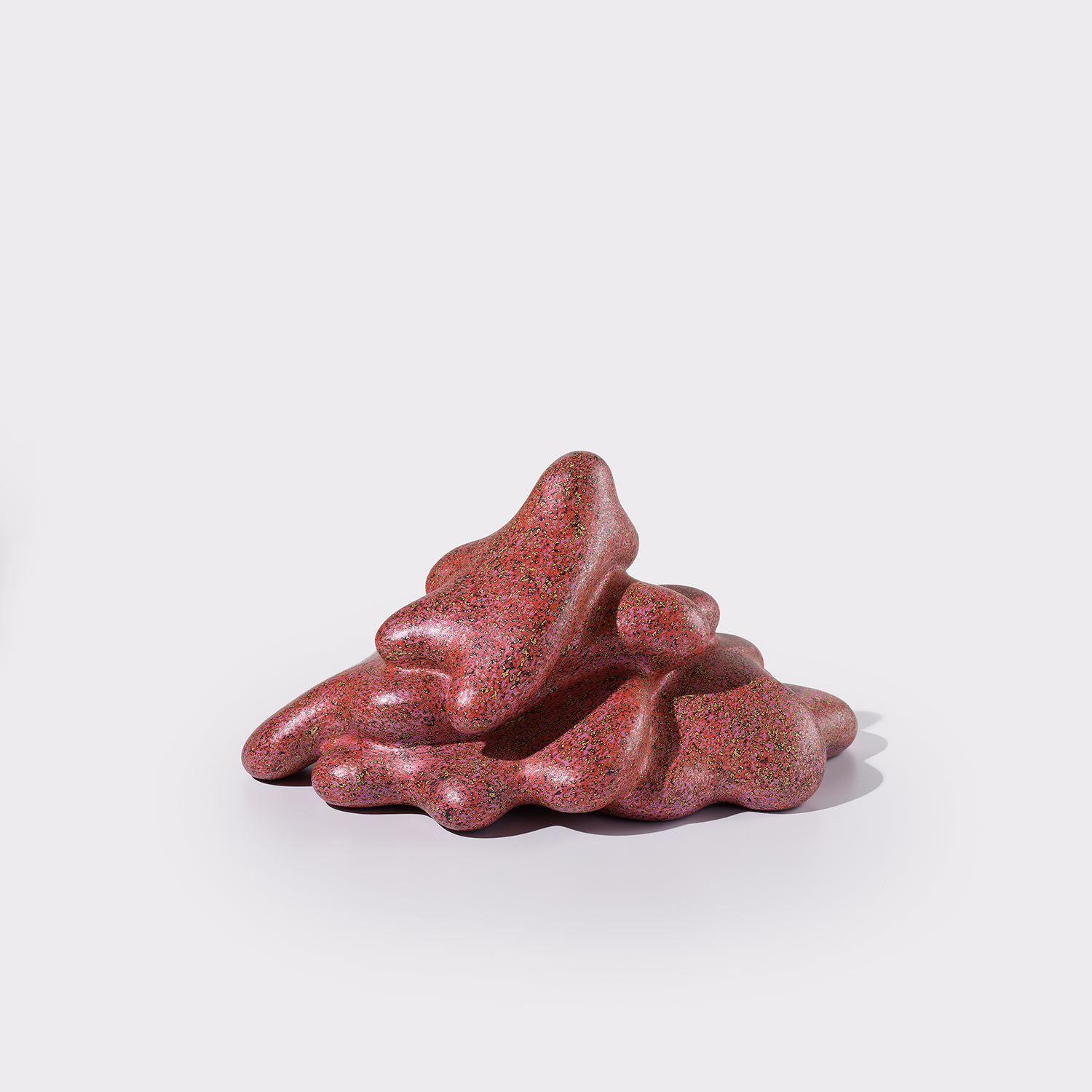
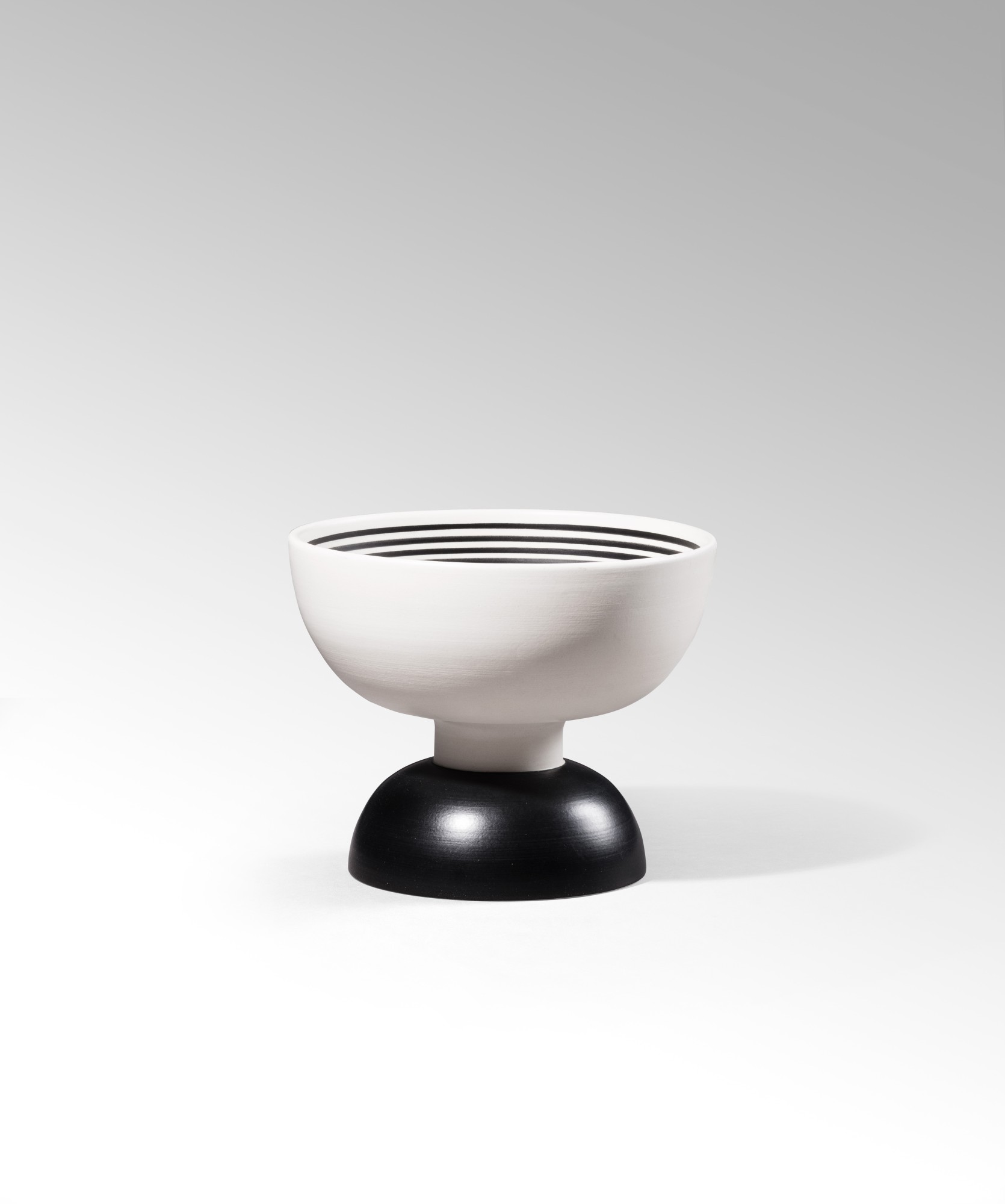
There is something almost confessional about ceramic. The material holds the record of every decision the maker took, every hesitation, every moment of confidence or doubt pressed into its surface before the kiln locked it all in place forever. Collectors who fall for ceramic tend to fall hard, and the reasons are not difficult to understand. These objects demand to be touched even when you cannot touch them, and living with a great piece of ceramic means submitting to a daily conversation with something that refuses to be ignored.
The question of what separates a good ceramic work from a genuinely great one is worth sitting with before you spend seriously. Technically accomplished work is everywhere in this medium, but technical accomplishment alone produces objects that feel more like demonstrations than art. What elevates a ceramic work into something lasting is the tension between the discipline the material demands and the freedom the artist claims within that discipline. Look for works where the surface tells a story that the form alone cannot, or where the form does something unexpected that the surface then complicates.
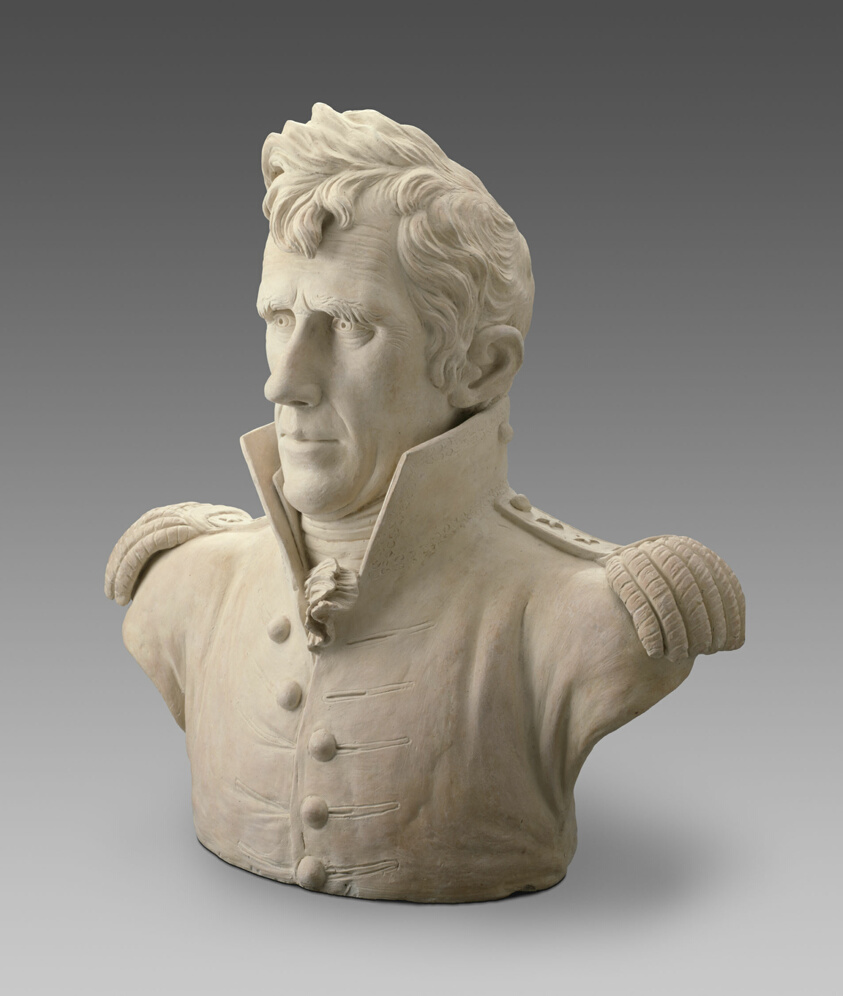
William Rush
General Andrew Jackson, 1819
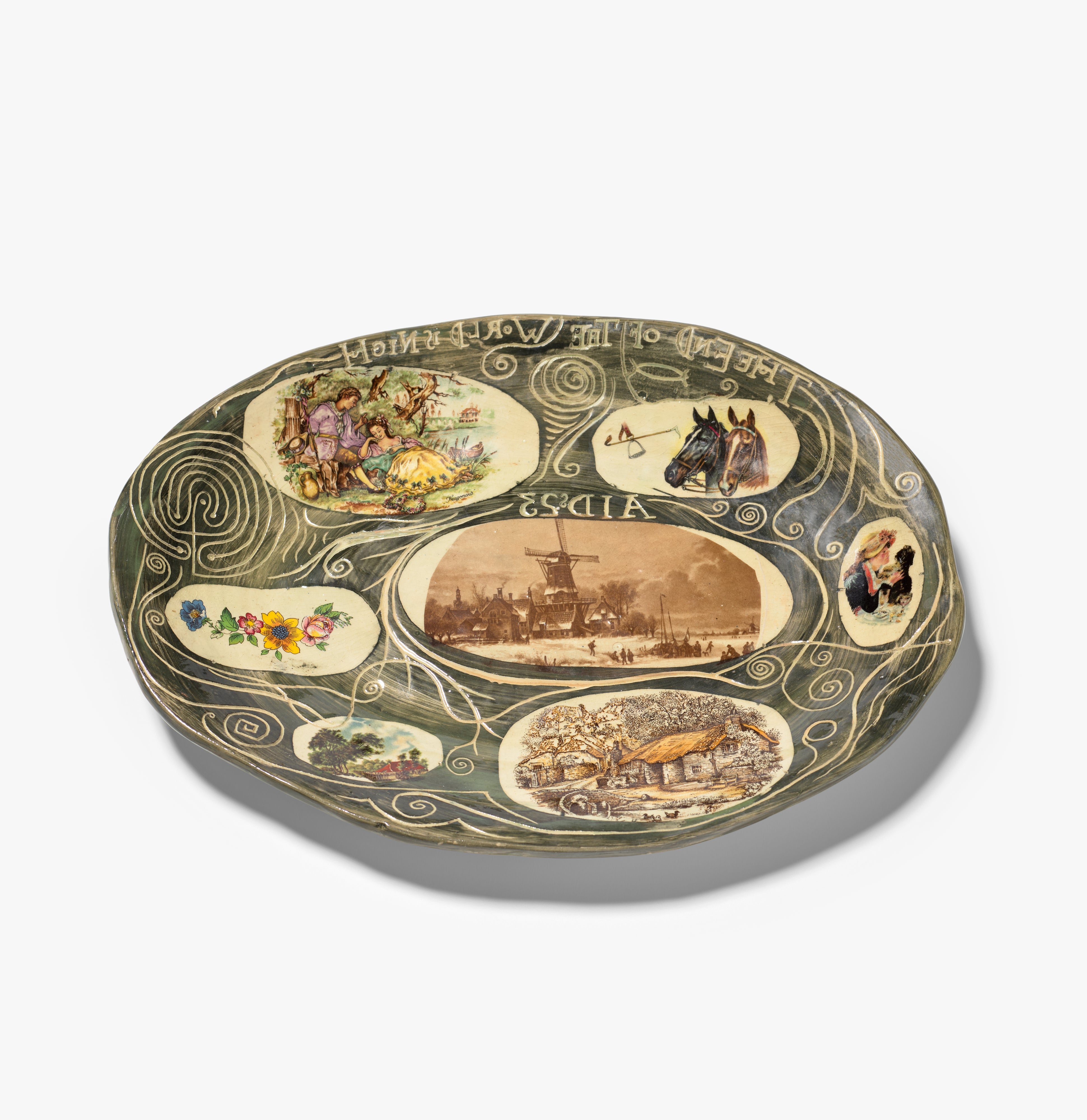
The glaze should feel like a decision rather than a finish. Scale matters enormously too, and works that find an unexpected relationship between their physical size and their psychological presence tend to hold attention across years of living with them. Among the artists well represented on The Collection, several stand out as particularly strong positions for collectors thinking seriously about long term value. Pablo Picasso's engagement with ceramic, developed in earnest after his time at the Madoura pottery in Vallauris from 1947 onward, produced a body of work that remains genuinely undervalued relative to his paintings and works on paper.
The editions from Madoura carry his direct involvement and his irreverence toward the hierarchy of fine art media, and they represent one of the more accessible entry points into a collection of serious modern work. Grayson Perry has spent three decades making the case that ceramic can carry the full weight of social and psychological complexity that painting carries, and the secondary market has rewarded that conviction steadily. His works operate as narrative objects, dense with imagery and feeling, and they age well both aesthetically and in terms of collector interest. Ken Price, who died in 2012, remains one of the most underappreciated figures in postwar American art, and the current moment feels like a meaningful opportunity.
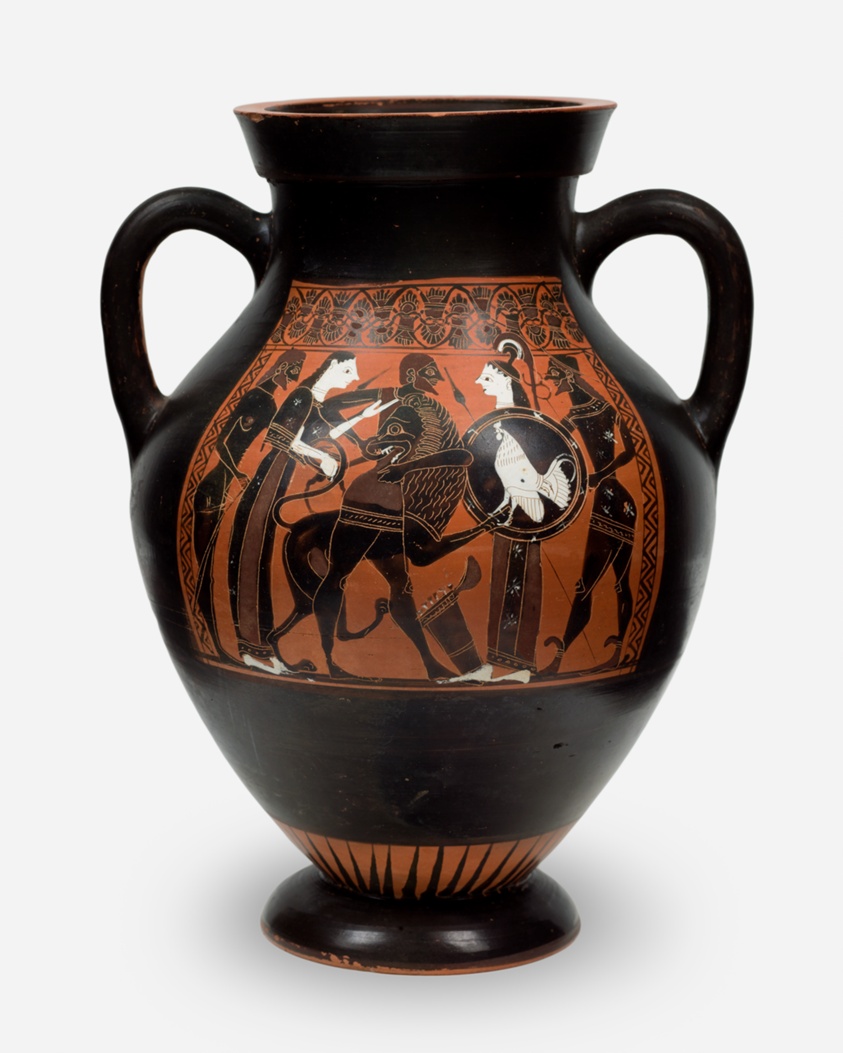
Painter of Tarquinia RC 3984
Belly-Amphora (Storage Jar), -550
His small scale sculptures from the 1960s through the 2000s sit at the intersection of West Coast abstraction, Pop sensibility, and a genuinely eccentric formal imagination that belongs entirely to him. Price showed for decades with Gemini G.E.L.
and major galleries without ever quite achieving the auction visibility his work deserves, which makes present day acquisitions feel well timed. Shio Kusaka works in a quieter register, drawing on the language of Japanese folk pottery while producing objects that feel completely contemporary, and her presence in significant institutional collections suggests the secondary market will continue to strengthen. For collectors willing to look at younger or less established positions, En Iwamura and Tsujimura Shiro both reward close attention. Tsujimura Shiro works within the wabi aesthetic tradition of Japanese tea ceremony ceramics but does so with an authority and a genuine artistic vision that lifts his work well above the revival or the pastiche.
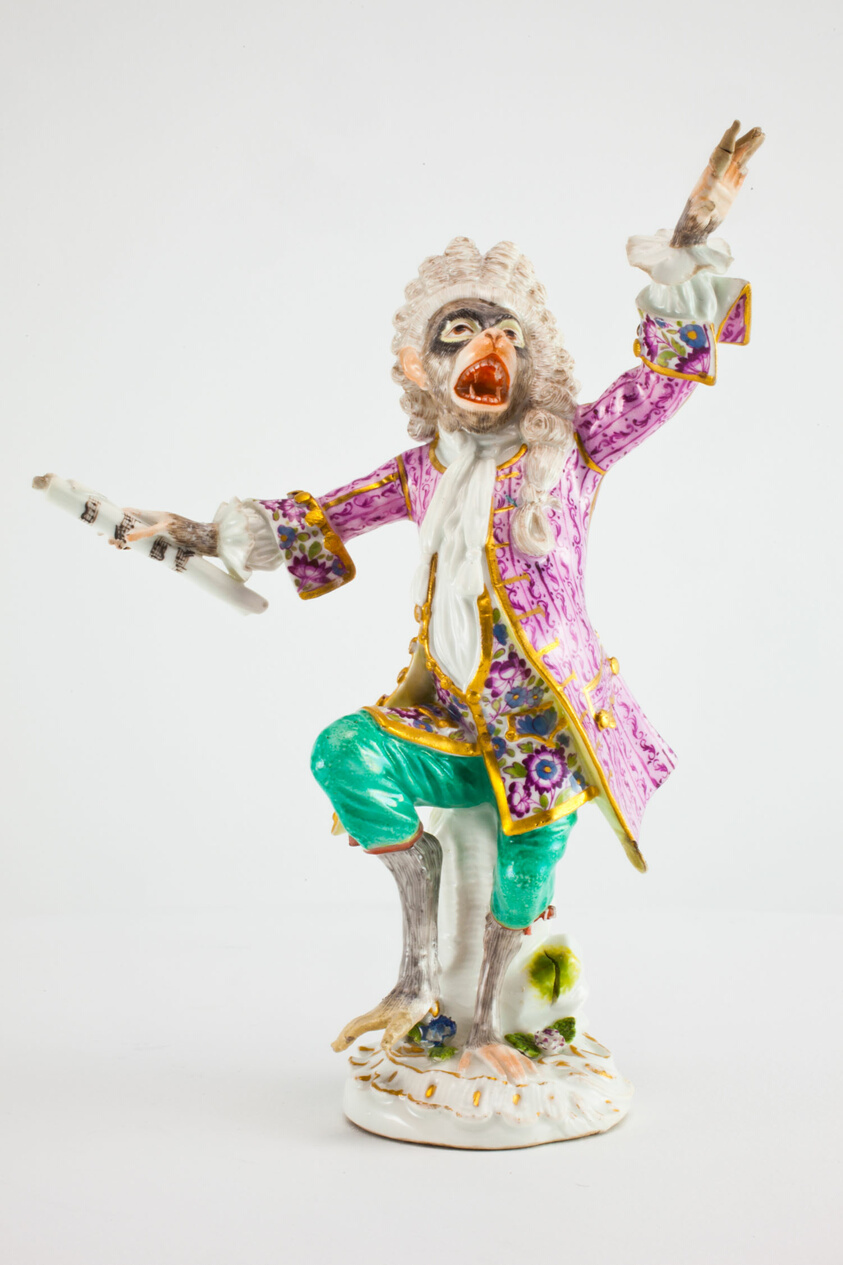
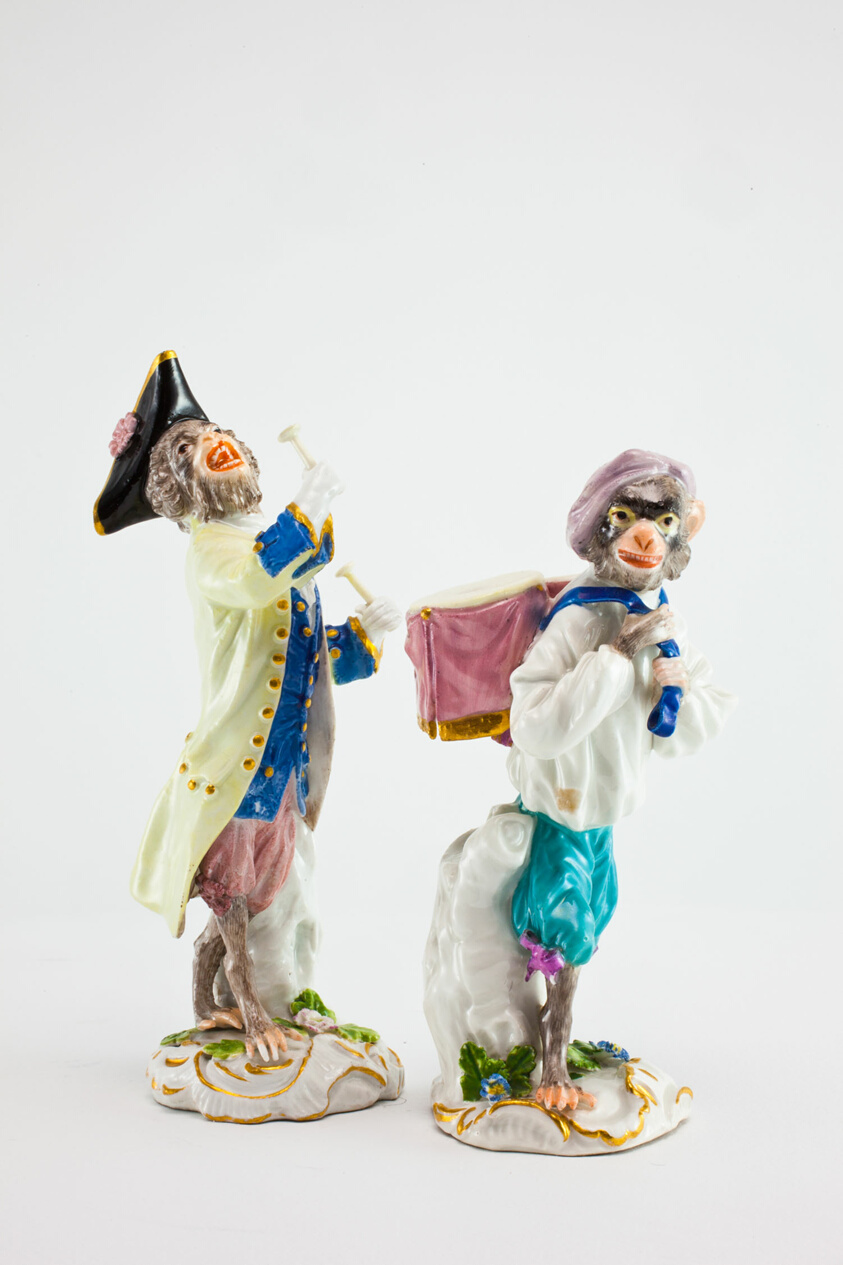
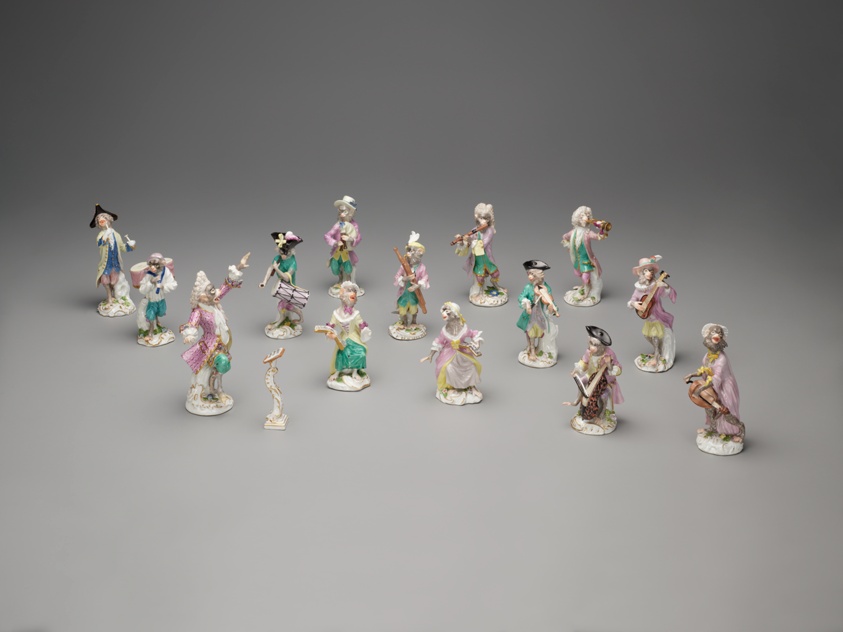
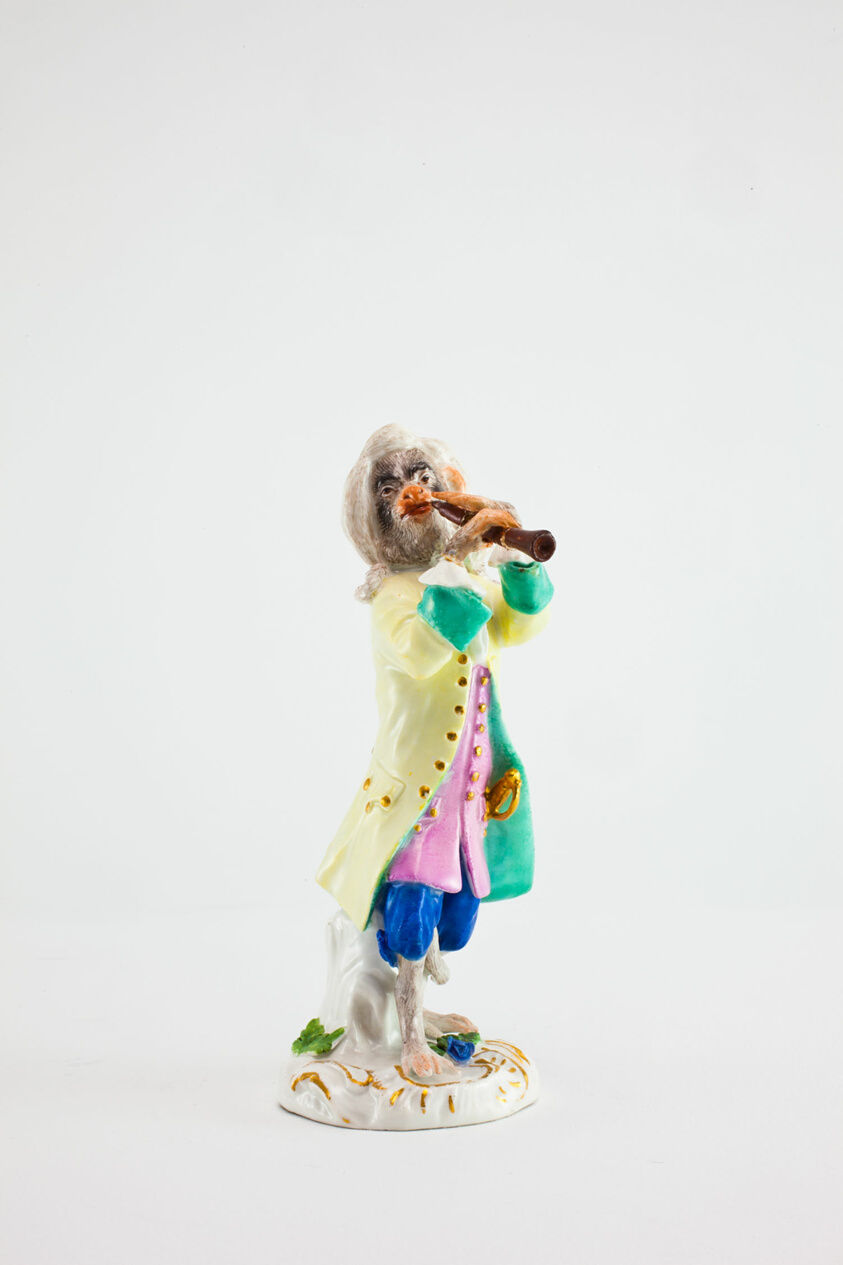
Meissen Porcelain Manufactory
Conductor for the Monkey Band, 1760
His surfaces, which often feel like landscapes captured mid catastrophe, are among the most compelling in contemporary ceramic practice. Georges Jouve, the French ceramicist whose midcentury work is increasingly claimed by the design world and the fine art world simultaneously, represents the kind of position where category ambiguity creates pricing opportunity. Works that sit between design and art have historically been acquired for design prices and revalued at art prices, and Jouve is a strong example of that dynamic playing out in real time. At auction, ceramic has shown a consistent pattern of surprising the rooms.
Works that specialists estimate conservatively tend to find competitive bidding from collectors who have been watching the category develop. The major houses have devoted increasing attention to ceramic in the last decade, with dedicated sales rather than scattering pieces across decorative arts or postwar categories. This shift in presentation has made a measurable difference to final prices and to the seriousness with which institutional buyers engage the medium. Unique works almost always outperform editions in the room, but the Picasso Madoura editions are a significant exception, and they trade with a liquidity that most ceramic work cannot match.
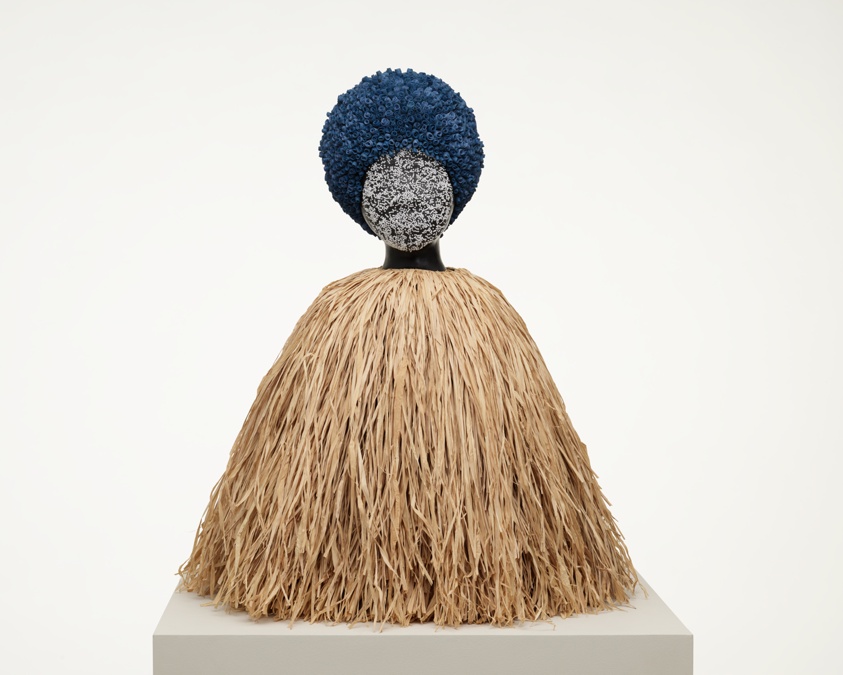
Simone Leigh
Dunham, 2017
Practical considerations matter enormously with ceramic and are worth addressing directly. Condition is everything and restoration, even excellent restoration, will affect value substantially at resale. Before acquiring any significant piece, ask for condition reports prepared by a conservator rather than a gallery, and examine works in natural light where repairs become visible in ways artificial lighting can conceal. Display choices should account for the fact that ceramic is sensitive to vibration and to rapid changes in temperature and humidity.
Works displayed near windows or in rooms with underfloor heating require more attention than collectors often anticipate. When speaking with galleries, ask specifically whether a work is unique or exists in an edition, and if it is an edition ask for the edition size and whether earlier or later pulls are available, since quality can vary across an edition in ways that are not always disclosed proactively. Ceramic rewards the kind of collecting that prioritizes daily experience alongside long term positioning. The works on The Collection span ancient Nasca and Maya pottery alongside living artists like Joana Vasconcelos and Jonas Wood, who both bring their established practices in other media into the ceramic space with genuine commitment rather than as a side project.
That range is itself an argument for the medium. Clay has been holding human intention for longer than almost any other material we collect, and the best works in ceramic carry that weight without being crushed by it.