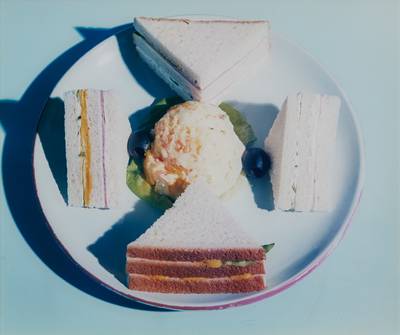
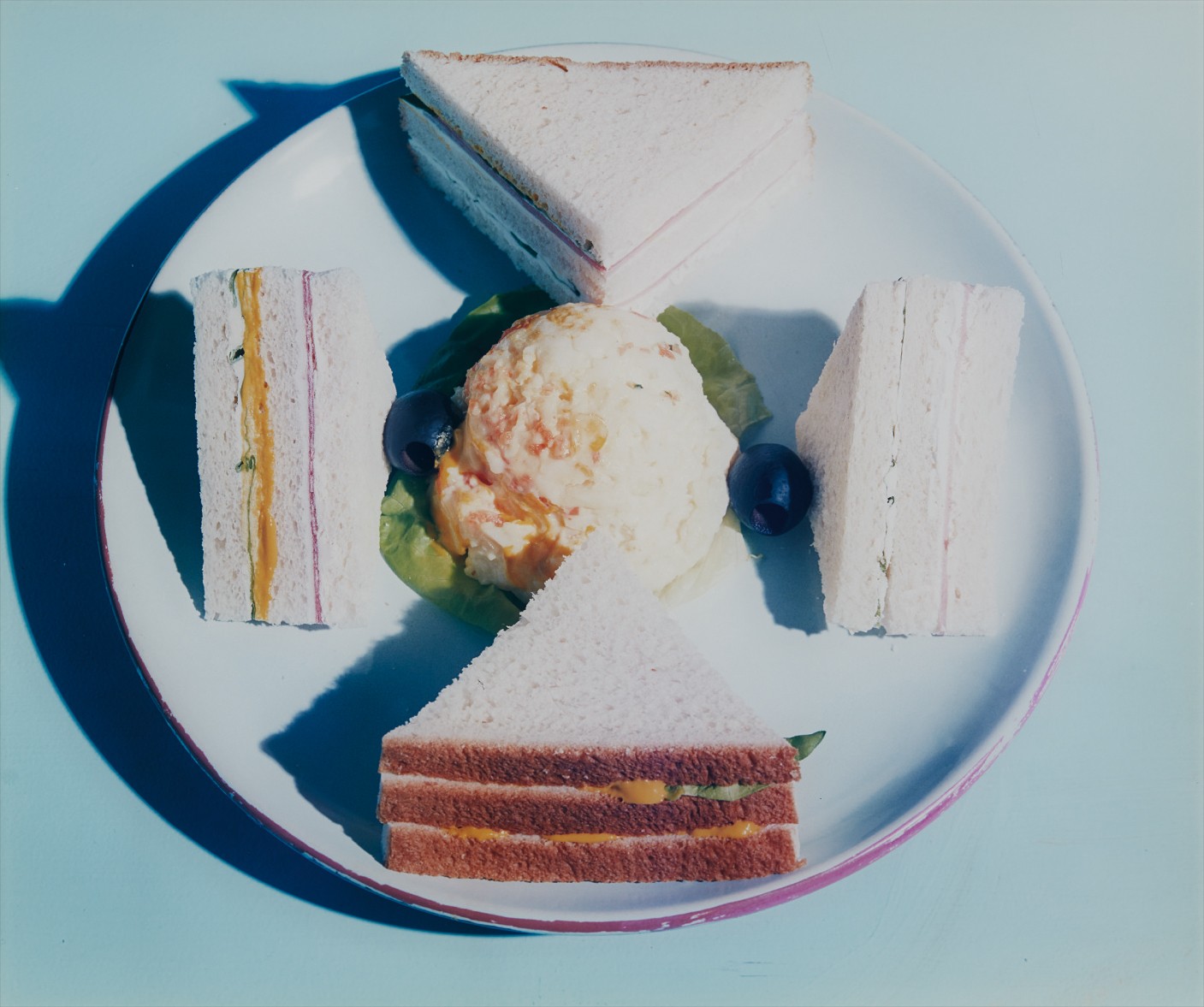
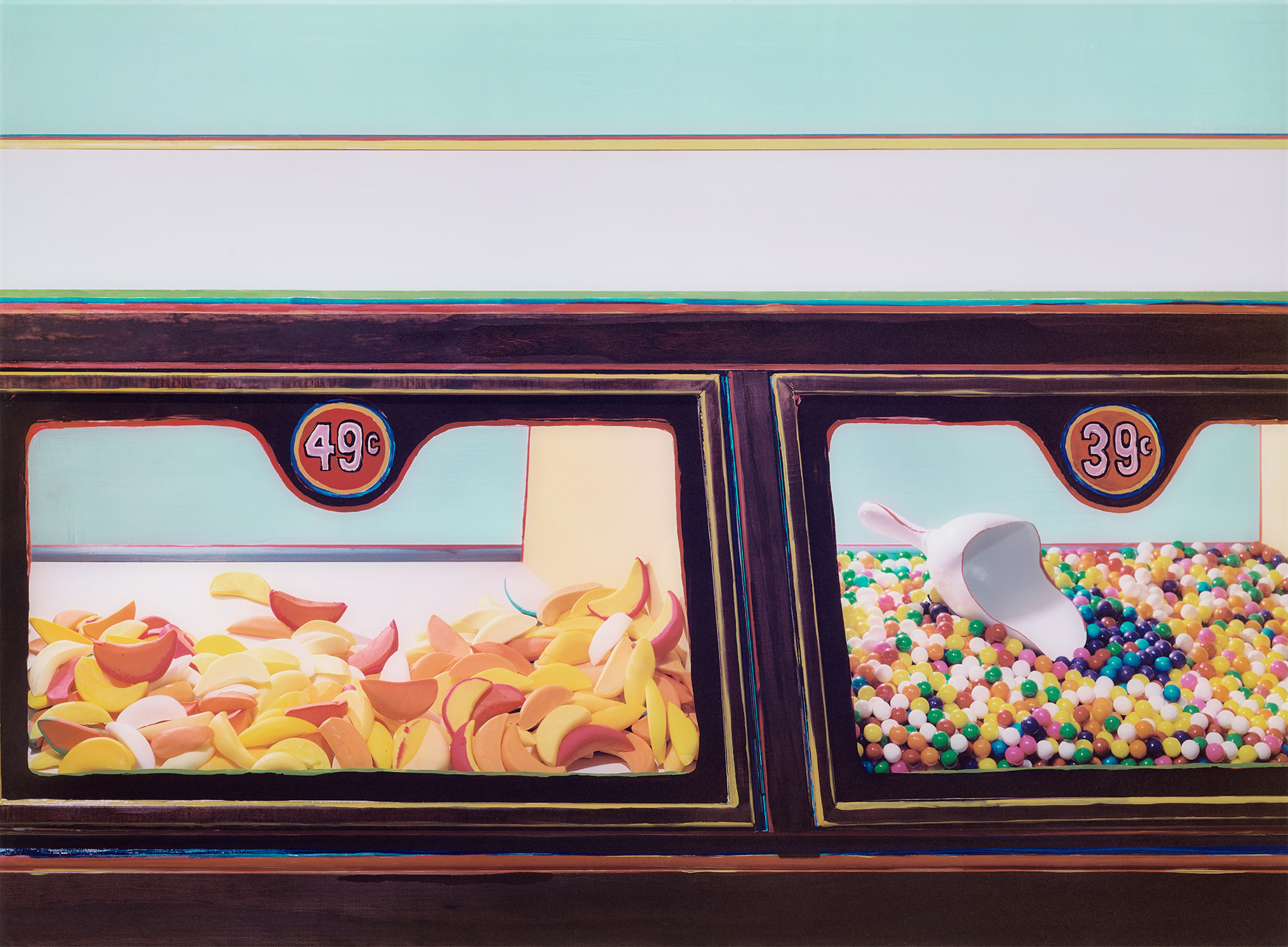
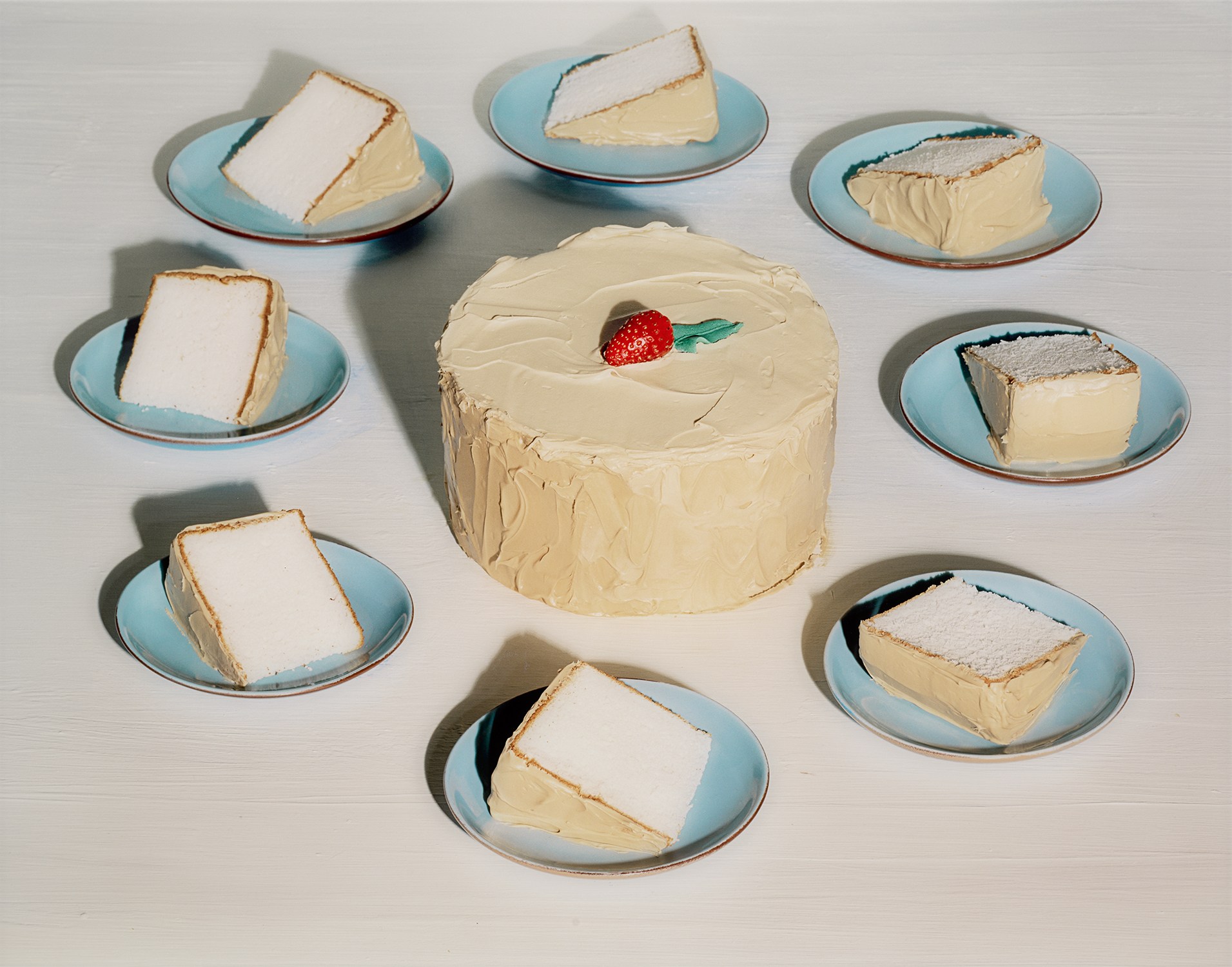
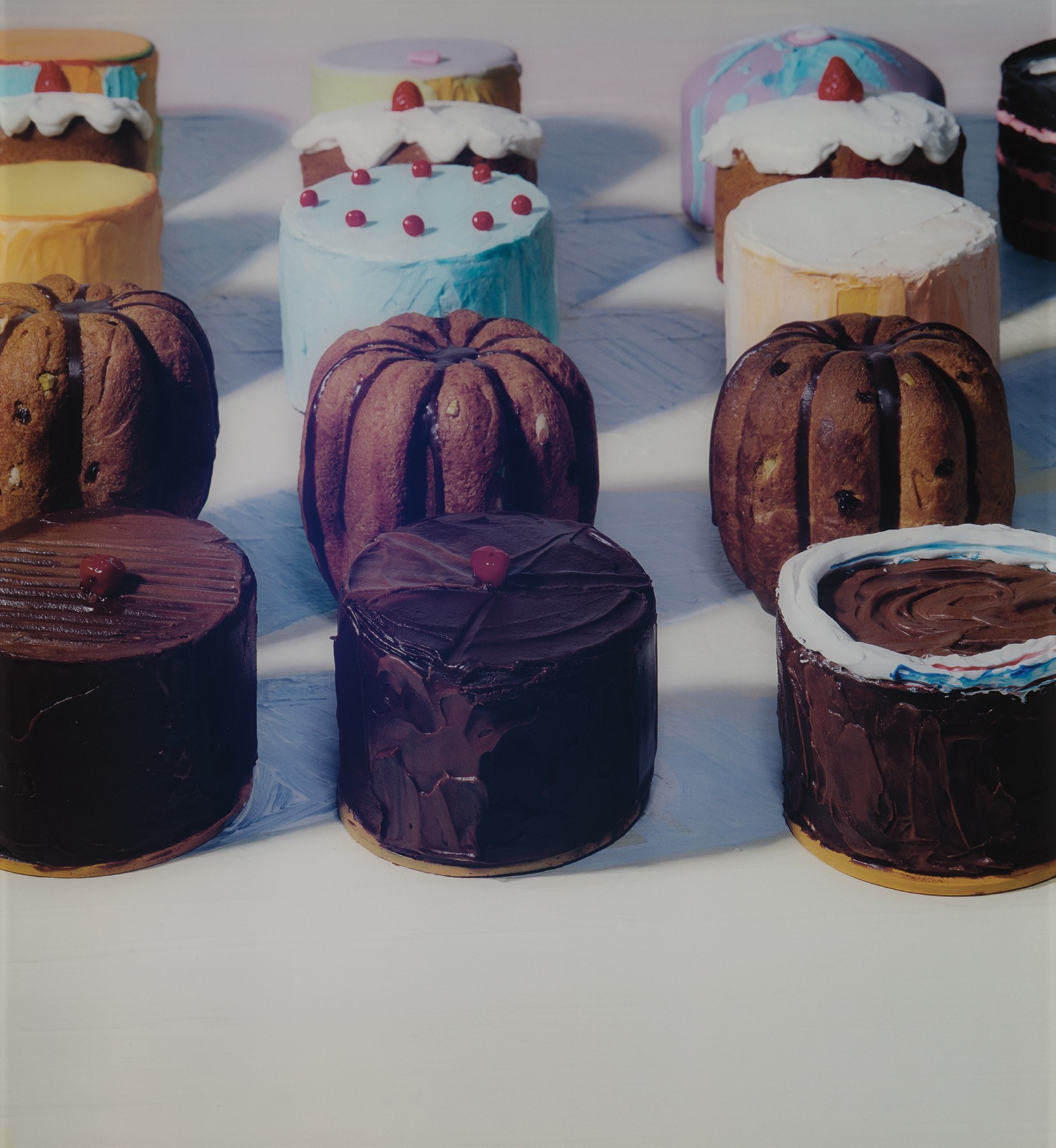
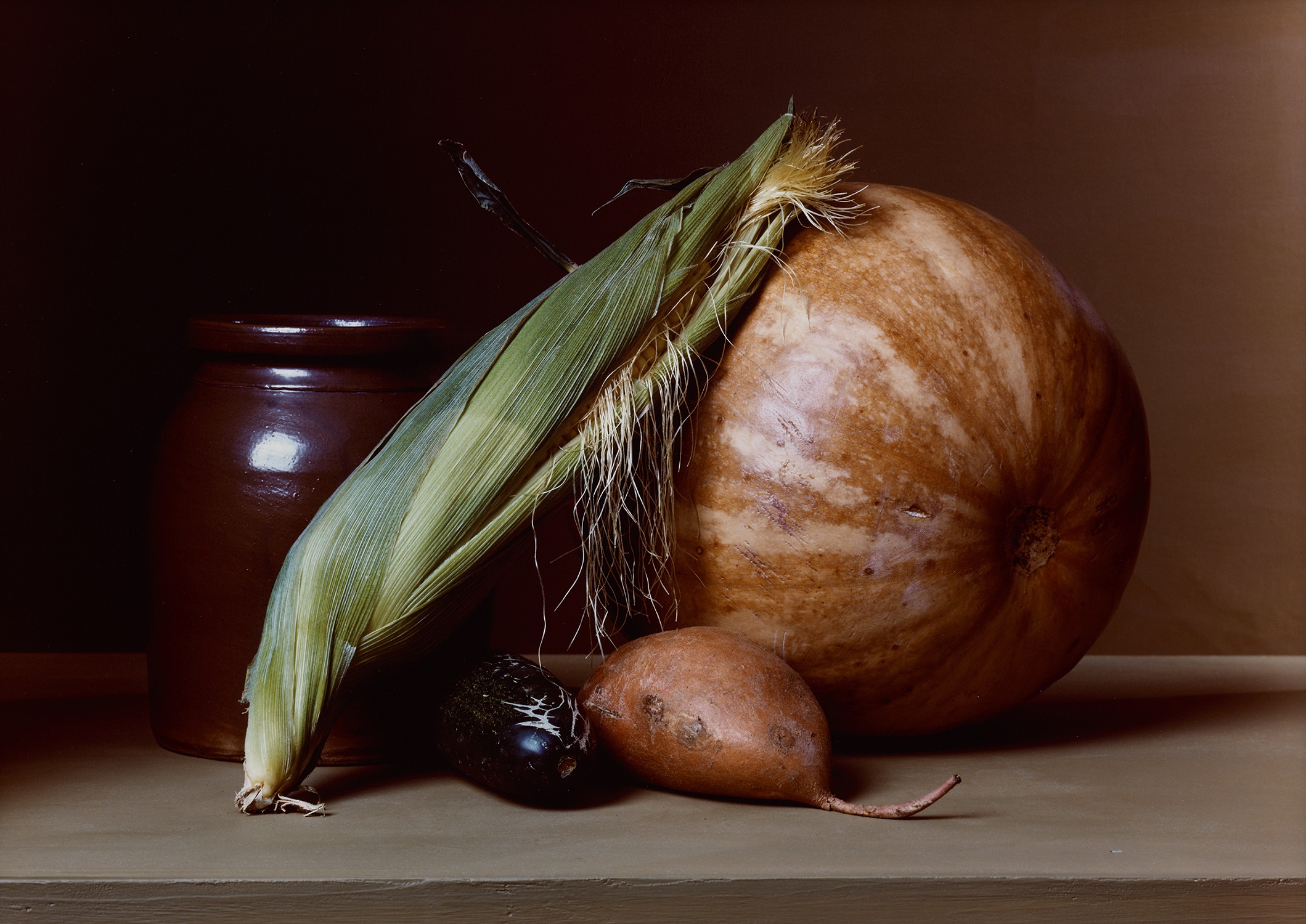
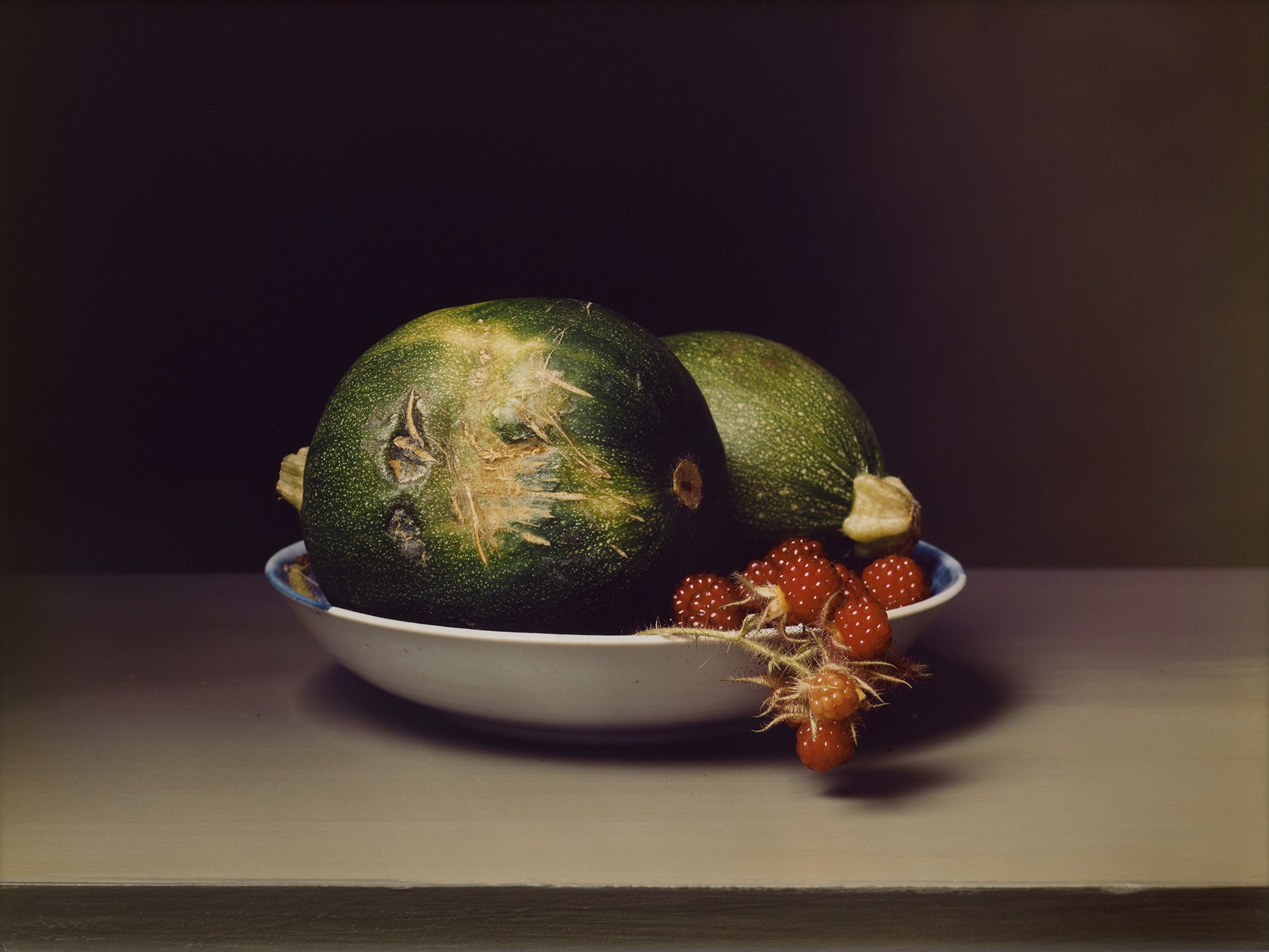
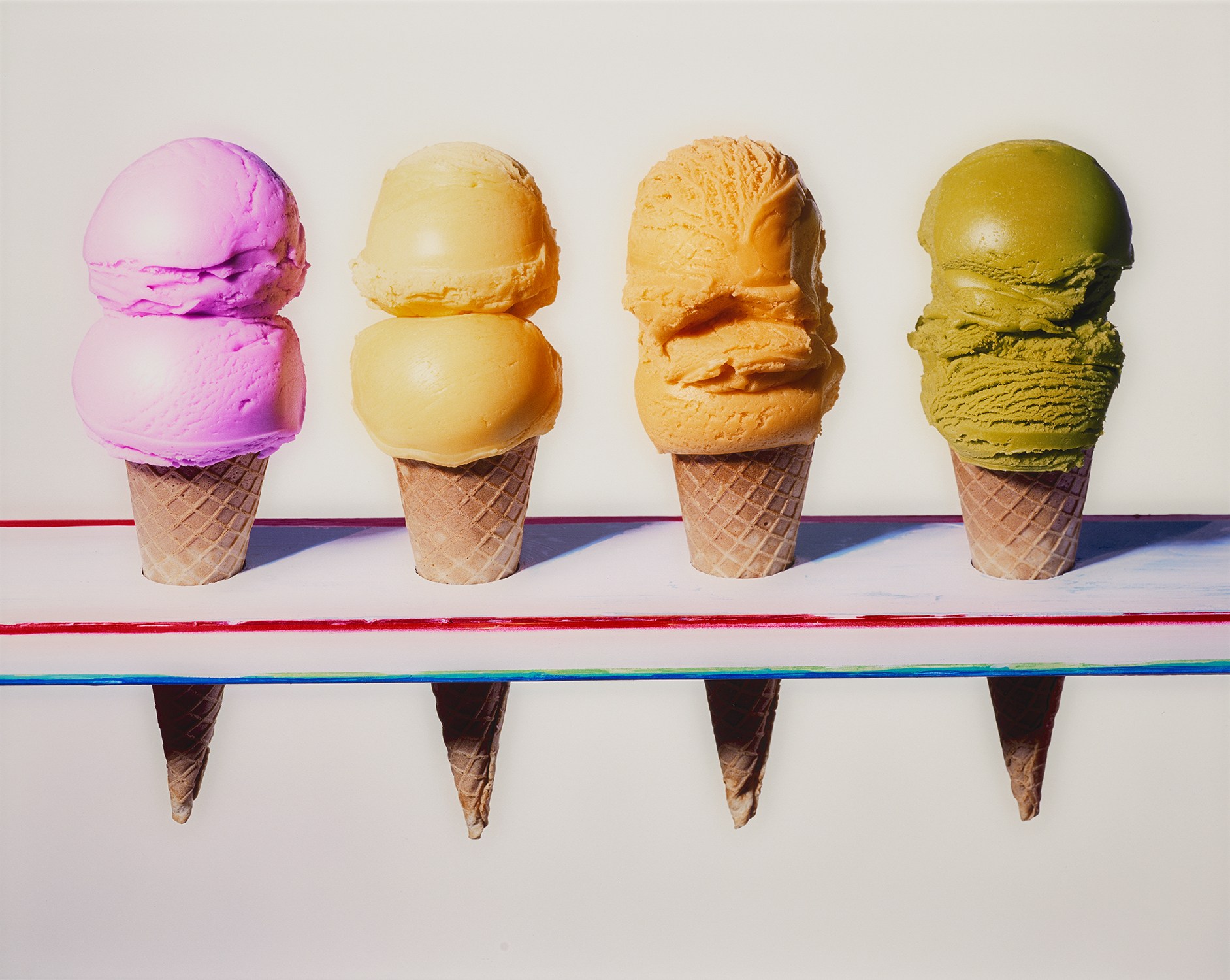
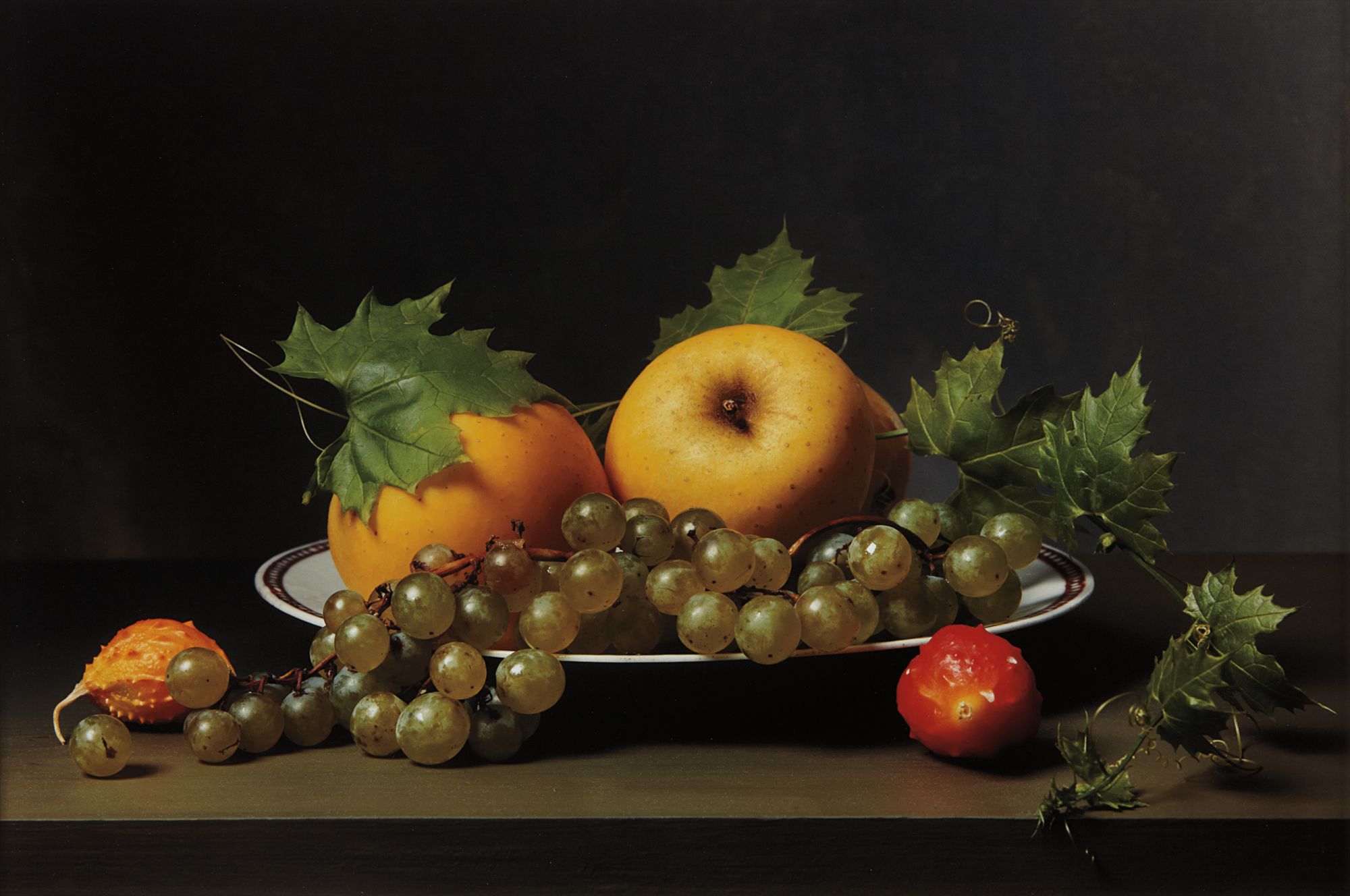
There is a particular kind of patience that borders on devotion, and Sharon Core has built an entire artistic practice upon it. In recent years, her photographs have found an increasingly passionate audience among collectors and institutions who recognize in her work something rare: a genuine philosophical inquiry dressed in the most seductive visual language imaginable. Her prints, large in scale and breathtaking in resolution, hang in living rooms and museum galleries alike, and they invite the eye to linger, to question, and ultimately to surrender to a kind of pleasurable confusion about what, exactly, one is looking at. That confusion is entirely intentional, and it is the engine of everything Core does. Core was born in 1965 and came of age in America during a period when photography was still negotiating its uneasy relationship with the fine art world. She pursued her education with seriousness, and the theoretical frameworks she absorbed during those formative years are legible throughout her mature practice. She was drawn not simply to the act of making pictures but to the longer history of pictures, to the centuries of painters who had arranged objects on tables and draped cloth over surfaces and puzzled over how to render the transience of a peach or the gloss of a ceramic bowl. That art historical appetite, combined with a photographer's instinct for light and surface, gave her a distinctive vantage point that would eventually define her career. Her breakthrough came through a series of works that directly engaged with the paintings of Wayne Thiébaud, the beloved California artist whose voluptuous depictions of cakes, pies, ice cream cones, and diner counters had themselves become icons of American visual culture. Core did not simply photograph Thiébaud's subjects as a homage. She reconstructed them with extraordinary fidelity, sourcing or commissioning the exact confections and countertop arrangements that his paintings depicted, then photographing them in large format with meticulous attention to light and color. Works such as Club Sandwich, Around the Cake, Various Cakes, Four Ice Cream Cones, and Candy Counter, 1963 emerged from this process as objects of astonishing beauty and conceptual density. They look, at first glance, precisely like Thiébaud paintings. They are not. They are photographs of real objects arranged to look like paintings of real objects, and that doubling creates a loop of representation that the viewer can spend a very long time inside. The Thiébaud series established Core's central preoccupation, but her ambitions extended much further back in time. Her Early American series represents perhaps the most demanding undertaking of her career, a project that required her to grow heritage vegetables, forage wild plants, and source period appropriate specimens with the dedication of a botanical historian. Drawing on the still life tradition of American painters working in the late eighteenth and early nineteenth centuries, she created photographs that appear to be portraits of another era entirely. Early American, Still Life with Vegetables, Early American, Still Life with Wild Raspberries, and Early American, Still Life with Balsam Apples each carry the texture and atmosphere of antique canvases, the slightly muted palette, the irregular beauty of produce untouched by industrial agriculture, the sense of something arranged with care and then left to its own quiet dignity. To achieve these images, Core planted gardens, tended them through seasons, and waited. The temporality embedded in the work is inseparable from its meaning. What makes Core's photographs so compelling to collectors is precisely this layering of labor, history, and conceptual rigor beneath a surface of almost voluptuous beauty. Her prints, typically produced as chromogenic prints or archival pigment prints and mounted behind Plexiglas or Diasec, have a physical presence that rewards close looking. The mounting methods she favors, face mounting to Plexiglas and Diasec mounting, give the images a luminosity and depth that enhance their already uncanny quality. Collectors drawn to work that operates on multiple registers simultaneously, those who want something beautiful on the wall and something to think about over years of living with it, find in Core an artist who delivers on both counts with unusual generosity. Her edition sizes and print processes reflect a commitment to quality that serious collectors appreciate and that holds its meaning over time. Within the broader context of art history and contemporary photography, Core occupies a position that is genuinely her own while remaining deeply in conversation with a wide range of predecessors and peers. Her engagement with Thiébaud places her in dialogue with Pop Art and its fascination with American consumer culture and food. Her Early American series connects her to the long tradition of trompe l'oeil painting in America, to artists such as John F. Peto and William Michael Harnett, who also played games of visual deception with extraordinary craft. Among her photographic contemporaries, one might think of artists such as Vik Muniz, who also interrogates the relationship between an image and its making, or of the broader tradition of staged photography that includes Cindy Sherman and Gregory Crewdson, though Core's sensibility is quieter and more intimate than either. She is also usefully considered alongside painters like Thiébaud himself and the French tradition of still life that runs from Chardin through Cézanne, since her work is in genuine conversation with that lineage rather than simply referencing it. Core's legacy is still being written, and the most exciting chapter may be the current one. Her recent archival pigment prints, including the 2024 printings of Around the Cake and Four Ice Cream Cones, demonstrate a continued refinement of her vision and a willingness to revisit her own work with fresh eyes. The questions her photographs pose, about originality, about the nature of representation, about what it means to look at an image that looks like another image of a real thing, are questions that feel more urgent rather than less so in an era saturated with generated and manipulated imagery. At a moment when the very category of the photographic image is under pressure, Core's handmade, labor intensive, historically grounded practice offers something genuinely valuable: proof that the still life, that oldest and most underestimated of genres, still has extraordinary things to say.