Ghanaian
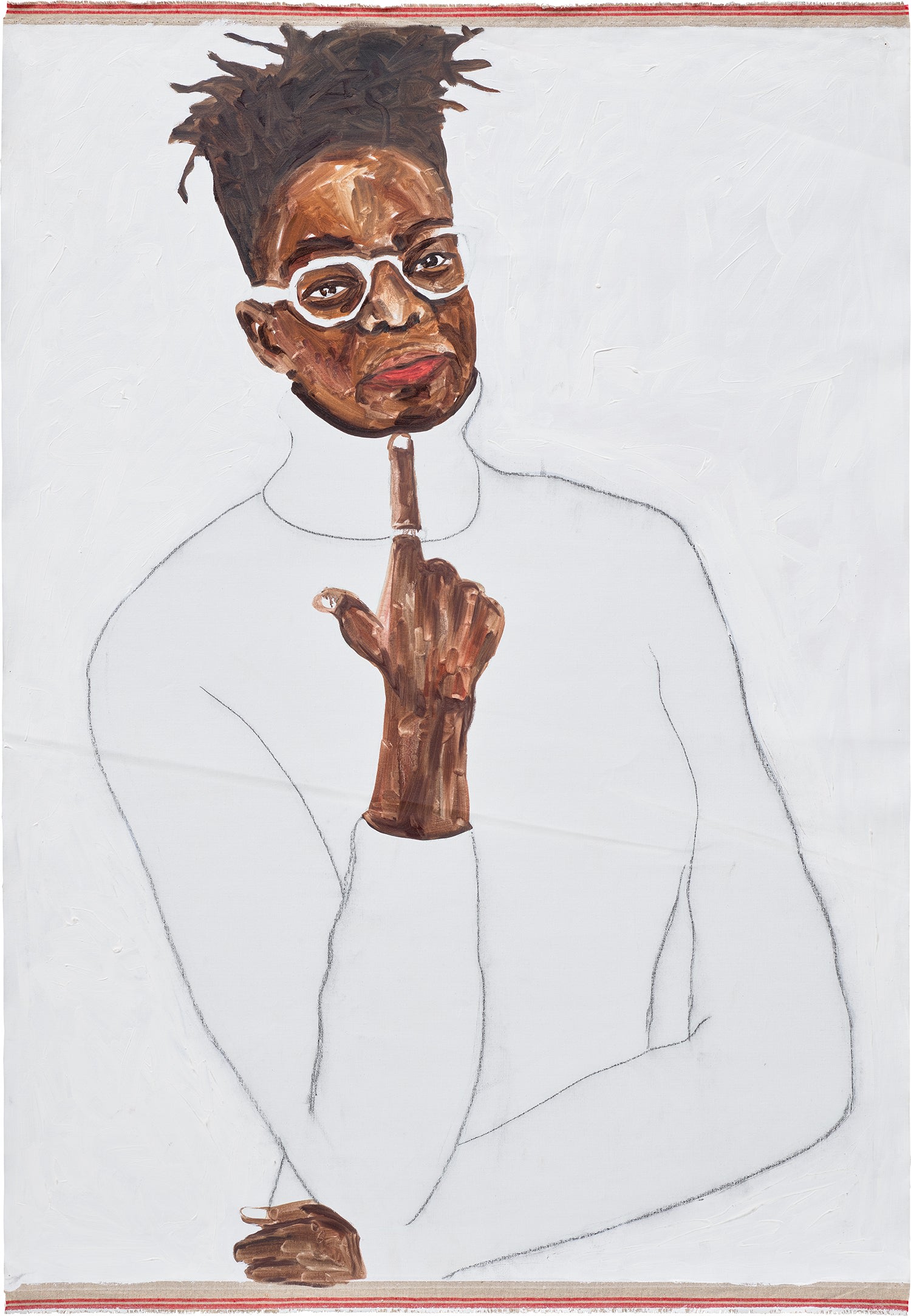
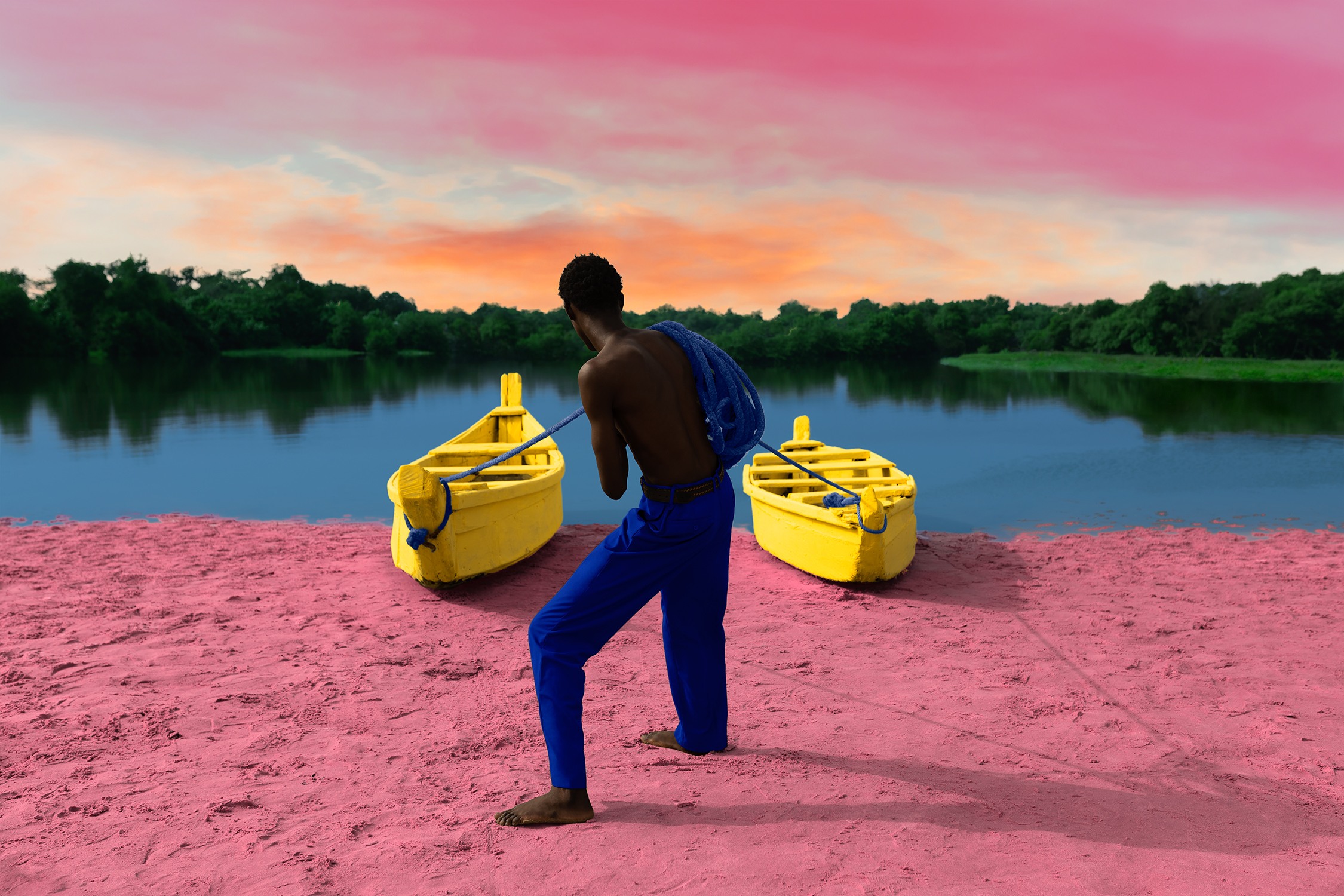
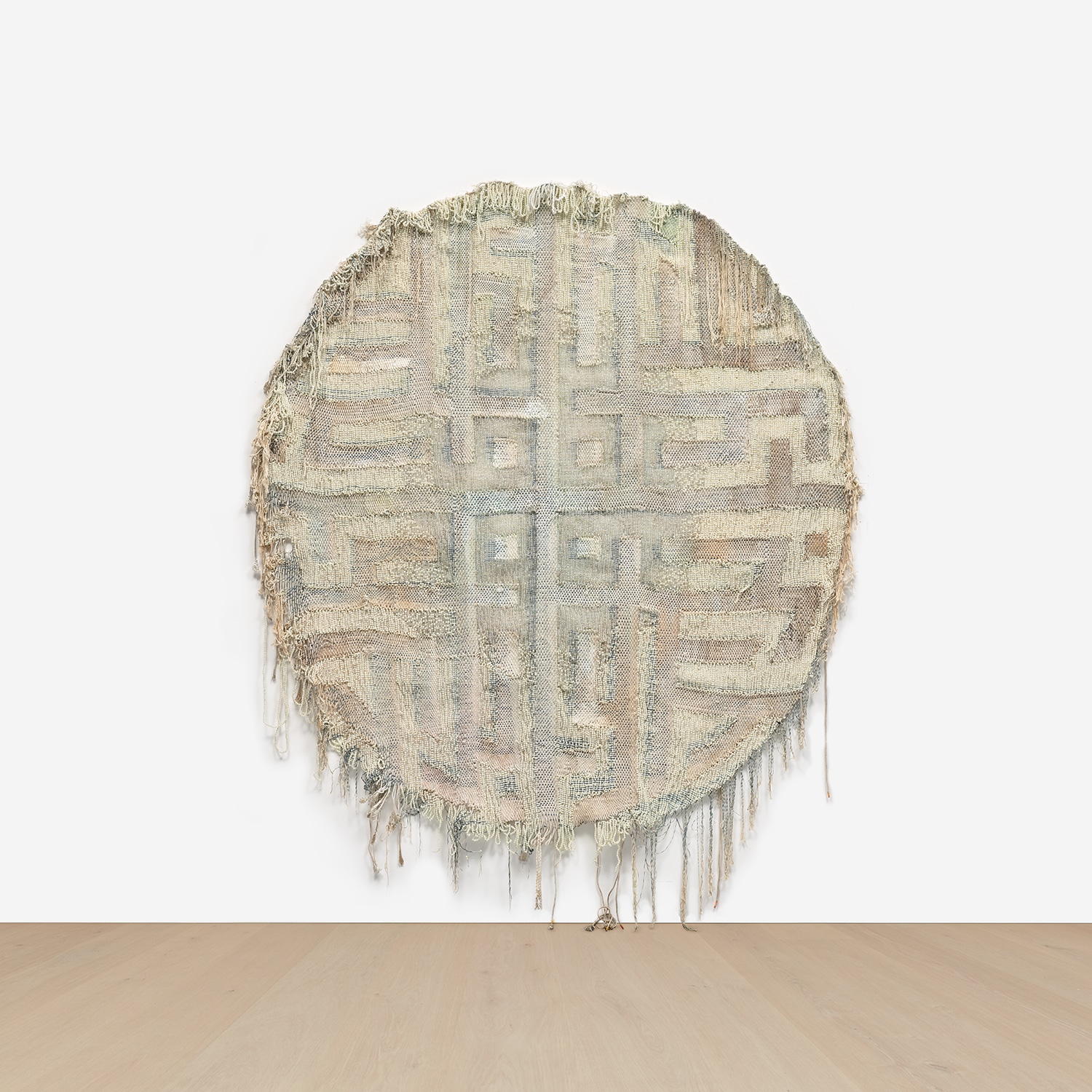
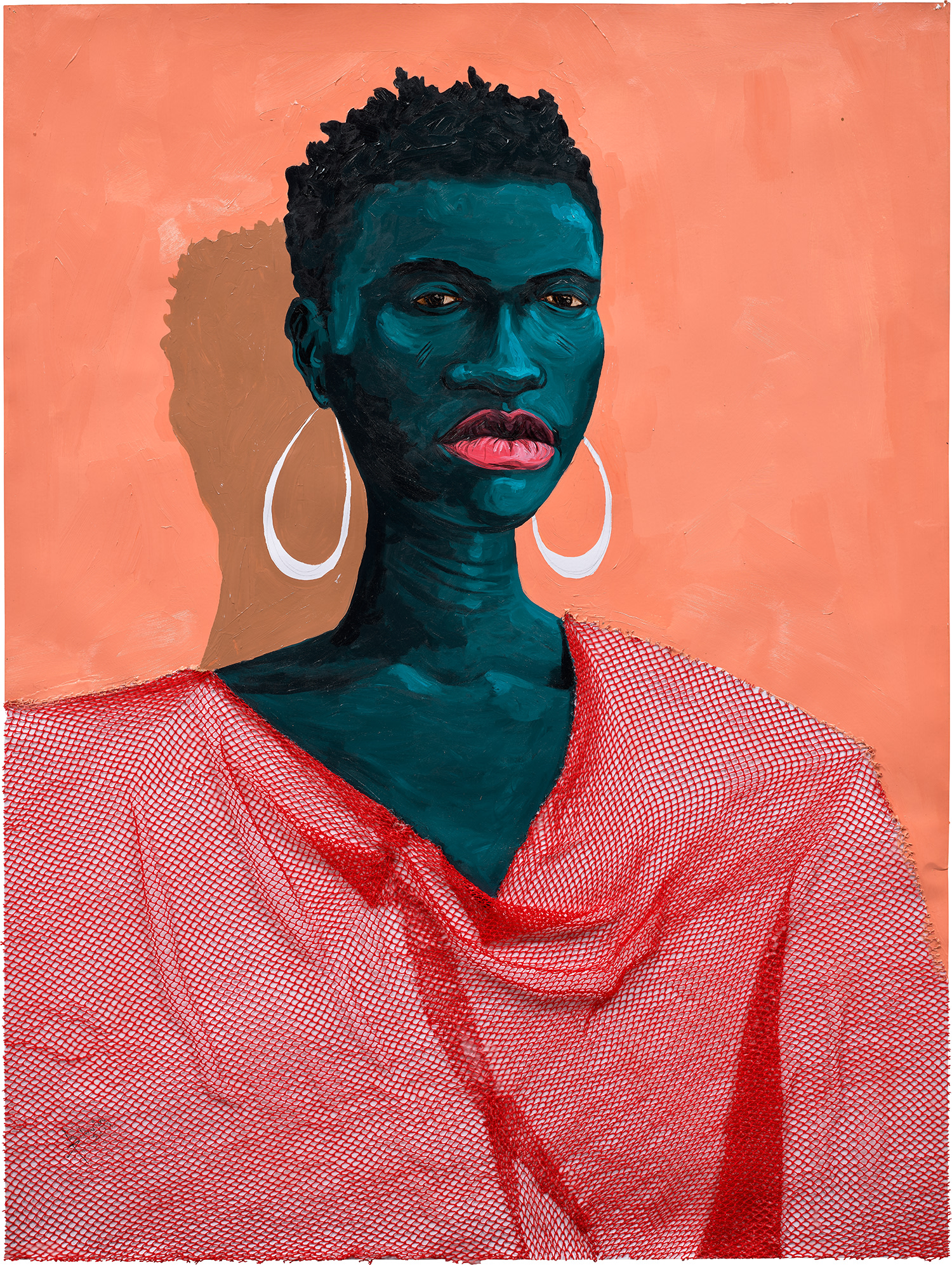
Serge Attukwei Clottey
Auk Shika, 2020


Ghana Is Rewriting the Rules of Global Art
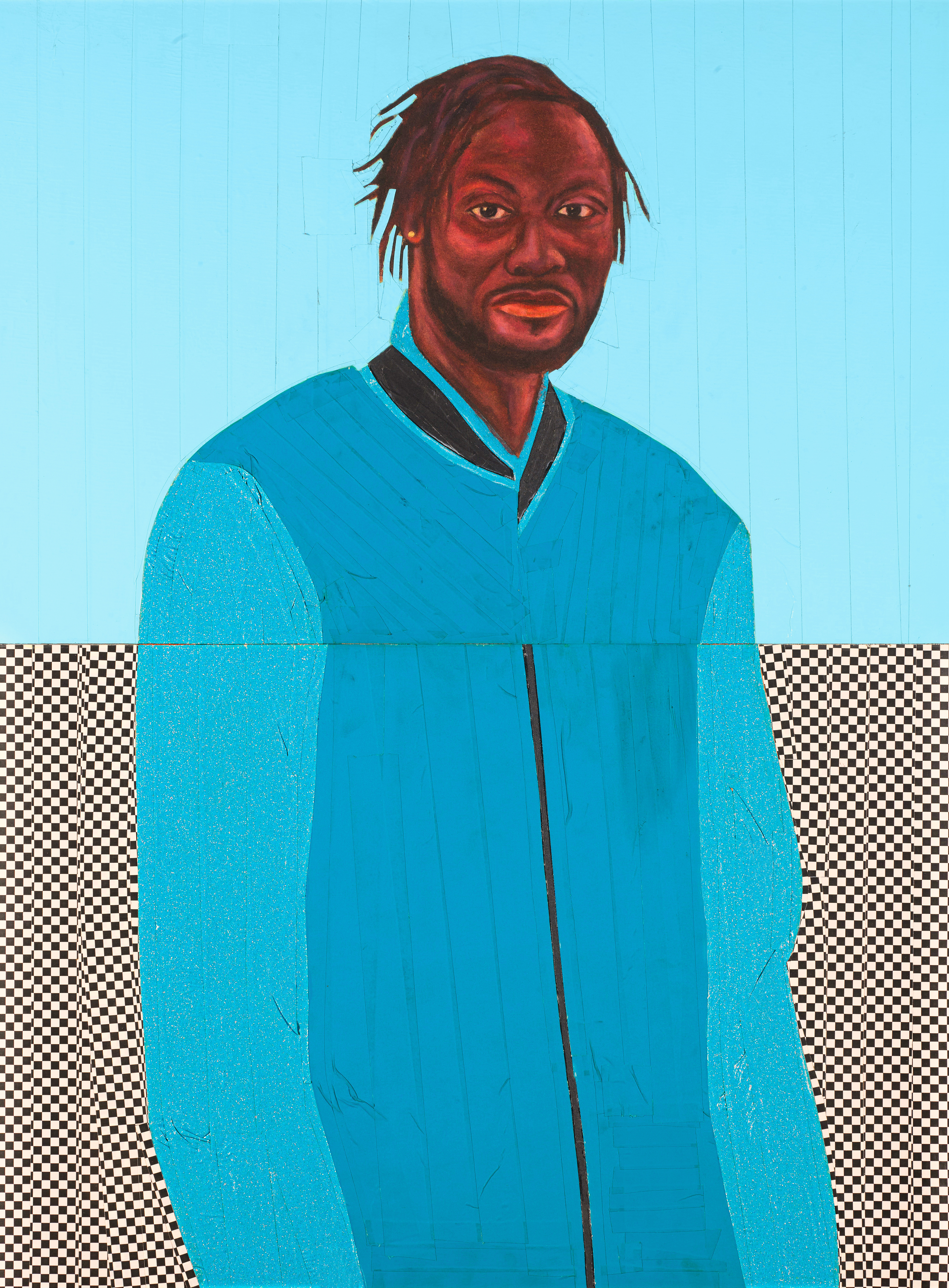
When Amoako Boafo's work entered the auction room at Phillips London in 2020 and achieved prices that would have seemed improbable just eighteen months earlier, the art world did not simply take notice of one painter. It registered something larger: a decisive shift in how collectors, institutions, and critics were orienting themselves toward Ghanaian art as a whole. Boafo's luminous portraits of Black subjects, rendered in finger paint with an urgency that felt both tender and confrontational, became a kind of flashpoint. They crystallized a hunger that had been building for years and gave it a market address.
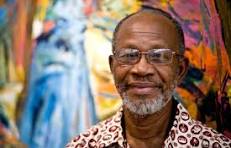
The story of Ghanaian art's current visibility did not begin with auction records, however. It began in studios in Accra, in community workshops along the coast, and in the accumulated weight of decades of serious practice that too often went uncelebrated in the international press. Artists like Ablade Glover, whose dense impasto canvases of Accra market scenes have been building a committed following since the 1970s, laid groundwork that younger generations now stand on. Glover's work remains among the most consistently sought after on the secondary market among established Ghanaian painters, a testament to both his longevity and the enduring vitality of his vision.
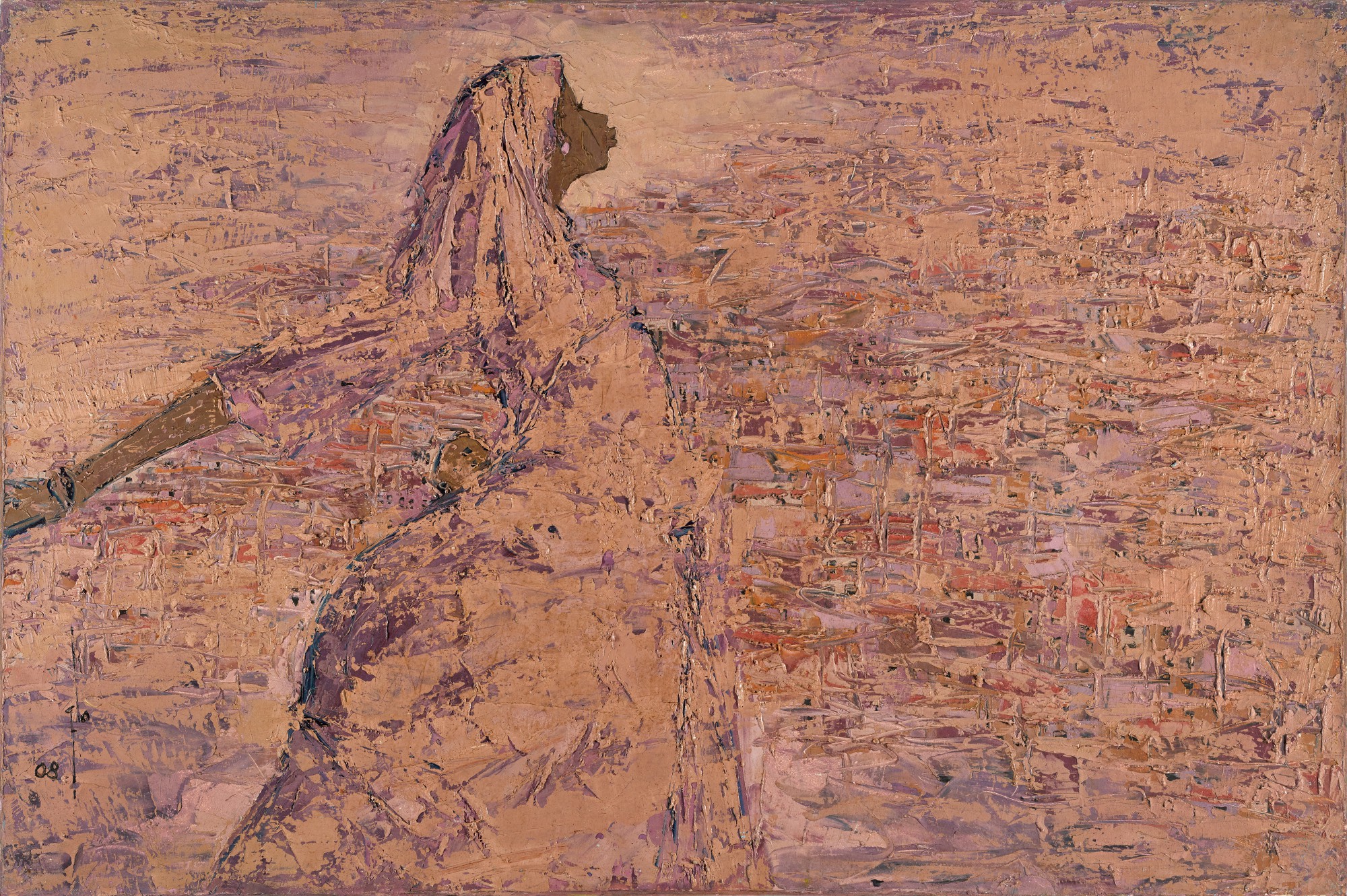
Ablade Glover
Our Every Day Woman
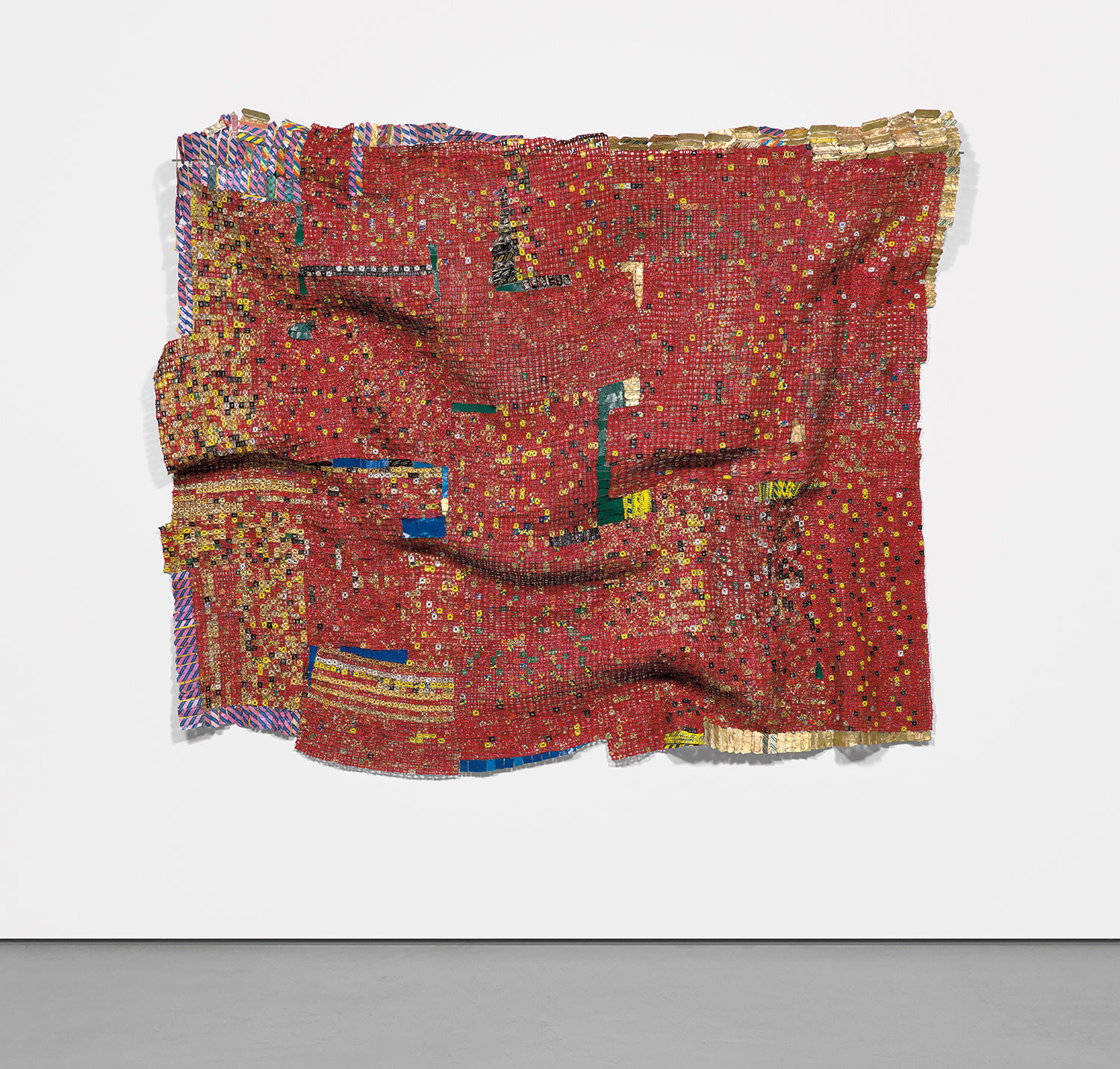
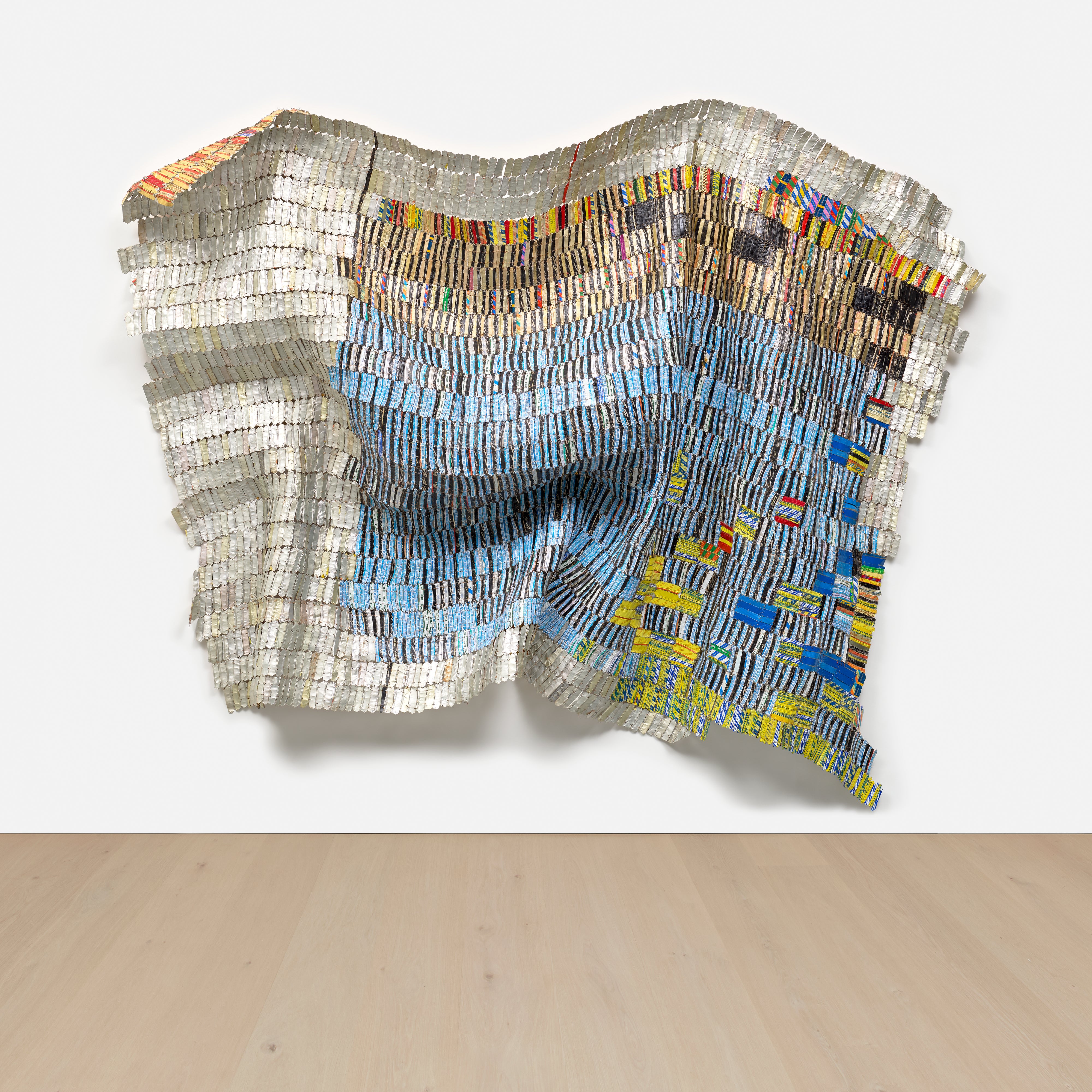
The Collection reflects this depth, with his work sitting alongside artists across several generations. El Anatsui occupies a different register entirely. His monumental tapestries made from flattened bottle caps and copper wire have entered a category of global art historical significance that transcends any single national conversation. Retrospectives at the Fowler Museum, major presentations at the Venice Biennale, and his landmark show at the Brooklyn Museum have positioned Anatsui as one of the defining sculptors of the late twentieth and early twenty first century.
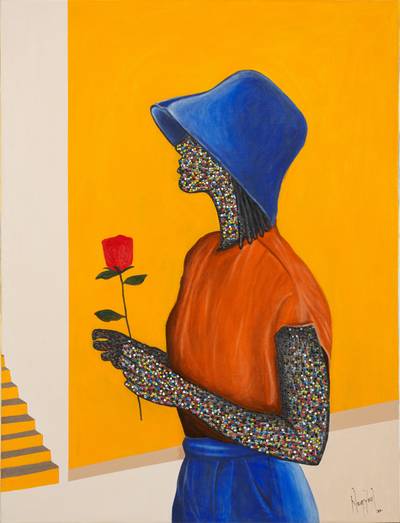
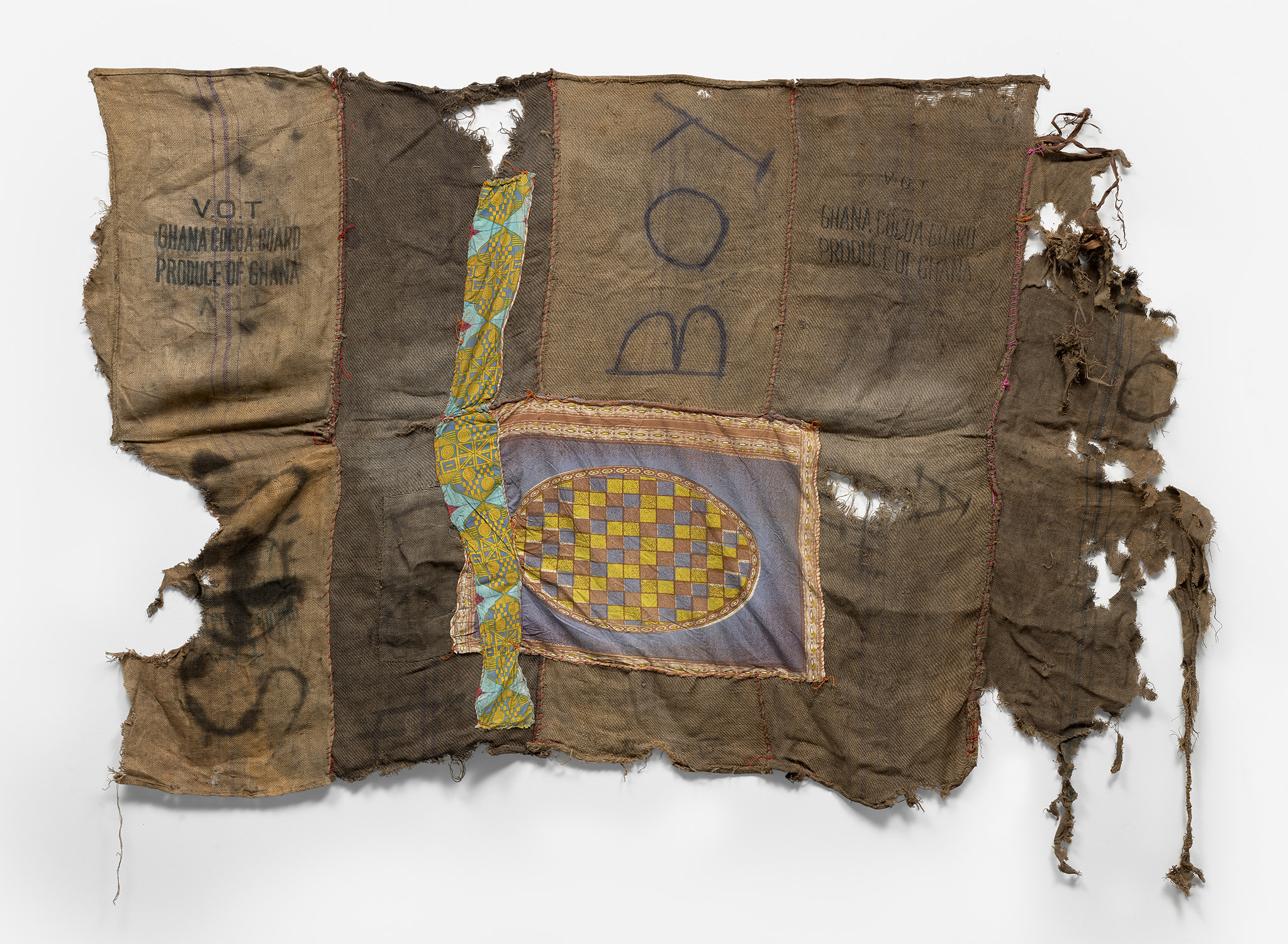
When his works appear at auction, whether at Christie's, Sotheby's, or Phillips, they tend to command prices well into six and seven figures, and serious institutional collectors pursue them with corresponding intensity. The Museum of Modern Art, the Tate, and the Guggenheim Bilbao all hold significant works, which is as clear a signal as any that the conversation around Anatsui has moved well beyond regional framing. Serge Attukwei Clottey brings a different kind of material politics to the table. His Afrogallonism practice, which transforms yellow plastic jerrycans into large scale installations and paintings, addresses water scarcity, migration, and colonial economic systems with a directness that resonates powerfully in both gallery contexts and public space.
Serge Attukwei Clottey
Auk Shika, 2020
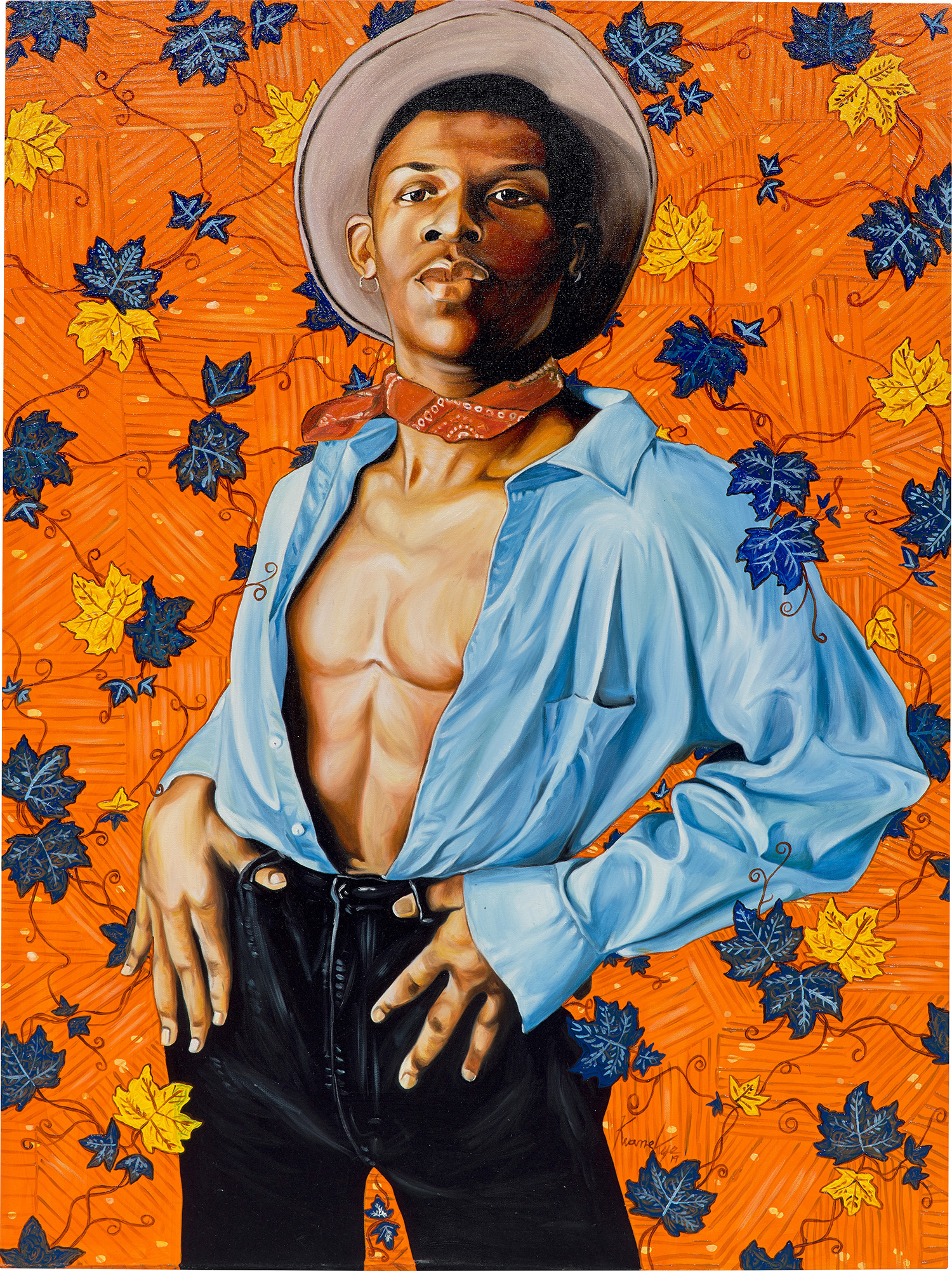
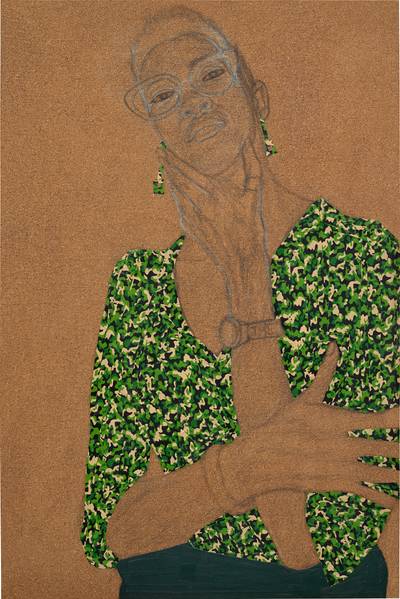
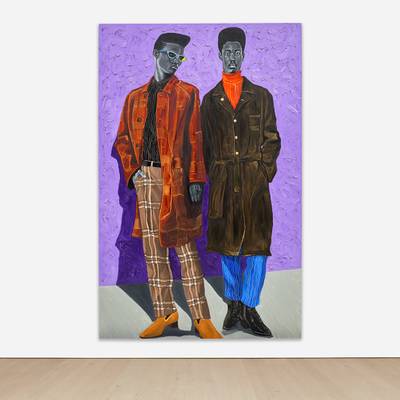
His performances in the streets of Accra have attracted serious curatorial attention, and his exhibitions in Europe and North America have introduced the work to collectors who respond to its conceptual rigor as much as its visual force. Ibrahim Mahama, similarly, has built an international reputation through jute sack installations that have appeared at Documenta 14 and at the Chale Wote Street Art Festival in Accra, a gathering that has itself become an important site for understanding where Ghanaian contemporary practice is moving. Otis Kwame Kye Quaicoe arrived in the market consciousness with a portrait practice that shares certain concerns with Boafo's but arrives at a different emotional register. His figures are often rendered in quieter, more introspective moments, the paint surface carrying an almost classical weight.
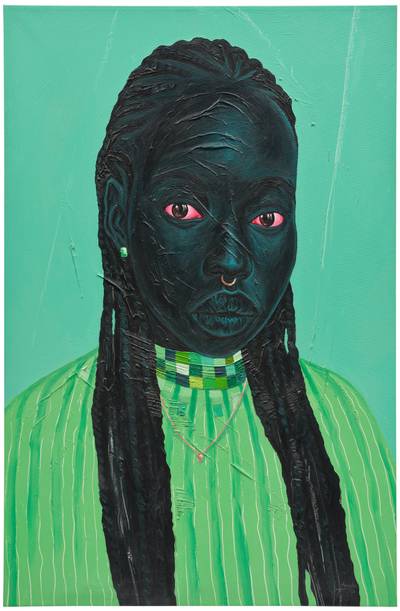
Collectors who came to Ghanaian portraiture through Boafo's more charged works have found in Quaicoe a complementary sensibility, and his prices at auction have risen accordingly. Annan Affotey, Prince Gyasi, and Cornelius Annor each bring their own distinct approaches to figuration and community, and watching their market trajectories over the next several years will be one of the more instructive exercises available to collectors paying attention to this space. Kwesi Botchway and Raphael Adjetey Adjei Mayne are also worth tracking closely, as critical interest in their work has been gathering momentum in ways that tend to precede sustained market recognition. Institutions have been important validators here.
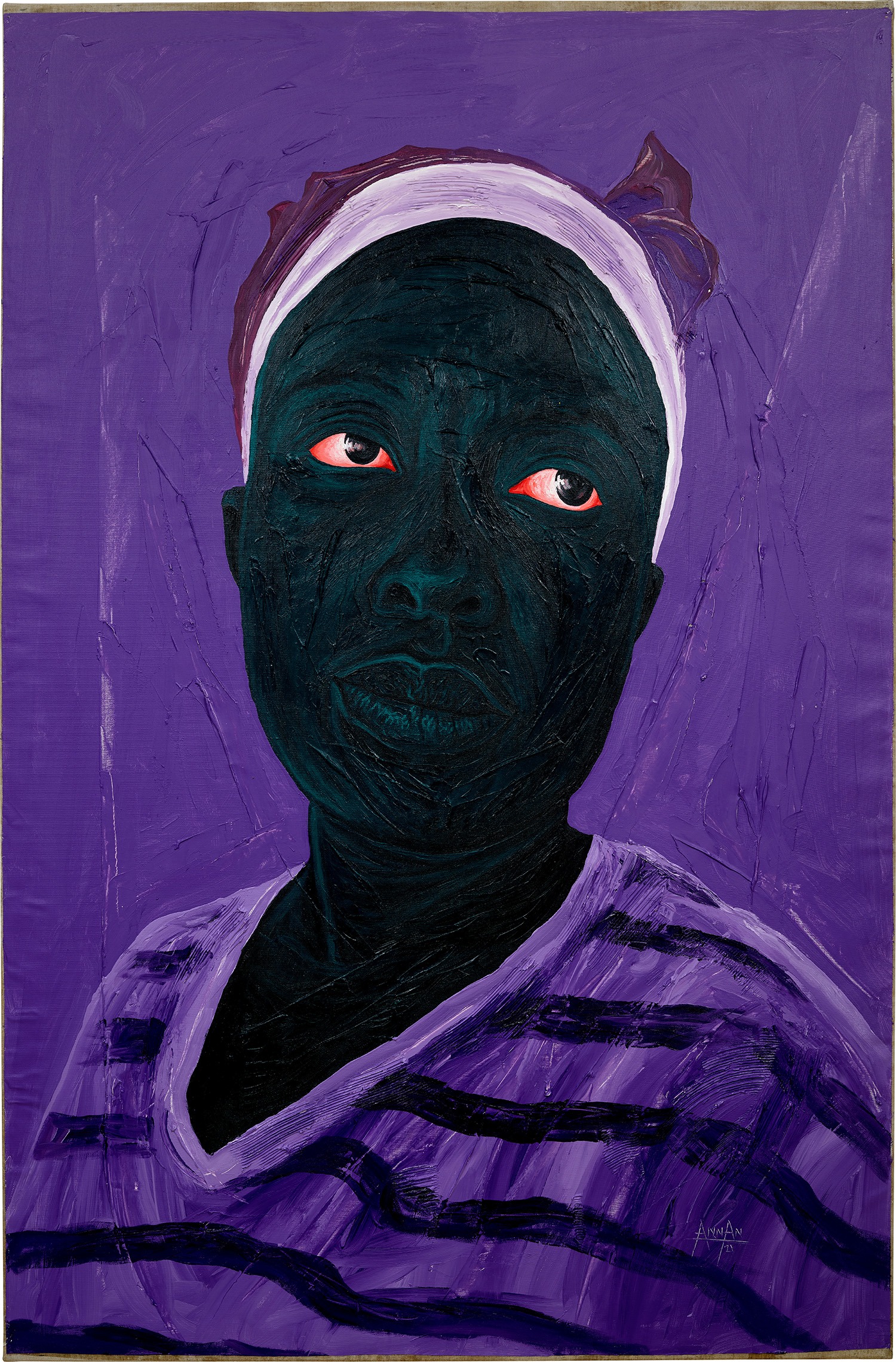
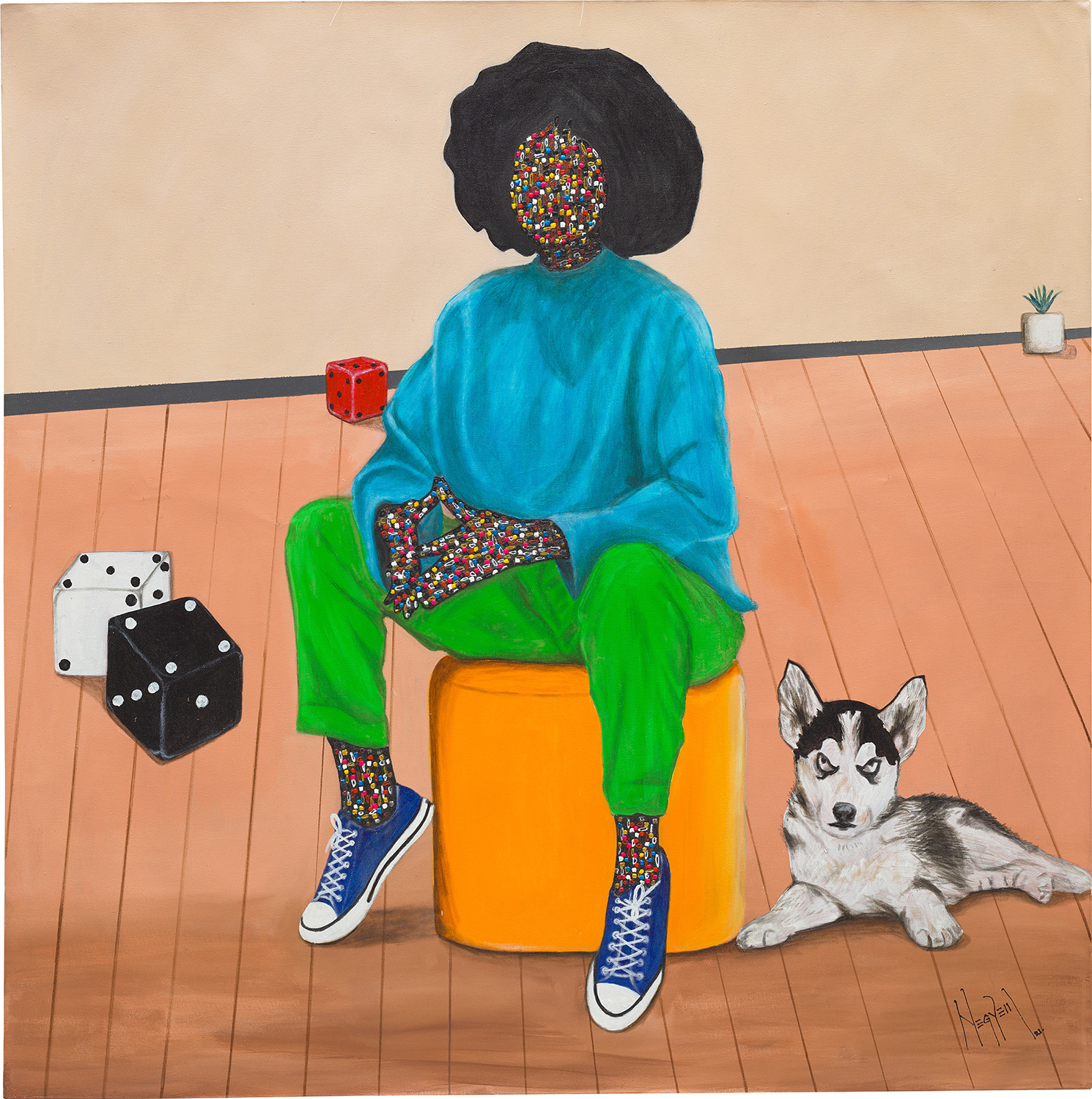
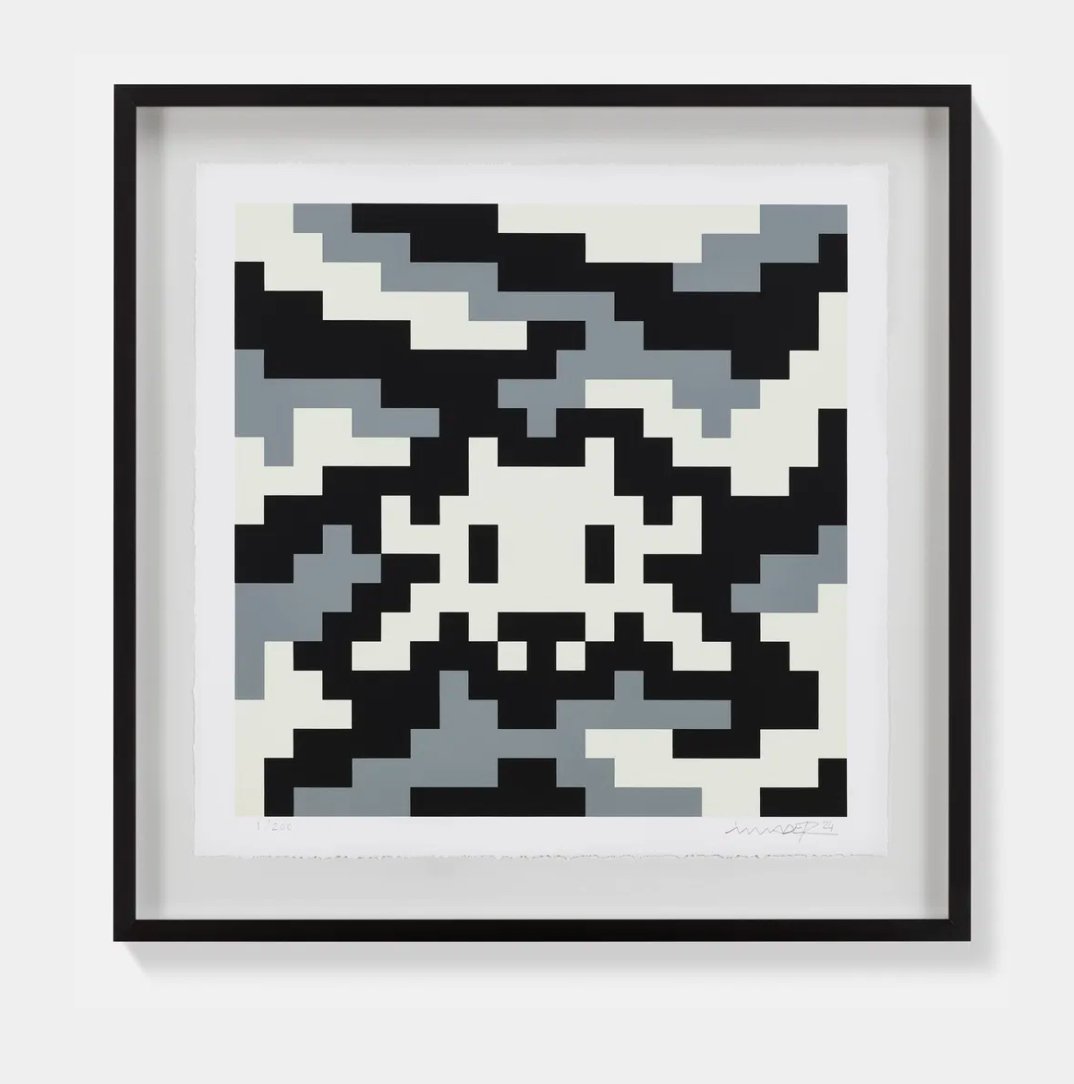
Annan Affotey
Daizy, 2021
The Smithsonian National Museum of African Art has mounted significant programming around West African contemporary practice, and the Rhode Island School of Design Museum's recent engagements with this material have introduced it to academic contexts that shape long term critical frameworks. In the United Kingdom, the Tate Modern's ongoing commitment to expanding its African holdings has been particularly meaningful, as have the programming decisions at the Serpentine, which invited Boafo for a significant presentation that helped consolidate his standing outside the strictly commercial context. Godfried Donkor's work has found a home in several European museum collections, his layered commentary on colonialism and pop culture speaking directly to curatorial frameworks that are reshaping how European institutions narrate global modernism. The critical conversation has been shaped in meaningful ways by writers including Nana Adusei Poku, whose scholarly engagement with African contemporary art has influenced curatorial thinking well beyond academic circles.
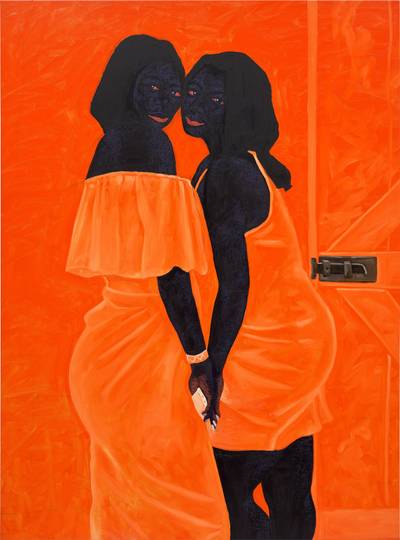
Publications like ArtReview Africa and the programming of the 1:54 African Art Fair in London and New York have provided consistent platforms for Ghanaian artists and the critics who engage with their work most seriously. The fair in particular has been instrumental in connecting artists like Kojo Marfo and Adjei Tawiah to collectors who might not otherwise have encountered their practices, and the conversations that happen in those rooms carry significant weight. What feels genuinely alive right now is the intersection between material culture and contemporary practice. The presence of historical Ghanaian objects on The Collection, including Asante stools, Akuaba figures, and Asante goldweights, alongside paintings by Boafo and sculptures with roots in Anatsui's formal vocabulary, points toward a collecting logic that is integrative rather than compartmentalizing.
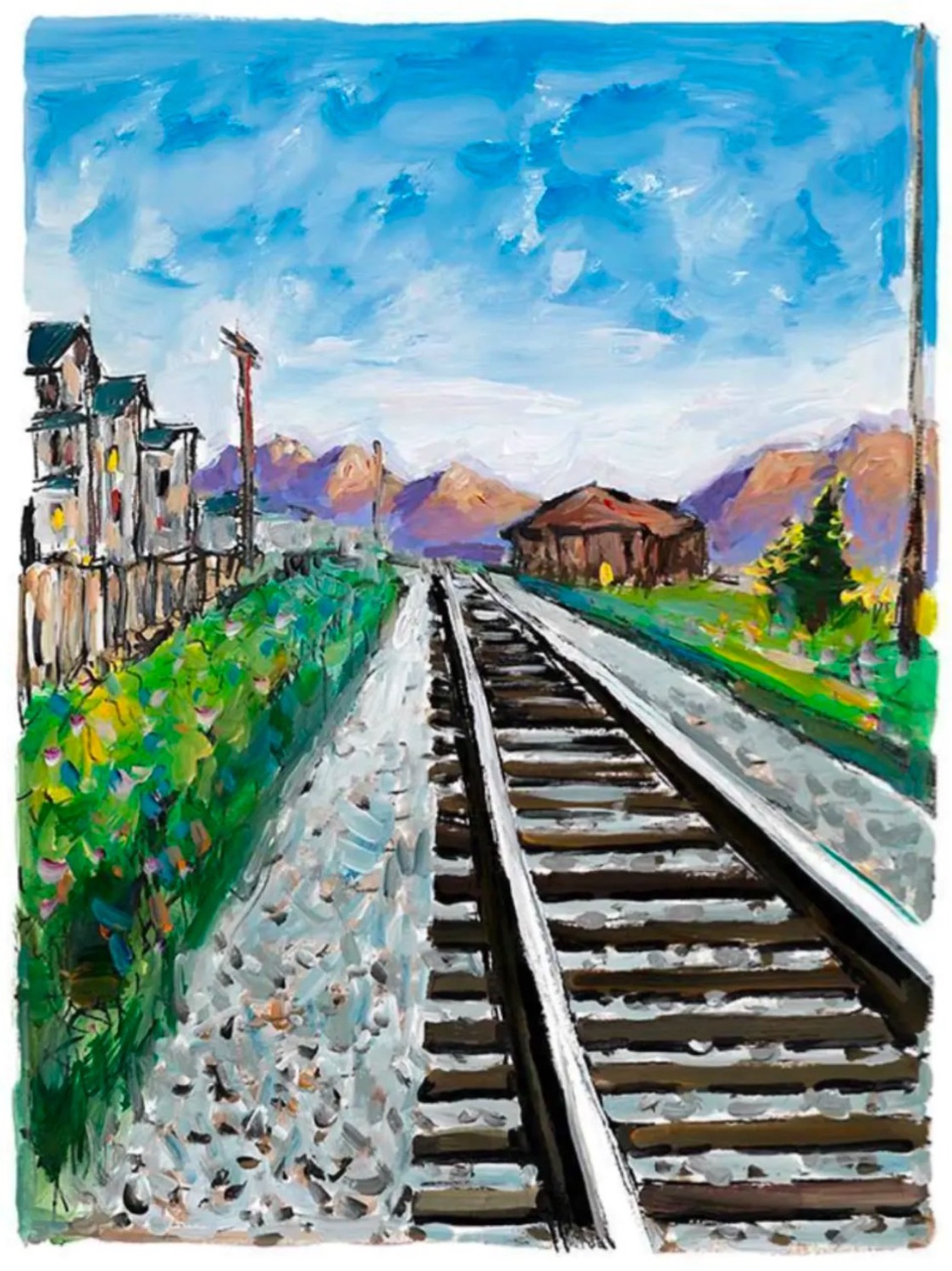
Adjei Tawiah
Red on Black, 2021
The most thoughtful collectors are building coherent holdings that move across time and media, understanding that the contemporary work is in active dialogue with deep formal traditions. That dialogue is where the real critical energy resides, and where the surprises are most likely to emerge. The market has already rewarded those who arrived early. What remains is the more interesting question of which artists and ideas will define the conversation a decade from now.