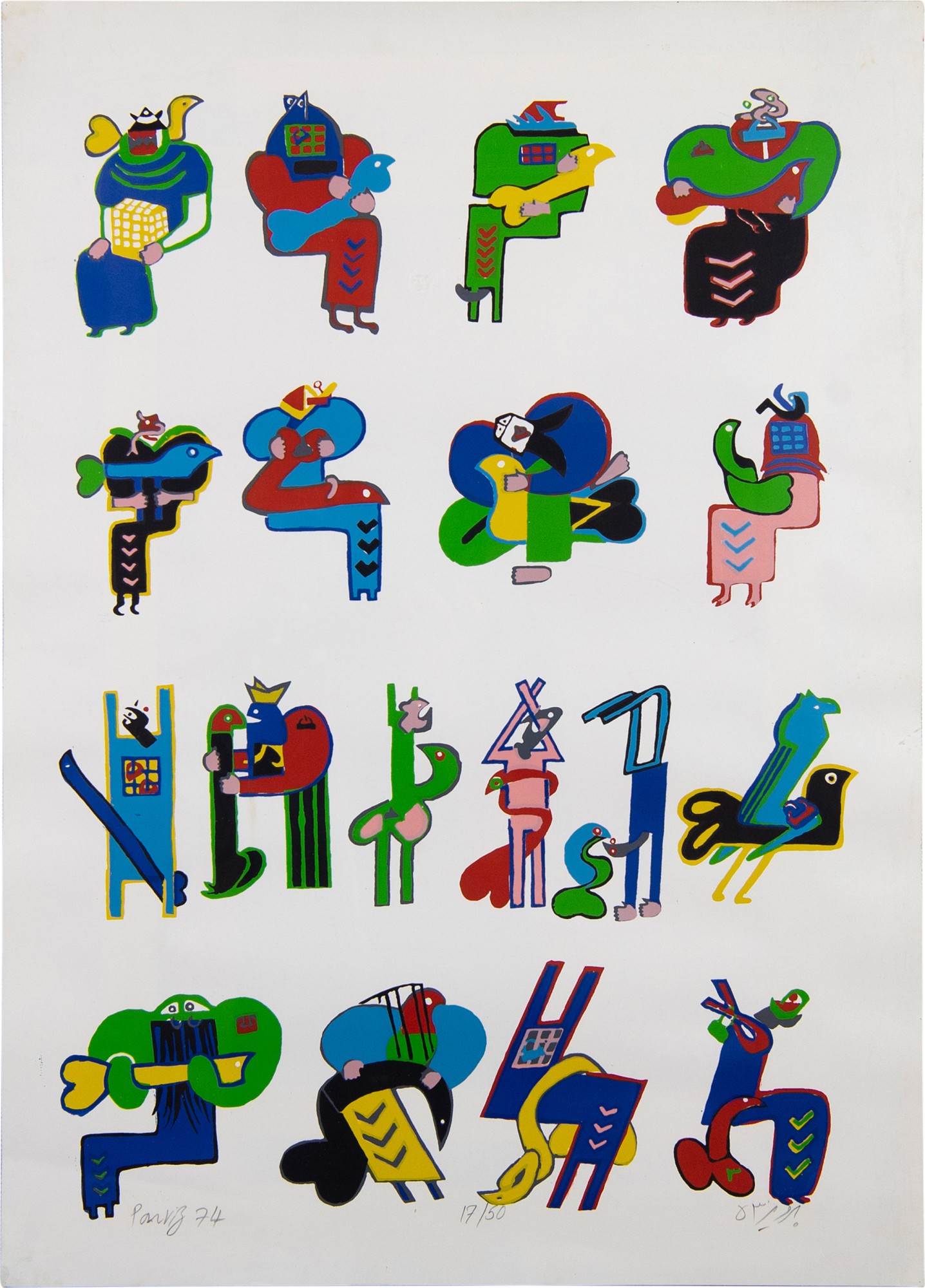
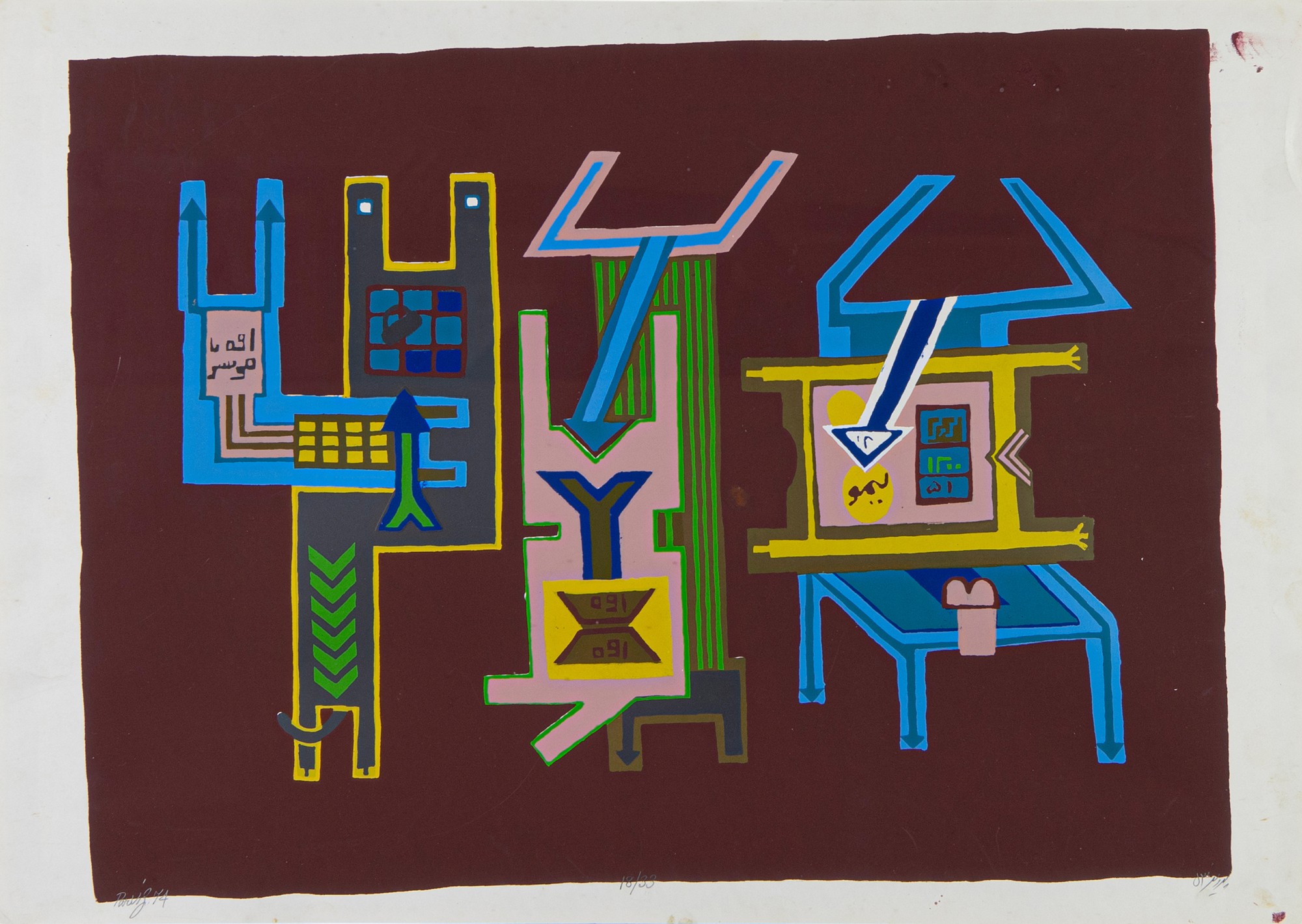
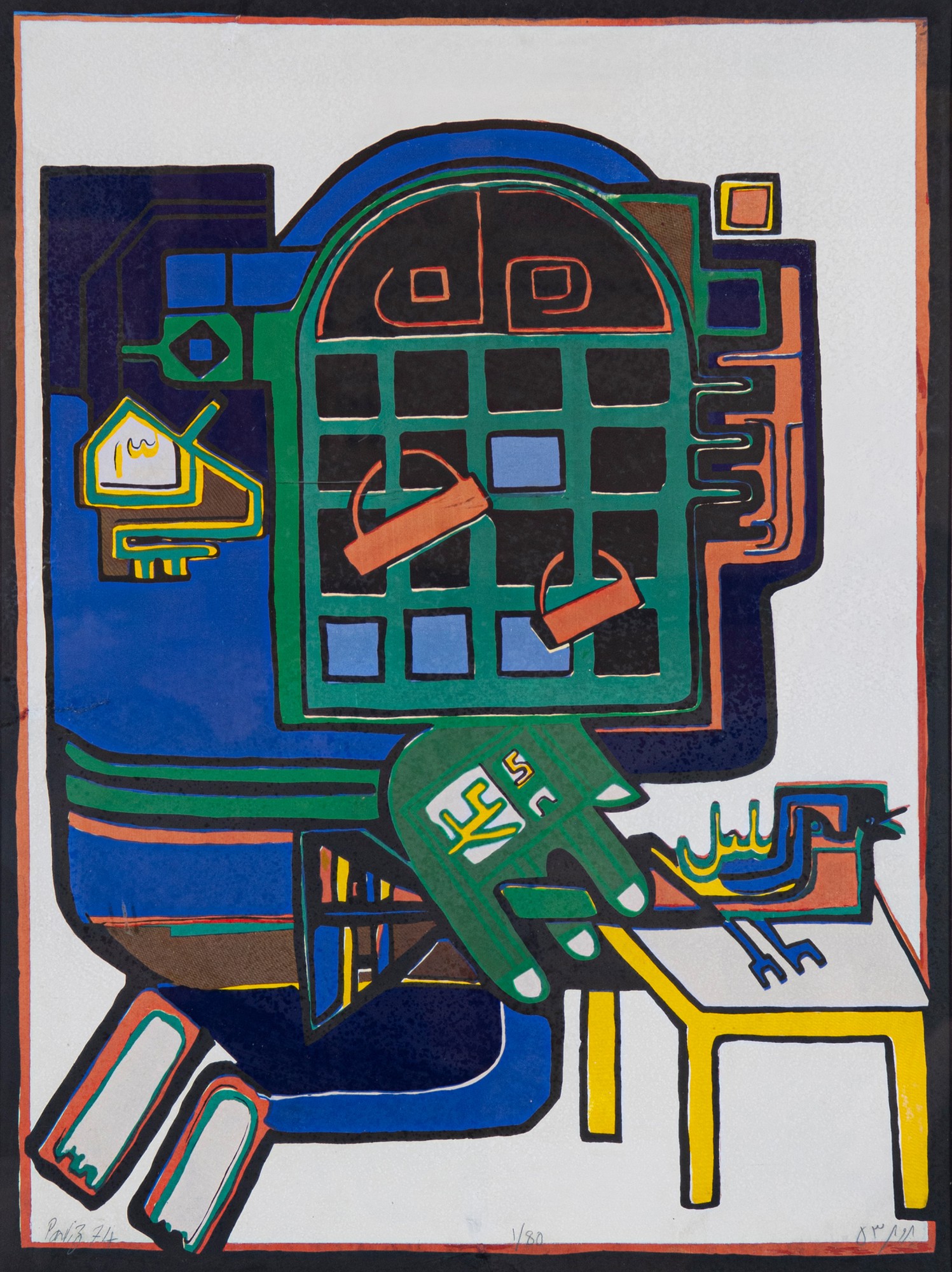
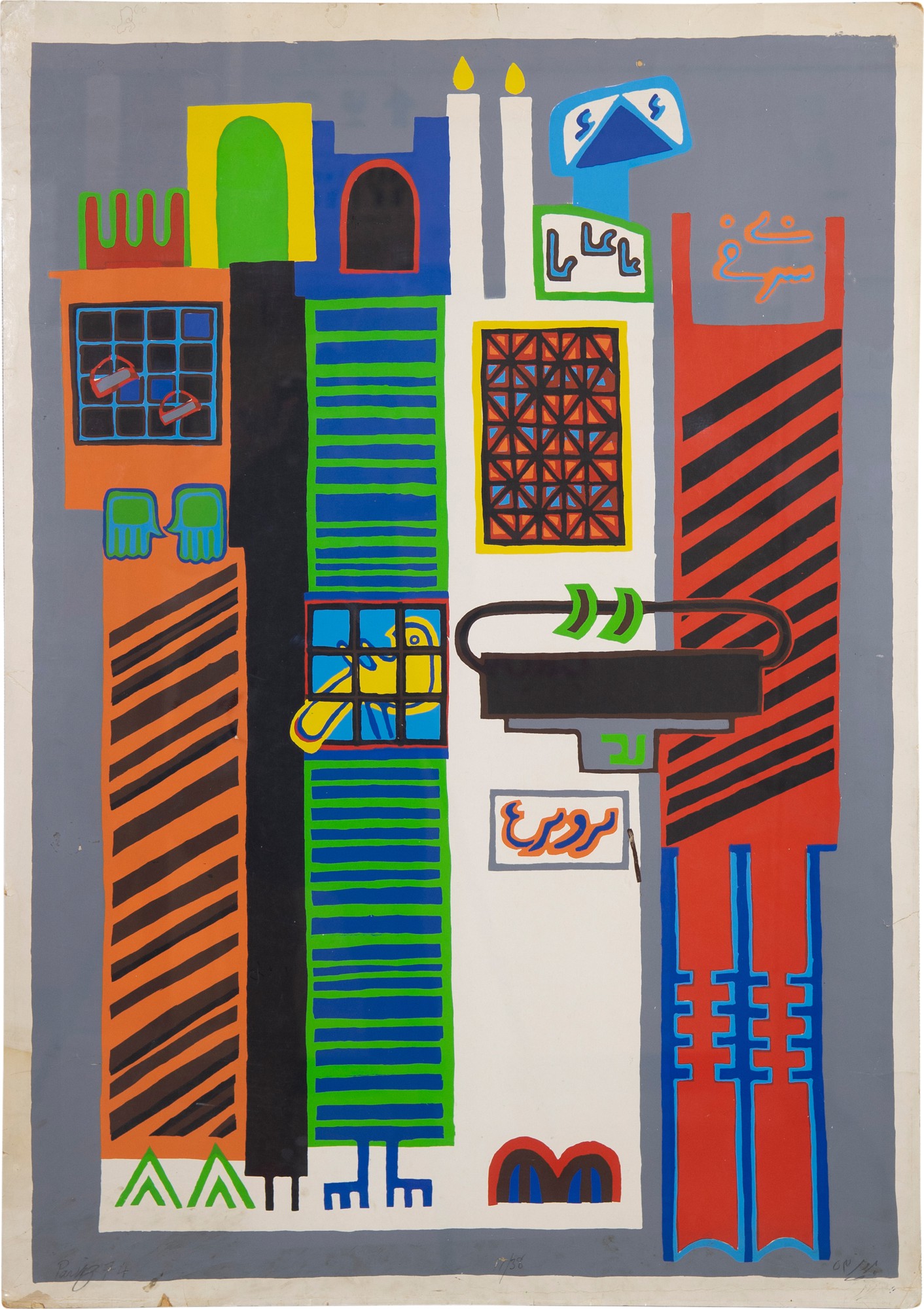
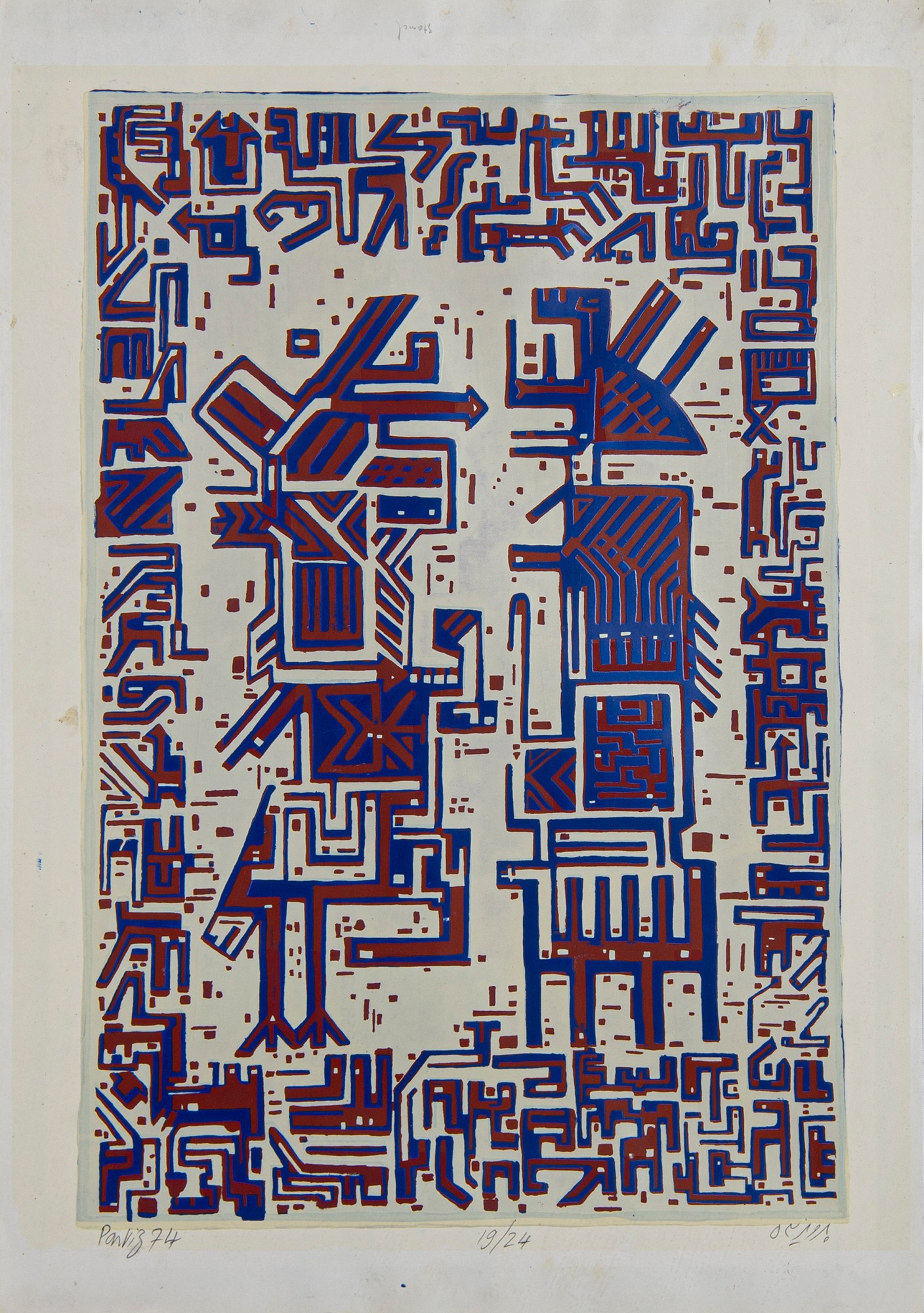
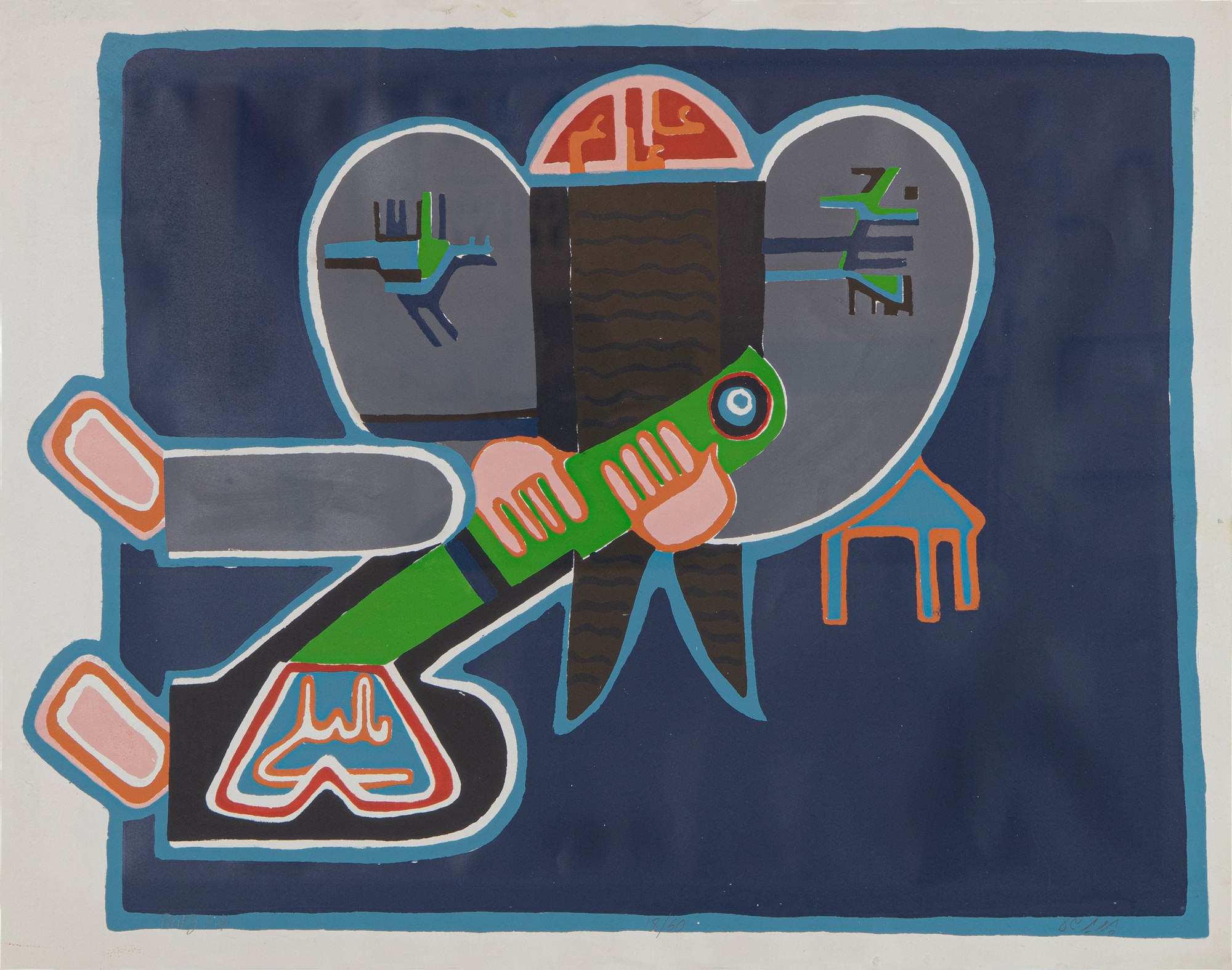
When Christie's Dubai brought down the hammer on a monumental bronze Heech in 2008, the room understood something important had shifted. The sculpture, a single Farsi word rendered in gleaming, voluminous form, sold for a price that announced Iranian art to a global collecting audience with unmistakable authority. For Parviz Tanavoli, who had spent decades insisting that Persian cultural heritage deserved a place at the very centre of contemporary artistic discourse, the moment was not a surprise. It was a confirmation, long in the making, of a vision he had carried since his student years in Tehran. Tanavoli was born in Tehran in 1937, into a city that was rapidly modernising while remaining deeply rooted in its layered cultural past. As a young man he trained at the Tehran School of Fine Arts before travelling to Milan's Accademia di Belle Arti and later to the United States, where he studied at the Minneapolis College of Art and Design. These formative years abroad gave him fluency in the language of Western modernism, but they also clarified what he did not want to surrender. The bazaars, shrines, and lock sellers of Tehran, the calligraphic traditions of Persian poetry, the vivid folk imagery of the Saqqakhaneh, the small water dispensaries adorned with votive objects that lined the city's old streets, these became the true source material of his practice. Returning to Iran, Tanavoli helped found what became known as the Saqqakhaneh movement in the early 1960s, alongside artists including Charles Hossein Zenderoudi and Faramarz Pilaram. The movement took its name from those street shrines, translating their raw devotional energy into a modernist visual vocabulary. It was a genuinely radical proposition: to assert that Iranian folk symbolism, padlocks, Koranic script, talismanic imagery, and the figure of the lion, was not provincial material to be left behind but a rich aesthetic system capable of sustaining serious contemporary art. In doing so, Tanavoli and his colleagues invented what might be understood as the first distinctly Iranian school of modern art, one that answered the internationalism of mid century abstraction on its own terms. Tanavoli taught at the Tehran College of Fine Arts for many years, shaping a generation of Iranian artists, and he has continued to teach and mentor throughout his career, including periods in Canada where he has been based more recently. His scholarly work runs alongside his artistic practice with remarkable seriousness. He is among the world's foremost authorities on Persian tribal rugs and flatweaves, and his research into Iranian folk art and locks as sculptural objects has produced influential publications that sit comfortably in any serious art library. This dual identity, artist and scholar, gives his work an intellectual grounding that collectors and curators find particularly compelling. The Heech sculptures are the works that most collectors encounter first, and with good reason. Heech means nothing, or nothingness, in Farsi, and Tanavoli began exploring the word as a sculptural form in the late 1960s. The concept draws on Sufi philosophy and Persian poetic tradition, where nothingness is not absence but a kind of transcendent fullness, a dissolution of ego into the infinite. What Tanavoli understood brilliantly was that the written word itself, in the calligraphic tradition, already carries sculptural potential. By casting Heech in bronze at varying scales, sometimes intimate, sometimes monumental, he collapsed the distance between language, philosophy, and physical form. The works are immediately seductive and quietly profound, which is a rare combination in any era of art making. Beyond the Heech series, Tanavoli's screenprints and silkscreens on paper reveal a different register of his sensibility. Works such as Poet and Birds, Three Lovers, Oh Nightingale, and Disciples of Sheikh San'an draw on the great tradition of Persian poetry, summoning the recurring figures of the nightingale and the rose, the poet and the beloved, the mystical sheikh and his followers. These are images steeped in literary culture, referencing Hafez, Rumi, and Attar, but rendered with a graphic vitality and chromatic warmth that feel entirely contemporary. They are deeply accessible works that reward close attention, and they represent a more attainable entry point for collectors who wish to engage with Tanavoli's world before moving toward the larger bronze sculptures. From a market perspective, Tanavoli occupies a position of unusual stability and continued upward momentum. His auction record was set at Christie's and the broader Gulf market has remained consistently enthusiastic, with major works appearing at Bonhams, Sotheby's, and regional auction houses in Dubai and Tehran. The screenprints and silkscreens on paper, which The Collection presents as part of its holdings, are particularly interesting for collectors building a considered Iranian modern art foundation. They are works made with genuine care and print quality, signed and numbered, and they carry the full weight of Tanavoli's iconographic programme in an accessible format. Collectors drawn to the intersection of literary culture and visual art, whether they already hold works by Zenderoudi, Pilaram, or younger Iranian artists working in diaspora, will find these prints a natural and rewarding addition. Within the broader sweep of twentieth century art history, Tanavoli's significance extends well beyond the Iranian context. He was working with text as sculptural form at precisely the moment that Western artists including Jasper Johns and Robert Indiana were exploring letters and words as visual objects. The comparison is instructive but also clarifying: where those artists were largely interested in the sign as cultural readymade, Tanavoli was engaged with script as something alive with spiritual and philosophical weight. His conversation was with Persian literary tradition as much as with international modernism, and the result is a body of work that belongs equally to both worlds without being diminished by either. Today, with Iranian modern and contemporary art drawing sustained attention from institutions including the British Museum, the Smithsonian, and major private foundations, Tanavoli's position as the foundational figure of this story only grows in importance. His work teaches viewers how to look at Persian visual culture with fresh eyes, how to hear the resonance of a poetic tradition that spans a thousand years within a bronze form made in the twentieth century. That is not a minor achievement. It is the kind of contribution that defines a career, and that continues to generate meaning for every collector, curator, and admirer who encounters it.