Silkscreen

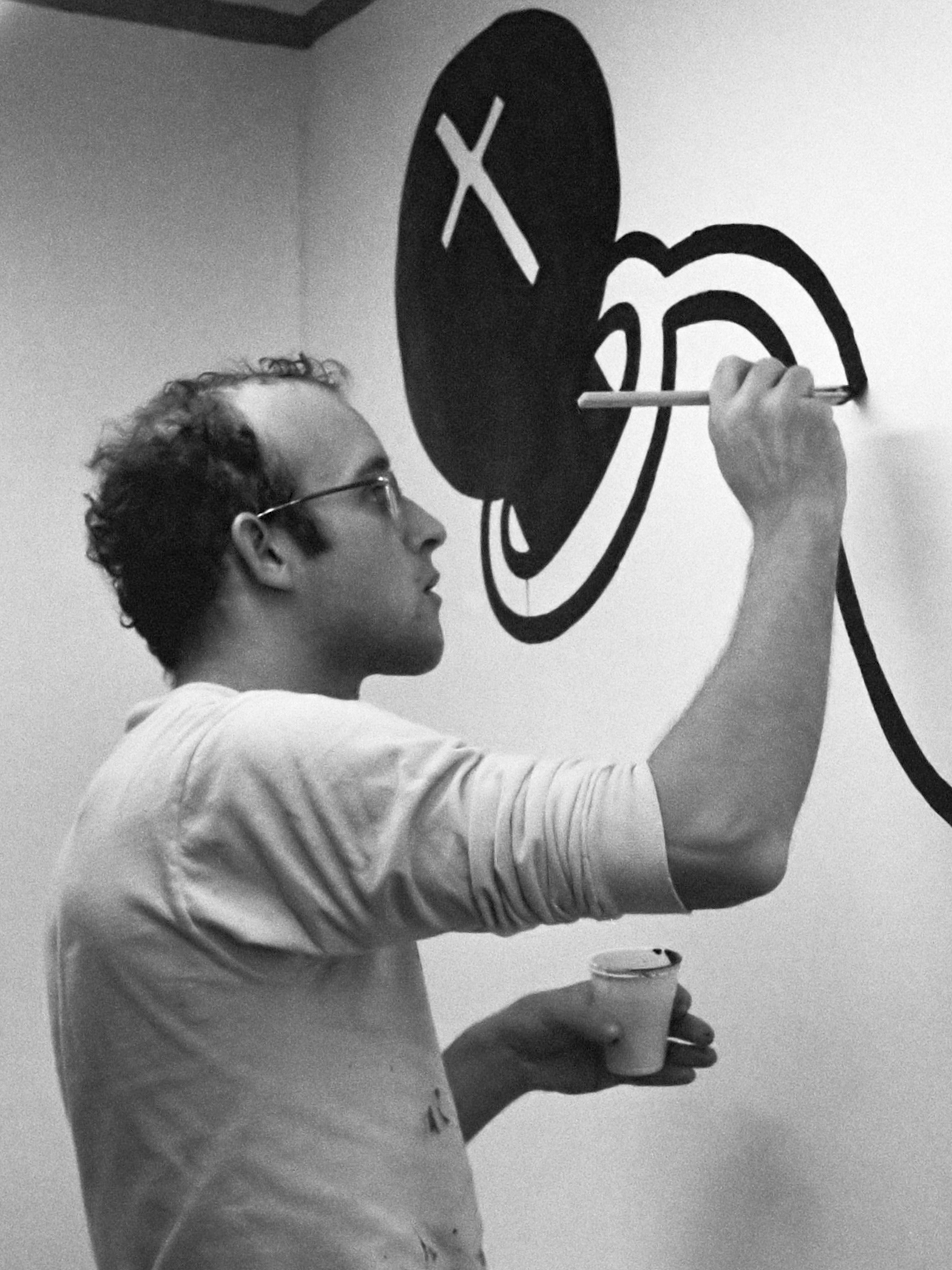
Keith Haring
Apocalypse 8, 1988



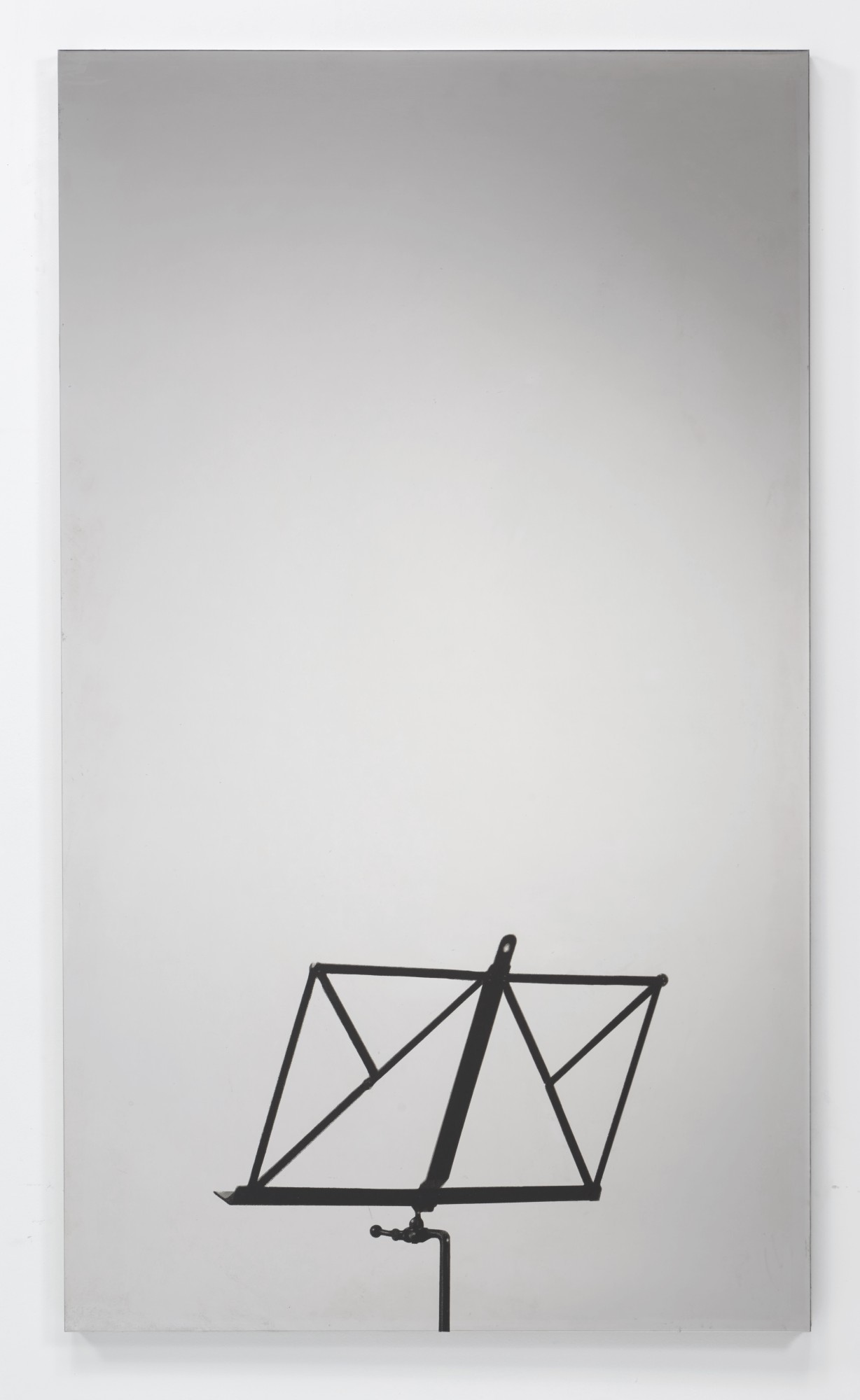
The Ink That Changed How We See Everything
There is something almost paradoxical about silkscreen as a collector's medium. It was designed for repetition, for the democratization of image making, and yet the works it produces can feel among the most intimate and singular objects in any serious collection. Collectors who fall hard for screenprints often describe the same initial seduction: the flatness of the ink on the surface, the way color sits rather than sinks, the strange tension between mechanical process and human decision. Living with a great silkscreen is living with a work that rewards sustained looking precisely because it appears, at first glance, to give everything away immediately.
The medium carries an enormous amount of cultural weight, and that weight is part of the appeal. When you bring a silkscreen into your home, you are engaging with one of the defining aesthetic languages of the twentieth century and its aftermath. The process migrated from commercial printing into fine art studios in the early 1960s, and it never really left. What distinguishes collectors who build meaningful silkscreen holdings from those who simply acquire prints is an understanding of how process and intention intersect.

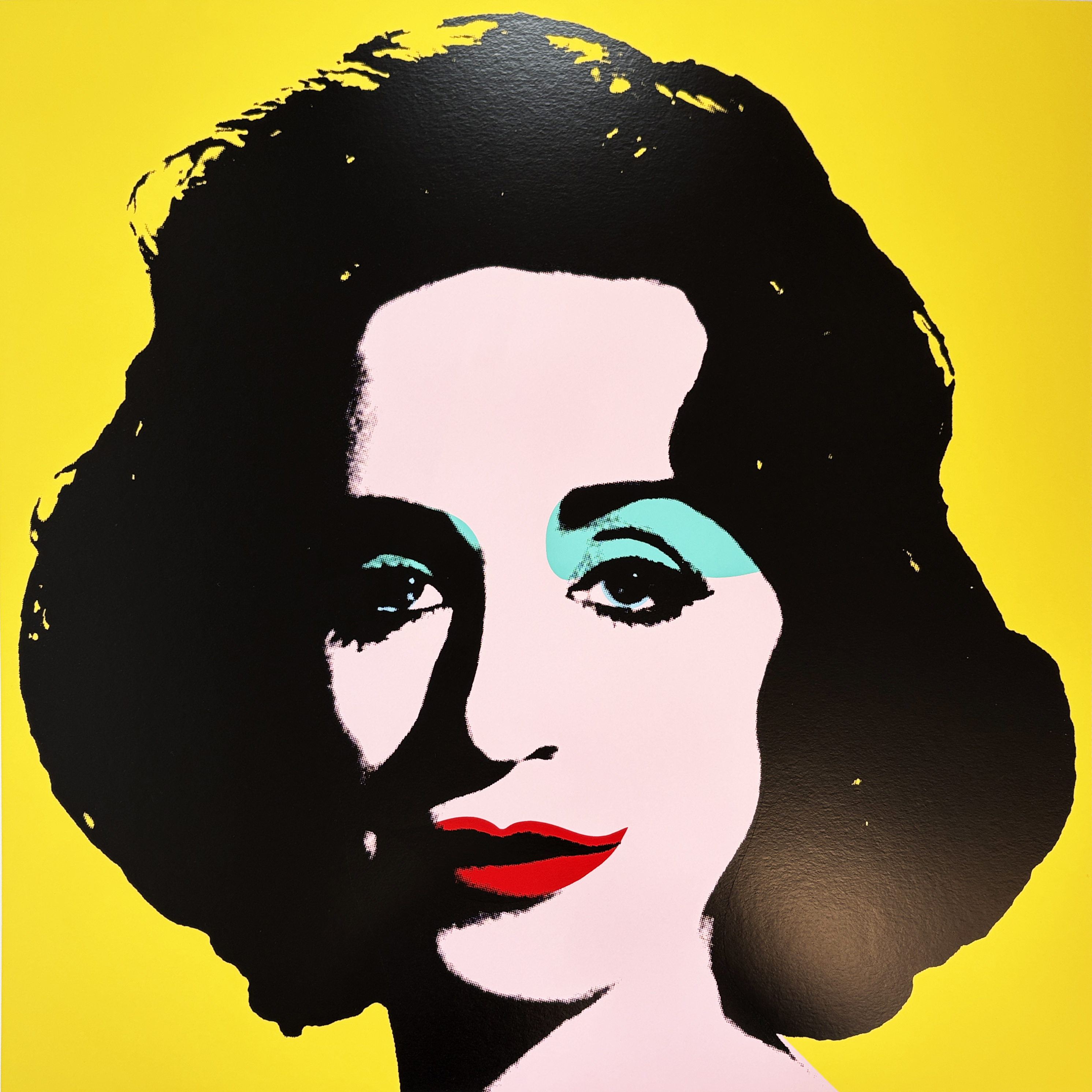
Andy Warhol
Double Elvis, 1963
The best works are not just images rendered in ink. They are arguments about what images do, how they circulate, and what happens when a picture moves from one context into another. So what separates a good silkscreen from a great one? Registration matters enormously.
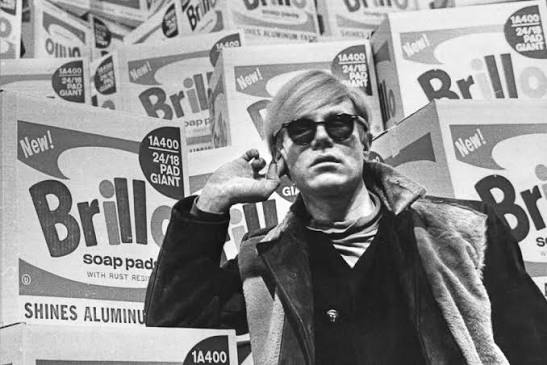
Misaligned layers, uneven ink density, or inconsistent coverage can undermine an otherwise strong composition, and these are things you can assess directly. But beyond craft, the most important question is conceptual purposefulness. The greatest screenprints use the medium's specific qualities, its flatness, its tendency toward graphic clarity, its relationship to commercial reproduction, as essential content rather than incidental technique. When Andy Warhol screened the same face dozens of times across a canvas, he was not simply making a pretty picture.
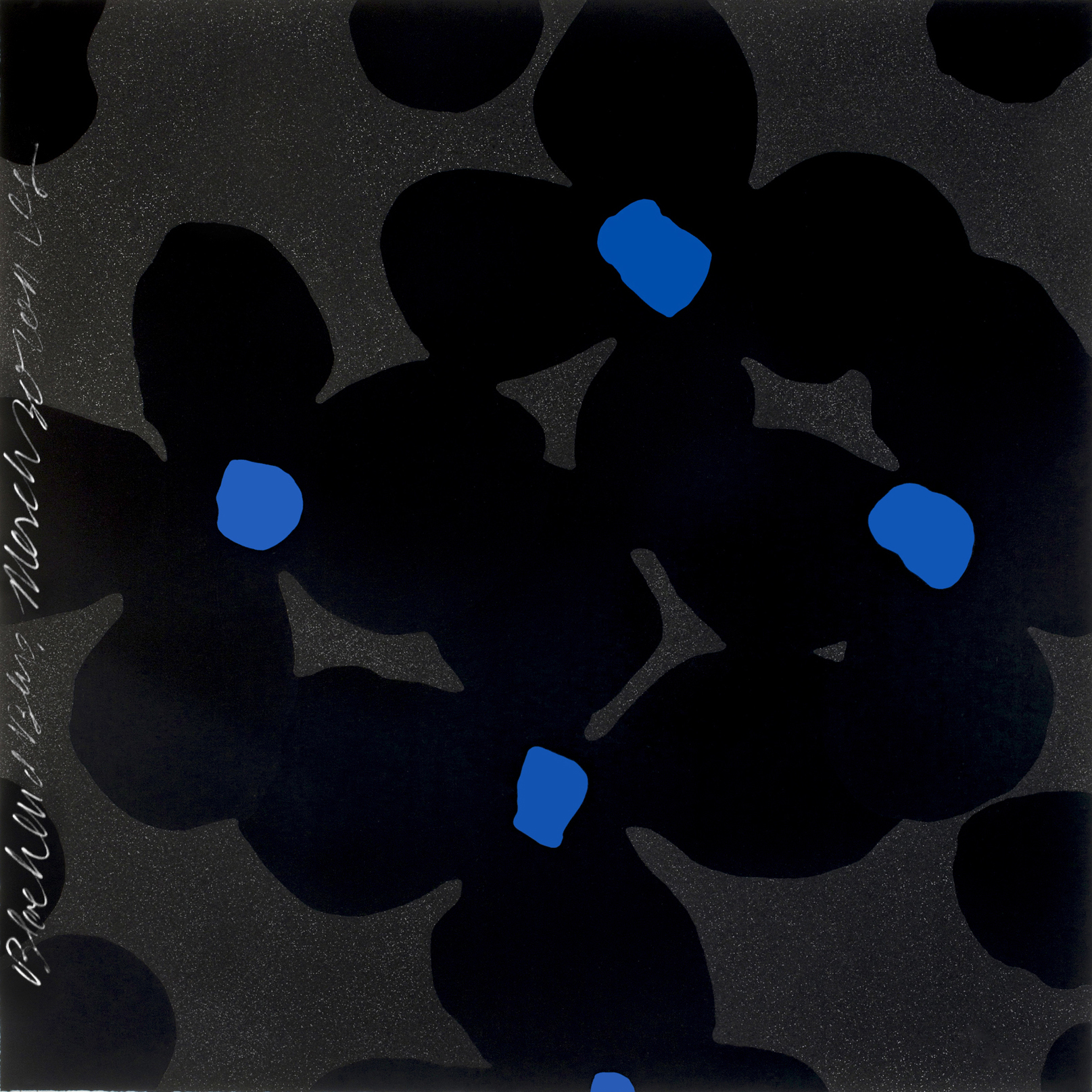
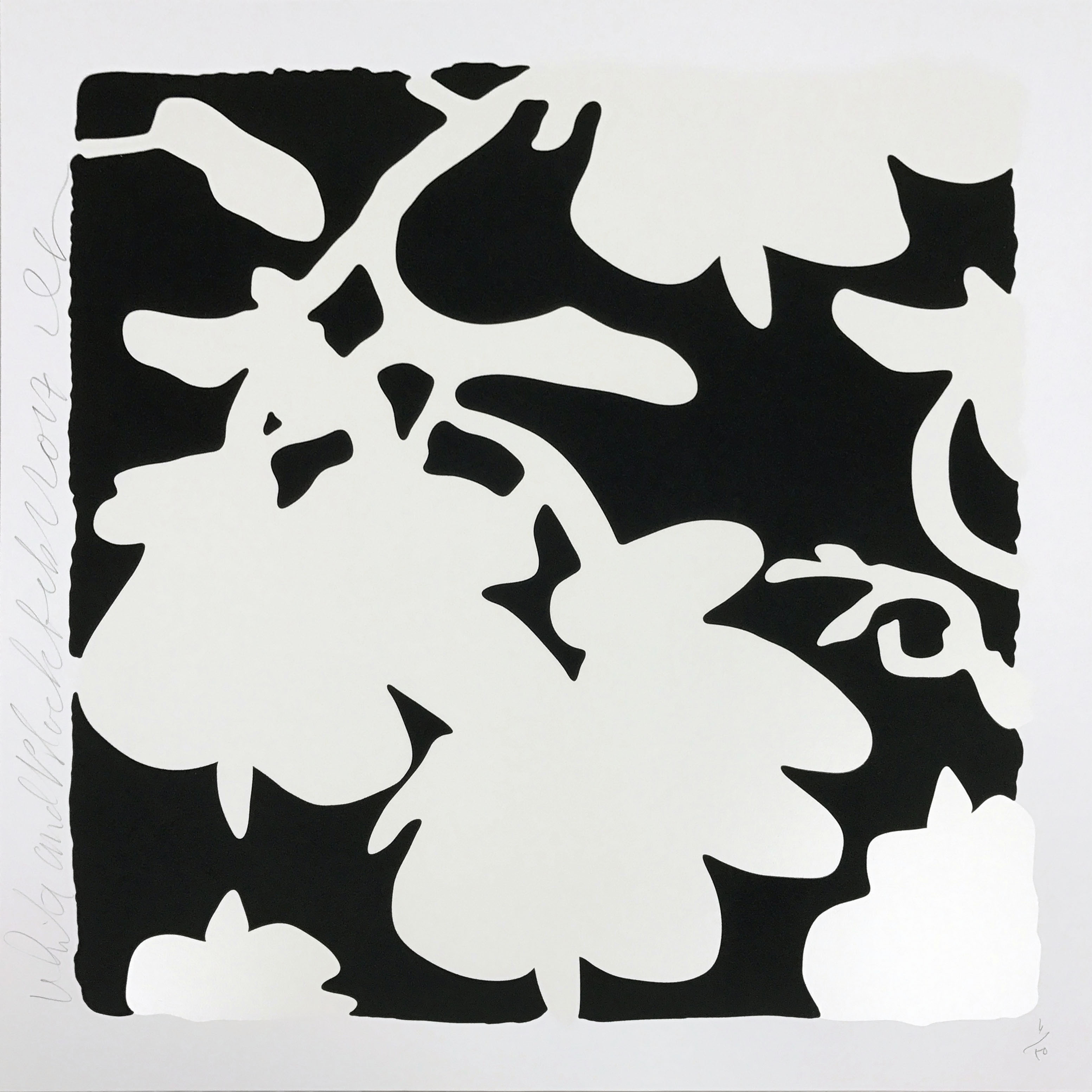
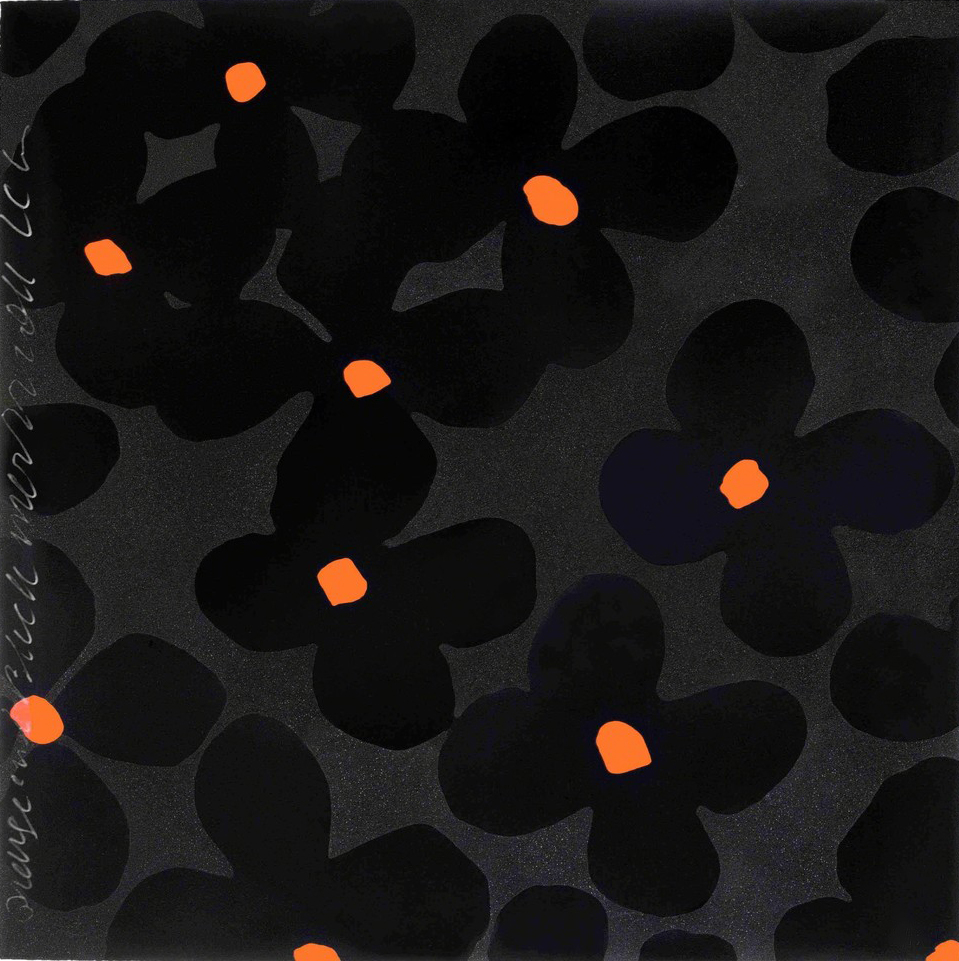
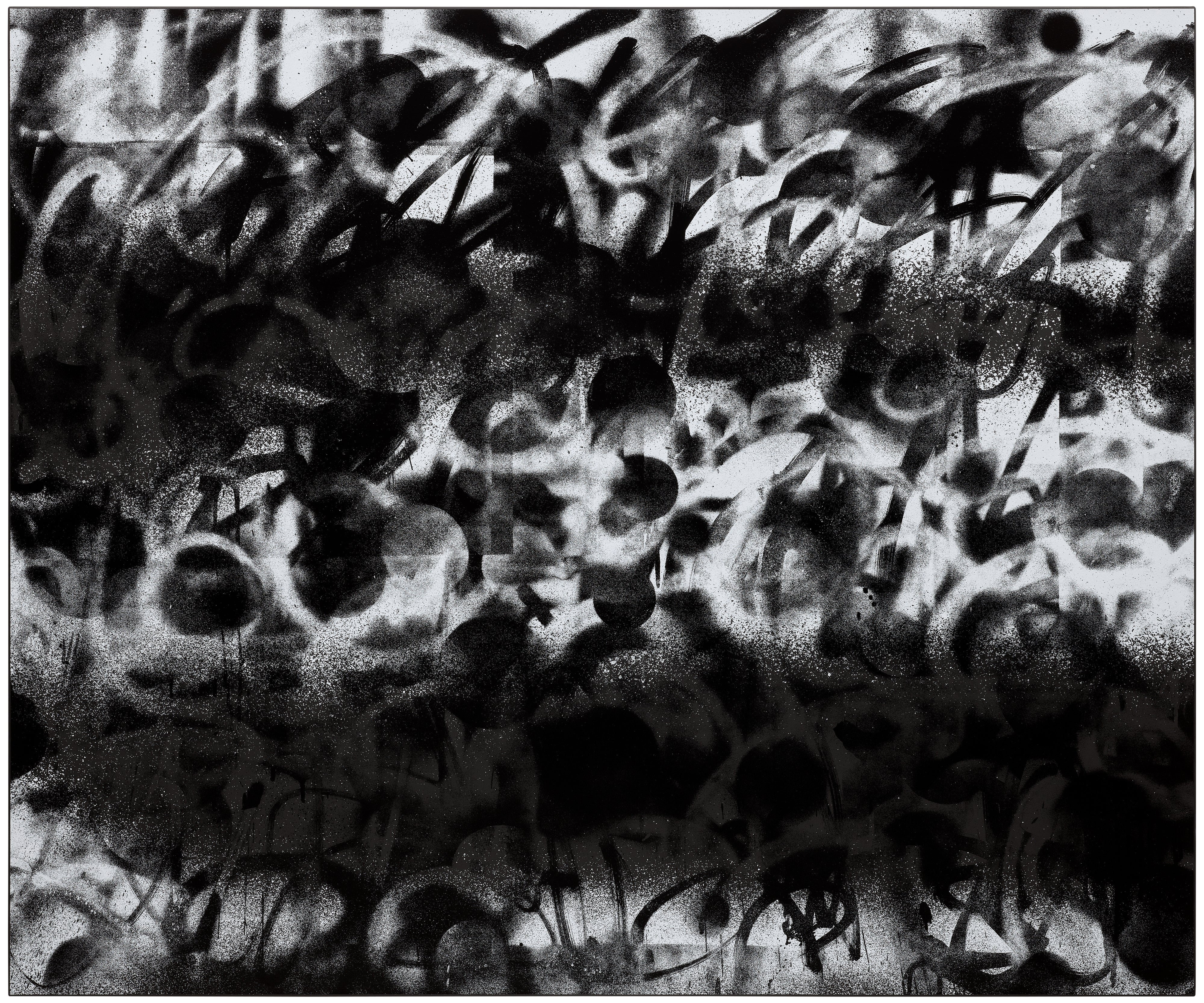
Donald Sultan
Black and Blues, March 30, 2011, 2011
He was making an argument about celebrity, mass media, and mortality that could only be made through that particular process. That fusion of medium and meaning is what you are looking for, and it is rarer than it looks. Warhol remains the central figure in any serious conversation about collecting silkscreen, and his presence across The Collection reflects exactly why that is. His output was vast and uneven, which means condition, provenance, and edition documentation are critical when evaluating individual works.
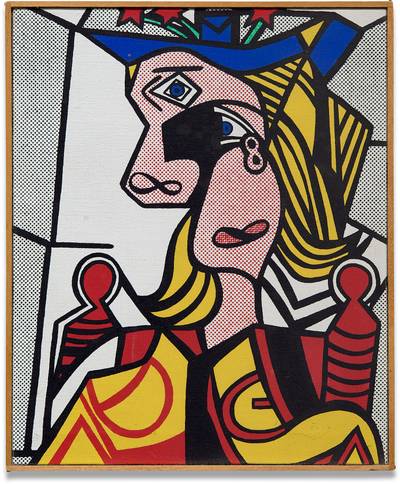
Works authenticated by the Andy Warhol Art Authentication Board, which ceased operations in 2012, carry particular weight, and the presence of a strong provenance chain from a reputable gallery or estate adds measurably to value. Beyond Warhol, Deborah Kass built an entire body of work in dialogue with his language, rerouting his iconography through feminist and queer identity politics in ways that feel increasingly prescient. Her screenprints are well represented on The Collection, and they occupy a genuinely productive critical space between homage and critique. Richard Pettibone, also represented here, took a different approach, replicating canonical works at miniature scale with painstaking fidelity, creating objects that ask searching questions about authorship and desire.
Keith Haring
Apocalypse 8, 1988
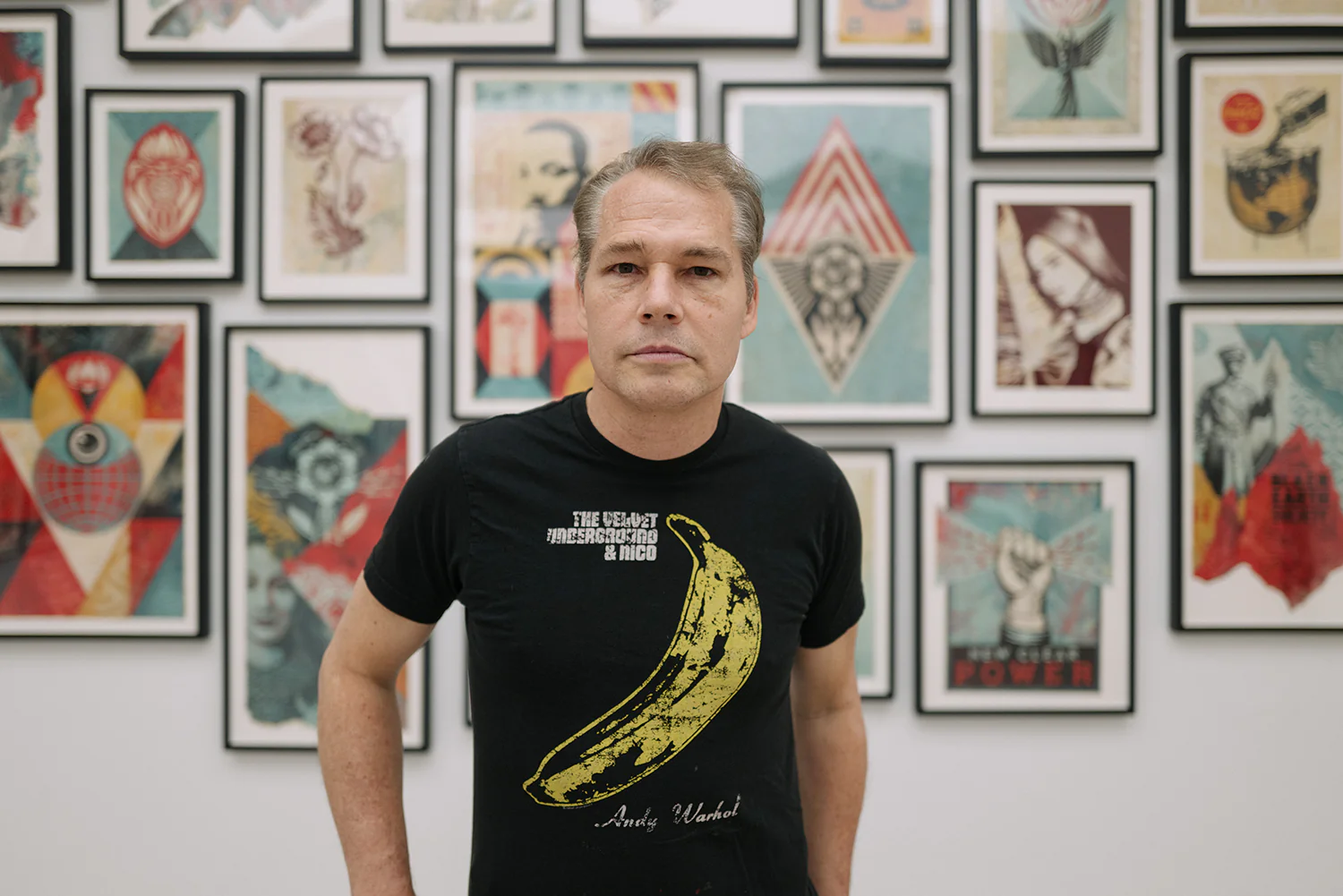
Shepard Fairey brings a different sensibility rooted in street art and graphic activism, and his works on The Collection demonstrate how screenprint continues to function as a vehicle for political urgency. KAWS has demonstrated over the past decade that works emerging from a commercial design background can command serious secondary market attention, particularly among younger collectors who came of age with his visual language already embedded in the culture. Keith Haring's screenprints retain a vitality and market consistency that speaks to how thoroughly his imagery has entered the broader visual consciousness. What unites these artists, despite their obvious differences, is a shared understanding that the screen is not a neutral surface.
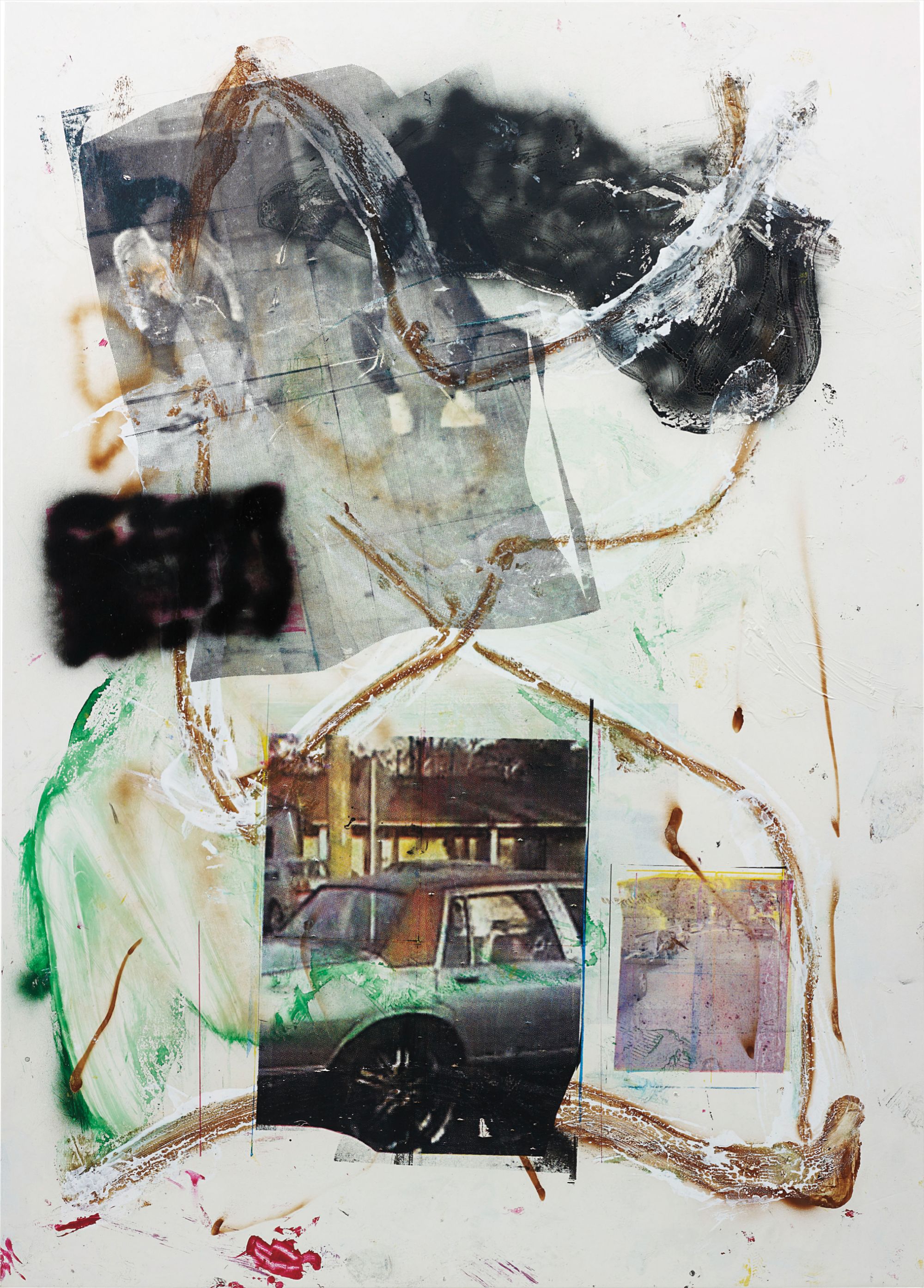
Every one of them uses the process to say something that painting or drawing could not say in quite the same way. For collectors interested in emerging and underrecognized territory, the silkscreen tradition is far from exhausted. Adam Pendleton works with screenprint in ways that engage language, abstraction, and Black radical politics simultaneously, and his critical reputation has been building steadily toward the kind of institutional attention that precedes significant market movement. Kelley Walker's practice interrogates the politics of image circulation in ways that feel unresolved in the best sense, and his works have attracted serious collector interest among those attuned to conceptual print practice.
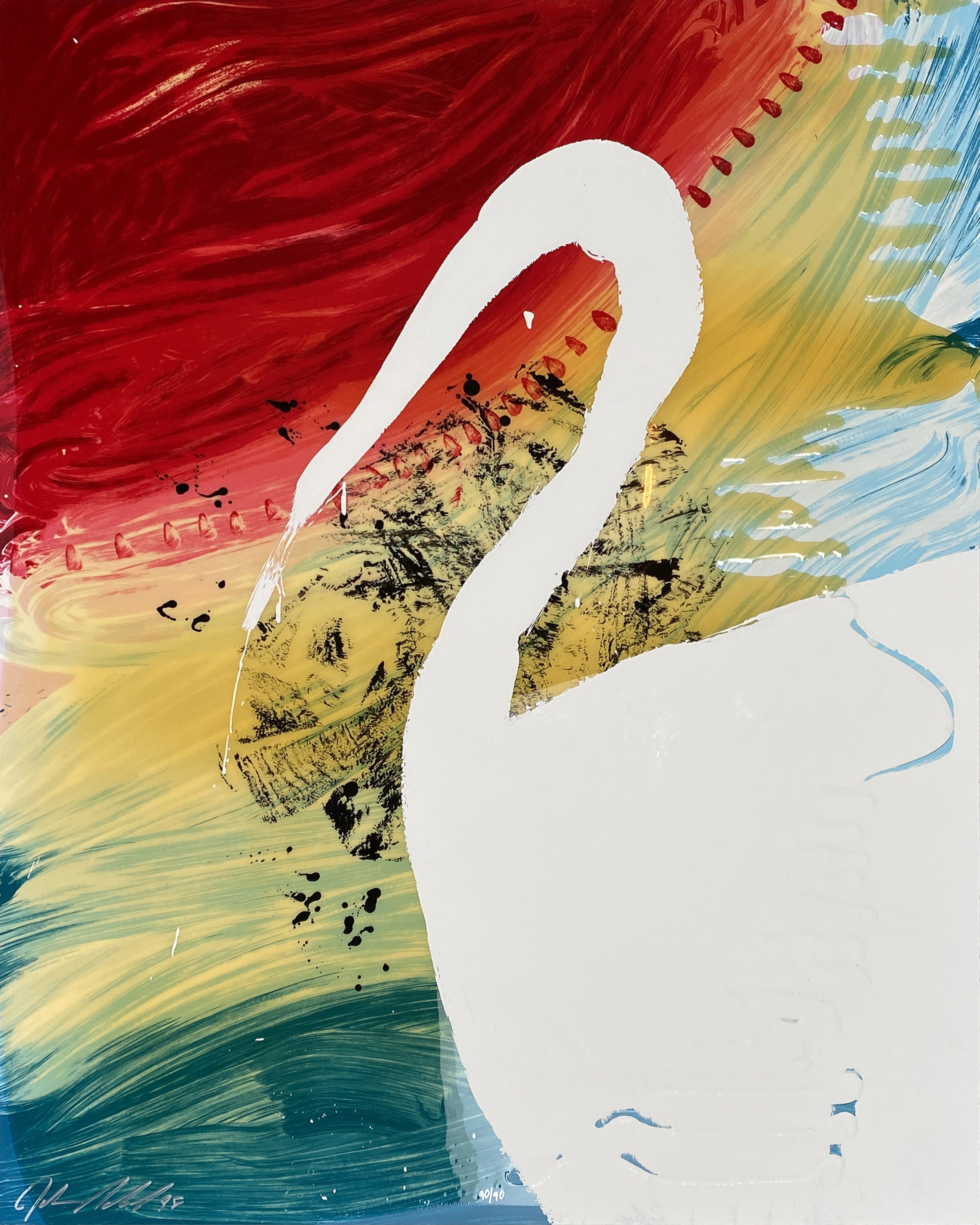
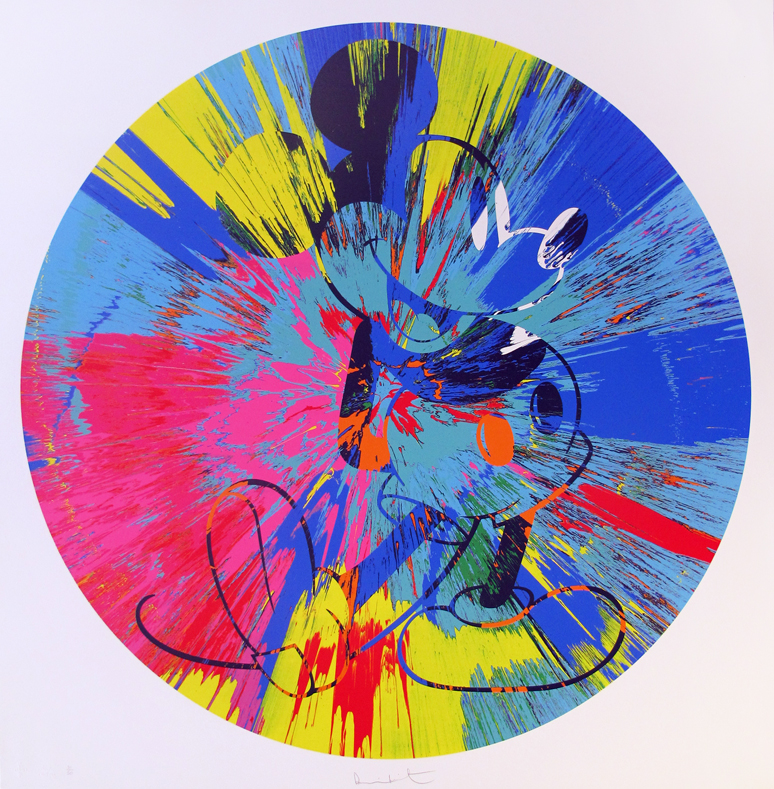
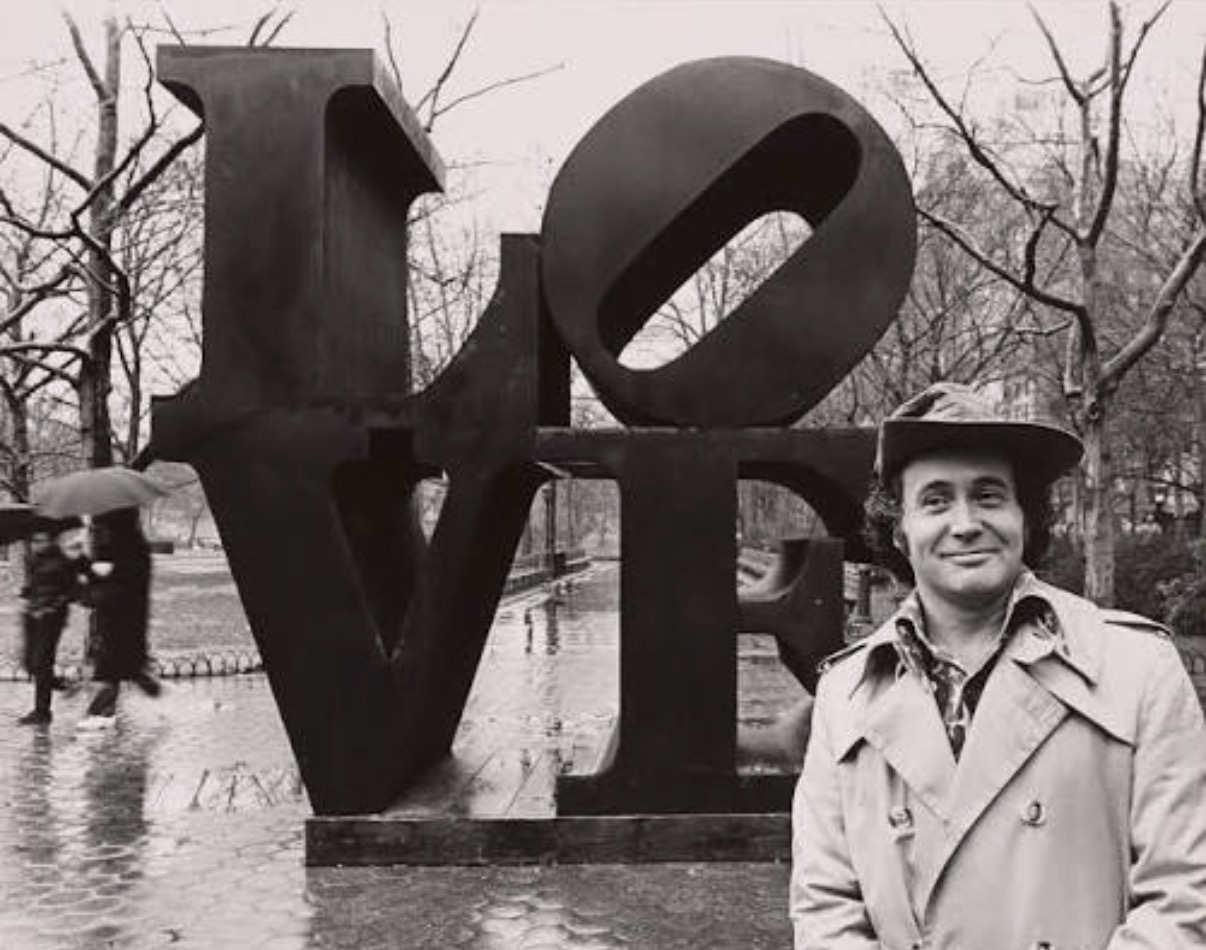
Julian Schnabel
Roy, 1998
These are artists whose secondary market prices still sit at levels where thoughtful acquisition is possible, before the inevitable consolidation around a few landmark works that tends to happen once auction records become established. At auction, silkscreens by blue chip artists perform with notable consistency, particularly in the five to hundred thousand dollar range for signed, well documented editions. Warhol's screenprints anchor major sales at Christie's, Sotheby's, and Phillips several times a year, and they provide useful price anchors for evaluating related works. The condition hierarchy in the secondary market is steep: works with any fading, foxing, handling marks, or poor framing history trade at significant discounts, and this is especially true for works on paper.
Museum quality framing with UV protective glazing is not optional for a serious collection. It is the minimum standard of stewardship. When approaching a gallery about a silkscreen acquisition, there are several questions worth asking directly. Ask for the full edition documentation: the total edition size, the printer, the year of printing, and the distinction between the standard edition and any artist's proofs or printer's proofs.
Ask whether the work has been exhibited and whether it appears in any catalogue raisonnés. For Warhol in particular, ask about Authentication Board records. Understand what you are buying: a unique screenprint on canvas is a different object, with different market behavior, than a signed and numbered edition on paper. Neither is inherently superior, but they occupy different positions in a collection and a portfolio.
The collectors who navigate this medium most successfully are those who understand that informed curiosity, brought to every acquisition, is ultimately the most valuable tool they have.