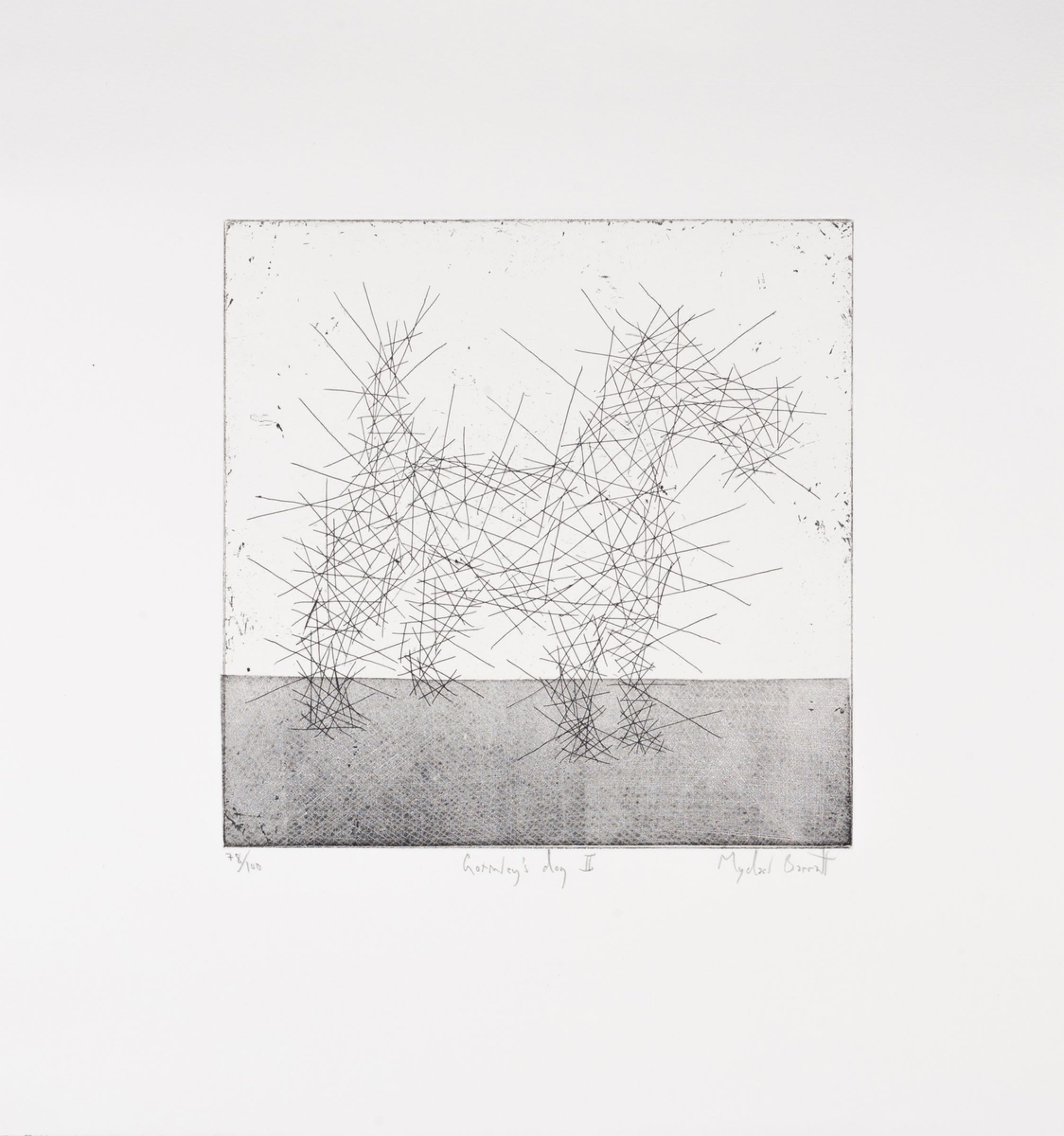
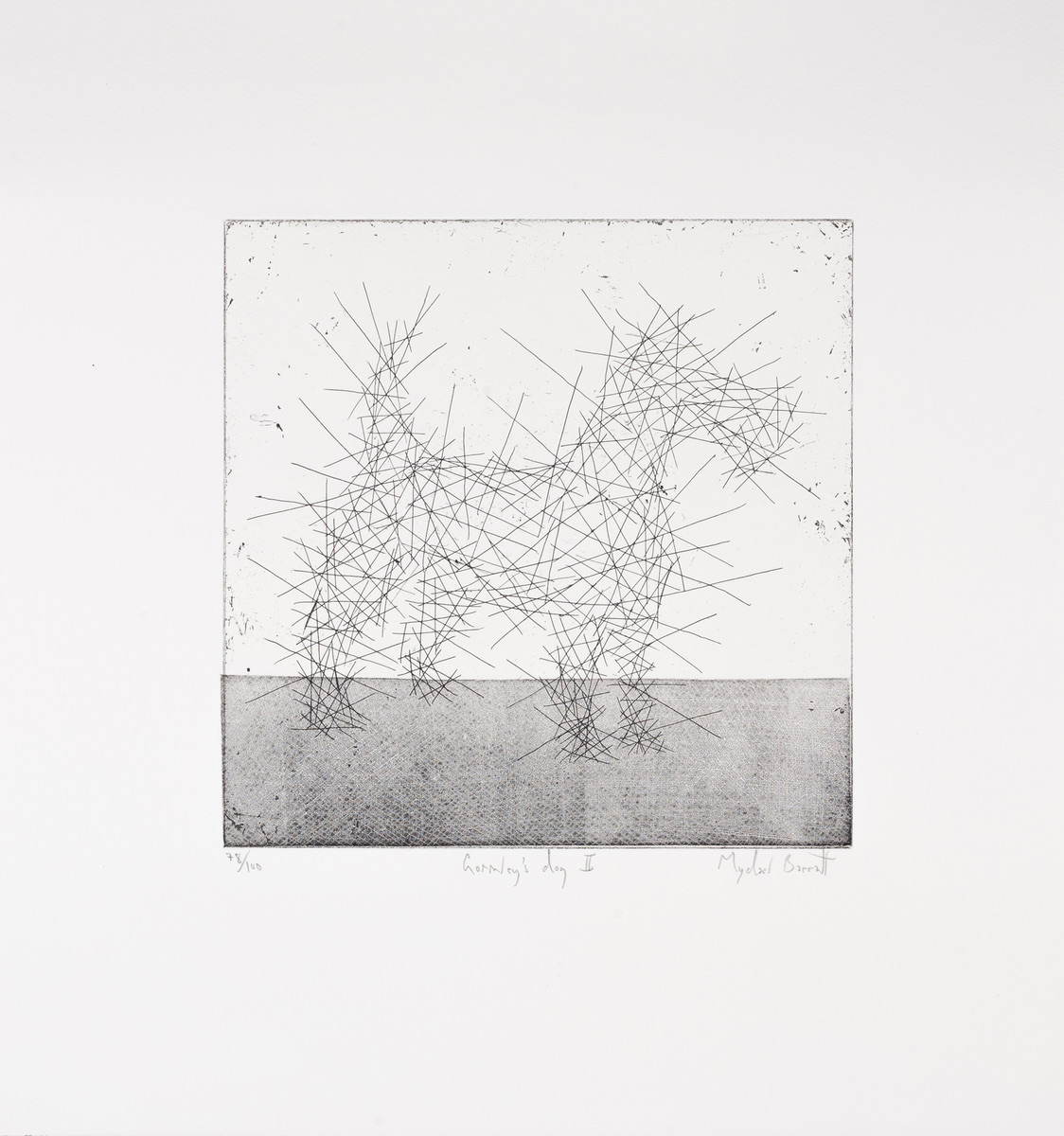
There is a particular pleasure in standing before a print by Mychael Barratt and discovering, some minutes after you first think you have understood it, that you have only just begun. His work operates like a well told joke with a second punchline, or a beloved novel whose footnotes turn out to be more entertaining than the main text. In recent years, Barratt has continued to delight collectors and gallery visitors across London and beyond, his reputation growing steadily through a practice that feels increasingly essential at a moment when the art world is hungry for work that is simultaneously rigorous and generous in spirit. Barratt was born in Canada in 1962, a biographical detail that perhaps accounts for something of the outsider's affection he brings to British and European cultural tradition. He has been based in London for much of his adult life, and the city has clearly shaped his sensibilities in profound ways. London's layered histories, its literary ghosts, its great museum collections and its irreverent street humor all seem to have seeped into his practice, giving his work a quality that is deeply informed without ever becoming academic or inaccessible. His formation as a printmaker placed him firmly within one of the oldest and most demanding traditions in Western art. Printmaking demands patience, technical mastery, and a tolerance for the gap between intention and outcome that is quite unlike any other medium. Where a painter can correct in the moment, the printmaker commits. Barratt not only accepted these constraints but turned them into a kind of creative engine, using the precision and repeatability of etching and other intaglio processes to build images of extraordinary density and wit. His reverence for the traditions of European printmaking, from Dürer and Rembrandt through to Hogarth and beyond, is evident in every carefully bitten line. The development of Barratt's signature approach involved the discovery of a conceptual territory entirely his own. He became known for placing iconic fictional and historical figures into unexpected visual contexts, creating images that feel both completely inevitable and genuinely surprising. A Sherlock Holmes inhabiting the space of a Vermeer interior, or a literary character wandering through a landscape borrowed from the Dutch Golden Age, these are not merely clever conceits. They are meditations on how culture accumulates meaning, how stories and images echo across centuries, and how humor and scholarship can illuminate each other rather than existing in opposition. This conceptual richness has made his work a favorite with collectors who prize intelligence alongside beauty. Among his notable works, "Gormley's Dog II" from 2020 stands as a particularly fine example of his method. The piece engages with the legacy of Antony Gormley, one of Britain's most celebrated sculptors, through Barratt's characteristic blend of homage and gentle wit. The choice of etching as the medium is itself significant: the fine lines and tonal subtleties of intaglio printing allow Barratt to achieve a quality of attention that feels proportionate to the seriousness of his subject, even as the humor of the concept keeps the whole thing alive and breathing. It is a work that rewards repeated looking, which is perhaps the highest compliment one can pay to any print. From a collecting perspective, Barratt's work occupies an interesting and attractive position in the market. Prints by definition exist in editions, which means that works of genuine quality and significance remain accessible to a broader range of collectors than unique works on canvas or paper. Yet Barratt's editions are distinguished by the care and craft that go into each impression, and his most sought after works have developed a strong secondary market presence among collectors who recognize the depth of his practice. Those looking to begin or extend a collection of his work should pay close attention to the conceptual layering within each piece, the density of art historical reference, and the precision of the printing itself, all hallmarks that distinguish his most important prints. Within the broader landscape of contemporary printmaking, Barratt belongs to a lineage of artist printmakers who have insisted on the intellectual seriousness of their medium. He invites comparison with artists such as Peter Blake, whose own love of popular culture and literary reference created a similarly warm and knowing body of work, and with Eduardo Paolozzi, whose collage sensibility and delight in the collision of high and low culture anticipated much of what Barratt does. There is also something of the spirit of R.B. Kitaj in Barratt's work, that belief that paintings and prints can carry the weight of literature and history without being crushed by it. What makes Barratt matter today is precisely the quality of attention his work demands and rewards. In an era of rapid image consumption, his prints insist on slowness, on looking and looking again, on the pleasure of recognition and discovery. They celebrate the richness of the cultural inheritance that connects us across centuries and disciplines, and they do so with a warmth and humor that never condescends. To own a work by Mychael Barratt is to have a conversation partner on your wall, one who knows a great deal, takes nothing too seriously, and always has something new to say.