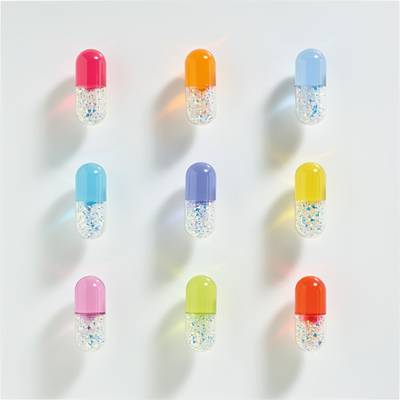
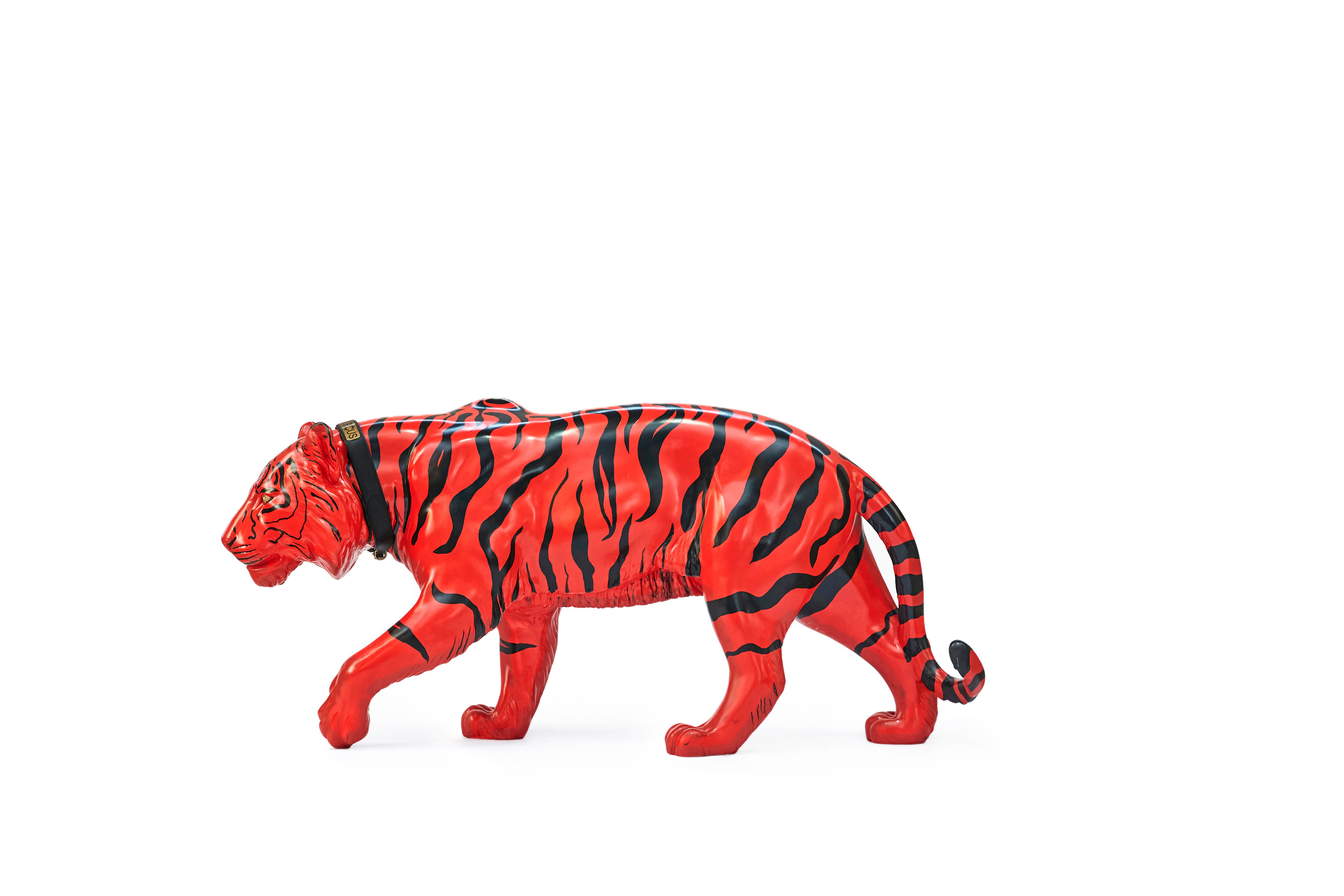
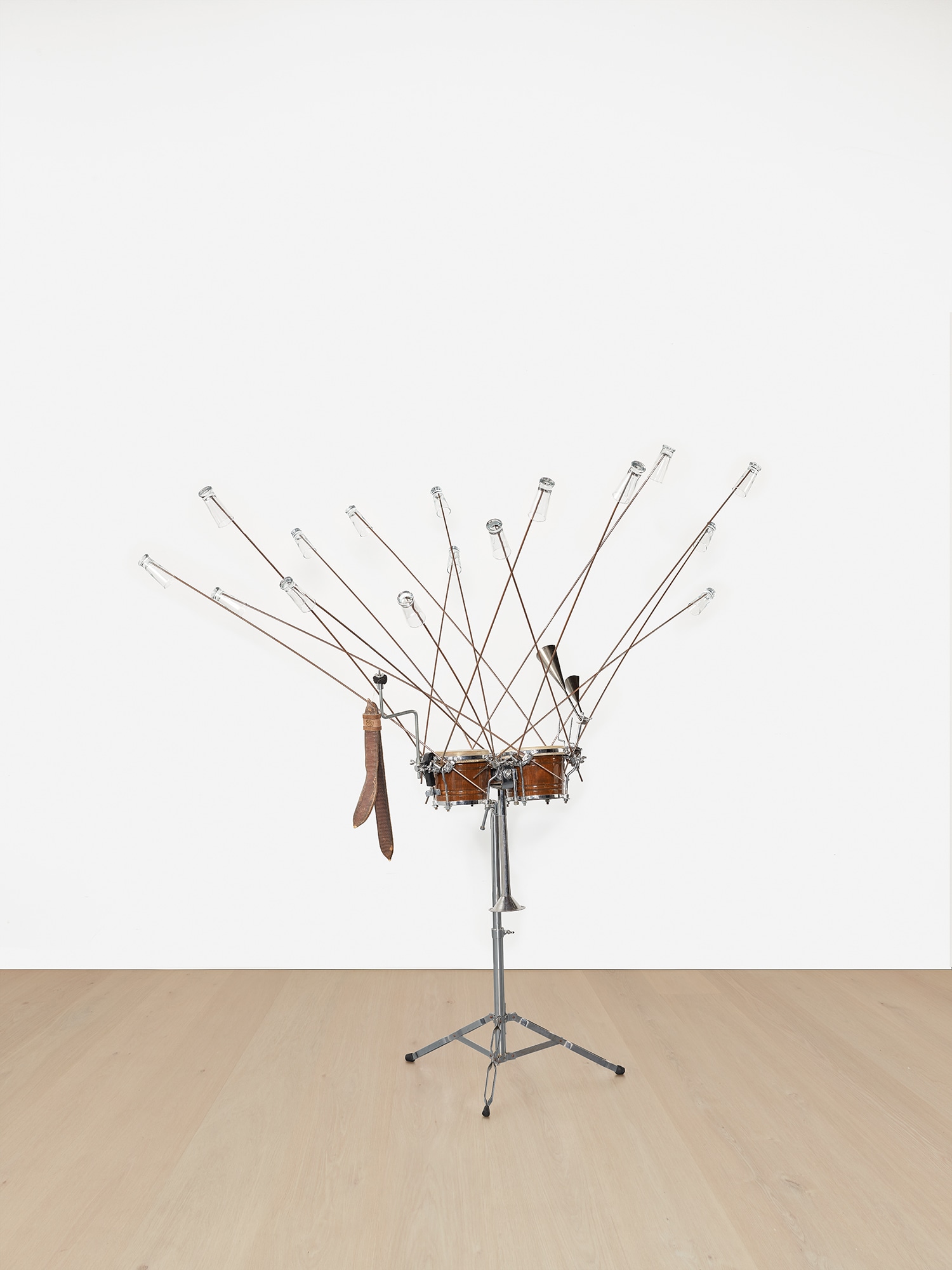
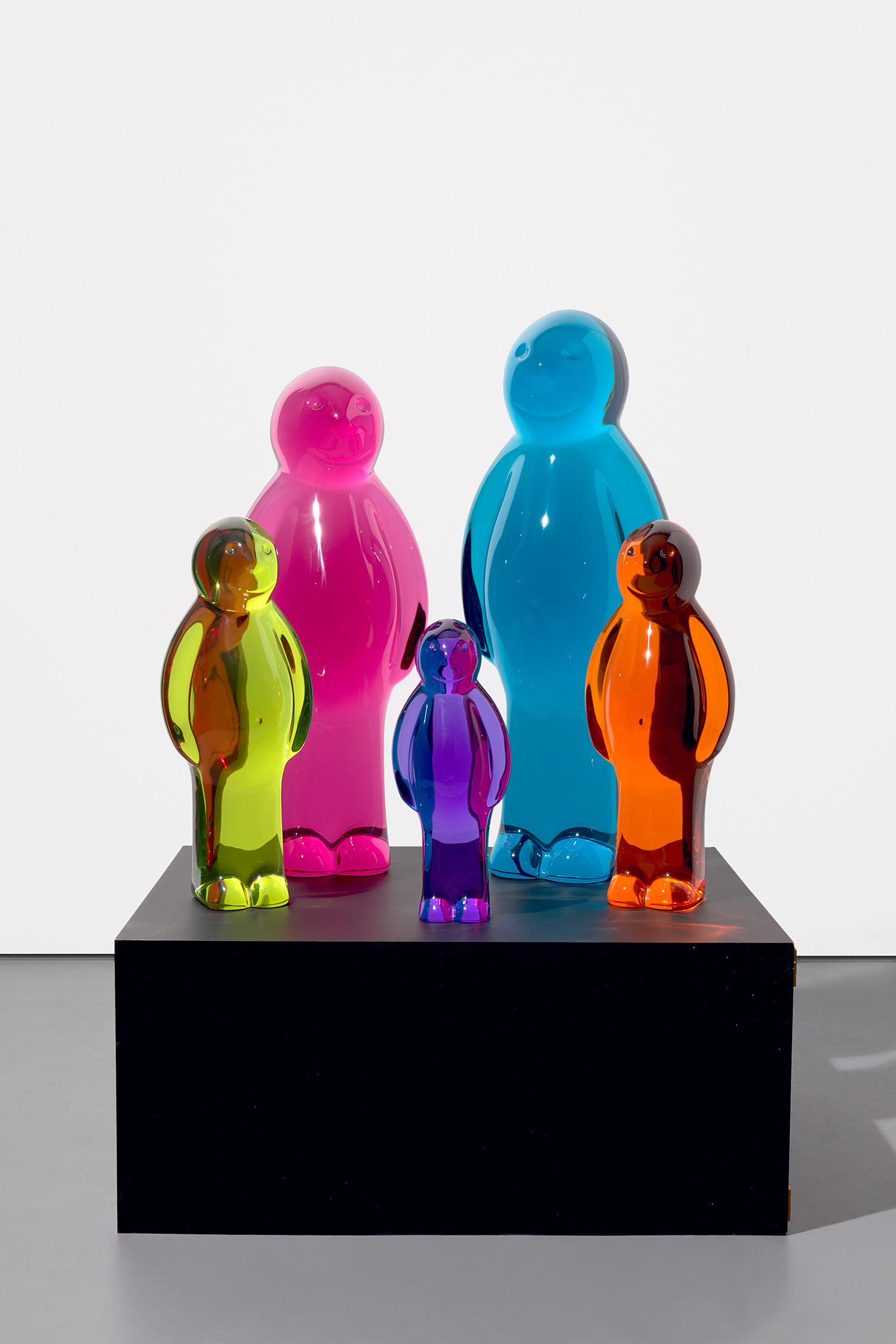
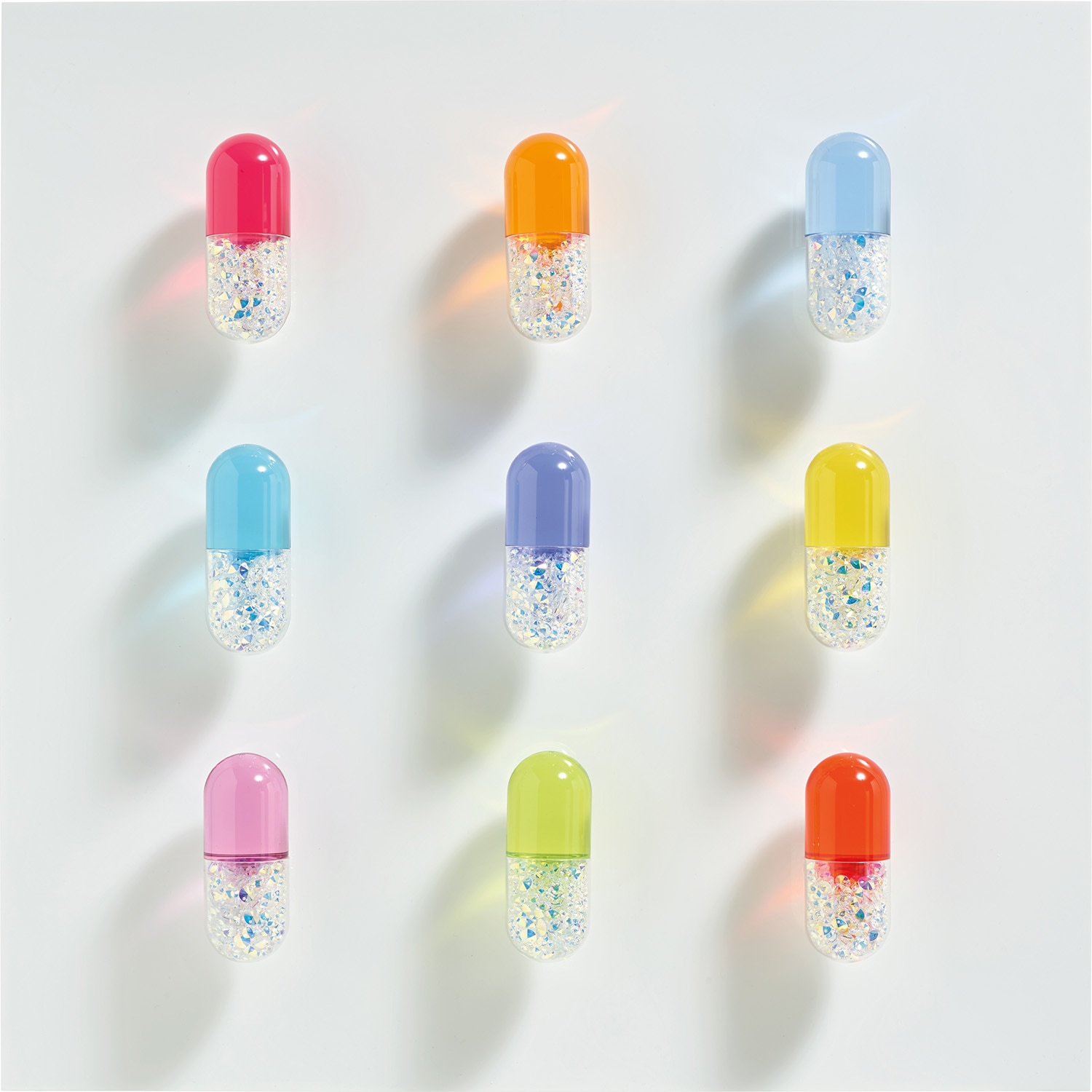
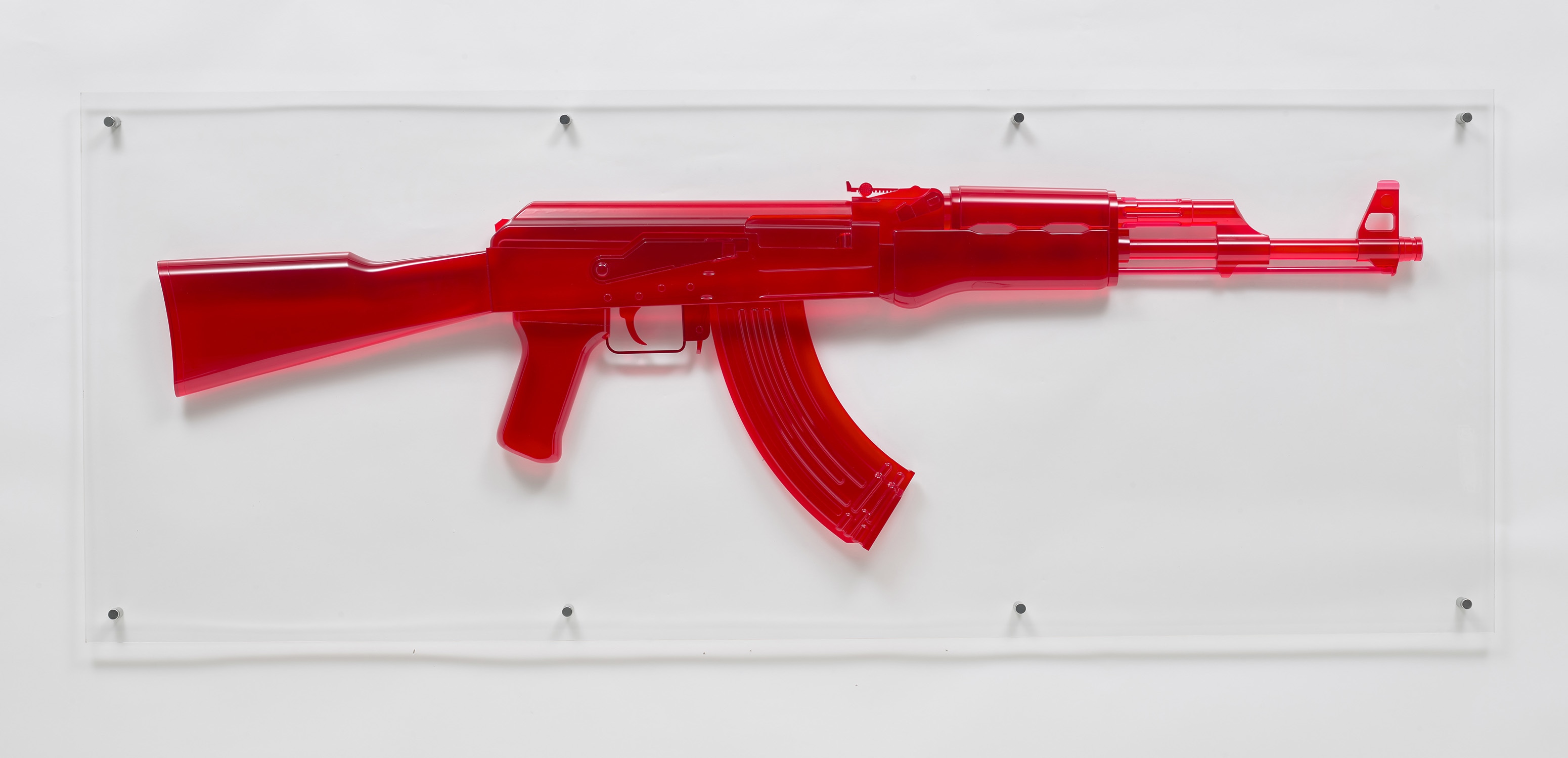
When Mauro Perucchetti's towering resin figures catch the light in a gallery, something remarkable happens to the people around them. Viewers slow down, lean in, and often smile without quite knowing why. That quality, at once disarming and deeply considered, has made the London based Italian sculptor one of the most distinctive voices working in contemporary resin and figurative art today. With major works held in private collections across Europe, Asia, and the Americas, and a practice spanning nearly three decades, Perucchetti has built a body of work that refuses to be ignored. Born in Italy in 1963, Perucchetti grew up immersed in the visual richness that saturates Italian cultural life, from the monumental scale of Renaissance public sculpture to the graphic energy of postwar Italian design. He eventually settled in London, a city that in the late 1980s and through the 1990s was crackling with creative ambition and the emergence of a new generation of artists willing to challenge received ideas about what sculpture could be and what it could say. That environment proved formative. London gave Perucchetti both a workshop and a worldview, a place where irreverence and rigour could coexist productively. Perucchetti's development as an artist was never about chasing a single aesthetic. His early practice engaged with form, material, and the expressive possibilities of sculpture before he arrived at the translucent pigmented resin that would become his signature medium. Resin offered him something that traditional materials could not: a luminous, almost edible quality that sits between solid and liquid, between the handmade and the industrial. This material choice was not incidental. It was a precise conceptual decision, one that allowed his work to embody the very themes it interrogates, namely the seductive surfaces of consumer culture, the way desire is manufactured, and the paradox of objects that feel both precious and disposable. The Jelly Baby series, which Perucchetti developed in earnest through the 2000s and has continued to expand, stands as the cornerstone of his reputation. Drawing on the familiar British confection as a starting point, he scaled these soft, rounded, anthropomorphic forms into monumental sculptures rendered in vivid, saturated color. Works such as Jelly Baby Family 0. 9 from 2011 and the more recent Jelly Baby Family 1.3 from 2022 demonstrate the evolution of this ongoing inquiry. The family groupings are particularly resonant. They introduce questions of relation, belonging, and sameness within difference, arranged as figures that are identical in form yet individuated by color. The series has been shown internationally and has become one of the most recognizable bodies of work in contemporary British and European sculpture. Beyond the Jelly Baby series, Perucchetti has demonstrated a consistent willingness to tackle charged subject matter with formal sophistication. The work AK 47 from 2005, rendered in acrylic, confronts one of the most loaded symbols of the twentieth century through the lens of pop art's relationship with consumer iconography, drawing a line between the aestheticization of violence and the violence of aesthetics. Luxury Therapy from 2008, which combines pigmented resin, Swarovski diamonds, and stainless steel on an acrylic panel, compresses the language of desire, therapy, and material aspiration into a single dazzling surface. The incorporation of Swarovski crystals is not decorative flourish but pointed commentary, the shimmer of luxury deployed as a kind of diagnostic tool. Life is not a Circus, with its acrylic paint, Swarovski crystal eyes, leather and brass collar on fiberglass with internal armature, extends this sensibility into something more theatrical and unsettling, a work that implicates the viewer in the spectacle it describes. For collectors, Perucchetti's work occupies a particularly compelling position in the contemporary market. His practice aligns with the lineage of Pop Art, inviting comparison with artists such as Jeff Koons, whose oversized and material rich sculptures similarly interrogate desire and consumer culture, and Takashi Murakami, whose work bridges fine art and popular iconography with a similarly knowing playfulness. Yet Perucchetti's voice remains distinctly his own. Where Koons often works through absolute surface perfection and Murakami through the language of Japanese subcultural imagery, Perucchetti brings a warmth and a humanist undercurrent that sets his work apart. His figures feel inhabited. They carry a kind of emotional residue that pure conceptual spectacle rarely achieves. The resin works have proven enduringly attractive to collectors for practical as well as aesthetic reasons. Their material durability, visual impact, and capacity to transform a space, whether a private home, a corporate lobby, or an outdoor setting, make them unusually versatile acquisitions. The Jelly Baby family groupings in particular are suited to both intimate domestic contexts and large scale institutional display. Collectors entering the market for Perucchetti's work would do well to consider both the scale and the color palette of a given edition, as these variables dramatically alter the emotional register of the work in situ. The artist's consistent production across editions also means that works from different periods of the series reward comparison, charting a practice that has deepened without losing its essential vitality. Perucchetti's significance in the broader arc of contemporary sculpture lies in his insistence that work engaging with popular culture need not sacrifice intellectual weight. He emerged in a period when the legacy of Pop Art was being renegotiated by a new generation of sculptors, and he has contributed to that renegotiation on his own clear terms. His Italian formation, his London practice, and his genuinely international audience together position him at an interesting intersection of cultural traditions, neither purely British in sensibility nor straightforwardly European, but drawing on both in ways that feel considered and earned. At a moment when questions of identity, globalization, and the meaning of mass produced desire remain urgently relevant, his work continues to speak with precision and pleasure in equal measure.