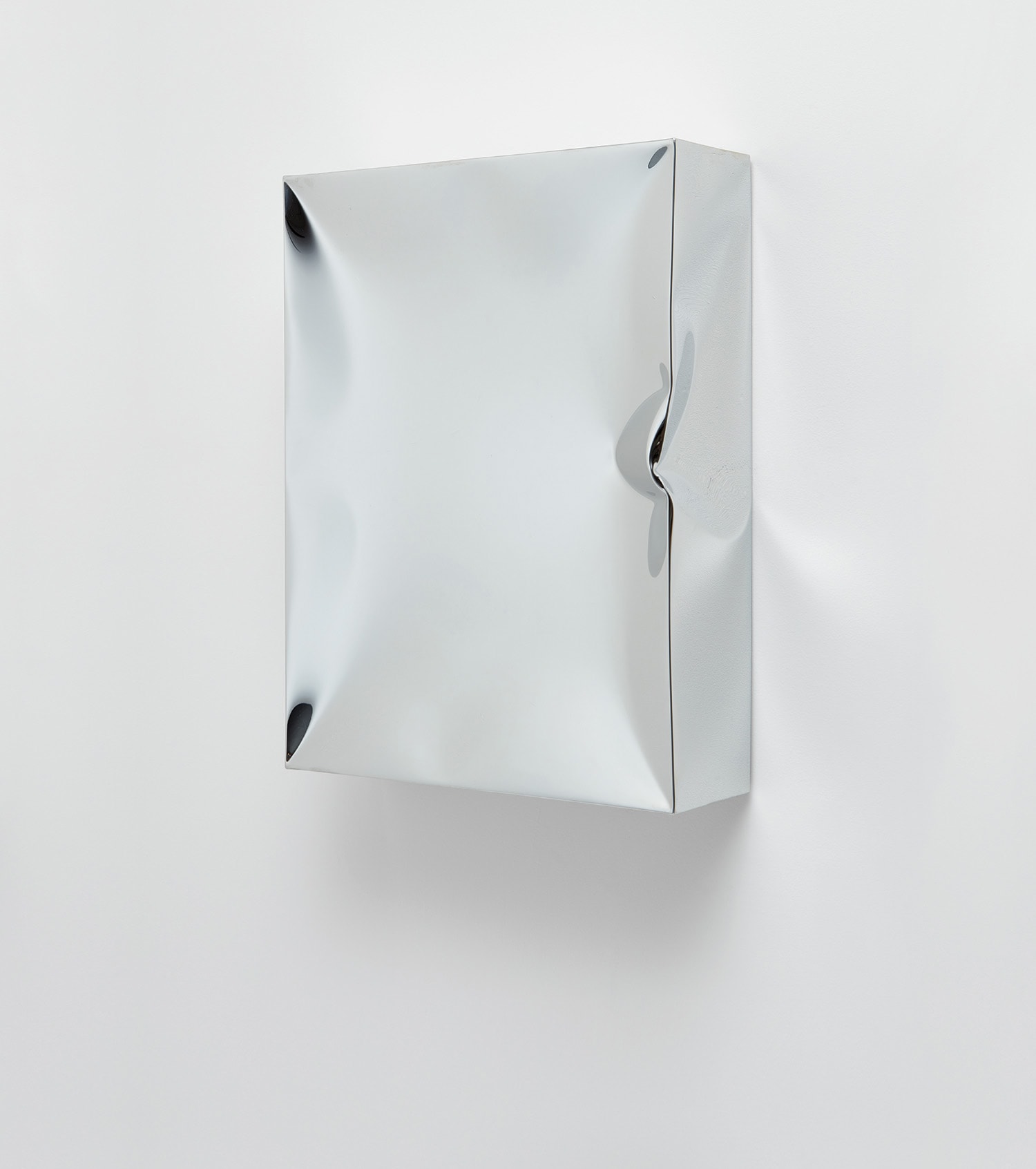
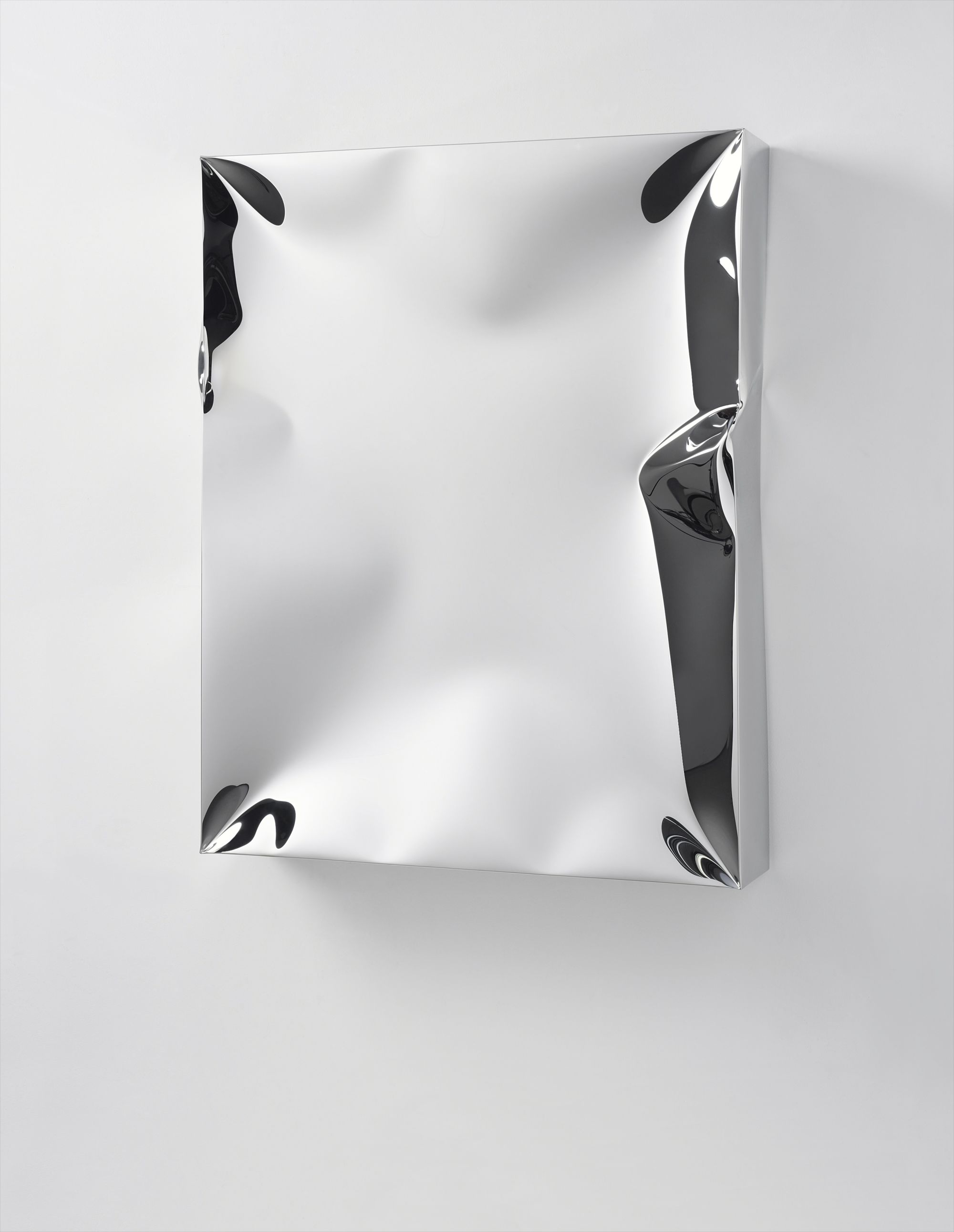
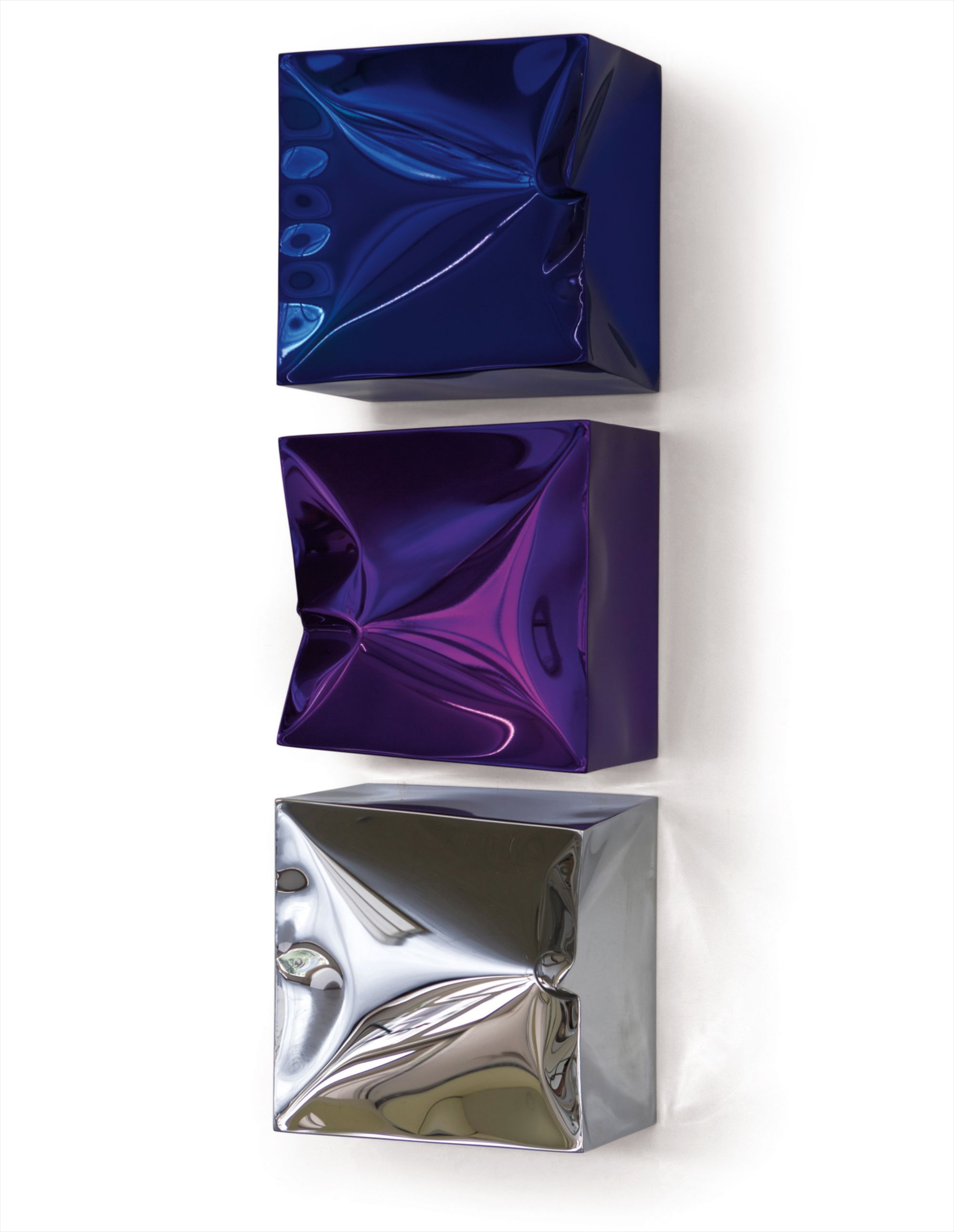
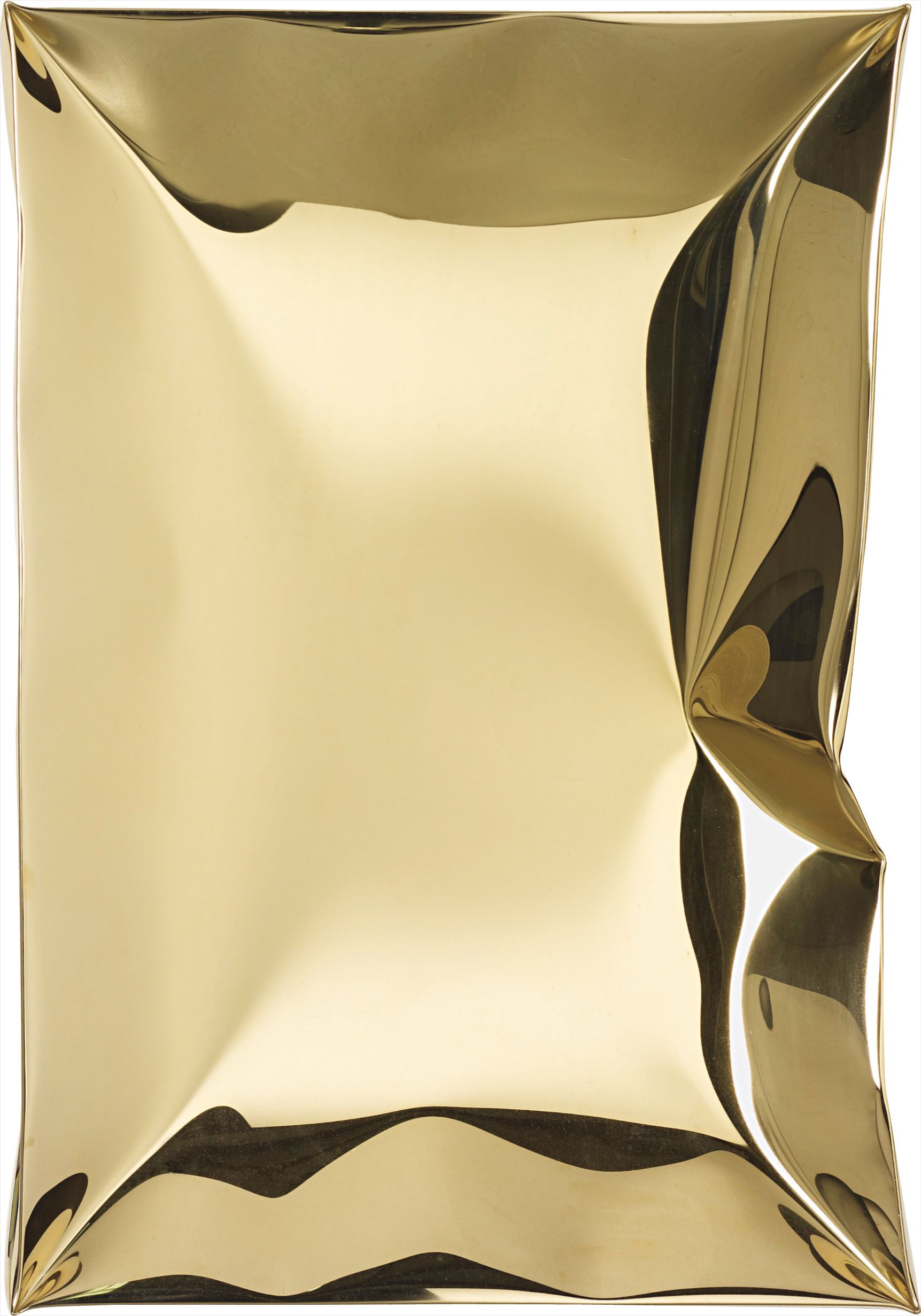
There is a particular kind of silence that descends on visitors who step into a Lori Hersberger installation for the first time. It is not the silence of absence but of overload, a hush that falls when the senses are simultaneously overwhelmed and seduced. In recent years, as conversations about immersive and experiential art have moved from the margins to the very center of contemporary collecting and institutional programming, Hersberger has emerged as a figure whose decades of rigorous practice now feel remarkably prescient. His work has been shown across Europe and beyond, and collectors who encountered his installations in the early 2000s are now watching with quiet satisfaction as the broader art world catches up to what they recognized long ago. Hersberger was born in Switzerland in 1966, and his formation as an artist is inseparable from the particular cultural atmosphere of Central Europe in the late twentieth century. Switzerland, often imagined from the outside as a place of order and precision, carries within it a long tradition of radical artistic experimentation, from the Dada movement that erupted in Zurich in 1916 to the rigorous conceptual practices that found fertile ground in Basel and Geneva in subsequent decades. Growing up and training within this environment gave Hersberger access to a tradition that valued both intellectual seriousness and sensory provocation, a combination that would come to define his mature work entirely. The tension between the rational and the ecstatic, between control and surrender, runs through everything he has made. His artistic development unfolded through a sustained investigation of light, reflection, and the constructed environment. Rather than working within a single medium, Hersberger assembled a vocabulary of materials that each carry specific emotional and perceptual weight: neon tubing in saturated color, industrial mirrors, fog machines, reflective steel surfaces, and spatial arrangements that force the viewer into an active and often disorienting relationship with the work. This is not decoration and it is not spectacle in the shallow sense of the word. It is closer to phenomenological research conducted through aesthetic means, an inquiry into how human beings experience the threshold between the beautiful and the threatening, the known and the unknowable. His installations have consistently aimed at something that might be called the contemporary sublime, that romantic era concept thoroughly updated for a world saturated with artificial light and manufactured environments. Among his most significant bodies of work is the ongoing series of totem sculptures, which represent a compelling and perhaps unexpected turn toward the object. Works such as Intergalactic Totem XIV, made in 2012, and Totem No. 4, with its dark blue, violet, and silver surfaces in galvanically chromed mirror polished stainless steel, demonstrate how completely Hersberger has translated the immersive logic of his installations into discrete, collectable forms. These vertical structures catch and fracture light from their surroundings, making each viewing a unique event depending on the space and conditions in which the work is encountered. They carry an almost totemic authority, as their title openly declares, referencing ritual objects from pre modern cultures while existing unmistakably as products of highly sophisticated contemporary fabrication and thought. The Instant Karma series extends this investigation further, with works such as INSTANT KARMA No. 2 in chromed mirror polished stainless steel and Instant Karma No. 14 in stainless steel with galvanic gold plating in 24 karat finish demonstrating a remarkable range within a consistent formal language. The title itself is telling: karma as understood in its popular Western interpretation carries the sense of cause and effect, of energy returned, of actions reflected back at their source. A mirror polished surface does exactly this physically and optically, and Hersberger appears acutely aware of how the conceptual and the material can be made to reinforce one another. The gold plated works in particular have a presence that is simultaneously luxurious and austere, seductive in their finish yet demanding in the questions they raise about value, reflection, and what it means to see oneself within a work of art. From a collecting perspective, Hersberger represents a genuinely compelling proposition. His work occupies a space that few artists have staked out with such consistency and depth, bridging the experiential ambitions of large scale installation practice with the intimacy and presence of the sculptural object. The totem and Instant Karma works in particular offer collectors the possibility of living with something that changes, that responds to its environment, that behaves differently in morning light than in candlelight or gallery fluorescence. This quality of aliveness is something that sophisticated collectors increasingly seek and that the art market has come to recognize as a meaningful form of value. Hersberger's work has been handled by serious European galleries and has found its way into collections that prioritize depth and intellectual seriousness alongside aesthetic impact. In terms of artistic context, Hersberger belongs to a lineage of artists who have understood light as both medium and subject, from the pioneering light and space artists of California such as James Turrell and Robert Irwin to the European tradition represented by figures like Dan Flavin and later Olafur Eliasson, whose large scale environmental works share something of Hersberger's interest in controlled perception and spatial experience. Yet Hersberger's work has its own distinct character, rooted in a specifically European sensibility that is less optimistic and more ambivalent, more willing to allow danger and unease to coexist with wonder. This distinguishes him from artists whose work tends toward the purely transcendent, and it gives his practice a psychological complexity that rewards sustained attention. The legacy Hersberger is building is one that will only become clearer with time. As museums and institutions continue to expand their understanding of what constitutes significant contemporary practice, and as collectors become ever more attuned to the experiential dimensions of the works they live with, his sustained investigation of light, reflection, and the constructed environment positions him as an artist whose best critical and commercial recognition may still lie ahead. His is a practice built on genuine curiosity and formal intelligence, and the works he has made across more than three decades constitute a body of evidence that is difficult to argue with. To stand inside a Hersberger environment, or to watch the light move across the surface of one of his totem sculptures on a changing afternoon, is to understand immediately why this work matters.