
John Frederick Kensett
5
Works
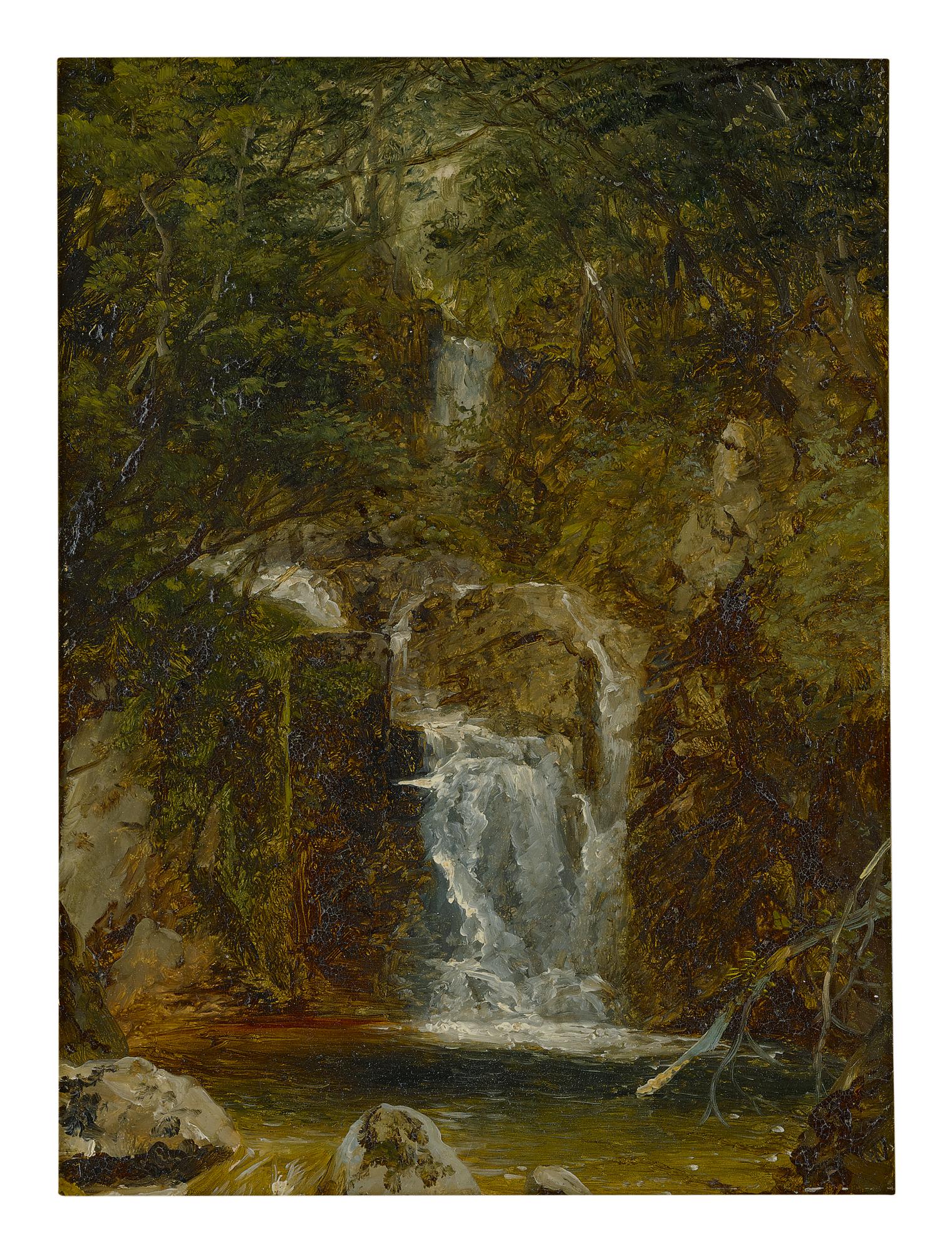
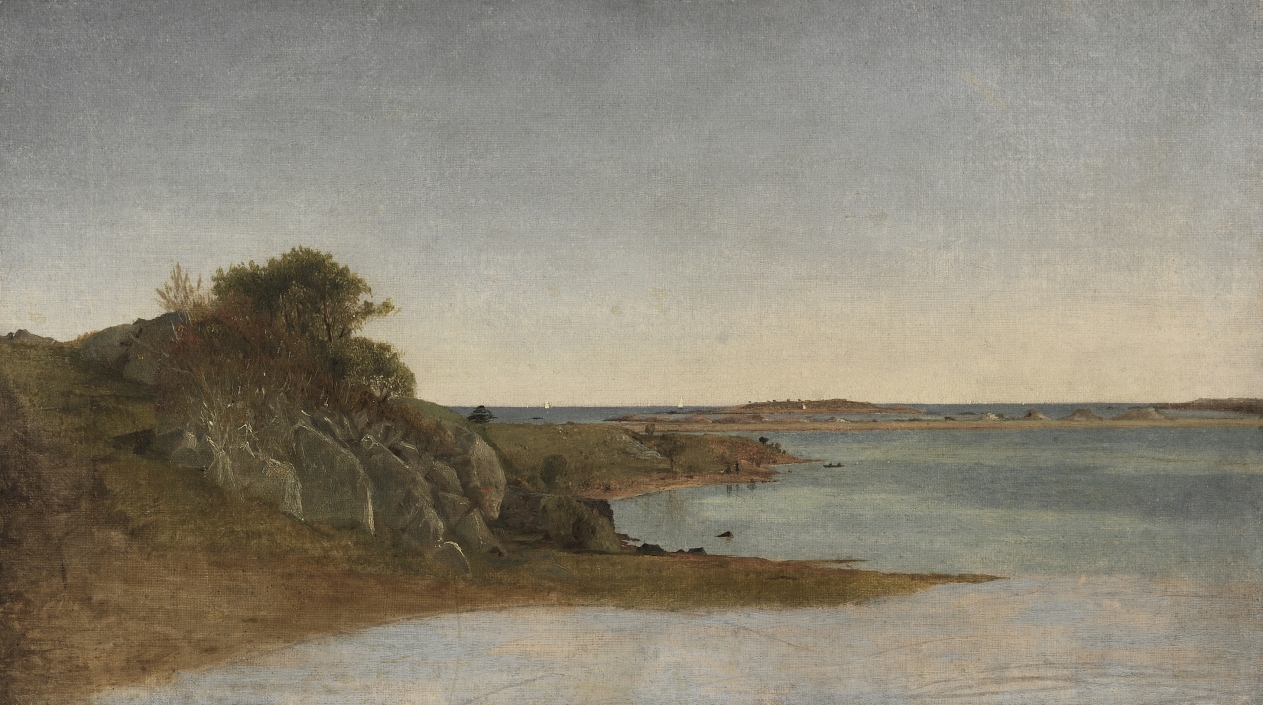
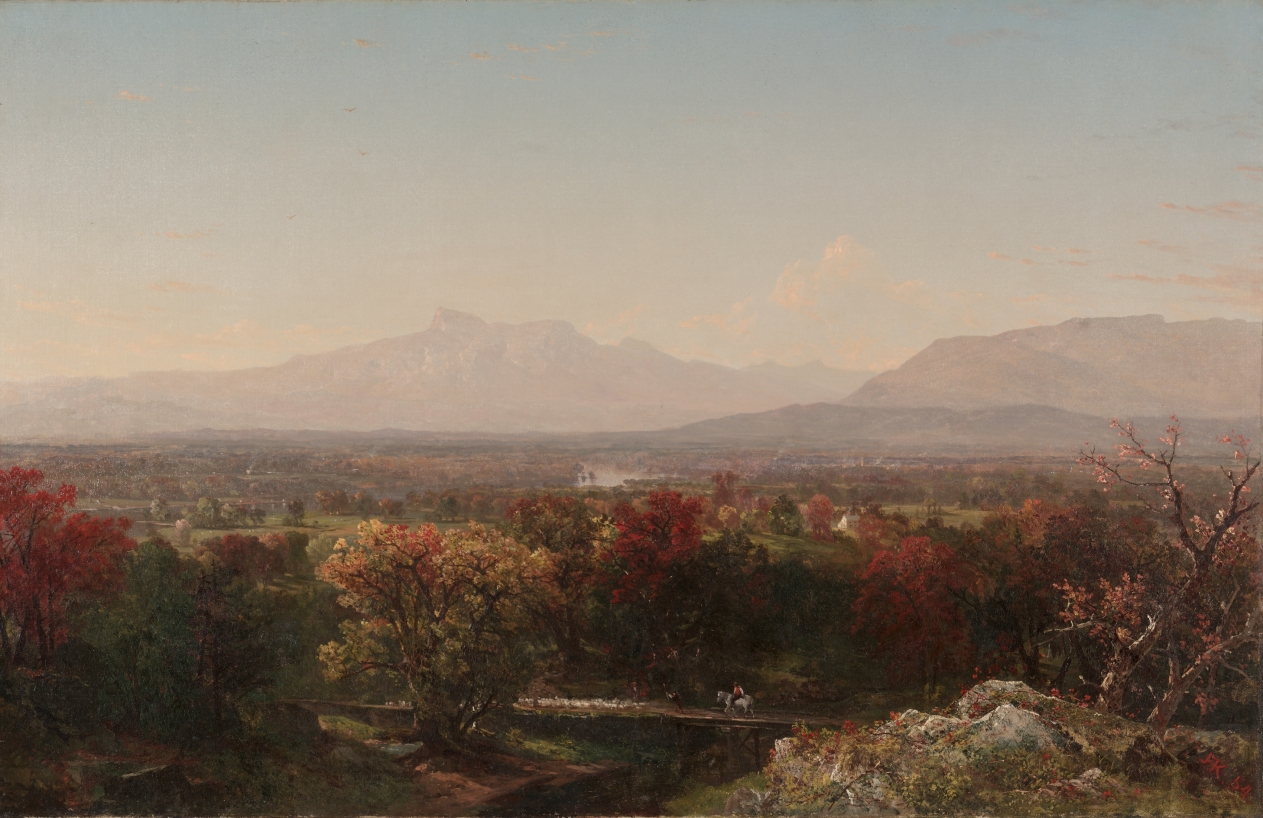
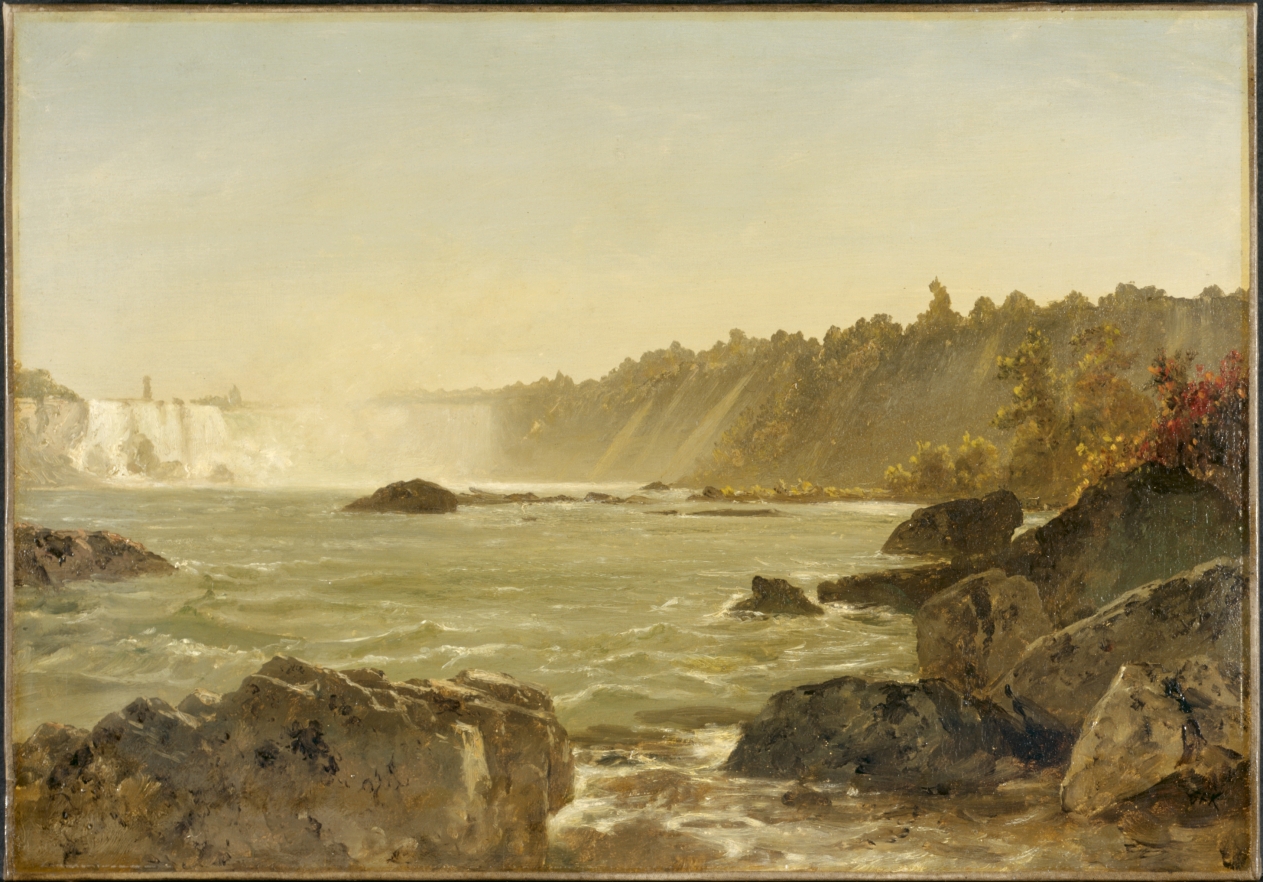
John Frederick Kensett was a prominent American landscape painter and engraver associated with the second generation of the Hudson River School. Born in Cheshire, Connecticut, Kensett initially trained as an engraver in his father's business before traveling to Europe in 1840, where he spent seven years studying art in England, France, Italy, and Germany. This extended European sojourn profoundly influenced his artistic development, exposing him to various landscape traditions and helping him refine his distinctive style. Kensett became known for his luminous, serene landscape paintings that emphasized atmospheric effects and subtle tonal gradations. His mature work is characterized by a simplified compositional approach and a focus on light, often depicting coastal scenes, lakes, and tranquil natural settings along the northeastern United States. Notable works include "Lake George" (1869), "Beacon Rock, Newport Harbor" (1857), and "Eaton's Neck, Long Island" (1872). His paintings exemplify the Luminist style within American landscape painting, featuring calm waters, horizontal compositions, and an emphasis on the effects of light and atmosphere rather than dramatic topographical features. Kensett achieved considerable success during his lifetime, becoming a full member of the National Academy of Design in 1849 and serving as a trustee of the Metropolitan Museum of Art. He was highly regarded by collectors and fellow artists alike, and his work commanded substantial prices. His sudden death in 1872 from heart failure, shortly after contracting pneumonia while attempting to save the wife of fellow artist Vincent Colyer from drowning, cut short a prolific career. The contents of his studio were auctioned after his death, and the proceeds helped establish the Metropolitan Museum of Art's acquisition fund, cementing his legacy in American art history.

Spotted by

Artists in conversation