John Beasly Greene
1
Works
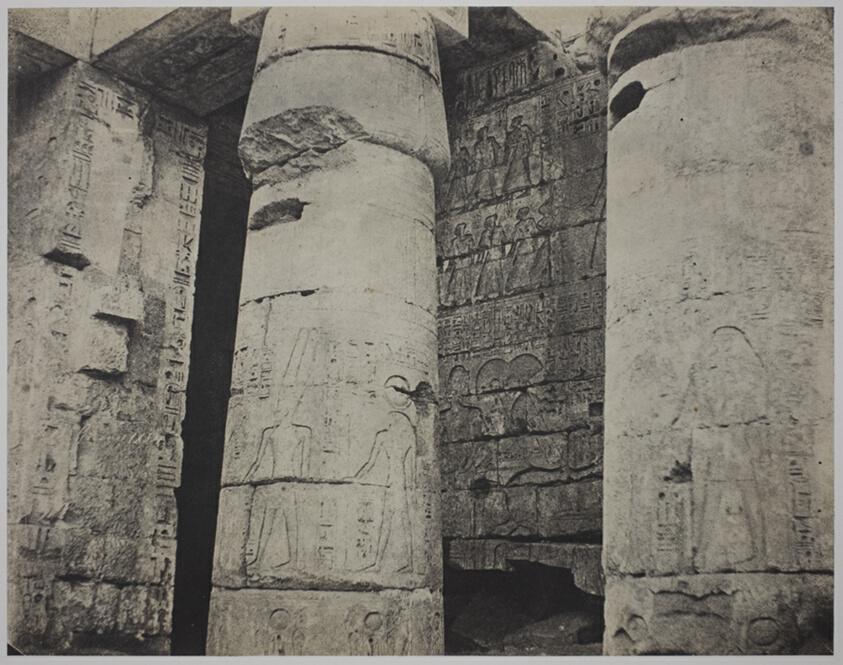
John Beasly Greene was a pioneering American photographer of the mid-19th century who made significant contributions to archaeological photography and the documentation of ancient Egyptian and Algerian sites. Born to American parents in France, Greene developed an early passion for both archaeology and the nascent art of photography, studying Egyptology and becoming one of the first photographers to systematically document ancient monuments in North Africa and the Middle East. His work bridged the scientific and artistic applications of photography during its formative decades. Greene's photographic expeditions to Egypt and Algeria between 1853 and 1856 produced some of the earliest and most important photographic records of ancient sites along the Nile and in the Algerian countryside. Using the wax paper negative process, he created haunting, atmospheric images that captured not only archaeological details but also conveyed a profound sense of timelessness and the stark beauty of the desert landscape. His photographs of temples, hieroglyphics, and ruins demonstrated photography's potential as both a documentary tool for scholarship and an expressive artistic medium. His images were characterized by their clarity, careful composition, and subtle tonal range. Despite his brief career—Greene died at the tragically young age of 24—his legacy in the history of photography is significant. His work was exhibited at the Société française de photographie and his images influenced subsequent generations of archaeological photographers. Greene's photographs are now held in major museum collections including the Metropolitan Museum of Art, the J. Paul Getty Museum, and the Musée d'Orsay, where they are valued both as historical documents and as early examples of photography's artistic possibilities. His contribution to 19th-century photography represents a crucial moment when the medium began to establish itself as both a scientific instrument and an art form.
Spotted by
Artists in conversation