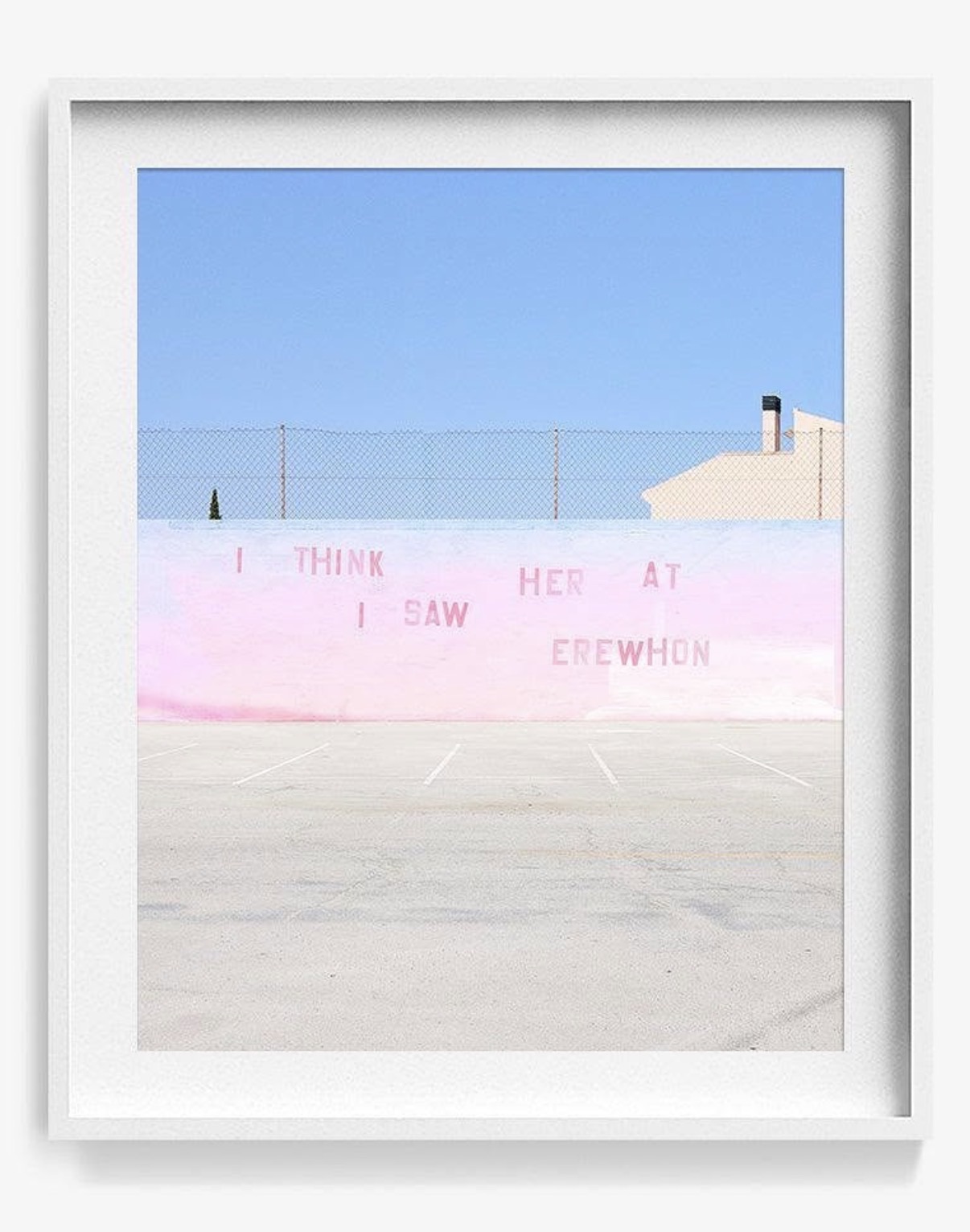
There is a particular quality of English afternoon light, the kind that falls across a damp meadow in October and turns the whole world the colour of warm honey, that very few painters have ever truly caught. James Needham caught it. Working through the final decades of the Victorian era, this quietly remarkable British landscape painter devoted his career to the faithful and feeling observation of rural England, producing oils and watercolours that reward the patient eye with an almost uncanny sense of atmosphere. As collectors and institutions increasingly turn their attention back to the naturalistic traditions of late Victorian painting, Needham's work feels not like a relic but like a discovery waiting to be properly made. Needham was born in 1850, entering a Britain in the full flush of industrial transformation. The England he would spend his life painting was, in many ways, the England that industrialisation was quietly erasing: the slow moving pastoral world of farmsteads, hedgerows, coastal headlands, and village lanes where the rhythms of the day were still governed by weather and season rather than the factory whistle. That tension between the vanishing countryside and the encroaching modern world gave the best Victorian landscape painting its particular emotional charge, and it runs as an undercurrent through Needham's finest work. He came of age at a moment when British painting was pulling in several directions at once, with the Pre Raphaelites still a living influence, the Barbizon School filtering across the Channel, and a growing appetite among English artists for plein air observation that would later crystallise into movements like the Newlyn School. Needham's artistic formation placed him squarely within the naturalistic tradition that had deep roots in British landscape painting stretching back through John Constable and Richard Wilson. Where Constable had mapped the skies of Suffolk with scientific devotion, Needham brought a comparable sensitivity to the broader English countryside and coast, working across both oils and watercolours with evident fluency in each medium. His watercolours in particular demonstrate the kind of technical confidence that comes from sustained outdoor practice: washes laid with economy, reserving light on the paper rather than adding it, letting the tooth of the sheet carry the shimmer of a wet field or the brightness of a coastal horizon. His oils show a related sensibility, built up with a tonal awareness that prioritises mood and atmosphere over topographical precision. The painting that currently represents Needham on The Collection, titled "I Think I Saw Her" and rendered in archival ink on museum quality cotton rag paper, offers an intriguing window into a lesser known dimension of his practice. The title itself carries a lyrical ambiguity that feels distinctly literary in its register, suggesting a narrative or emotional encounter glimpsed rather than fully resolved. It is the kind of title that implies a world beyond the frame, a sensibility not content merely to record a scene but to invest it with memory, longing, and suggestion. This quality of implication, of the painting as the trace of an experience rather than a simple record of it, aligns Needham with the more poetic strand of Victorian naturalism and sets him apart from purely topographical contemporaries. For collectors approaching Needham's work, the pleasures are those of intimacy and discovery. He was not a painter who sought the grand theatrical gesture or the panoramic sublime. His ambitions were quieter and, in their own way, more demanding: to find within the ordinary English landscape a sufficiency of beauty and feeling that needed no amplification. Collectors who respond to artists like Benjamin Williams Leader, whose famous 1882 canvas "February Fill Dyke" struck a similar chord of seasonal melancholy and pastoral affection, or to the gentle luminism of David Bates, will find in Needham a kindred sensibility. His work sits comfortably alongside that of the Birmingham landscape painters and the broader tradition of provincial English naturalism that has attracted steady collector attention over recent decades as the art market has broadened its appreciation of Victorian painting beyond the headline names. The market for late Victorian landscape painting has matured considerably in recent years, with institutions and private collectors alike recognising that the canon of the period was always broader and richer than the dominant narratives allowed. Artists who worked with genuine feeling and technical accomplishment outside the major London exhibition circuits are being reassessed with fresh eyes, and Needham benefits from exactly this kind of renewed attention. His paintings, rooted in direct observation and animated by a real sensitivity to light and weather, speak across the distance of more than a century with surprising directness. There is nothing fusty or merely decorative about his best work. It is the product of a painter who genuinely loved the landscape he inhabited and found in the act of painting it a form of attention that was also a form of devotion. Within the broader story of British art, Needham occupies a position that is honourable and undersung in equal measure. He worked at a moment when British landscape painting was negotiating its relationship with European naturalism and with its own deep tradition, and his practice reflects that negotiation with intelligence and integrity. The influence of the Barbizon painters, with their commitment to unidealized countryside observed in all its weather and seasonal change, is legible in his tonal approach without overwhelming the distinctly English character of his vision. He belongs to a generation of painters who built, brick by careful brick, the foundation upon which early twentieth century British landscape art would eventually stand. To encounter Needham's work today is to be reminded of what painting can do when it is in honest service to the visible world. He died in 1913, just before the convulsions of the First World War would permanently alter the emotional register in which English artists would approach the countryside they had so long celebrated. His paintings survive as documents of a particular way of seeing and feeling, shaped by a century of extraordinary change but grounded in values of observation, patience, and craft that do not date. For collectors with an appetite for the quieter pleasures of the British tradition, James Needham is exactly the kind of artist who repays sustained attention and rewards the decision to look more closely.