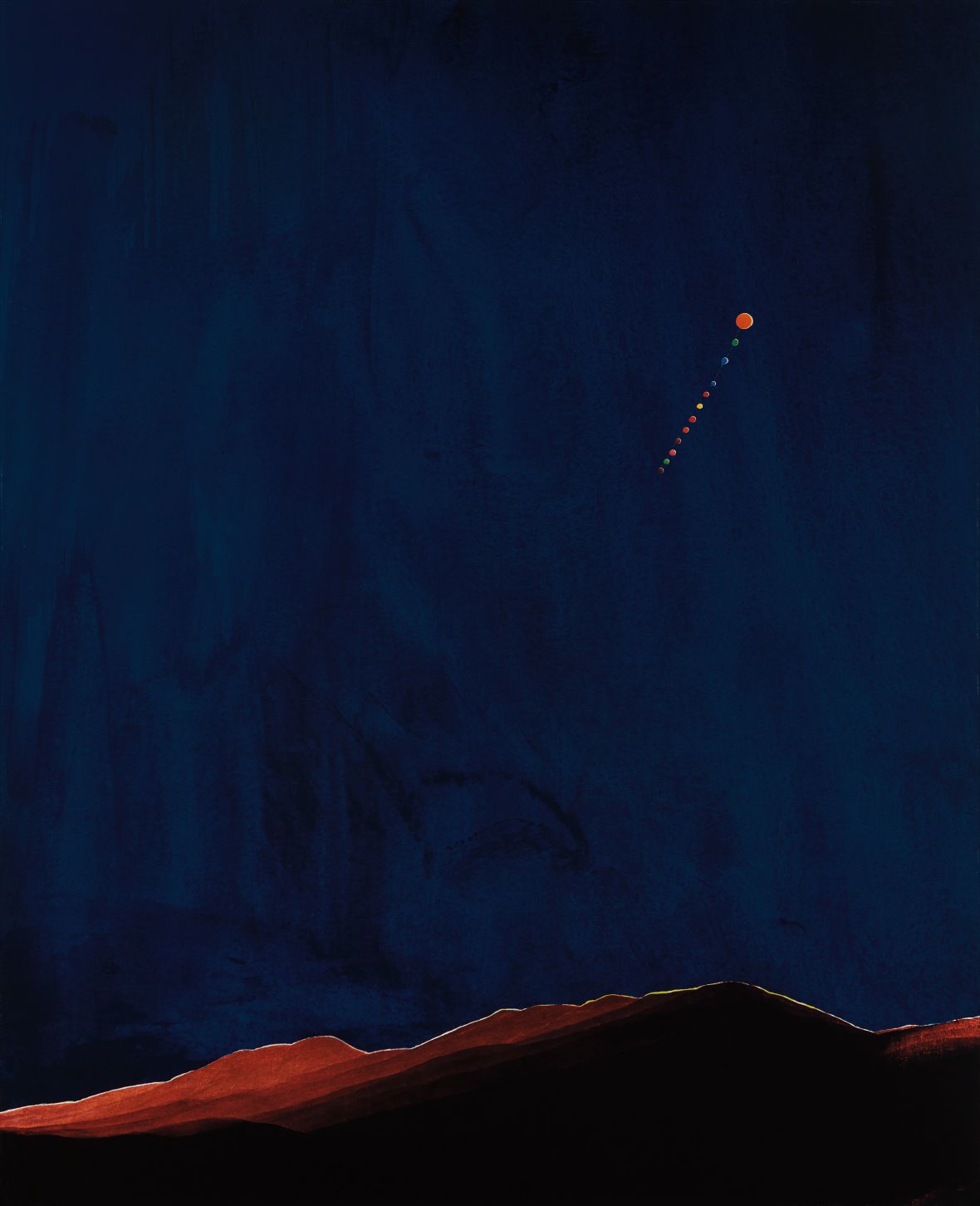
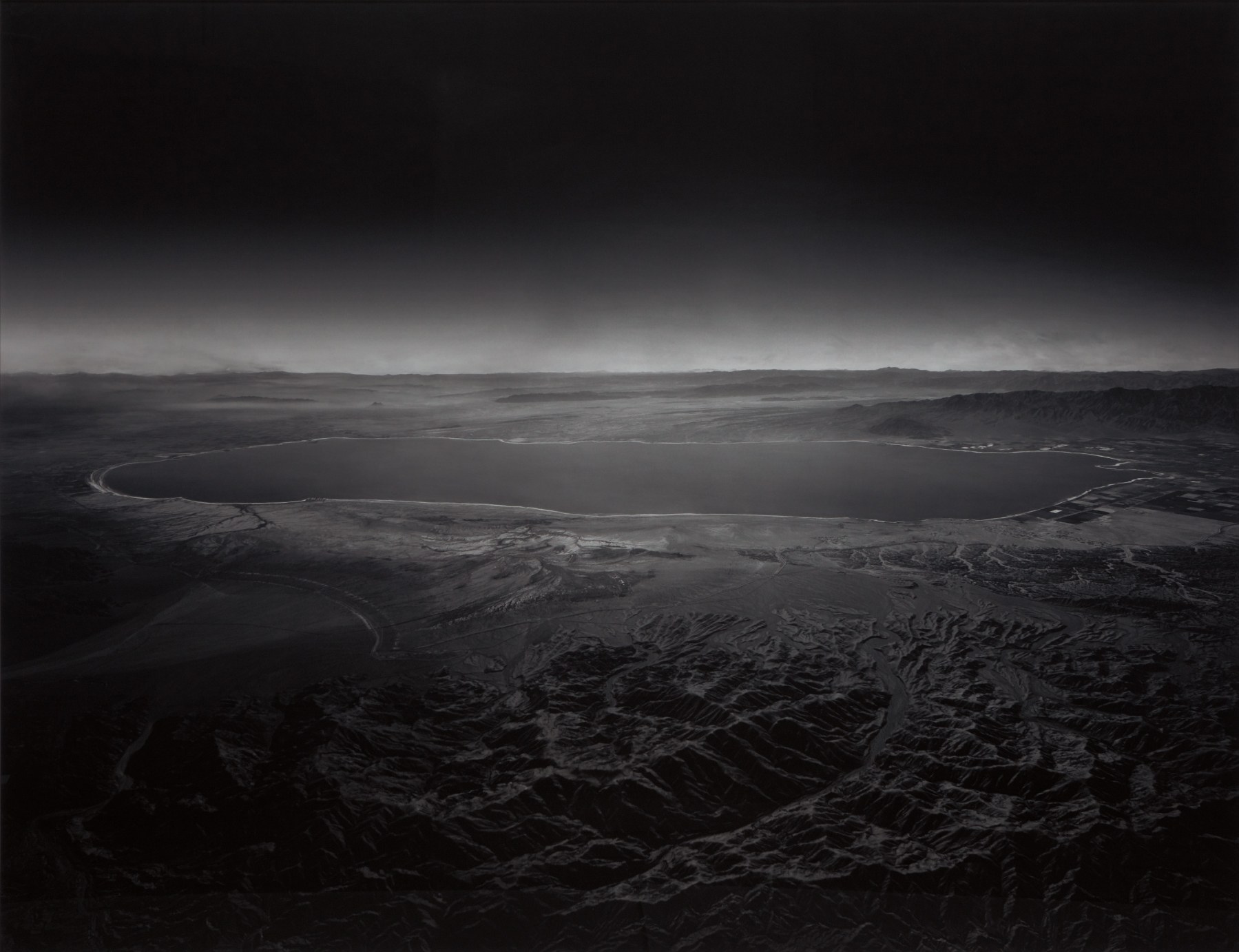
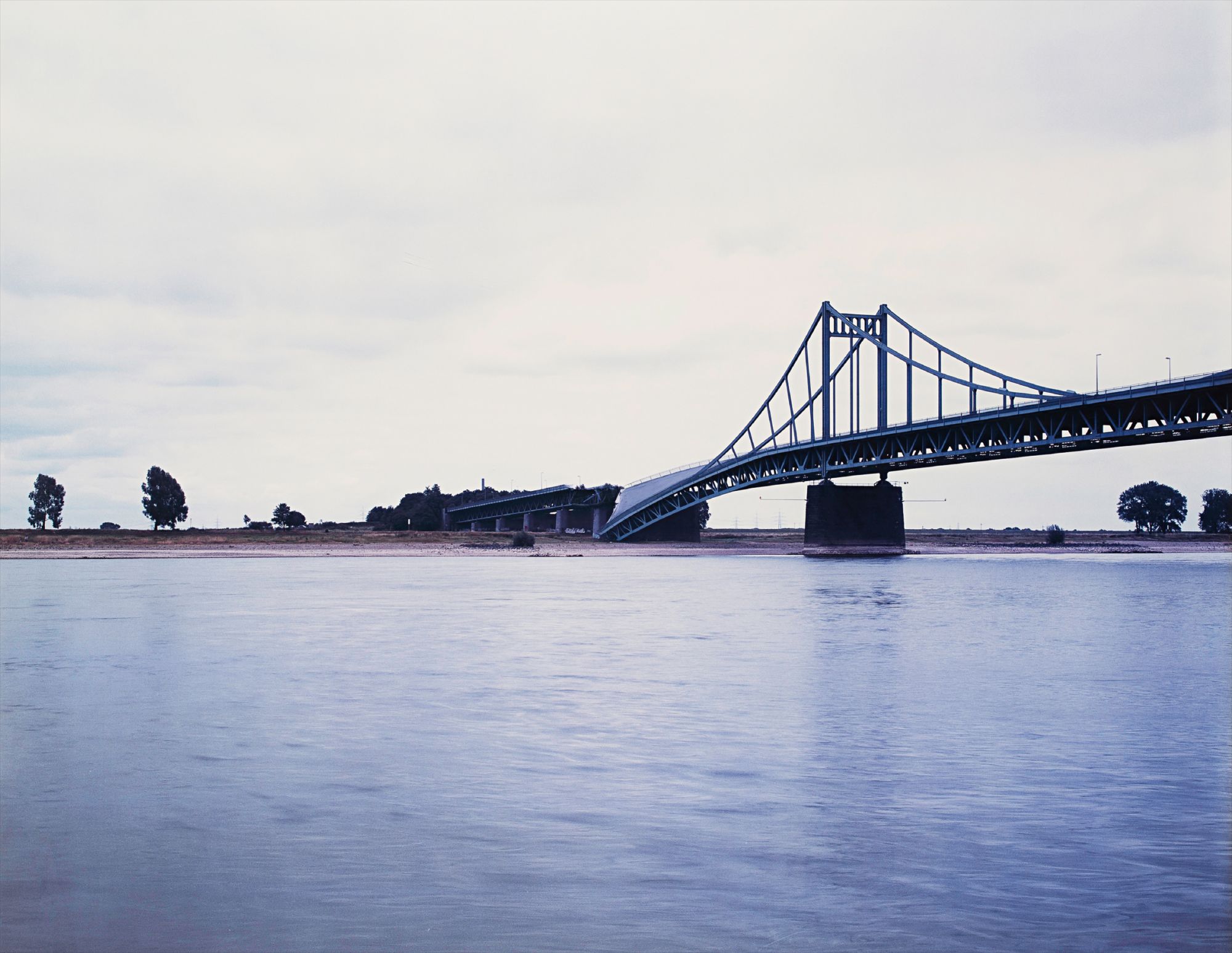
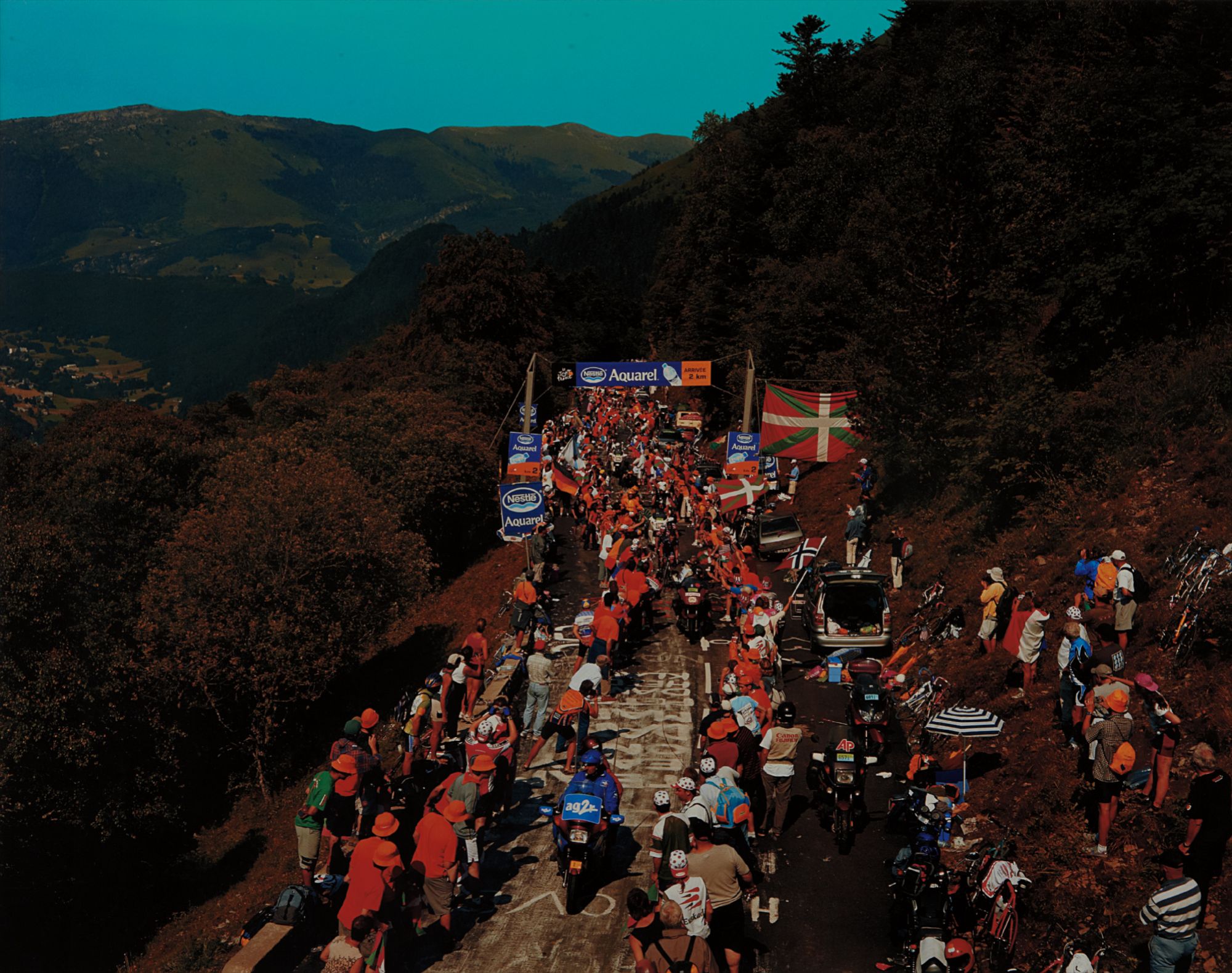
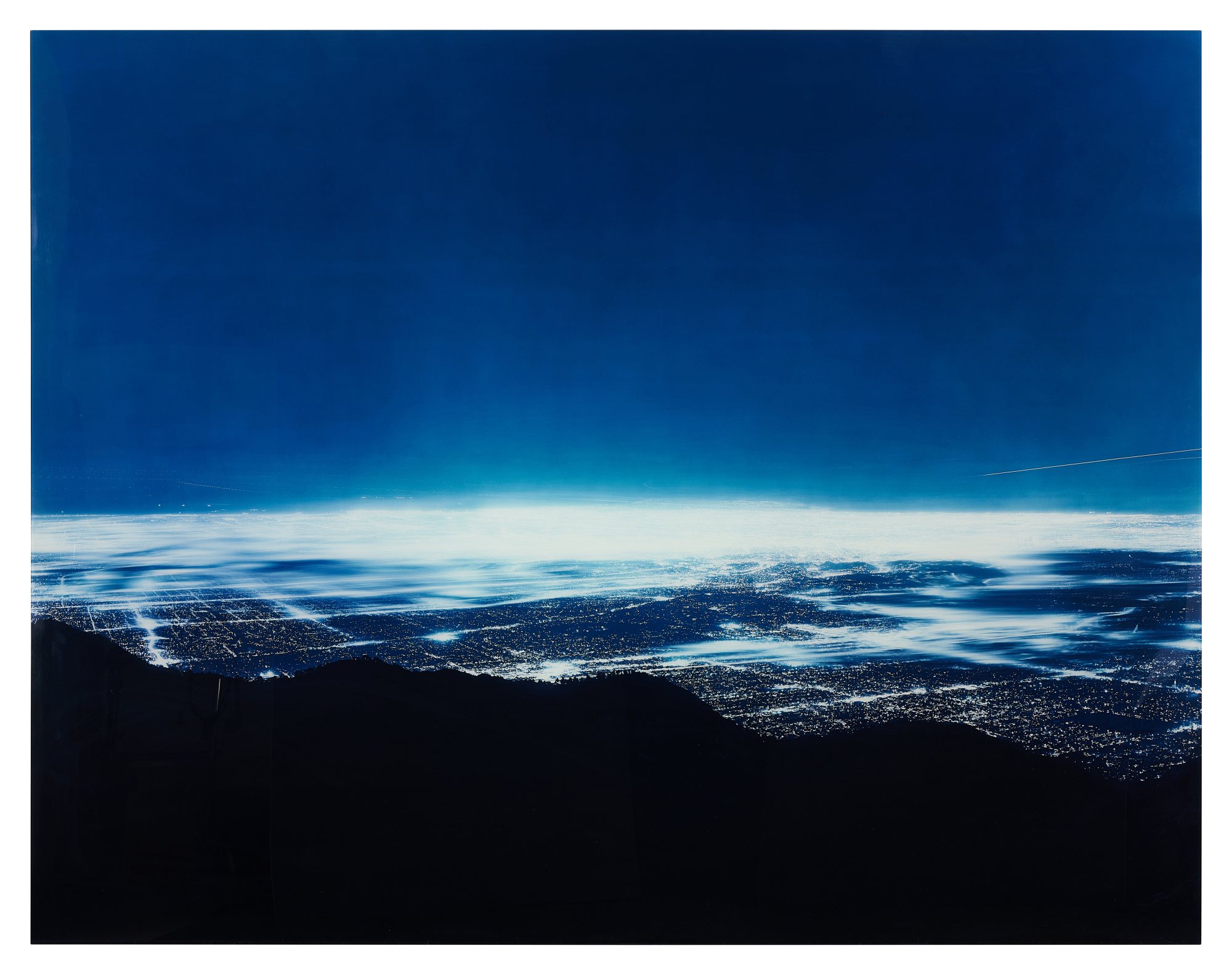
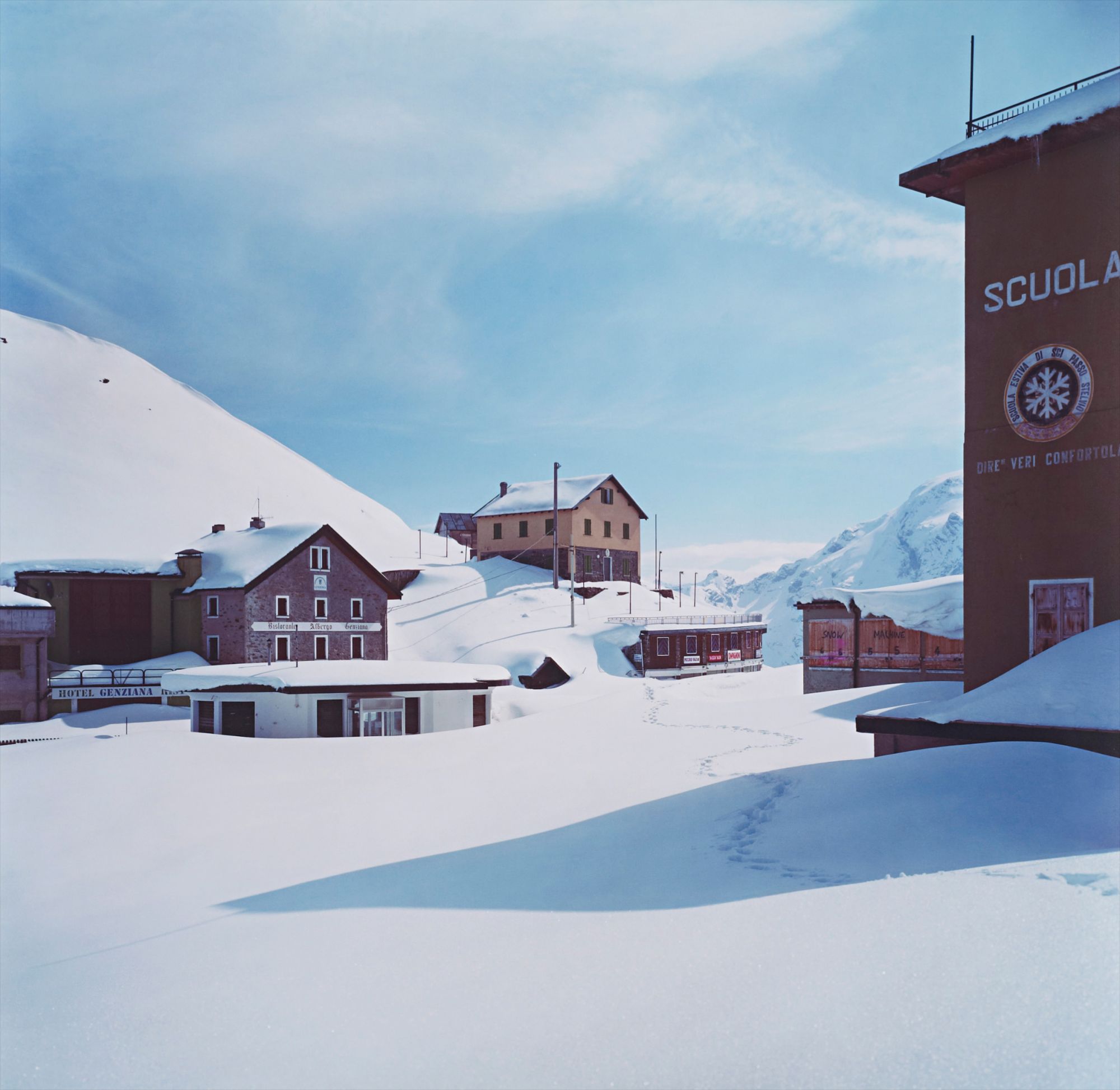
There is a moment, standing before a large scale photograph by Florian Maier Aichen, when the mind quietly surrenders to something it cannot quite name. The image looks like a landscape, feels like a memory, and carries the weight of a painting. It is none of those things entirely, and all of them at once. That productive tension has placed Maier Aichen at the center of some of the most important conversations in contemporary photography, and museum audiences and private collectors alike continue to seek out his work with genuine urgency. Florian Maier Aichen was born in Stuttgart in 1973, growing up in a Germany that was still absorbing the cultural and political aftershocks of reunification. He studied at the Hochschule für Gestaltung in Karlsruhe before relocating to Los Angeles, where he completed his studies at UCLA in the early 2000s under the influence of a city obsessed with surface, spectacle, and the manufactured image. That dual formation, rooted in the rigorous visual culture of postwar German art education and sharpened by the sun bleached, cinema saturated atmosphere of Southern California, gave his practice a distinctive double consciousness that remains visible in every frame he produces. His artistic development accelerated quickly after his arrival on the Los Angeles scene, where he began working with Blum and Poe gallery, one of the city's most influential platforms for emerging and mid career artists. His early exhibitions introduced a body of work that used aerial and panoramic photography of the California landscape as a starting point before quietly, almost imperceptibly, introducing digital interventions that shifted the mood of each image toward something stranger and more resonant. Critics noted from the beginning that Maier Aichen was not simply retouching photographs in the conventional sense. He was rewriting the grammar of how landscape could be experienced through a lens. The works themselves occupy a remarkable position in the history of photographic landscape imagery. Pieces such as Untitled (Mount Wilson) and Above June Lake (2005) engage directly with the tradition of the American sublime, evoking the nineteenth century paintings of the Hudson River School while filtering that inheritance through a decidedly contemporary skepticism about what images can claim to show. His chromogenic and Cibachrome prints are produced at scales that command a room, their surfaces immaculate and almost confrontational in their physical presence. Works such as Salton Sea (II) and Le Tour de France dans les Pyrénées expand his geographic scope beyond California, demonstrating that his approach to landscape is not bound to any single region but is instead a sustained philosophical inquiry into how human beings project meaning onto terrain. Perhaps the most revealing thread in his practice is his ongoing dialogue with German Romantic painting, most explicitly in works such as Der Watzmann and Nacht im Riesengebirge (Night in the Riesengebirge) (2011). The Watzmann is a mountain in the Bavarian Alps that Caspar David Friedrich made legendary in his monumental 1824 to 1825 canvas of the same name, and Maier Aichen's photographic engagement with that subject is not homage so much as a deeply considered act of looking again. Night in the Riesengebirge similarly echoes the atmospheric drama of Friedrich, translating the spiritual yearning of early nineteenth century German Romanticism into the language of the contemporary chromogenic print. These works operate in a space where art history becomes landscape and landscape becomes art history, and the result is genuinely moving. For collectors, Maier Aichen's work represents a rare combination of intellectual seriousness and visceral beauty. His prints have been acquired by significant institutional and private collections internationally, and his market has demonstrated consistent strength at auction, with works appearing at major houses including Christie's and Sotheby's. The photographic editions are produced with exceptional care, often face mounted to Plexiglas or presented in artist designed frames that transform the photograph into something closer to a precious object. Collectors drawn to artists such as Andreas Gursky, Thomas Struth, and Thomas Demand will find in Maier Aichen a sensibility that shares their rigorous attention to the photograph as a constructed artifact rather than a transparent document. He is also frequently discussed alongside artists like Ed Ruscha and John Baldessari, whose California roots shaped a particular way of treating the image as a site of cultural inquiry. What distinguishes Maier Aichen from his peers, and what makes his work increasingly important as photography continues to negotiate its identity in an era of algorithmic image generation, is his insistence on the handmade uncanny. His manipulations are not flashy or declarative. They are subtle enough to plant a seed of doubt, to make the viewer wonder whether the sky was always that color, whether the mountain was always that lonely, whether the world outside the frame matches the world inside it. That doubt, carefully cultivated and never resolved, is the heart of his practice. In an image culture saturated with obvious fabrications, his photographs ask harder questions by appearing to offer transparent truth. Florian Maier Aichen's legacy is still being written, which is part of what makes this moment such an exciting one to engage with his work. He represents a generation of artists who came of age as the digital tools that once seemed like shortcuts revealed themselves to be entirely new instruments for vision. His photographs belong to the history of landscape representation stretching from Friedrich through Ansel Adams and beyond, and they belong equally to the present tense of a world learning to see itself anew through images that blur the line between what is found and what is made. For anyone building a collection that speaks to the complexities of contemporary visual culture, his work is not simply desirable. It is essential.
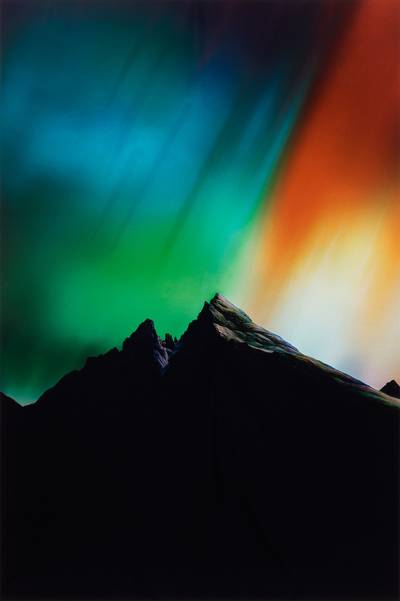
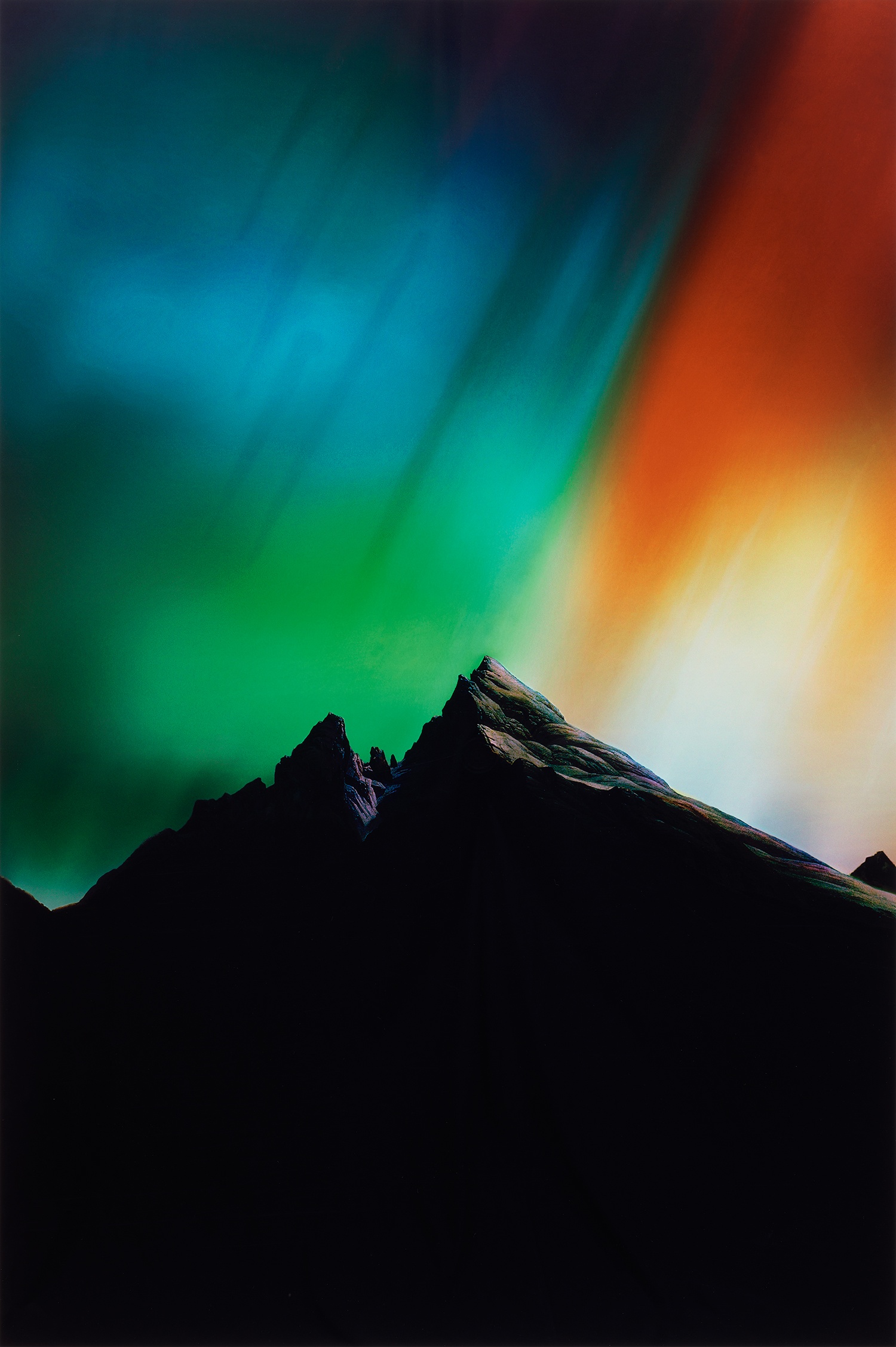
![Nacht im Riesengbebirge [Night in the Riesengebirge]](https://rtwaymdozgnhgluydsys.supabase.co/storage/v1/object/public/artwork-images/auction-lots/NY010814-142014-lot1774370923107.jpg)