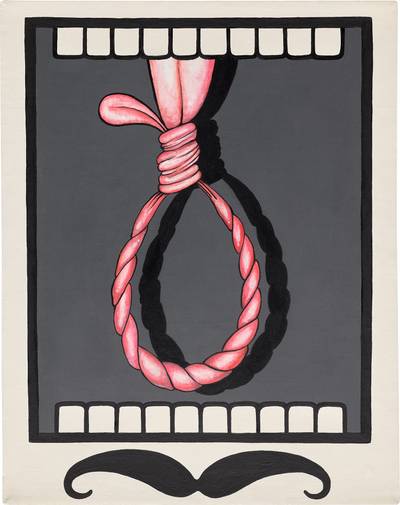
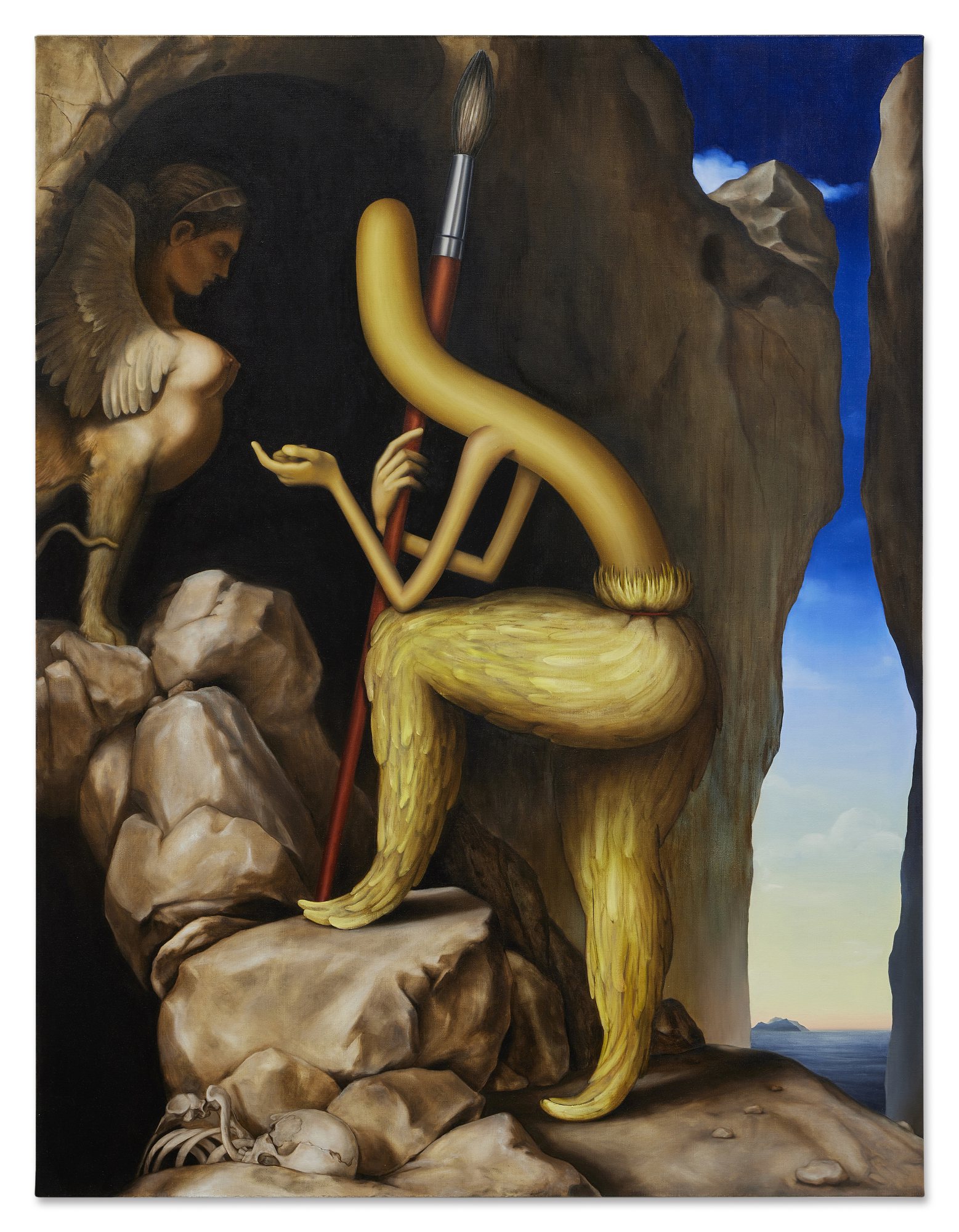
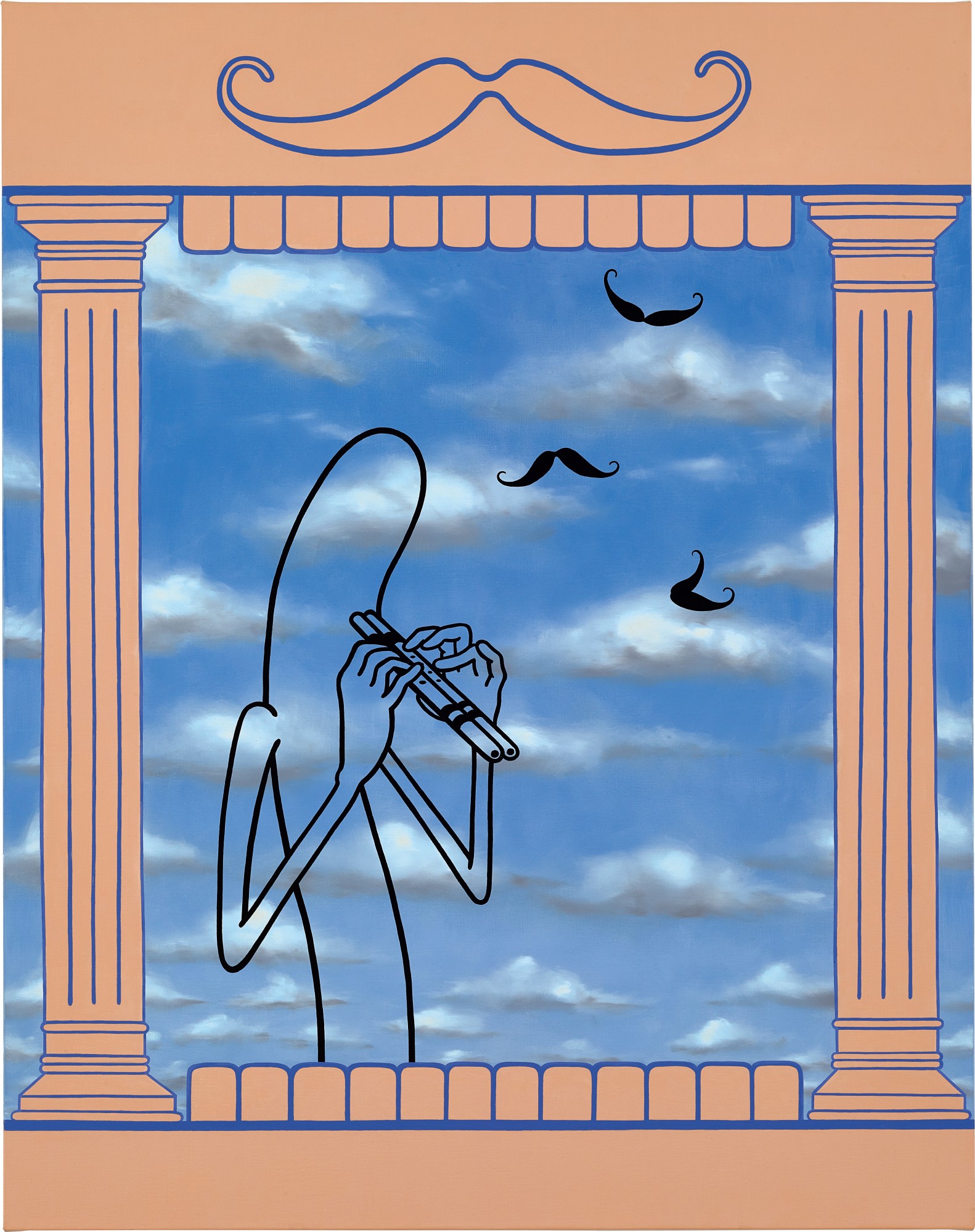
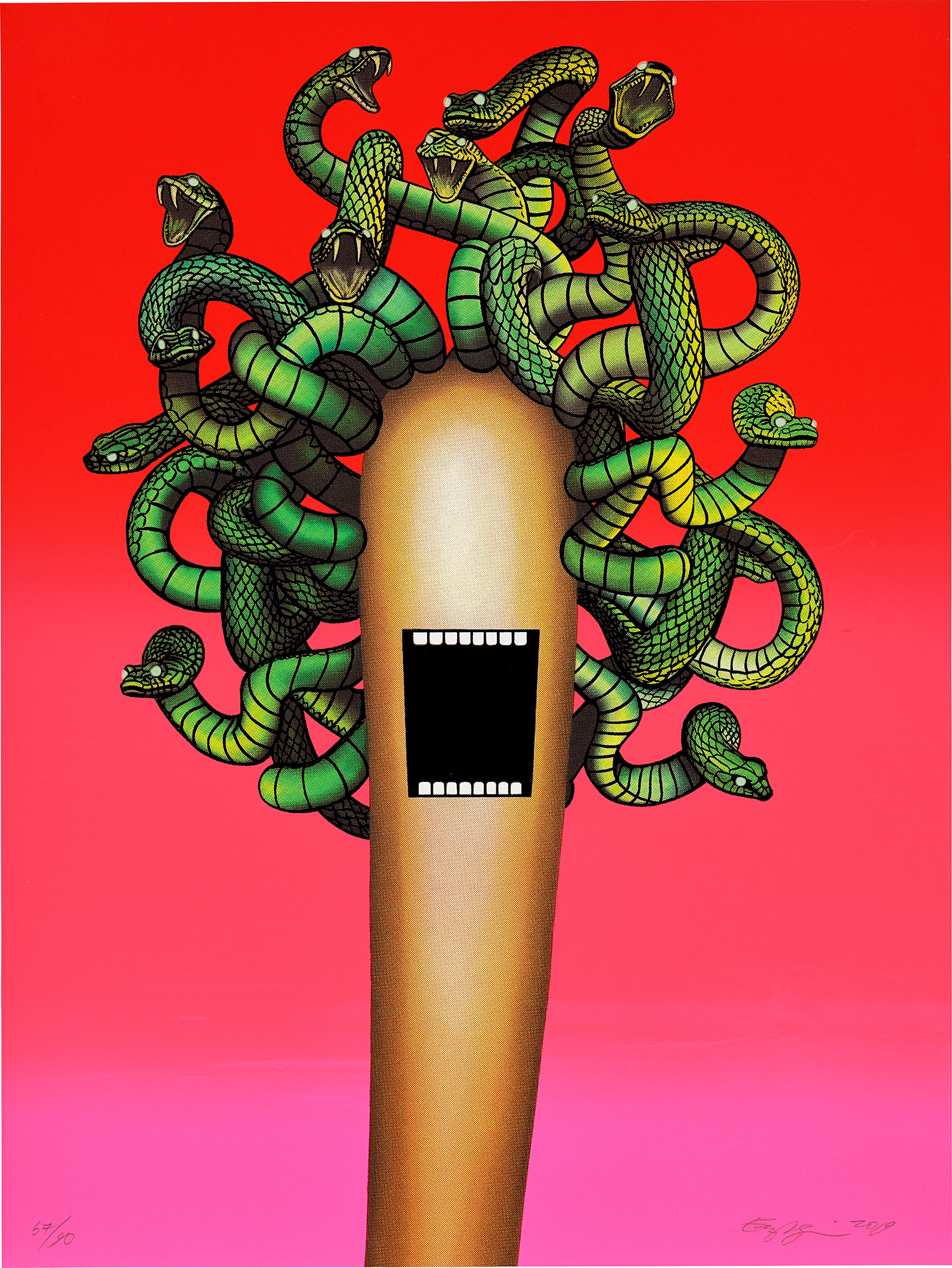
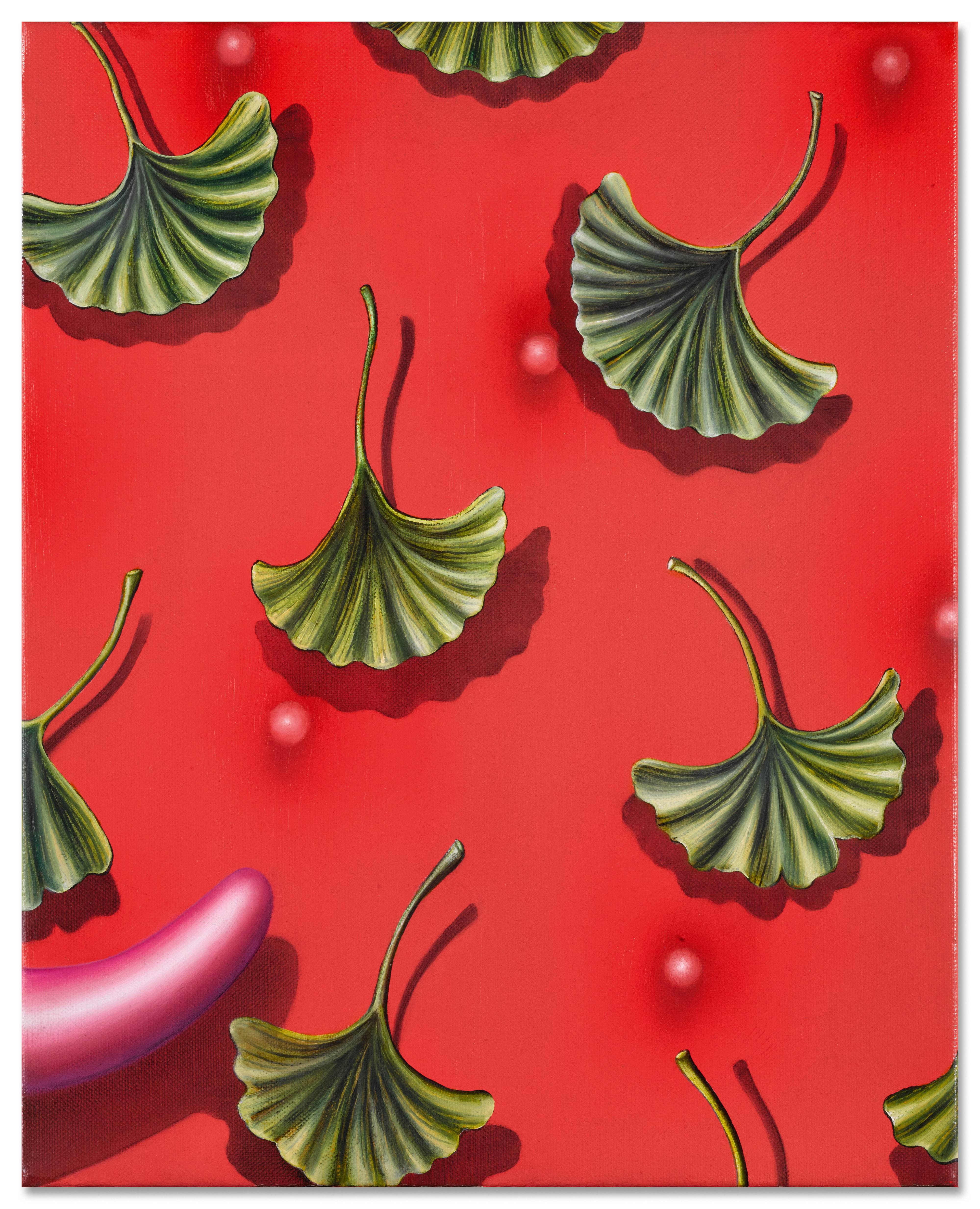
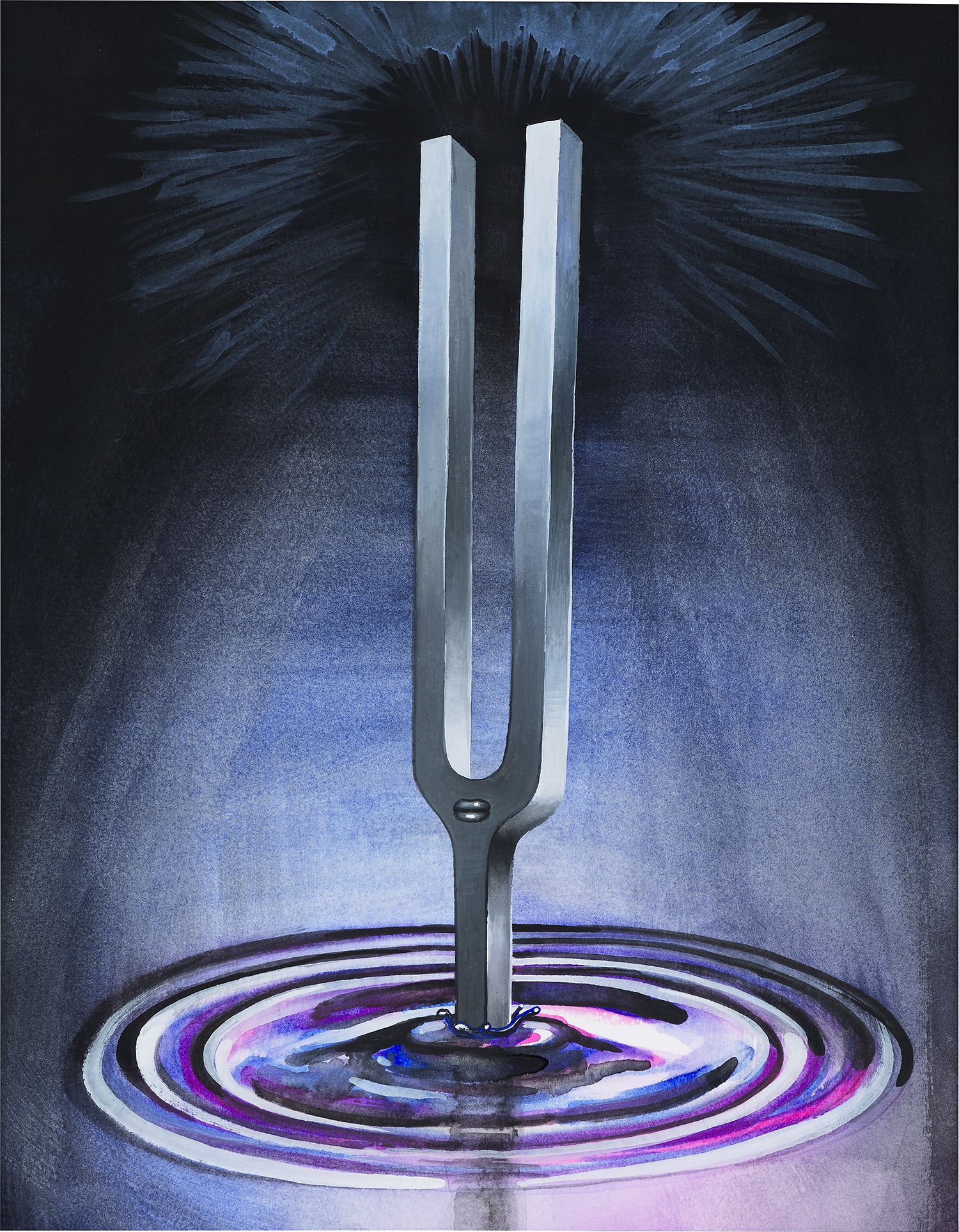
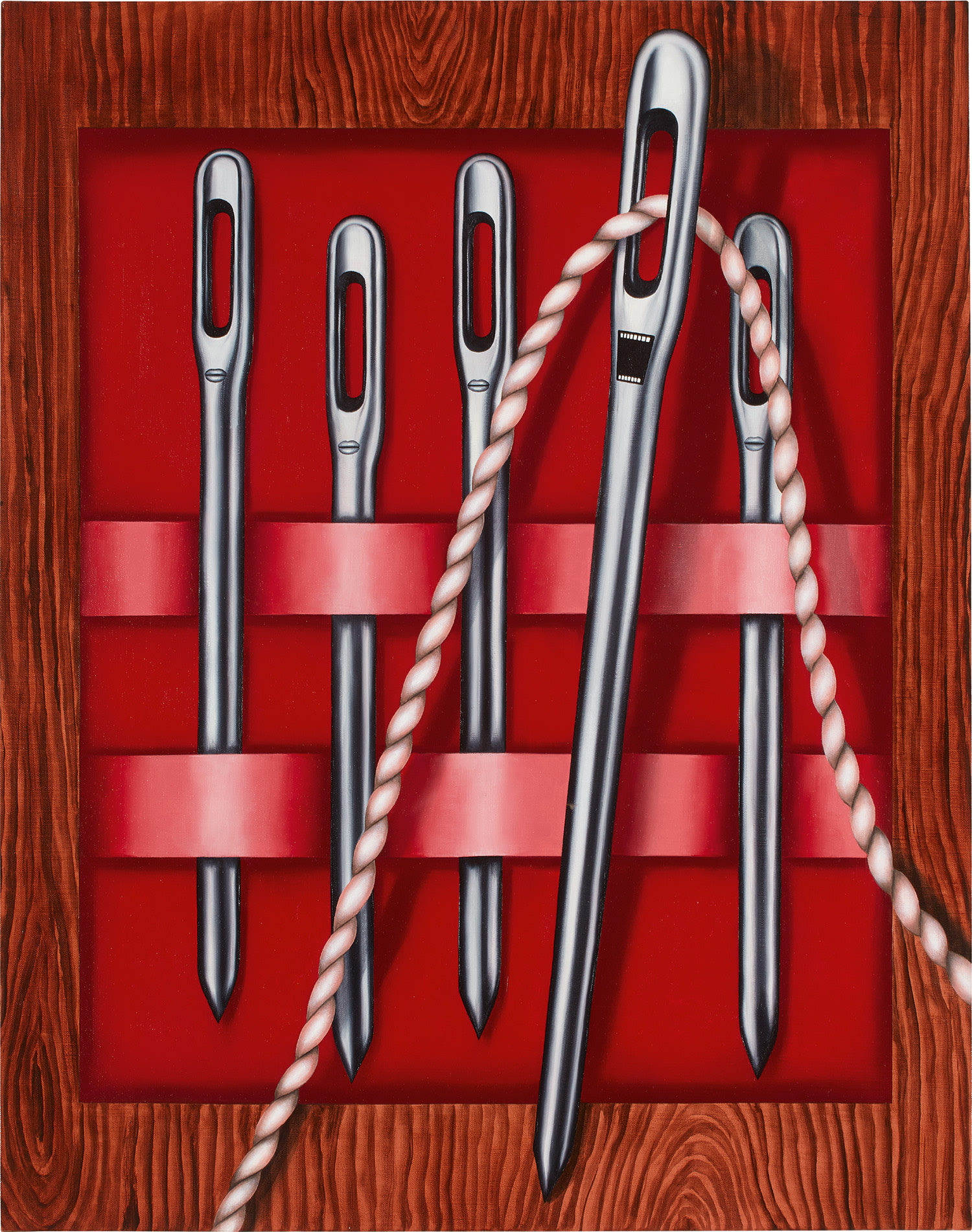
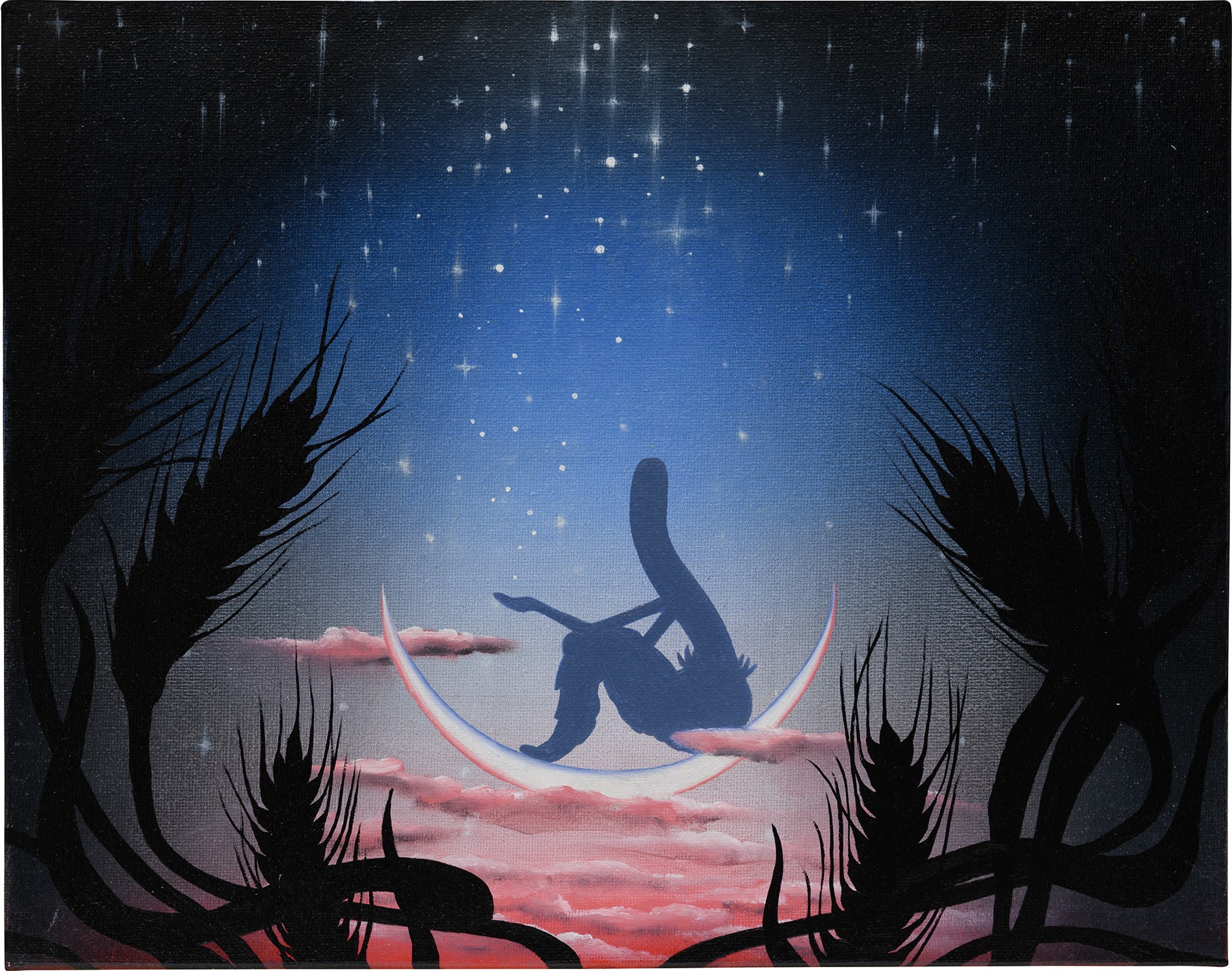
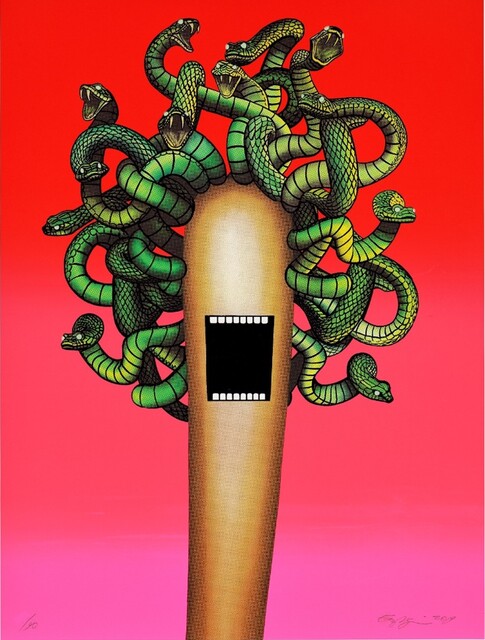
In the fall of 2018, visitors to Emily Mae Smith's exhibition at the Aldrich Contemporary Art Museum in Ridgefield, Connecticut, encountered something both unfamiliar and immediately recognizable. Paintings of uncanny precision filled the galleries, each one anchored by a broom, upright and animated, navigating strange symbolic landscapes with the quiet authority of a protagonist who has always been there and simply decided, finally, to take center stage. The show confirmed what a devoted network of collectors and curators had already sensed: Smith was operating at a level of ambition and intelligence that placed her among the most compelling painters working in America today. Smith was born in 1979 and grew up in Austin, Texas, a city whose particular blend of outsider culture, music, and scrappy creative independence left a lasting imprint on her sensibility. She later pursued her studies in New York, immersing herself in a city whose art historical density gave her both a foil and a foundation. It was in New York that she began to map the full contours of what she wanted her painting to do, spending years absorbing everything from the canonical surrealism of the European avant garde to the feminist interventions that challenged and complicated that tradition from within. What emerged from that long period of looking and thinking was a practice grounded in meticulous technique and animated by something rarer: a genuinely original iconography. Smith developed oil painting skills that consciously invoke the slick, hermetic surfaces of mid century surrealism, the dreamlike precision of painters like Leonora Carrington and Remedios Varo, while also folding in the decorative boldness and graphic wit of artists ranging from late nineteenth century illustration to the Memphis design movement of the 1980s. The result is a visual language that feels both historically literate and entirely her own. The broom, Smith's recurring protagonist, arrived as an answer to a very specific art historical problem. The figure of the female nude, the muse, the assistant, the domestic worker: these roles had been assigned to women in Western painting for centuries, rendering them objects of the gaze rather than agents of meaning. By centering a broom, an implement whose associations with domestic labor are so thoroughly coded as feminine and subordinate, Smith performs an act of elegant inversion. Her broom is never merely a cleaning tool. It is a thinker, a traveler, a studio occupant, a creature navigating systems of power with intelligence and even a certain wry humor. The choice is conceptually rigorous and visually irresistible in equal measure. Among the works that best illuminate Smith's range and ambition, The Studio (Horror Vacui), painted in oil on linen in 2018, stands as a particularly commanding statement. The title invokes the Latin phrase for the fear of empty space, a concept with deep roots in both art history and psychology, and the painting delivers on that promise with a composition so densely populated with symbol and surface tension that it rewards extended looking. The Studio (Memphis), made four years earlier in 2014, demonstrates how early Smith had already committed to the formal sophistication of her practice, using prepared ground, acrylic, and oil to build surfaces of extraordinary tactile richness. A Thousand Days from 2017 and Raft on Siren Sea from the same year show her at her most mythologically expansive, drawing on the long tradition of allegory while insisting on a feminist rewriting of its terms. The Rope, one of her earliest breakthrough works from 2014, announced with striking clarity that this was a painter who understood not only how to construct an image but how to make an image mean something. For collectors, Smith's work represents a rare convergence of intellectual depth and painterly pleasure. Her canvases are demanding in the best sense: they ask you to bring something to them, some knowledge of art history, some curiosity about gender and labor and representation, and they reward that engagement lavishly. The technical execution, particularly in her oil on linen works, reflects a commitment to craft that distinguishes her from painters who rely on concept alone. Collectors who have followed her career closely note that her works function beautifully in domestic and institutional settings alike, carrying enough visual authority to hold a room while sustaining the kind of layered meaning that deepens over years of living with a work. Her paintings have entered significant private collections internationally, reflecting the global reach of her reputation. Within the broader context of contemporary painting, Smith occupies a distinctive position at the intersection of feminist art and surrealist revival. Her closest spiritual ancestors include Leonora Carrington, Remedios Varo, and Meret Oppenheim, each of whom navigated the male dominated surrealist movement with fierce independence and transformative wit. Among her contemporaries, her work resonates with that of painters such as Lisa Yuskavage and Cecily Brown in its willingness to engage seriously with the history of figurative painting while insisting on a critical and self aware relationship to that history. Smith's contribution to this lineage is her particular gift for synthesis, drawing together surrealism, feminist theory, decorative tradition, and rigorous technique into something that feels both inevitable and genuinely new. The significance of Emily Mae Smith's practice extends well beyond any single exhibition or institutional moment. At a time when painting continues to assert its vitality as a medium capable of holding complex cultural arguments, Smith offers proof that the figure, the symbol, and the carefully constructed painted surface can still do meaningful work in the world. Her broom protagonist has become, over the past decade, a quietly iconic figure in contemporary art, one that resonates with audiences precisely because it insists on the dignity and intelligence of those the art historical canon has so often overlooked. To collect Smith is to invest not only in a body of painting of exceptional quality but in a vision of art history that is richer, more honest, and more generously inclusive than the one it so elegantly rewrites.