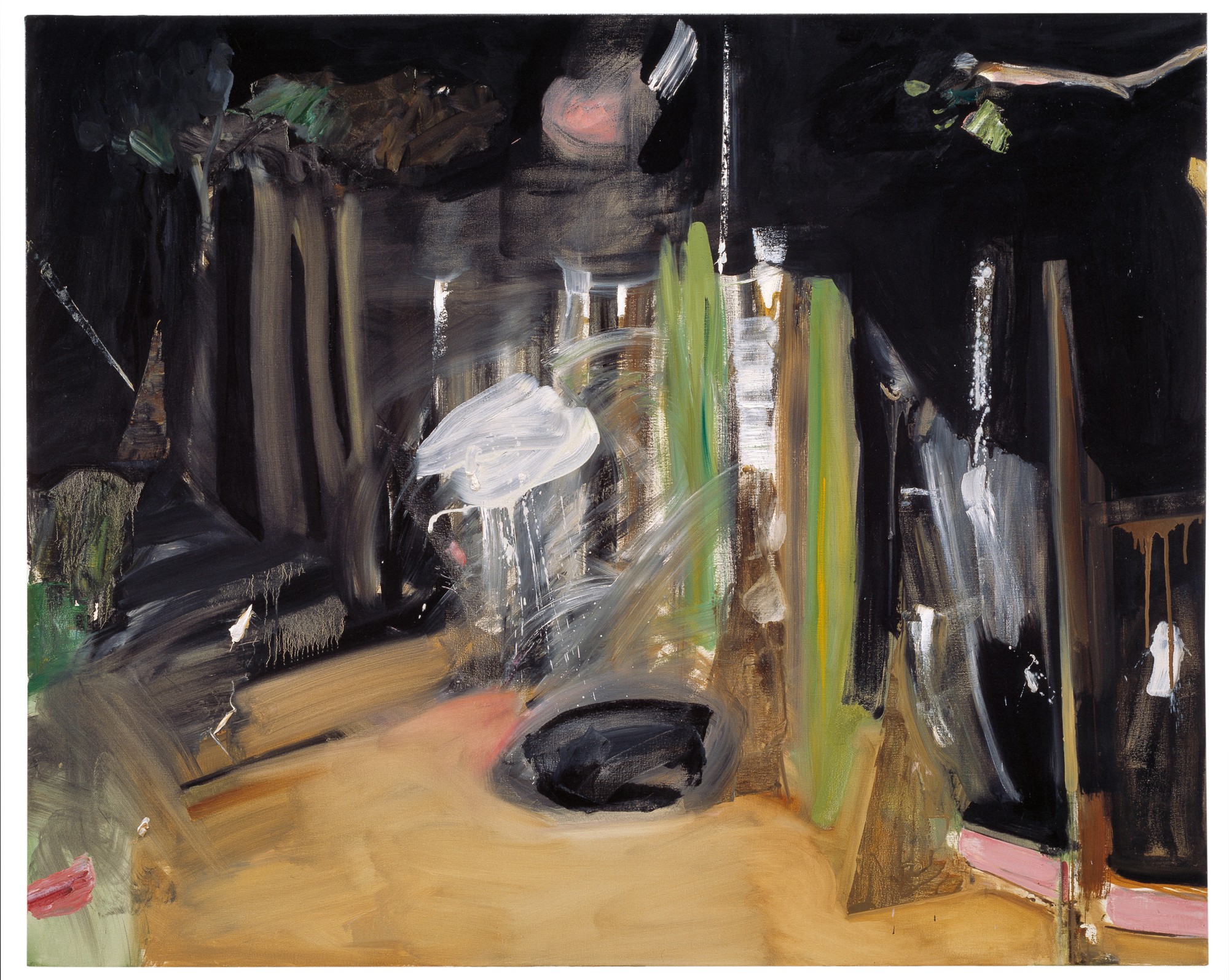
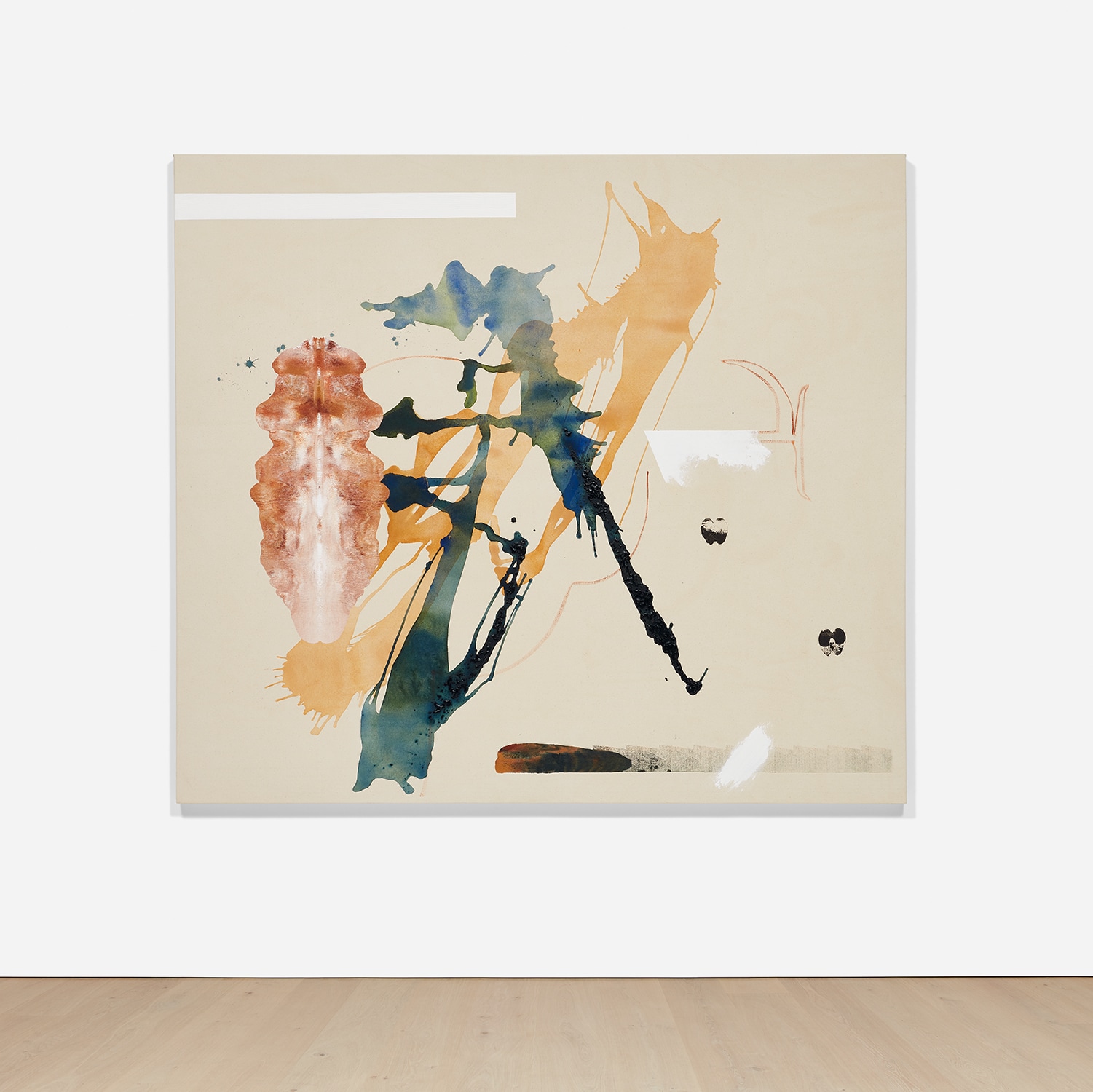
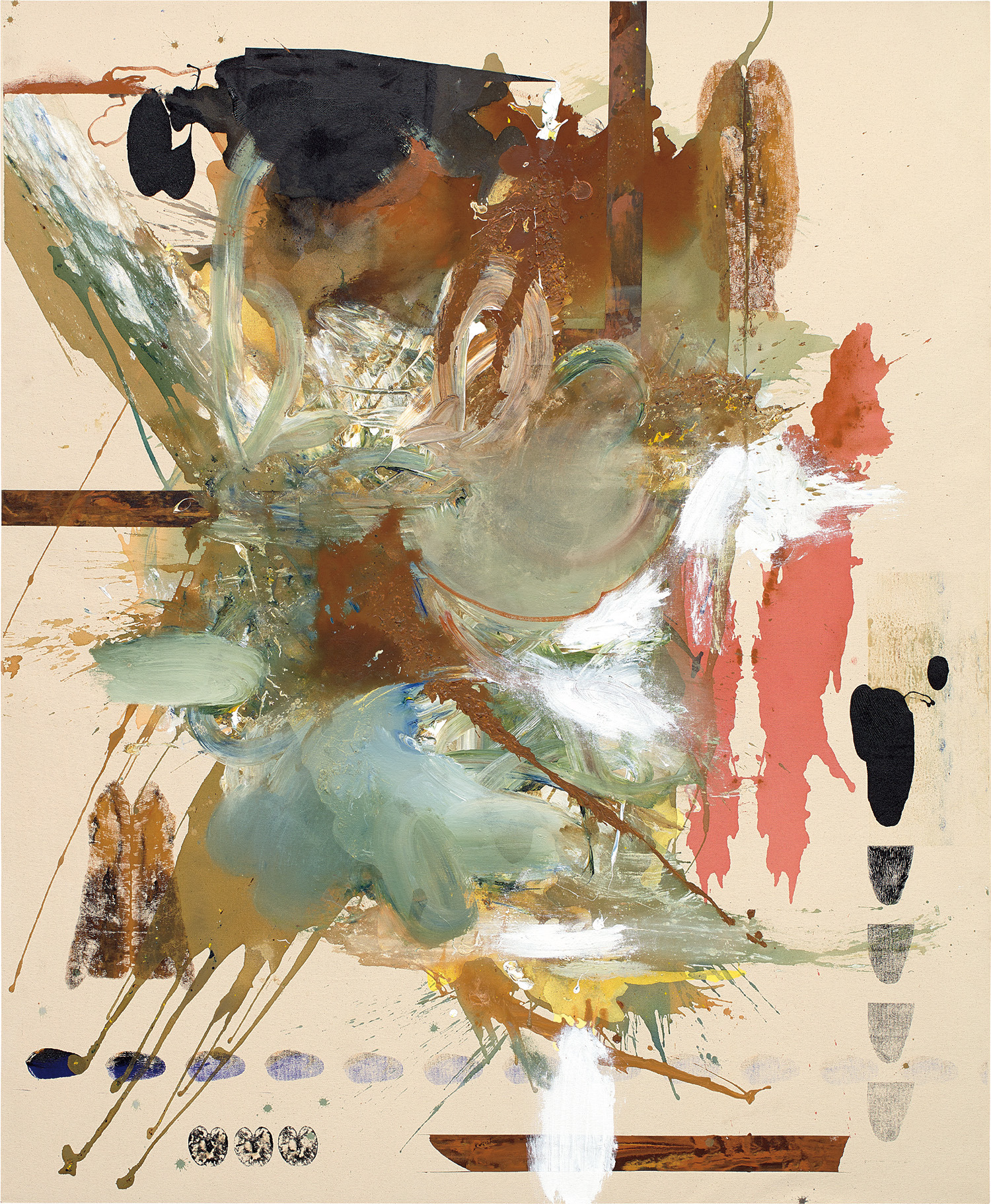
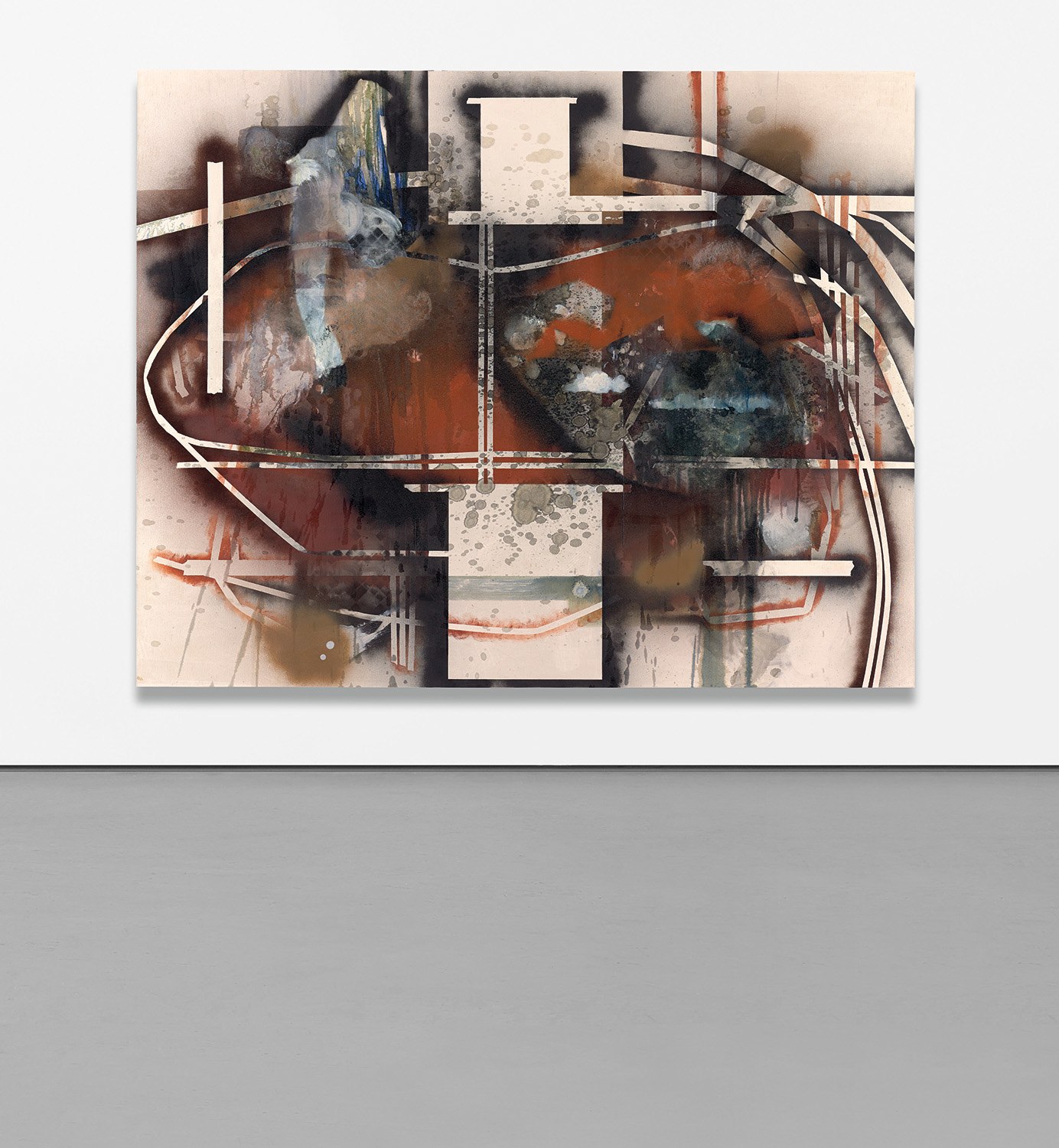
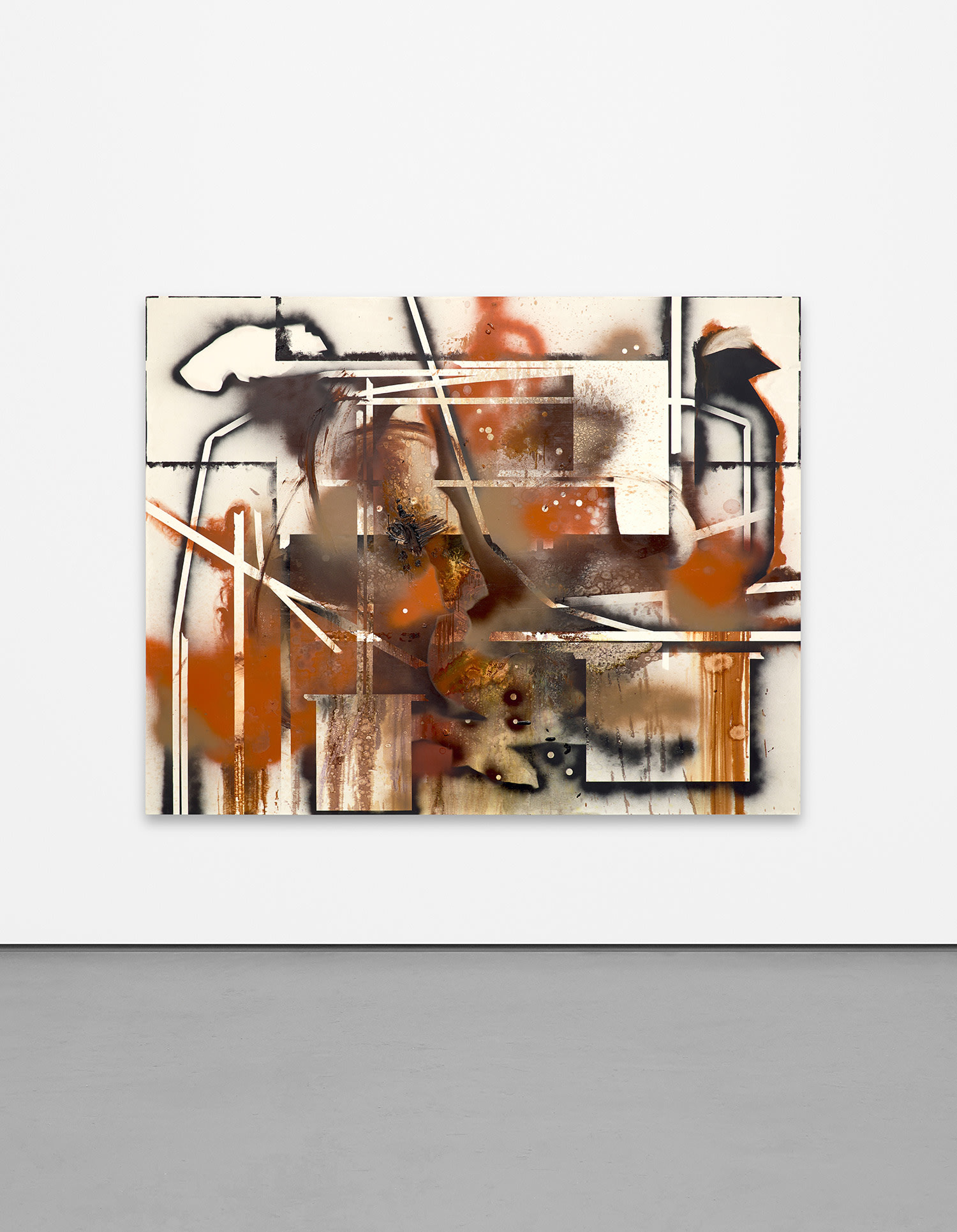
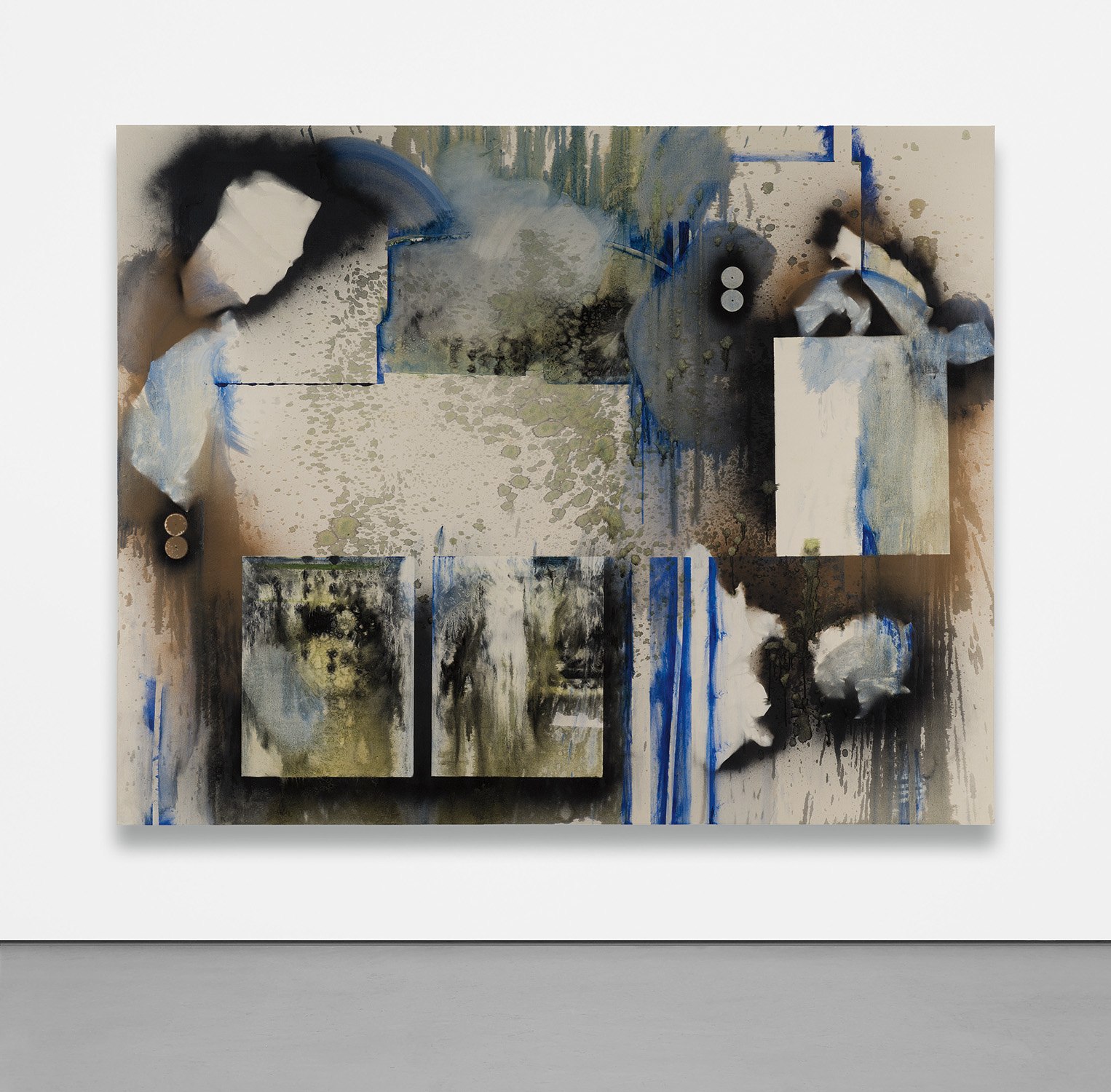
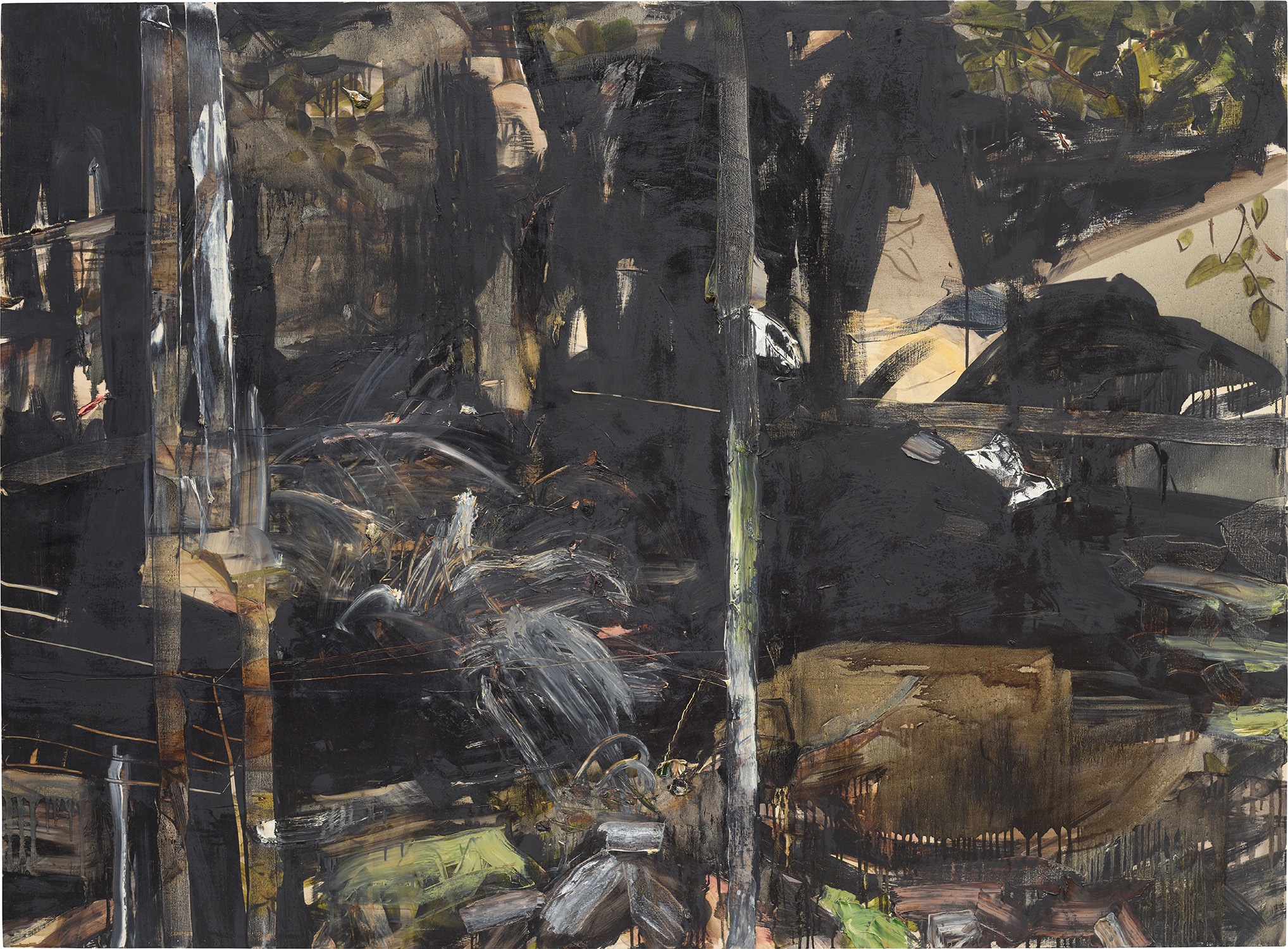
In recent years, Elizabeth Neel has steadily ascended to a position of genuine authority within American painting, her canvases commanding attention at institutions and galleries on both coasts and generating serious collector interest among those who prize painting that thinks as rigorously as it feels. Her representation with Salon 94 in New York has placed her work in front of some of the most discerning eyes in the contemporary art world, and the sustained critical enthusiasm around her practice suggests not a moment of fashionable attention but something more durable: the recognition of a painter whose vision is fully her own. Neel occupies that rare and enviable position of an artist who is genuinely difficult to compare to anyone else, even as her work remains in productive conversation with the entire history of gestural and abstract painting. Elizabeth Neel was born in 1975, and she carries a remarkable artistic inheritance. She is the granddaughter of Alice Neel, one of the great figurative painters of the twentieth century, an artist whose unflinching psychological portraiture reshaped what portraiture could be. Growing up in proximity to that legacy might have been a burden for a lesser talent, but for Elizabeth Neel it appears to have been a catalyst, a deep encounter with the seriousness of painting as a vocation, with the idea that a canvas can hold not just an image but a whole world of feeling and thought. She pursued her own path with determination, ultimately earning her MFA and developing a practice that honors the intensity of her grandmother's example while moving in an entirely different formal direction. Where Alice Neel found her subject in the human face and body, Elizabeth Neel turned outward and inward simultaneously, toward biology and forensics and natural phenomena, toward the cellular and the catastrophic. Her artistic development has been marked by a fearless willingness to absorb unlikely source material and transform it through the physical act of painting. She has spoken about her interest in forensic photography, in microscopic imagery, in the visual language of scientific documentation, and what is remarkable is how completely this material is digested and remade on the canvas. The sources become fuel rather than subject matter, feeding a painterly process that is intensely physical, layered, and alive to accident. Neel's technical approach is itself a kind of argument. She combines poured pigment, aggressive mark making, collaged elements, and spray paint to build surfaces of extraordinary complexity. A work like "Relation of a Journey" from 2011, executed in oil and spray paint on canvas, demonstrates her ability to hold multiple registers of mark and material in productive tension, the sprayed passages creating an atmospheric ground against which more direct gestures read with heightened urgency. "Routes and Pressures" and "Arms Were Legs," both from 2012 and both using the same combination of oil and spray paint, show her working through a sustained investigation of how biological and topographical imagery can dissolve into one another, how a painting can feel simultaneously like a landscape, a wound, and a map. "Chop for the Original Tools" from 2016, rendered in acrylic, reveals a painter who has continued to evolve her palette and process without sacrificing the essential character of her vision. Earlier works like "Cellar Hole" from 2005 offer a fascinating window into the formation of her mature style. Painted in oil on canvas, it carries the searching quality of an artist working out her fundamental commitments, already invested in the territory between figuration and abstraction, already drawn to imagery with a certain primal or archaeological weight. "Shell Game with Lobster" from 2015 shows how she can introduce a specific, even eccentric, subject without surrendering the abstract logic of her compositions. The lobster arrives not as illustration but as a kind of energetic charge, a biological fact that the painting transforms into something stranger and more resonant. For collectors, Neel's work represents an increasingly compelling proposition. Her paintings have the scale and ambition that makes them genuinely transformative presences in a room, the kind of work that changes the character of whatever space it inhabits. There is also the question of art historical positioning: Neel sits within a lineage that includes Amy Sillman, Laura Owens, and the broader renewal of interest in gestural abstraction that has shaped collecting tastes over the past two decades, but she arrives at that conversation from her own distinct coordinates. Collectors who have been drawn to painters working at the intersection of process and imagery, who admire the legacy of artists like Joan Mitchell or Cecily Brown, will find in Neel a painter whose ambitions are comparably serious and whose voice is genuinely singular. The art historical context for Neel's practice is rich and worth understanding. She inherits from Abstract Expressionism its conviction that physical gesture carries emotional and psychological truth, but she refuses the heroic mythology that often accompanied that movement. She is interested in something more forensic and more strange, in the beauty that emerges from decomposition and transformation, in the way natural systems create forms that are both legible and overwhelming. This places her in a genuinely interesting position relative to painters like Mark Bradford, whose large scale works also engage with layered materials and social forensics, or to an earlier generation like Terry Winters, whose engagement with biological and geological imagery anticipates some of Neel's concerns. But Neel's work is ultimately answerable to itself, shaped by an individual sensibility that rewards sustained looking. What Elizabeth Neel offers, and what ensures her importance within the ongoing story of American painting, is the experience of genuine painterly intelligence at work at full intensity. Her canvases do not resolve into comfort or familiarity. They ask something of the viewer, a willingness to enter into the visual and emotional field the painting generates and to remain there long enough to feel what it has to say. In an era when painting continues to be contested and theorized and sometimes dismissed, Neel simply makes the case for it again and again through the quality and conviction of her work. That is a contribution worth celebrating, and worth collecting.