Dondi White
2
Works
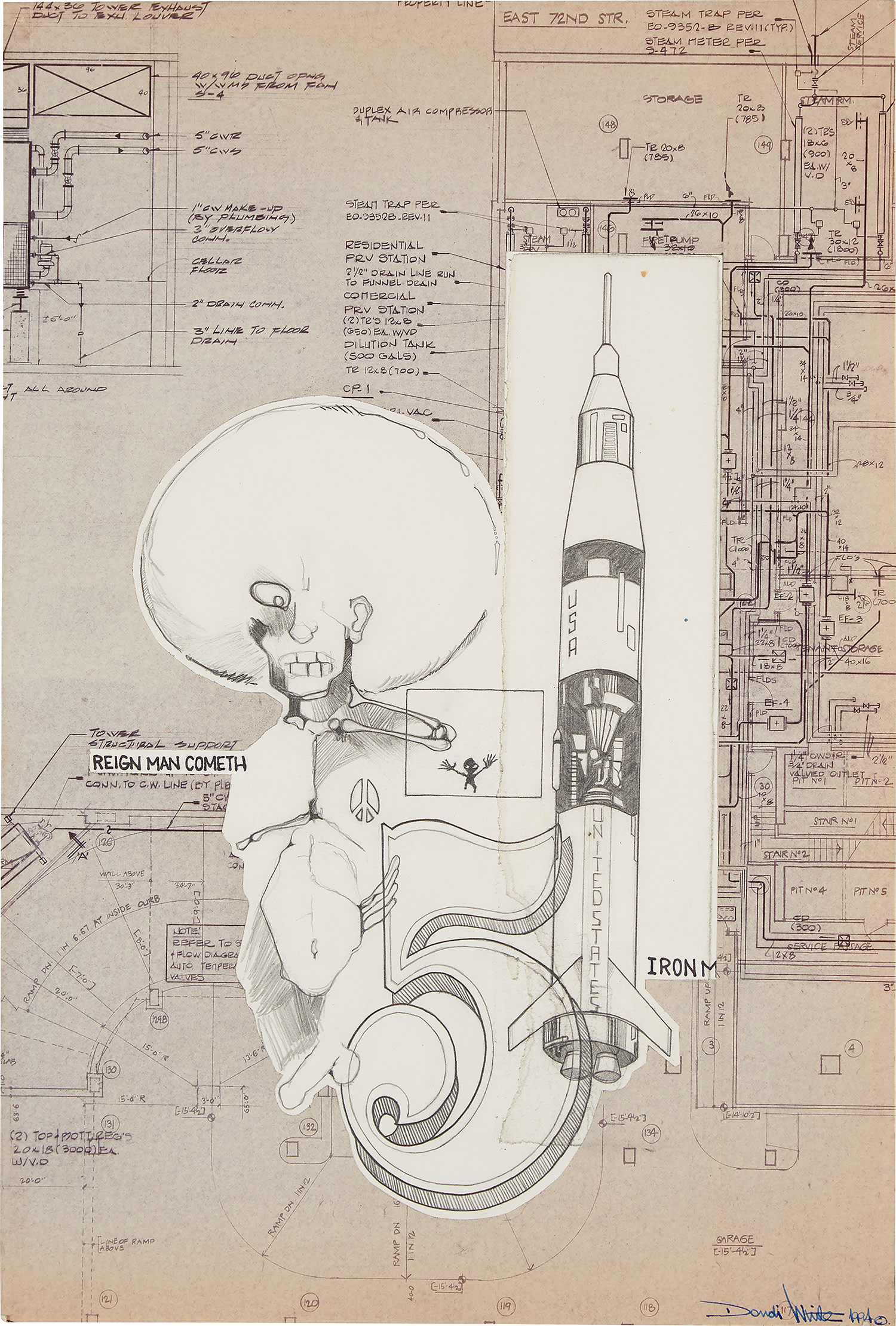
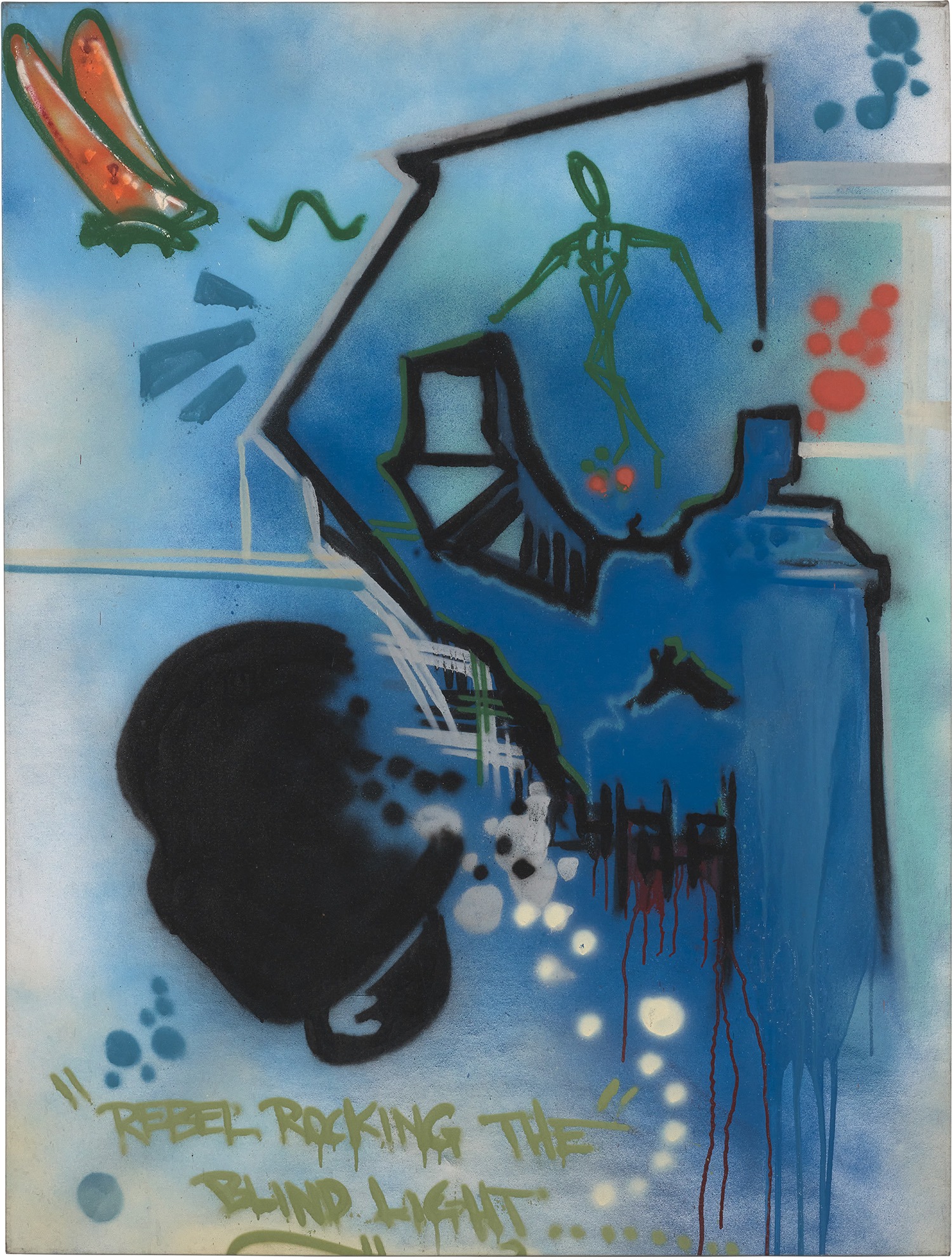
Dondi White, born Donald Joseph White in Brooklyn, New York, was a pioneering graffiti artist who became one of the most influential figures in the transition of street art from subway trains to galleries. He began writing graffiti in 1974 at age 13, adopting the tag "DONDI" and quickly becoming known for his wildstyle lettering and elaborate whole-car paintings on New York City subway trains throughout the late 1970s and early 1980s. His work was characterized by intricate letter formations, bold color schemes, and a technical precision that elevated graffiti to a form of urban calligraphy. He was particularly associated with the CIA (Crazy Inside Artists) crew and became legendary among graffiti writers for his ambitious and sophisticated compositions. In the early 1980s, Dondi successfully transitioned from illegal subway graffiti to the gallery world, showing alongside contemporaries like Jean-Michel Basquiat, Keith Haring, and Kenny Scharf during the explosive East Village art scene. He exhibited at groundbreaking venues including Fun Gallery and had solo exhibitions at notable galleries in New York and Europe. His canvases maintained the energy and complexity of his street work while developing a more refined aesthetic that incorporated figurative elements, children's imagery, and social commentary. Notable works include "Children of the Grave" series, which reflected on themes of youth, innocence, and urban life. Dondi White's significance lies in his role as a bridge between underground graffiti culture and the established art world, helping to legitimize graffiti as a serious art form deserving of museum and gallery recognition. His technical mastery and artistic innovation influenced generations of street artists and continue to resonate in contemporary urban art. He died of AIDS-related complications in 1998 at age 37, but his legacy endures through retrospectives and continued recognition as one of graffiti's most important pioneers. His work is held in permanent collections and has been featured in major exhibitions documenting the history of graffiti and hip-hop culture.
Artists in conversation