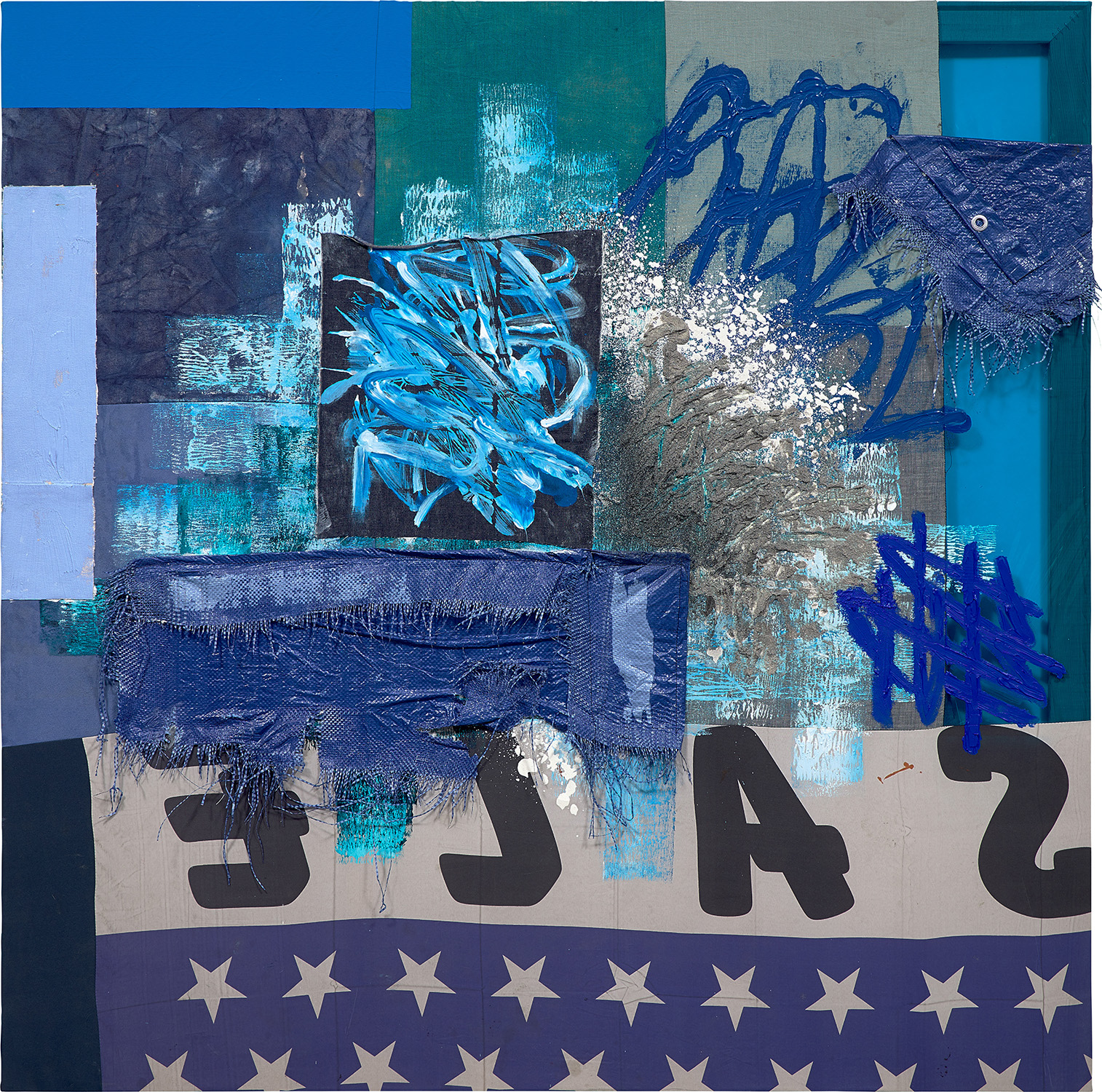
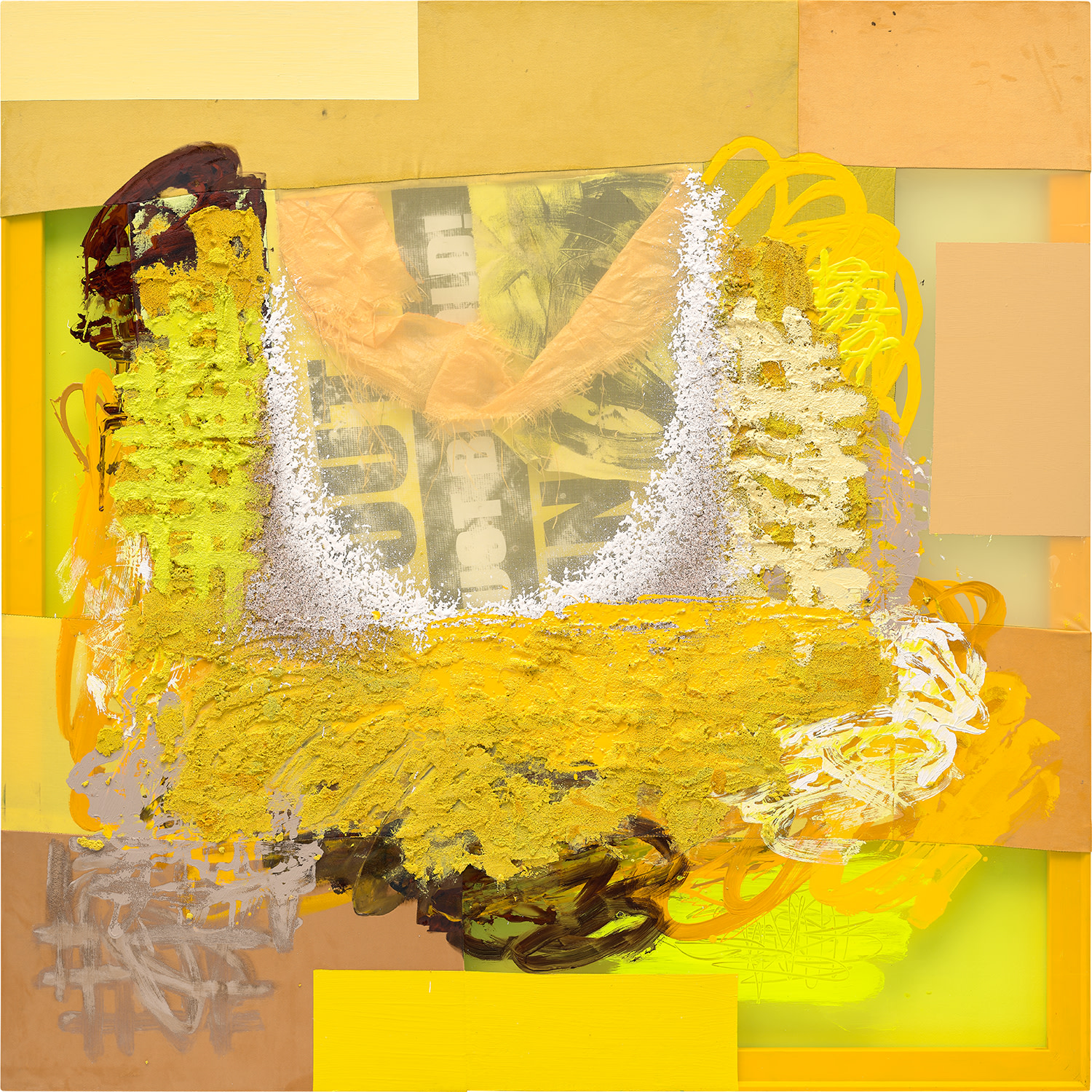
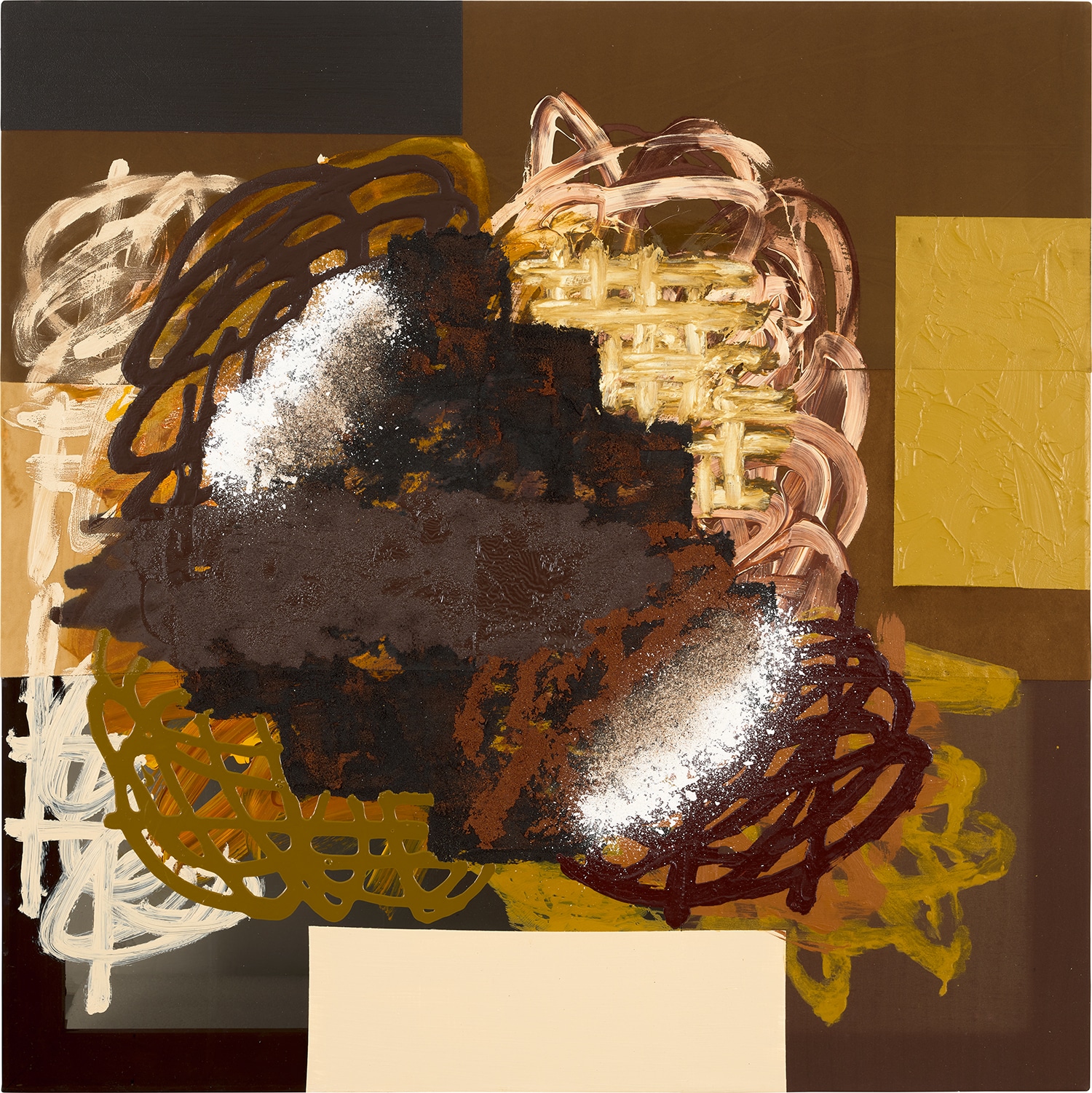
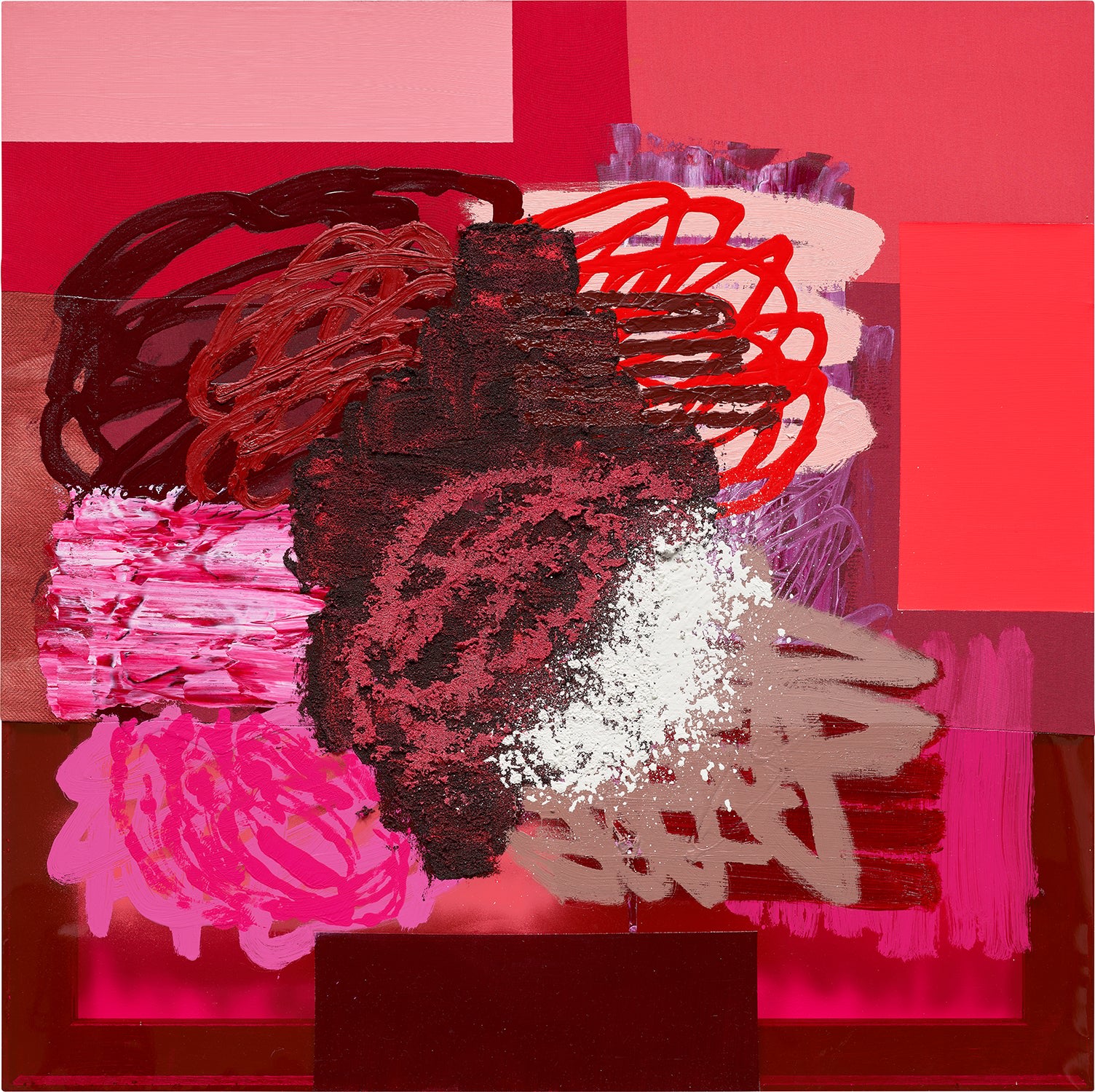
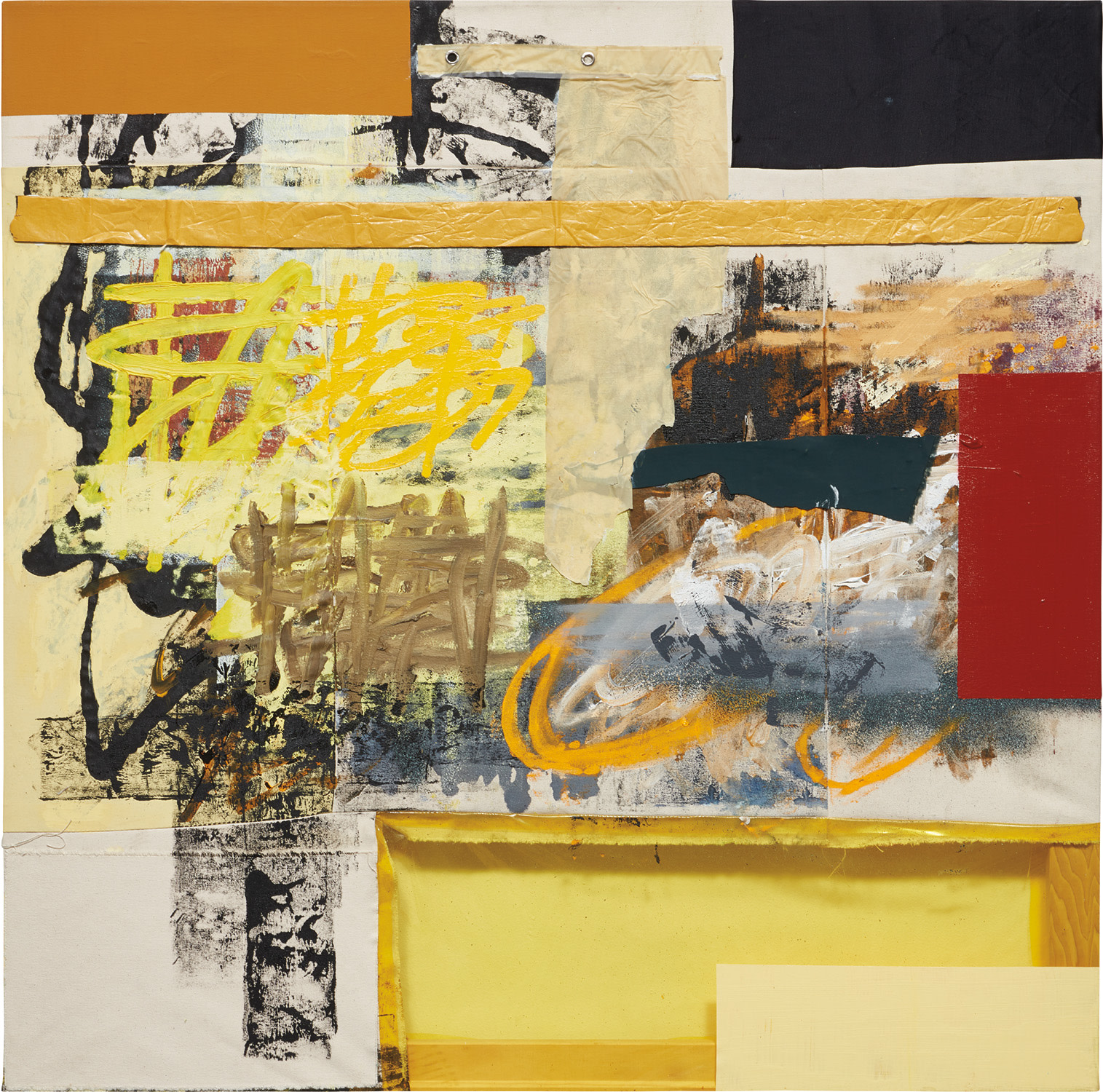
In the galleries and auction rooms where urban contemporary art has claimed its rightful place alongside the broader canon, Patrick Alston has emerged as one of the most spiritually charged and visually arresting voices of his generation. His paintings arrive with the force of a declaration, vivid and unapologetic, stacking language and color and texture into compositions that feel simultaneously like prayer, protest, and celebration. As collectors and institutions continue to reckon with the full breadth of American contemporary art, Alston's work stands at a compelling intersection: rooted in the vernacular of the street, elevated by the discipline of a serious painter, and animated by a belief that art can genuinely lift the people who encounter it. Alston is an American artist whose formation was shaped by the richly layered visual culture of urban Black America. The traditions of graffiti and street art, with their insistence on claiming space and speaking directly to passersby, clearly informed his sensibility from an early stage. But Alston's practice moves well beyond the surface associations those traditions sometimes carry. He absorbed the graphic boldness of those forms and then brought them into dialogue with painting's longer history, finding a way to make text and image work together not as slogan and illustration but as unified visual experience. The result is a body of work that feels both immediate and deeply considered. Over the course of his development as a painter, Alston refined a distinctive approach to materials that is as important as any iconographic choice he makes. His canvases are not simply canvases in the conventional sense. He sews together fabrics, incorporates vinyl, plastic sheeting, and tarpaulin, and layers acrylic, oil, enamel, gouache, oil stick, spray paint, pumice, and foam insulation into surfaces of remarkable physical density. This accumulation of materials is not arbitrary. It connects his paintings to the resourcefulness and material ingenuity that has always characterized art made at the margins, where artists work with what they have and transform necessity into method. The sewn seams that run through his compositions become structural elements, dividing and activating the picture plane in ways that feel both raw and carefully resolved. Among his most significant works, "Three Fifths" from 2020 commands immediate attention for the weight its title carries. Referencing the Three Fifths Compromise of the United States Constitution, the work confronts American history with directness and without flinching. Executed in acrylic, oil, spray paint, stone spray, plastic shower curtain and tarp on sewn canvas combined with plastic and cotton fabric, it is a painting that wears its politics and its grief together while still radiating Alston's characteristic luminosity. "Native Sun," also from 2020, shares a similar material vocabulary and carries its own freight of historical and cultural meaning, the title evoking both Richard Wright's canonical novel and a broader assertion of presence and belonging. In 2021, works such as "Count it All Joy," "Feet of Burnt Brass," and "Joys of Color (By Any Means)" demonstrated how consistently Alston was working at a high level across multiple canvases, each one building on the last while opening new formal and thematic territory. The phrase "By Any Means" in that final title is of course a resonant echo of Malcolm X, and Alston has a gift for embedding such references without reducing his paintings to illustration. For collectors, Alston's work occupies a particularly rewarding position in the current market. Urban contemporary art has seen sustained institutional and commercial validation over the past decade, with artists in adjacent spaces attracting serious attention from both established collectors and a new generation of buyers drawn to work that speaks to lived experience and cultural memory. Alston's paintings appeal across that broad spectrum. They carry biographical and historical specificity that rewards close looking and research, yet they also function powerfully as pure visual experiences, the kind of works that hold a room and hold their ground over years of living with them. His use of unconventional support materials, sewn fabrics, vinyl, industrial elements, makes each work genuinely unique in its physical presence, a quality that discerning collectors increasingly prize as the market matures. Alston's practice invites comparison with a constellation of artists who have similarly navigated the space between street art, conceptual painting, and social commentary. The text based urgency of his compositions resonates with the legacy of Jean Michel Basquiat, whose integration of language, history, and raw material energy helped define what American painting could look like when it refused to exclude the voices it had long marginalized. Alston shares with Kerry James Marshall a commitment to making work that insists on the full humanity and complexity of Black American experience, though his formal language is distinctly his own. The spiritual dimension of his practice also places him in a lineage that includes artists for whom faith and creative labor are genuinely intertwined, a tradition with deep roots in African American cultural life. What makes Alston matter today, beyond the quality of individual works, is the coherence and conviction of his overall project. At a moment when the art world is genuinely reckoning with which voices it has amplified and which it has overlooked, his paintings offer something rare: beauty that does not look away from history, uplift that does not require forgetting. The sewn seams, the layered surfaces, the words painted large and unambiguous across fields of color, these are not decorative choices. They are arguments about what painting can do and who it is for. For collectors who want to engage with work that is aesthetically extraordinary and culturally essential, Patrick Alston represents exactly the kind of artist worth knowing now, and for a very long time to come.