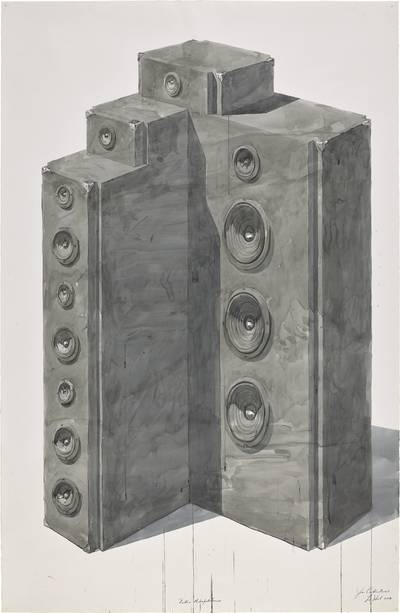
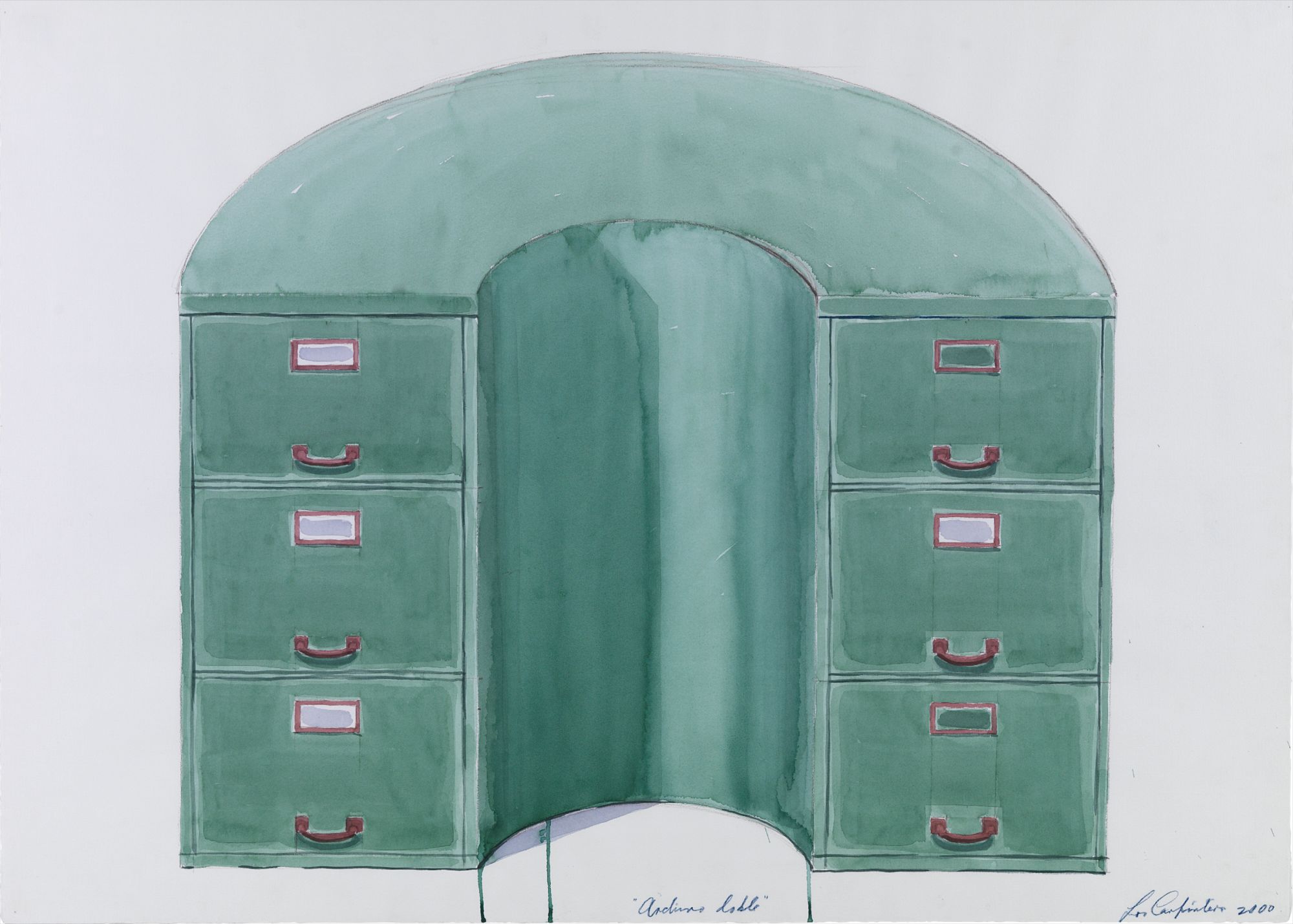
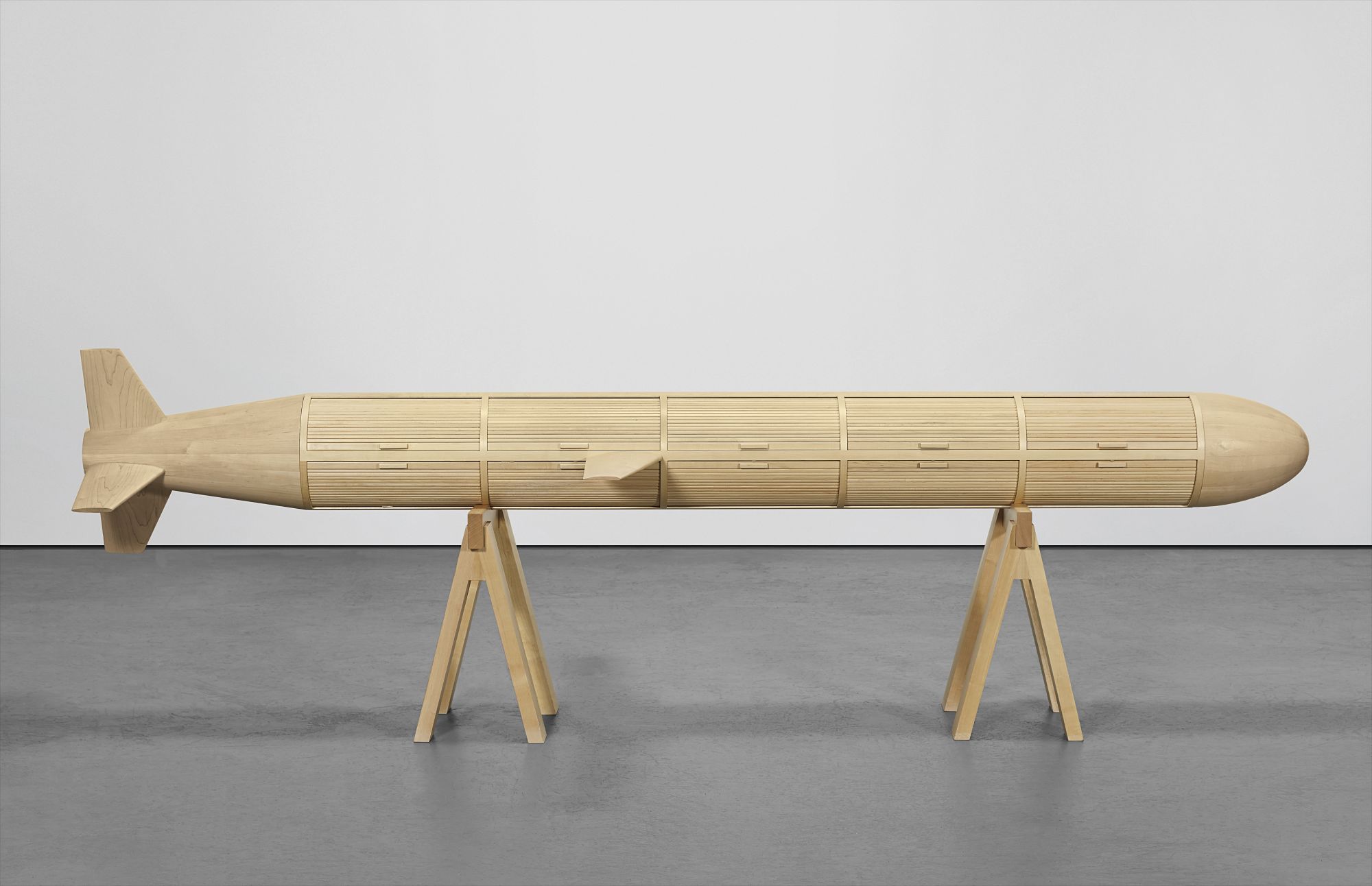
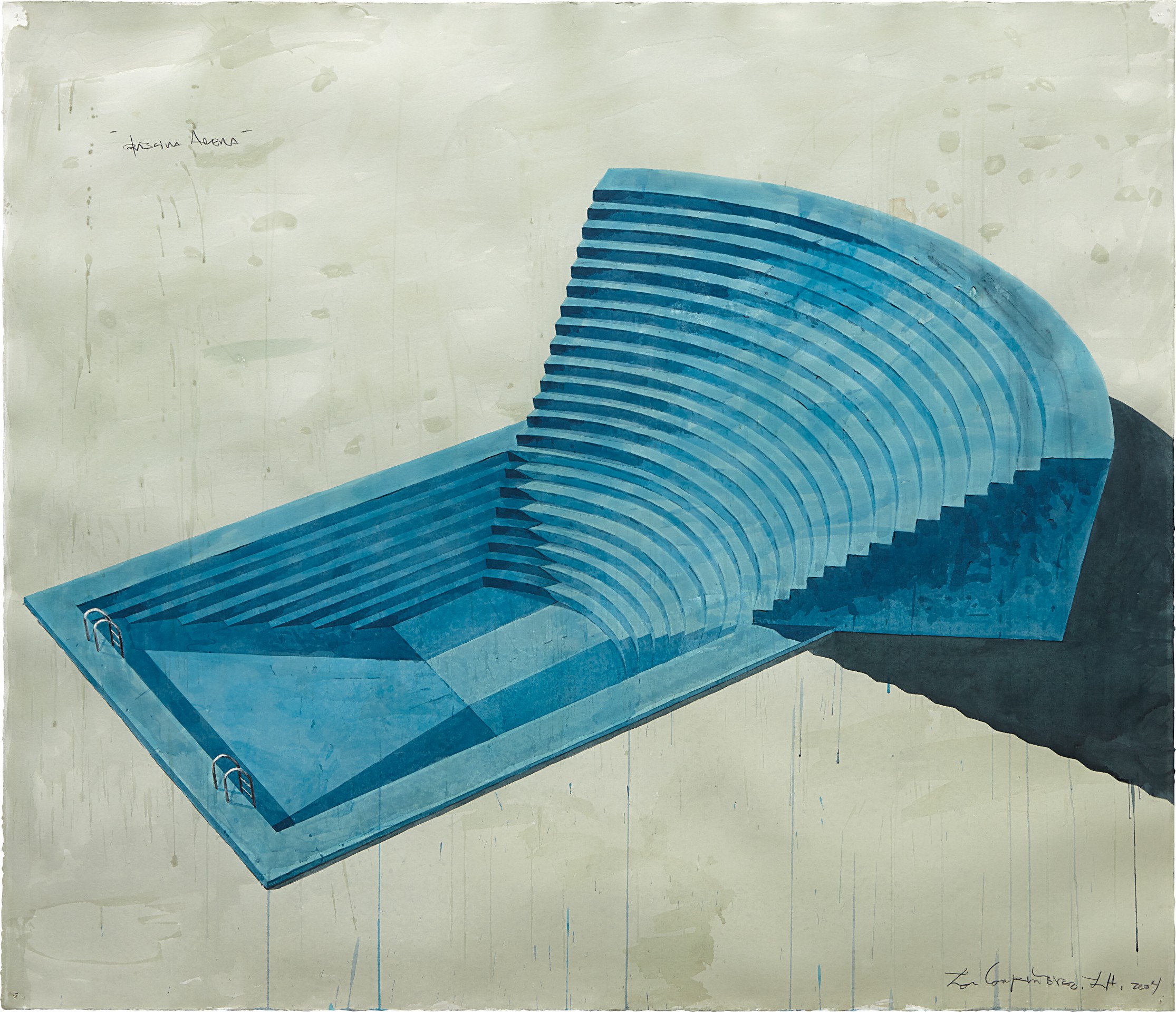
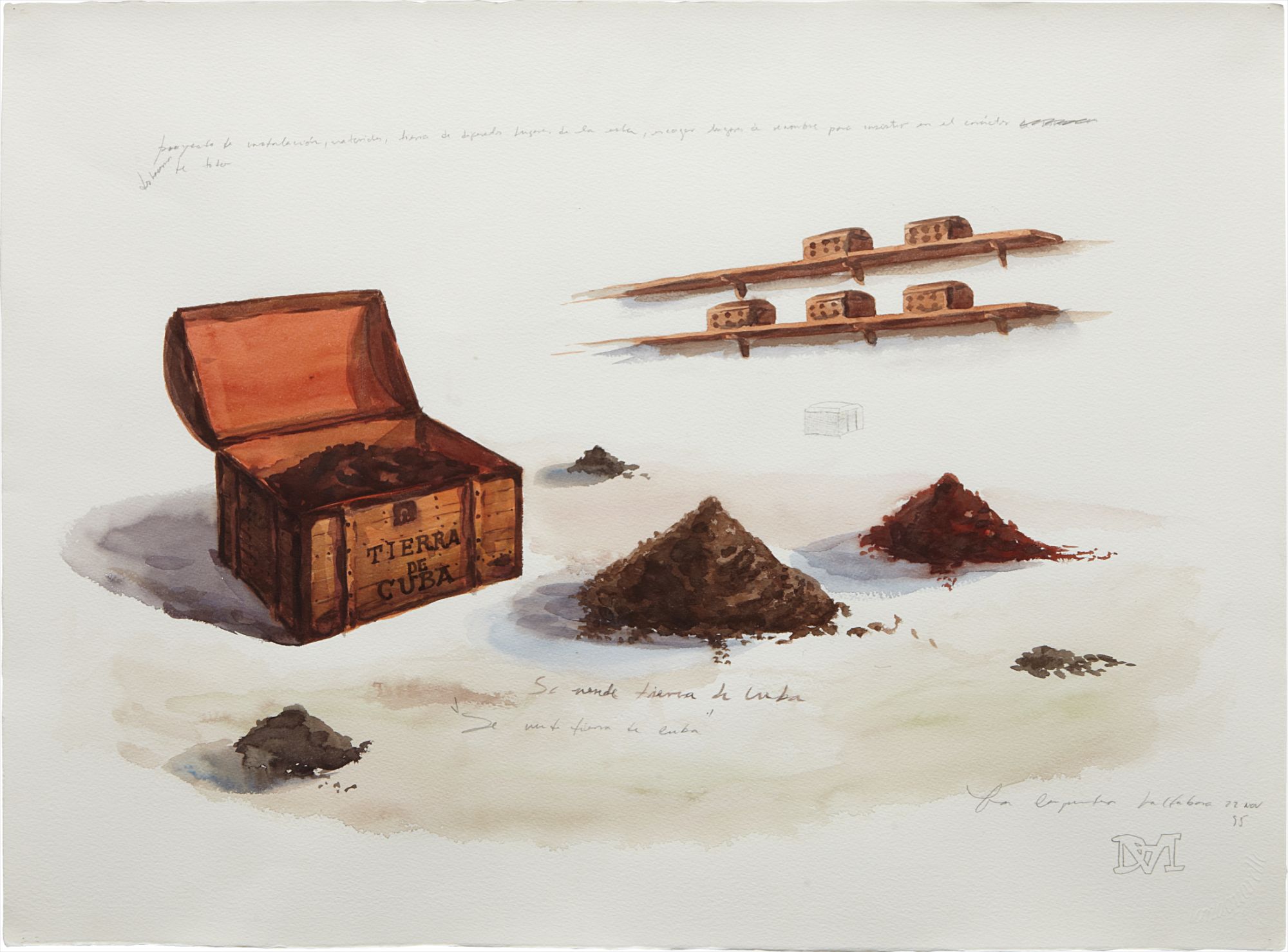
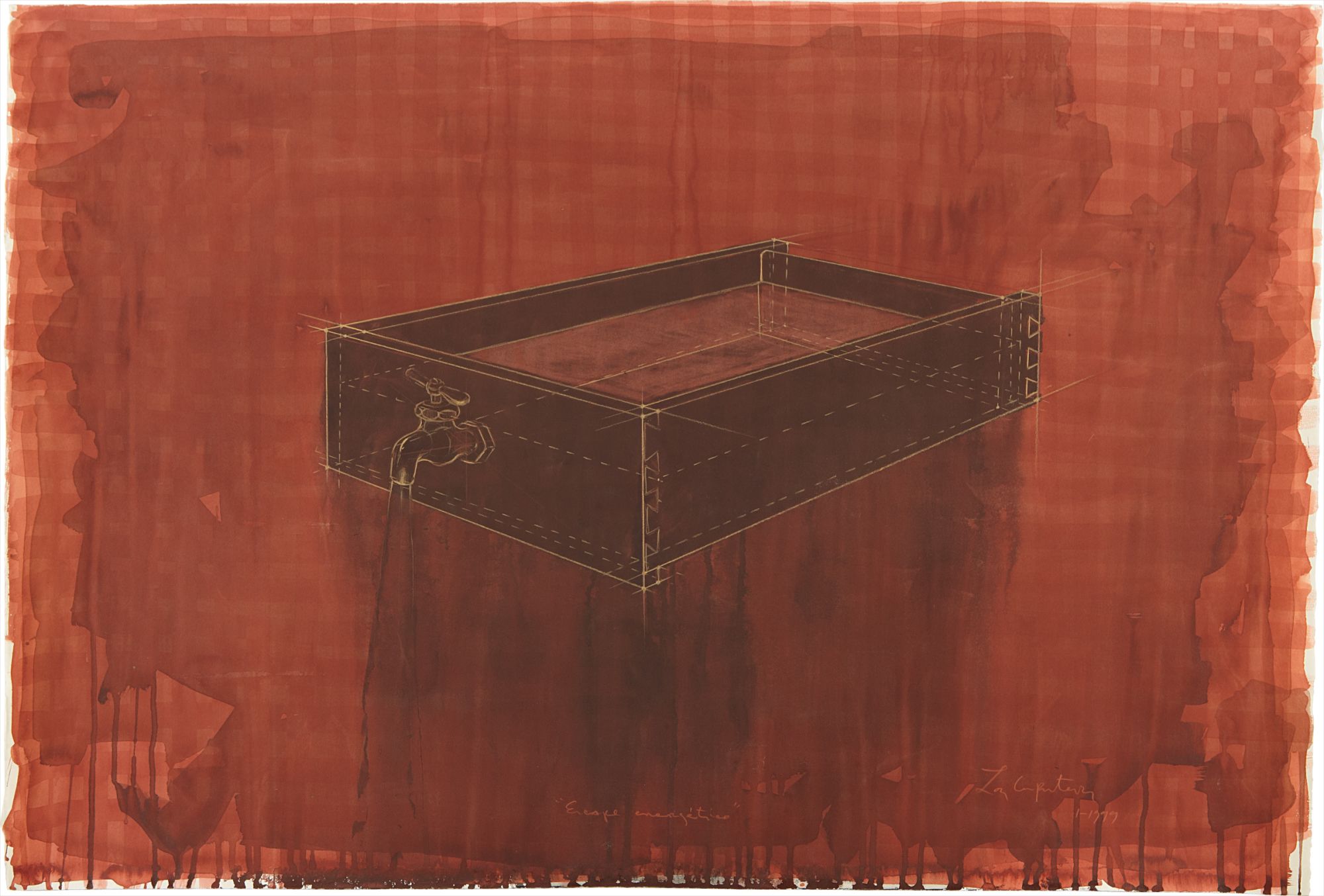
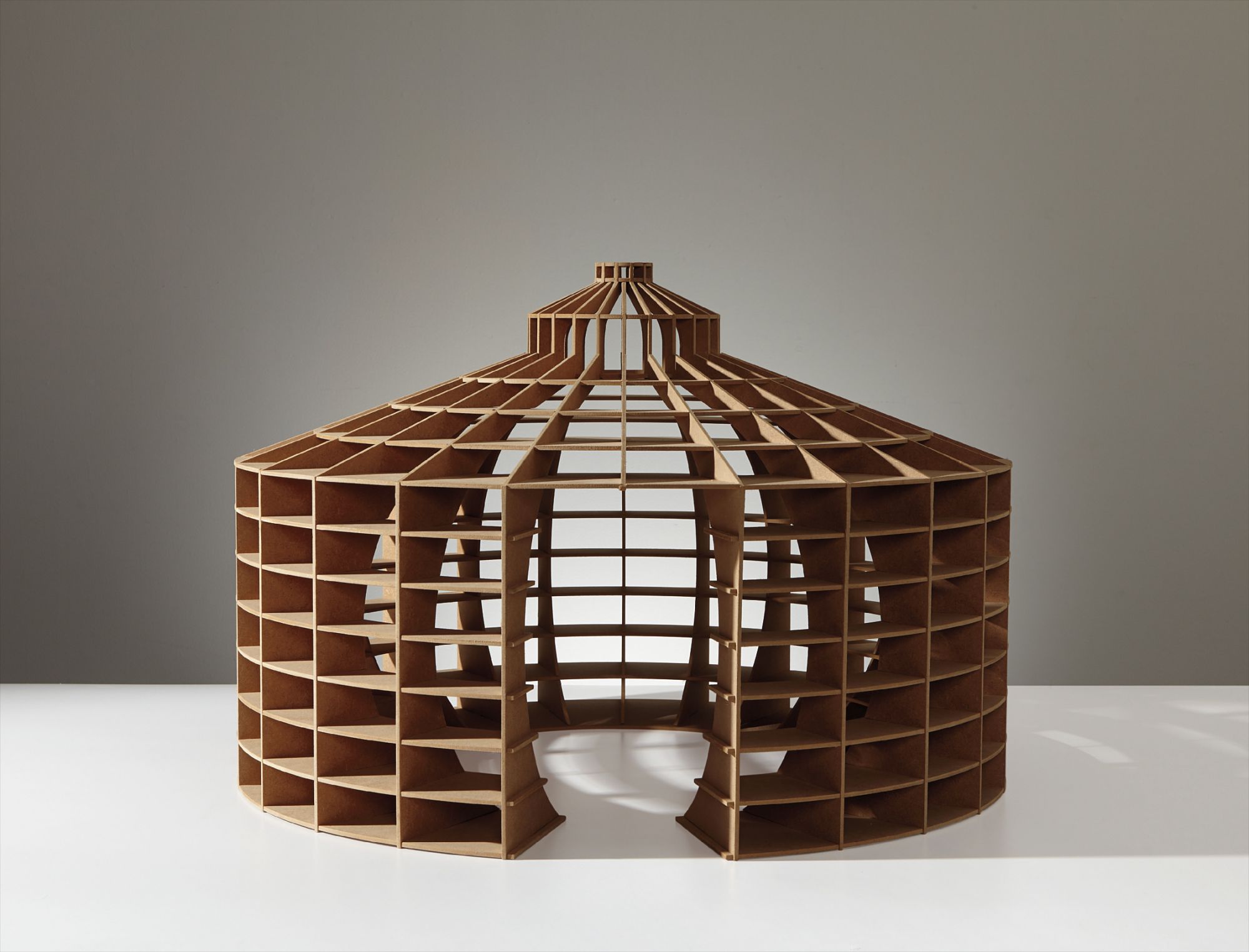
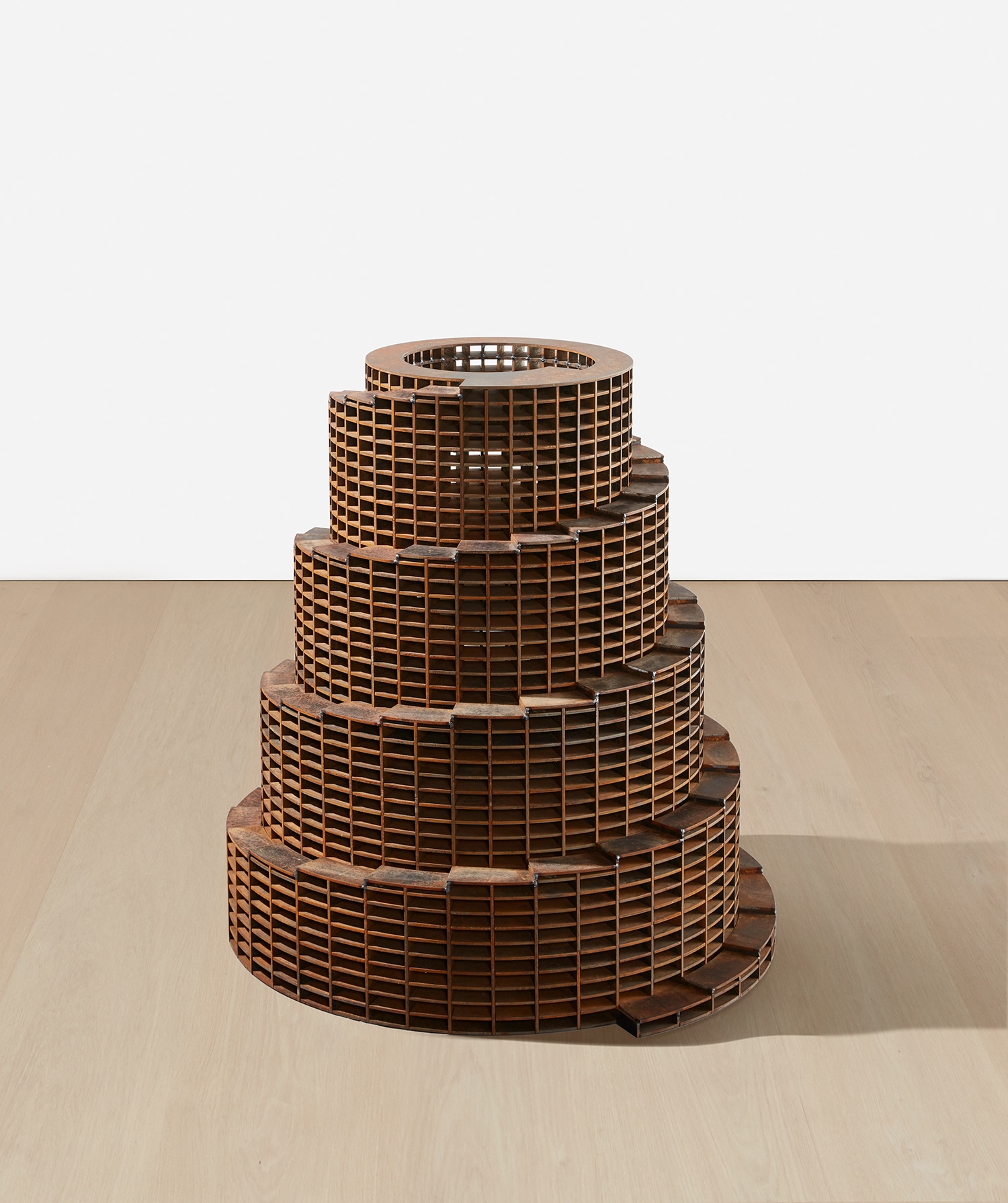
When the Venice Biennale opened its gates in 2005, one of the most talked about presences belonged not to a single artist but to a collective voice from Havana. Los Carpinteros arrived on the international stage with the kind of authority that takes most artists decades to earn, offering sculpture and drawing of such conceptual precision and visual wit that critics and collectors alike stopped in their tracks. That moment crystallized what Cuban audiences had understood for years: this was a practice unlike anything else in contemporary Latin American art, one that used the language of architecture and design to ask the deepest questions about power, aspiration, and the comedy of human ambition. The collective was founded in Havana in 1991, the year the Soviet Union collapsed and Cuba entered its most severe economic crisis, a period known as the Special Period. The founding members, Alexandre Arrechea, Marco Castillo, and Dagoberto Rodríguez, met while studying at the Instituto Superior de Arte in Havana, an institution whose own extraordinary origin story, built inside a former country club on the grounds that Fidel Castro and Che Guevara once used as a golf course, seemed almost too perfectly symbolic for artists who would spend their careers interrogating utopia. They chose a deliberately humble name, The Carpenters, invoking the skilled tradesman rather than the visionary auteur, a provocation in a culture that romanticizes the solitary genius. The early works carry the weight and texture of that founding moment. "Un peso," created in the same year the collective was born, is a wood construction with inlaid lead and metal hinges that already demonstrates the group's fascination with materials that carry social memory. Wood and lead, carpentry and heaviness, utility and something quietly broken: the piece announces a sensibility that would only deepen over the following three decades. The choice to work collectively and to refuse individual authorship was itself a political gesture, though one delivered with irony rather than ideology. They were not a revolutionary brigade. They were craftsmen with a sense of humor about the gap between blueprints and reality. Throughout the 1990s and into the early 2000s, the collective developed the watercolor and graphite drawings on paper that remain among the most distinctive achievements in their body of work. These are not preparatory sketches or architectural proposals in any conventional sense. Works like "Rayos X" from 1998 and "El pueblo" from 2004 present structures and objects rendered with the meticulous care of technical illustration, yet the subjects are always subtly wrong, beautifully, deliberately wrong. Buildings that cannot stand, furniture that cannot function, urban visions that promise order while delivering its opposite. The technique is impeccable, the draughtsmanship genuinely thrilling, and the conceptual payload arrives quietly, the way the best jokes do. "Radio Metropolitana," the 2003 watercolor and graphite on paper, transforms a civic institution into something simultaneously monumental and absurd, a meditation on how modernism promised to broadcast a better world and ended up broadcasting static. In 2003, Arrechea departed to pursue an independent practice, and the collective continued as the duo of Castillo and Rodríguez. Rather than diminishing the work, this transition seemed to concentrate it. The pair deepened their engagement with architectural surrealism and expanded into large scale installation, while never abandoning the intimate power of works on paper. "Urbanización flotante" from 2012 presents an entire housing development untethered from the ground, a floating city that is both a critique of modernist planning and a genuinely poetic image of displacement. "Puente para reflejar II" from 2013 offers a bridge that exists primarily as its own reflection, architecture as narcissism, infrastructure as dream. These are images that lodge themselves in memory and refuse to leave. Works like "Sala de Lectura Babel" from 2017 extend the inquiry into knowledge and accumulation, conjuring a reading room that echoes Borges in its infinite, self defeating promise of comprehension. The reference to Borges is not accidental: Los Carpinteros operate in a Latin American literary tradition as much as a visual art one, and their works reward the kind of close, patient reading that great fiction demands. For collectors, the breadth of the practice offers genuine range of entry. The watercolors and graphite works on paper represent some of the most intellectually satisfying drawing being made anywhere in the world today, and they carry the additional distinction of being among the most immediately legible of the collective's outputs. You do not need an advanced degree in architectural theory to feel the uncanny pleasure of a building that should not exist rendered with the confidence of a master builder. Pieces like "Se vende tierra de Cuba" and "Piscina Arena" and "Escape energético" belong to a sustained meditation on landscape, territory, and desire that rewards extended living with. The works have been acquired by major institutional collections including MoMA and Tate Modern, a fact that speaks to both their critical standing and their long term value within the canon. Auction records have reflected sustained and growing demand, particularly for the large format works on paper from the late 1990s and early 2000s, which are now recognized as key documents of their period. Los Carpinteros occupy a unique position within the broader landscape of contemporary art. They share with artists like Francis Alÿs a commitment to using modest or traditional materials to carry large conceptual and political weight, and with Cildo Meireles a Latin American willingness to make ideological critique through formal beauty rather than agitprop. Within Cuban art history, they belong to a generation that came of age in the aftermath of the extraordinary 1980s Cuban avant garde, absorbing its lessons about institutional critique and social engagement while developing a formal vocabulary entirely their own. Their influence on younger Cuban and Latin American artists has been substantial and continuing. What makes Los Carpinteros essential today is precisely their refusal to choose between beauty and criticality, between formal mastery and conceptual ambition. At a moment when so much art feels obligated to declare its politics loudly and wear its influences on its sleeve, their work offers something rarer: a practice of genuine intelligence that trusts the viewer, that finds comedy and pathos in the same gesture, that makes dysfunctional architecture feel like the most honest description of the world we actually inhabit. To collect their work is to invest in a vision of what art can do when it is made by people who are, in the deepest sense, both builders and dreamers.