Stone Carving

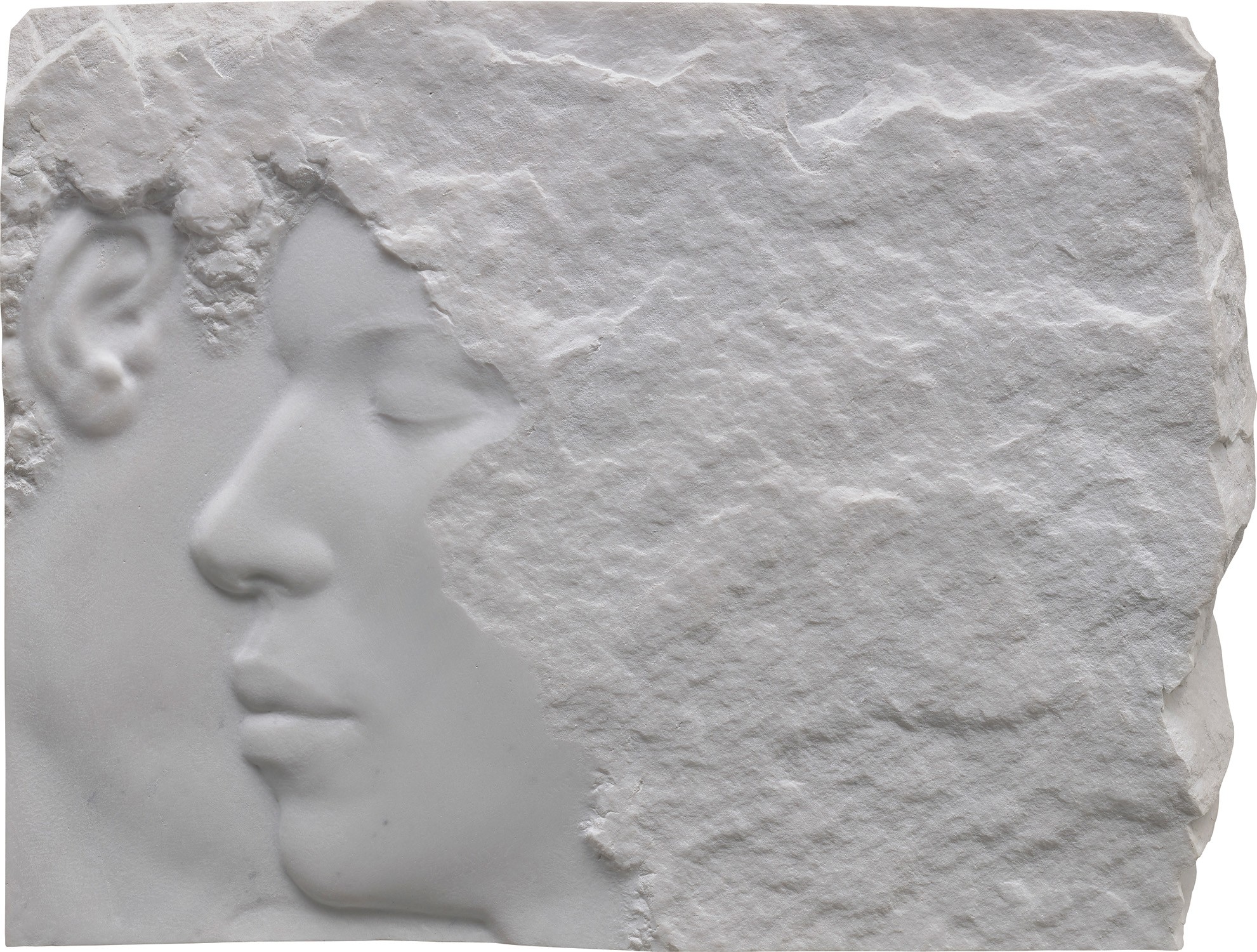
Jon Rafman
NAD (Secret Meanings Carrara), 2015


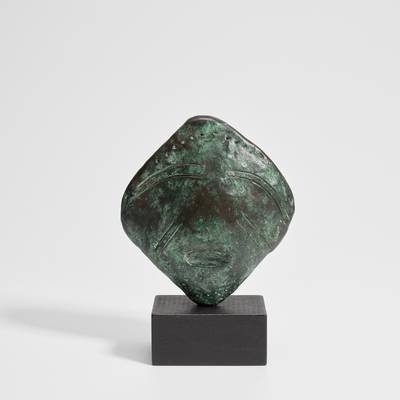
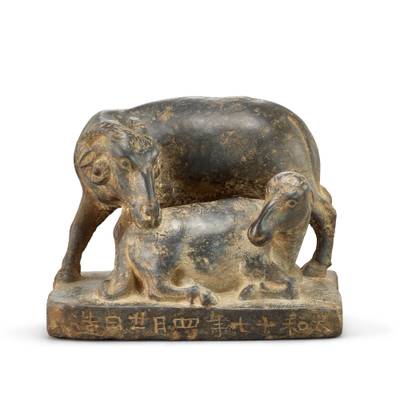
Stone Remembers Everything We Forgot
When a fragment of Egyptian granodiorite crossed the block at a major London sale recently, the room went quiet in that particular way it does when something genuinely ancient enters the space. The torso, carved with that extraordinary compression of power that defines the best of pharaonic sculpture, drew bidders from three continents. It sold well above estimate. What that moment revealed, more than anything, was that the appetite for carved stone across all periods and cultures is not nostalgia.
It is something closer to hunger. The market for stone carving is one of the most layered and genuinely surprising categories in collecting right now. It spans the earliest known objects of human making all the way to contemporary sculptors working in direct response to those ancient traditions. Barbara Hepworth, Isamu Noguchi, Jean Arp, Emily Young, Agustín Cárdenas, William Turnbull: these are names that appear in the same serious collections as pre Columbian hachas, Taíno anthropomorphic pendants, and Egyptian granite heads.
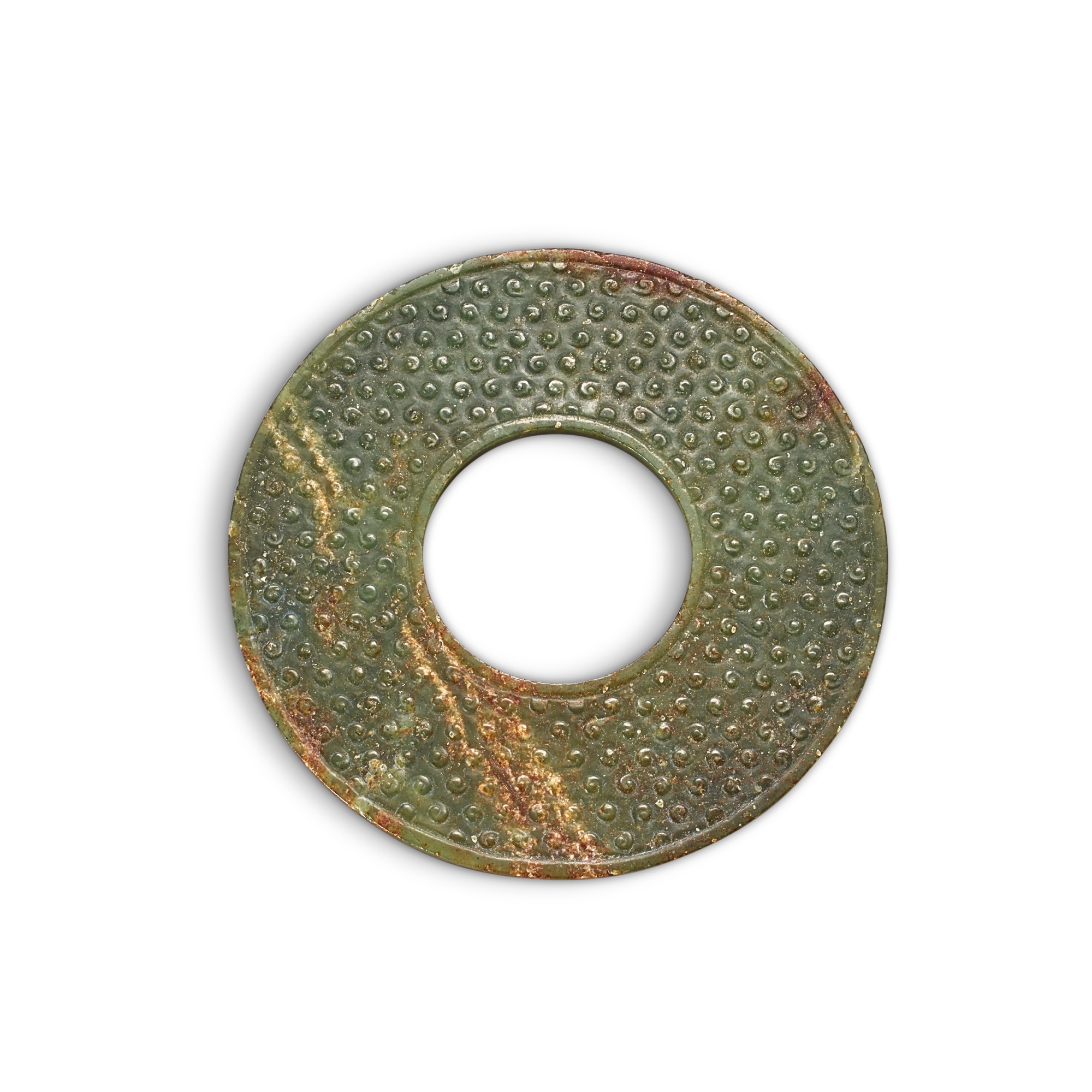
A jade disc, huan,
A jade disc, huan, probably Eastern Zhou dynasty 或東周 玉穀紋環
The through line is not stylistic. It is material and it is existential. Stone carries time in a way no other medium does. Exhibitions in recent years have been catching up to what collectors already sensed.
The Noguchi Museum in Long Island City, which celebrated its fortieth anniversary in 2025, has continued to make the case that Noguchi's decades of working directly in stone, particularly his time in Japan learning traditional techniques, placed him in a lineage that reaches back to the very beginning of sculpture. The museum's programming consistently refuses to treat his stone works as modernist objects sealed off from the ancient world. That refusal has influenced how curators elsewhere frame the conversation. Tate St Ives, with its permanent holdings of Hepworth's work set against the Cornish landscape she quarried and loved, remains perhaps the most atmospheric argument for why place and geology are inseparable from carved form.
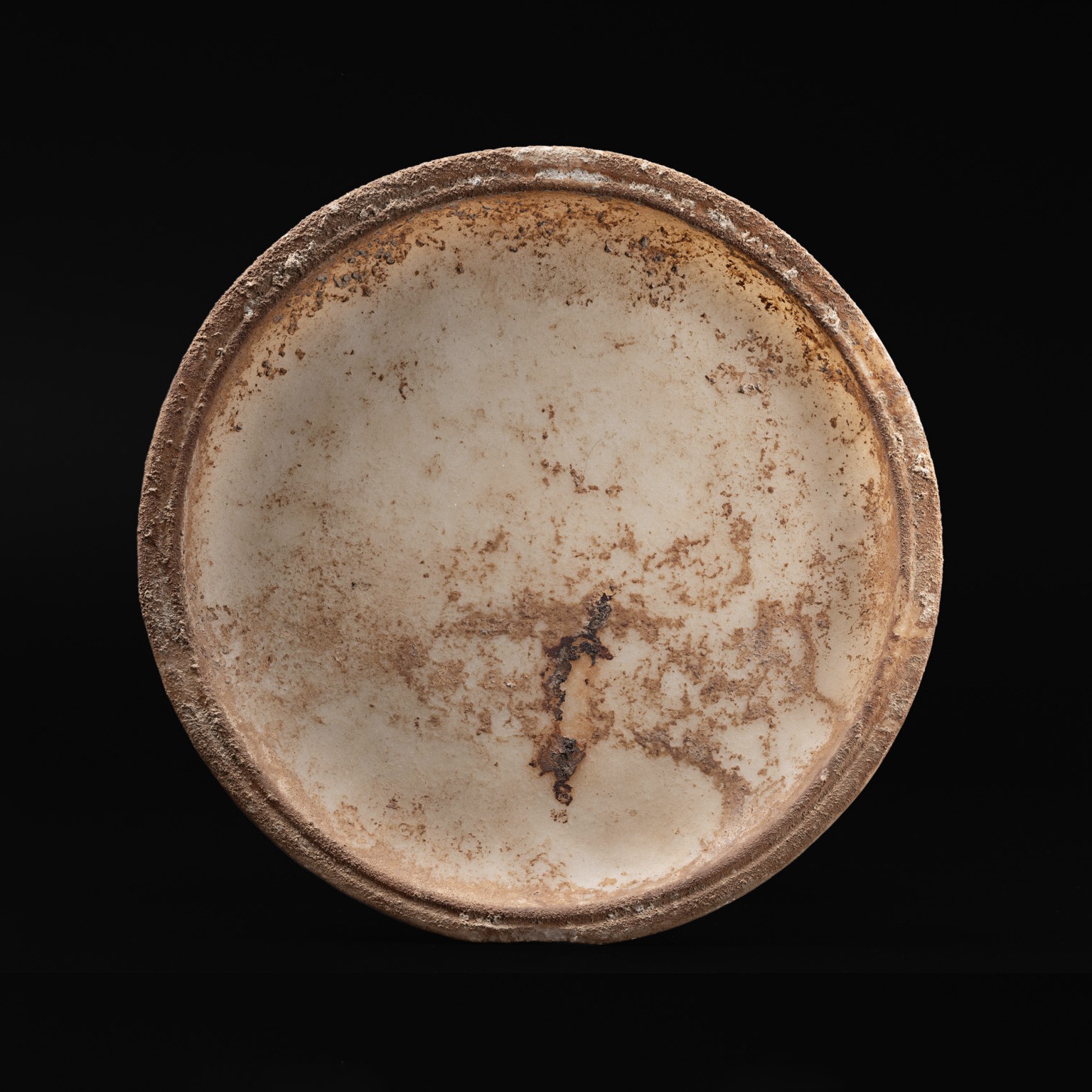
A Greek Marble Dish
A Greek Marble Dish, circa 4th Century B.C.
At auction, the results tell a clear story about which artists command serious attention. Hepworth's carved forms have achieved prices in the multi million pound range at Christie's and Sotheby's, with her direct carvings in marble and alabaster consistently outperforming estimates when they appear. Noguchi's stone works follow a similar pattern. Jean Arp's biomorphic sculptures in marble carry that rare quality of feeling inevitable, as if the forms were always inside the stone waiting, and the market reflects a sustained reverence for his contribution.
What is more interesting is the robust performance of ancient material. Pre Columbian stone objects, including Maya effigy pieces and Mixtec zoomorphic carvings, have held exceptional value at the major Paris and New York houses, reflecting both genuine scholarly interest and a collector base that reads across cultures without hierarchy. Institutions are also signalling where the field is heading through their acquisition strategies. The Metropolitan Museum of Art's commitment to displaying ancient stone works from Egypt, Mesoamerica, and the ancient Mediterranean alongside one another, rather than locked into strictly regional departments, has shifted how younger curators think about cross cultural formal dialogue.
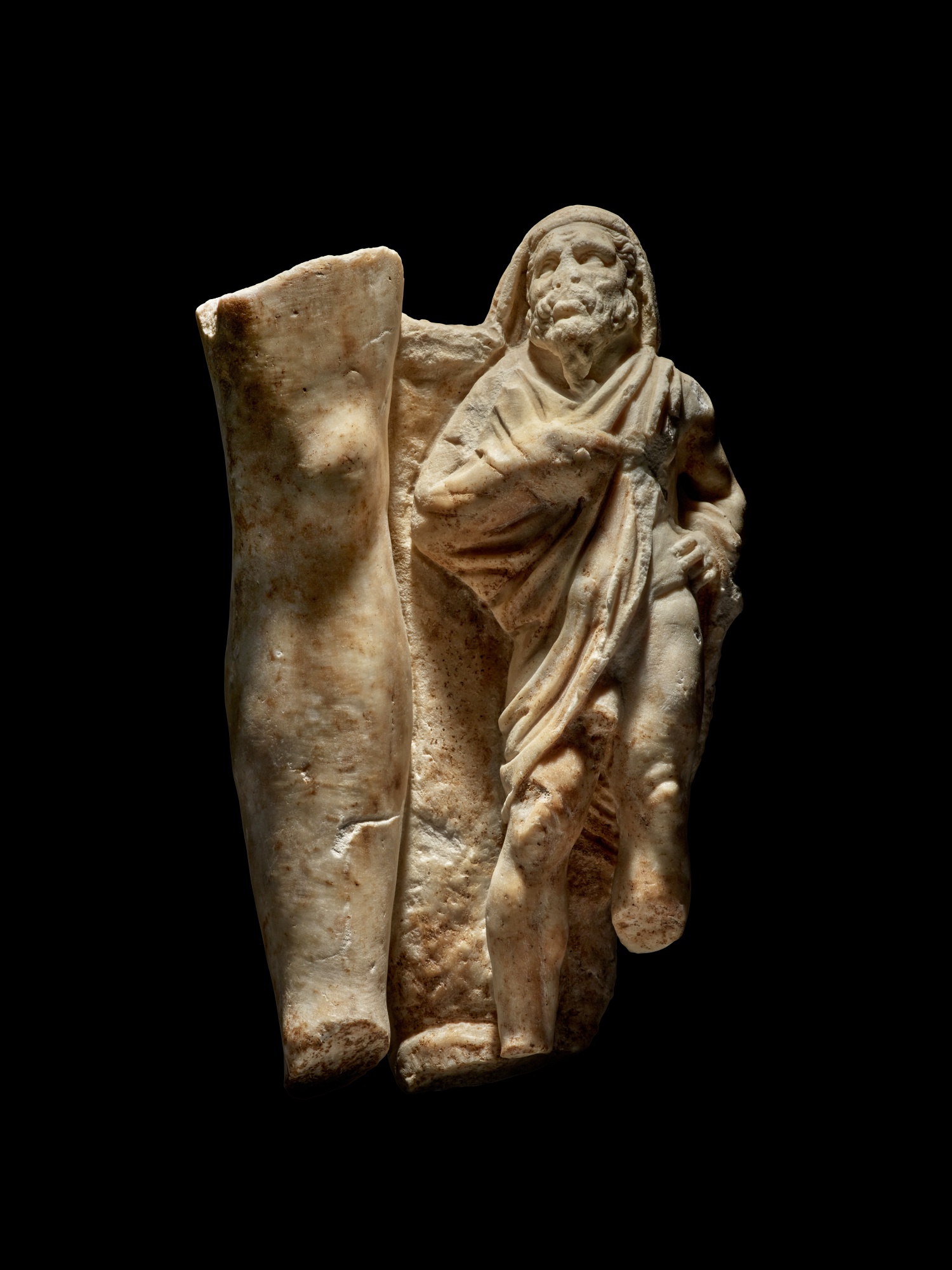
A Roman Marble Figure of Priapos, circa Early 3rd Century A.D.
A Roman Marble Figure of Priapos, Circa Early 3rd Century A.D.
The British Museum's consistent acquisitions in the jade and hardstone categories, including Chinese works of the kind represented by the extraordinary disc and bird figures that appear on The Collection, point to an understanding that lapidary carving is a global conversation spanning millennia. When institutions of that standing reorganise their display logic, collectors pay attention. The critical conversation around stone carving has been shaped in recent years by a handful of writers and curators willing to take the long view. T.
J. Clark's insistence on thinking about how ancient objects carry traces of labour and intention resonates strongly in this context. The art historian Penelope Curtis, former director of Tate Britain, wrote compellingly about the relationship between British modernist carvers and the classical tradition. More recently, the critic Doris Salcedo's influence as an artist who works with stone to address memory and violence has brought a new generation of writers to the material with fresh urgency.
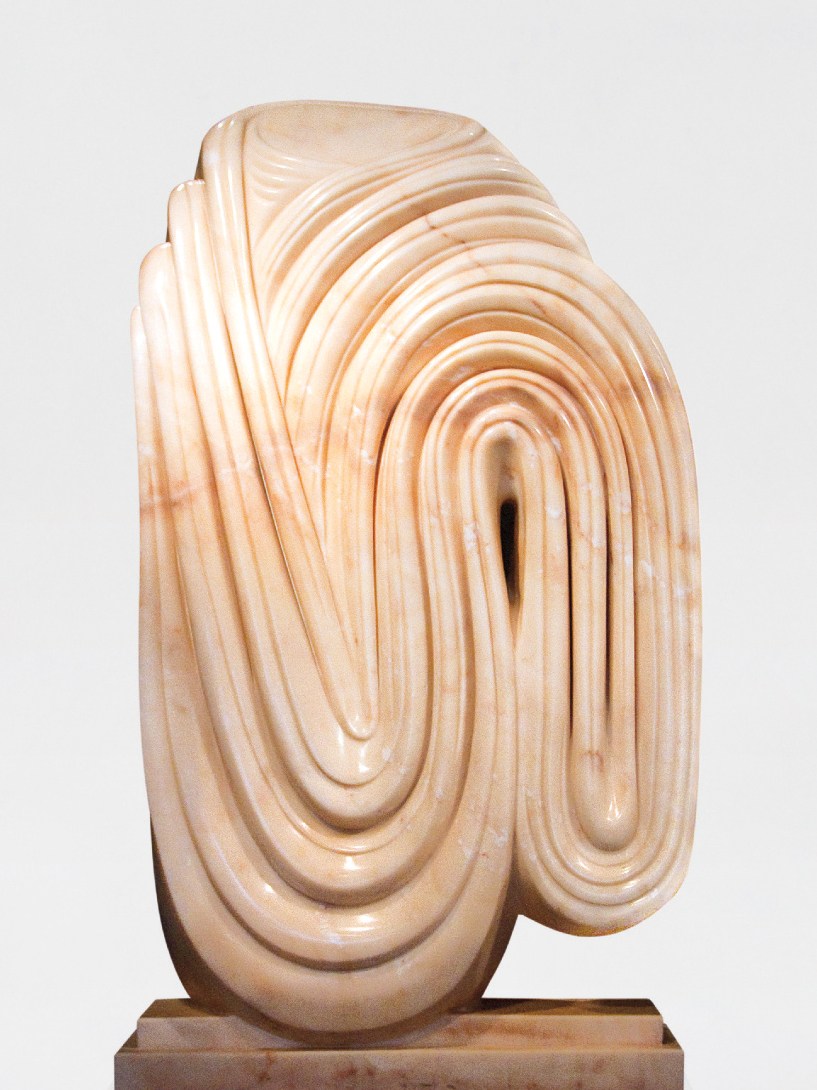
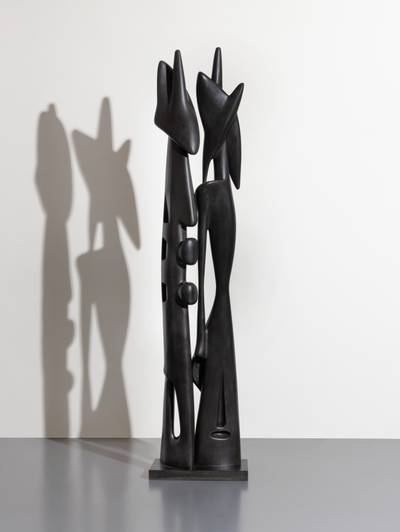
Paul Vanstone
Senator, 2014
The publication of major catalogues raisonnés for Hepworth and Noguchi has given the scholarly architecture that the market needed to mature. The energy right now feels most alive at two poles that are moving toward each other. On one end, contemporary sculptors like Emily Young and Paul Vanstone are working with geological time explicitly, choosing stones for their age and origin as much as their visual qualities. Young in particular, who sources ancient marbles and limestone from sites across the Mediterranean and beyond, has built a practice that makes the material history of the stone as much a part of the work as the carved form.
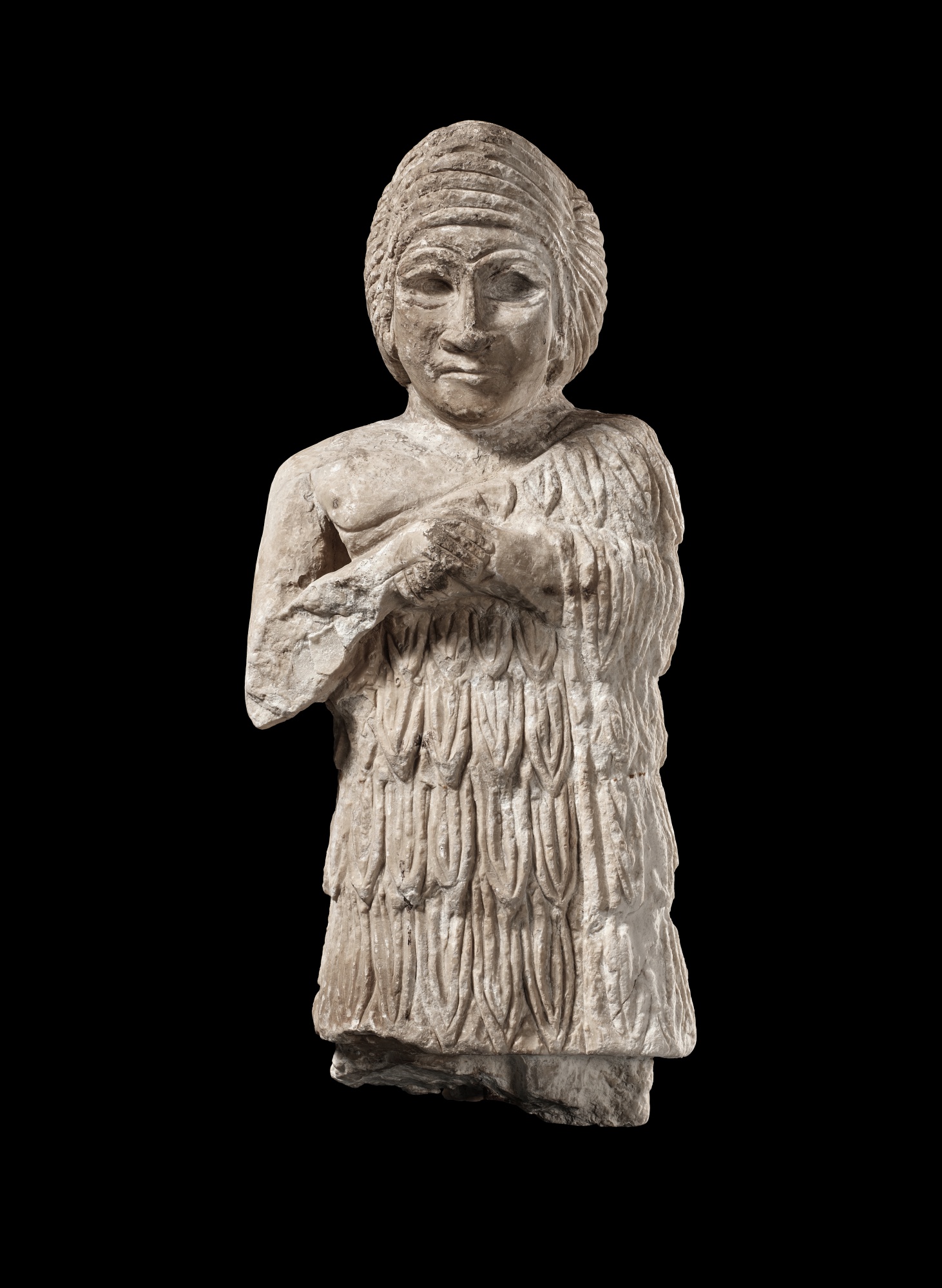
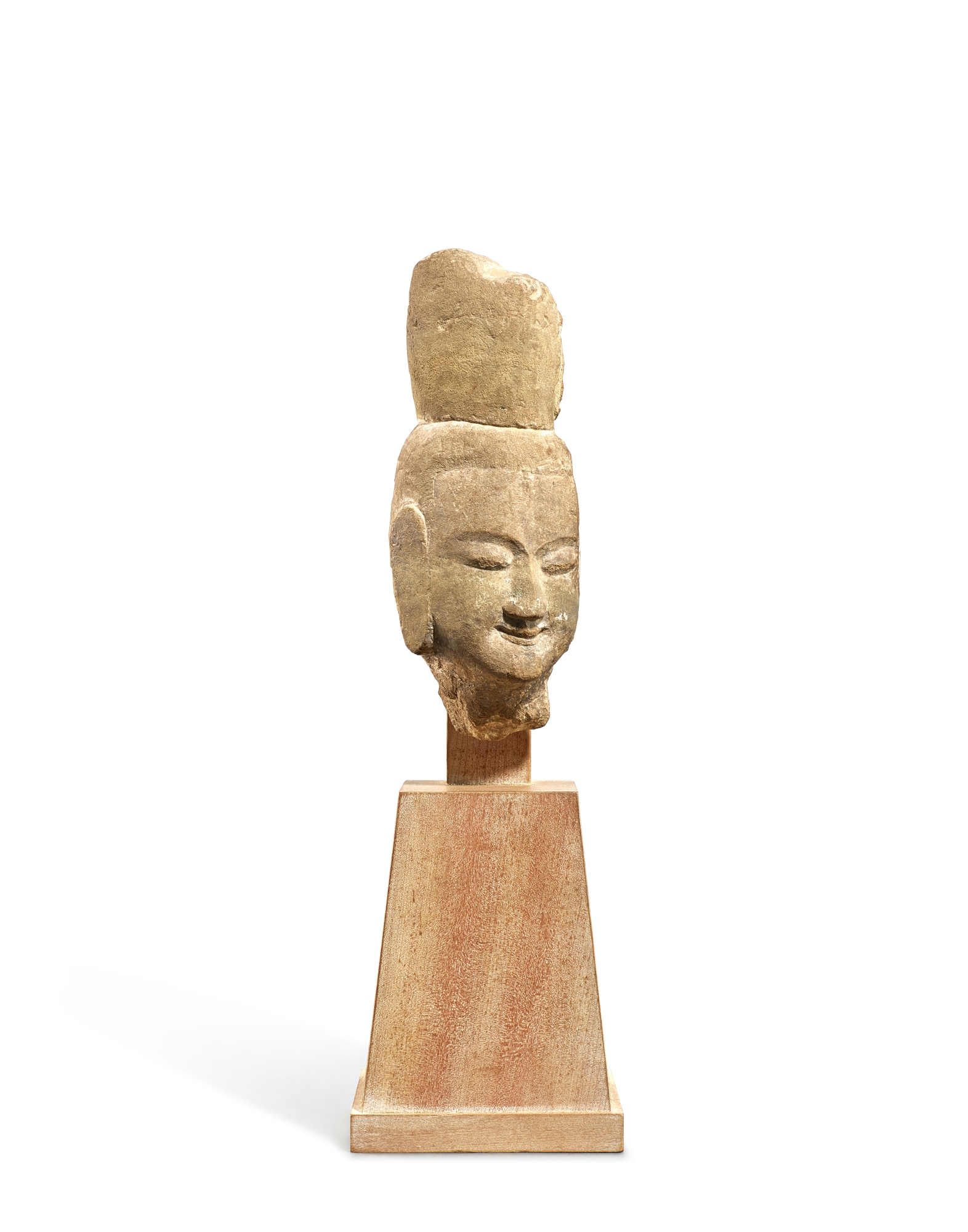
On the other end, archaeologists and art historians are producing scholarship on ancient lapidary traditions, including the jade workshops of ancient China and the Taíno carving culture of the Caribbean, that is finding its way into gallery programming and, consequently, into collecting conversations. What surprises collectors new to this category is how much of the most powerful work exists outside the Western canon and always has. A sandstone Buddha head, a Colima stone mask from the Preclassic period, an inscribed stone figure from the ancient Near East: these objects carry formal sophistication and expressive force that places them in conversation with anything made in Europe or America in the twentieth century. The collectors who have understood this earliest, building collections that place Emily Young beside an Egyptian granite head or William Turnbull beside a pre Columbian hacha, are sitting on something that feels less like a portfolio and more like a genuine argument about what it means to make and hold form in permanent material.
That argument, right now, feels more urgent than ever.