Social Justice
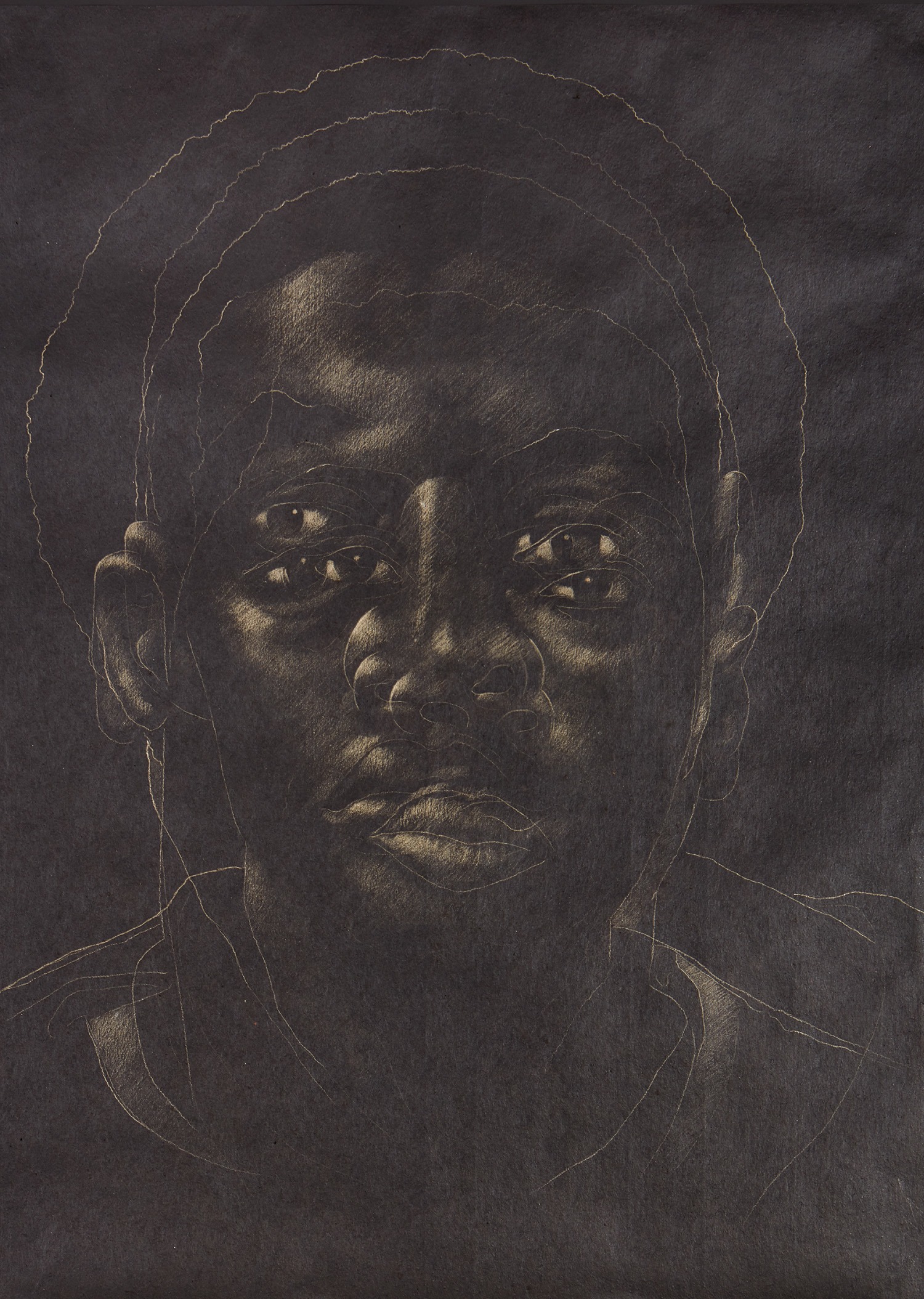
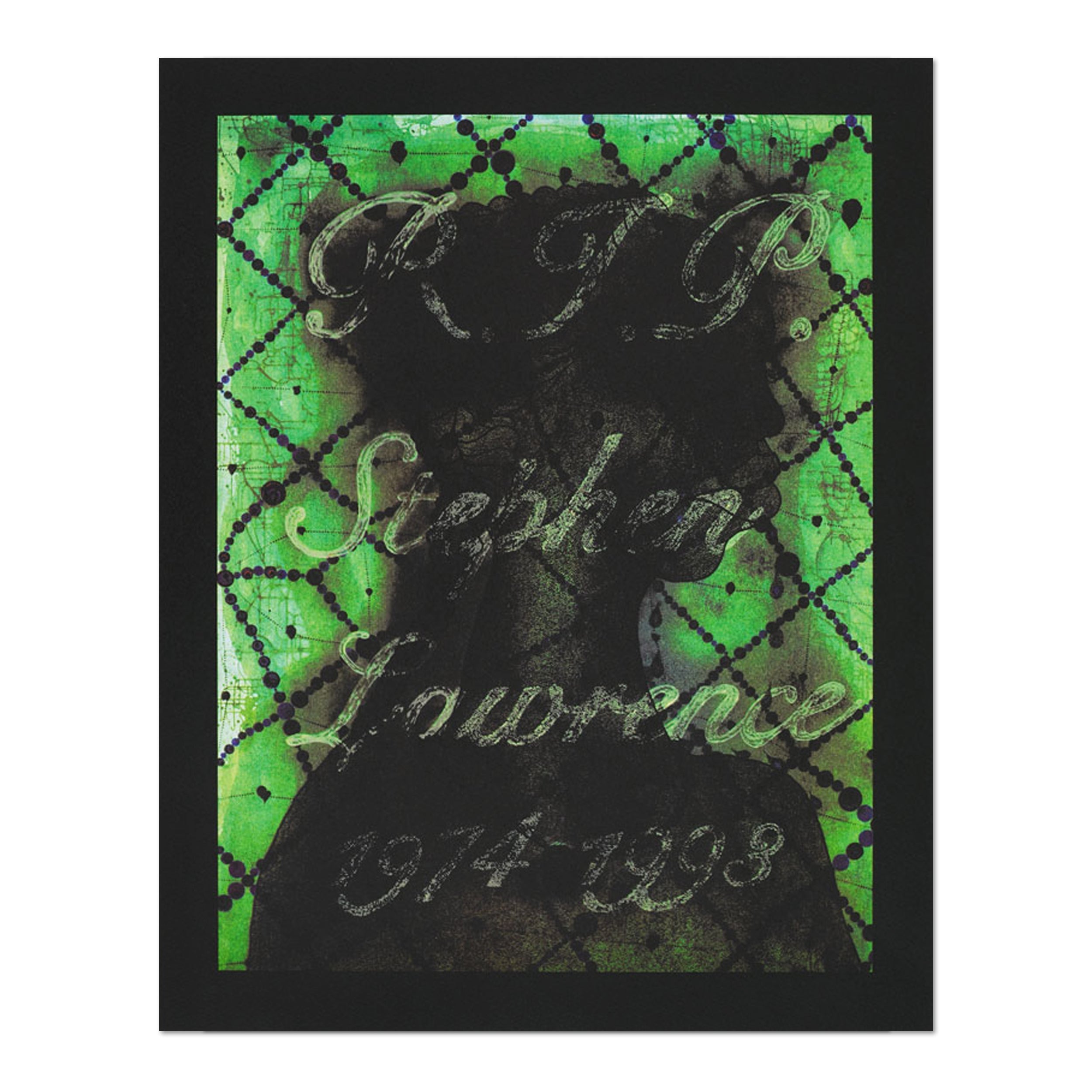
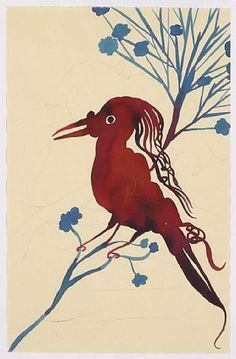
Titus Kaphar
The Jerome Project (Asphalt and Chalk) XIV, 2015

Art That Refuses to Look Away
There is a particular kind of image that stays with you long after you have left the gallery, or closed the book, or scrolled past it on a screen. It is the image that tells the truth about something you already knew but had not fully allowed yourself to feel. Social justice art operates in exactly that space, the territory between knowledge and conscience, and it has been doing so with increasing urgency and sophistication for well over a century. What distinguishes the best of it from mere propaganda is the quality of attention it demands, and receives.
The roots of politically engaged art run deep into the nineteenth century, from Gustave Courbet's unflinching depictions of peasant labor to the satirical prints of Honoré Daumier, who was imprisoned in 1832 for his caricature of King Louis Philippe. But the movement crystallized into something more self aware and methodologically deliberate in the twentieth century, particularly in the 1930s when documentary photography emerged as a tool of moral reckoning. The Farm Security Administration commissioned photographers to document the devastation of the Great Depression, and it was in that context that Dorothea Lange produced what became one of the most recognized images in American history. Her 1936 photograph known as Migrant Mother, taken in a pea picker's camp in Nipomo, California, did not simply record poverty.
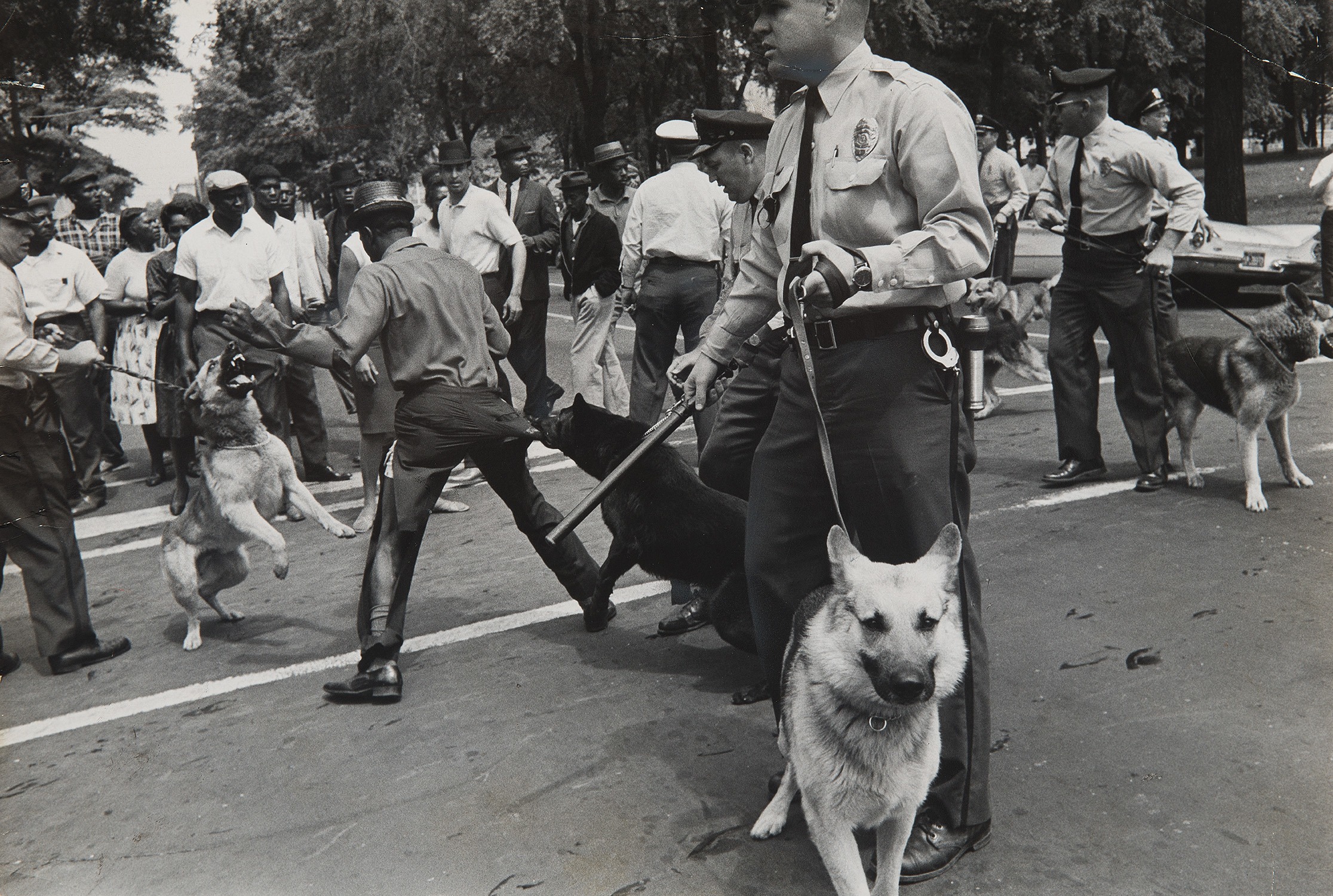
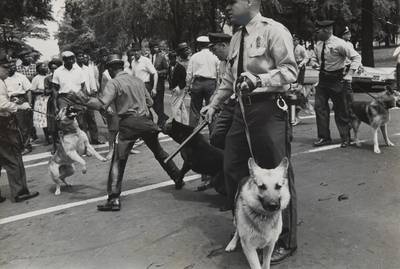
Charles Moore
Dogs used by Birmingham, Ala. Cops to quell Negro Race Riots
It made poverty impossible to ignore. The civil rights era pushed social justice art into new registers of urgency and formal ambition. Charles Moore photographed the 1963 confrontations in Birmingham, Alabama, with a directness that forced American newspaper readers to see what was happening in their own country. His images of fire hoses and police dogs turned against peaceful protesters were published in Life magazine and are widely credited with shifting public opinion and accelerating legislative change.
Around the same time, Bruce Davidson was embedding himself in communities others looked away from, producing sustained, intimate bodies of work that insisted on the full humanity of his subjects. Danny Lyon rode with the Outlaws motorcycle club and later documented prison inmates in Texas, always seeking proximity rather than distance, insisting that the camera could be an instrument of solidarity rather than surveillance. The 1960s also gave rise to a distinctly American fusion of art and activism through the streets and the screen printing studio. Corita Kent, working as Sister Mary Corita at Immaculate Heart College in Los Angeles, transformed the visual language of commercial advertising into something subversive and tender.
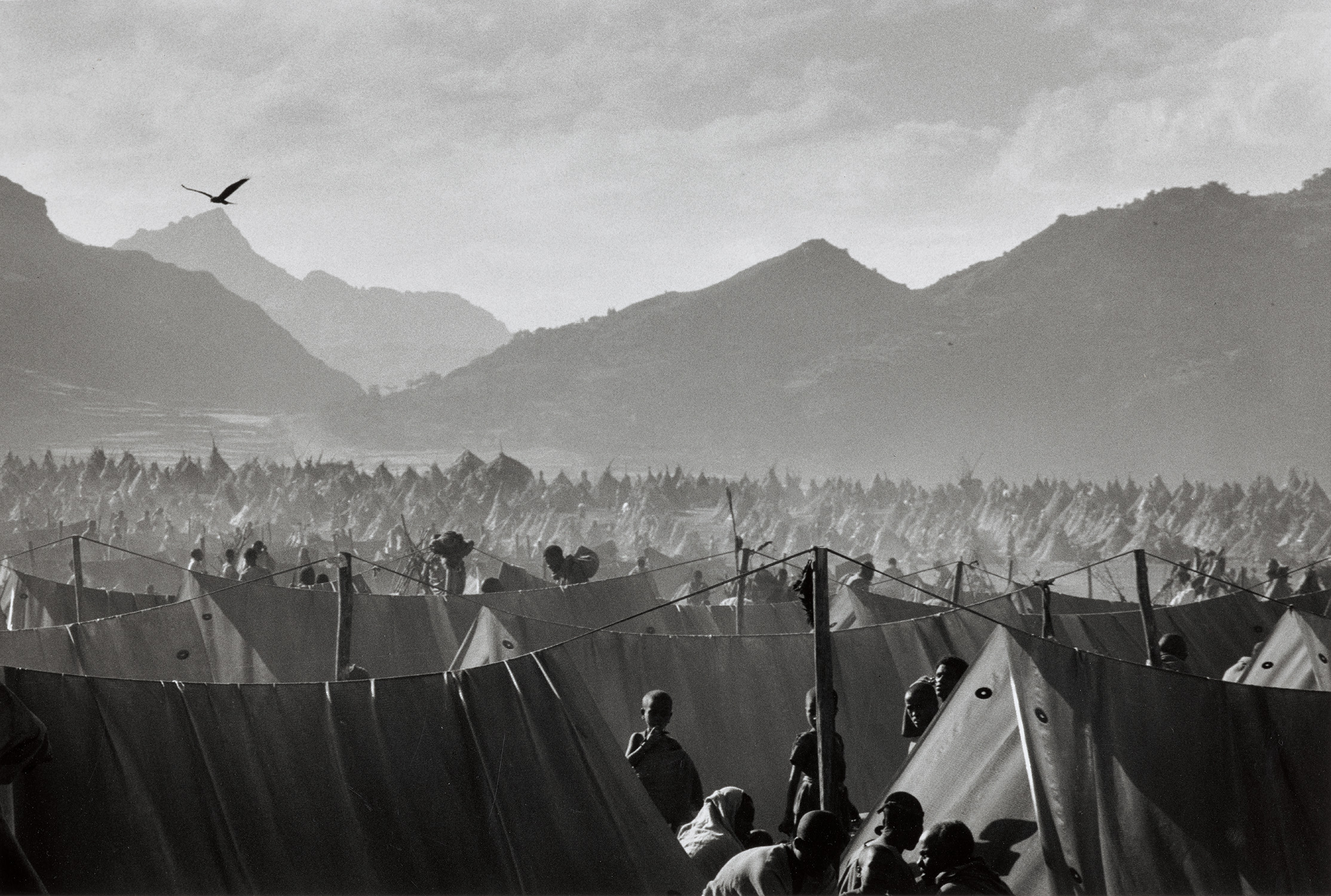
Sebastião Salgado
The Refugee Camp of Korem, Ethiopia
Her serigraphs of the mid to late 1960s borrowed from soup cans and highway billboards to deliver messages about poverty, war, and human dignity with a wit that disarmed the defensive viewer. Her 1964 work and exhibition projects brought serious critical attention to what some initially dismissed as devotional craft, and her influence on subsequent generations of activist artists is difficult to overstate. The lineage runs clearly forward to Shepard Fairey, whose street based practice turns public space into a contested arena of image and meaning. Sebastião Salgado has spent decades working at a scale that few photographers dare to attempt, documenting mass migration, industrial labor, and environmental crisis across multiple continents.
His series Workers, produced throughout the 1980s and published in 1993, is a monumental reckoning with the human cost of global industrialization. The large format black and white images carry an almost operatic grandeur that some critics have debated as aestheticizing suffering, yet the debate itself speaks to the seriousness with which Salgado engages the formal questions that social justice art must always confront. How do you bear witness without exploitation? How do you make beauty from pain without betraying the people in the frame?
Titus Kaphar
The Jerome Project (Asphalt and Chalk) XIV, 2015
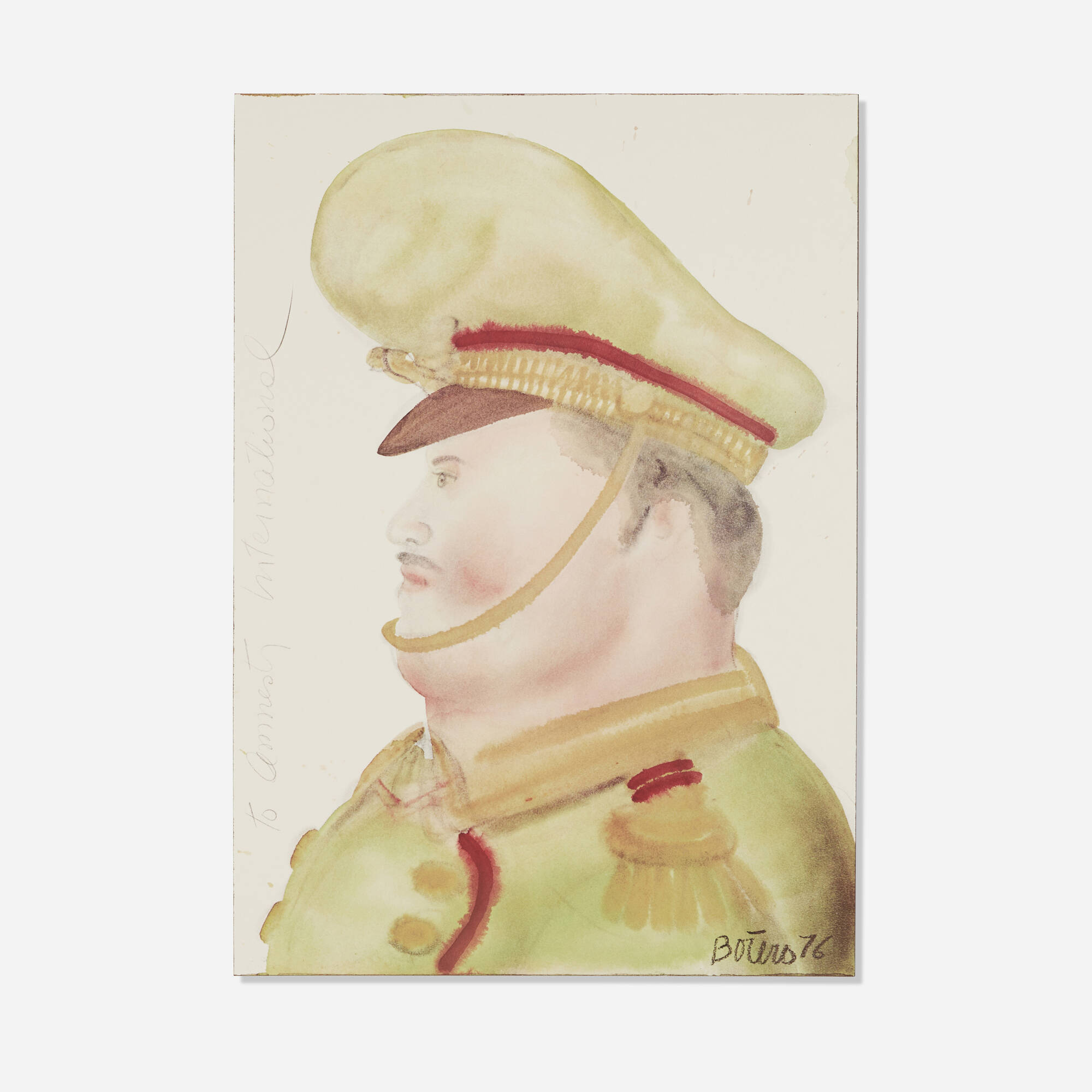
LaToya Ruby Frazier has wrestled with exactly these questions in her long term documentary project focused on Braddock, Pennsylvania, a work that collapses the distance between photographer and subject because she herself is from Braddock, and her own family appears within the work. Painting and sculpture have never been far from these concerns, though they operate differently than photography. Titus Kaphar has developed a practice that directly interrogates the Western canon by physically manipulating painted surfaces, tearing, scraping, and obscuring imagery to reveal what art history has chosen to forget or suppress. Fernando Botero, working in his signature volumetric style, applied that same vocabulary to his Abu Ghraib series of 2005, a body of work depicting torture and detention that was largely refused by American institutions and yet circulated widely, finding its audience through other channels.
The refusal itself became part of the work's meaning. Tim Rollins and K.O.S.

Deborah Luster
One Big Self: Prisoners of Louisiana
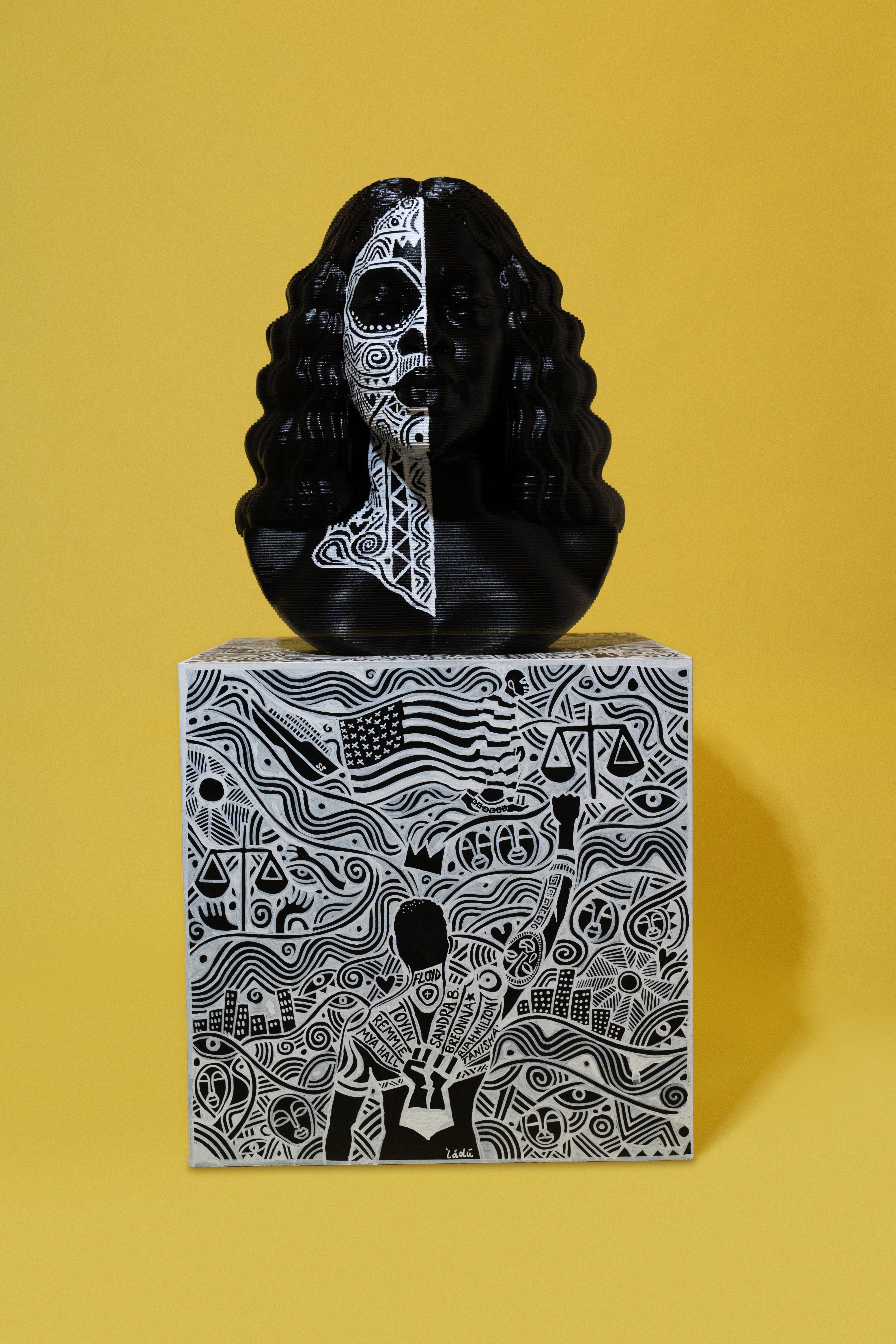
, the collaborative founded in the South Bronx in the 1980s, embedded art making within a community of young people who had been written off by a failing school system, producing paintings on the pages of canonical texts that fused literary history with lived contemporary experience. The tradition continues to evolve and expand. Láolú Senbanjo brings a sacred Yoruba practice of facial adornment into contemporary contexts, transforming the body and the portrait into a site of cultural memory and resistance. Deborah Luster's delicate, obsessive photographic work has engaged with Louisiana's prison system in ways that are formally gorgeous and morally devastating at once.
Bernadette Despujols has documented the opioid crisis with a sustained compassion that refuses sensationalism. What connects all of these artists across generations and geographies is a shared conviction that art is not a retreat from the world but a way of engaging it more fully. For collectors, social justice art presents a particular kind of responsibility, and a particular kind of reward. These works do not simply decorate; they ask something of the rooms they inhabit and the people who live with them.
The artists represented on The Collection working in this territory have chosen to spend their careers making that ask, and the depth and range of their practice reflects both the urgency of the problems they address and the seriousness with which they approach the art itself. To collect in this space is to participate in a long conversation about what images are for, and what we owe each other.