Singaporean
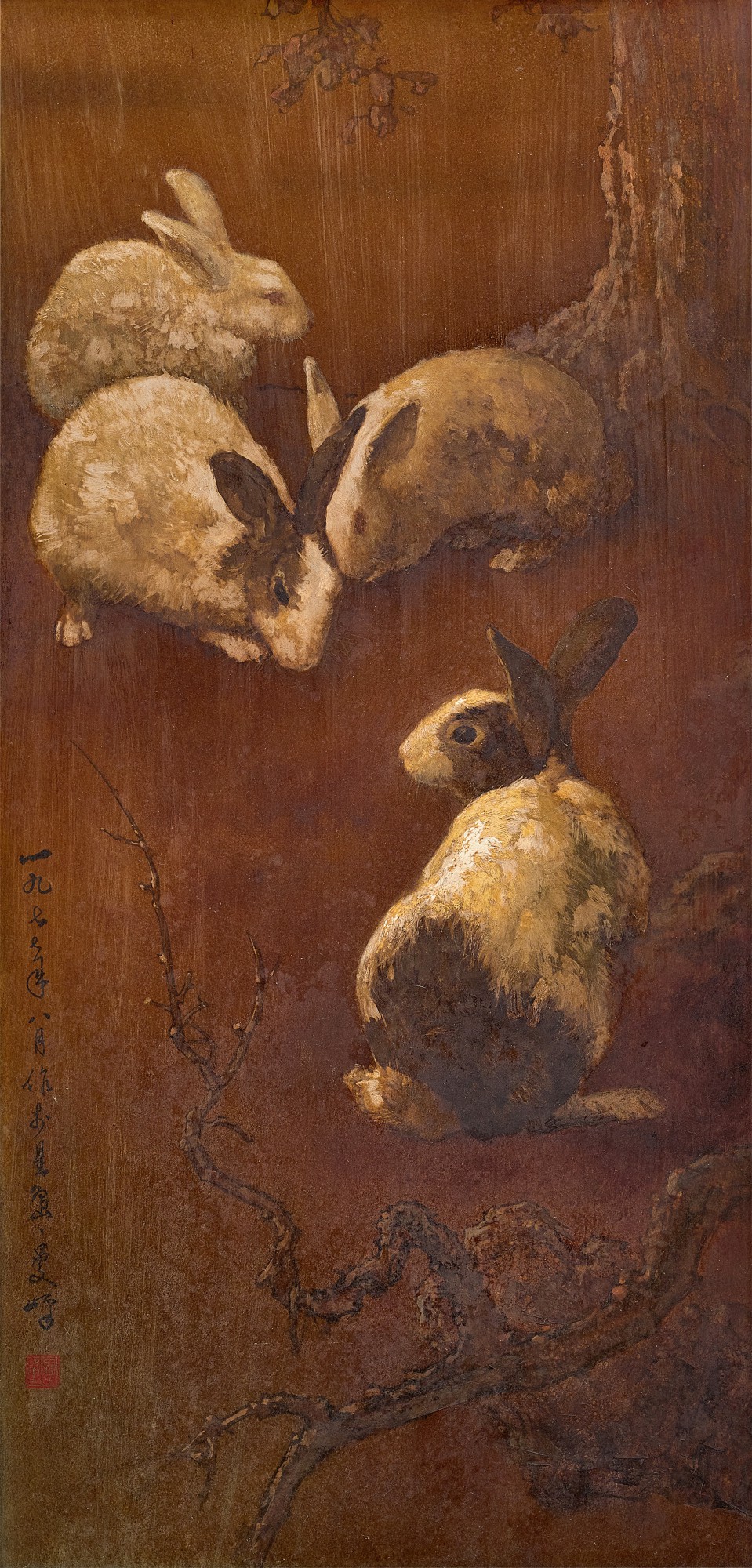
Seah Kim Joo
Dressing 穿衣
Where Two Worlds Met and Stayed
There is a particular quality of light in Singapore that painters have been chasing for over a century. It falls differently here than anywhere else, filtered through equatorial humidity, bouncing off the South China Sea, pooling in the shadow of shophouse colonnades. When the artists who would come to define Singaporean modernism first attempted to capture it, they were doing something more than painting a scene. They were inventing a visual language for a place that did not yet have one.
The story of Singaporean art is inseparable from the story of migration, convergence, and the slow, sometimes difficult work of cultural synthesis. From the early twentieth century onward, artists arrived in Southeast Asia carrying the traditions of China, the methods of European academies, and the aesthetic memories of places left behind. What they found in Singapore was not a blank canvas but a vivid, complicated world that demanded a new kind of seeing. The task was not to choose between inherited vocabularies but to find where they could speak together.
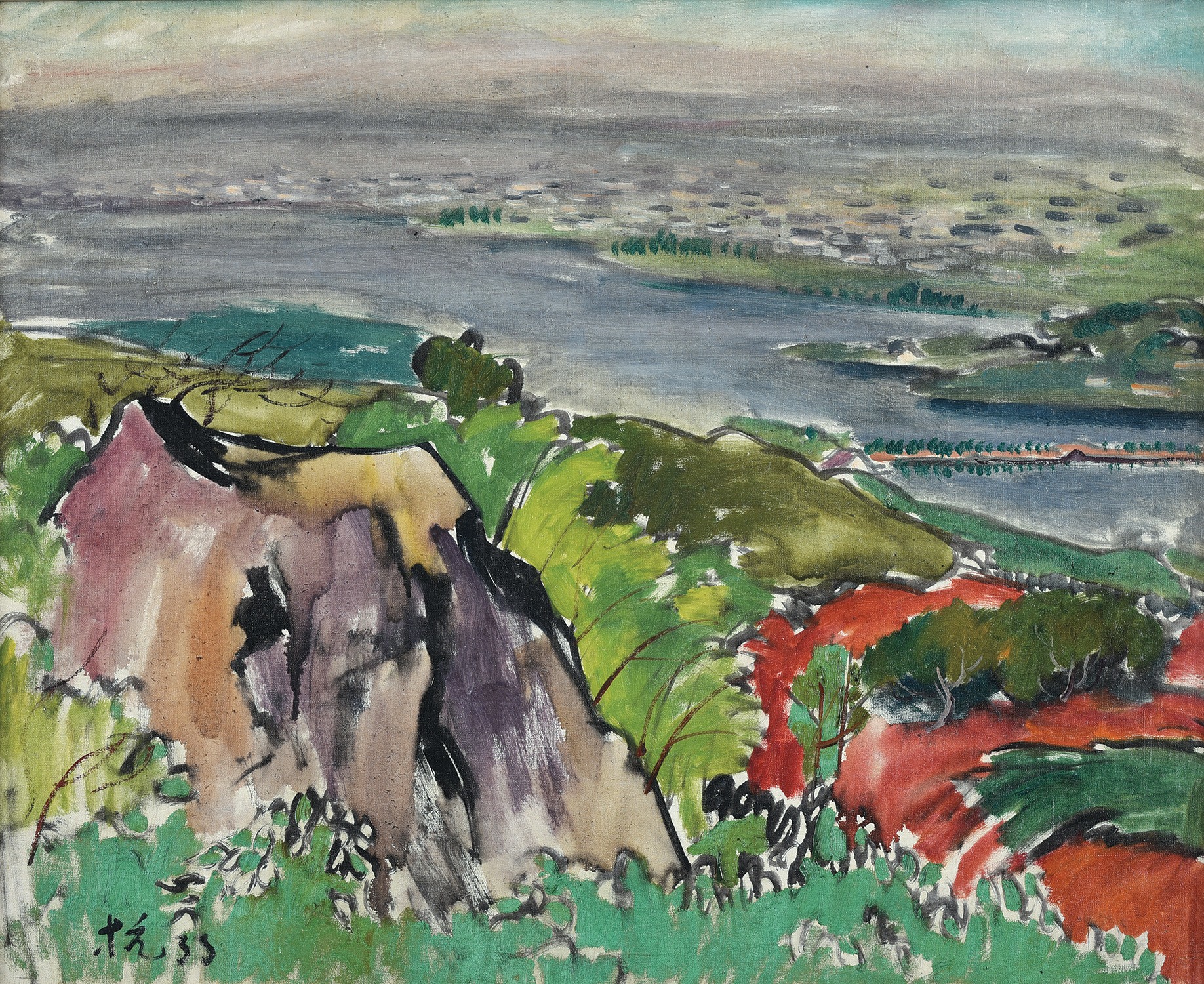
Liu Kang
West Lake, 1933
The Nanyang style, as it came to be known, emerged most forcefully in the 1950s as a self conscious artistic movement rooted in this act of synthesis. The term itself refers to the Chinese word for Southeast Asia, and it signals the geographic as much as the cultural ambition of the painters who embraced it. Liu Kang, one of the movement's foundational figures, had studied in Shanghai and Paris before settling in Singapore, and that double formation is visible throughout his work. His paintings carry the structural confidence of Western modernism alongside a sensitivity to colour and atmosphere that is unmistakably of this region.
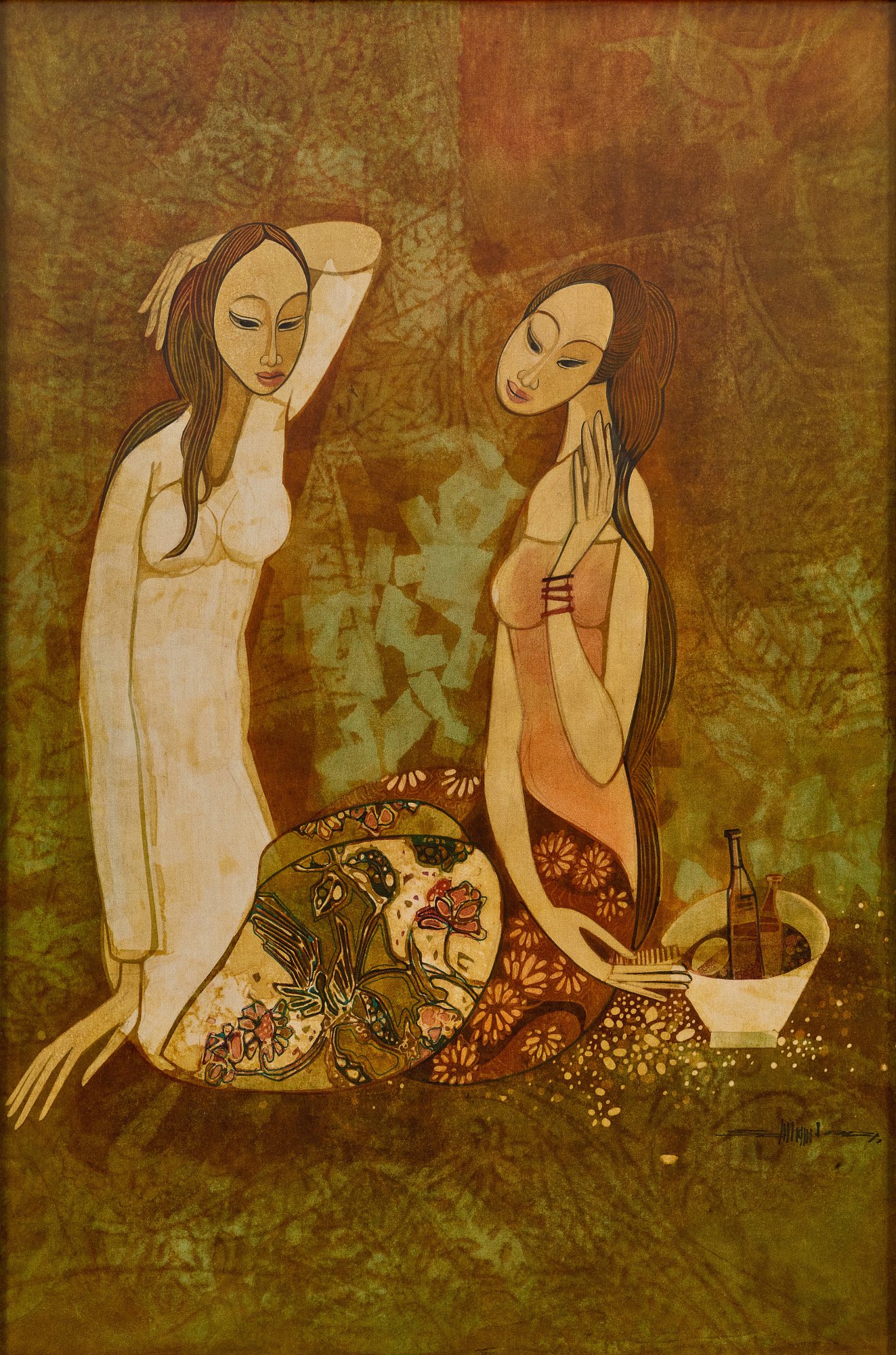
The works on The Collection give a strong sense of how he balanced those inheritances without allowing either to dominate. Cheong Soo Pieng, who is exceptionally well represented on The Collection, arrived in Singapore in 1946 after training in Xiamen and Shanghai. He became one of the most restless and formally inventive painters of his generation, moving between figuration and abstraction, incorporating Cubist spatial flattening into images of Malay fishing villages and Balinese ceremonies. His 1952 trip to Bali with Liu Kang, Chen Chong Swee, and Chen Wen Hsi became something of a founding myth for Nanyang painting.
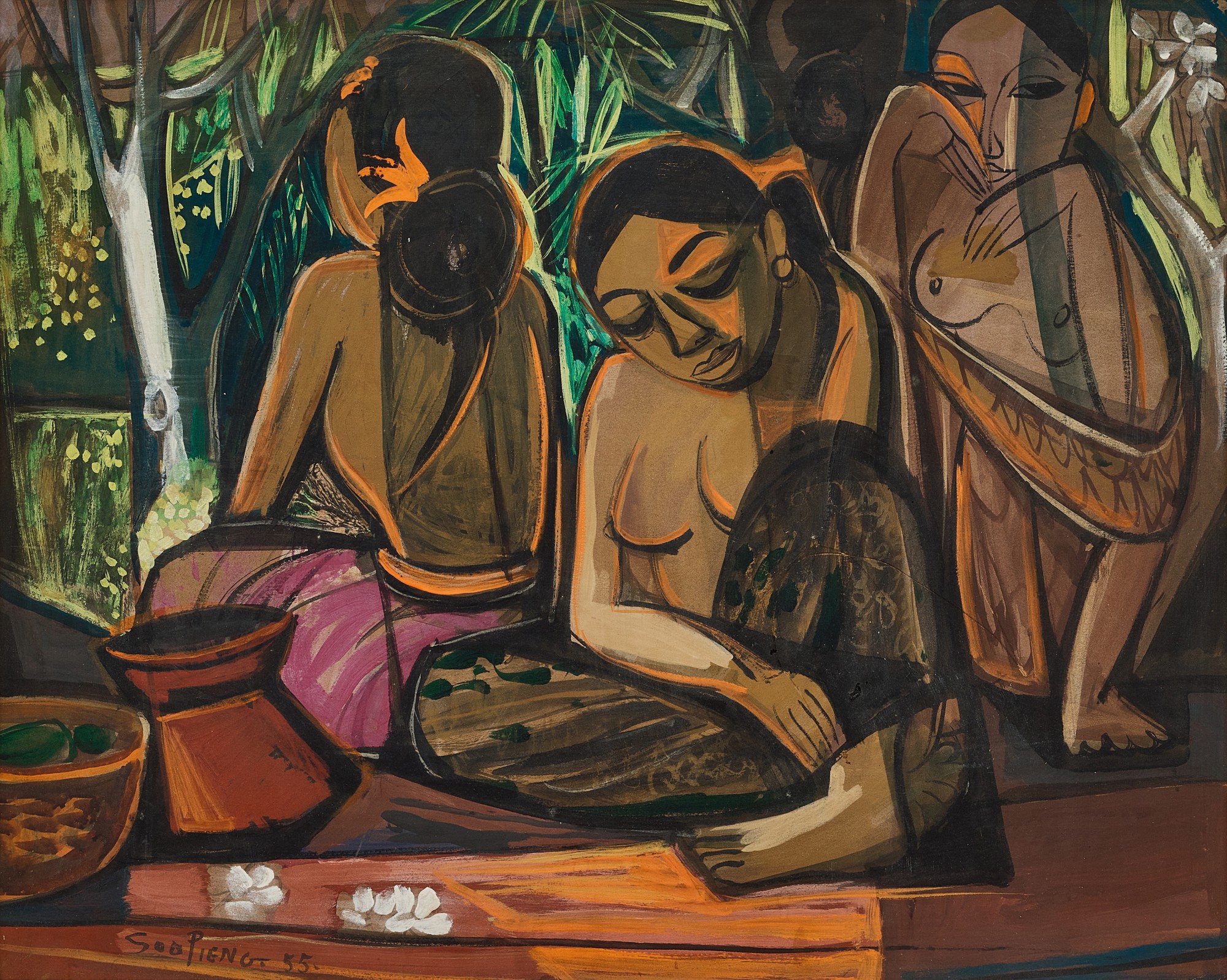
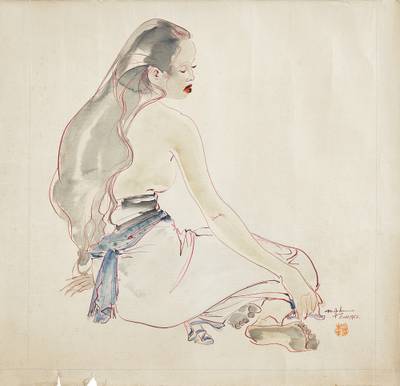
Cheong Soo Pieng
Seated Ladies 坐著的女士, 1955
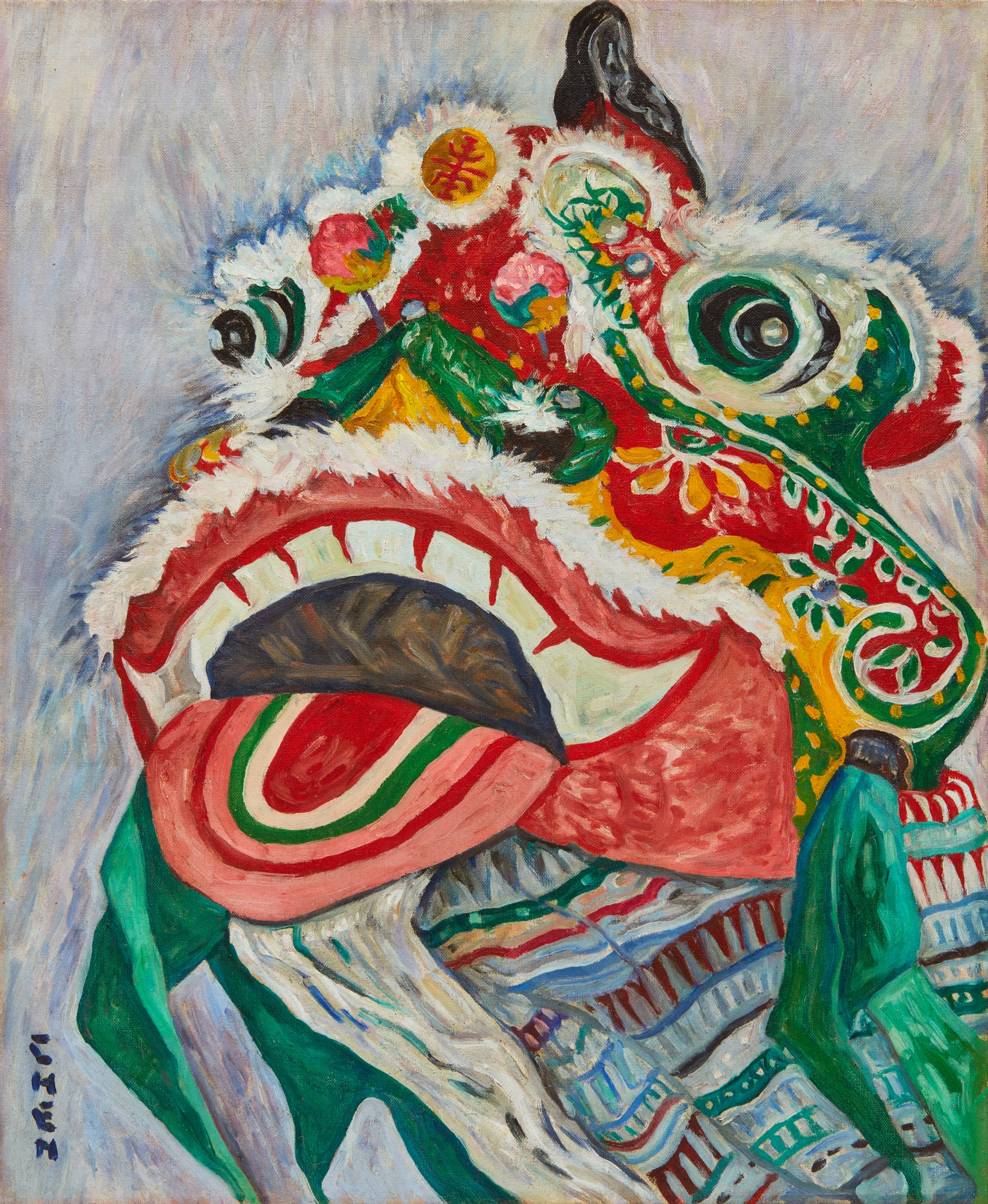
The works produced from that journey showed artists genuinely absorbed by a Southeast Asian visual world rather than simply passing through it. Georgette Chen brought a different but equally international formation to the scene. Born in China and educated in Paris and New York, she taught at the Nanyang Academy of Fine Arts for over two decades and left a deep impression on generations of students. Her still lifes and portraits carry a refined Post Impressionist sensibility, though they are grounded in the textures and tones of a life lived in the tropics.
Lee Man Fong, whose work also appears on The Collection, moved between Indonesia and Singapore and painted in a mode that blended classical Chinese technique with the lush physical world of Southeast Asia. Together, these figures remind us that the Nanyang artists were not provincial. They were cosmopolitan in the deepest sense, people who had absorbed the world and were now making something new with it. A slightly younger generation carried these ideas forward while also questioning them.
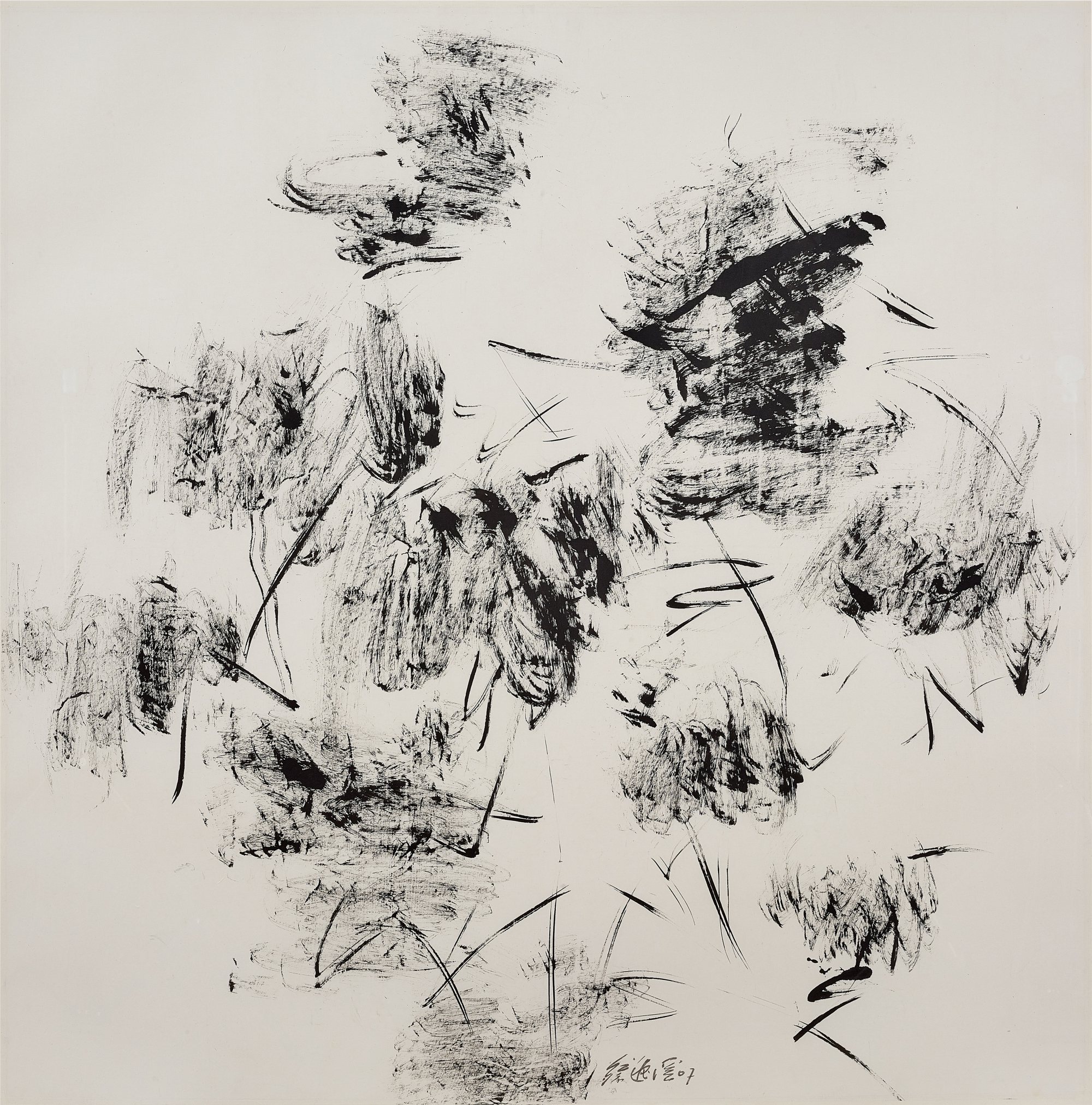
Chua Ek Kay
Lotus series 荷花系列
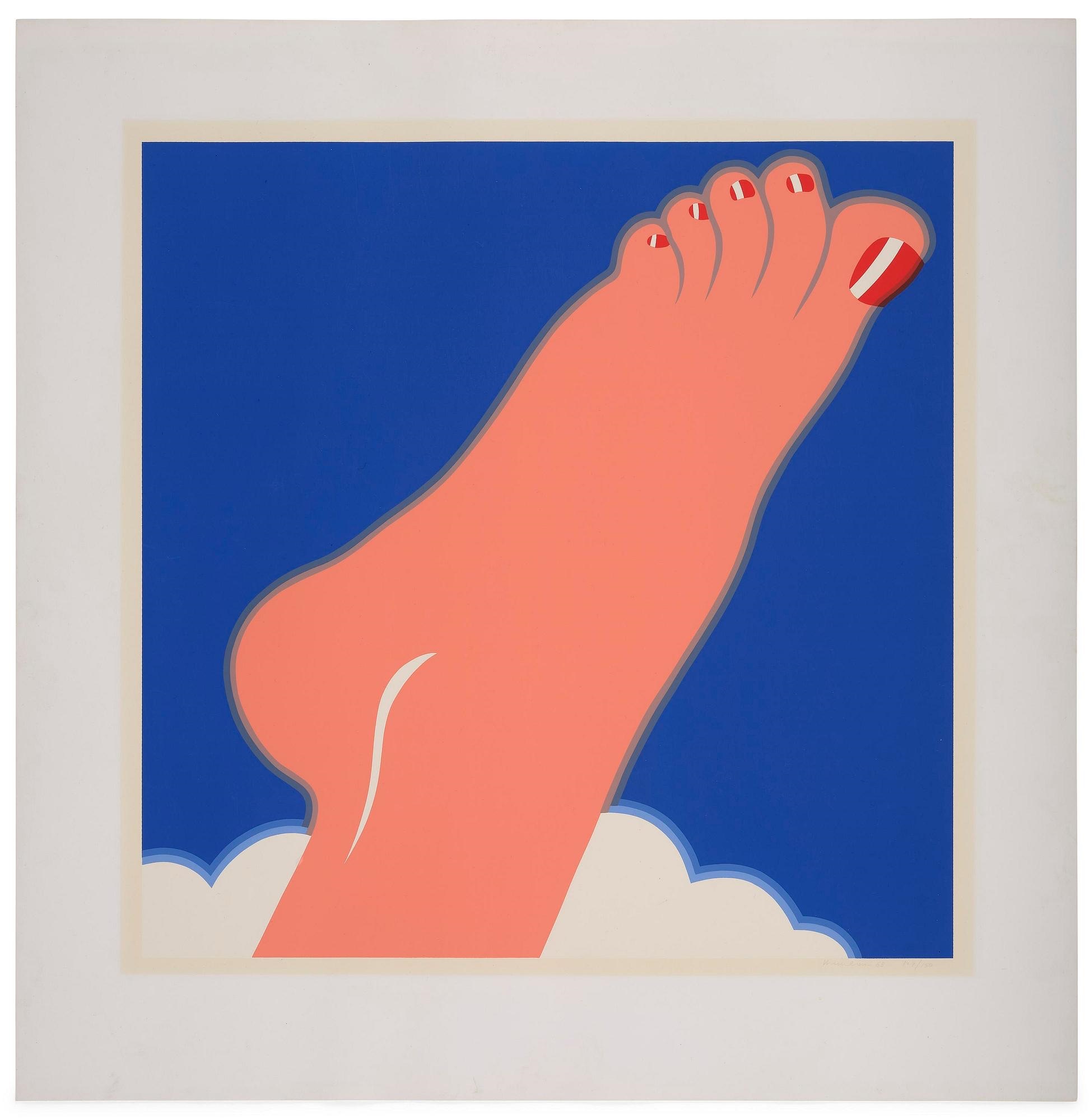
Chua Ek Kay, who studied ink painting under Fan Chang Tien and later earned an MFA from the National University of Singapore, became one of the most significant bridge figures between the classical Chinese brush tradition and a more contemporary sensibility. His Singapore street scenes, rendered in ink with extraordinary atmospheric density, managed to feel both rooted in a thousand year old technique and entirely of their moment. His work on The Collection illustrates how the conversation between inherited form and lived experience remained generative well into the late twentieth century. Seah Kim Joo, associated with both the Nanyang tradition and later experimental tendencies, extended this dialogue further still.
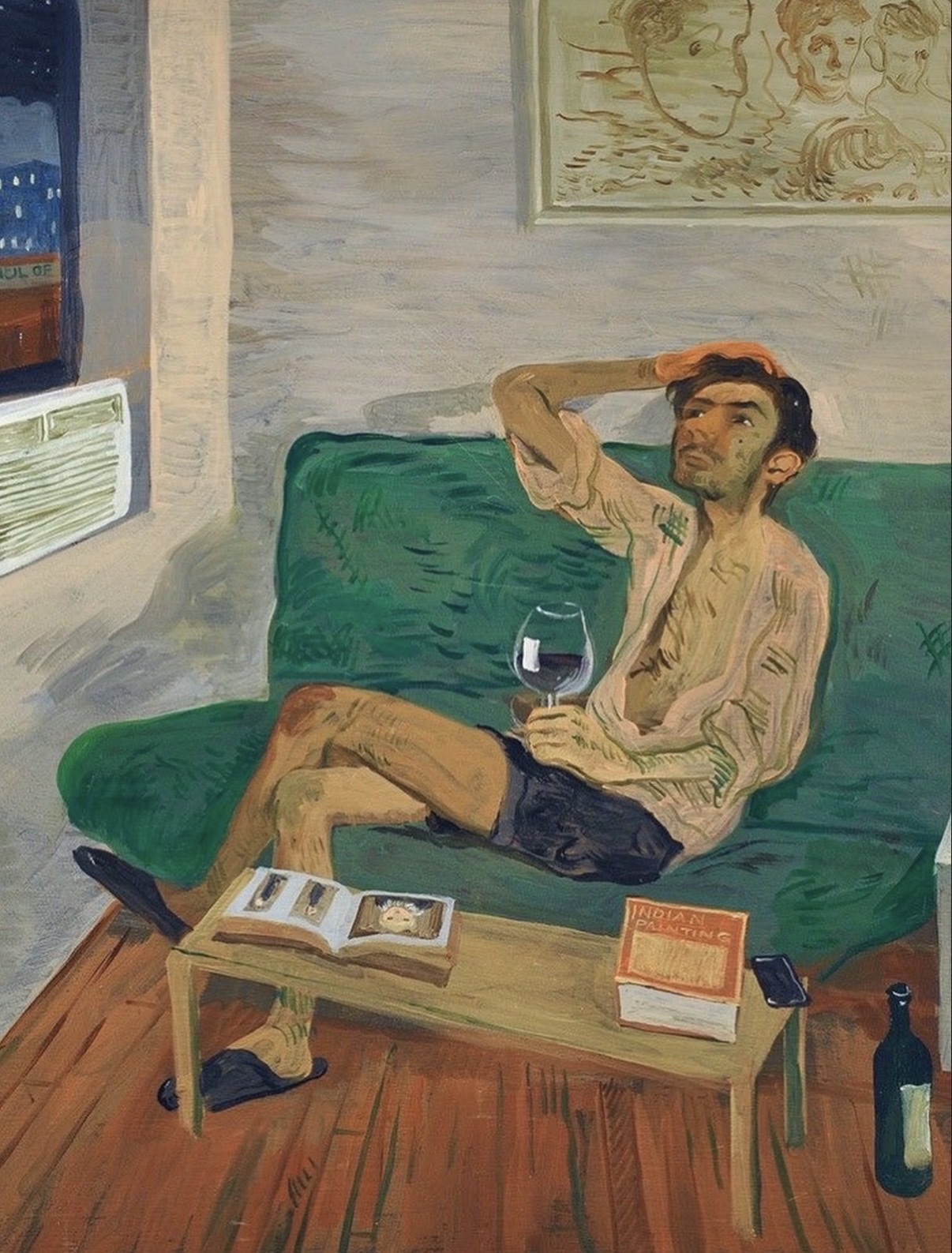
The evolution of Singaporean art did not stop at the Nanyang moment, of course. The post independence decades after 1965 brought new pressures and new freedoms, and successive generations of artists increasingly engaged with the global contemporary art world on terms that were no longer primarily defined by the China Southeast Asia axis. By the 1990s and into the 2000s, Singaporean artists were exhibiting internationally, participating in biennials, and working across media that the Nanyang painters could not have imagined. Artists like Ashley Yeo and Ruben Pang, who are part of a distinctly contemporary conversation, carry something of this longer history even as they work in ways that are emphatically of the present.
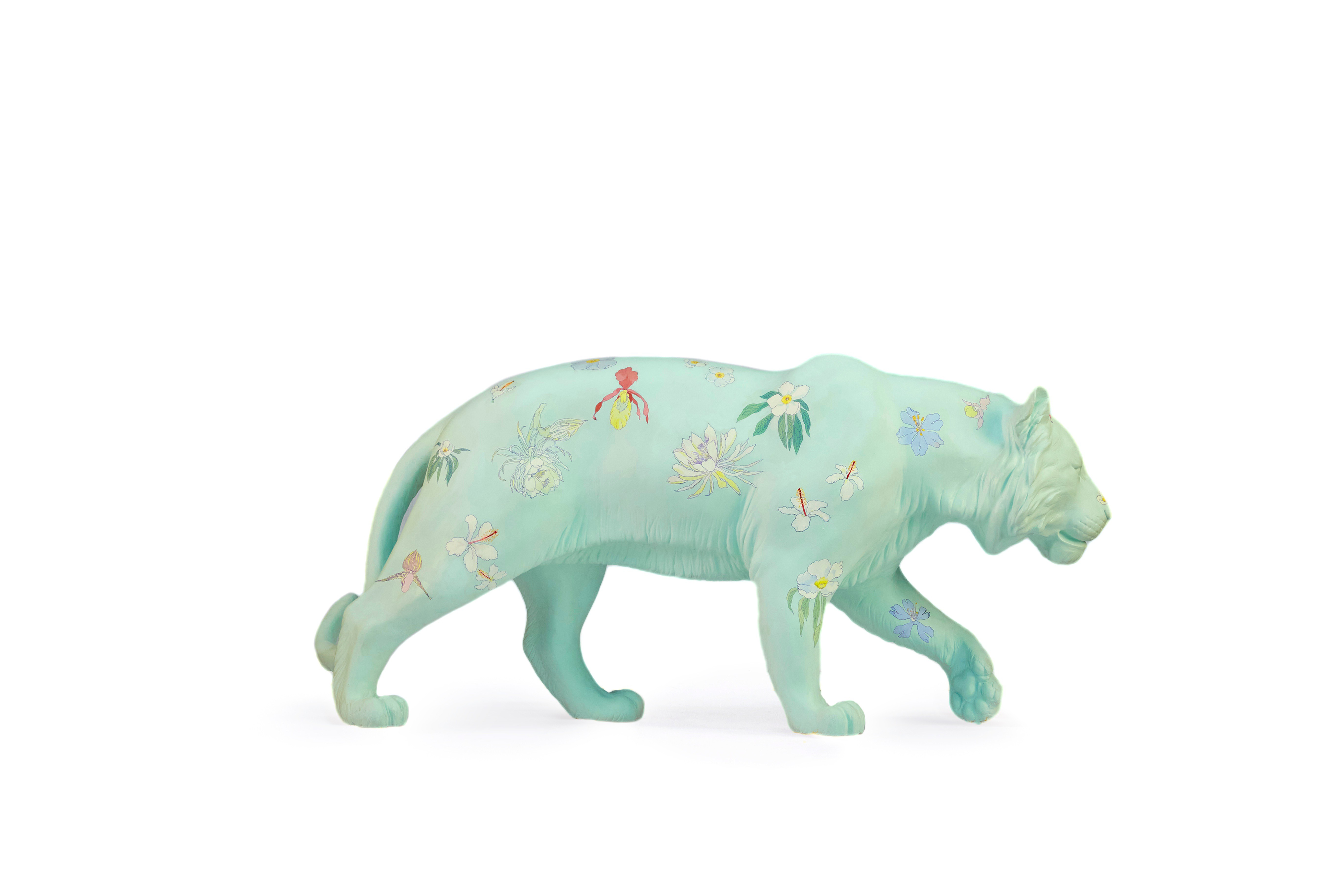
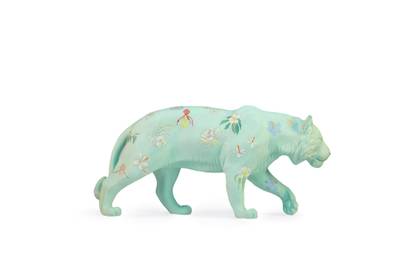
Ashley Yeo
Tiger with flowers 虎與花
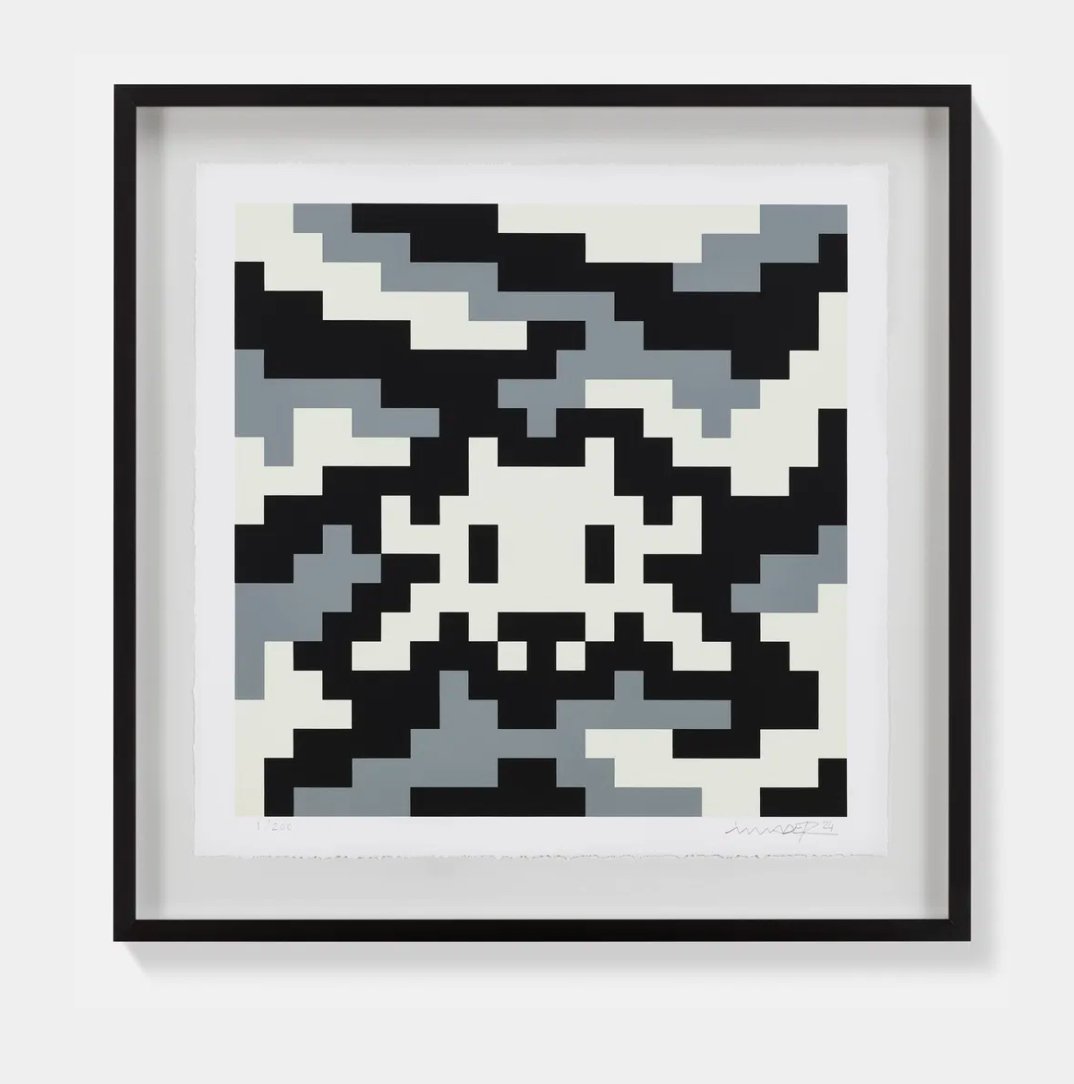
Pang in particular engages with questions of memory, image making, and the layered nature of visual experience that echo, from a very different angle, the concerns of the early Nanyang painters. What makes Singaporean art so compelling to collect, and so rewarding to study, is precisely this density of layering. You are never dealing with a single tradition or a single moment. You are dealing with a place that has always been a crossroads, where the question of how to see and how to paint has never had an obvious answer.
The works that have emerged from that ongoing negotiation carry a kind of earned complexity. They are not simply beautiful objects, though many of them are that. They are records of a particular kind of cultural work, the work of making a visual home in a world that offered many possible ones. For collectors, this history offers both depth and breadth.
The Nanyang masters are now firmly established as canonical figures in the history of Asian modernism, and serious collections of twentieth century Southeast Asian art are incomplete without them. But the story continues to unfold, and the conversation between Singapore's past and its present remains genuinely alive. The works gathered on The Collection reflect the full arc of that story, from the light drenched canvases of the postwar decades to the conceptually rigorous practices of artists working today. It is a collection that rewards slow looking and rewards even more the knowledge of what it took to make it possible.