Satirical Mood
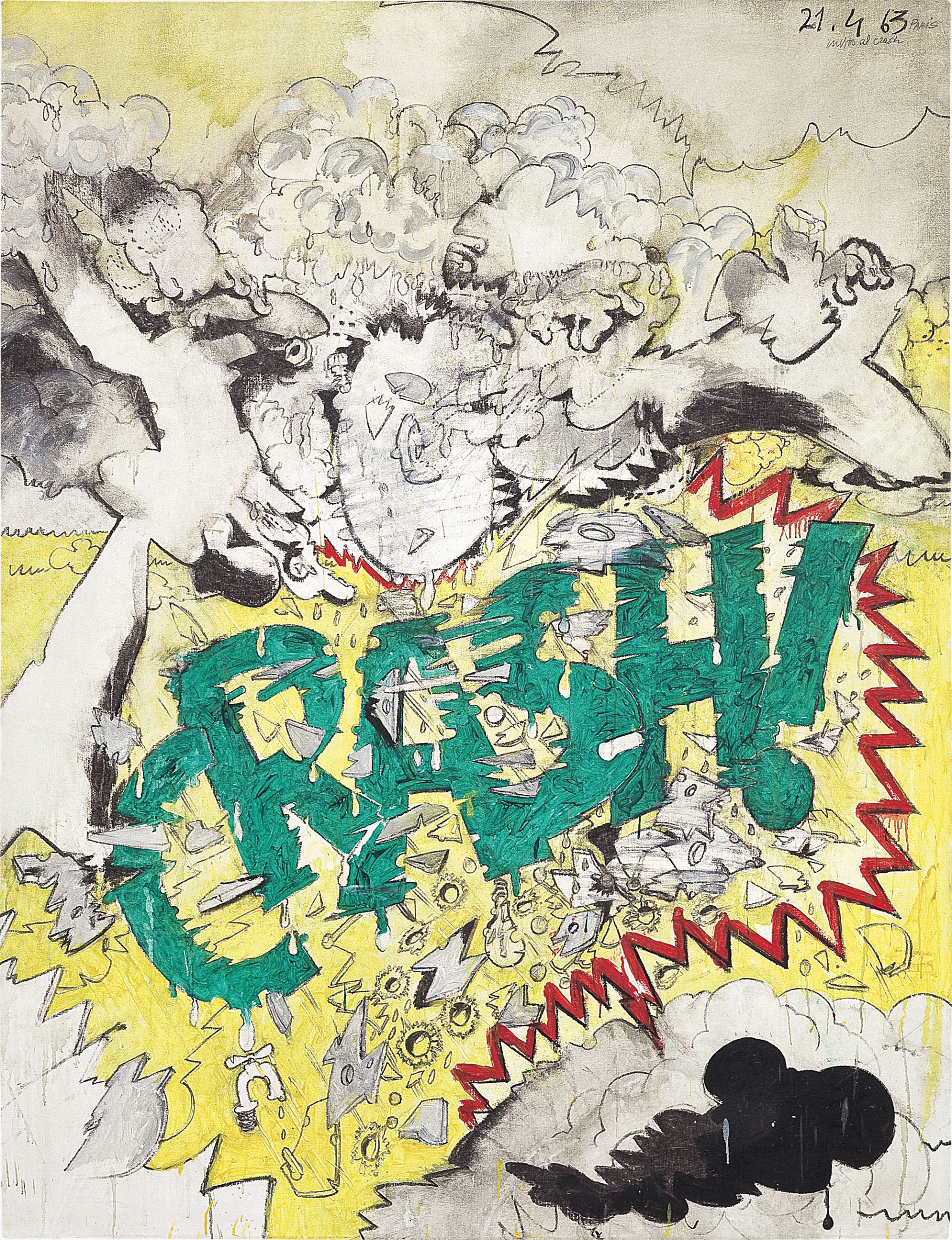
Valerio Adami
Invito al Crash!, 1963






The Art of the Joke That Bites Back
There is a particular pleasure in living with work that makes you laugh and then makes you think, often in the same breath. Satirical art occupies a rare psychological register, one that keeps the viewer genuinely on their toes. A witty painting or photograph does not exhaust itself on first viewing the way purely decorative work sometimes can. Instead it compounds, deepens, occasionally embarrasses you when you realize what you missed the first dozen times you walked past it.
Collectors who discover this territory tend to become devoted to it with a loyalty that surprises even themselves. What drives people toward satirical work is not just humor but a sense of permission. These are objects that acknowledge the absurdity of the world, including sometimes the absurdity of collecting art in the first place. There is enormous freedom in hanging something that carries its contradiction right on the surface.
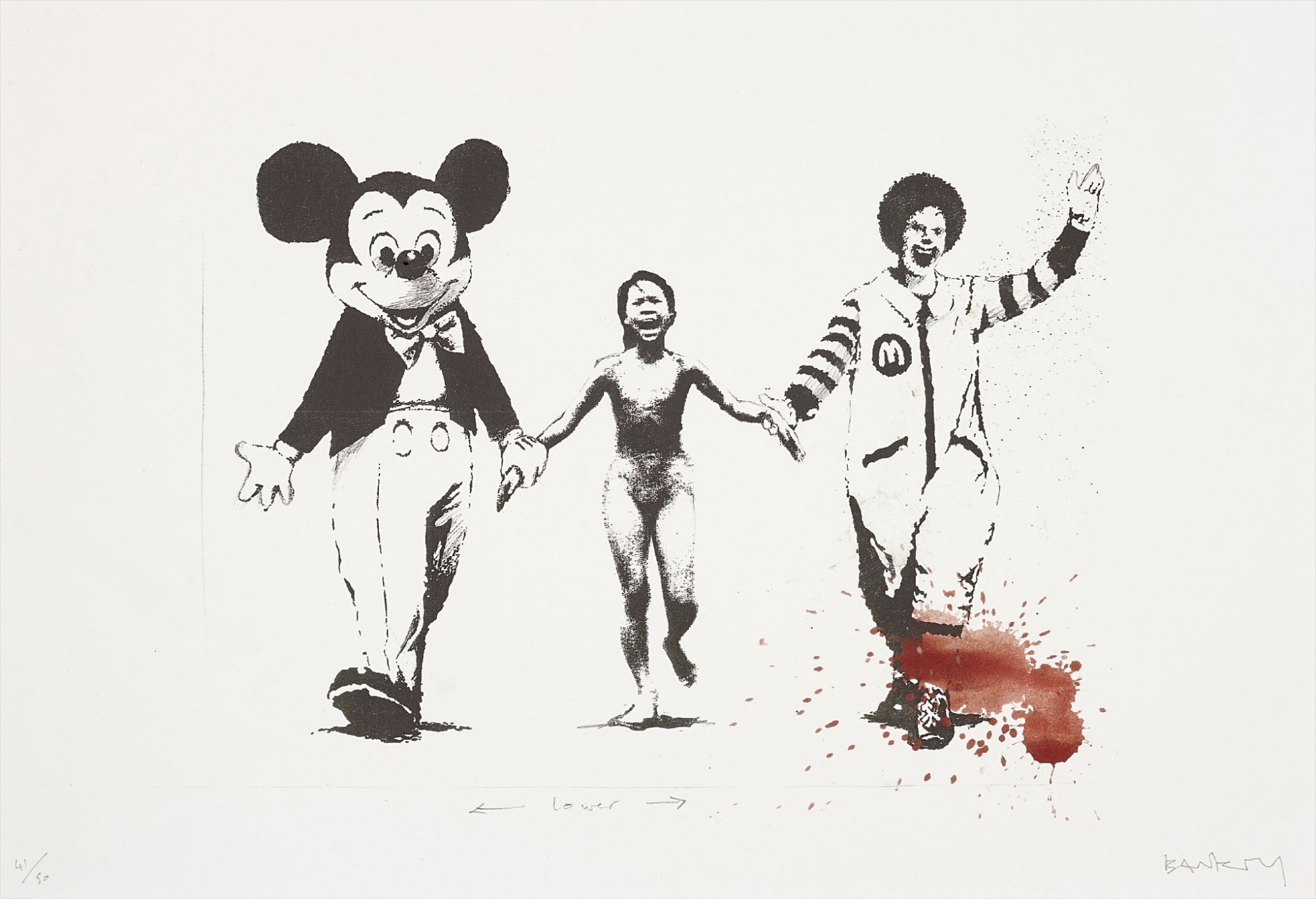
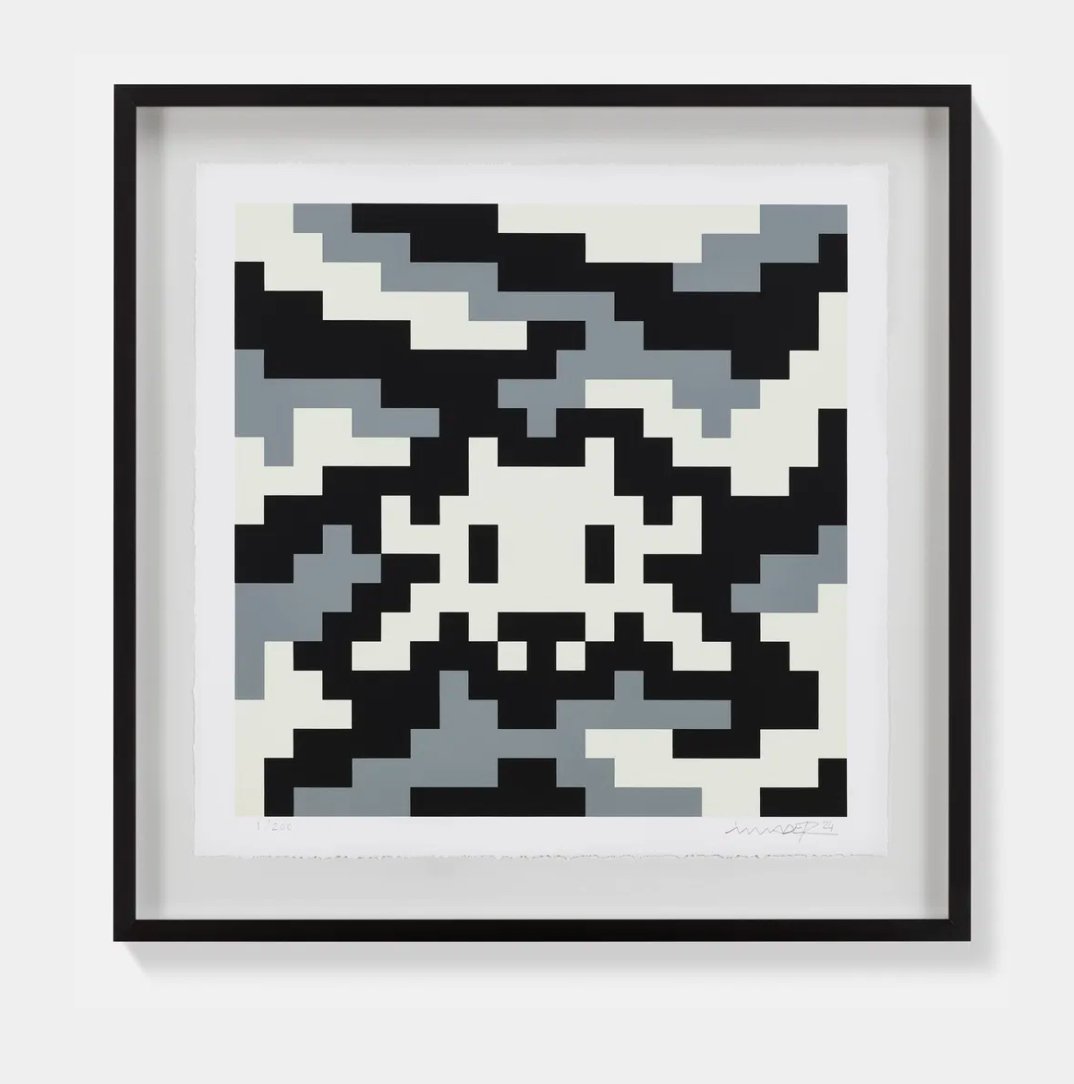
Banksy
Napalm (Can't Beat the Feeling), from In the Darkest Hour There May be Light
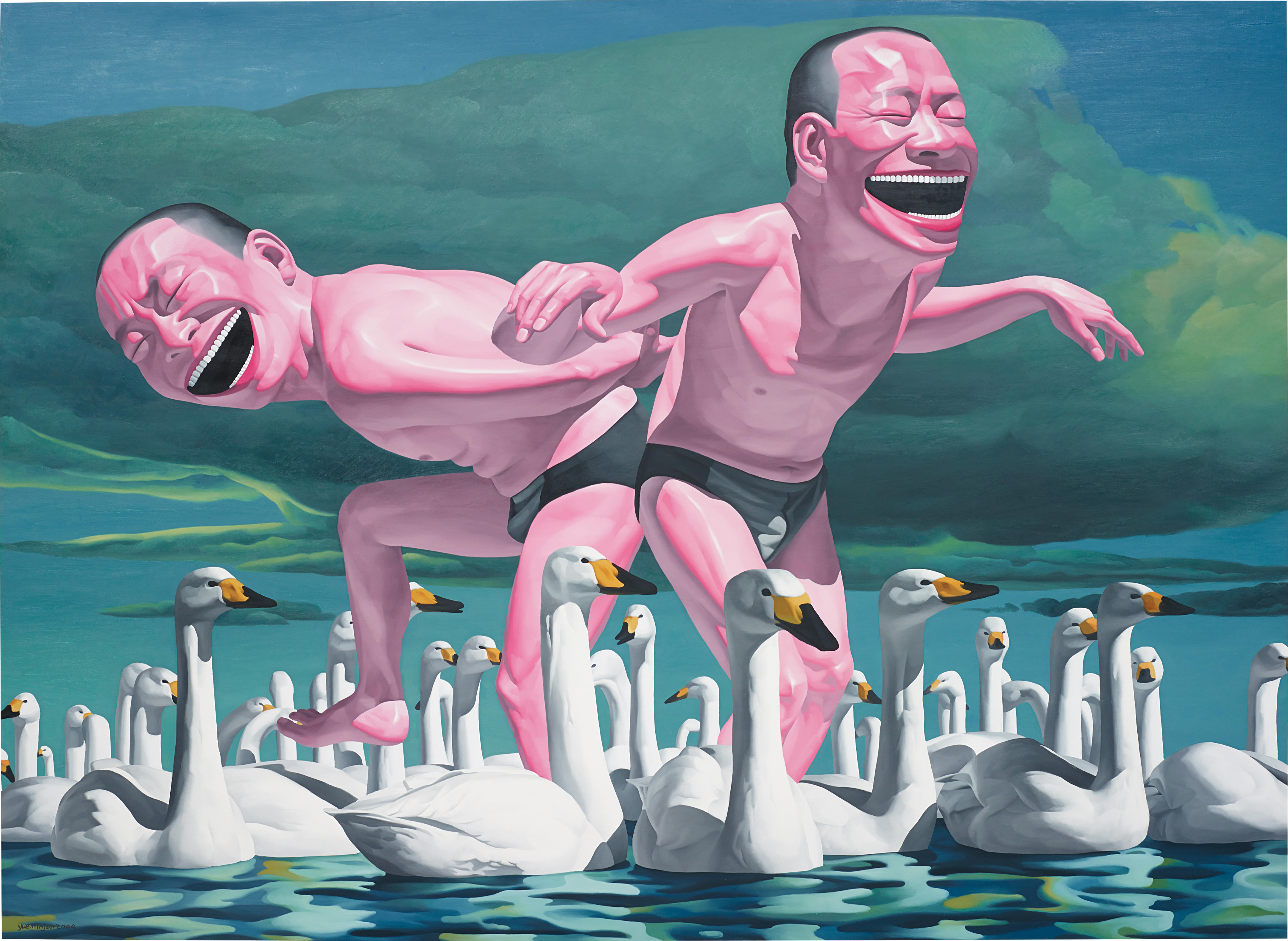
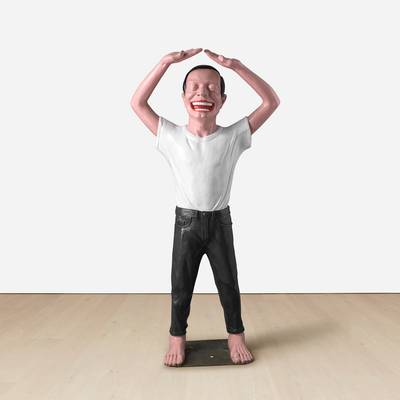
A Banksy in a private dining room or a Yue Minjun canvas in a sitting room operates as a kind of ongoing conversation piece, but more than that it functions as a statement about the owner's relationship to culture, to irony, and to sincerity simultaneously. This tonal complexity is what separates satirical art from simple novelty. The difference between a good satirical work and a truly great one comes down to durability of meaning. A piece that scores a topical point and nothing else will age poorly, its target forgotten or its punchline defused by time.
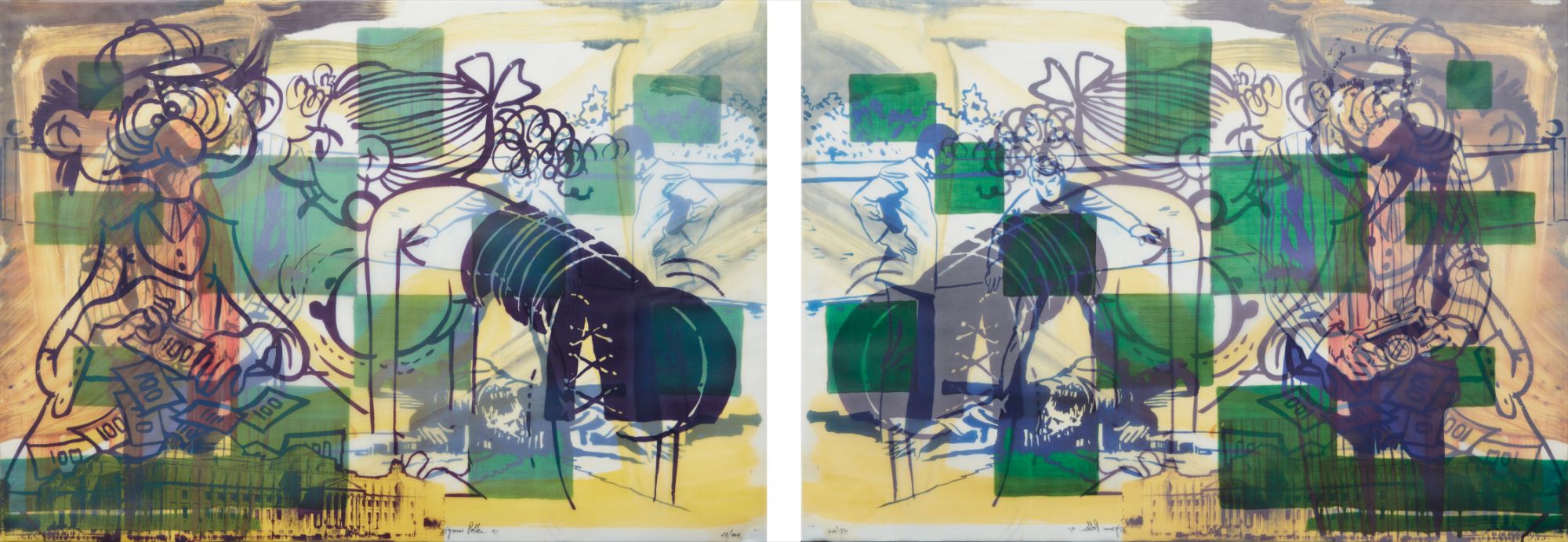
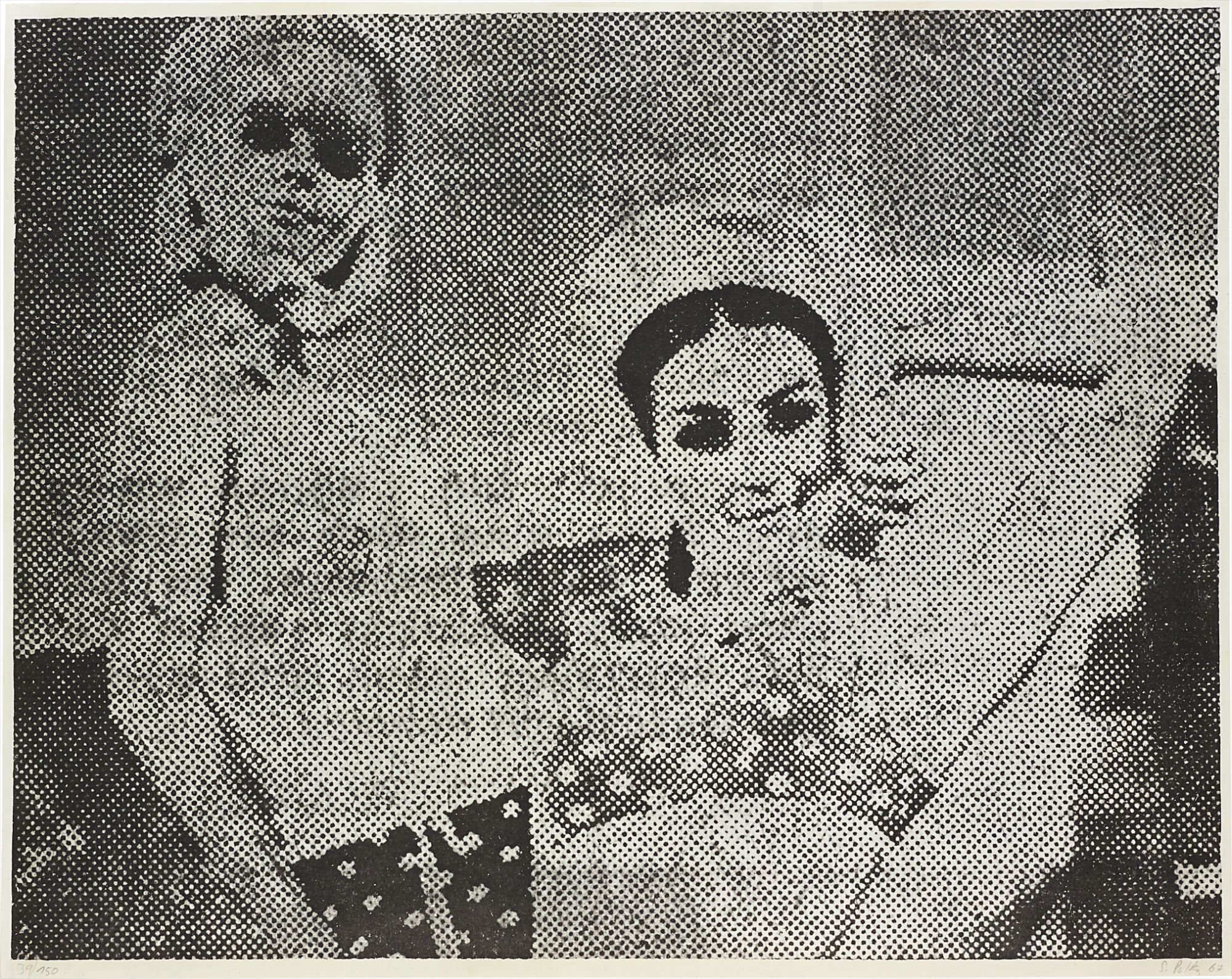
The greatest works in this territory use a specific cultural moment as a vehicle for something more universal. Sigmar Polke is perhaps the supreme example of this in the postwar canon. His layered canvases from the 1960s and 1970s attacked consumer culture and the pretensions of high art simultaneously, yet they remain electrically alive because the underlying tensions he identified have never resolved. When you look at a Polke, you feel the intelligence humming behind every formal decision.
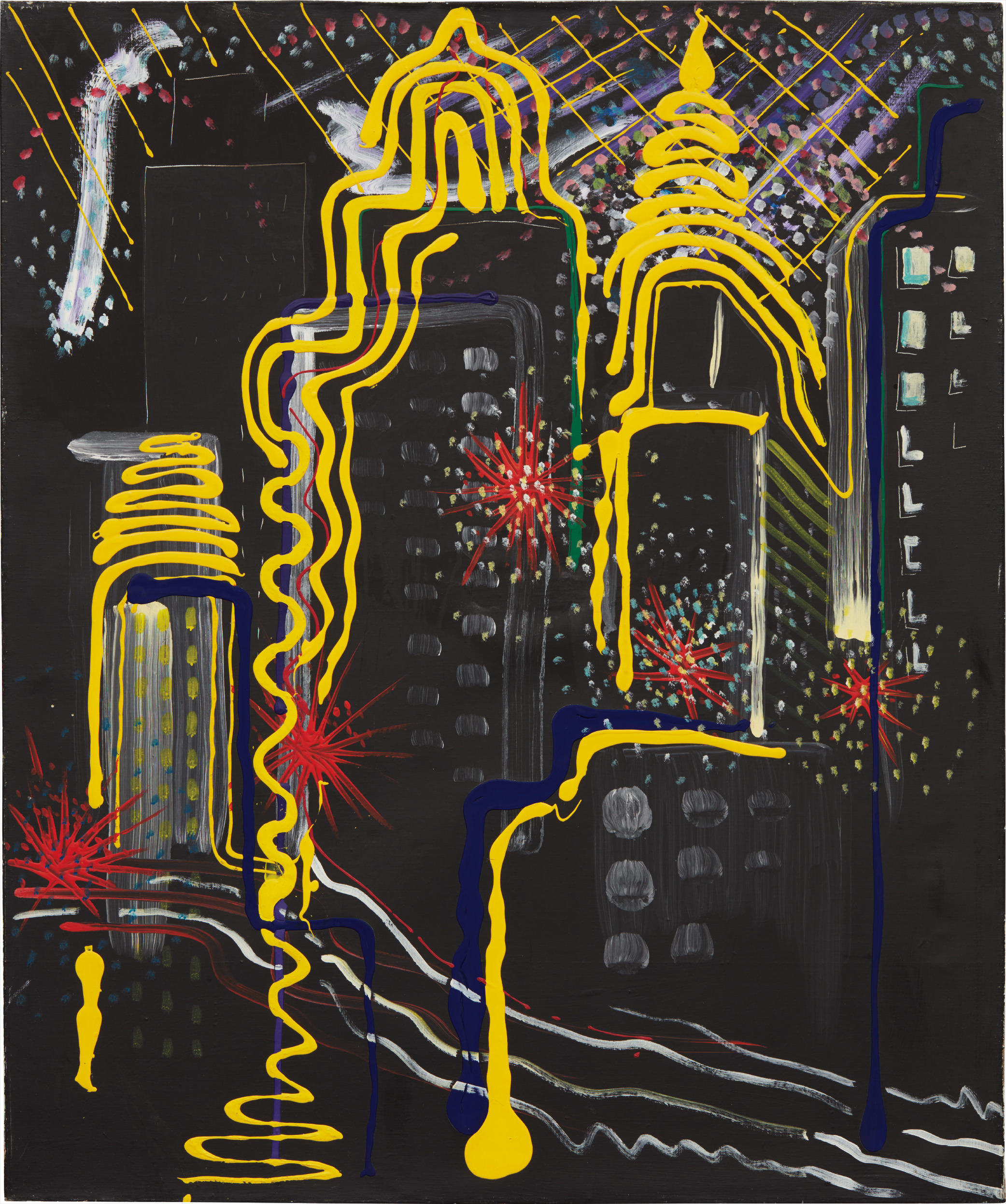
Sigmar Polke
Stadtbild II (City Painting II)
That is the quality to pursue: work where the wit is structural, not decorative. Collectors should also look for what might be called emotional density. The best satirical work holds more than one feeling at once. Walton Ford's large scale watercolors appear at first to operate within the tradition of natural history illustration, all observed detail and painterly care, but they are saturated with colonial critique and dark comedy in equal measure.
The tension between the beauty of the object and the violence of its subject is precisely what makes his work so difficult to forget. Similarly, Richard Hamilton's early collage and print work from the late 1950s and 1960s used the visual language of advertising to expose advertising's own logic, a move of genuine formal intelligence. When assessing any satirical work, ask yourself whether the joke is doing real art historical work or whether it is simply wearing art as a costume. In terms of where value is concentrated on The Collection, Sigmar Polke represents one of the most institutionally validated positions available.
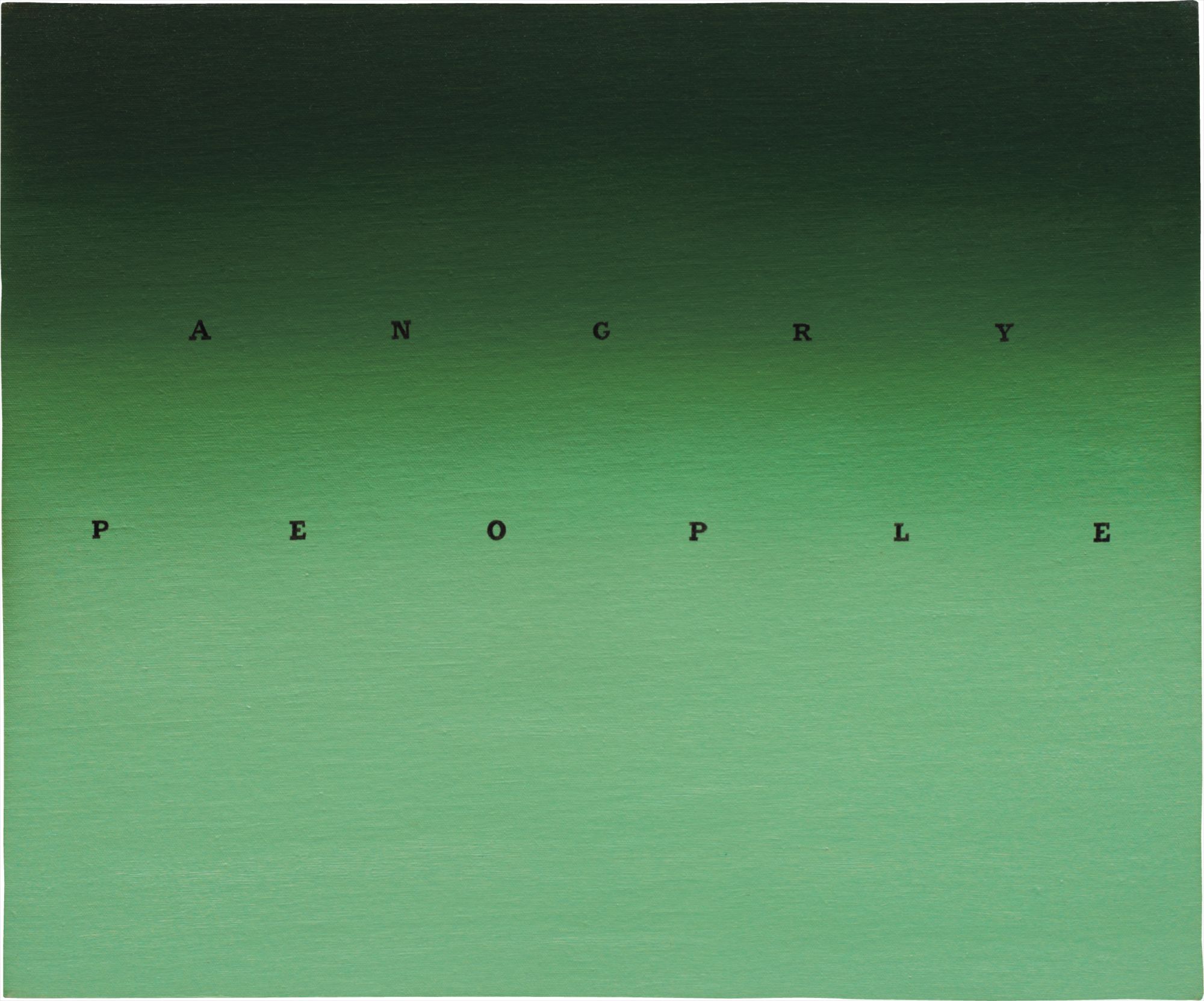
Ed Ruscha
Angry People
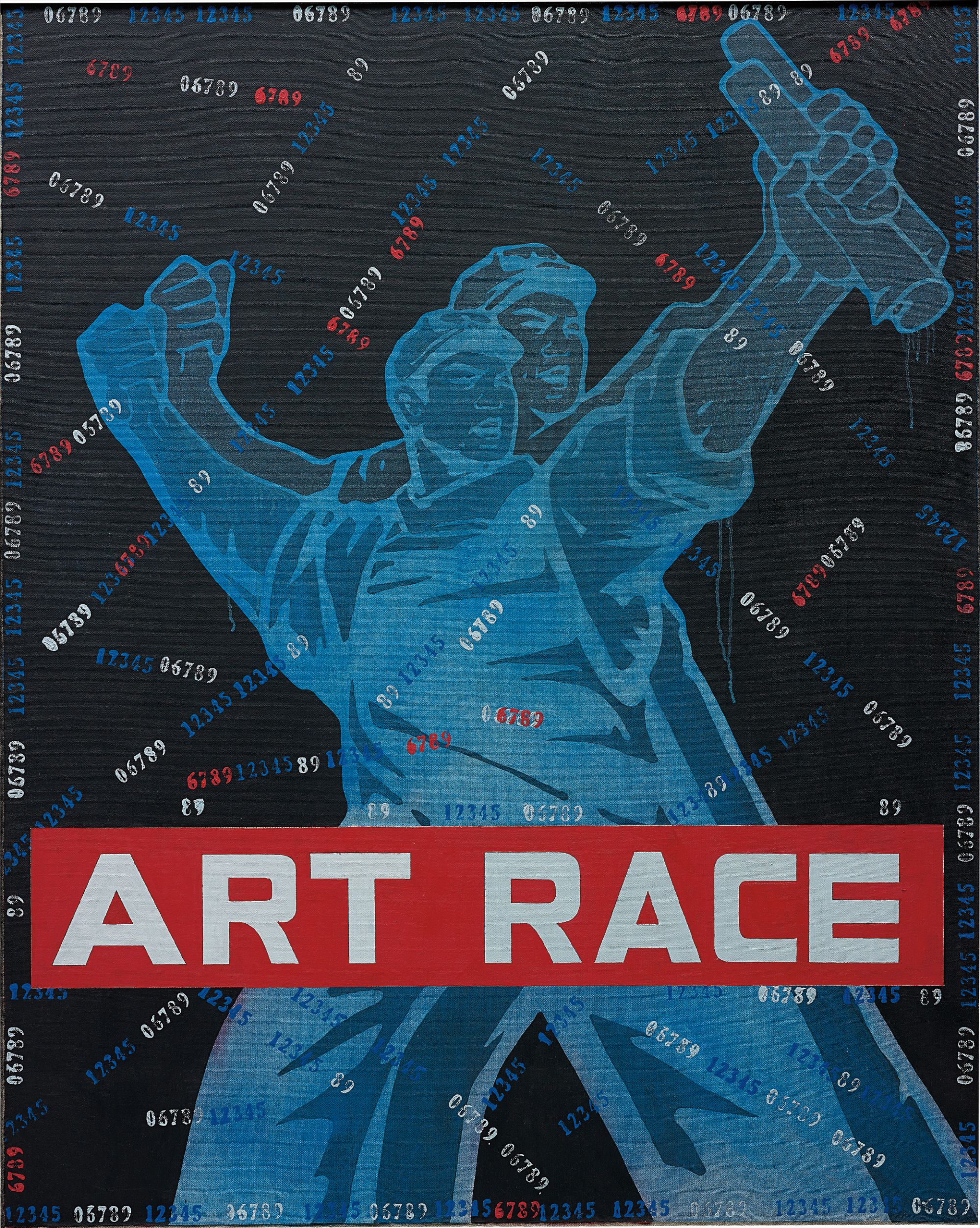
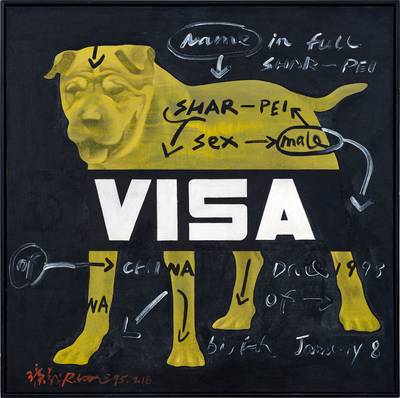
His market strengthened considerably through the 2000s and has remained robust through major retrospectives including the landmark survey at the Museum of Modern Art in 2014. Ed Ruscha, whose deadpan relationship to language and image has influenced virtually every subsequent generation of artists working with text, occupies similarly secure ground. Both artists have the double advantage of critical seriousness and broad accessibility, meaning they attract institutional buyers, private collectors, and younger audiences simultaneously. Wang Guangyi, whose Great Criticism series applies the visual vocabulary of Cultural Revolution propaganda to luxury brand logos, has become increasingly significant as collectors look toward Chinese modernism with greater attention and resources.
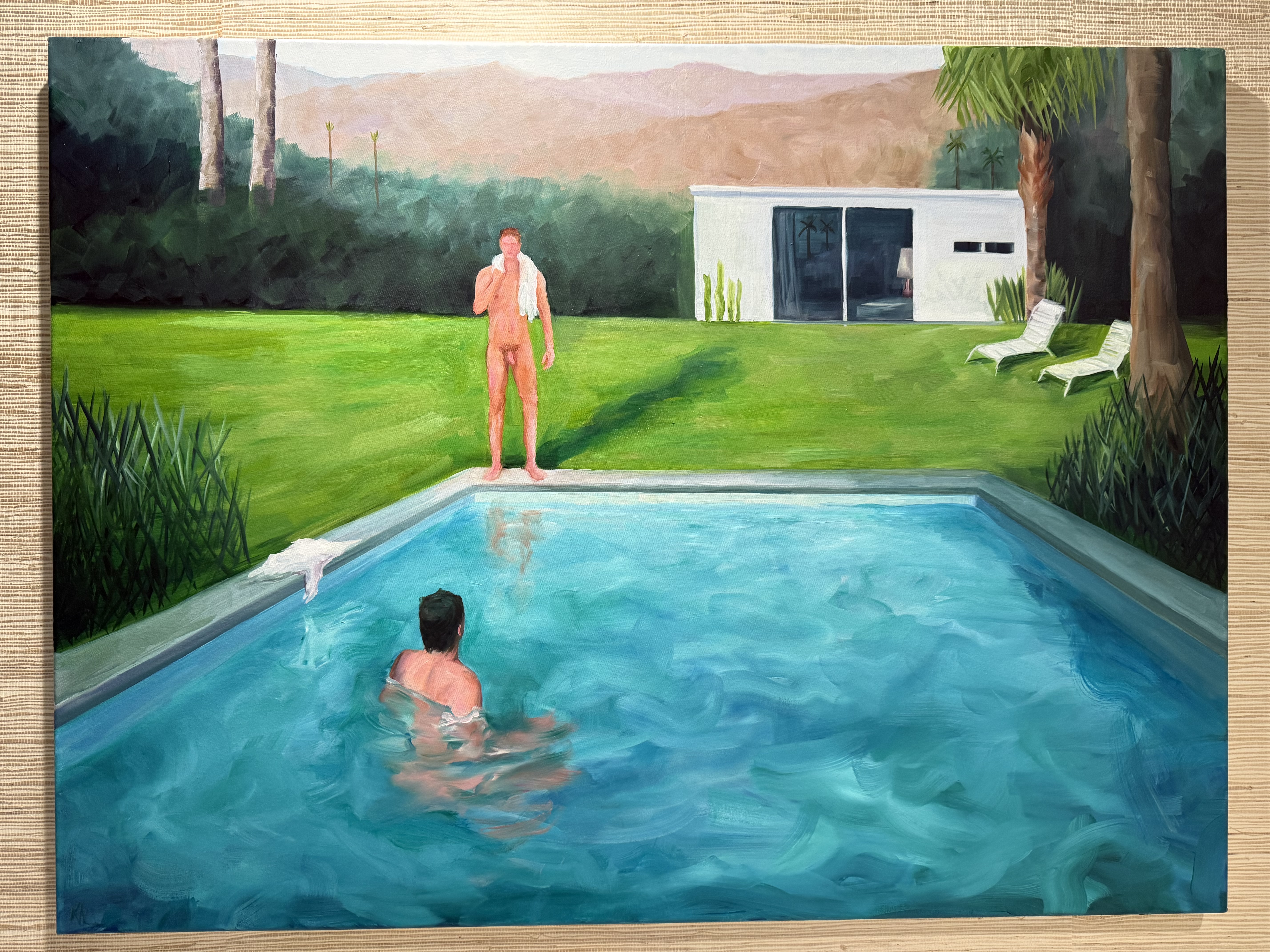
For those willing to look a little harder, there are genuinely underrecognized opportunities in this space. Michael Ray Charles, whose work engages with the legacy of racist American advertising imagery to devastating effect, has received serious critical attention but remains undervalued relative to his historical importance. His work is confrontational in the best sense, meaning it does not allow the viewer to remain comfortable, and that quality tends to be recognized more fully by the market over time rather than less. José María Cano, better known to the world as one third of the Spanish pop group Mecano, is a genuinely surprising presence: his paintings carry a surrealist wit that deserves far more serious attention than his celebrity has sometimes obscured.
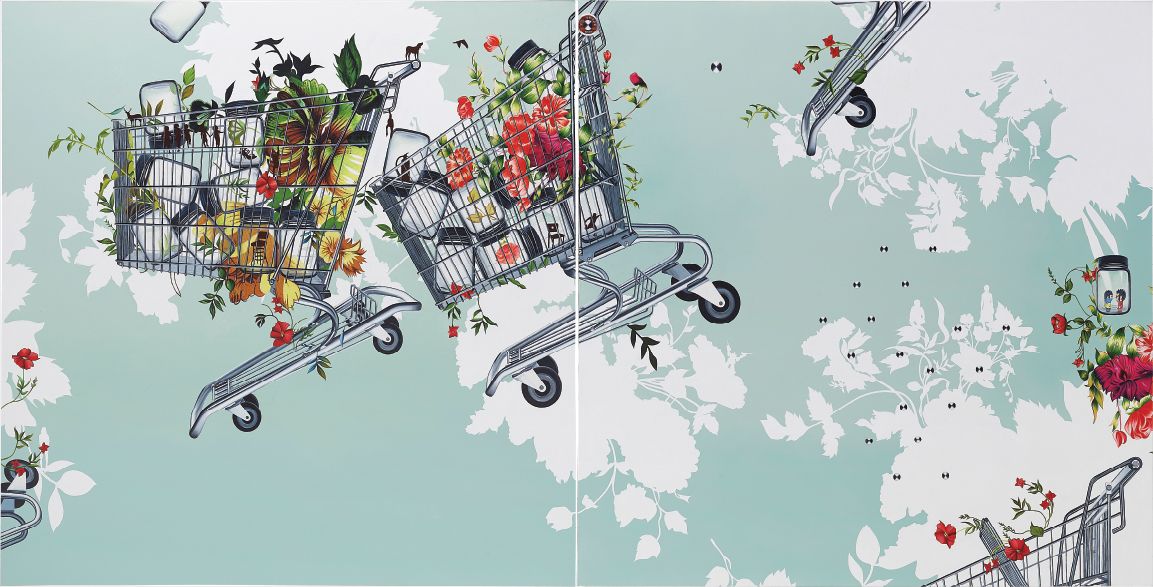
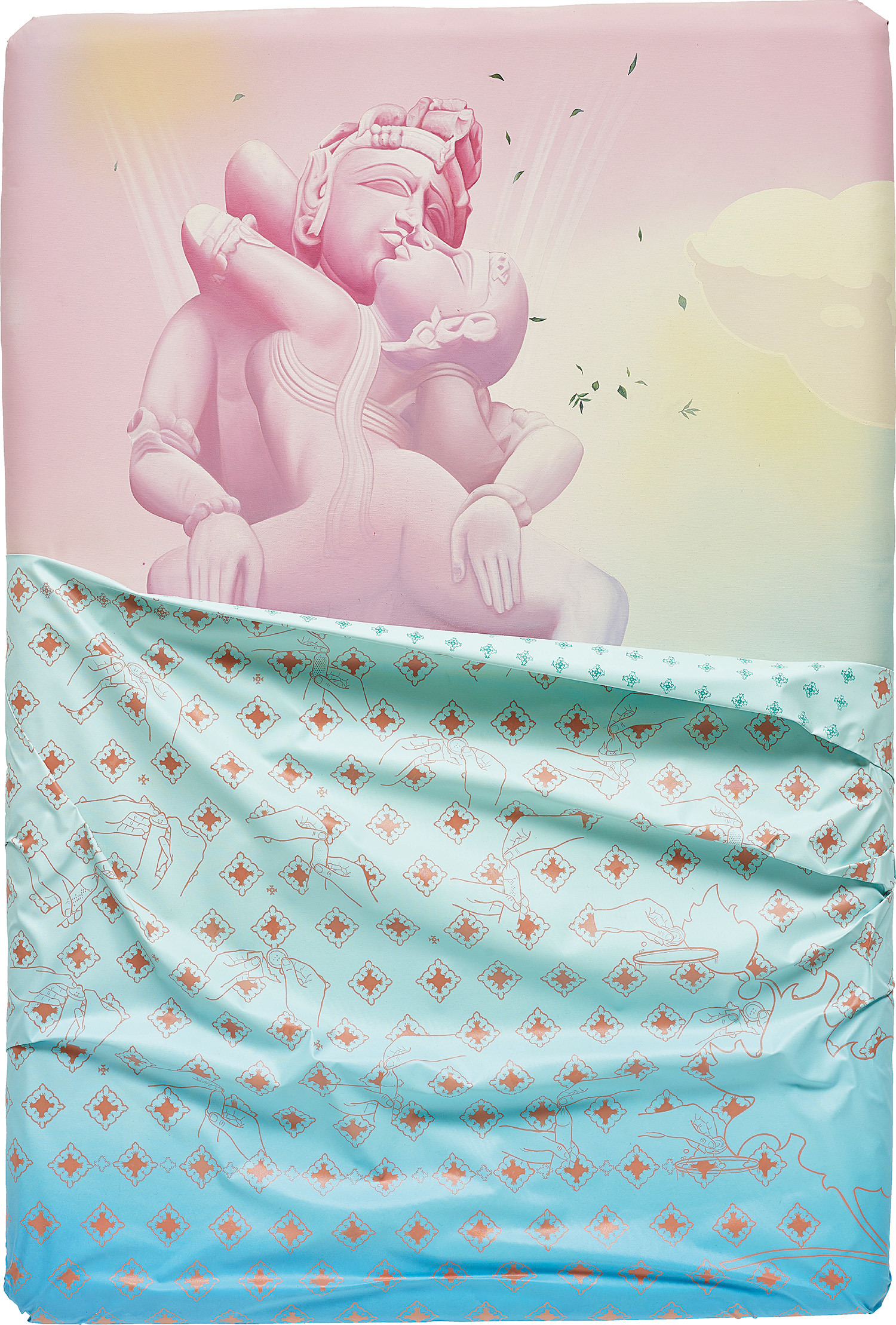
Thukral
Weekend Bonanza - 2, 2007
Thukral, working from a background in design and commercial culture, brings a knowing Pop sensibility to questions of aspiration and consumption that feels urgently contemporary. At auction, satirical work performs with notable consistency when the artist has a clear critical narrative attached to their practice. Banksy is the most discussed case, with secondary market prices that have demonstrated remarkable resilience even through broader market corrections, though the edition market requires careful navigation. Editions versus unique works is a real and practical question in this category.
For artists like Banksy or Toulouse Lautrec, whose practice was print based by nature, editioned works carry full art historical legitimacy. For painters, unique works almost always outperform multiples at auction and in terms of long term holding value. When a gallery offers you a signed print by an artist primarily known as a painter, press them on provenance and edition size with real specificity. Condition is especially consequential for satirical work because so much of it depends on legibility.
A degraded surface can destroy a visual joke or obscure a critical juxtaposition that the entire work depends upon. Ask about UV protection, previous conservation treatments, and storage history before committing. For works on paper, which include some of the most interesting pieces in this territory, framing with archival materials is not optional. Display matters enormously too: satirical work benefits from being seen at eye level and in good light, not crammed into a corner where its specificity gets lost.
The best advice remains the oldest advice: buy what genuinely unsettles you in the most productive way possible, and then find out everything you can about why it does.