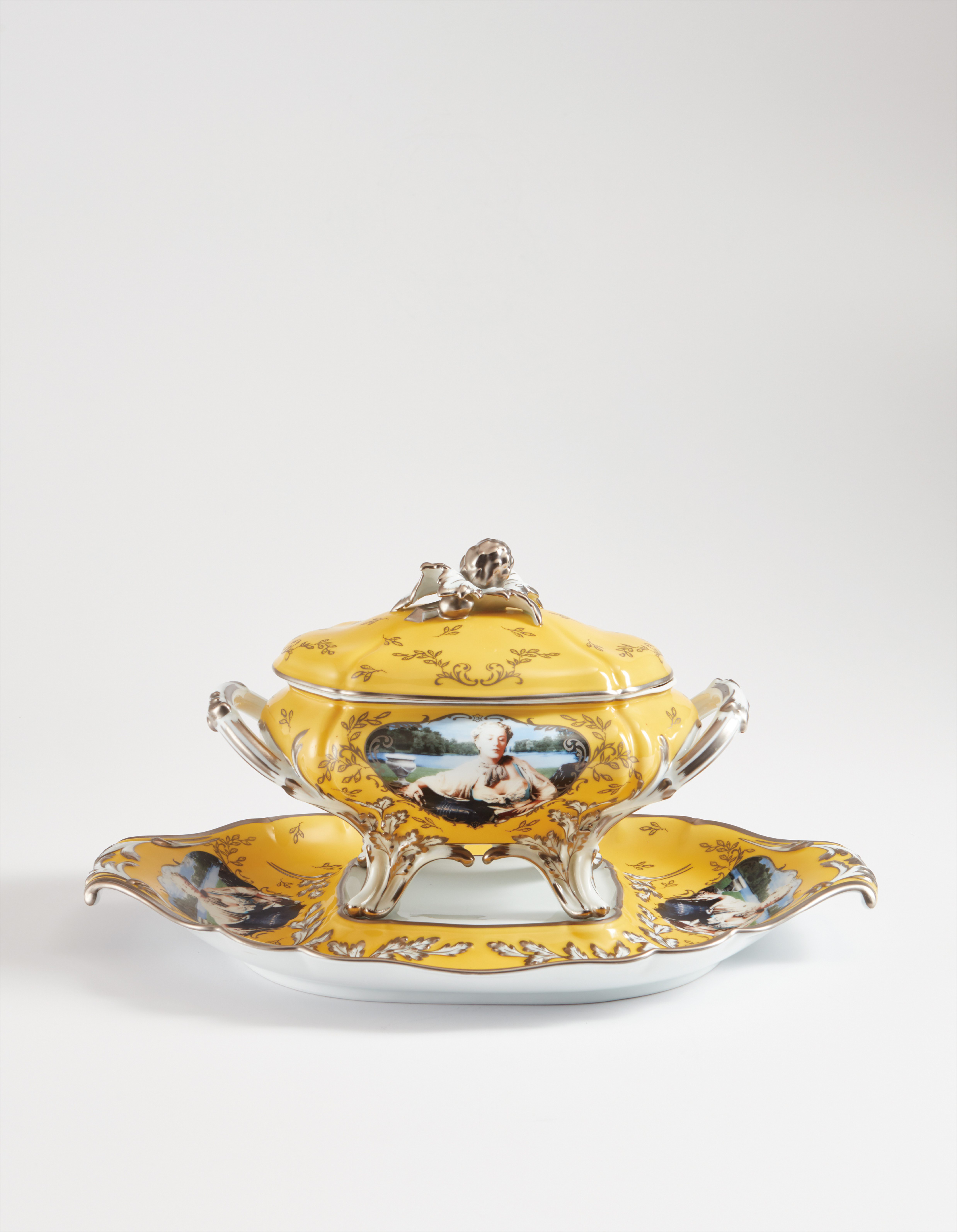
Satirical
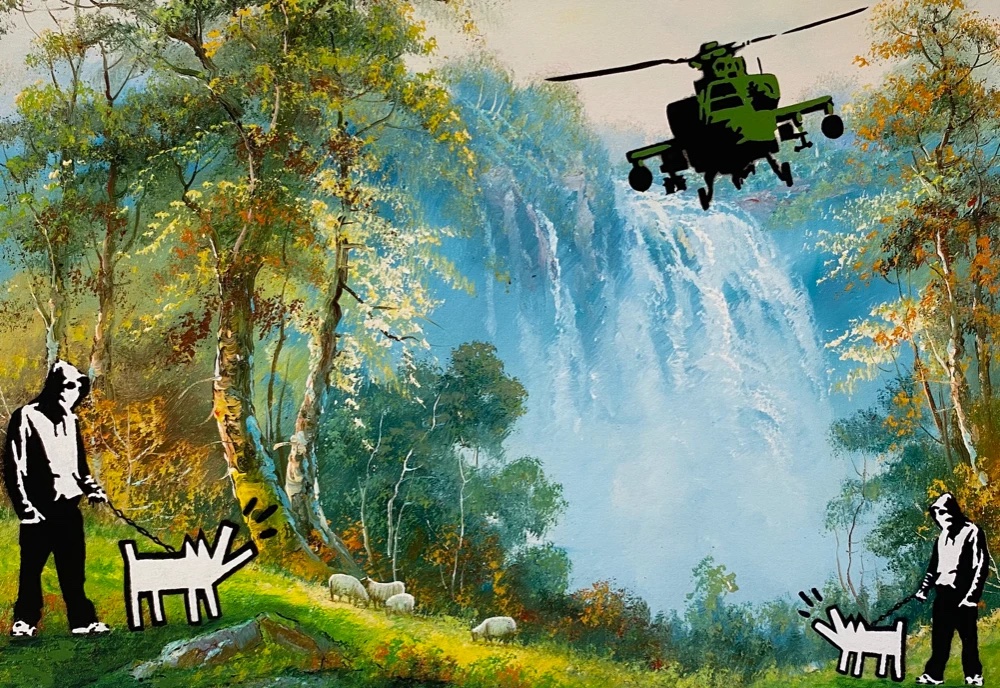
Mason Storm
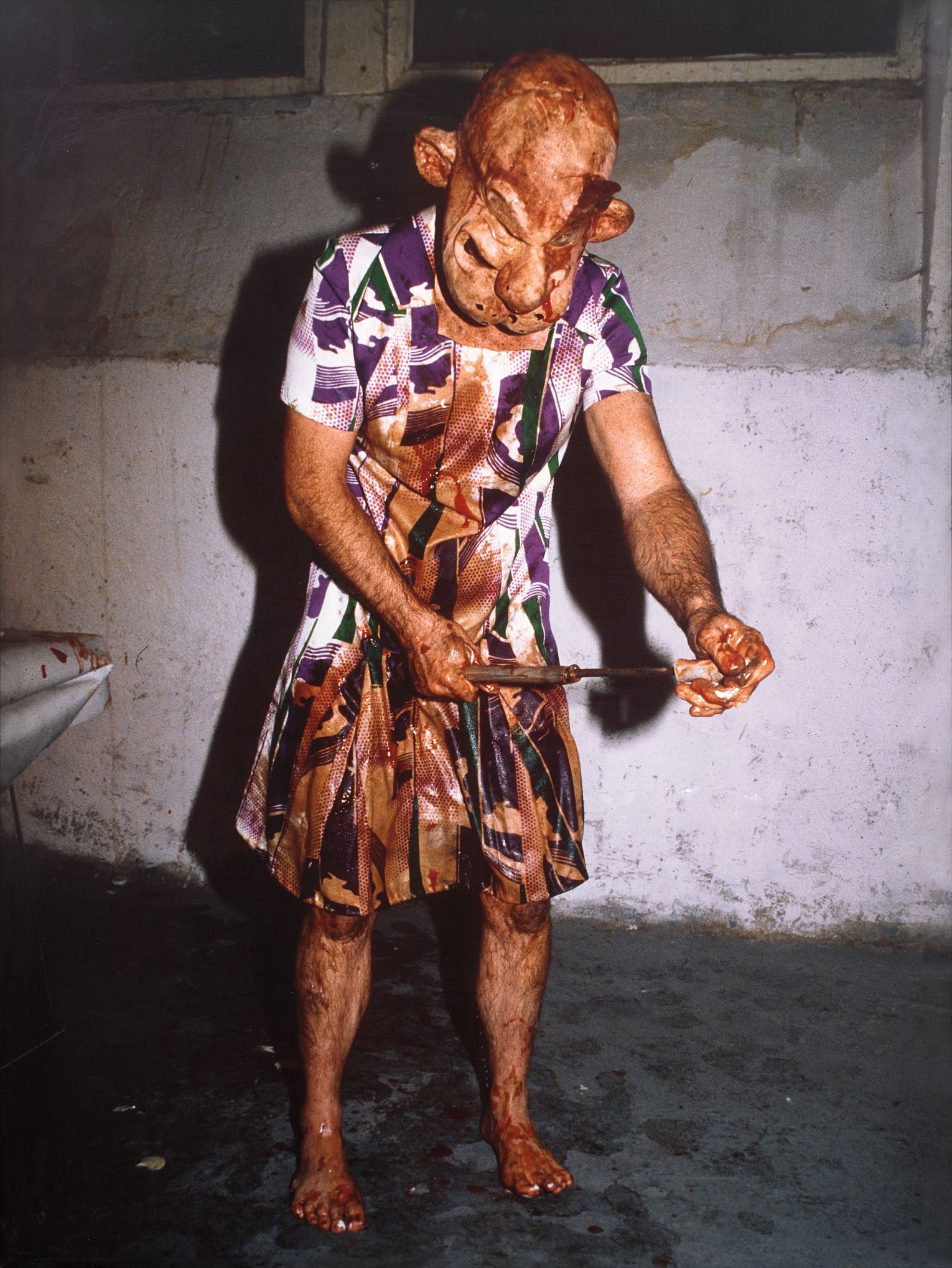
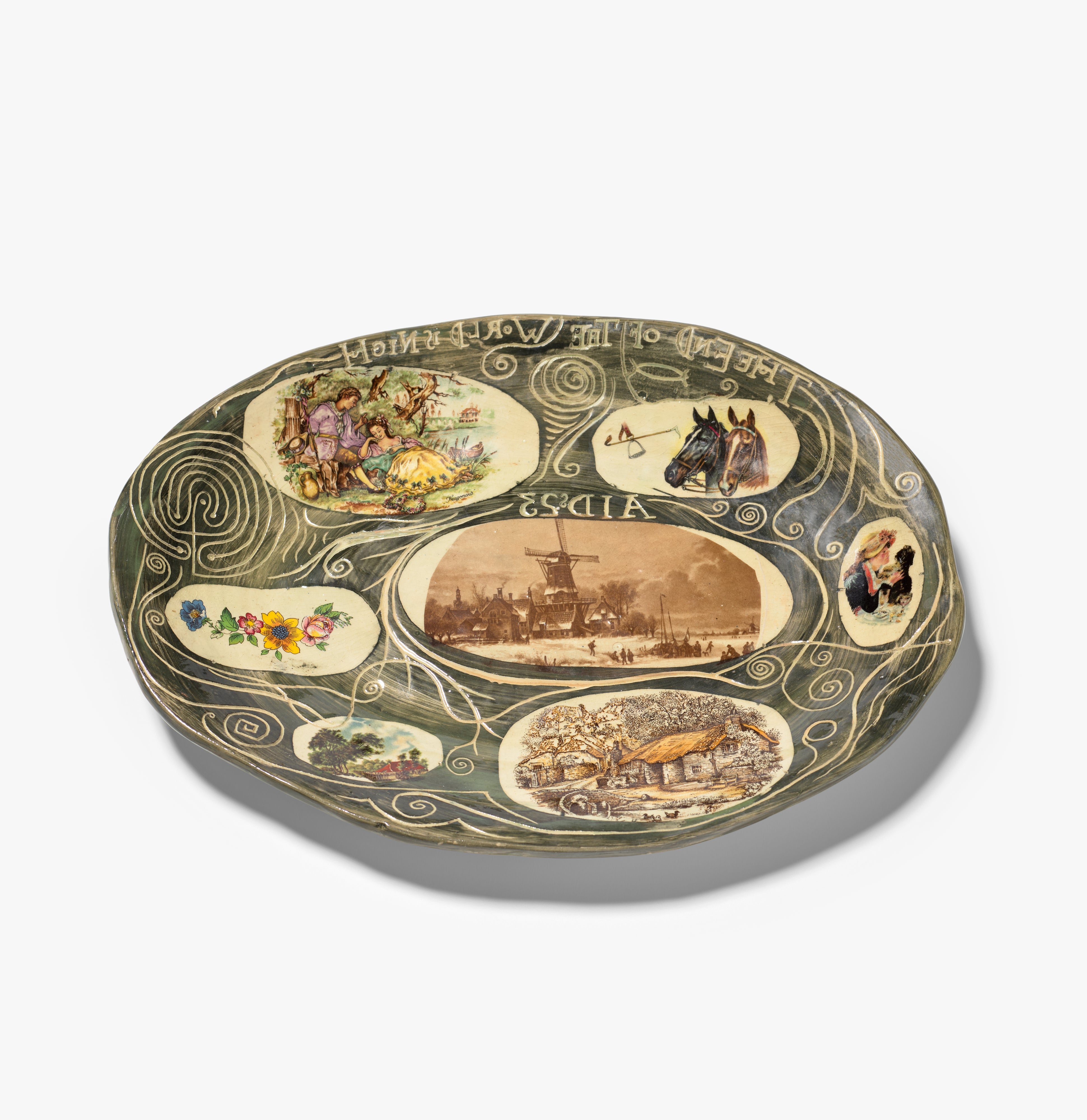
Haring of the Dog, 2021



The Joke That Outlasts Every Empire
There is something almost perverse about hanging a piece of satirical art in your home. It watches you. It catches you mid thought, mid glass of wine, mid assumption, and refuses to let you off the hook. This is precisely what draws serious collectors to the genre, not decoration but discomfort, not agreement but argument.
Living with a great satirical work is less like owning a painting and more like keeping a particularly sharp tongued houseguest who never leaves. The best collectors in this space know that and they lean into it. Satire in art is one of the oldest and most intellectually demanding categories a collector can pursue. It requires artists to hold two things in tension simultaneously: formal skill and conceptual wit.
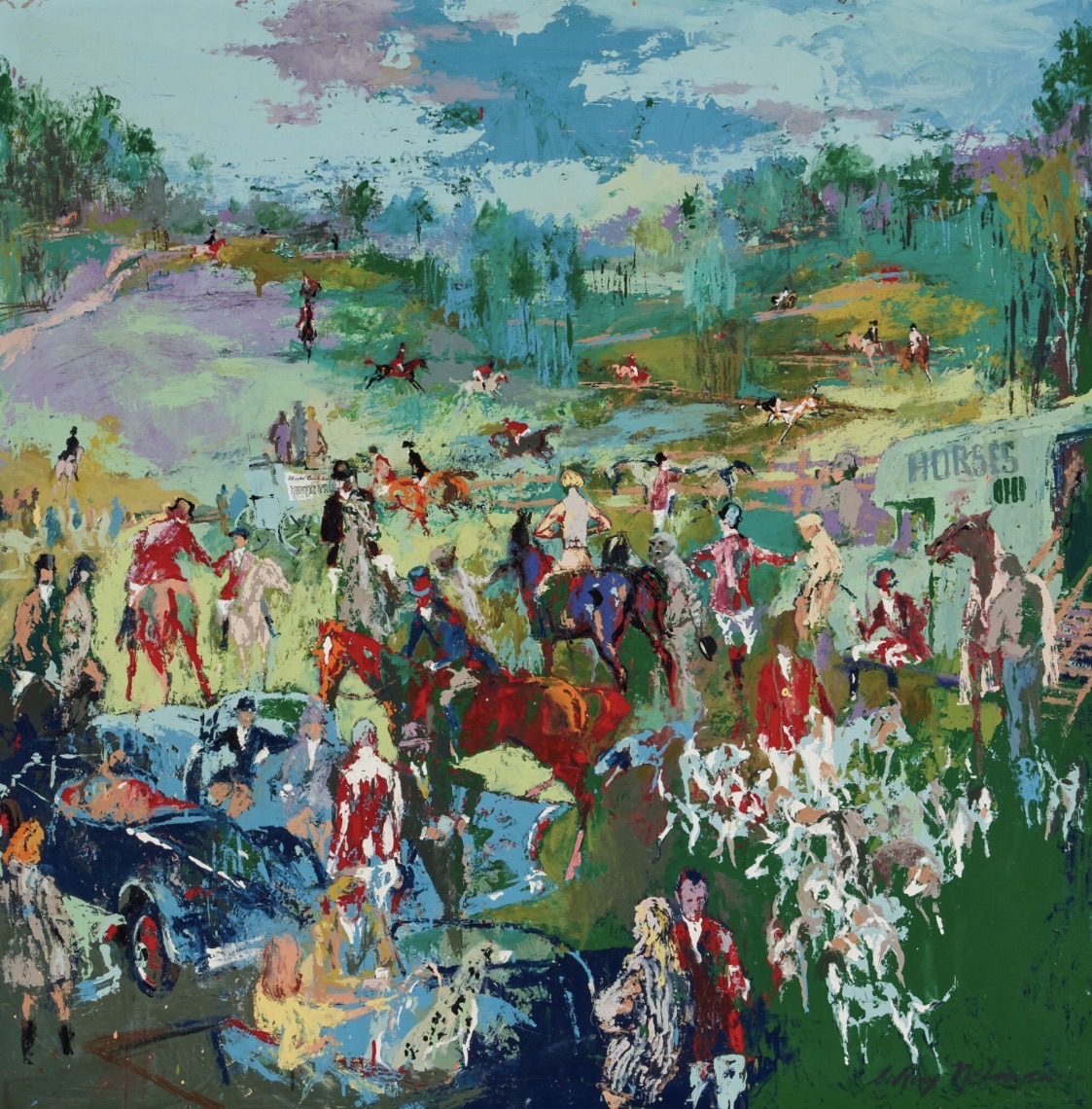
Tom Sachs
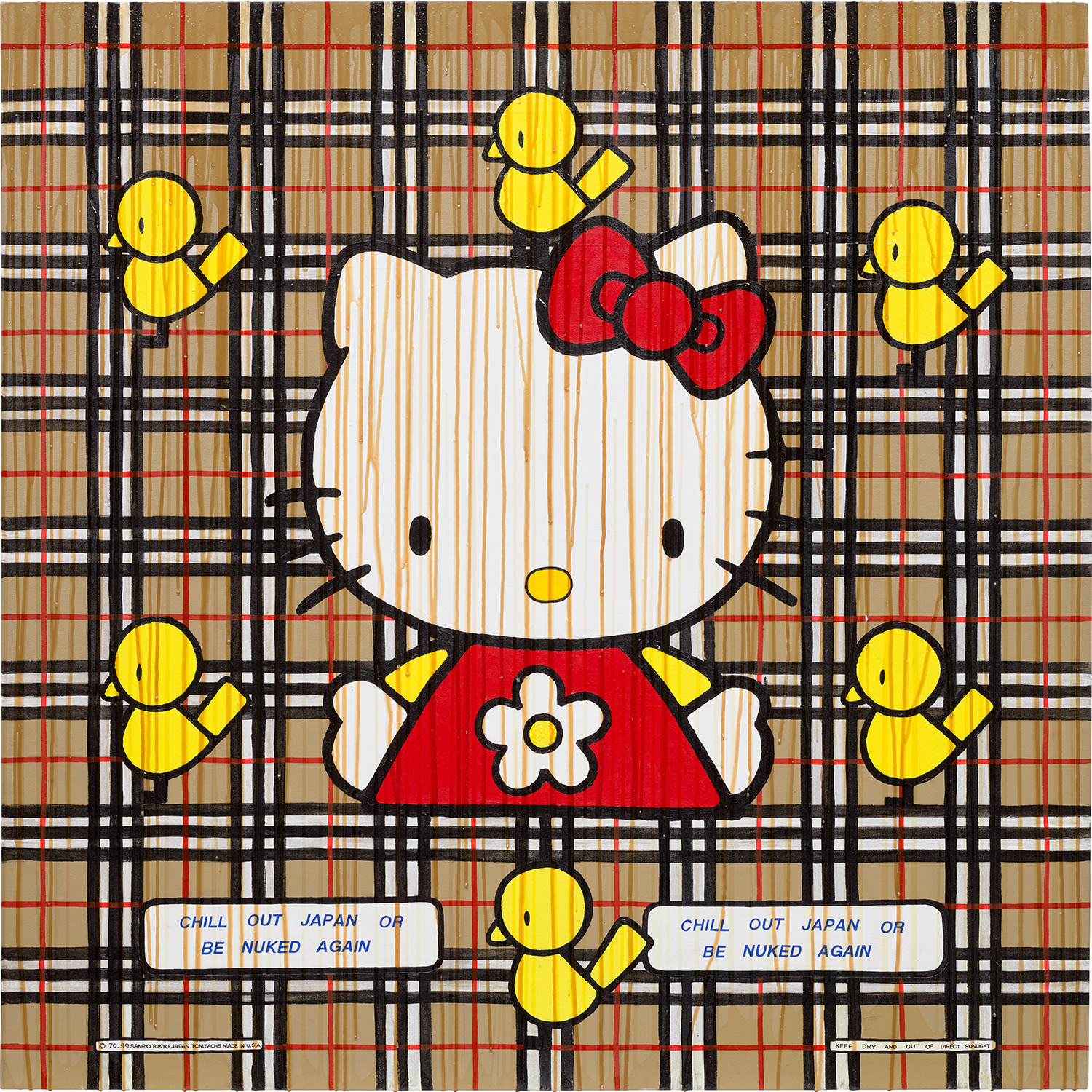
Chill Out Japan or be Nuked Again, 1999
A work that is only technically accomplished lands flat. A work that is only clever tends to age badly, becoming a curiosity rather than a conversation. The great satirical image manages to be both visually arresting and intellectually loaded, a combination that demands something genuine from both the artist and the viewer. This is why the canon of satirical art is smaller and stranger than it first appears, and why the best examples in it command real attention at auction.
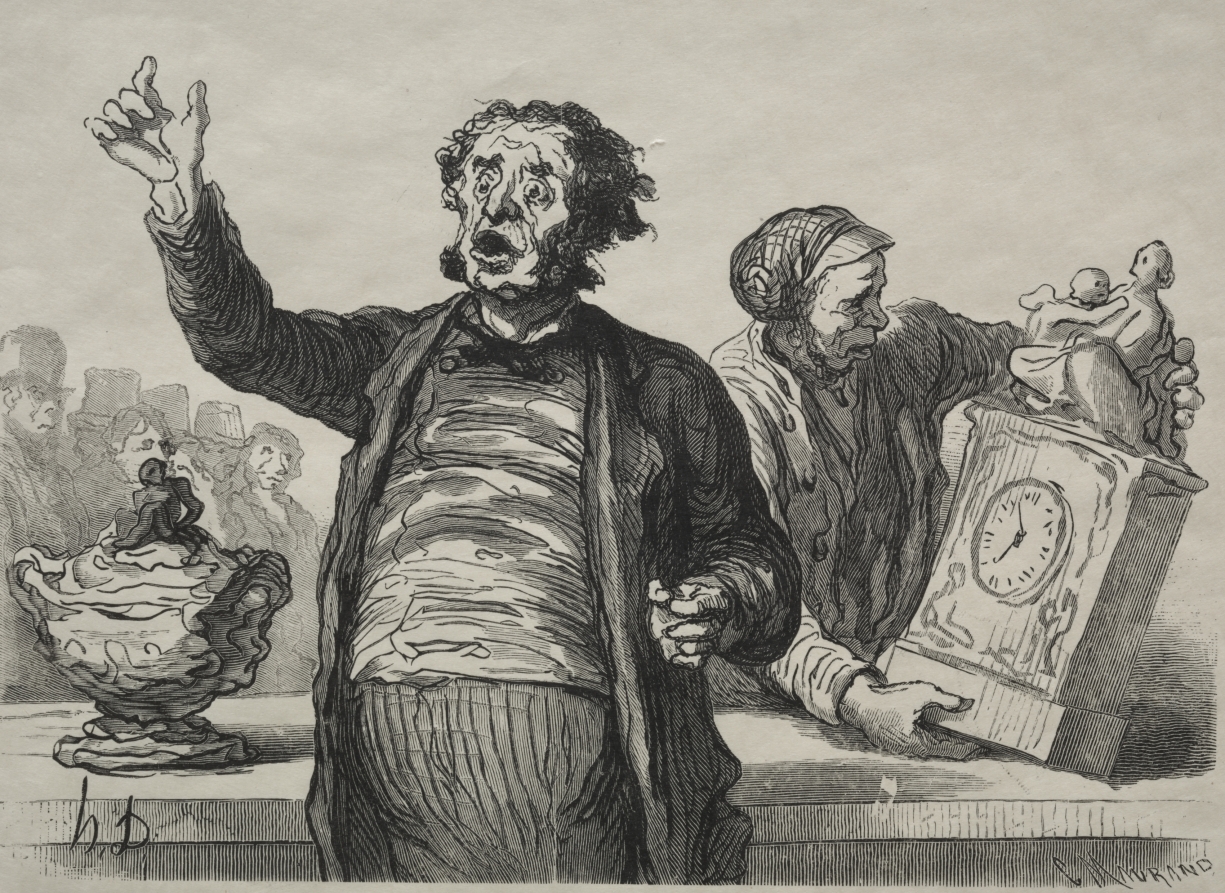
When thinking about what separates a good satirical work from a truly great one, the question to ask is whether the target matters beyond its moment. Daumier's caricatures of the French legal and political establishment, produced relentlessly through the 1830s and 1840s for publications like Le Charivari, feel as immediate today as they did when Louis Philippe was still on the throne. The bodies are grotesque but the psychology is precise. That precision is the mark of a great satirical artist: the joke is the surface, but beneath it is a formal intelligence that transcends any particular scandal or regime.
Boo Ritson
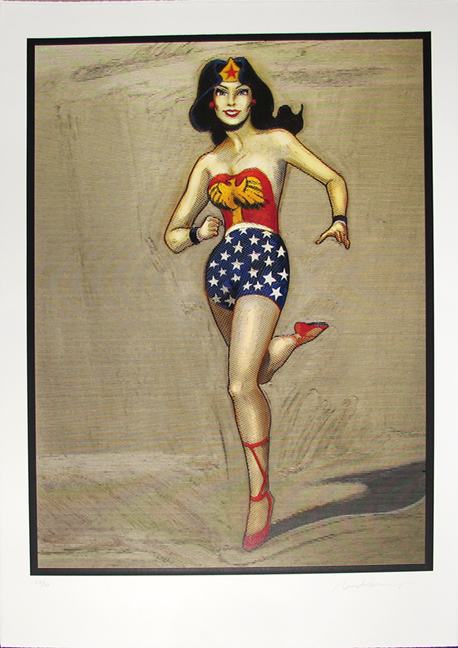
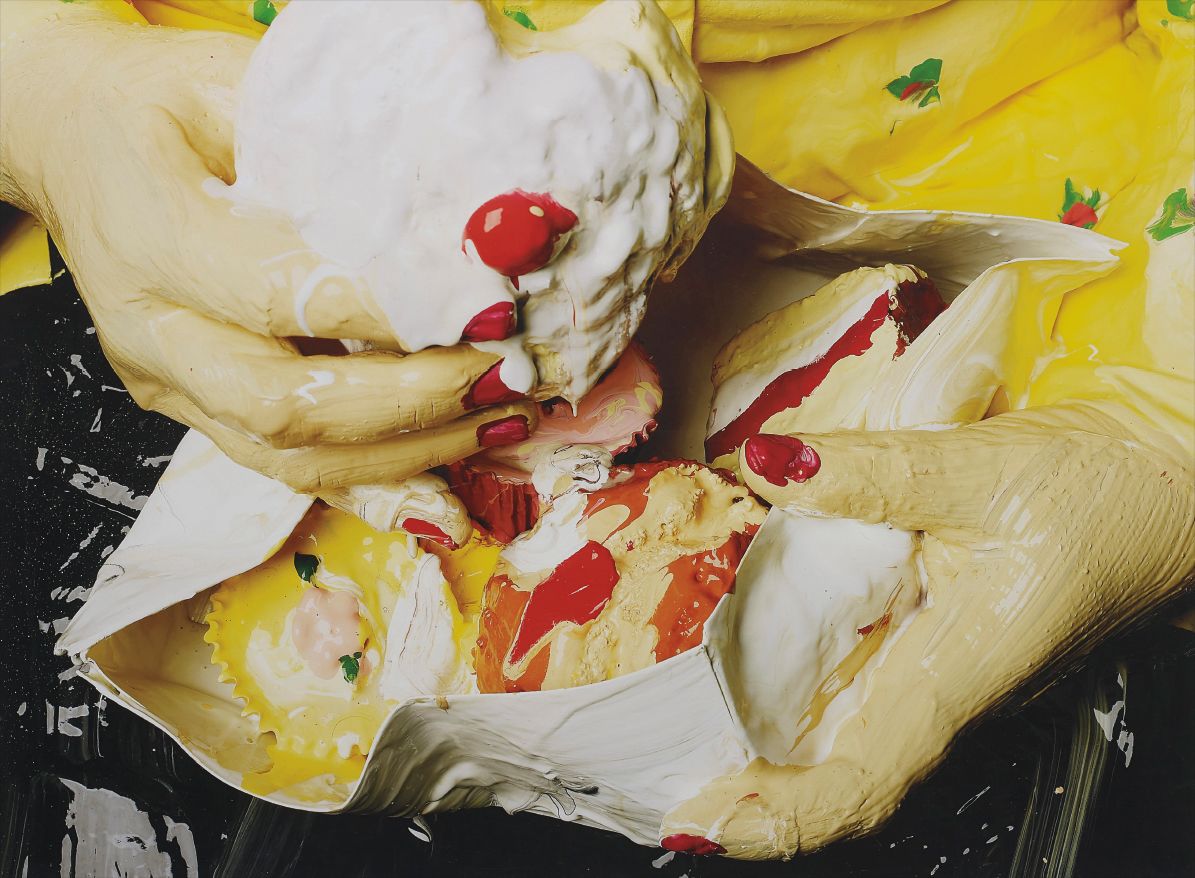
Cupcake, 2007
When you are looking at a work, ask yourself whether it would still land if you knew nothing about the original target. If the answer is yes, you are looking at something significant. The Collection brings together a genuinely remarkable range of artists working in this mode, from the historical giants to figures still defining what satirical art can be in the present moment. Francisco de Goya remains the gold standard, the artist whose Los Caprichos etchings effectively invented a visual language for political and moral absurdism that every subsequent generation has borrowed from.
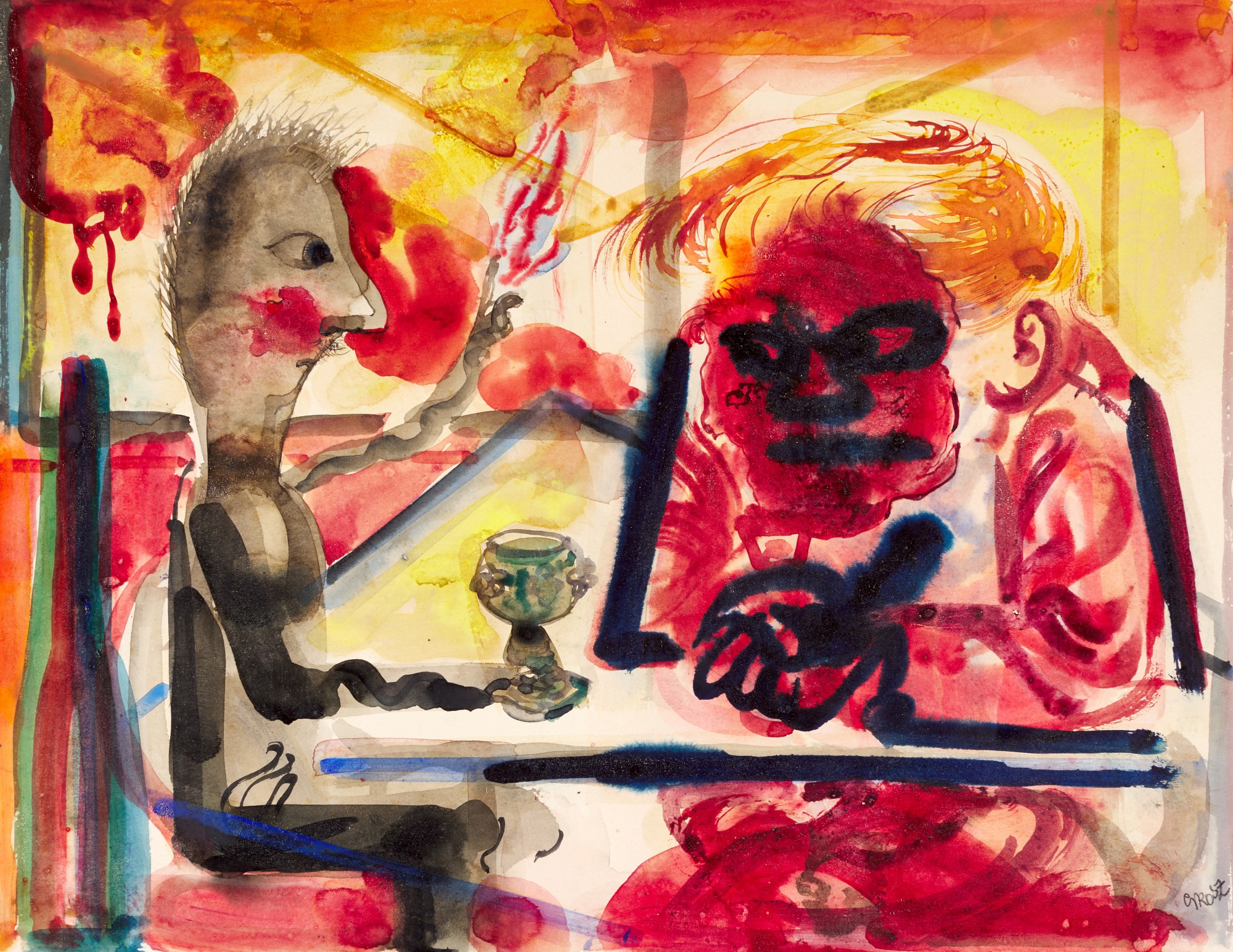
George Grosz, working in Weimar Berlin during the 1920s, pushed that inheritance toward something rawer and more specifically enraged, and his works have performed extraordinarily well at auction in recent years as collectors have responded to their uncomfortable resonance with contemporary politics. Paul Gavarni, often overshadowed by his contemporary Daumier, deserves more attention than he typically receives, and his works represent a real opportunity for the collector willing to look slightly sideways at the canon. For those building a collection with an eye toward the secondary market, Banksy presents an interesting case study in how satirical art can operate at a commercial scale that would have been unimaginable a generation ago. The market around his work is mature, well documented, and occasionally volatile, which means condition and provenance verification matter more than they do in almost any other area of contemporary art.
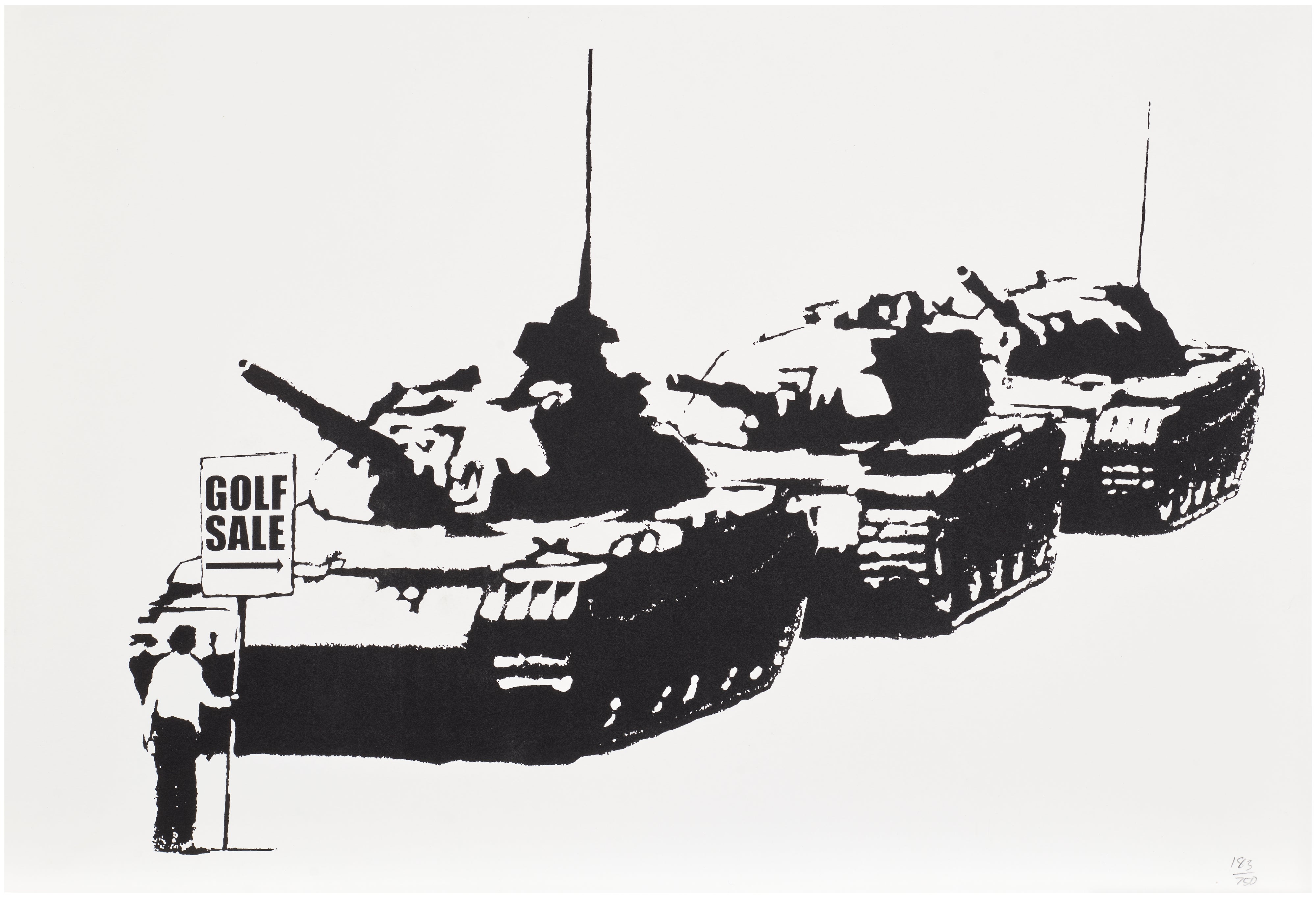
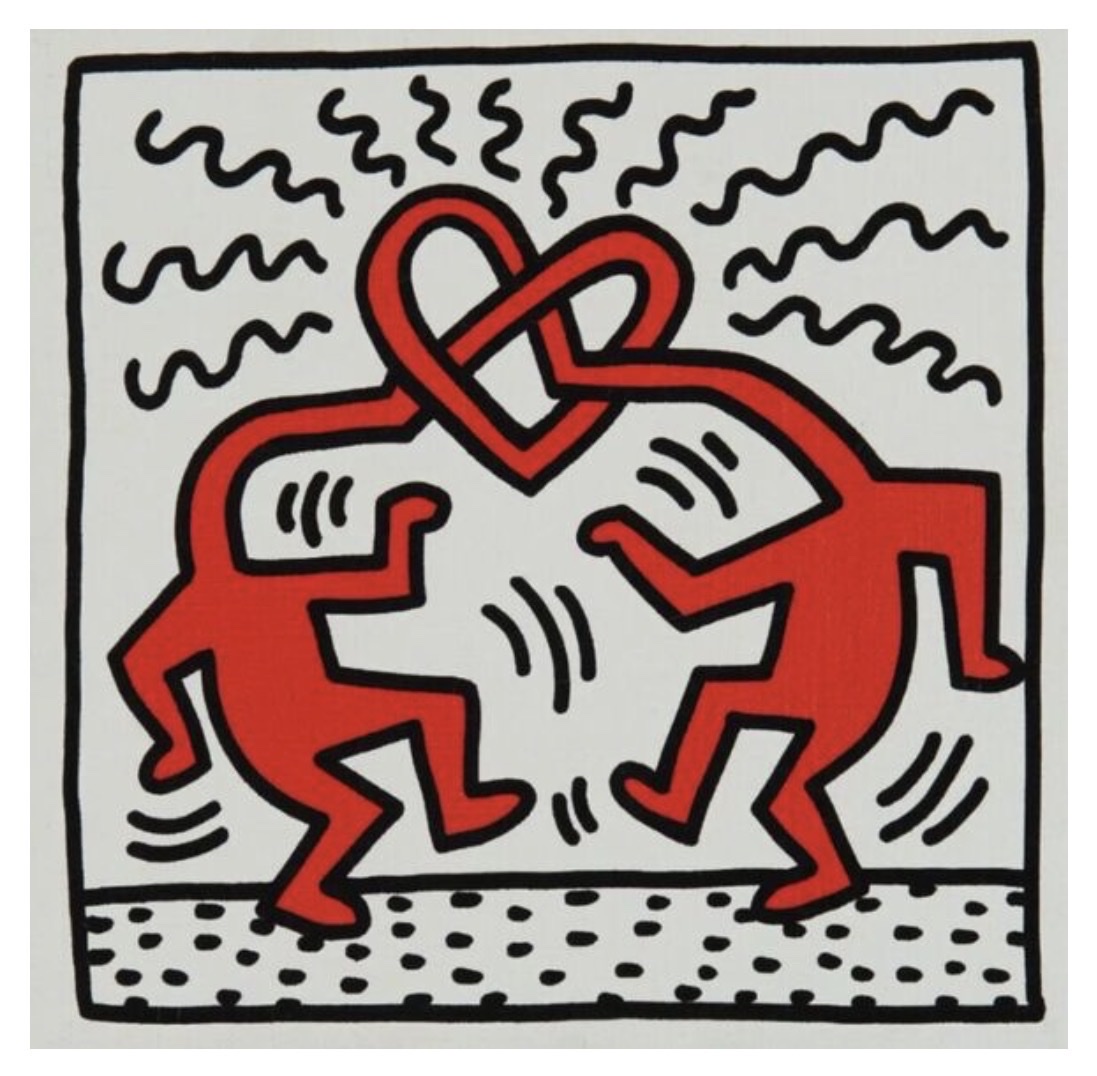
Banksy
Golf Sale
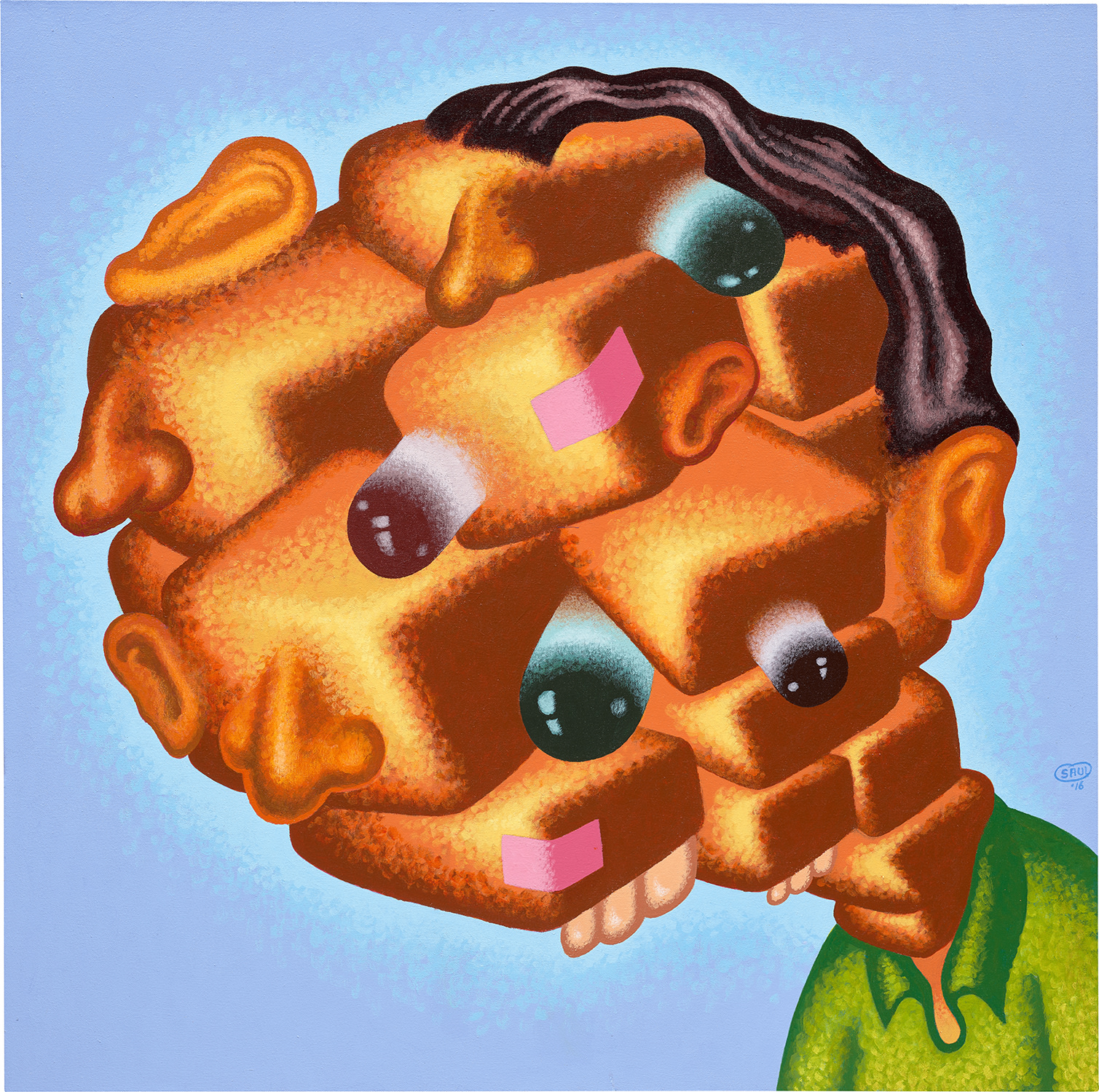
Authentication through Pest Control, his official authentication body, is non negotiable before any serious acquisition. Peter Saul, now in his late eighties and the subject of significant institutional attention over the past decade, has seen sustained market growth as younger collectors discover a body of work that has been gleefully wrong about everything respectable since the 1960s. His paintings reward close attention and they tend to hold value well. Yue Minjun deserves particular mention in the context of emerging opportunities, though he is hardly unknown.
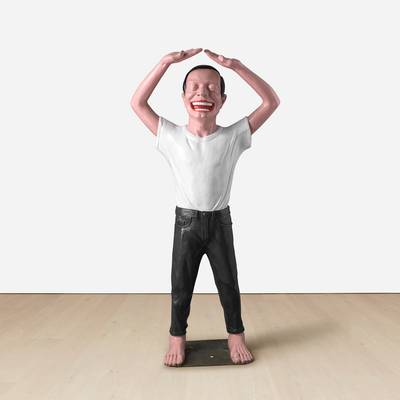
His signature laughing figures, which emerged in the early 1990s as a specific and pointed response to post Tiananmen political culture in China, have become somewhat iconic. The deeper works in his practice, the ones that go beyond the recurring motif into stranger and more formally ambitious territory, remain undervalued relative to his recognition. Similarly, Grayson Perry occupies an unusual position in the market: celebrated enough to have a major Tate retrospective to his name, but still collecting at prices that feel surprisingly accessible given the scale of his critical reputation and the density of his work. His tapestries and ceramics both reward close looking and make genuinely compelling objects to live with.
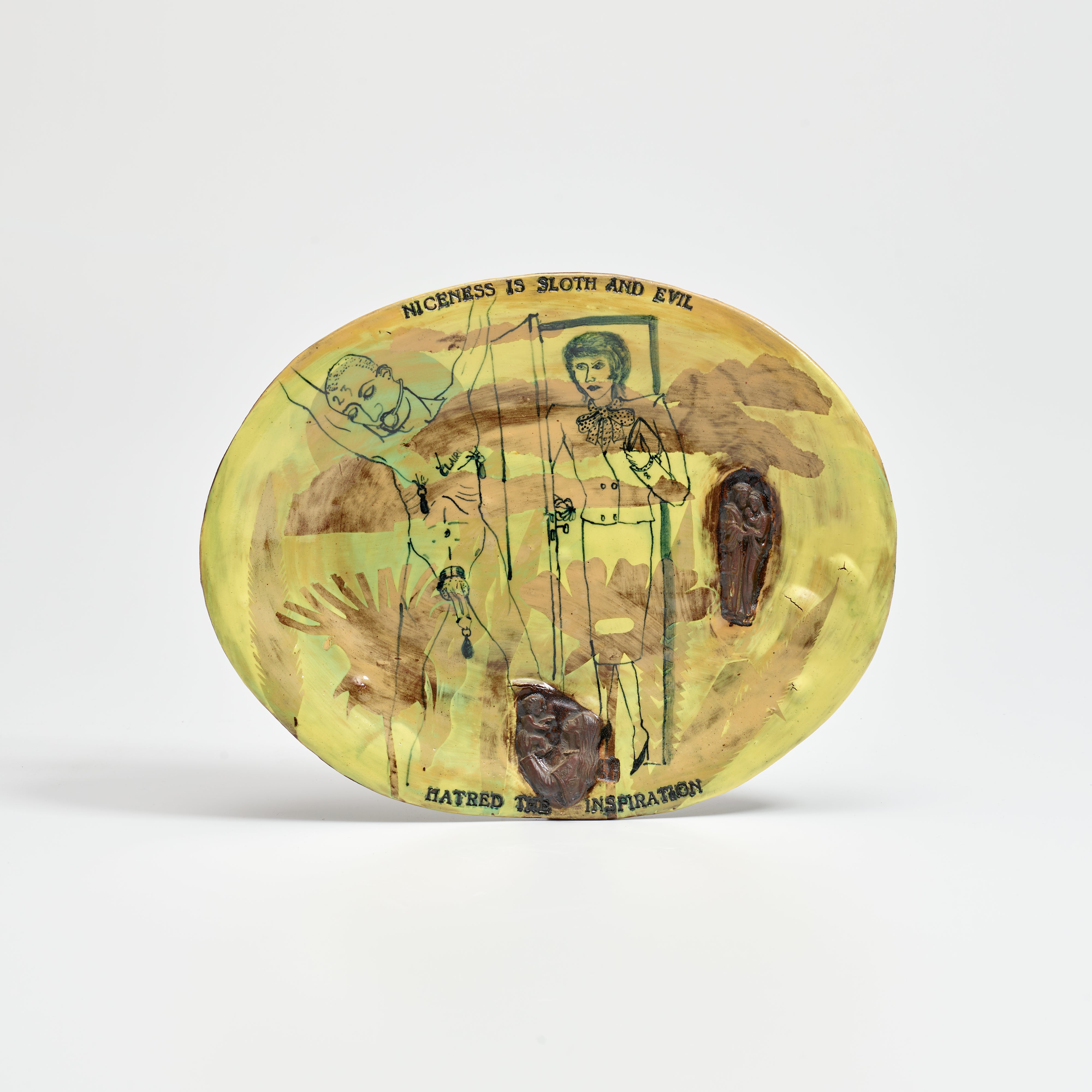
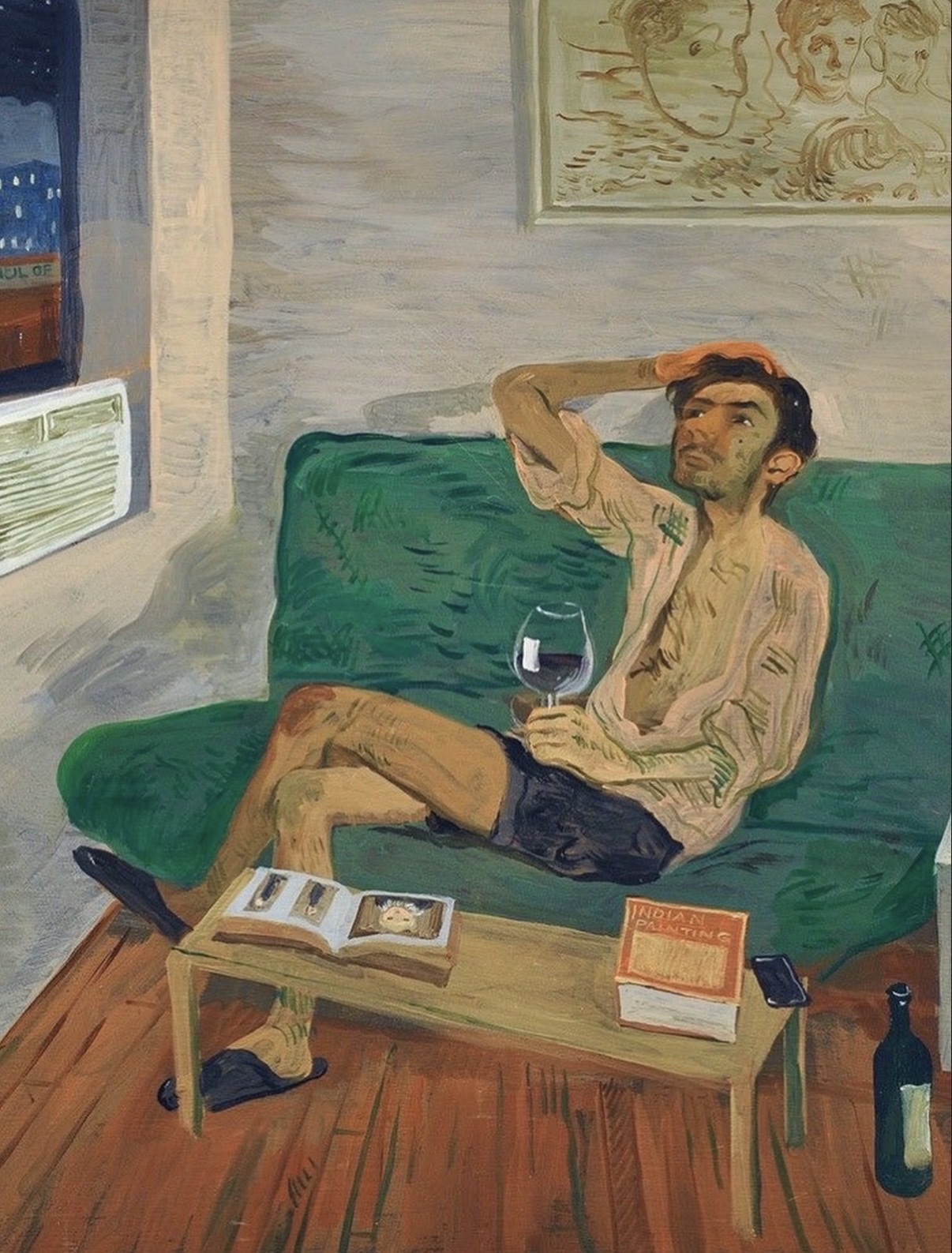
Grayson Perry
Niceness Is Sloth And Evil, 1980
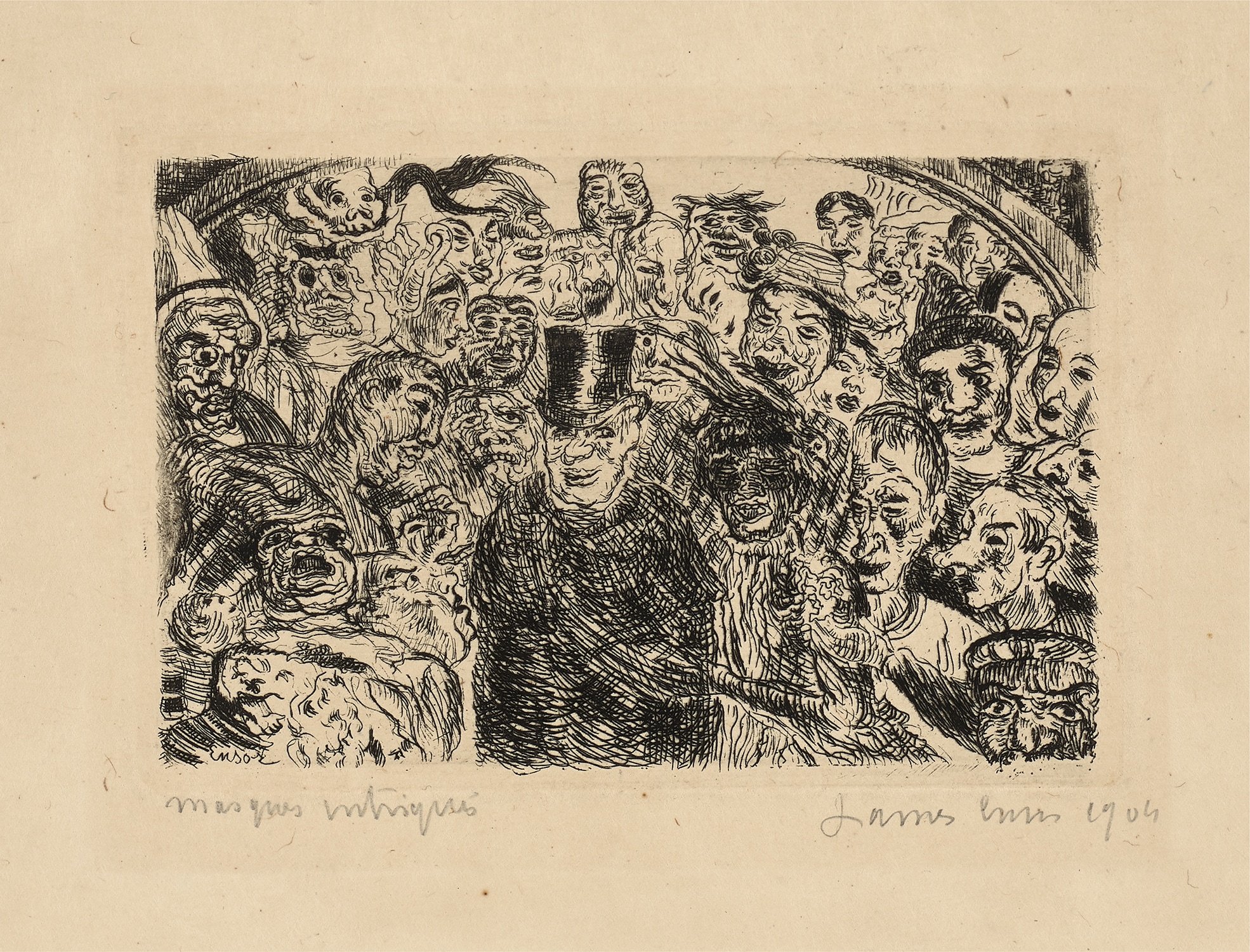
On the question of editions versus unique works, this is one category where the edition question is genuinely complex. Many of the most historically significant satirical images began as prints, Goya's etchings, Daumier's lithographs, James Ensor's extraordinary printed works. An edition is not a compromise in this context; it is often the correct and intended form. What matters is whether the edition is well documented, whether the impression is fine, and whether the work comes with clear provenance.
For contemporary artists working across both unique paintings and editions, the unique works will generally offer stronger long term appreciation, though a well chosen print by Banksy or Harland Miller can represent excellent value at the right price point. Practical advice for anyone entering or deepening a collection in this area: display matters more than you might expect. Satirical works tend to be conversational objects and they benefit from being placed where they will actually be seen and discussed. A Daumier lithograph buried in a study is doing half the job it could be doing in a room where people gather.
Ask any gallery about exhibition history, as works that have been shown institutionally tend to carry both documentary evidence of condition and a secondary layer of critical validation that the market notices. And do not underestimate the condition of works on paper: foxing, mat burns, and light damage accumulate quietly and affect value significantly. Buy the best impression you can afford, even if it means buying one strong work rather than several compromised ones. In satirical art as in almost everything else, quality over quantity is the advice that will not age.