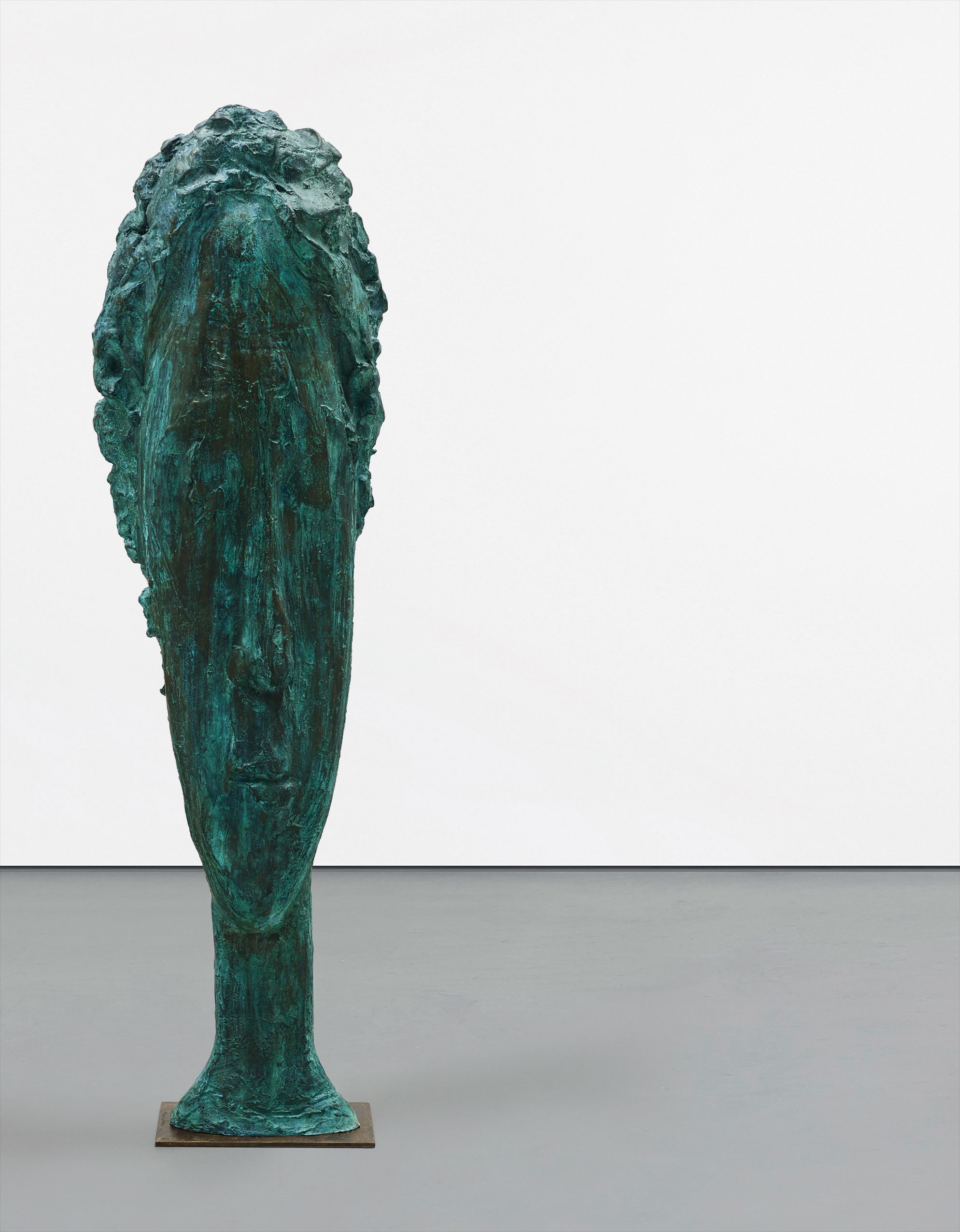
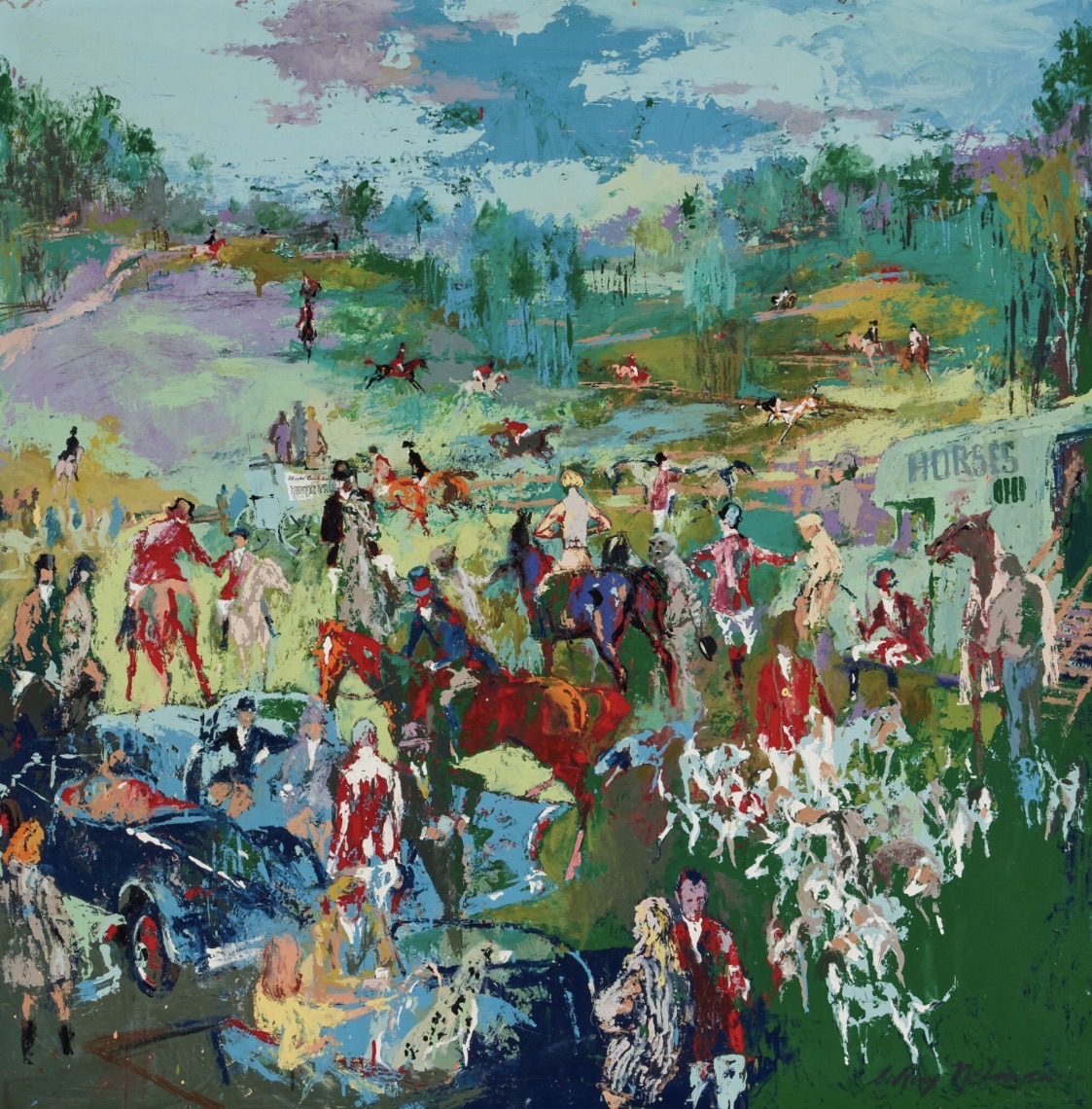
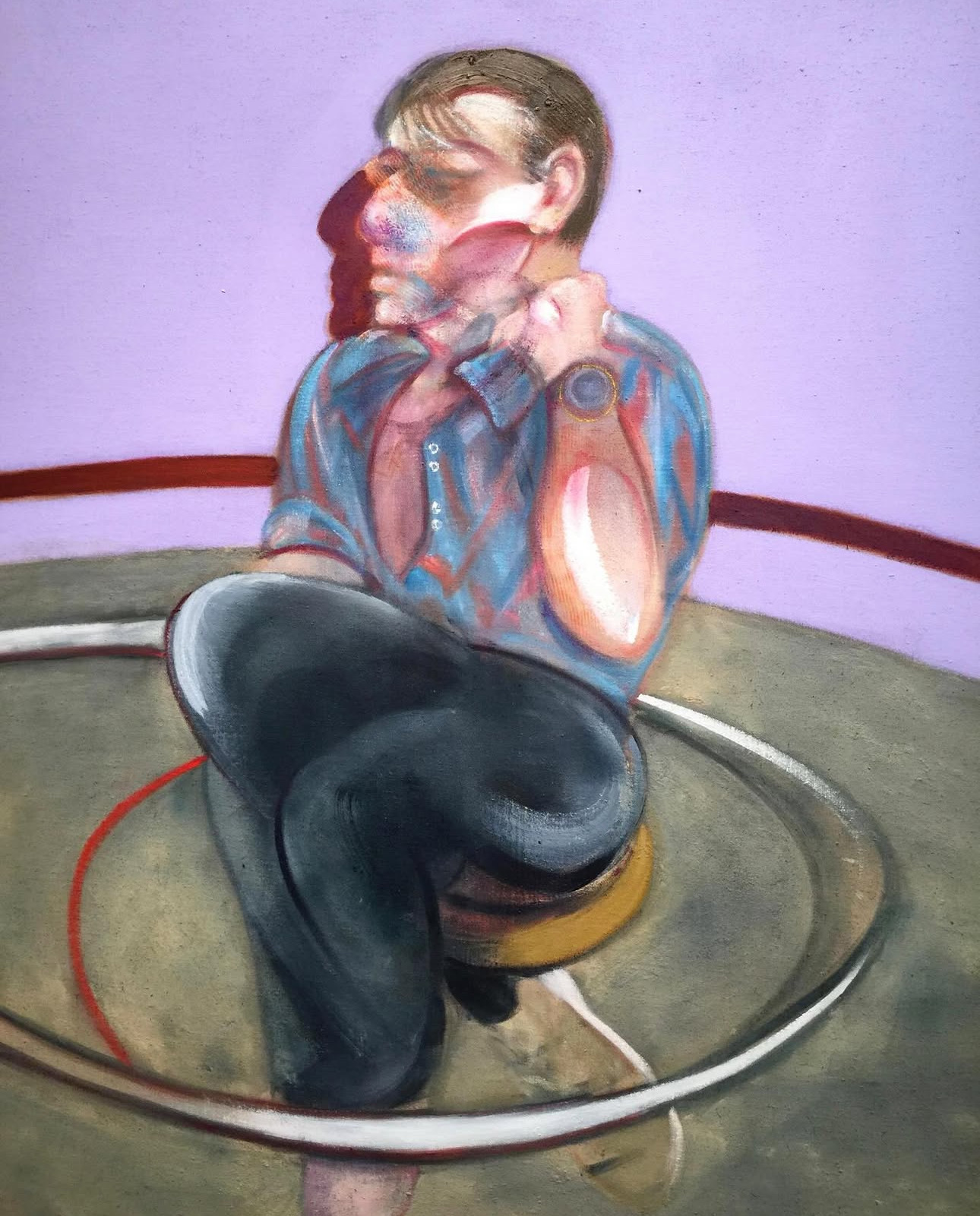
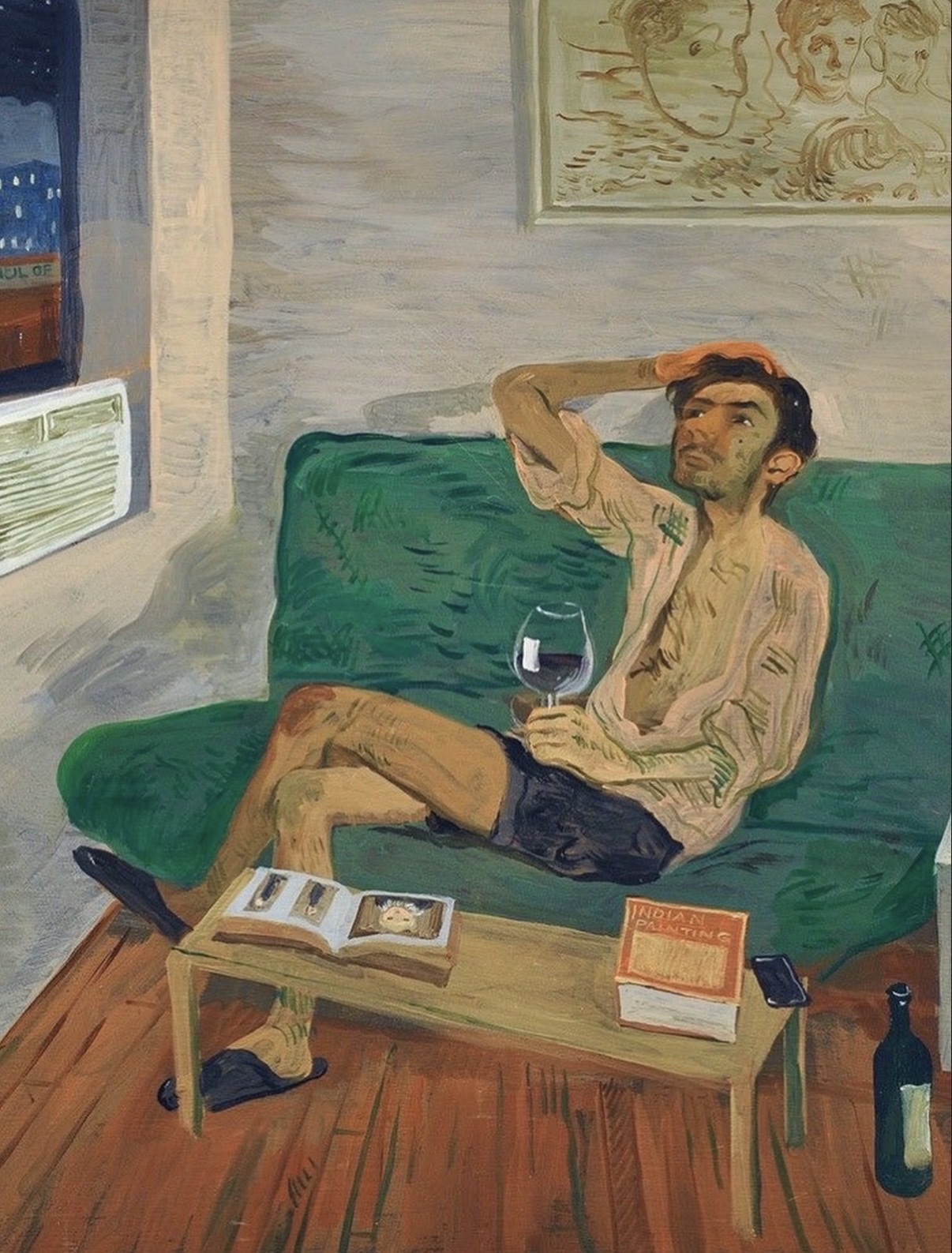
Russian Artist
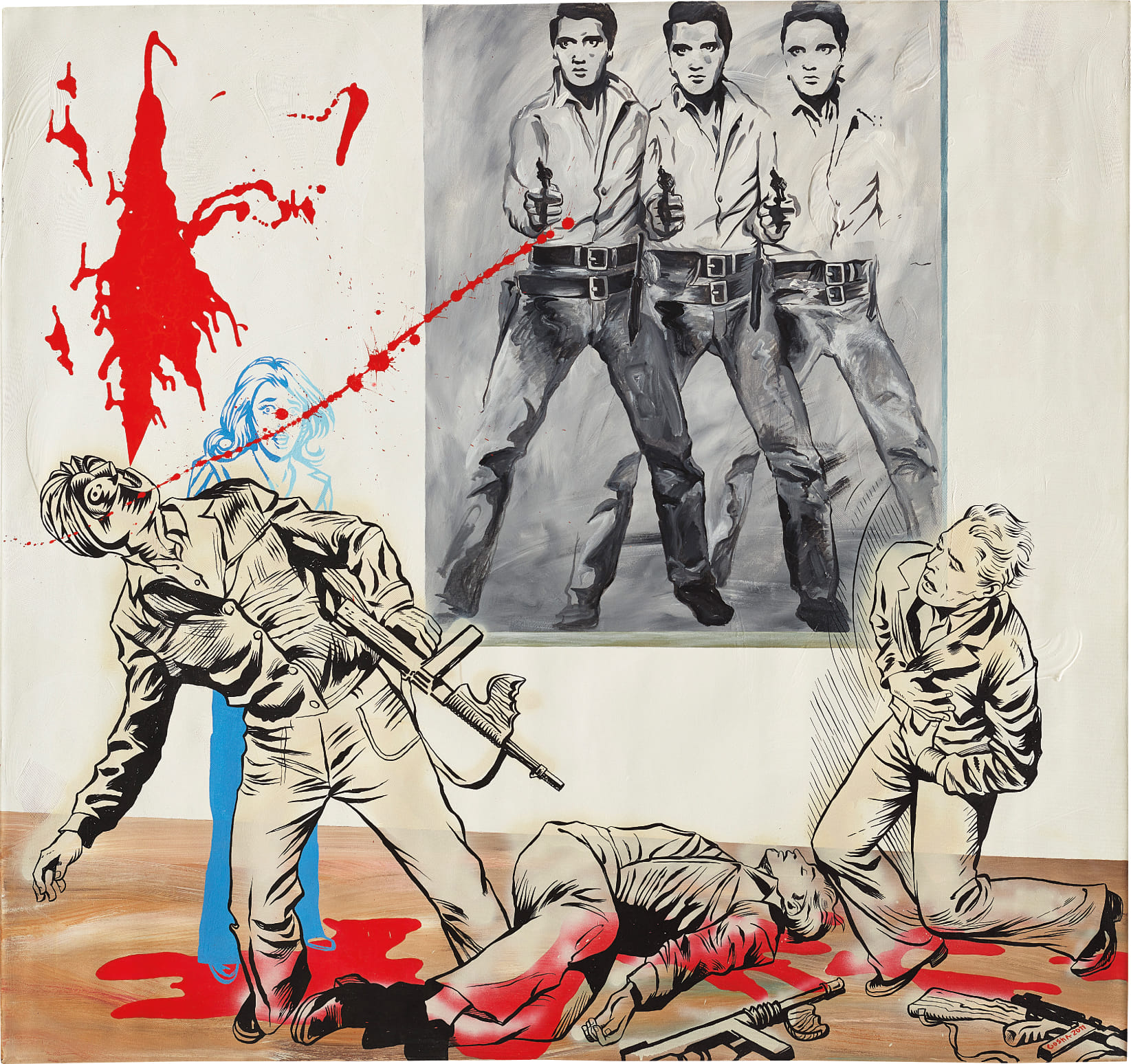
Gosha Ostretsov
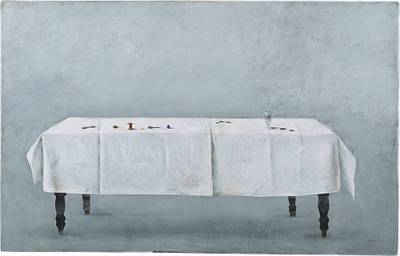
Elvises, 2011



The Russian Avant-Garde Is Having Its Moment
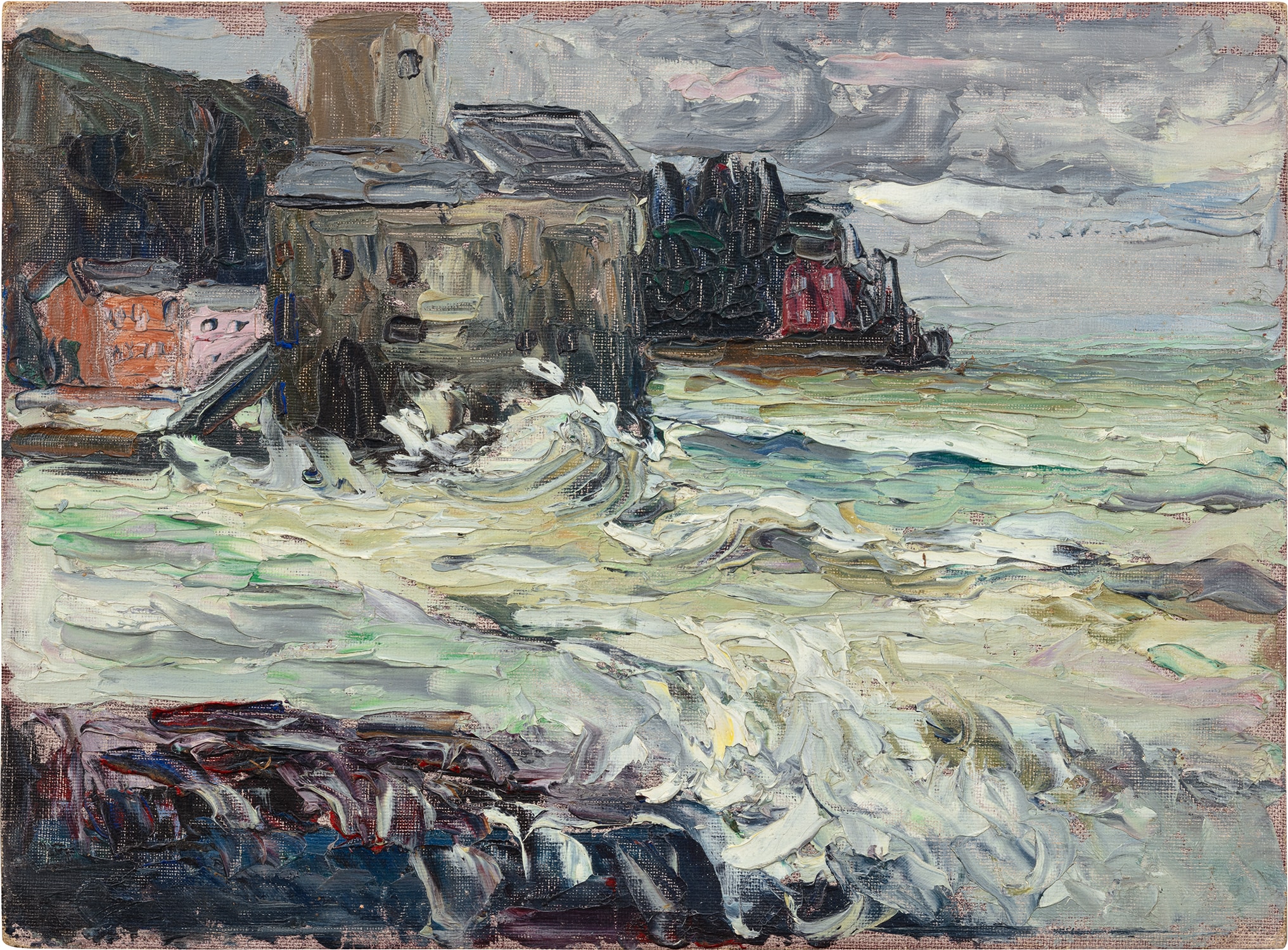
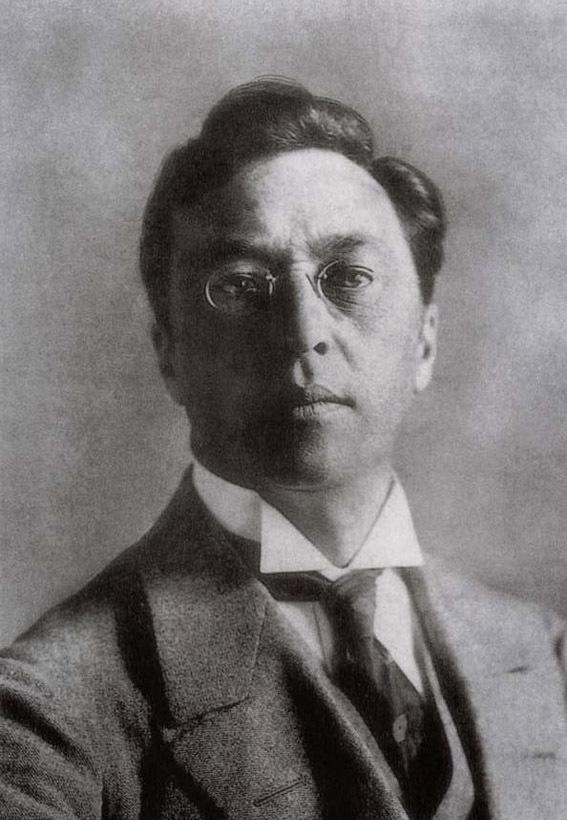
When a Wassily Kandinsky composition sold at Sotheby's London for over 37 million dollars in 2017, the art world took note of something it had perhaps undervalued for years: the sustained, almost gravitational pull of Russian modernism on serious collectors worldwide. That result was not an anomaly. It confirmed what a generation of curators and advisors had long suspected, that the arc from the early avant garde through Soviet conceptualism and into the post Soviet present represents one of the most coherent and compelling narratives in twentieth and twenty first century art. The conversation around Russian art has never been louder, and the reasons are as much cultural as they are commercial.
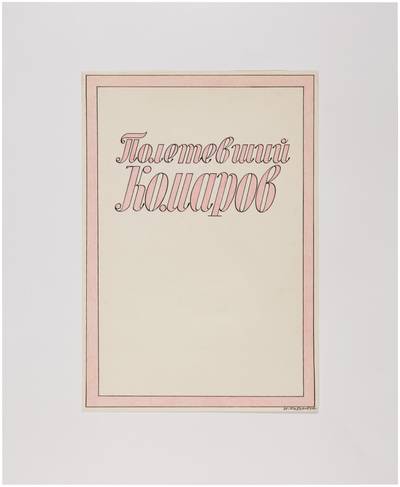
The critical rehabilitation of Soviet era and post Soviet artists has accelerated meaningfully over the past decade. The Garage Museum of Contemporary Art in Moscow, founded in 2008 and relocated to its current Rem Koolhaas designed space in Gorky Park in 2015, has done more than perhaps any single institution to reframe how the world understands the Russian contemporary canon. Its retrospectives and archival projects brought figures like Ilya Kabakov to new generations of collectors who might otherwise have encountered his total installations only through secondary literature. Kabakov's work, which transforms the claustrophobia and absurdity of Soviet communal living into deeply philosophical environments, commands serious attention at auction and in museum acquisition programs alike.
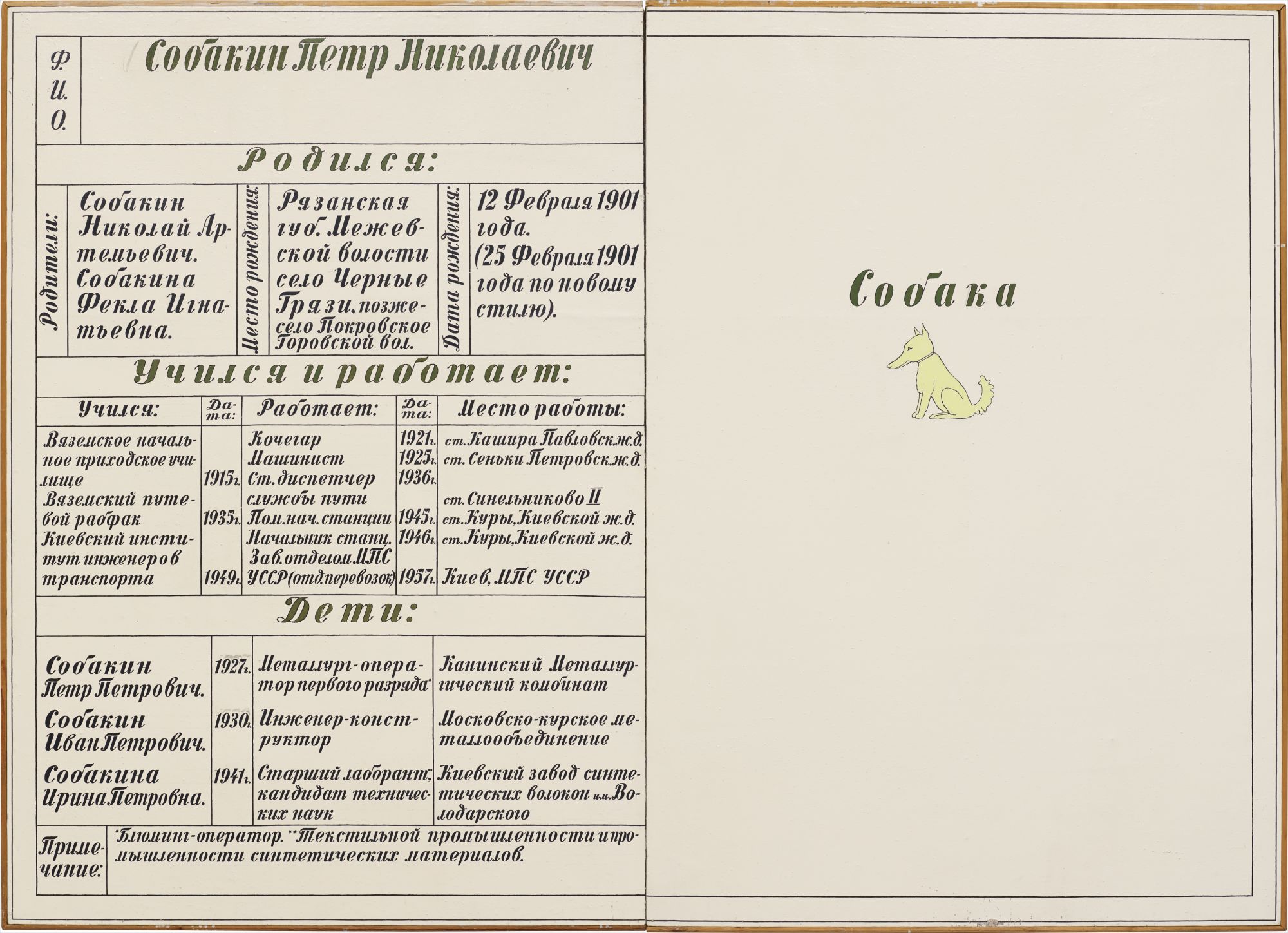
Ilya Kabakov
Sobakin
His presence on The Collection speaks to exactly the kind of long view collecting that rewards patience. Alexander Rodchenko occupies a different register entirely. His photographs and graphic works have been the subject of major retrospectives at institutions including the Museum of Modern Art in New York and the Ludwig Museum in Cologne, and the market for his work reflects an almost canonical certainty. Rodchenko sits alongside Kandinsky as one of those artists whose place in the modernist firmament feels unassailable, and whose works, when they appear at auction, provoke the kind of bidding that signals institutional as well as private demand.
The Constructivist tradition he helped define continues to influence design, photography, and contemporary painting in ways that keep him perpetually relevant rather than merely historical. What makes the current moment genuinely exciting is the way collectors are now looking both backward and forward simultaneously. Zinaida Serebriakova, whose luminous figurative paintings were largely overlooked by Western markets for decades, has seen growing appreciation in recent auction cycles. Her intimate domestic scenes and portraits carry an emotional directness that feels remarkably contemporary, and institutions in France, where she spent much of her later life, have done important work in elevating her profile.
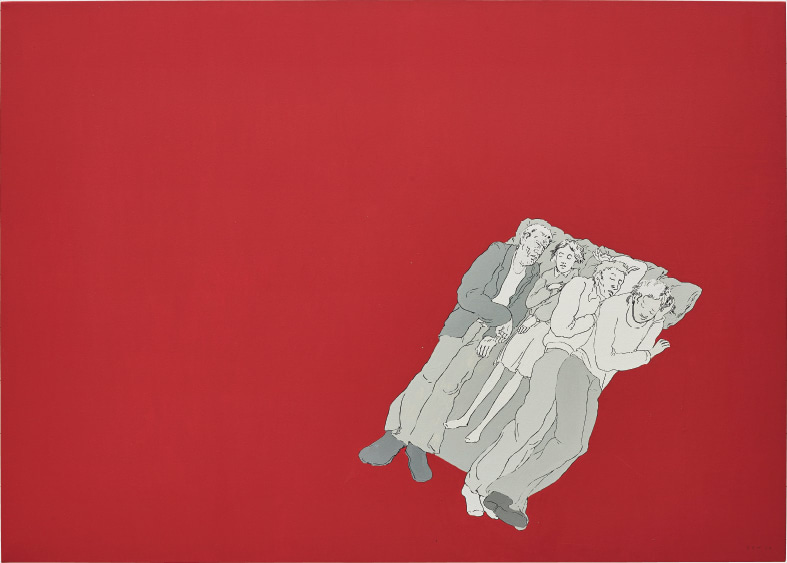
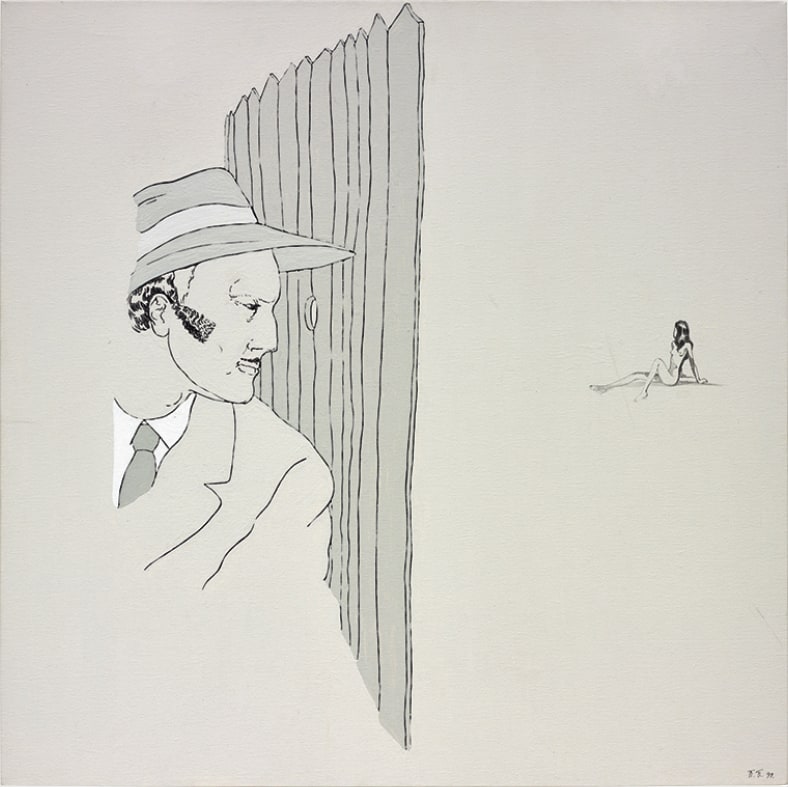
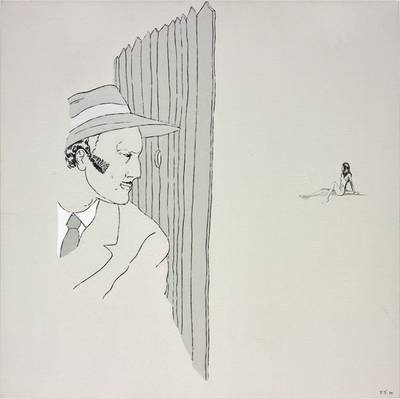
Pavel Pepperstein
Sleeping People, 1999
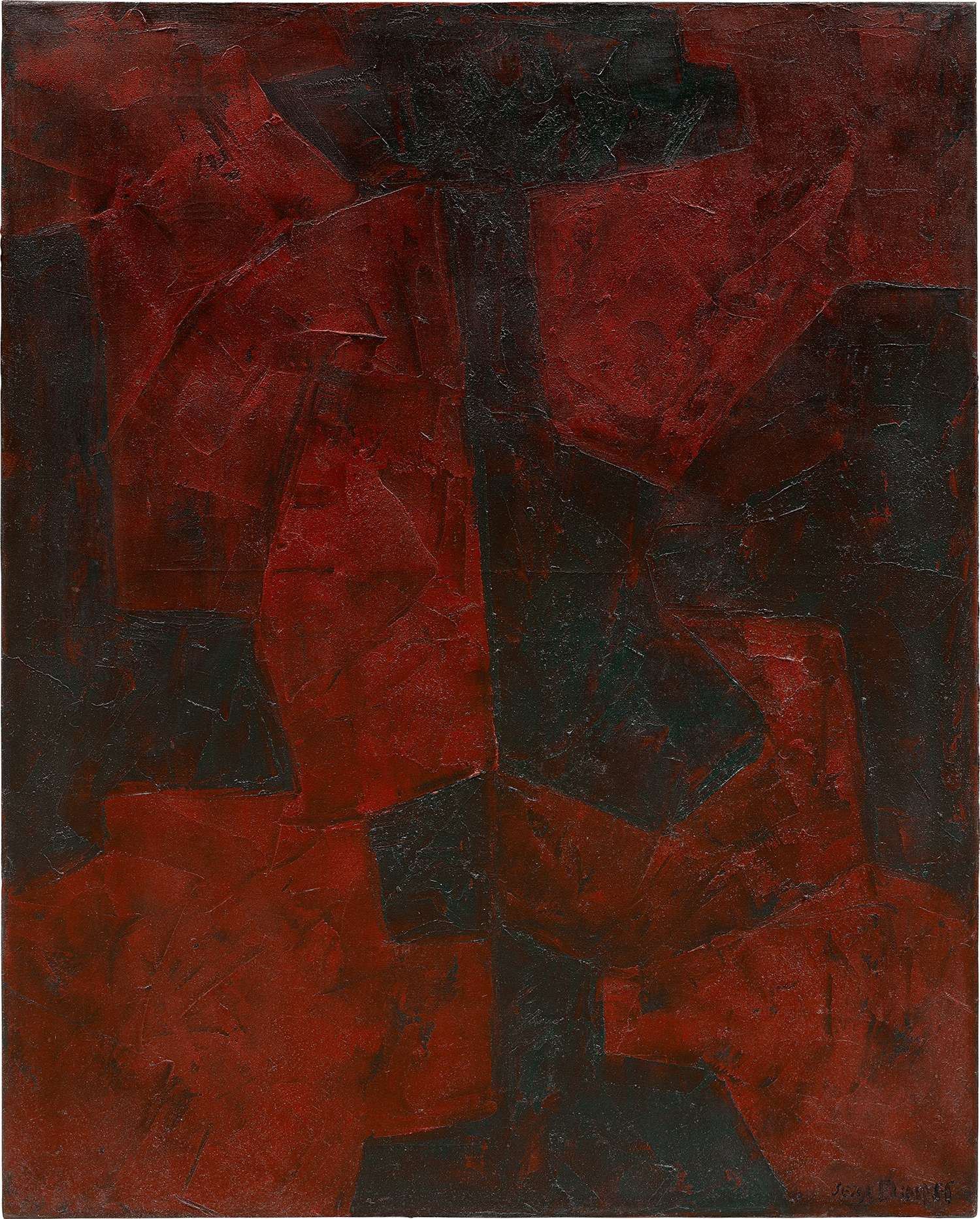
Similarly, Serge Poliakoff, the Paris based Russian emigre whose abstract compositions in jewel like color fields occupy a fascinating space between European abstraction and something more spiritually Slavic, continues to attract collectors who appreciate painting that rewards sustained looking. Both artists are well represented on The Collection, and for good reason. The younger generation presents its own compelling arguments. Pavel Pepperstein, the Moscow born artist and writer whose work moves between psychedelic illustration, conceptual fiction, and a kind of visionary political mythology, has attracted serious curatorial attention from institutions including the Centre Pompidou.
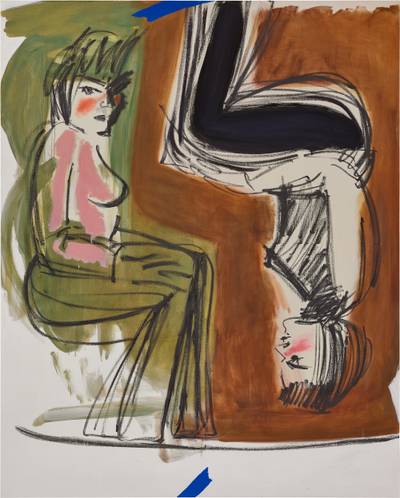
Ella Kruglyanskaya, who works between New York and Eastern Europe, has been the subject of solo presentations at Gavin Brown's Enterprise and other leading commercial spaces, and her paintings of women in states of exaggerated social performance have a wit and formal confidence that places her firmly in the conversation about contemporary figurative painting globally. Grisha Bruskin, whose lexicons of Soviet symbols and mythological figures carry both humor and genuine dread, has been collected by the Jewish Museum in New York and the Ludwig Museum among others, and his position in the market reflects that institutional validation. The critical literature shaping this field is increasingly sophisticated. Writers like Boris Groys, whose theoretical work on the Soviet avant garde and its relationship to contemporary art has been essential reading for two decades, continue to provide the intellectual scaffolding that helps collectors and curators understand why this tradition matters beyond nostalgia or geopolitical curiosity.
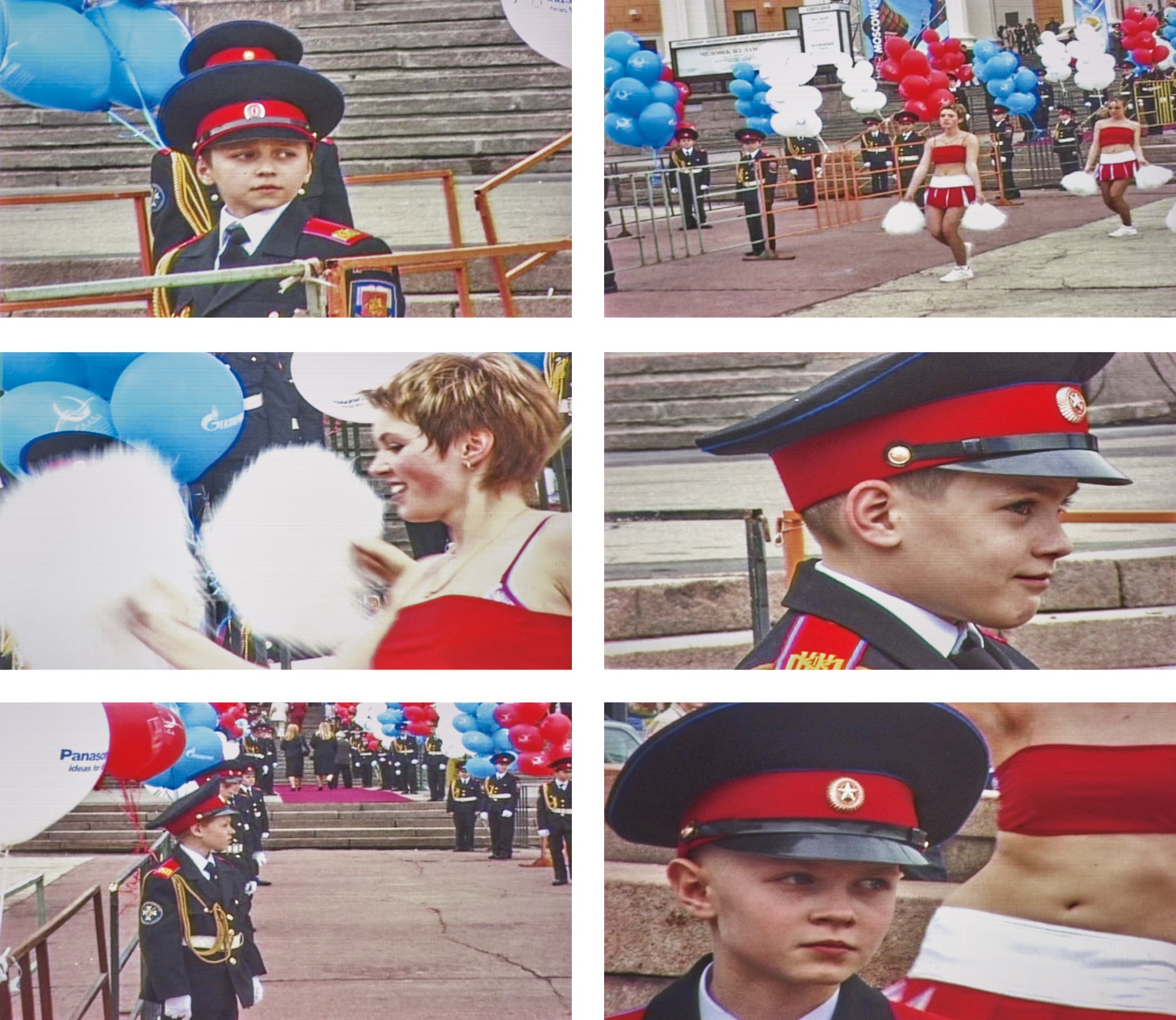
Olga Chernysheva
March, 2005
The journal e flux, co founded by Anton Vidokle who has deep roots in the post Soviet art world, has published essential criticism on figures ranging from Kabakov to Oleg Tselkov, whose emotionally charged faces haunt the viewer long after leaving the gallery. Publications like Artforum and Frieze have devoted increasing editorial attention to Russian and Eastern European artists in recent years, signaling a broadening of the Western canon that feels overdue. The energy right now seems to concentrate around a few specific tensions. There is the question of what happens to the market and the cultural conversation in light of geopolitical realities since 2022, when Russian state aggression in Ukraine complicated how Western institutions frame their relationships with Russian culture broadly.
Many curators and collectors have responded with nuance rather than reflex, distinguishing between state sanctioned culture and the dissident, emigre, and independent traditions that include most of the artists we are discussing here. Figures like Oleg Kudryashov, who left the Soviet Union in the 1970s and built a remarkable career in London working in printmaking and three dimensional constructions, or Sanya Kantarovsky, who was born in Moscow and educated in the United States and whose paintings have been shown at venues including Tate Modern, represent a diaspora tradition that complicates any simple nationalist framing. For collectors paying close attention, the opportunities feel genuine. The market for several artists in this constellation has not yet caught up with their critical standing.
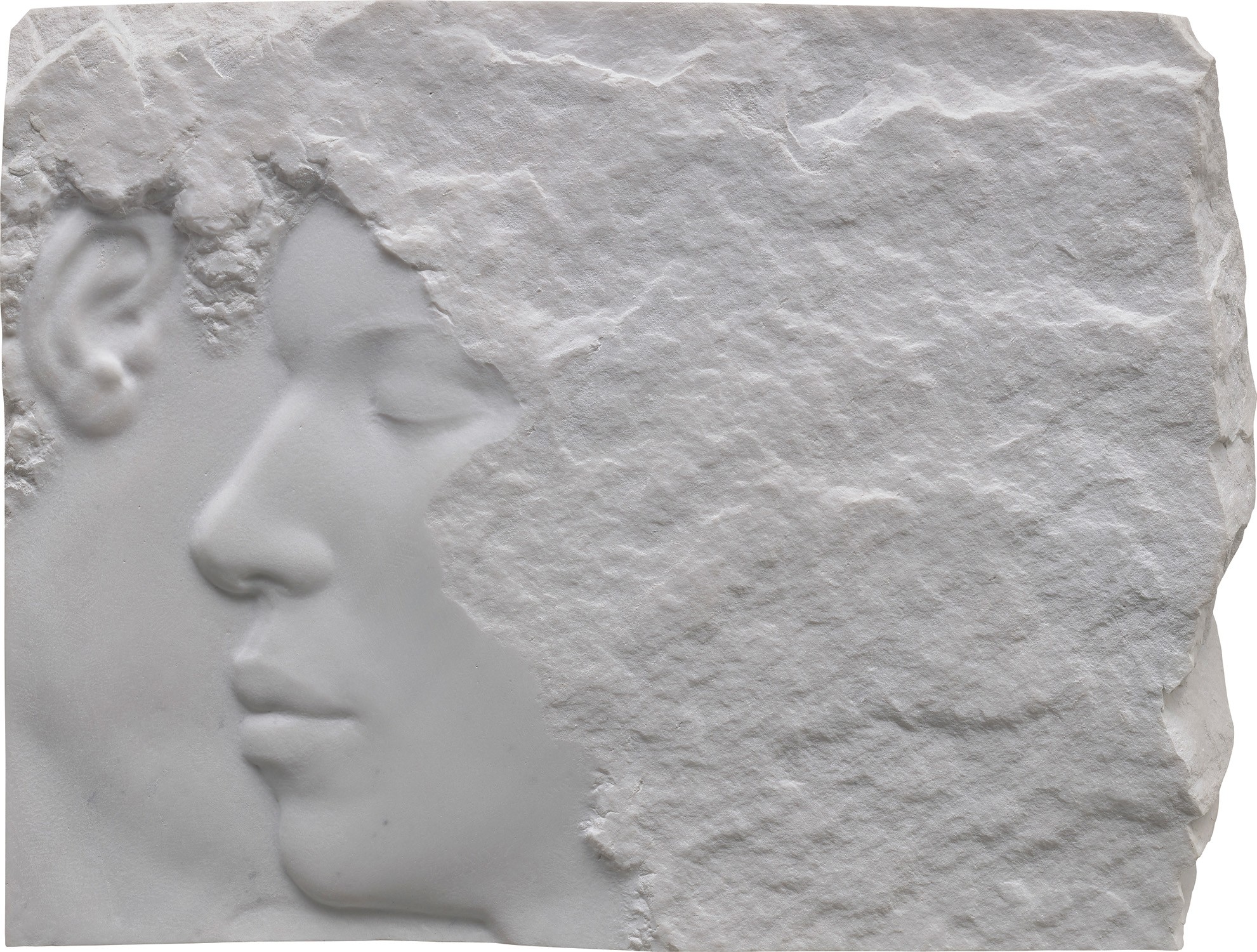
Dmitriy Grek
Contiguity, 2014
Leonid Sokov's wry, politically charged sculptures, which play Soviet iconography against American pop culture with considerable sophistication, remain undervalued relative to their art historical importance. Geli Korzhev's monumental figurative canvases, which transform Soviet realism into something closer to existential tragedy, have attracted renewed scholarly interest and deserve wider collecting attention. The artists on The Collection represent a cross section of this tradition that rewards serious engagement, and for collectors building with conviction and curiosity, the Russian story is far from over.