Romantic Era
Unknown
Untitled
The Sublime Is Back, and Collectors Know It
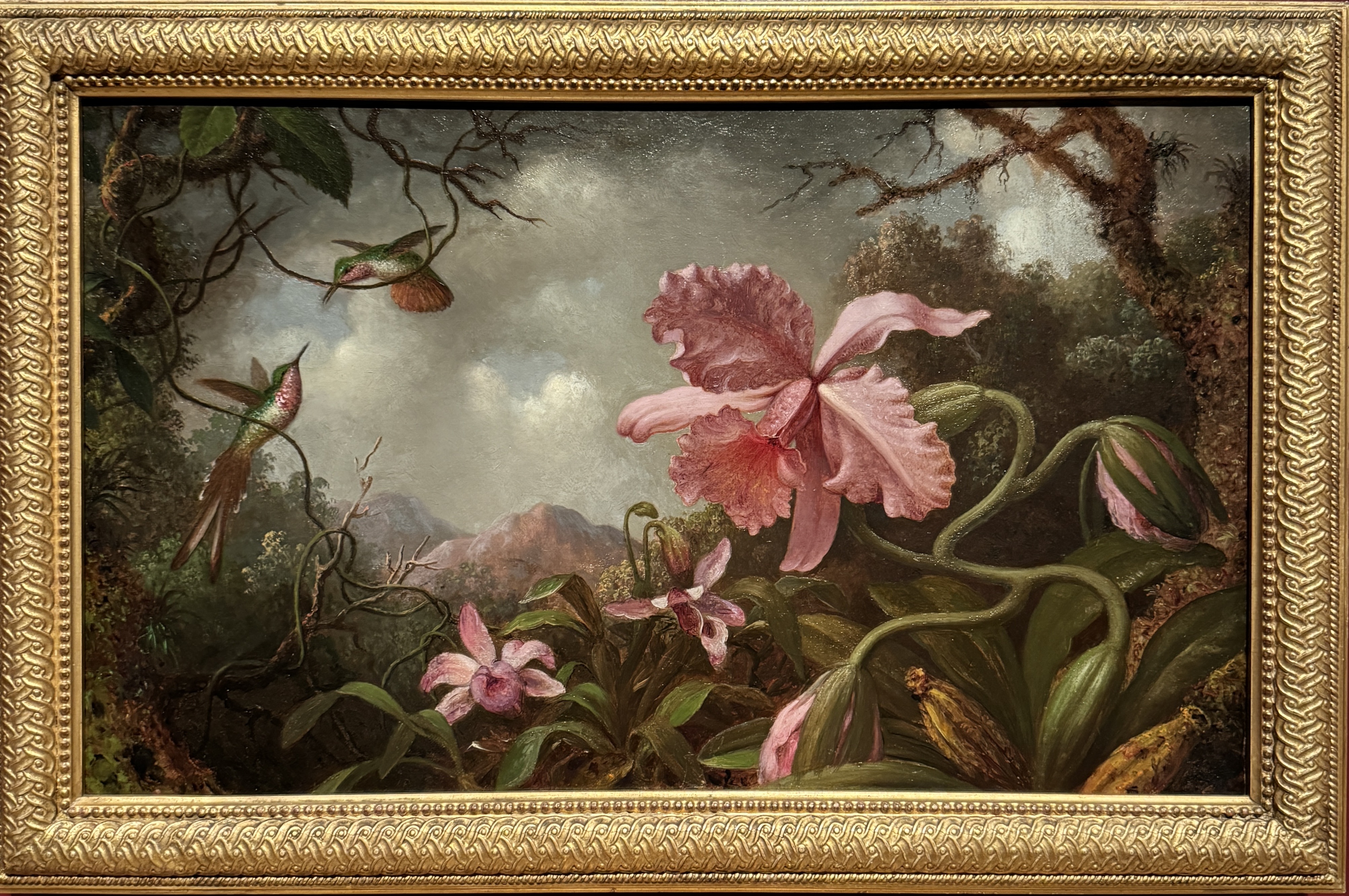
There is something about living with Romantic era art that no other period quite replicates. These works were made in a moment when artists genuinely believed that painting could access something beyond the visible world, that a storm swept landscape or a figure caught in lamplight could carry the weight of human feeling in its rawest form. Collectors who come to this material often describe it the same way: they were not looking for it, and then suddenly they could not imagine their walls without it. That emotional directness, the sense that something is genuinely at stake in the picture, is rare across any era and it explains why serious collectors keep returning here.
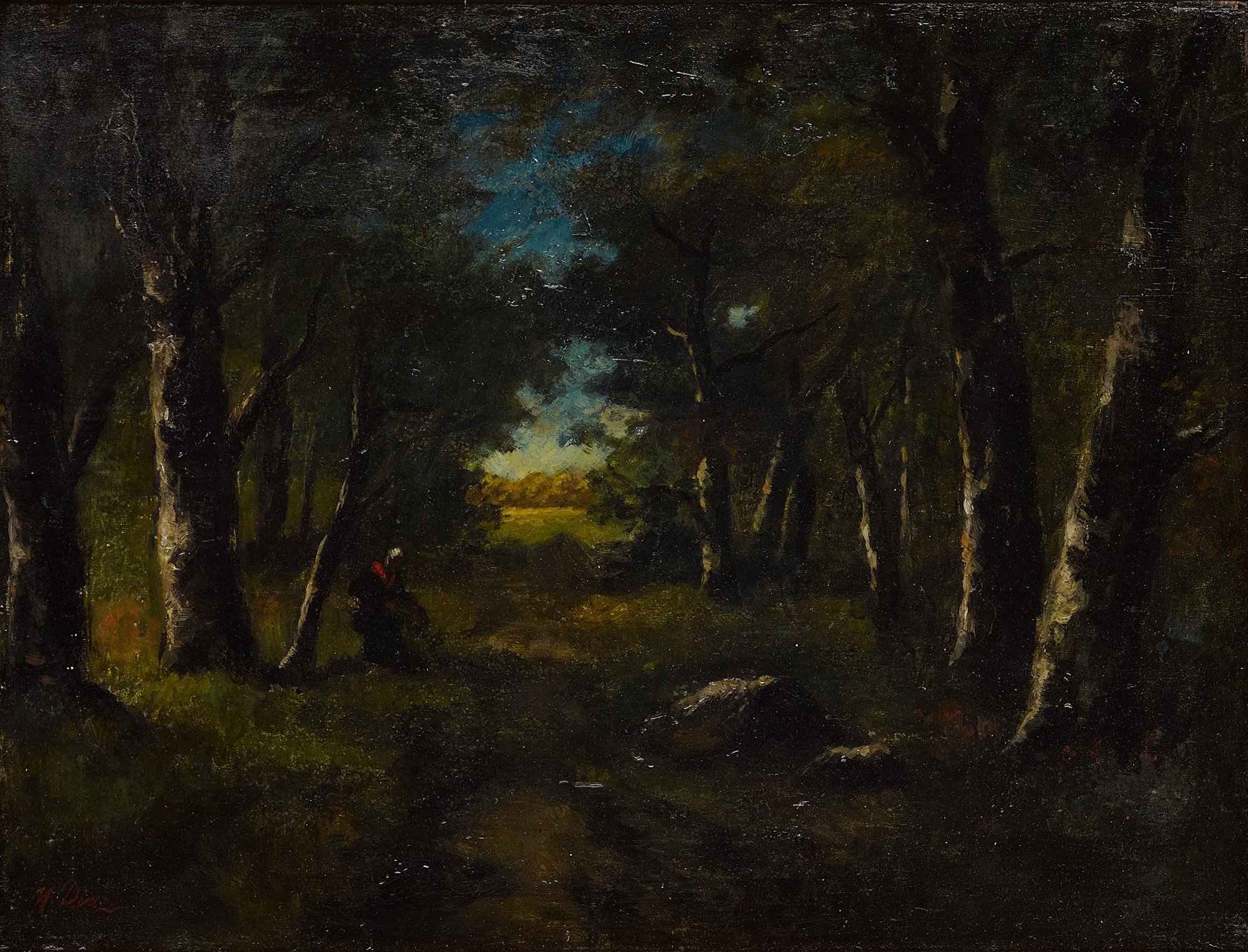
What separates a good Romantic work from a truly great one comes down to conviction. The period produced enormous quantities of technically accomplished but essentially decorative painting, and the market is full of it. What you are looking for is the work that takes a risk, where the artist has pushed light or atmosphere or psychological tension to a point that makes you slightly uncomfortable in the best possible way. A landscape that shows genuine meteorological drama rather than a picturesque arrangement of trees and clouds.
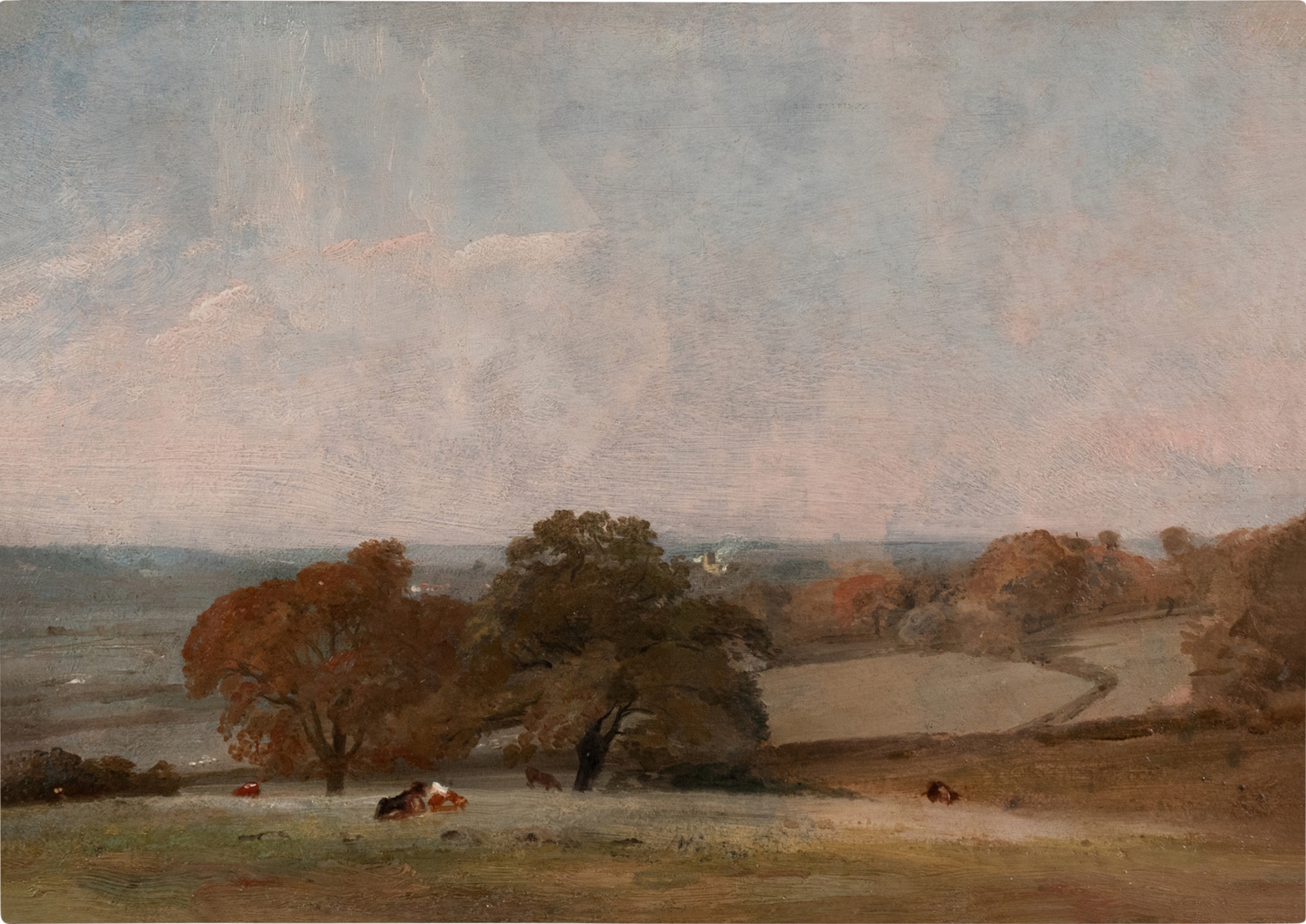
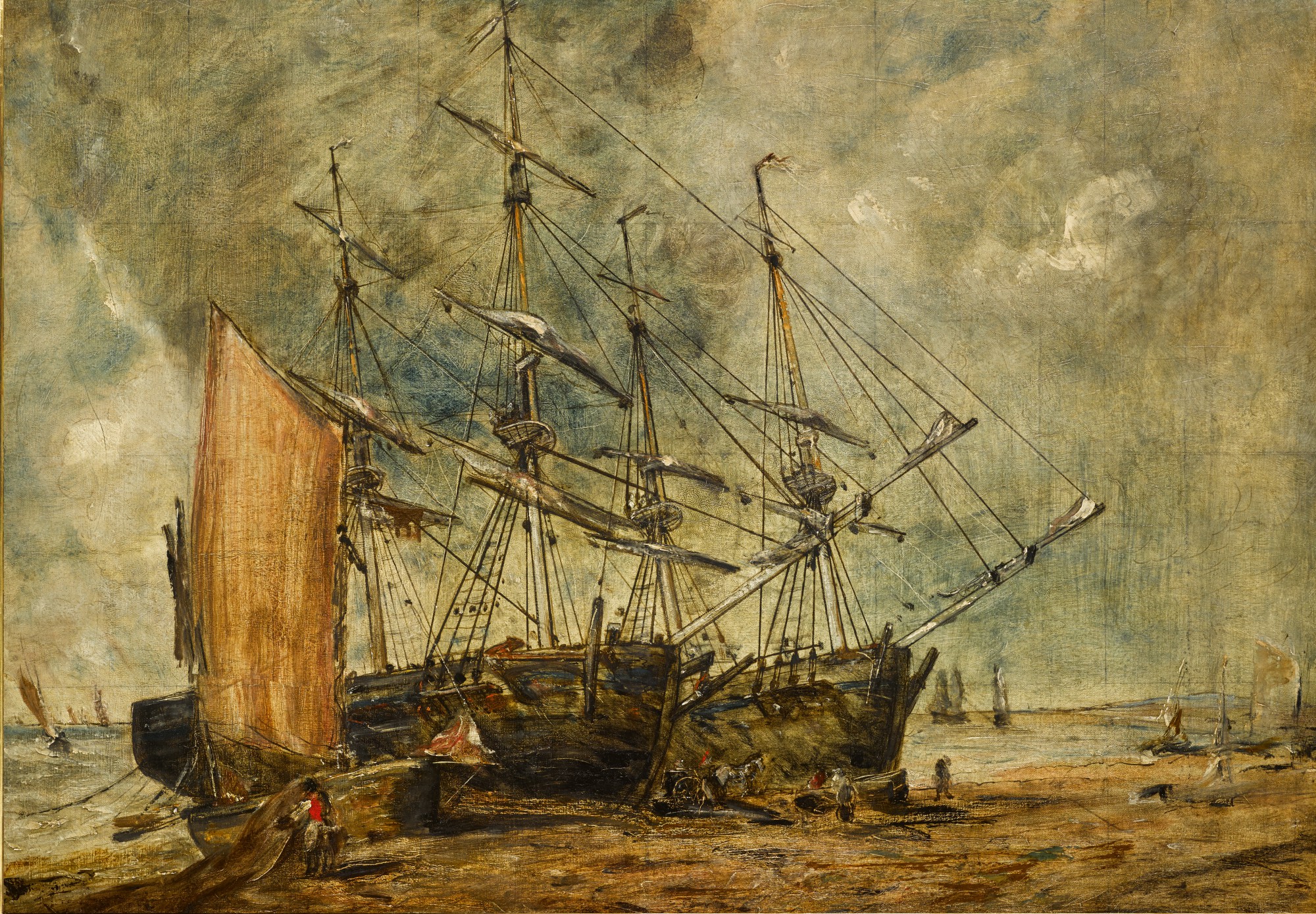
John Constable
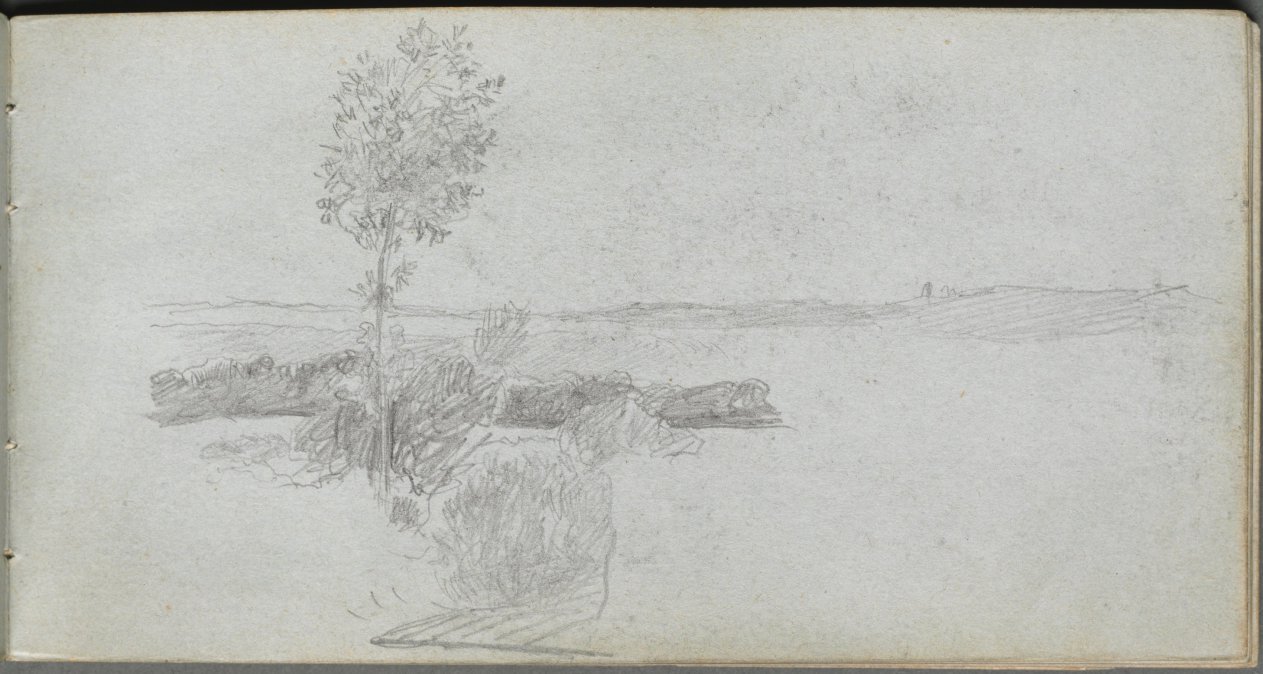
View of Dedham Vale from East Bergholt
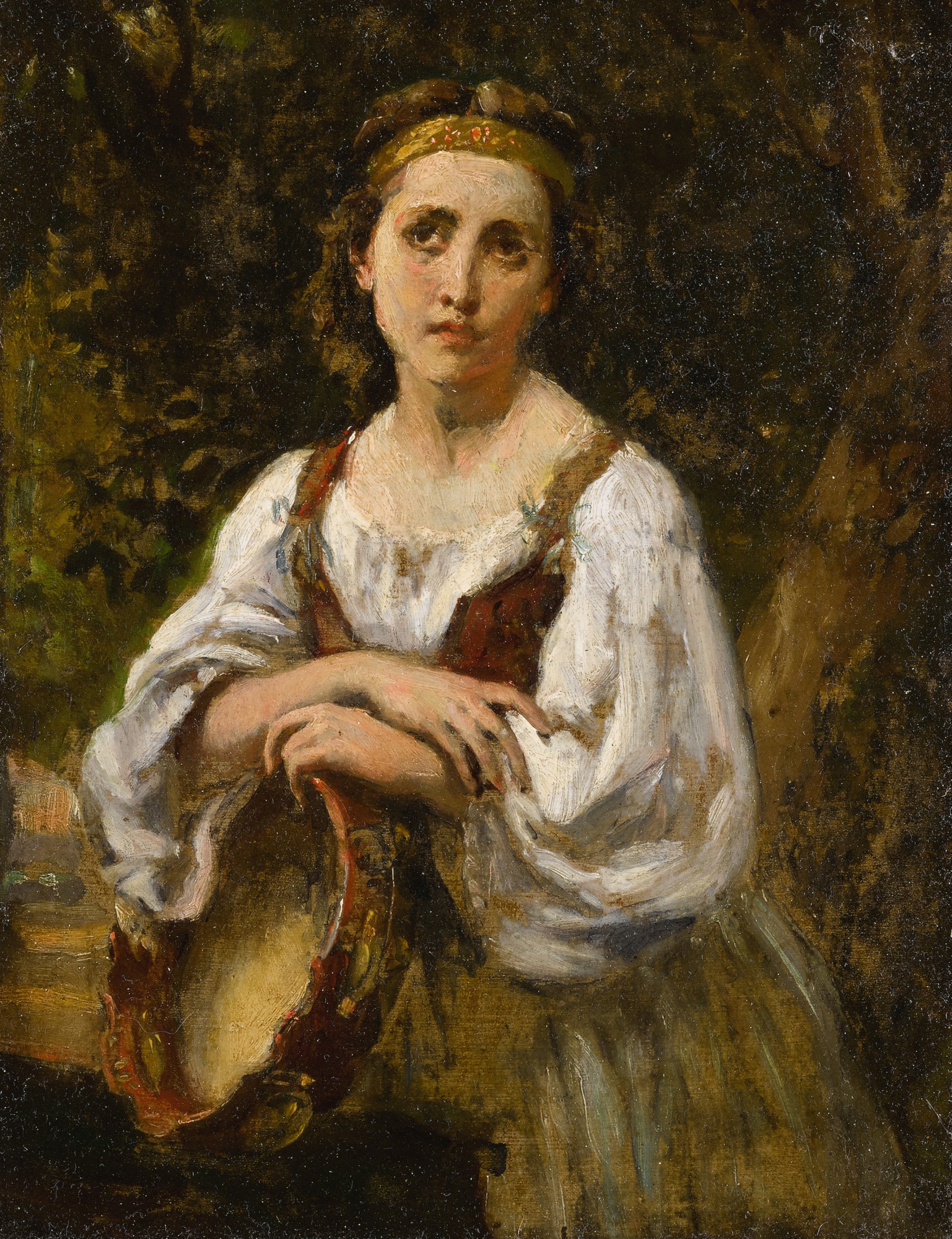
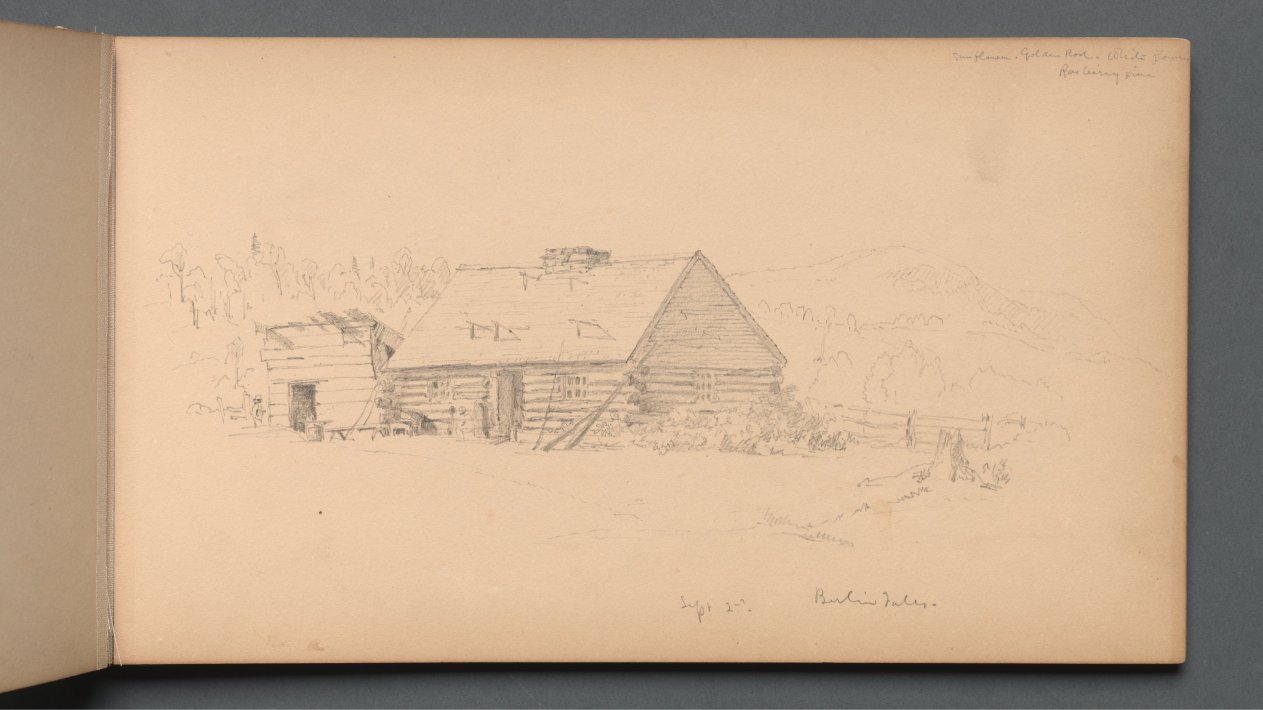
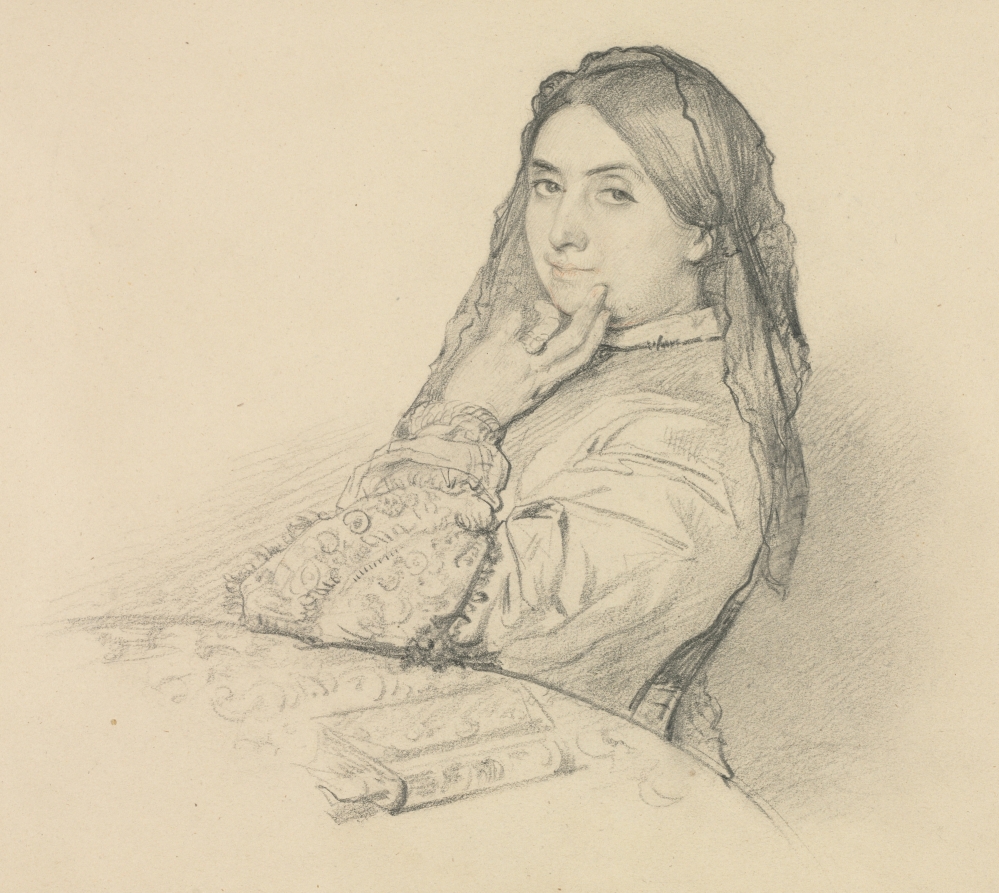
A figure study where the sitter's interiority is palpable rather than merely suggested. The great Romantic works have what critics of the period called sublimity, a quality that is easier to feel than to define but instantly recognizable once you have stood in front of it. On The Collection, the range of Romantic era material rewards careful attention. John Constable needs little introduction, and even a single work connects a collector to one of the foundational arguments of nineteenth century art, that direct observation of nature was itself a moral and aesthetic act.
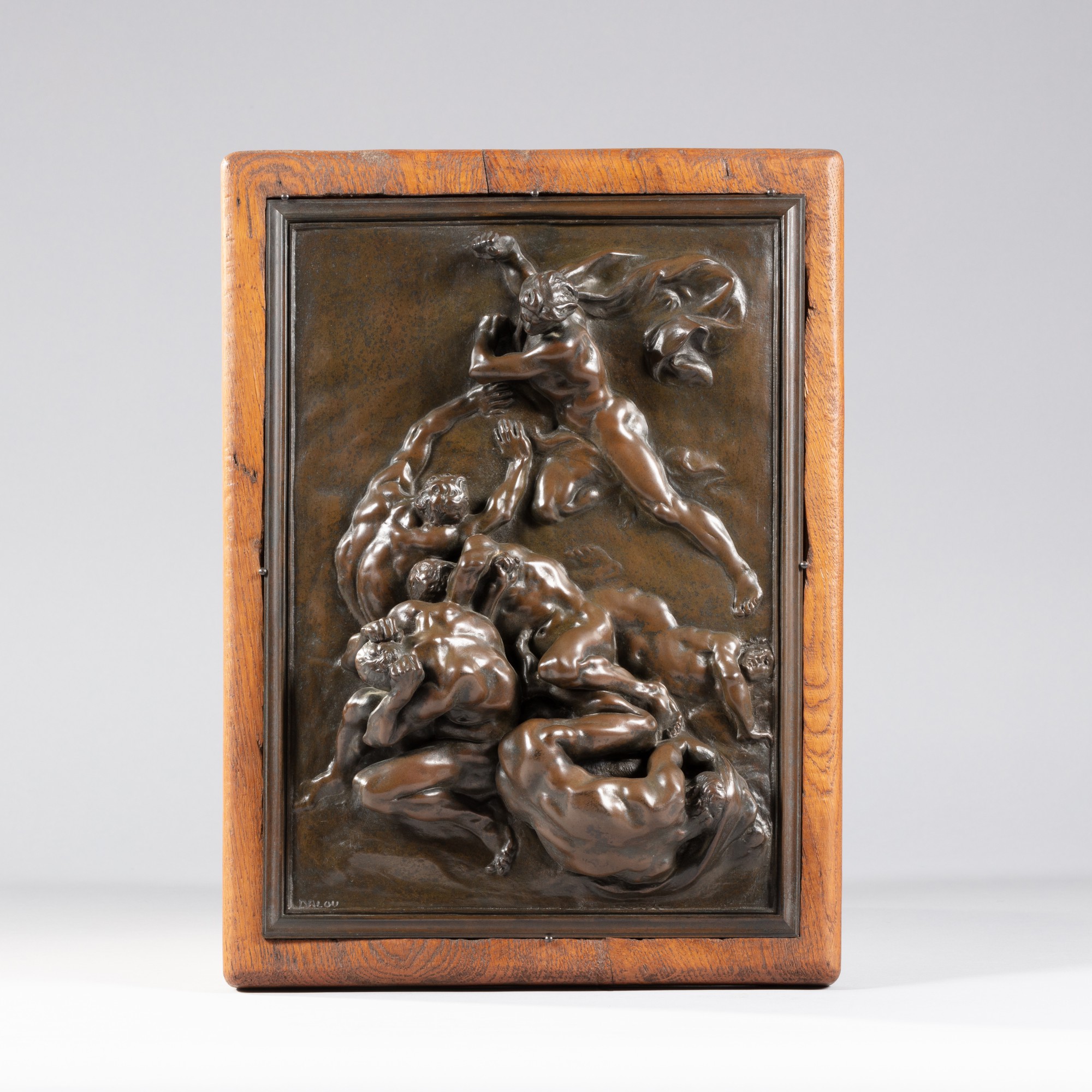
Francisco José de Goya y Lucientes represents perhaps the most psychologically daring territory the period produced, and any work bearing his hand carries with it the full weight of his extraordinary late career investigation into fear, power, and imagination. Théodore Géricault, who died at thirty two having already made the Raft of the Medusa, left behind a body of work defined by urgency, and that quality persists in even his smaller productions. These are not names for speculators. They are names for collectors who understand that certain artists changed what was possible.
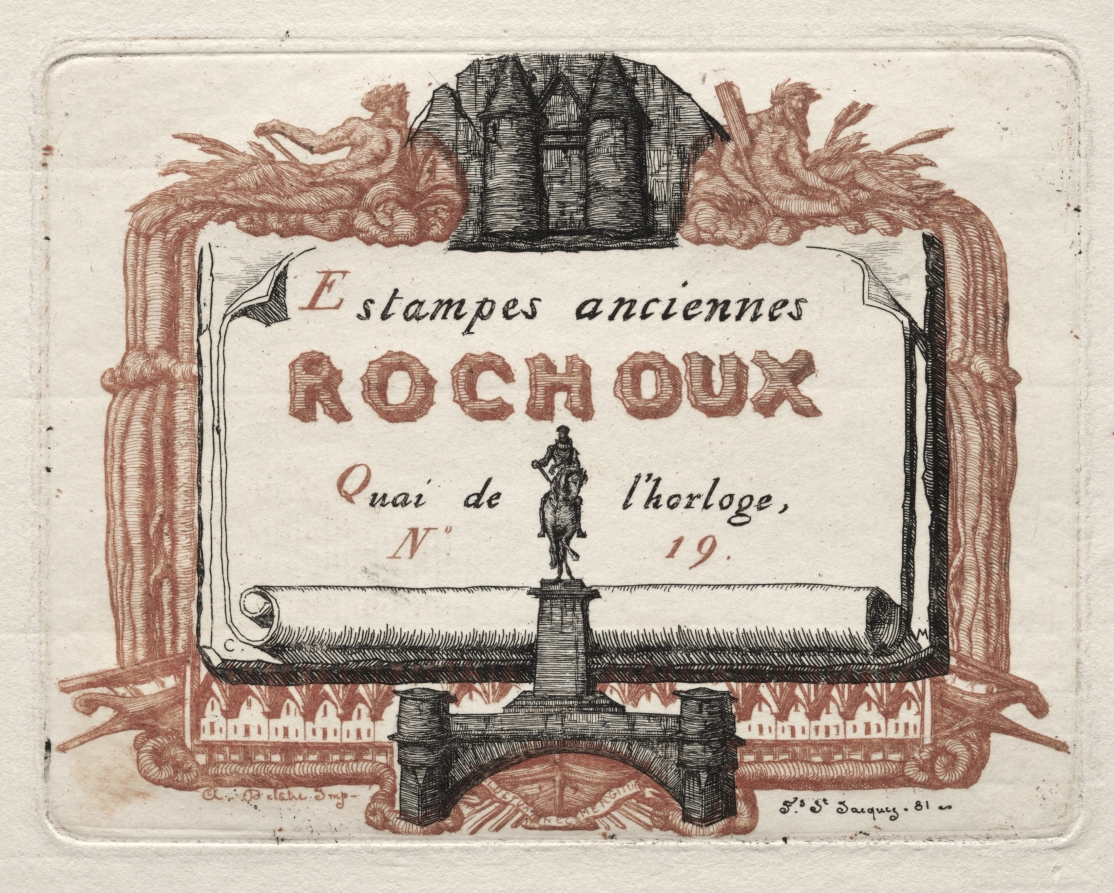
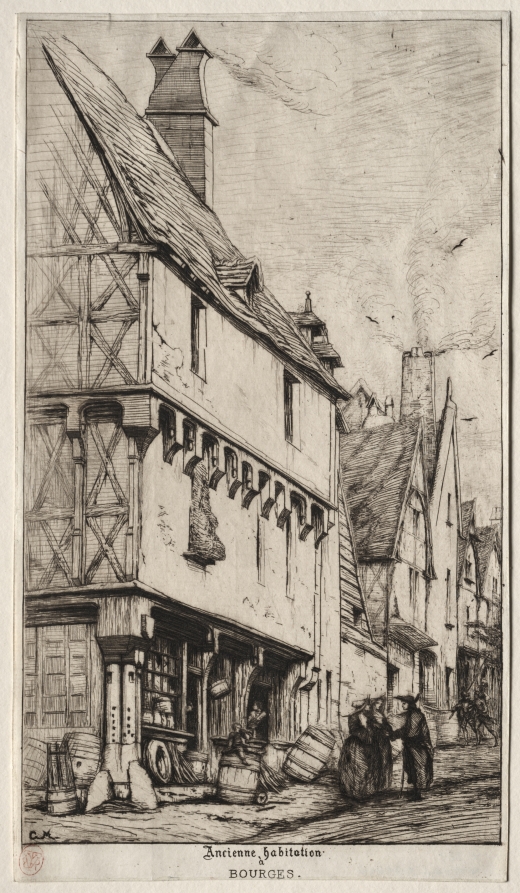
Charles Méryon
The Address Card of Rochoux, a Printseller, 1856
Beyond the canonical figures, the more textured opportunity in Romantic collecting lies with artists who were central to their moment but have not yet been fully reintegrated into the contemporary market's understanding of the period. Paul Gavarni, well represented on The Collection, was one of the great chroniclers of Parisian social life in the 1830s and 1840s, a lithographer of genuine wit and psychological acuity whose work shaped how an entire generation understood modernity. Charles Méryon, whose prints of Paris made in the 1850s remain among the most haunting images the city has ever produced, sits at a fascinating intersection of Romanticism and proto Symbolism that scholars have only recently begun to map properly. Ernest Meissonier, once among the most celebrated and expensive painters in the world, fell out of fashion in the twentieth century precisely because his meticulous realism seemed to oppose the modernist project, but that reappraisal is now well underway and his market reflects it.
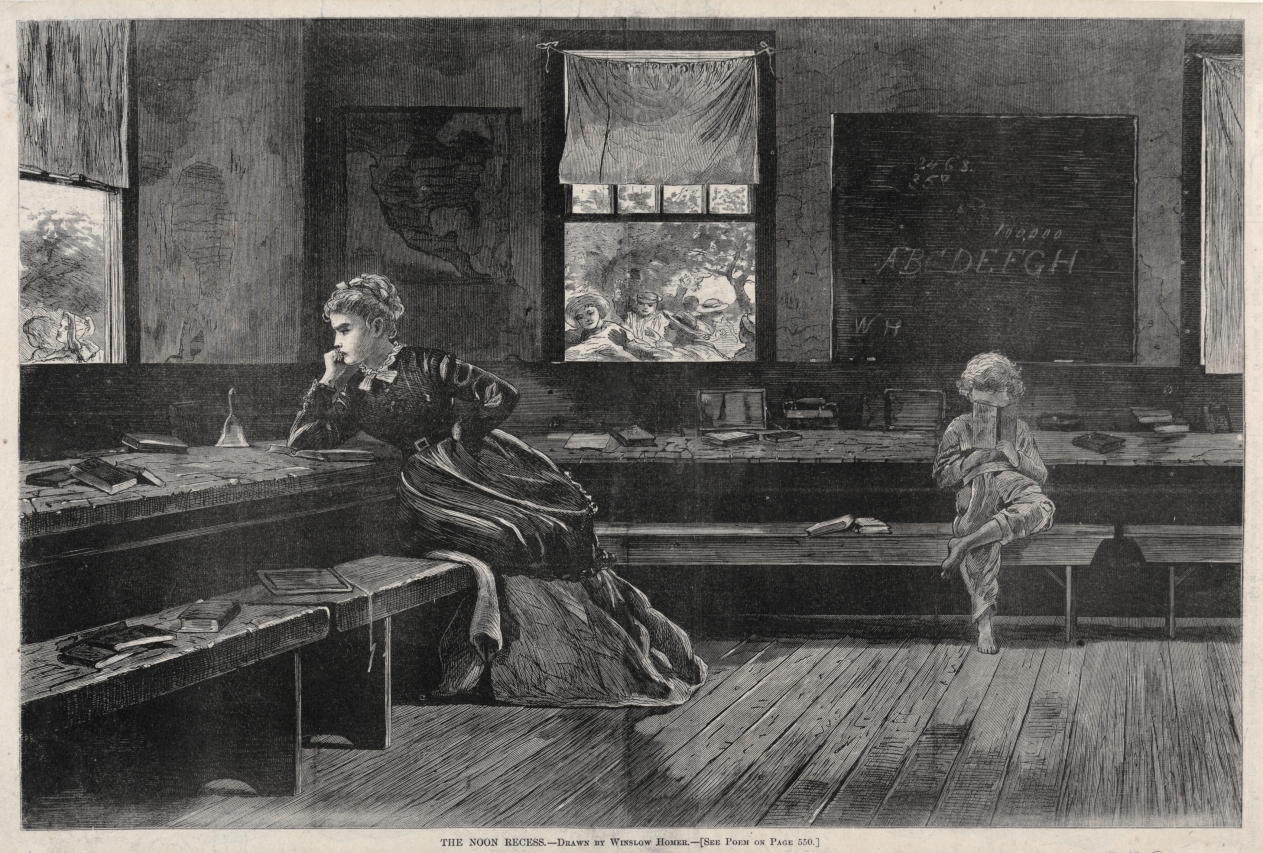
The secondary market for Romantic era works has been notably stable across the past two decades, with particular strength in works on paper. Prints, drawings, and watercolors from this period have attracted a collector base that is both knowledgeable and patient, which tends to produce a market that rewards quality without the volatility that accompanies trendier categories. Winslow Homer's prints and works on paper have performed consistently at auction, and his position at the intersection of American Romanticism and documentary realism makes him appealing to multiple collector profiles simultaneously. Sanford Robinson Gifford, a central figure of the Hudson River School whose luminous atmospheric canvases are among the most meditative images the American nineteenth century produced, has seen sustained auction interest as institutions and private collectors alike have reassessed the depth of that movement.
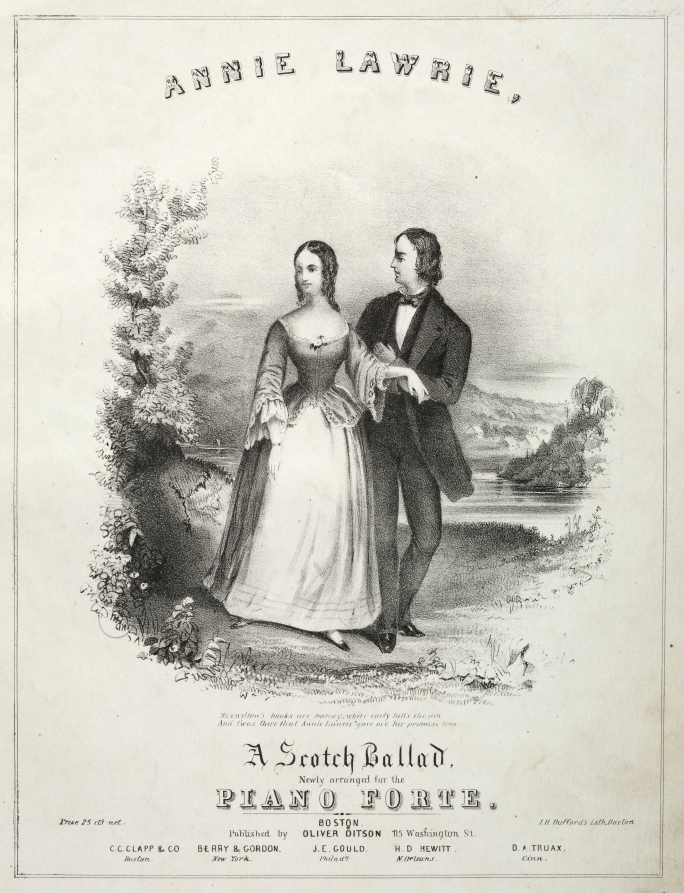
Winslow Homer
Annie Laurie - Sheet Music Cover, 1855
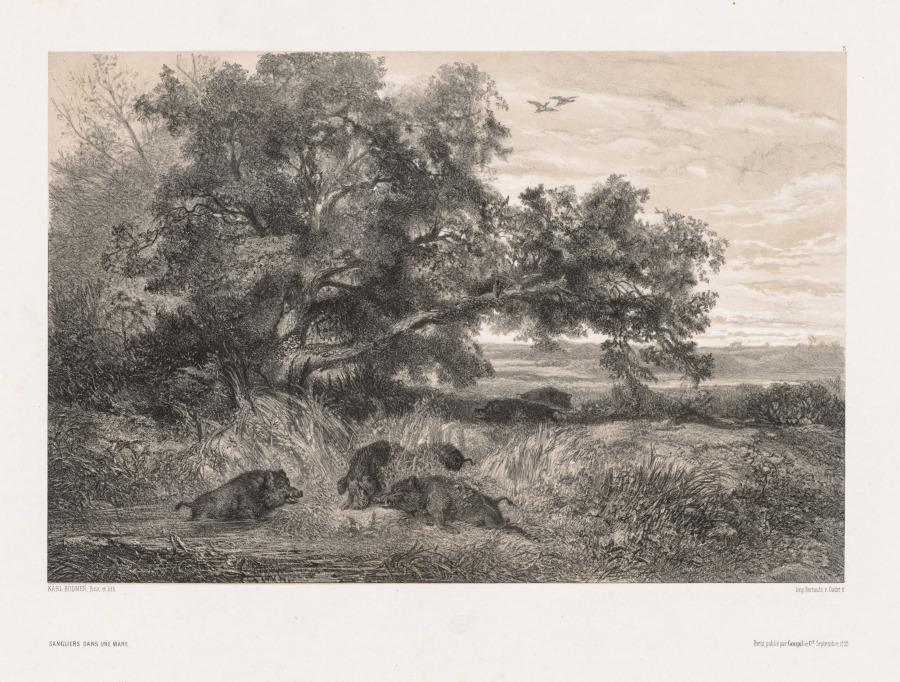
Works by Karl Bodmer, whose images of the American West in the 1830s combined scientific precision with genuine Romantic feeling, occupy a unique position that appeals to both art collectors and those interested in the history of exploration and documentation. For collectors approaching this material practically, condition is everything and provenance is nearly as important. Works on paper from this period are particularly vulnerable to light damage, foxing, and the consequences of historic restoration attempts that would not pass muster today. Always ask for a condition report that goes beyond the gallery's standard language, and if you are spending seriously, an independent conservator's assessment is worth the cost.
For prints specifically, understanding the difference between early impressions and later pulls can mean significant differences in both visual quality and market value, and this is a question worth pressing your dealer on directly. Unique works command premiums over editions in most cases, but an exceptional impression of a print by Méryon will outperform a mediocre oil by a lesser name every time. Display considerations for Romantic era works deserve more thought than they typically receive. These are paintings and works on paper that were made in a pre electric world, and they often respond beautifully to warm, directional light rather than the cool gallery illumination that has become default.
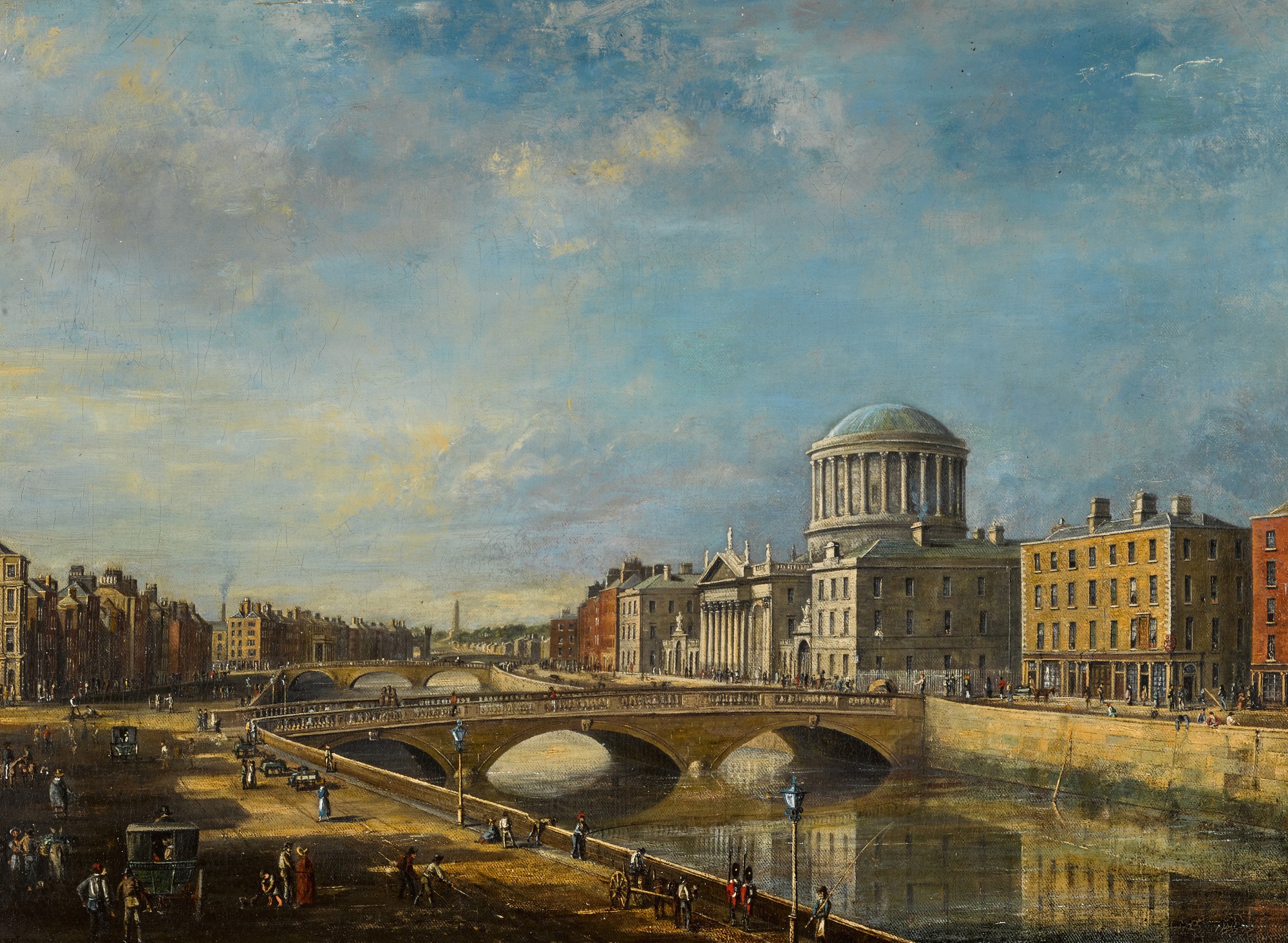
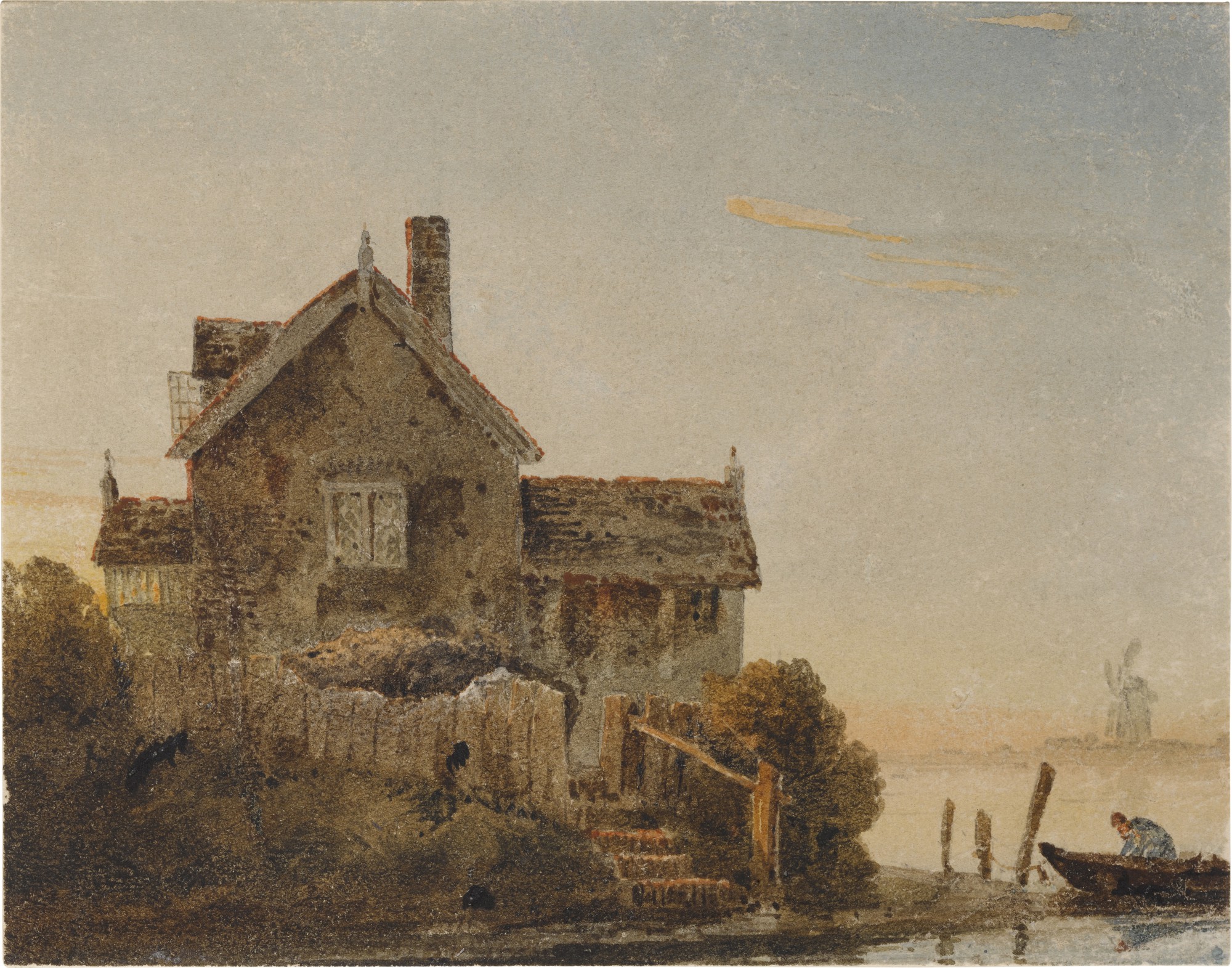
James Hore
The Four Courts, Dublin, from the Quay; The Phoenix Park in the Distance, 1837
A Gavarni lithograph in a well lit domestic interior can look completely different from the same work under fluorescent tubes, and usually far better. When speaking with a gallery about any acquisition in this space, ask not just about condition and provenance but about exhibition history and any conservation treatments the work has undergone. Ask whether the framing is period appropriate or a later addition, as original frames can add significantly to both the aesthetic and market value of a work. The Romantic era rewards the attentive collector because attentiveness is precisely what these artists demanded of their own audiences, and that compact between maker and viewer remains as alive now as it was two centuries ago.