Prominent Artist

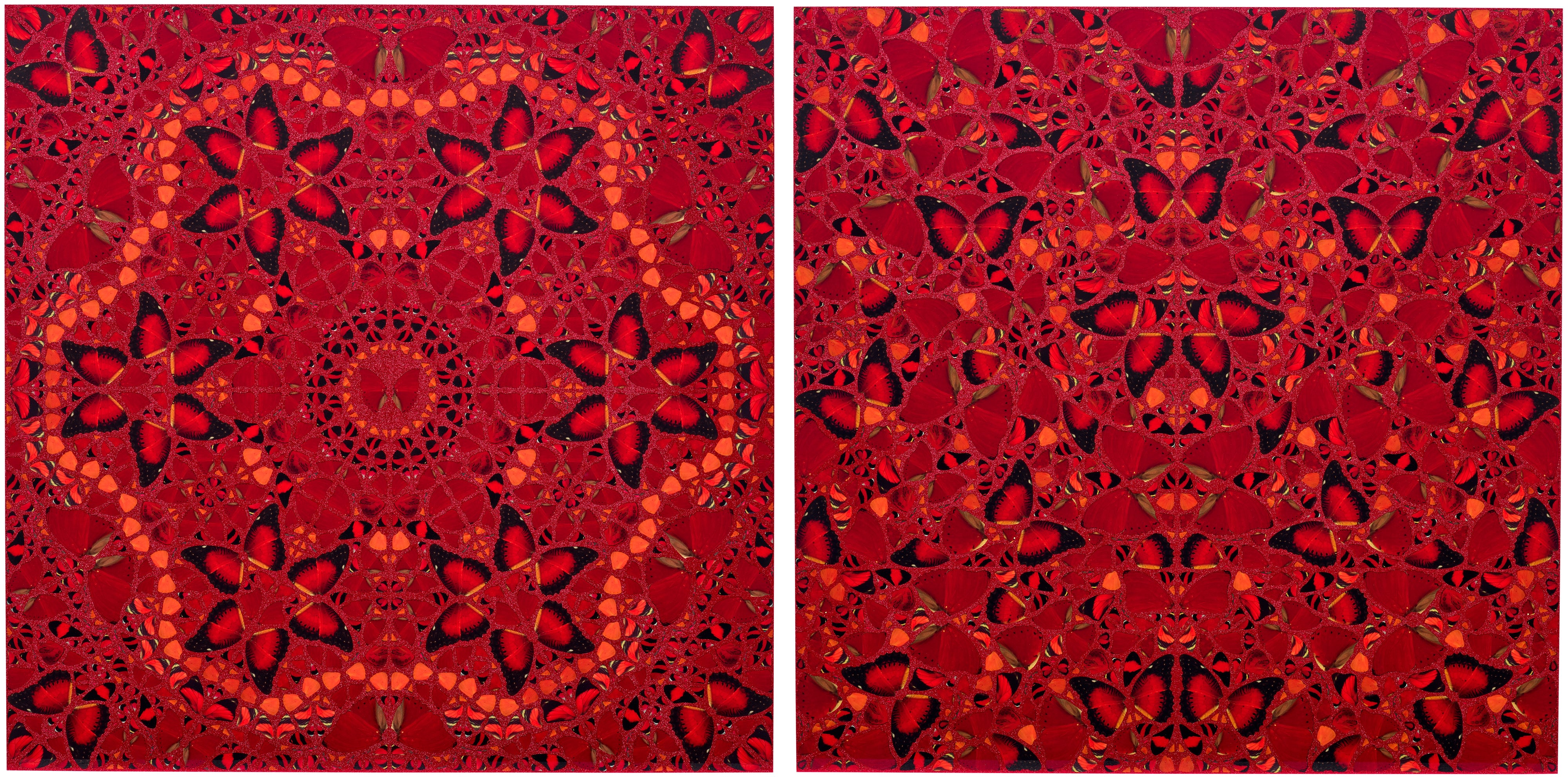
Damien Hirst
Aminobenzoyl Hydrazide

The Artists Who Own the Room
When a Damien Hirst spot painting sold at Sotheby's London for well above its high estimate in late 2023, the room did not seem surprised. What it did seem was reminded. Reminded that certain artists have achieved something rarer than fame or critical approval: they have become permanent fixtures in the way we talk about art, money, culture, and provocation all at once. The category of prominent artists, those whose names function as shorthand for entire arguments about what contemporary art is and does, has never felt more contested or more commercially potent than it does right now.
The past several years have seen a remarkable recalibration in how institutions think about prominence itself. The Tate Modern's ongoing commitment to artists who operate at the intersection of abstraction and social commentary has been instructive. Mark Bradford's solo presentation at the Venice Biennale in 2017, where he represented the United States, remains one of the defining institutional moments of recent memory. His large scale works, which layer torn paper, rope, and paint in ways that evoke both urban cartography and personal history, have found a permanent place in the collections of institutions from the Hammer Museum in Los Angeles to the Museum of Modern Art in New York.
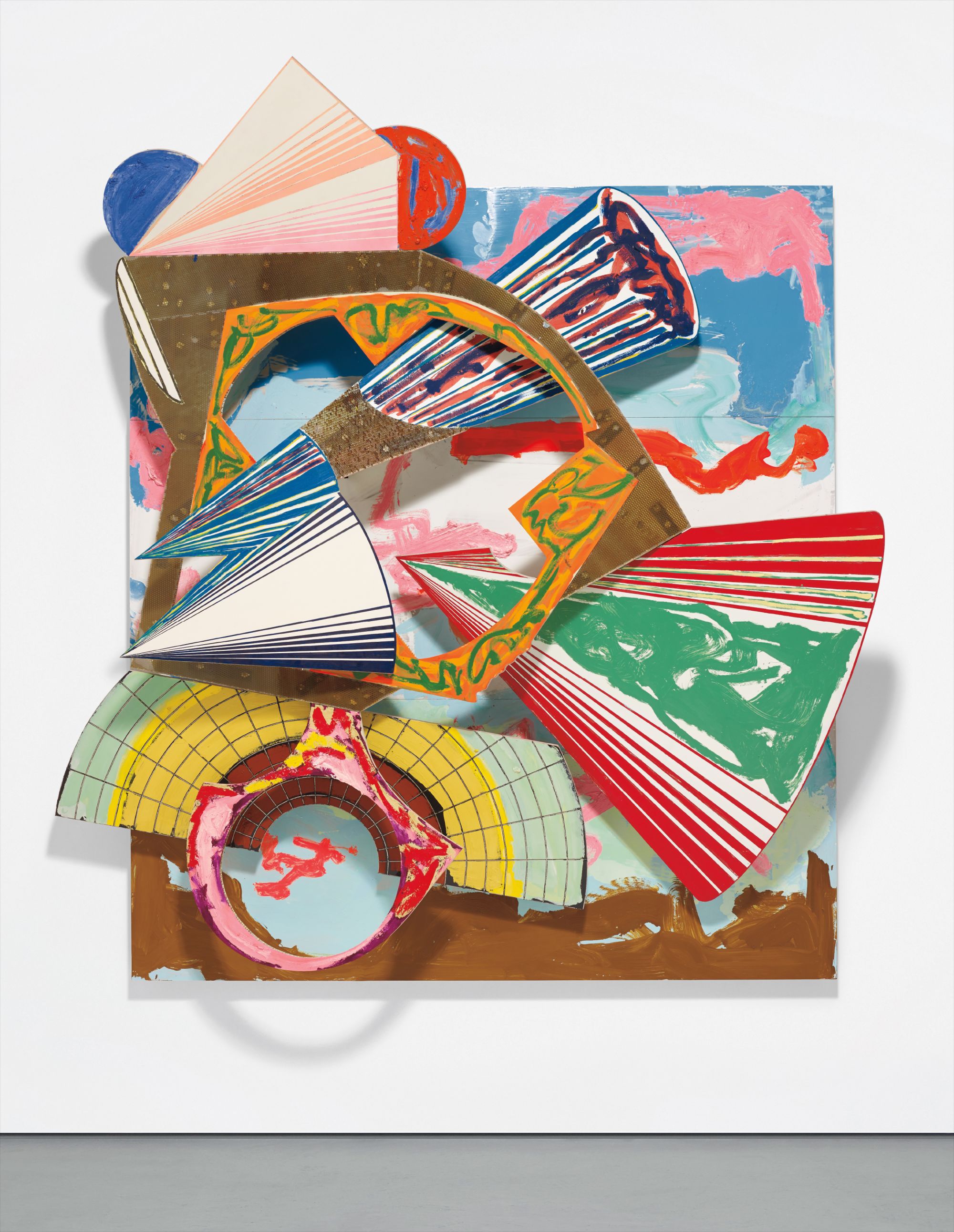
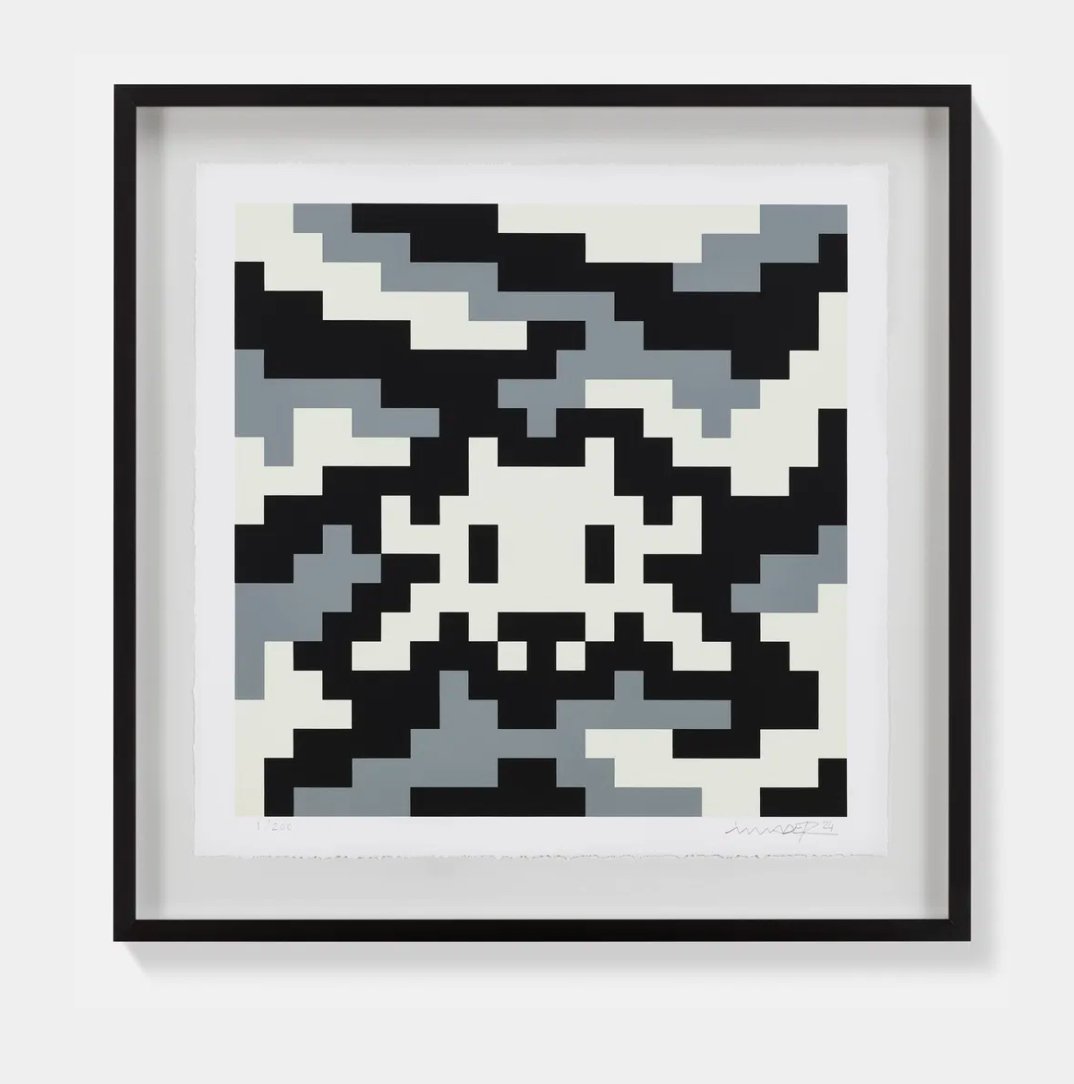
Frank Stella
La prima spada e l'ultima scopa
When museums compete for an artist's work this aggressively, it signals something beyond trend. Frank Stella presents a different kind of case study. His retrospective at the Whitney Museum of American Art in 2015 was a reminder that the arc of a long career, when the work is strong enough, only grows more interesting with time. Stella's move from the severe black pinstripe paintings of the late 1950s toward the exuberant, almost baroque relief sculptures of later decades has divided critics for decades.
But the market has made its opinion clear. His works at auction have consistently rewarded patient collectors, and the institutional appetite for placing his canvases in conversation with both minimalism and what came after it remains strong. The Guggenheim has long understood that Stella is essential to any serious account of postwar American abstraction. The auction record for Hirst tells a story that is worth sitting with carefully.

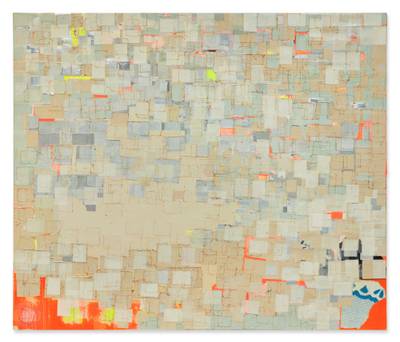
Mark Bradford
"I started working with paper right at the beginning and I just started adding different types of paper that I found in the world or that I printed myself. I realized I was building up this very dense map. Like the layers of the different cities of Rome that keep getting built on top of each other throughout history." Mark Bradford, 2012
His 2008 sale at Sotheby's, titled Beautiful Inside My Head Forever, conducted on the very days that Lehman Brothers collapsed, generated over 111 million pounds and remains one of the most audacious market moments in contemporary art history. That gamble, selling directly through the auction house and bypassing galleries entirely, rewrote the rules. More than fifteen years on, the conversation around Hirst has matured in useful ways. The early critical dismissals have softened somewhat, and serious collectors have recognized that works from specific bodies of work, particularly the natural history pieces and the early spot paintings, hold a different kind of weight than the more speculative later output.
The Collection reflects this nuance well, with works that reward close attention rather than headline chasing. The critical infrastructure around prominent artists is itself worth examining. Writers like Jerry Saltz at New York Magazine and publications like Artforum and Frieze continue to shape the vocabulary through which these artists are understood and argued about. Curator Okwui Enwezor, whose influence continues to be felt even after his passing in 2019, helped reframe how we evaluate prominence by insisting that it must account for artists whose work engages with history, displacement, and political reality.
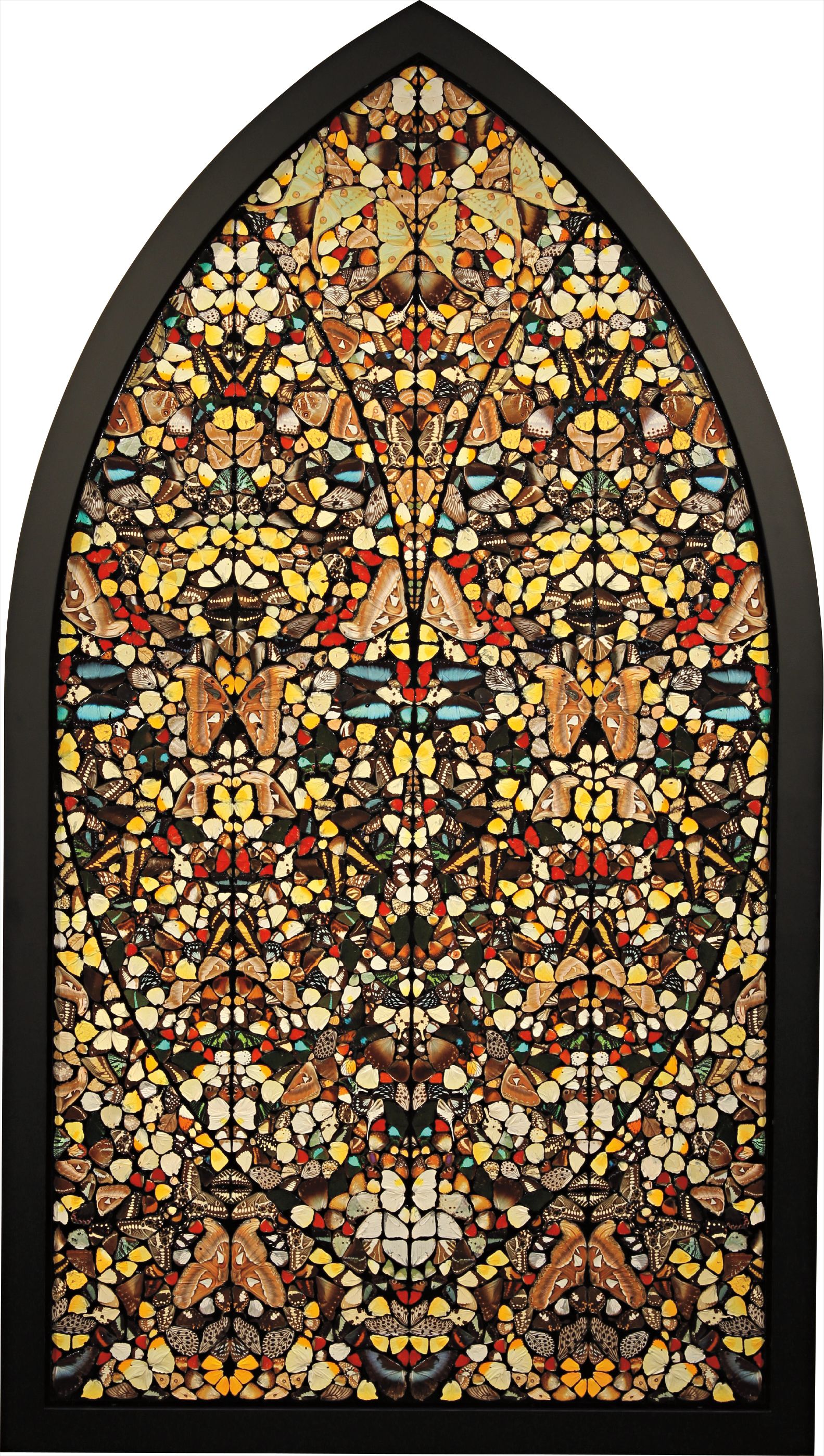
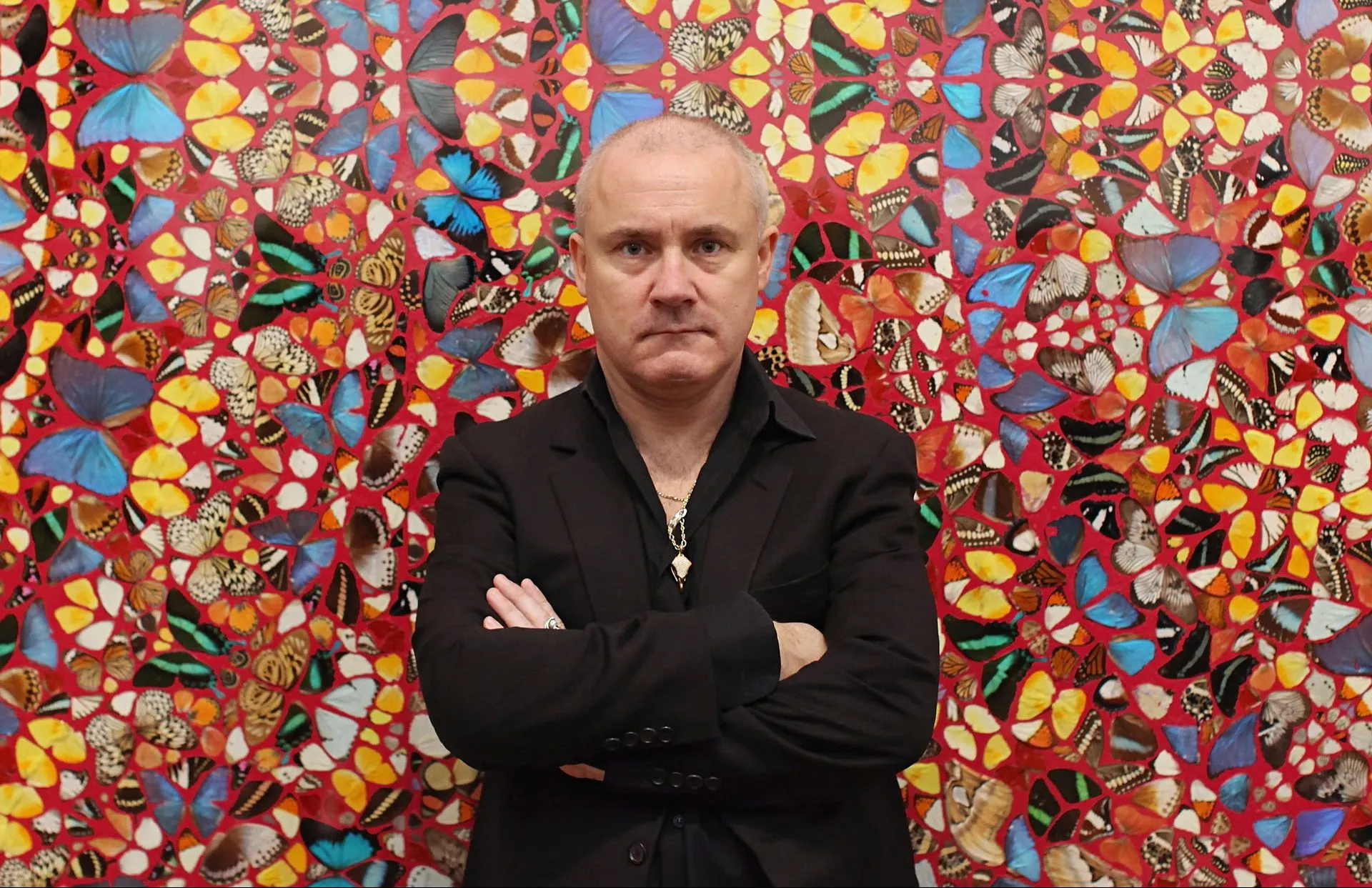
Damien Hirst
Sad Steps - Life Fulfilled, 2006
Bradford's reception owes something to this critical shift. The question of which artists will be considered prominent in twenty years is increasingly being answered not just by the market but by a generation of curators who came of age reading Enwezor and thinking globally. Institutionally, the signals coming from major collections are telling. The Broad in Los Angeles has made significant acquisitions across all three of these artists' practices, and its public programming tends to reinforce the argument that the line between critical seriousness and popular accessibility is not as firm as the art world sometimes pretends.
The Pinault Collection in Paris and Venice has similarly positioned itself as a home for work that is both ambitious and legible to a broad audience. When private foundations with serious resources align with artists like these, it does not guarantee legacy, but it does suggest that the infrastructure for sustained attention is in place. What feels alive right now in the prominent artist category is the ongoing reappraisal. Bradford is attracting a younger generation of collectors who find in his work both aesthetic pleasure and a set of ideas about American life that feel urgently relevant.
Stella is being reconsidered by a cohort of painters and critics who are newly interested in abstraction's capacity for joy and complexity rather than austerity. And Hirst, perhaps unexpectedly, is being looked at more closely in the context of his early work, which preceded the celebrity apparatus and carries a rawness that the later branded output sometimes obscured. The energy in this category is not about novelty. It is about depth, about the kind of looking that takes time and rewards patience.
For collectors engaging with these artists through The Collection, the practical opportunity is to think across periods and bodies of work rather than reaching for the most recognizable image. The spot paintings are famous, but the medicine cabinets are fascinating. The black paintings made Stella's reputation, but the later reliefs made his argument. Bradford's abstractions are stunning as objects, but understanding the source materials transforms the experience entirely.
Prominence, in the end, is not a fixed quality. It is an ongoing conversation, and the most interesting collectors are the ones who join that conversation rather than simply deferring to the loudest voices in the room.