Poetic Realism
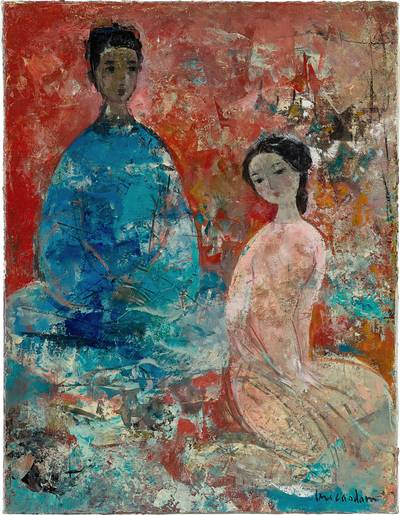
Mai Trung Thu
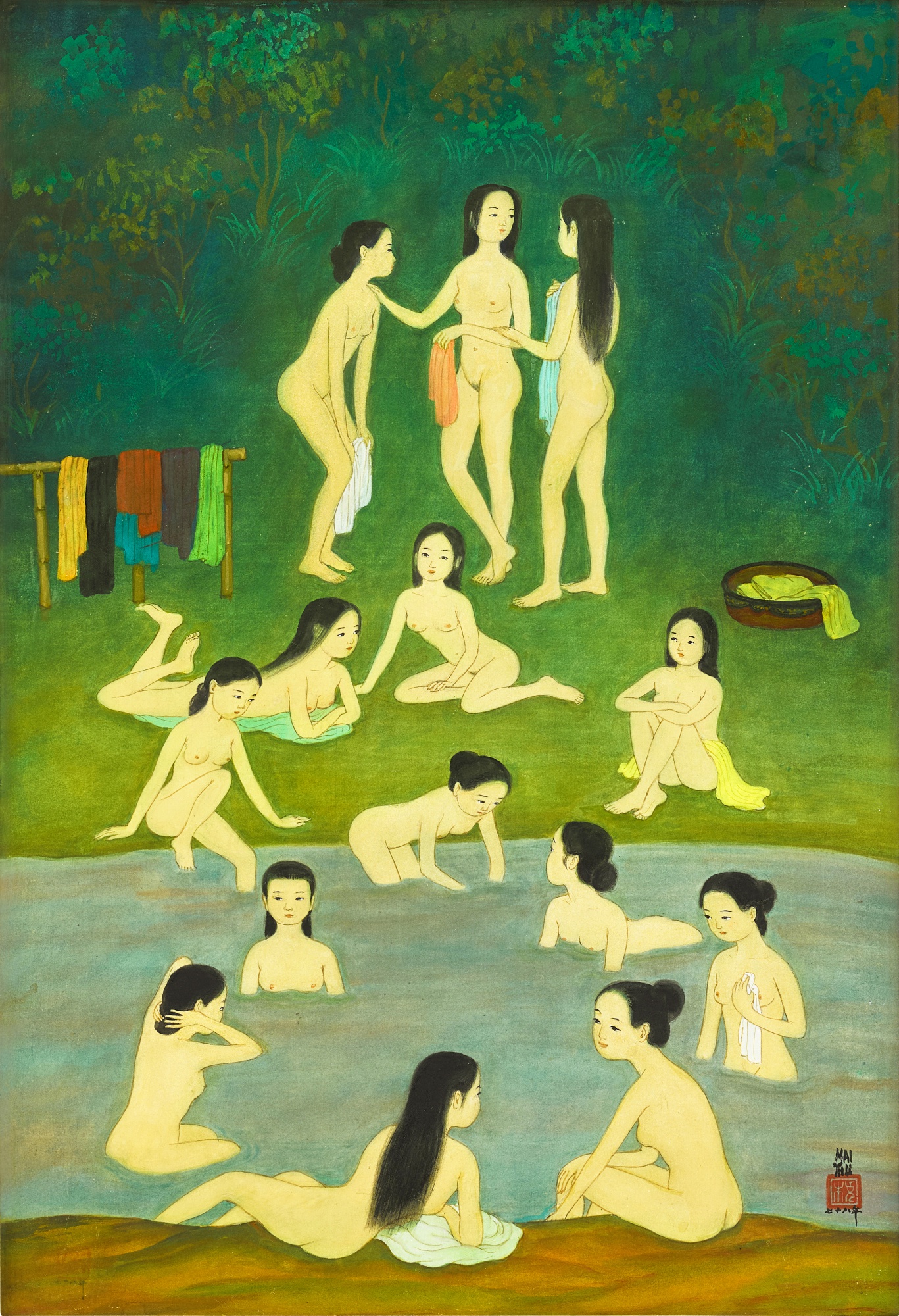
Mai Trung Thu 枚中栨 (梅忠恕) | Le petit cours d’eau, la baignade 小溪,沐浴, 1978
Where Truth Ends and Dream Begins
There is a particular quality of light in certain paintings that feels less like observation and more like memory. It is warmer than the world actually is, slightly off in its proportions, emotionally true in ways that photographs rarely manage. This is the territory of Poetic Realism, a mode of making that refuses to choose between the world as it is and the world as it feels. It is one of the most enduring and quietly radical impulses in modern art, and it has never really gone away.
The term itself migrated into the visual arts from cinema, where French filmmakers of the 1930s including Marcel Carné and Jean Renoir used it to describe a sensibility that combined working class subject matter with a melancholy, lyrical atmosphere. Directors were finding ways to root their films in recognizable, gritty reality while simultaneously suffusing them with longing and psychological depth. Painters and critics noticed the resonance. By the mid twentieth century, Poetic Realism had become useful shorthand for works that shared that tension between the observed and the felt, the specific and the universal.
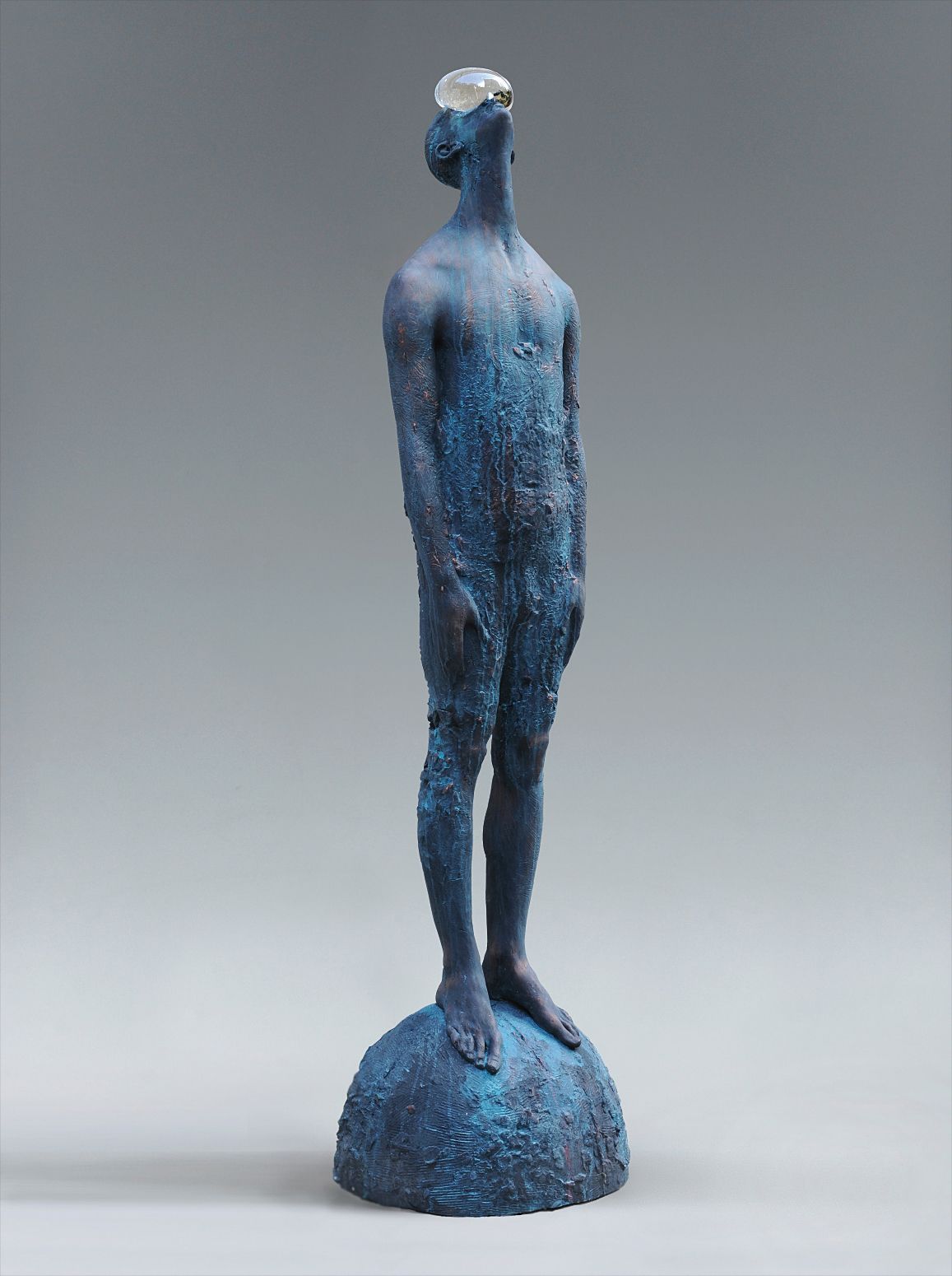
Nazar Bilyk
Rain
In the visual arts, its roots run considerably deeper than the cinema gave it credit for. You can trace a direct lineage back through the intimist paintings of Édouard Vuillard and Pierre Bonnard, whose domestic interiors of the 1890s and early 1900s transformed ordinary bourgeois life into something trembling with interior emotion. Before them, Corot's silvery landscapes of the 1850s and 1860s were already doing something similar: painting real places in ways that felt more like states of mind than topographic records. Poetic Realism has always been about the gap between looking and experiencing.
Few artists in the twentieth century embodied this duality more completely than the Vietnamese painters who worked in Paris during the colonial and immediate postcolonial period. Mai Trung Thu and Vu Cao Dam, both trained at the École des Beaux Arts de l'Indochine in Hanoi before relocating to France, developed practices that fused Western painterly traditions with Vietnamese iconography, textile sensibilities, and a profound awareness of cultural displacement. Their figures, often women in traditional dress or children at play, are rendered with a tenderness that never tips into sentimentality. The works carry something harder underneath: a quiet grief for a world being rapidly unmade.
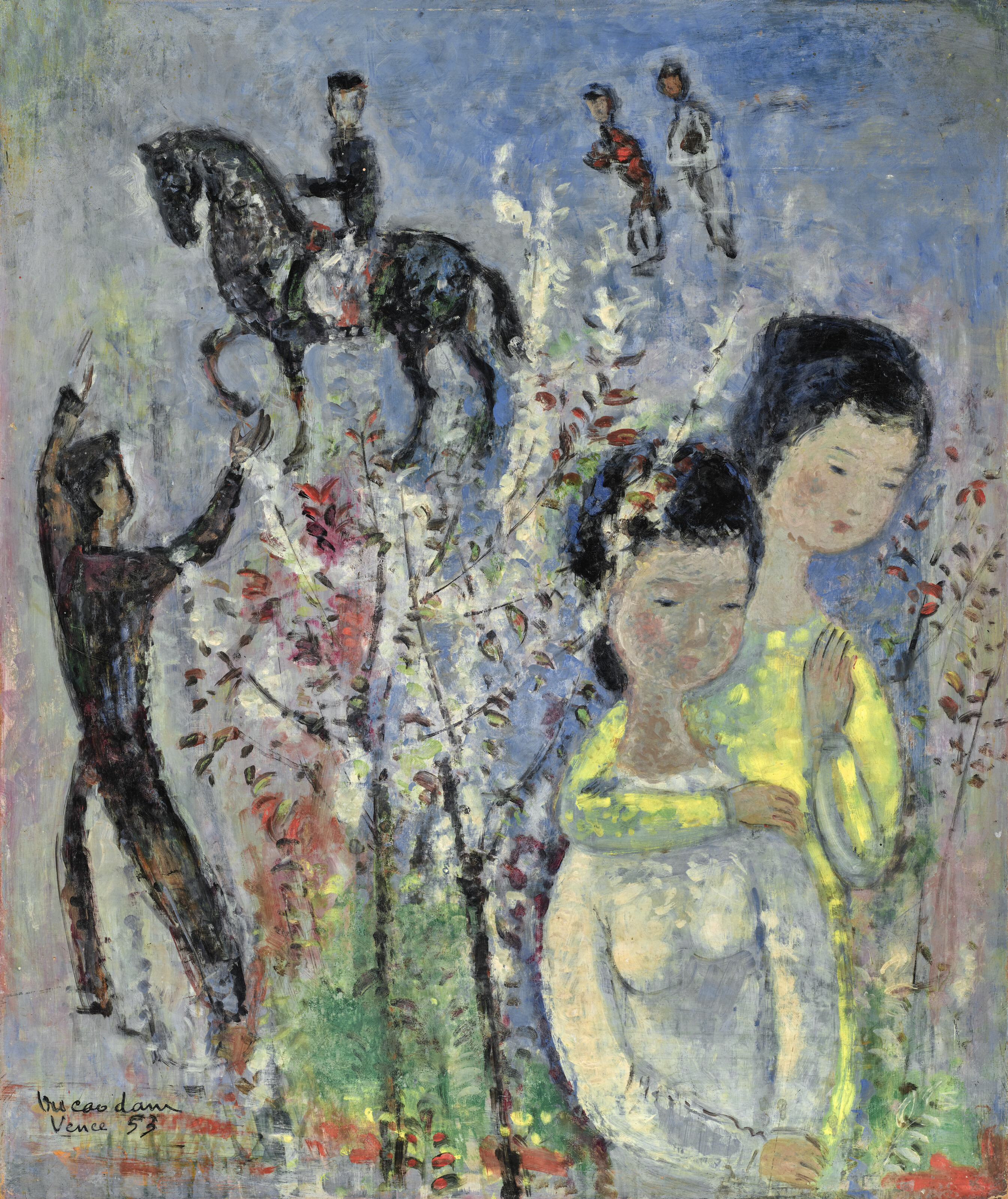
Vu Cao Dam
Le départ (The Departure)
Mai Trung Thu's paintings on silk, with their luminous flatness and jeweled color, feel like attempts to hold a culture in suspension, to prevent it from dissolving entirely into the twentieth century's violence. Both artists are represented on The Collection, and encountering their work here alongside contemporary voices sharpens just how modern their emotional intelligence was. The postwar decades saw Poetic Realism scatter into dozens of distinct national traditions and individual practices. It was never a movement with a manifesto or a gallery affiliation.
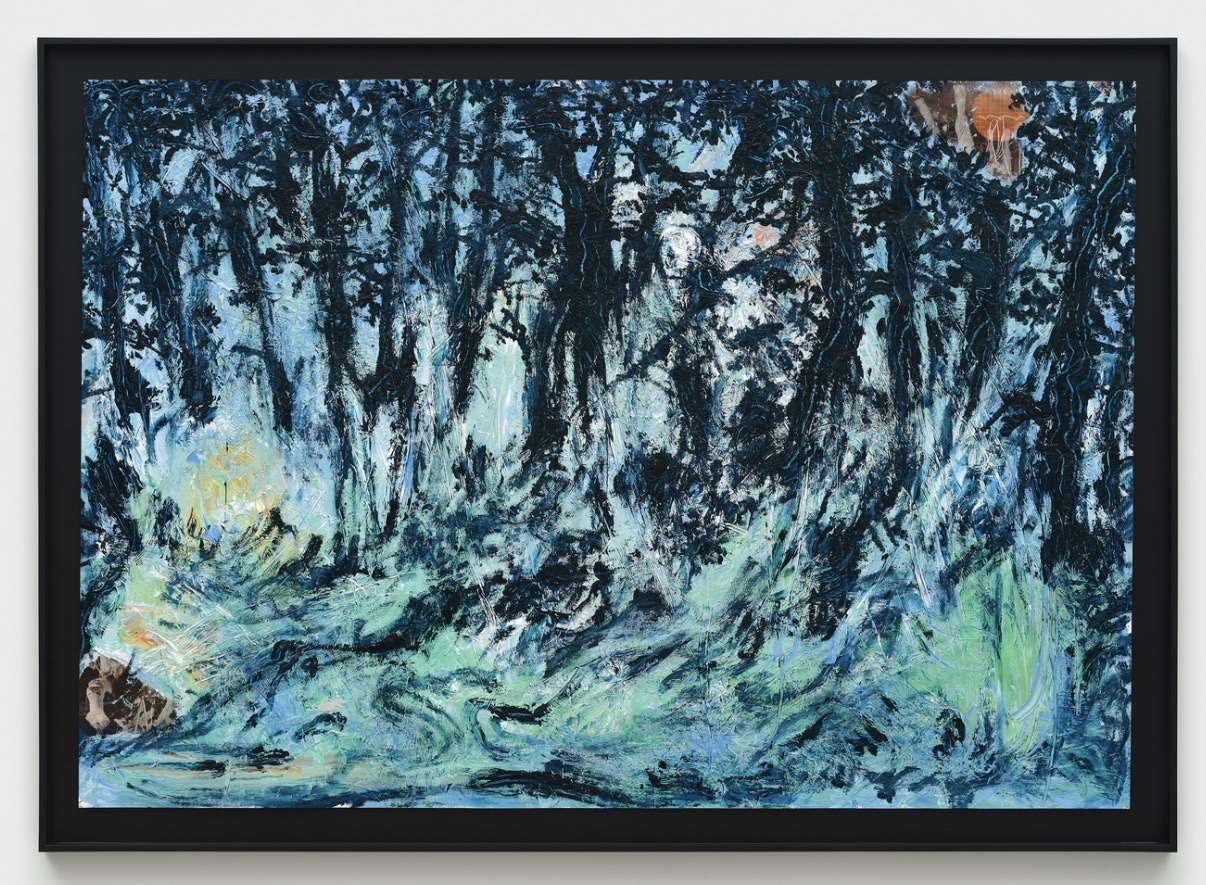
It was more like a recurring answer to the same question: how do you paint the real world without stripping it of meaning. In the hands of painters like Antonio Santin, the Italian born artist whose dense, atmospheric canvases hover between the legible and the dissolved, the question becomes almost geological. Santin layers paint with an archaeologist's patience, building surfaces that seem to hold time rather than simply depict space. His work belongs in the company of painters like Luc Tuymans and Neo Rauch, artists for whom Poetic Realism is inseparable from a certain unease, a feeling that the world depicted is also the world slightly undone.
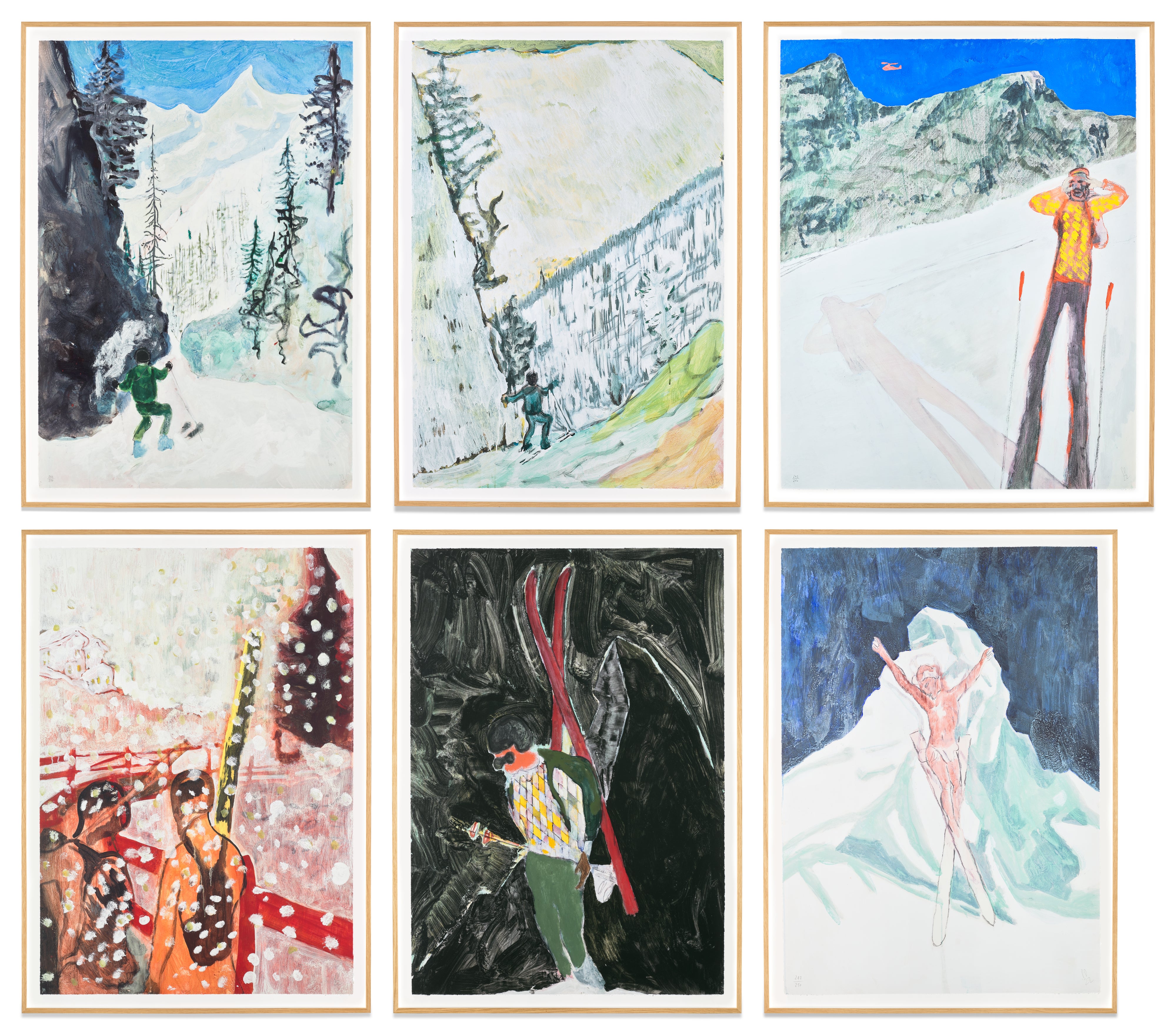
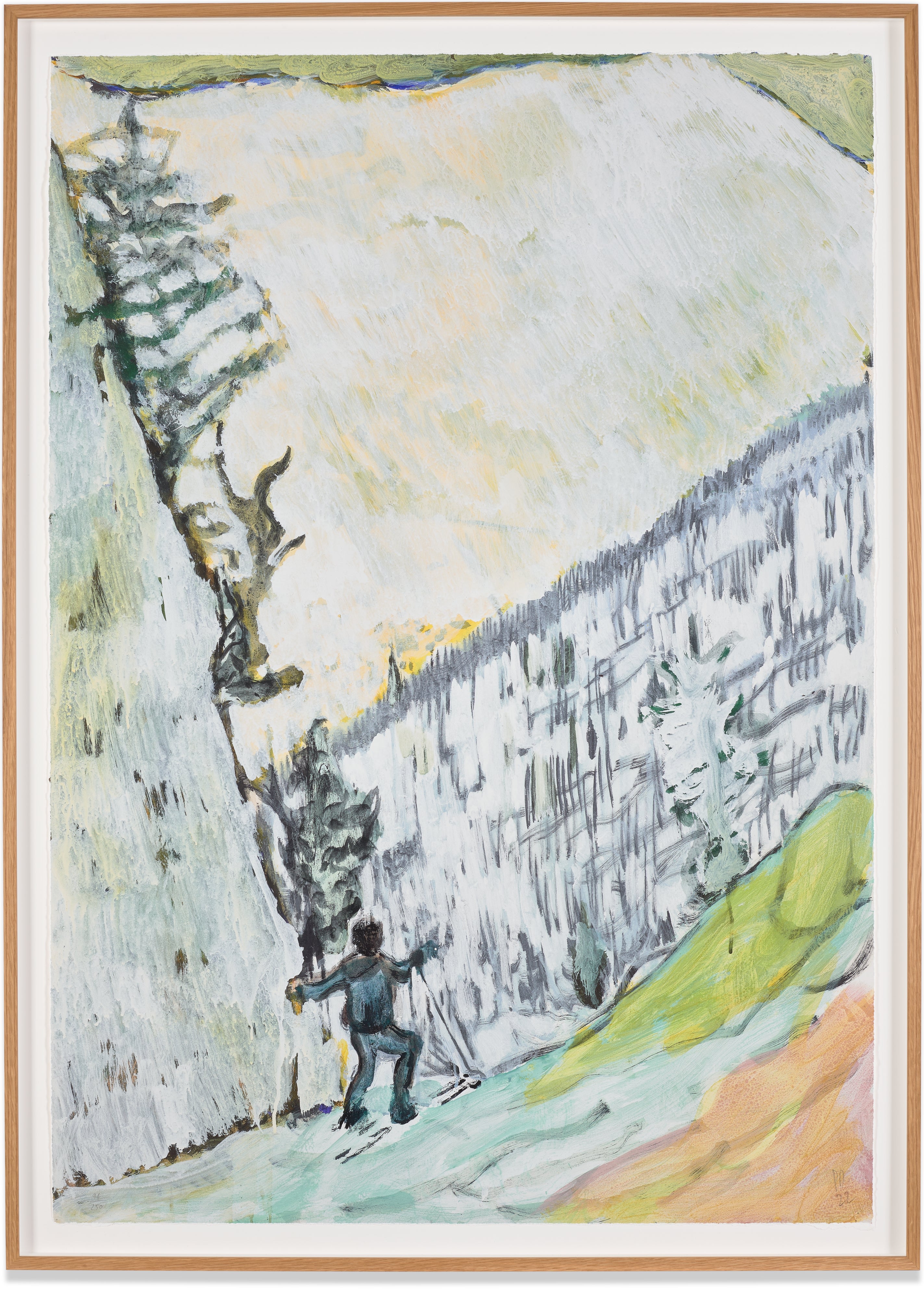
Peter Doig
Zermatt (D1)
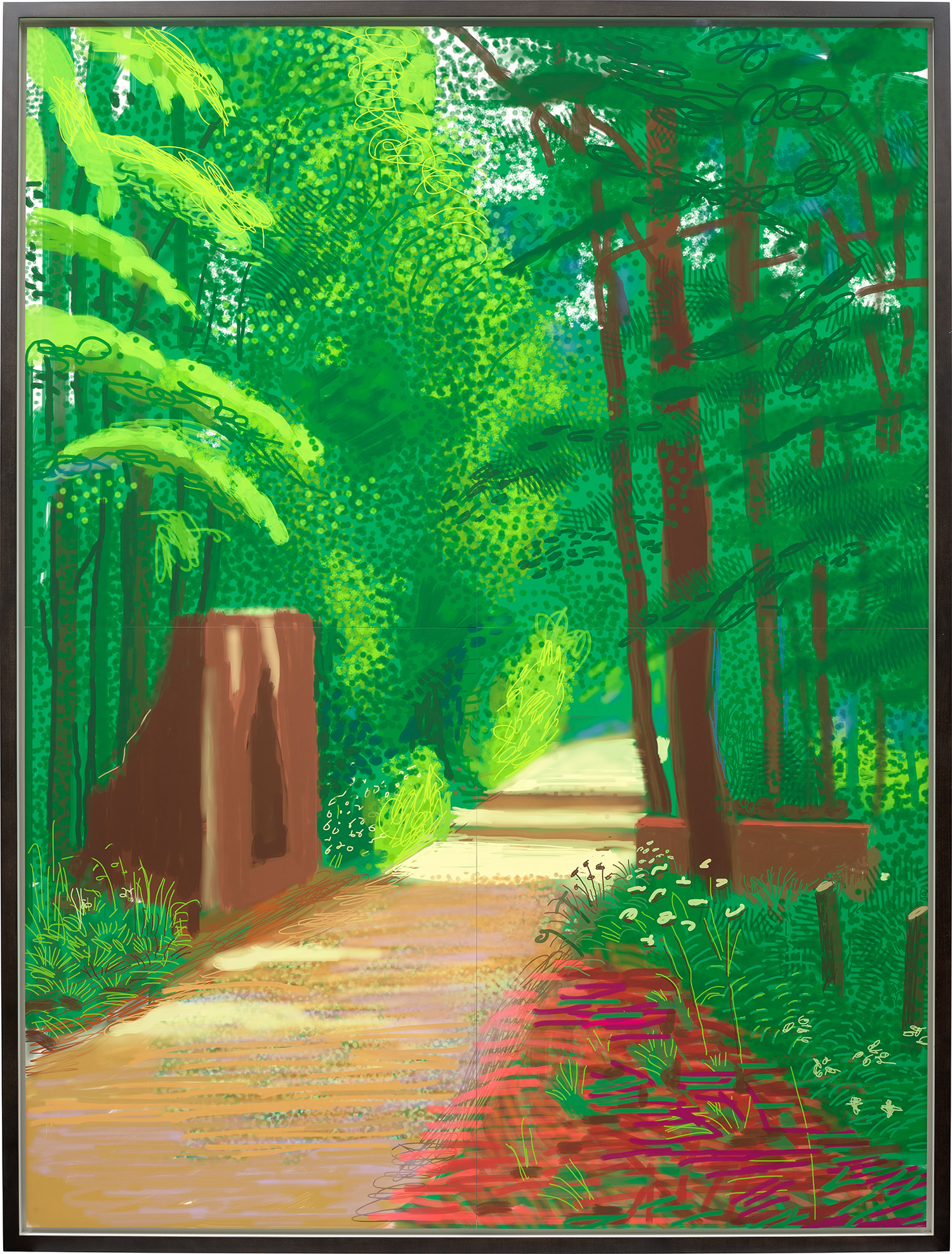
Peter Doig has perhaps done more than any other painter of his generation to reestablish Poetic Realism as a serious critical concern. His large scale canvases, which began attracting serious attention through his Turner Prize nomination in 1994, take landscapes and figures as pretexts for something far more unsettling. Snow, water, darkness, and architecture in his work carry the density of recurring dreams. His Caribbean paintings made after his relocation to Trinidad brought new color and heat to a sensibility that had previously leaned toward northern cold and shadow.
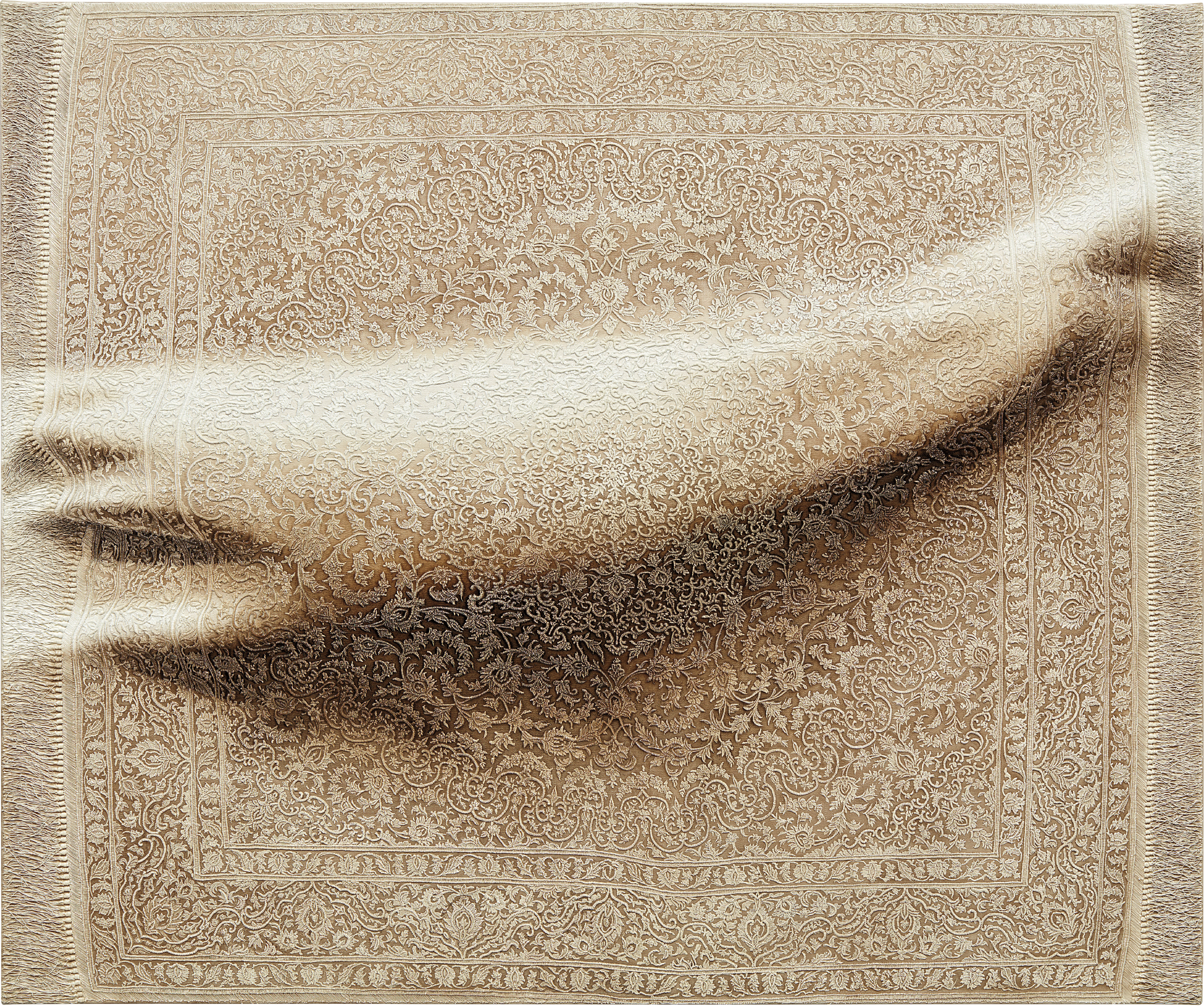
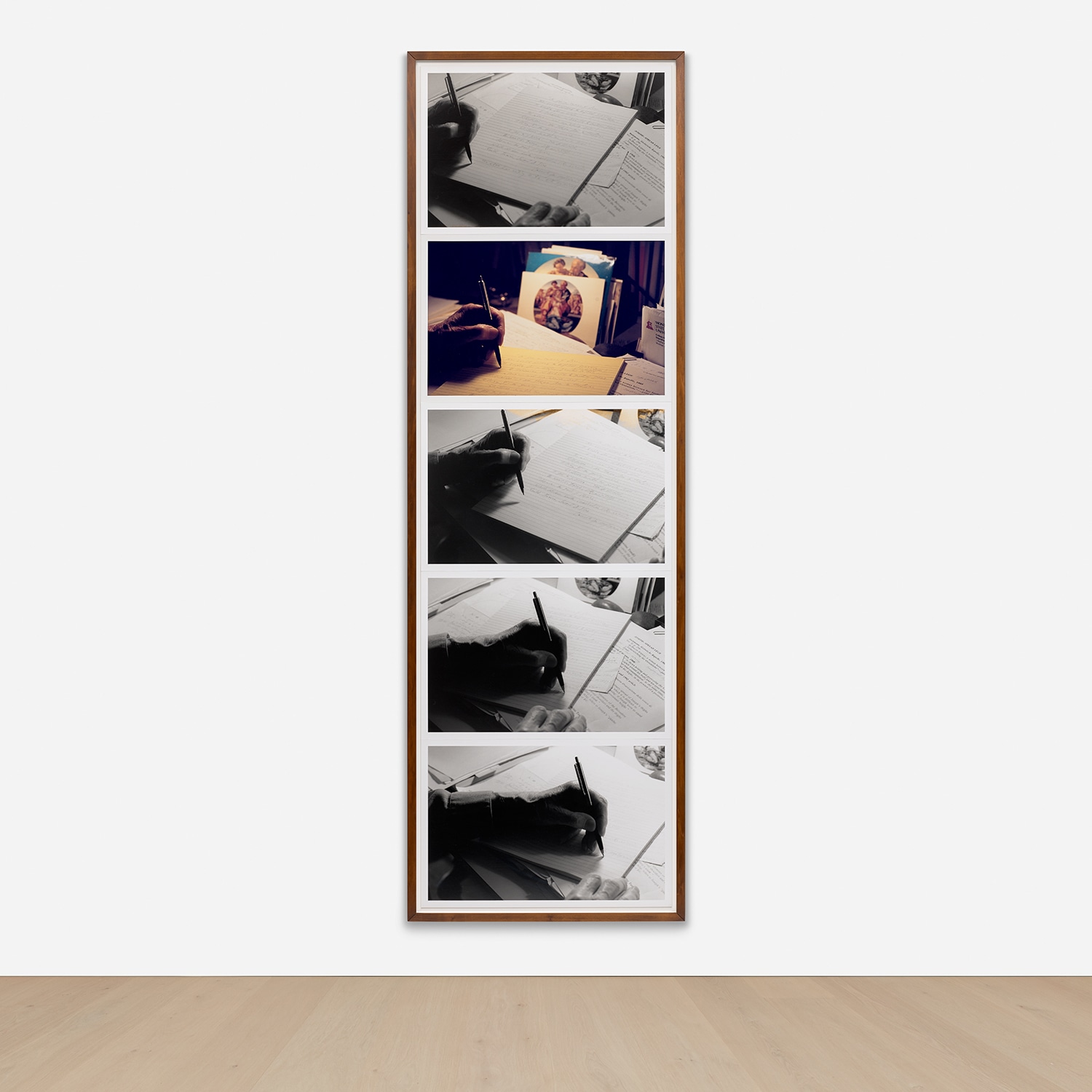
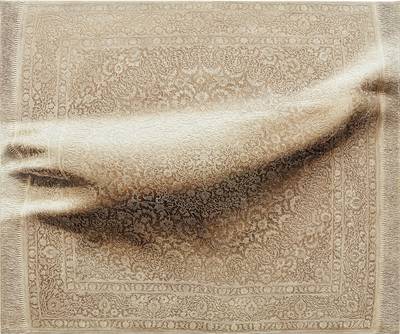
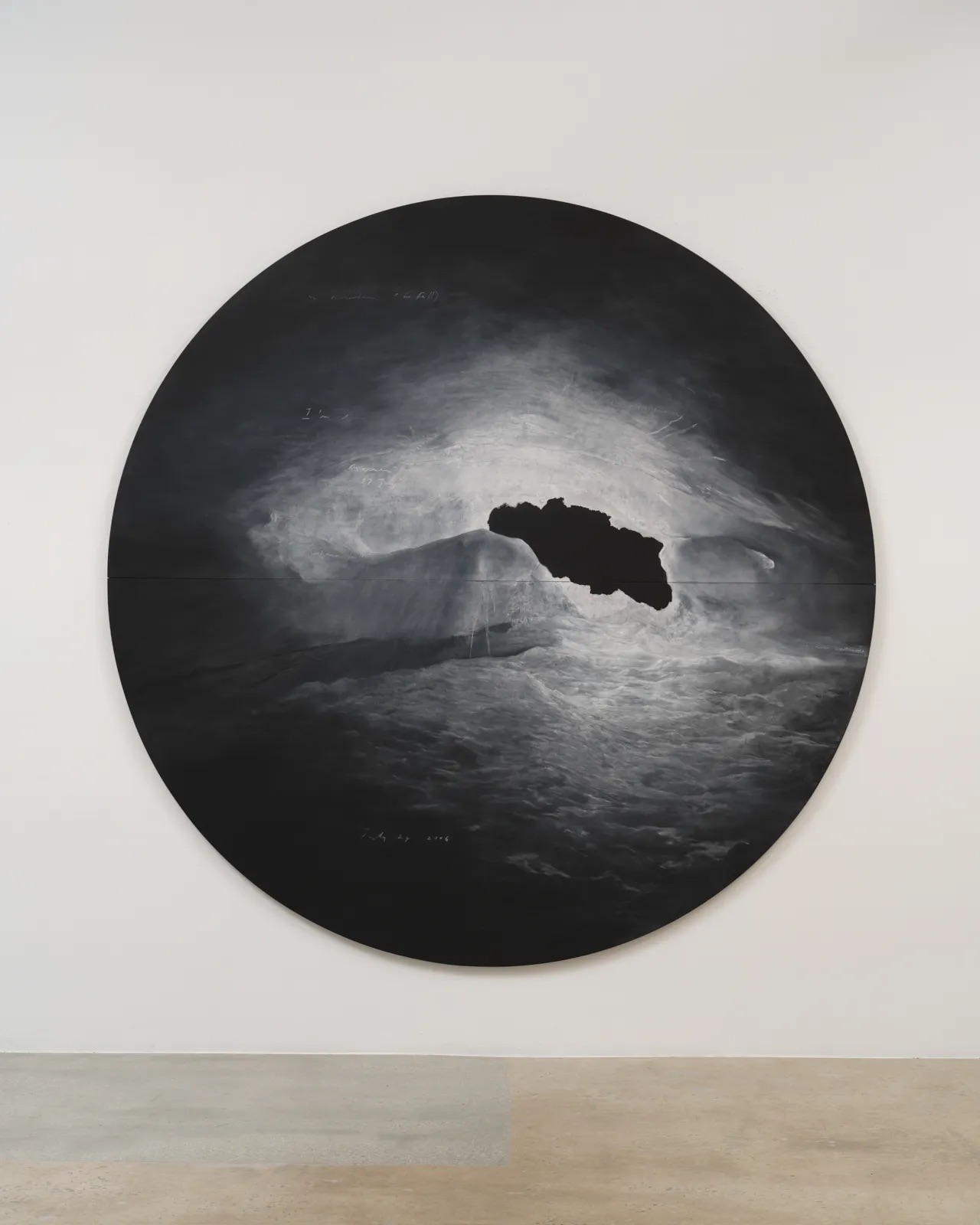
Doig's presence in any collection signals an understanding that figuration and psychological complexity are not merely compatible but inseparable, and a work by him on The Collection anchors an entire conversation about where painting stands now. Contemporary photography and film have absorbed Poetic Realism so thoroughly that it now feels native to those mediums as well. Tacita Dean's 16mm films, with their attention to duration, natural light, and the textures of neglected or overlooked places, translate the sensibility directly into moving image. Her work thinks in geological time, finding poetry in chalk cliffs, in aging performers, in the residue left by historical events.
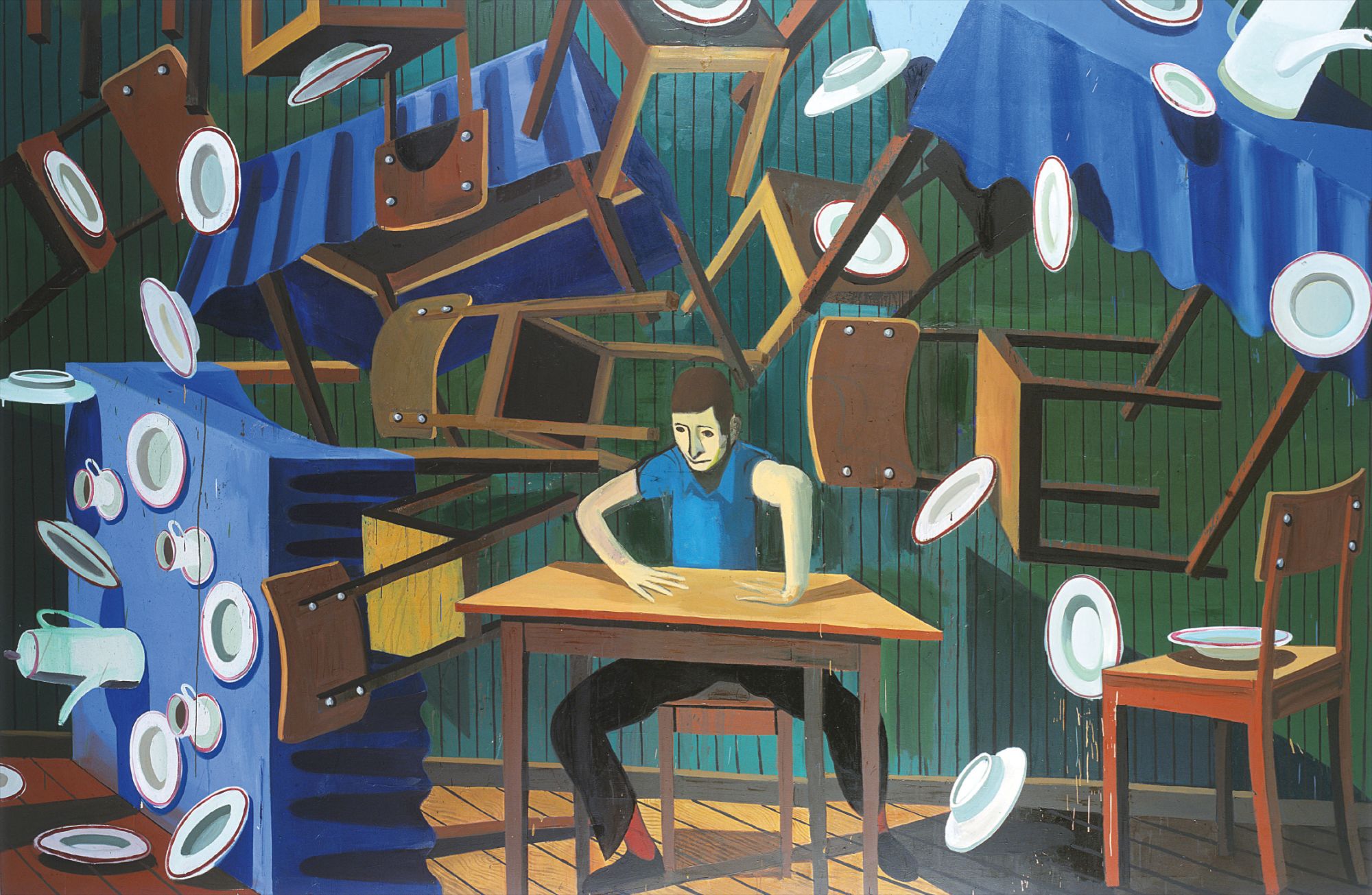
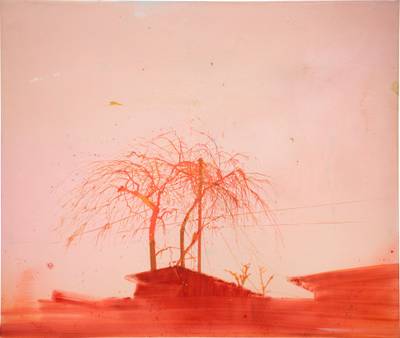
Elizabeth Magill
Glade
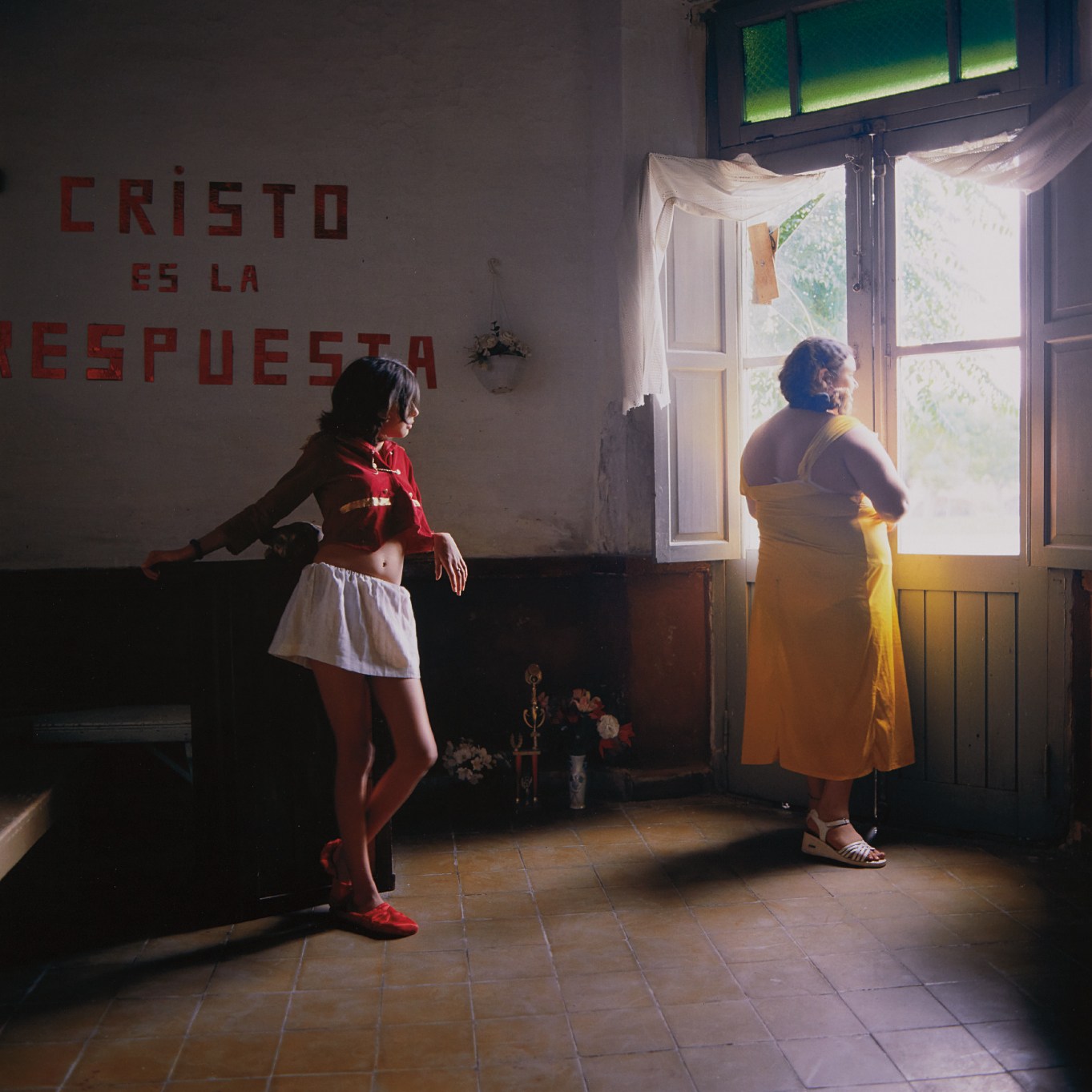
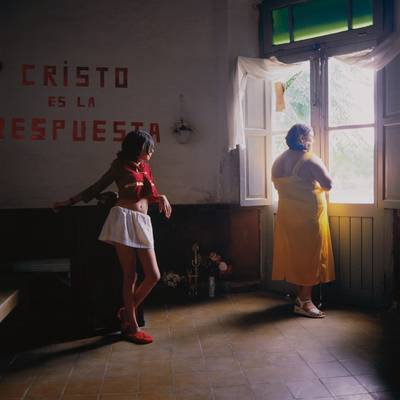
Alessandra Sanguinetti's long term photographic project with two Argentine girls, which she began in the late 1990s and continued across decades, uses the rituals of rural childhood to produce images that feel mythological without losing any of their documentary weight. Elizabeth Magill's painted landscapes dissolve the boundary between the photographic and the remembered, using source material from magazines, film stills, and her own photographs to construct scenes that feel inherited rather than invented. What connects all of these practices across a century of radical change in what art can be and do is a commitment to emotional fidelity over documentary precision. Poetic Realism is not nostalgia, though it is sometimes mistaken for it.
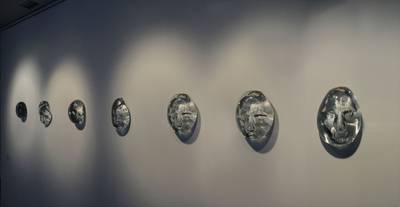
It is actually a form of radical attention: the insistence that what a place or a person feels like is as real as what they look like, and that the artist's obligation is to find a form adequate to both. The sculptor Nazar Bilyk approaches this from a completely different direction, working in figurative sculpture with a concentration on vulnerability and transformation that gives his figures the quality of beings caught between states. The body in his work is neither symbolic nor clinical. It simply is, in all its strange, tender specificity.
Poetic Realism endures because it answers a need that neither pure abstraction nor strict documentary realism can satisfy. We live in our actual surroundings and simultaneously in the stories we tell ourselves about those surroundings. The best art in this tradition holds both at once, refusing the false choice between them. In a collecting context, works that carry this quality tend to deepen over time.
They change as you change. They accumulate meaning the way a place you return to does. That is not a small thing.