Plywood
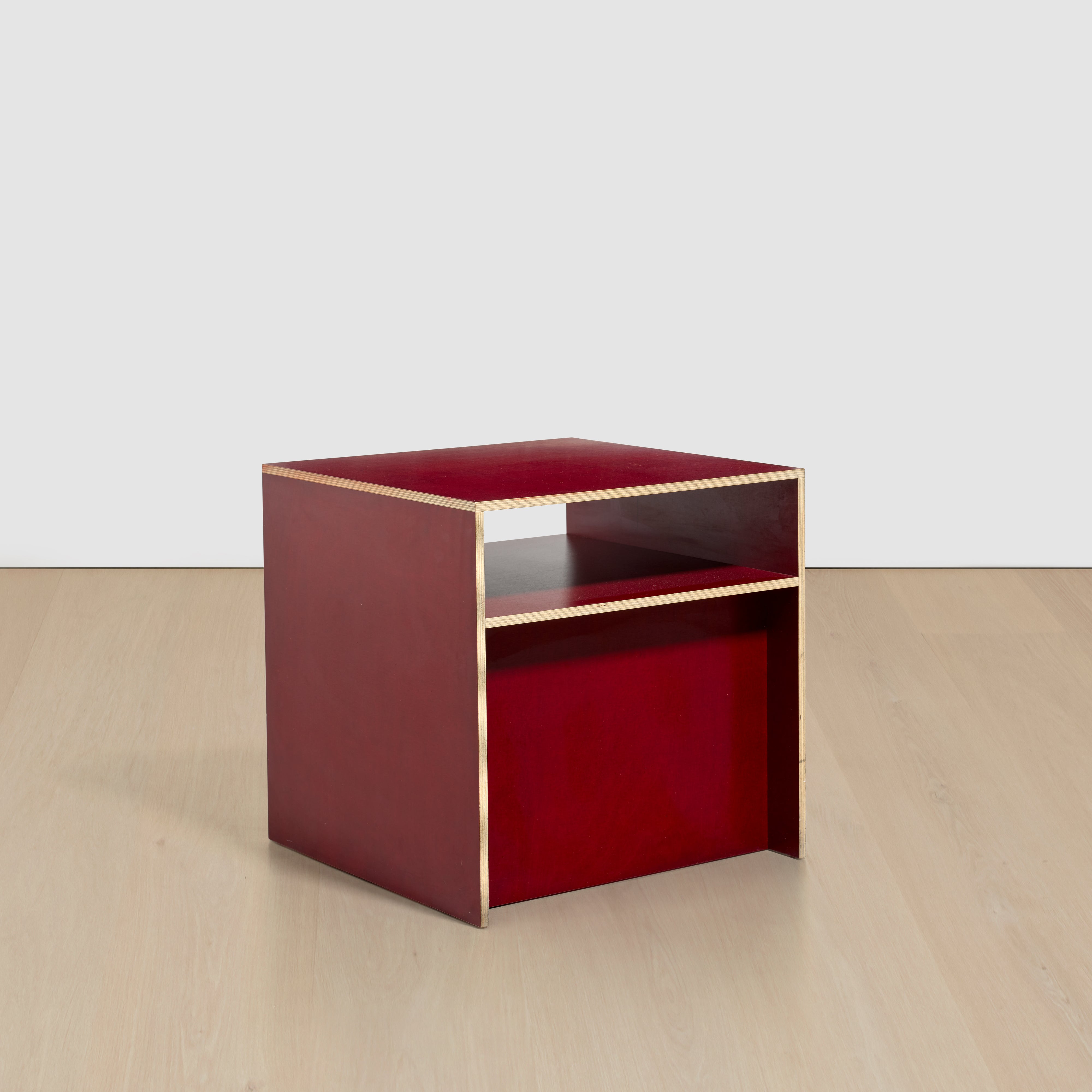
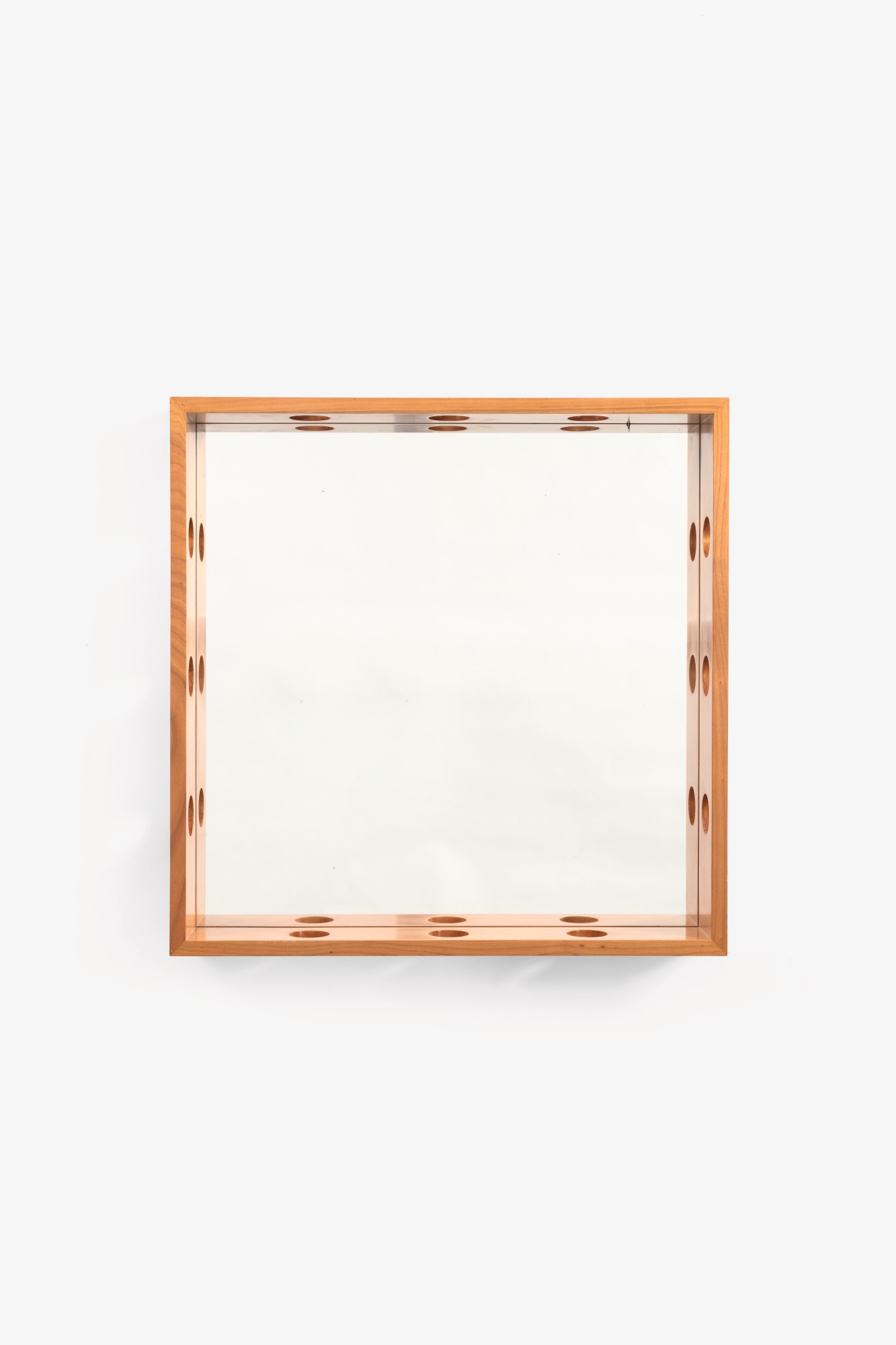
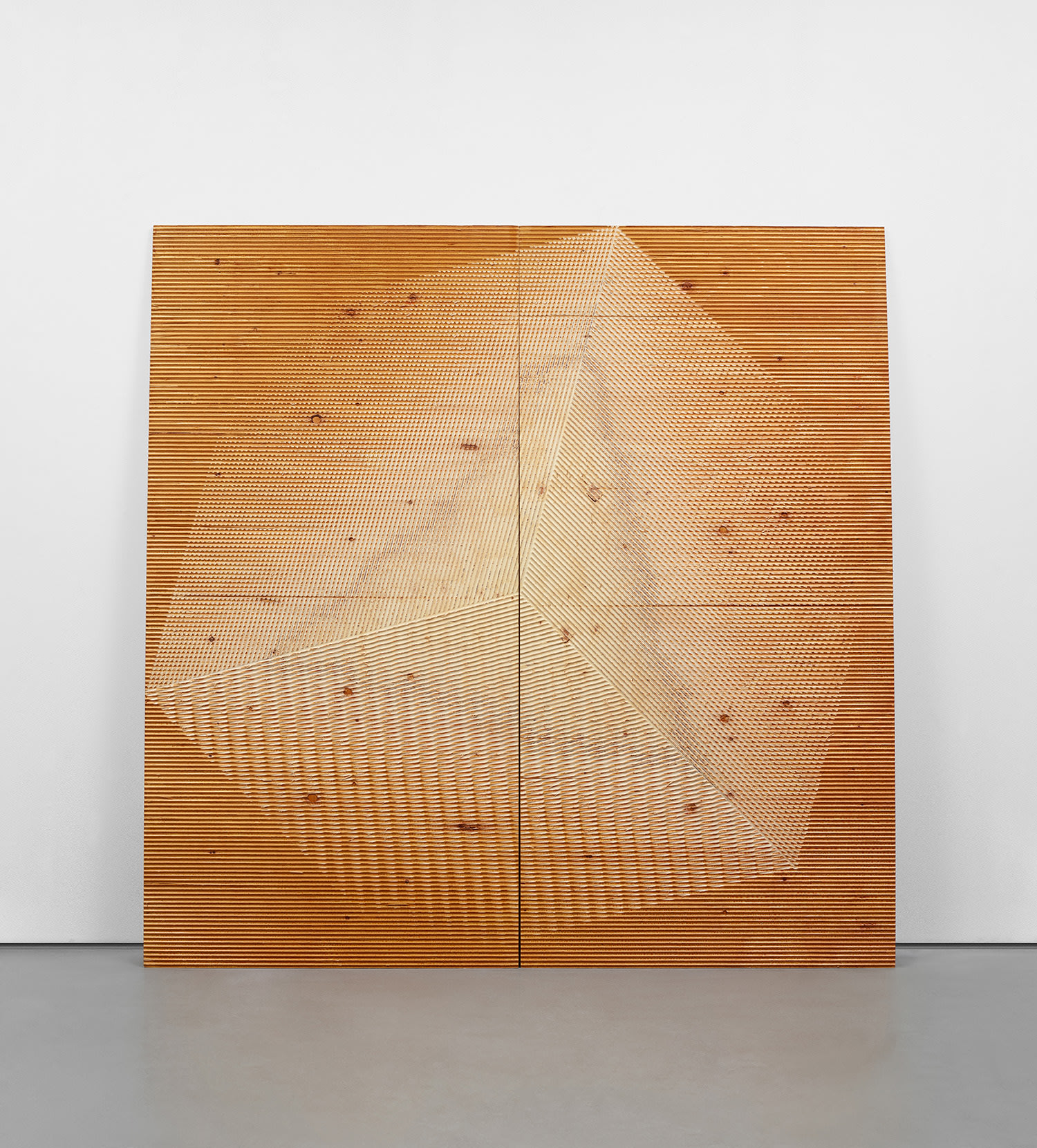
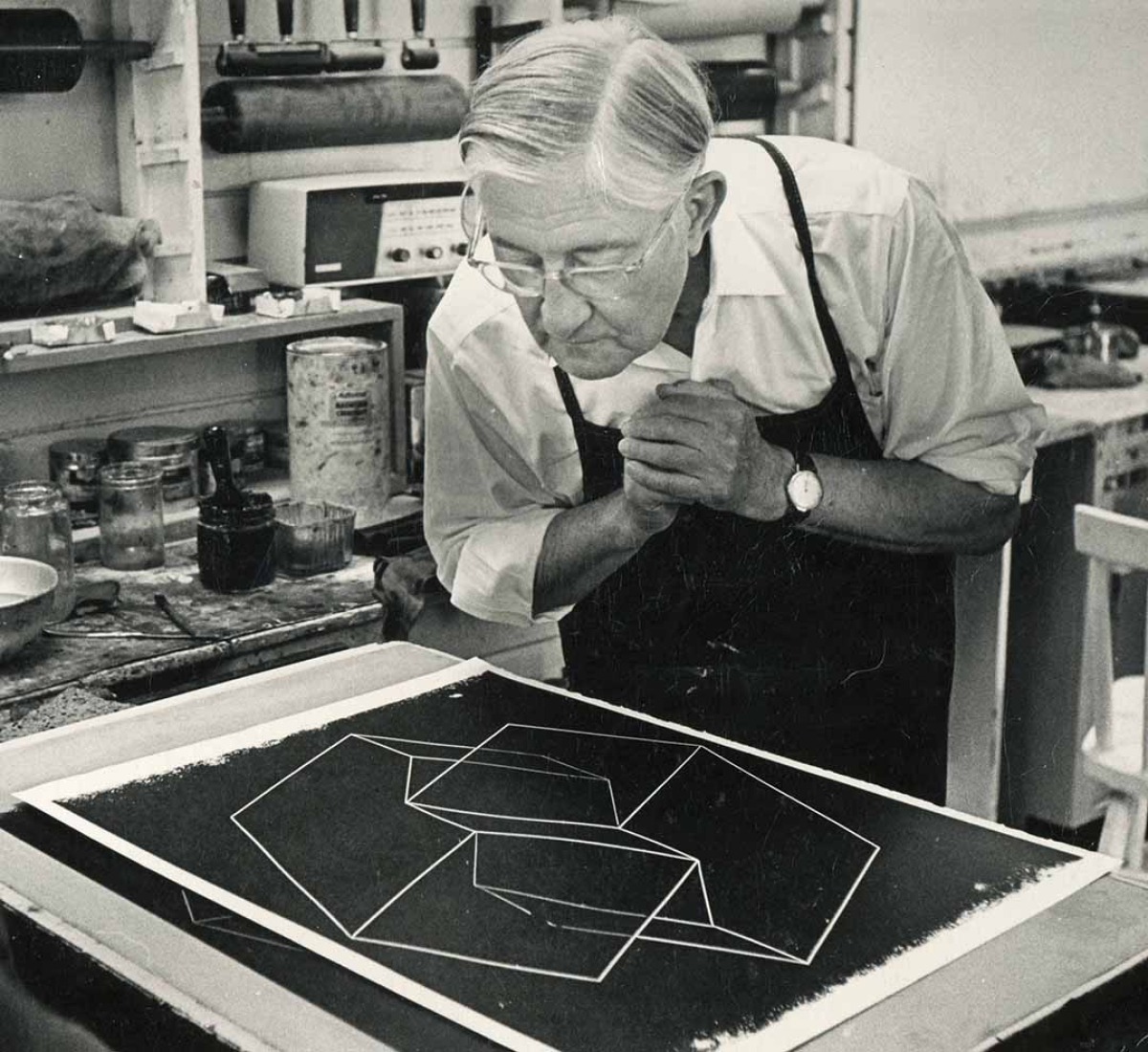
Donald Judd
Shelf Plywood Stool no. 95-3, 2003




The Material That Refuses to Stay Still
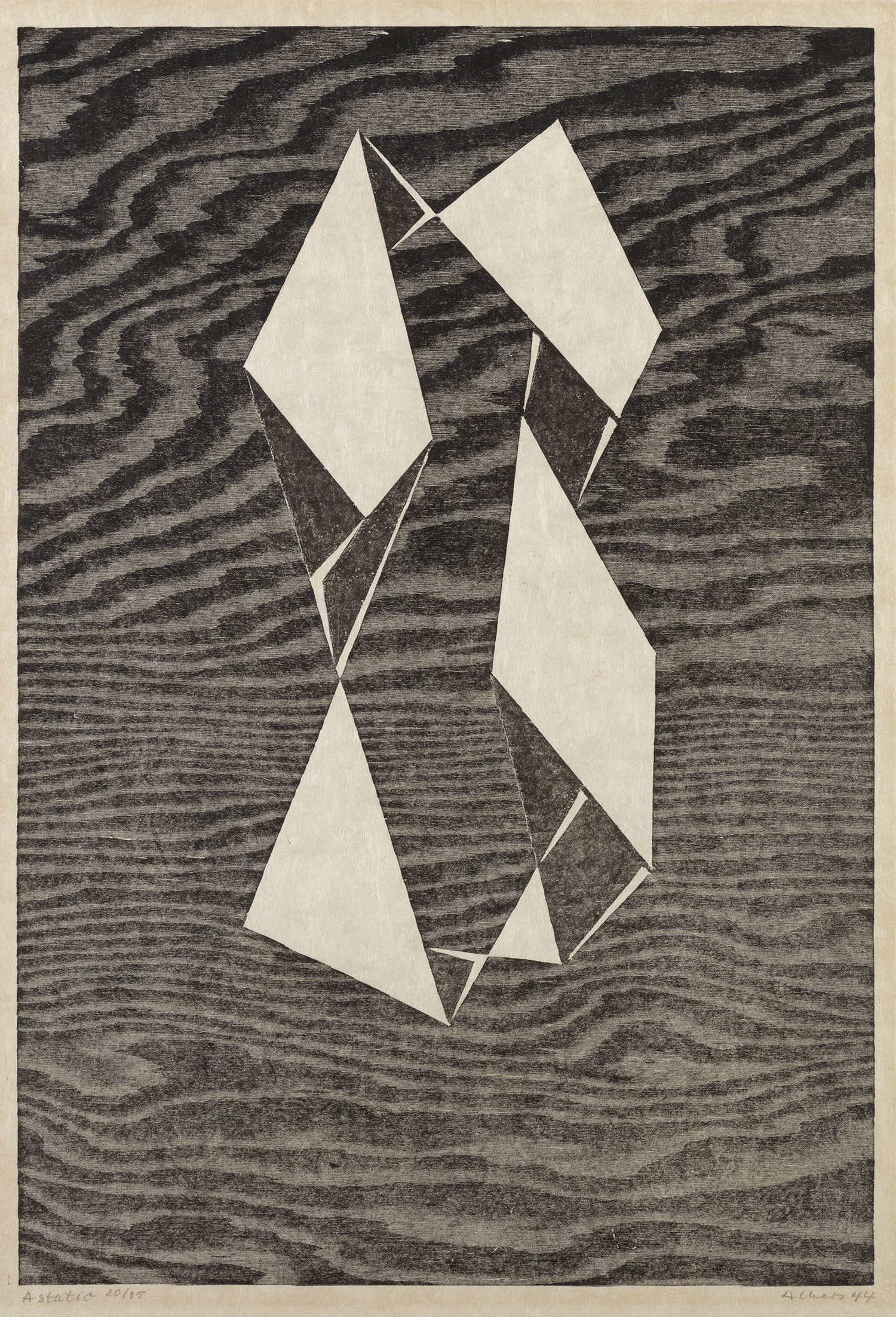
There is something almost contradictory about plywood as a subject of serious collecting. It is the stuff of construction sites and flat pack furniture, the substrate of the everyday, and yet in the hands of artists and designers who understood its latent tensions, it becomes something genuinely charged. Collectors who are drawn to works that foreground material honesty tend to find plywood irresistible precisely because it cannot pretend to be something it is not. The layers are always visible at the edge, the grain always tells a story, and the object always carries a memory of the press and the glue and the heat that made it what it is.
Living with a plywood work means living with something that holds its industrial origins openly, without apology. What separates a good plywood work from a great one has everything to do with intention and transformation. Any artist can use plywood as a support, but the artists who matter are those for whom the material is itself the argument. Jean Prouvé understood this completely.
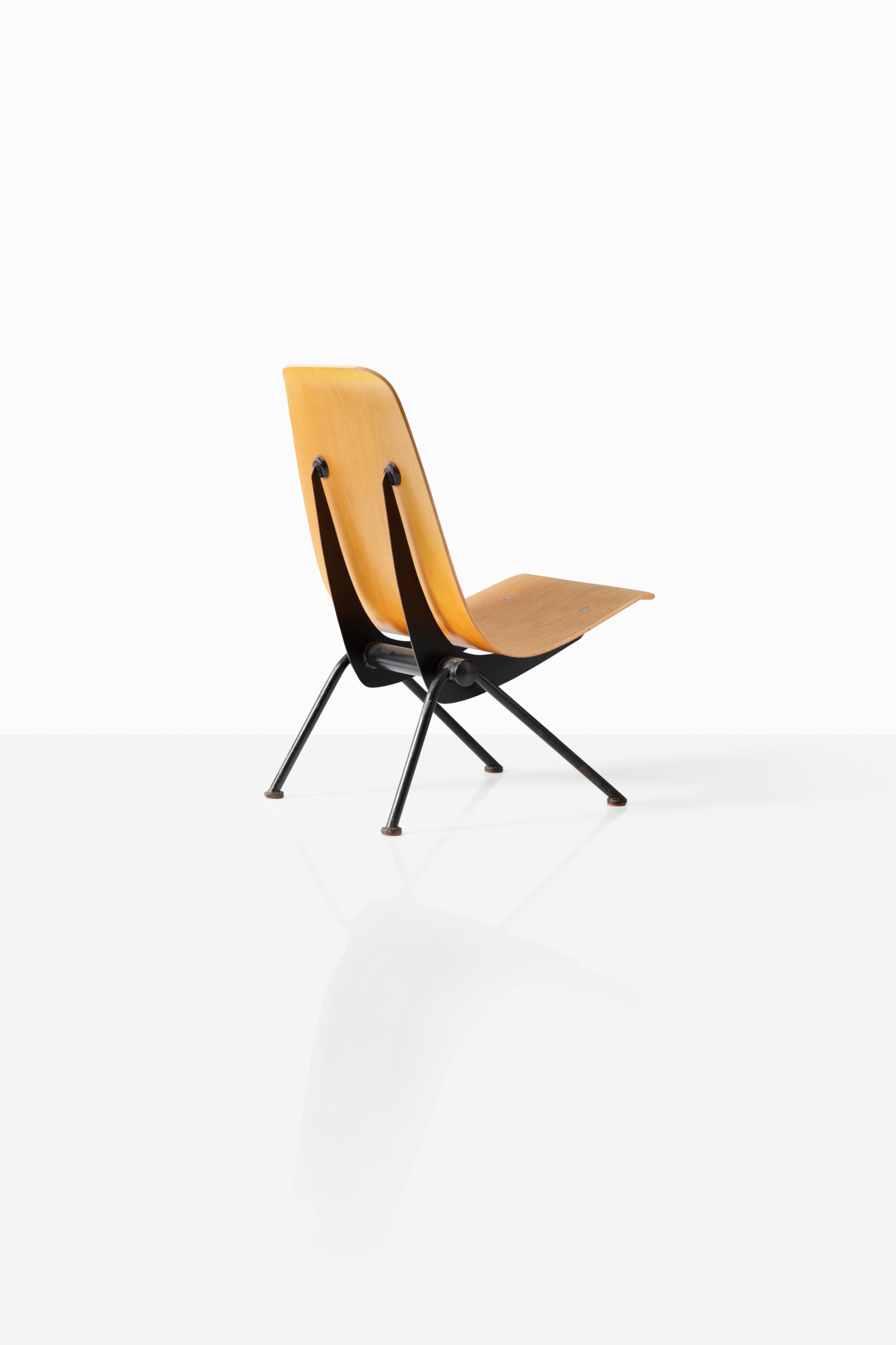
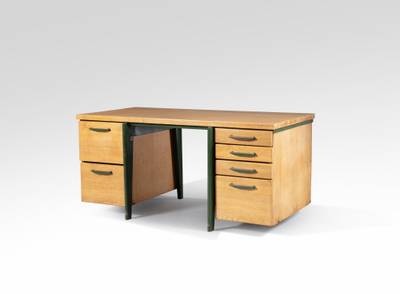
Jean Prouvé
Fauteuil léger n°336, dit Antony
His furniture and architectural objects treat plywood not as a substitute for something more precious but as the correct answer to a structural and social question. A Prouvé piece in a collection does not just hold the wall or fill the room, it makes a claim about how objects should serve human life. When you are looking at a work and asking whether it is truly great, the question to hold is whether the choice of plywood was inevitable or merely convenient. Inevitability is what you are looking for.
The artists well represented on The Collection offer a particularly useful cross section for thinking about this question across both furniture and fine art. Prouvé sits comfortably alongside Donald Judd, whose interest in the relationship between industrial materials and precise form has made his plywood pieces among the most studied objects of the late twentieth century. Judd began producing his stacks and progressions in laminated plywood in the 1970s and 1980s, and those works have held their critical and market position with remarkable stability. Gerrit Thomas Rietveld, working decades earlier, was asking similar questions about what a chair could mean if it was built from standardised components and refused all decorative ornament.
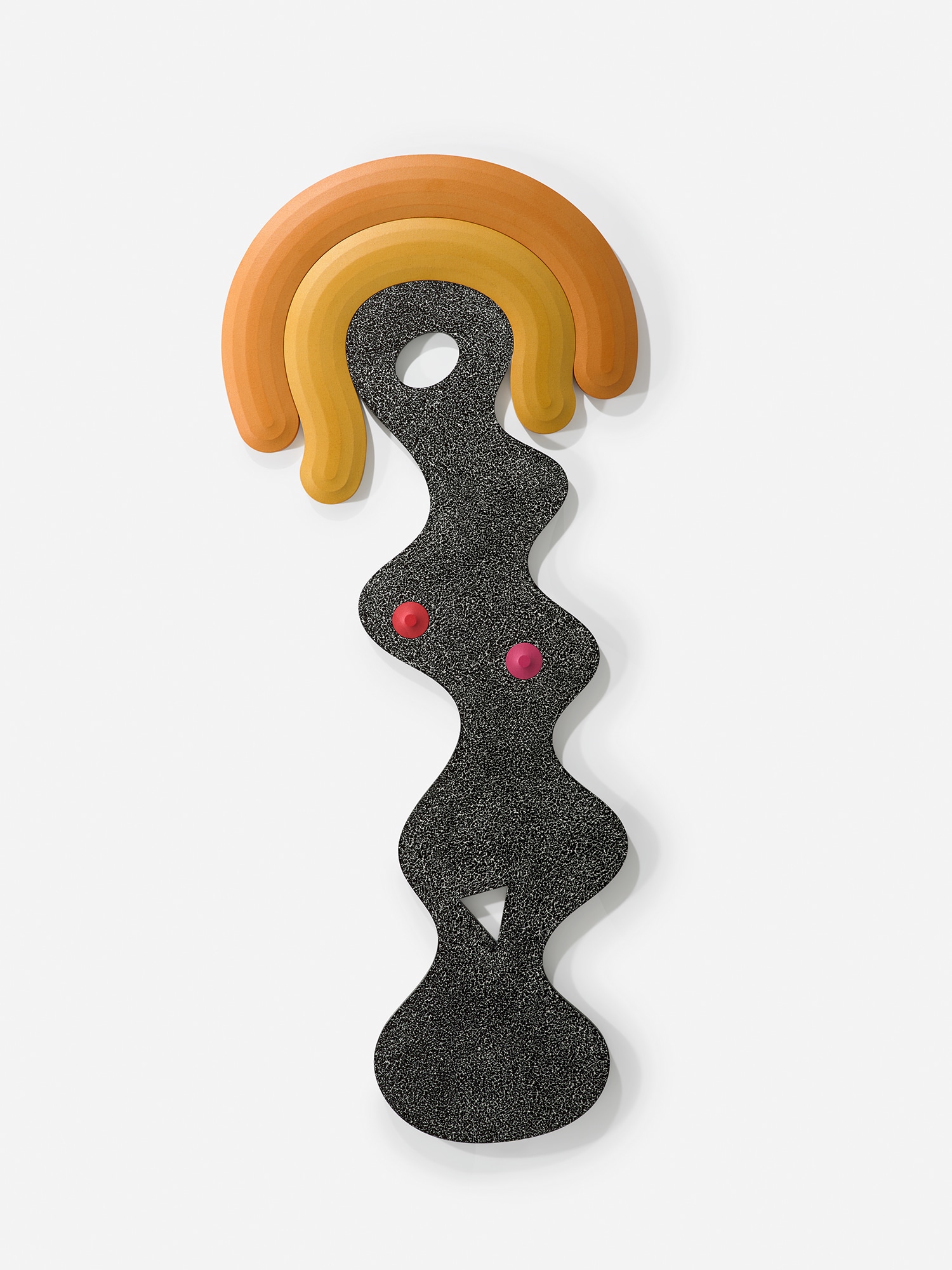
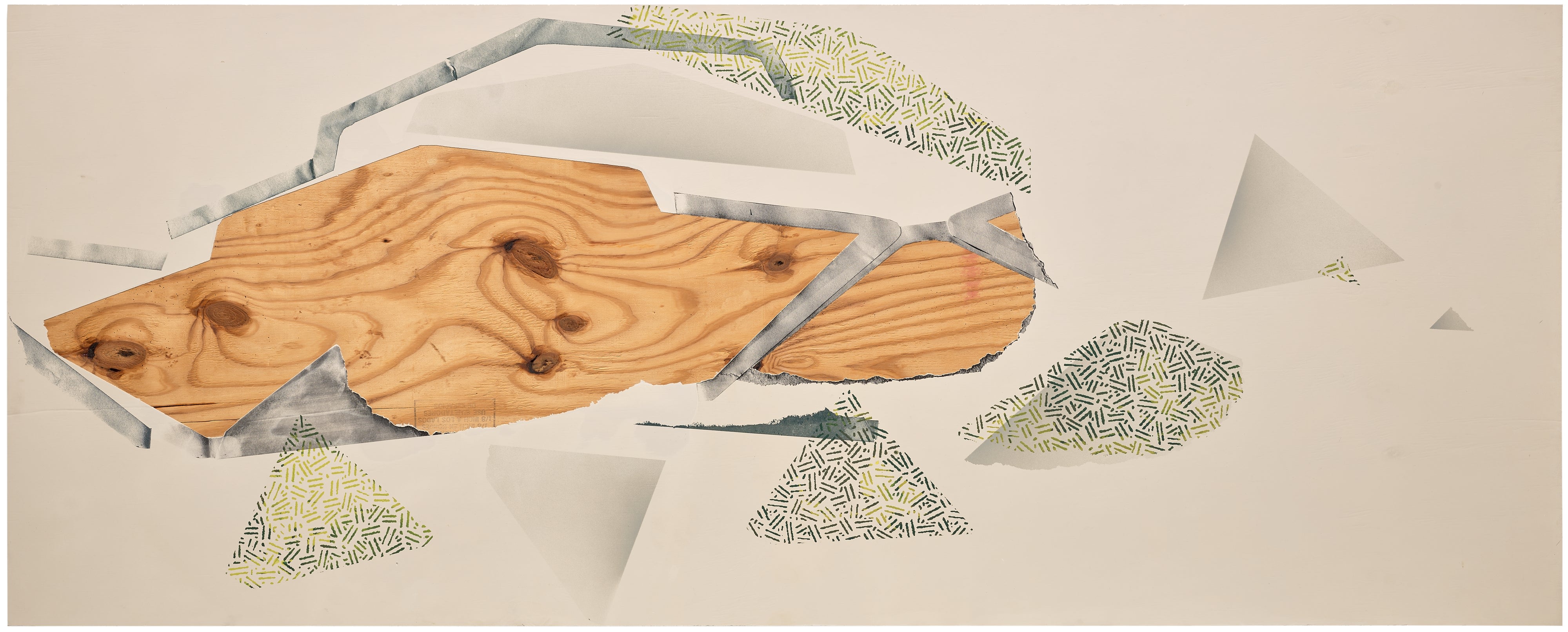
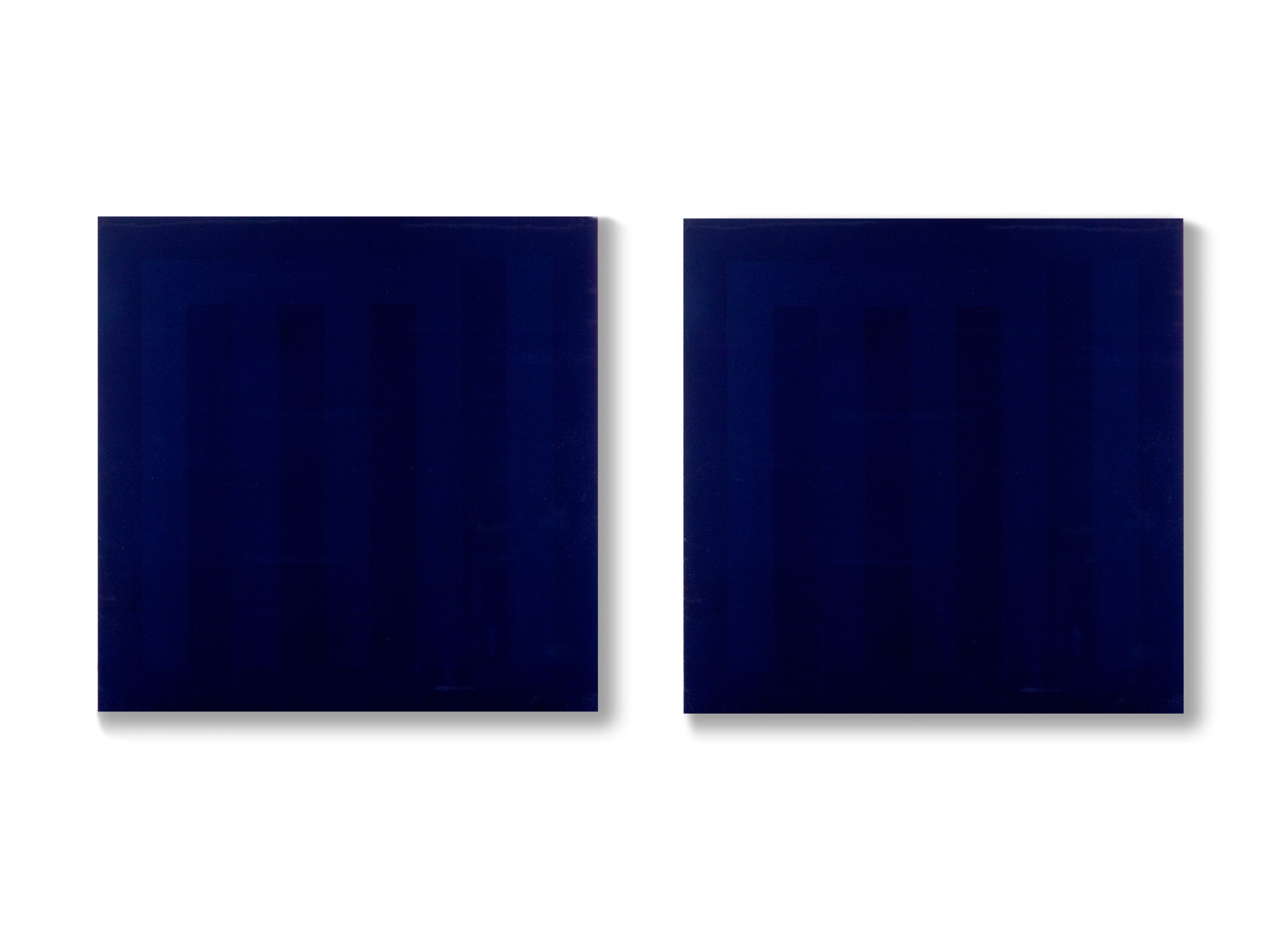
Josh Sperling
Composite (224), 2020
These are not simply historical objects. They are arguments that remain alive. Among painters and sculptors working today, Josh Sperling represents one of the more genuinely interesting cases of an artist who has made plywood central to his visual language rather than incidental to it. His shaped canvases extend into and interrupt the wall, and the plywood substrate is not hidden beneath the paint but acknowledged in the overall object logic of the work.
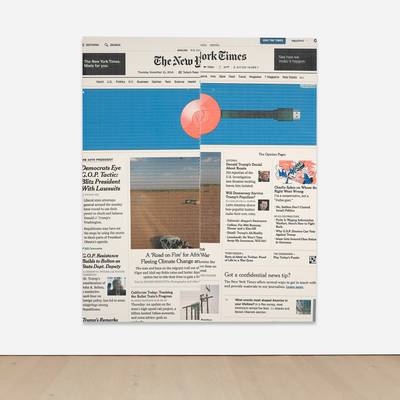
The relationship between painting and sculpture in his practice is only possible because plywood allows him to cut and build forms that a traditional stretcher would refuse. Seth Price and Wade Guyton are both artists whose practices engage with questions of surface, reproduction, and material contingency, and the plywood works that appear in their output carry the same conceptual weight as their works on other substrates. For a collector thinking about where the strongest value lies, the question is not which material is used but which artists have made that material inseparable from what they are saying. There are emerging figures worth watching carefully.

Abe Odedina
Crazy For You, 2018
Lam Tung Pang works with wood and found materials in ways that bring an atmospheric quality to objects and surfaces, drawing on memory and urban accumulation. His practice has drawn serious institutional attention in Asia and is only beginning to register more widely in Western markets, which typically means the acquisition window remains open but will not stay that way indefinitely. Abe Odedina and Lakwena Maciver are both artists whose work rewards long attention and whose market positions are still developing relative to the critical recognition they have already received. Neither works exclusively with plywood, but collectors building focused collections around material questions will find their practices genuinely relevant to that conversation.
At auction, works on or made from plywood perform most strongly when provenance is clean and the condition is genuinely exceptional. Plywood is vulnerable to humidity fluctuation in ways that canvas is not, and delamination at the edges is among the most common condition issues that surface at auction with results that disappoint. Before purchasing any plywood work, particularly furniture or architectural objects from the mid twentieth century, it is worth commissioning a condition report that specifically addresses the integrity of the laminate layers and any historical repairs. Prouvé pieces in particular have been subject to restoration that can significantly affect value, and auction catalogues do not always disclose this with the specificity a serious buyer needs.
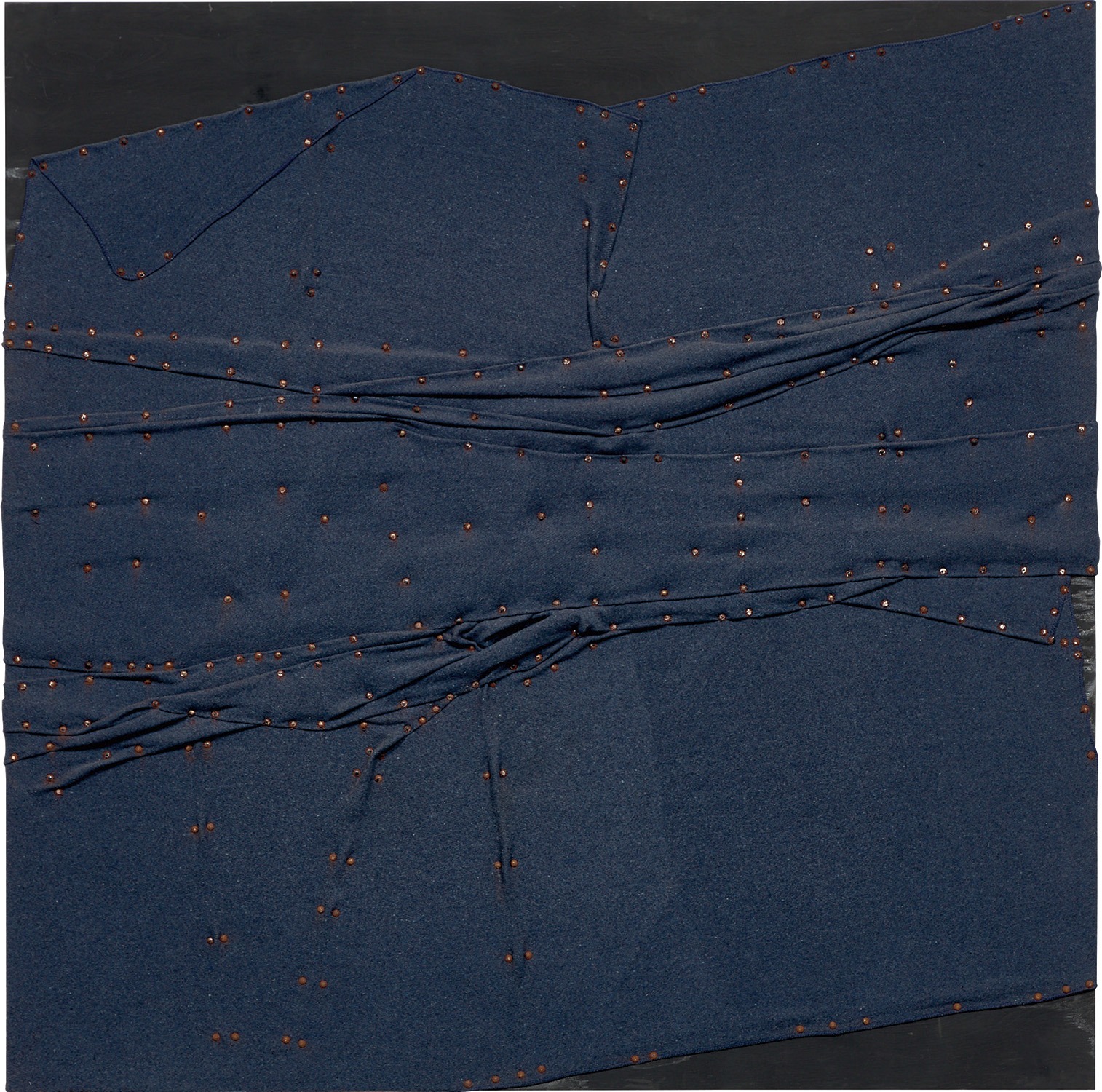
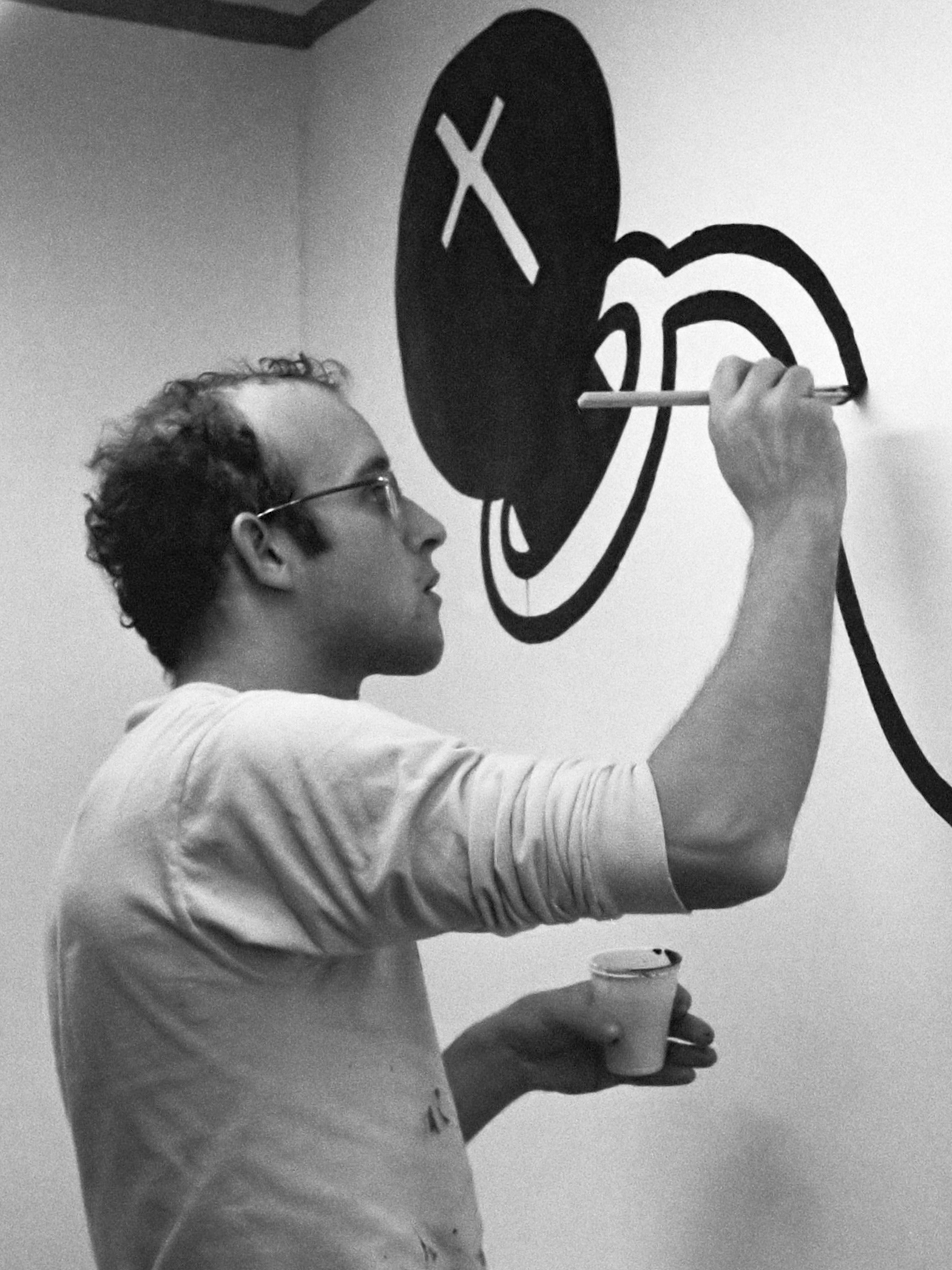
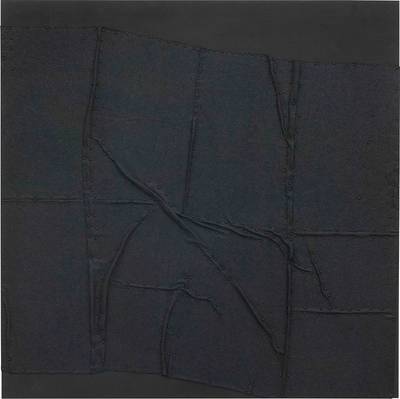
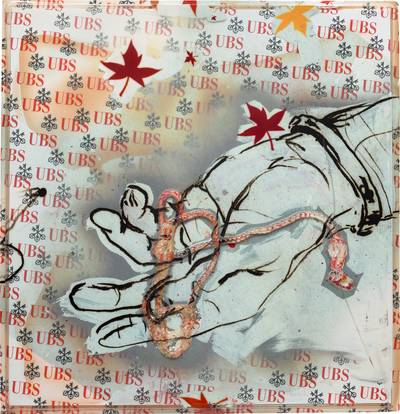
Tom Burr
O’Hara Nude with Boots, 2012
Always ask the gallery or auction house directly what restoration, if any, has been carried out. For collectors buying from galleries rather than at auction, the questions to ask are straightforward but important. Is the work unique or part of an edition, and if it is part of an edition, how large is that edition and how many have been sold. Editions in plywood can vary substantially in quality depending on when in the run they were produced and how carefully the fabrication was supervised.
Ask whether the artist was involved in the fabrication or whether it was delegated entirely to a studio or a manufacturer. Ask about recommended display conditions, specifically humidity levels and light exposure, because plywood works that are displayed in rooms with dramatic seasonal humidity swings will age differently from those in climate controlled environments. These are not bureaucratic questions. They are the questions that protect the work and protect the investment over time.
Ultimately, the appeal of collecting in this space comes back to the same quality that makes plywood compelling as a material in the first place. It is democratic without being cheap, structural without being cold, and honest about what it is in a way that more obviously luxurious materials often are not. The best works in this category reward sustained looking and sustained living with. They do not perform differently at a dinner party than they do on an ordinary Tuesday morning, and that kind of consistency is rarer in art and design than it might seem.