Photographic Collage
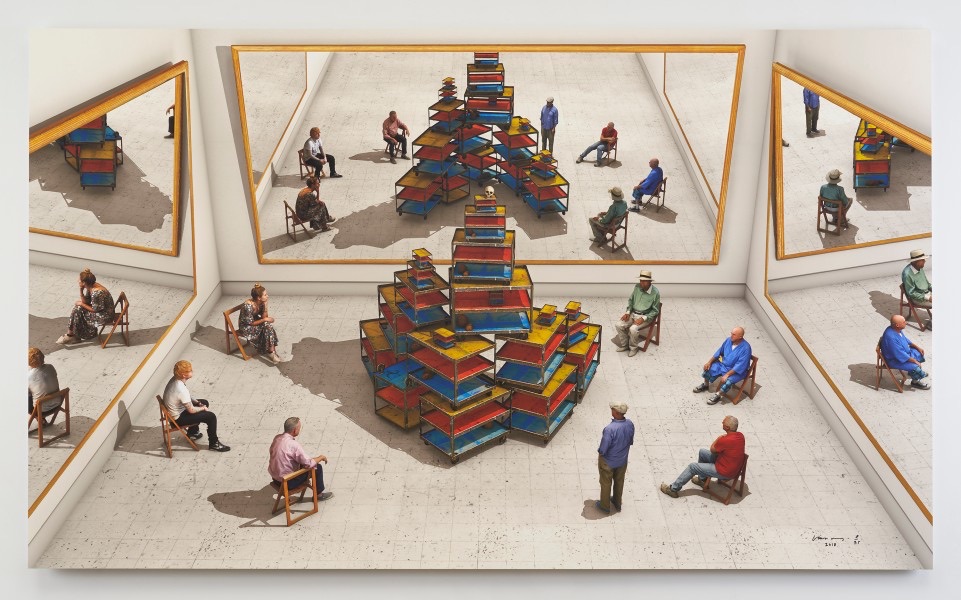
David Hockney
Viewers looking at a ready-made with skull and mirrors 2018, 2018

Cut, Paste, Photograph: The Medium Refuses to Sit Still
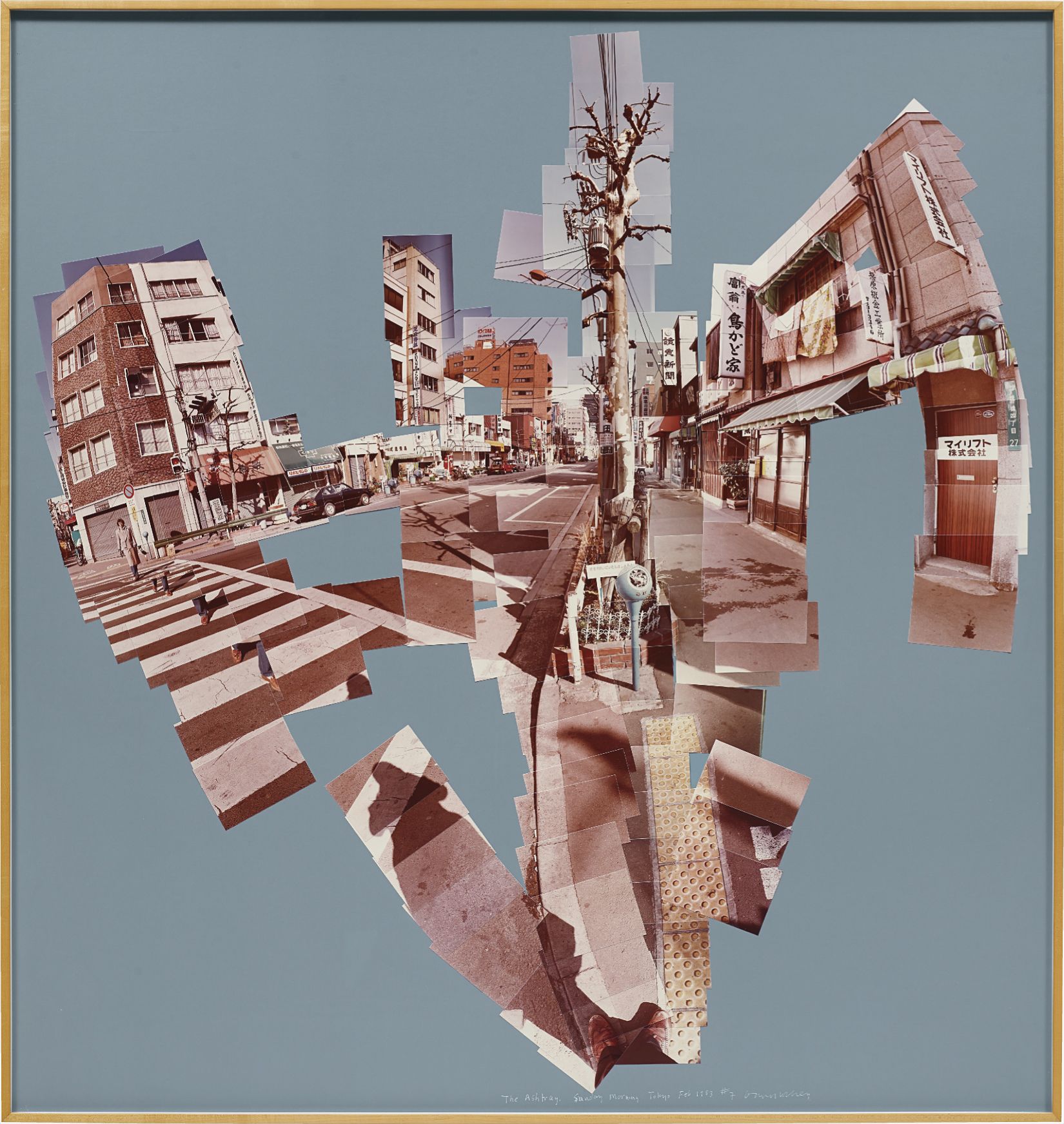
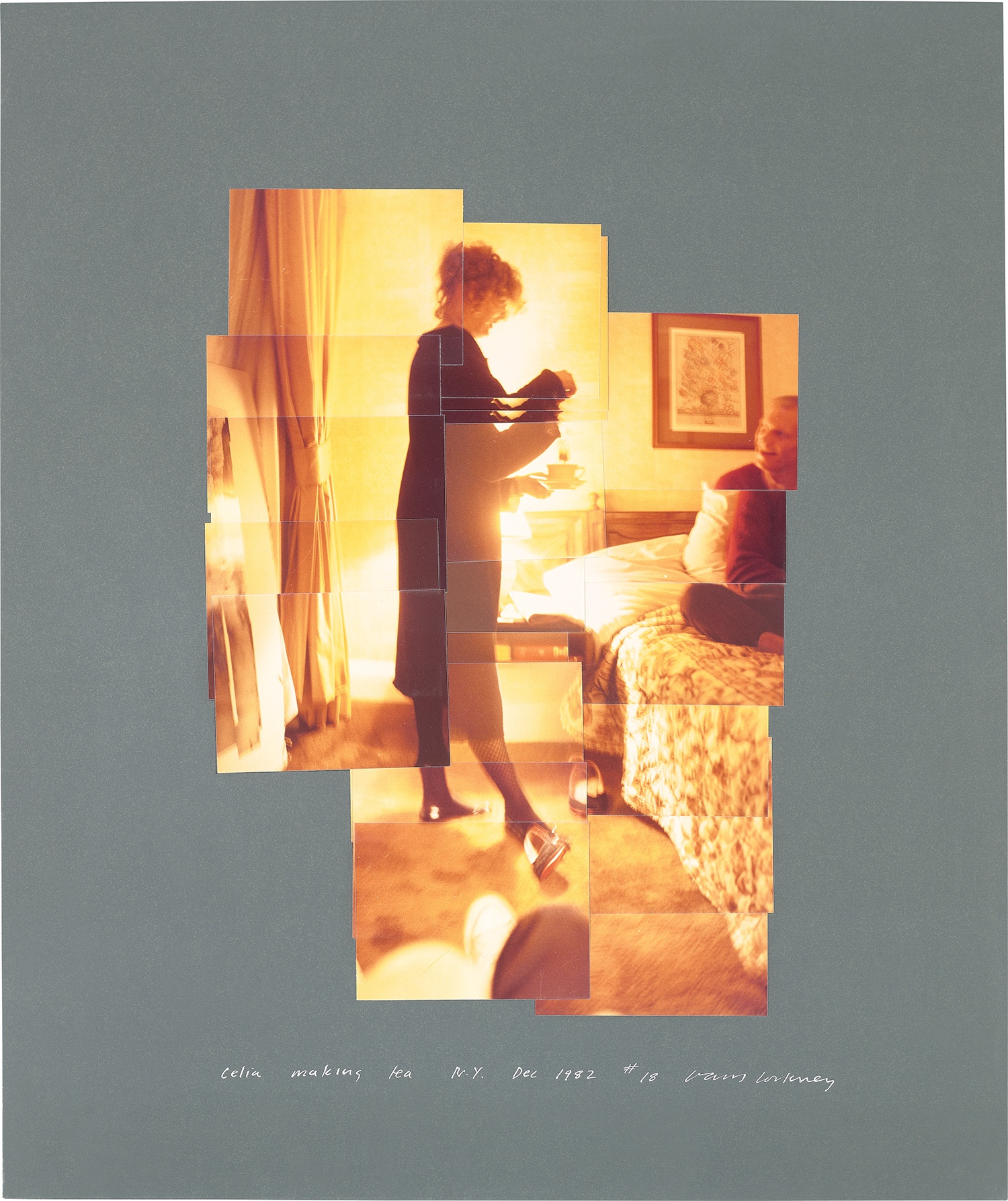
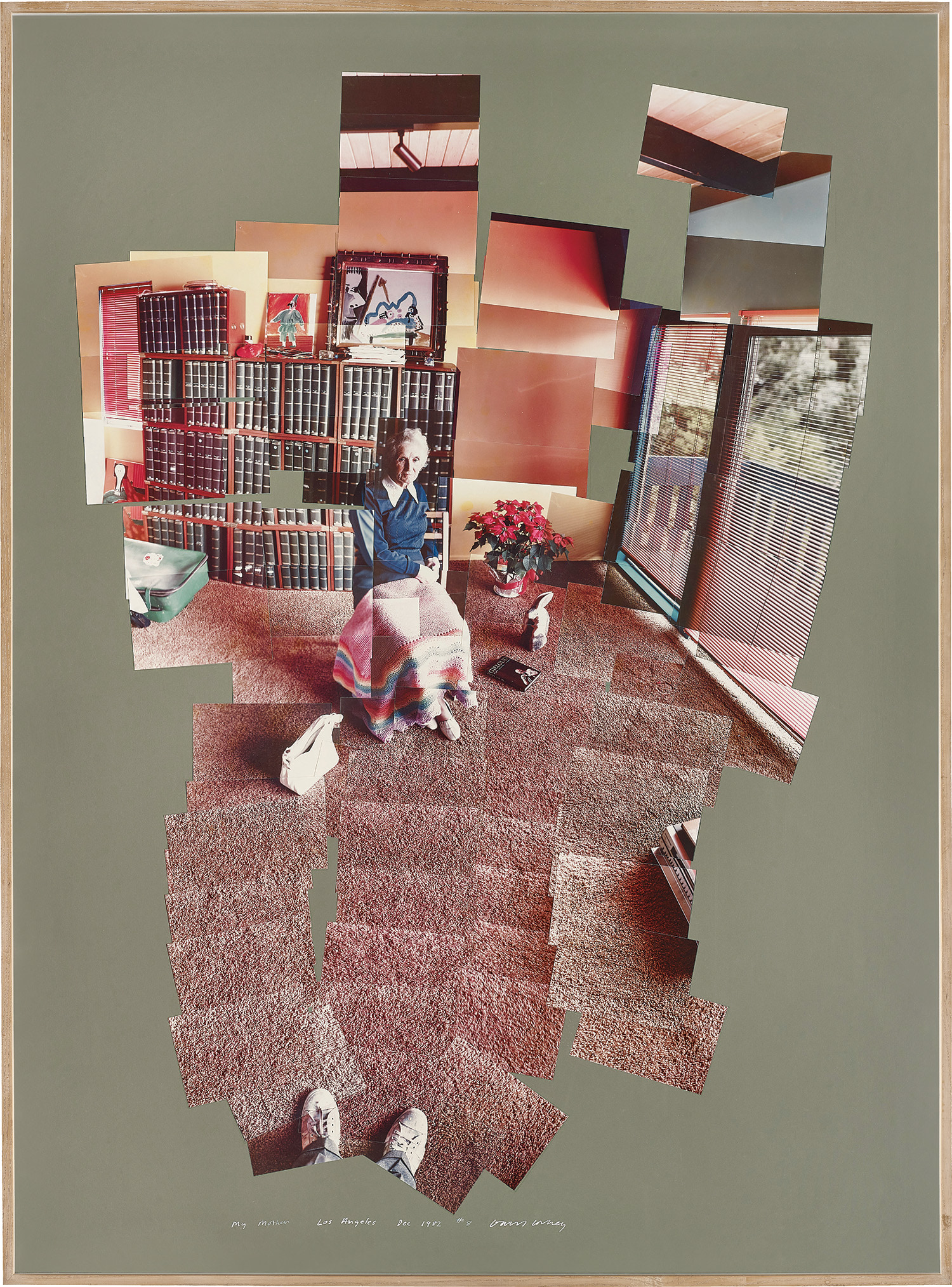
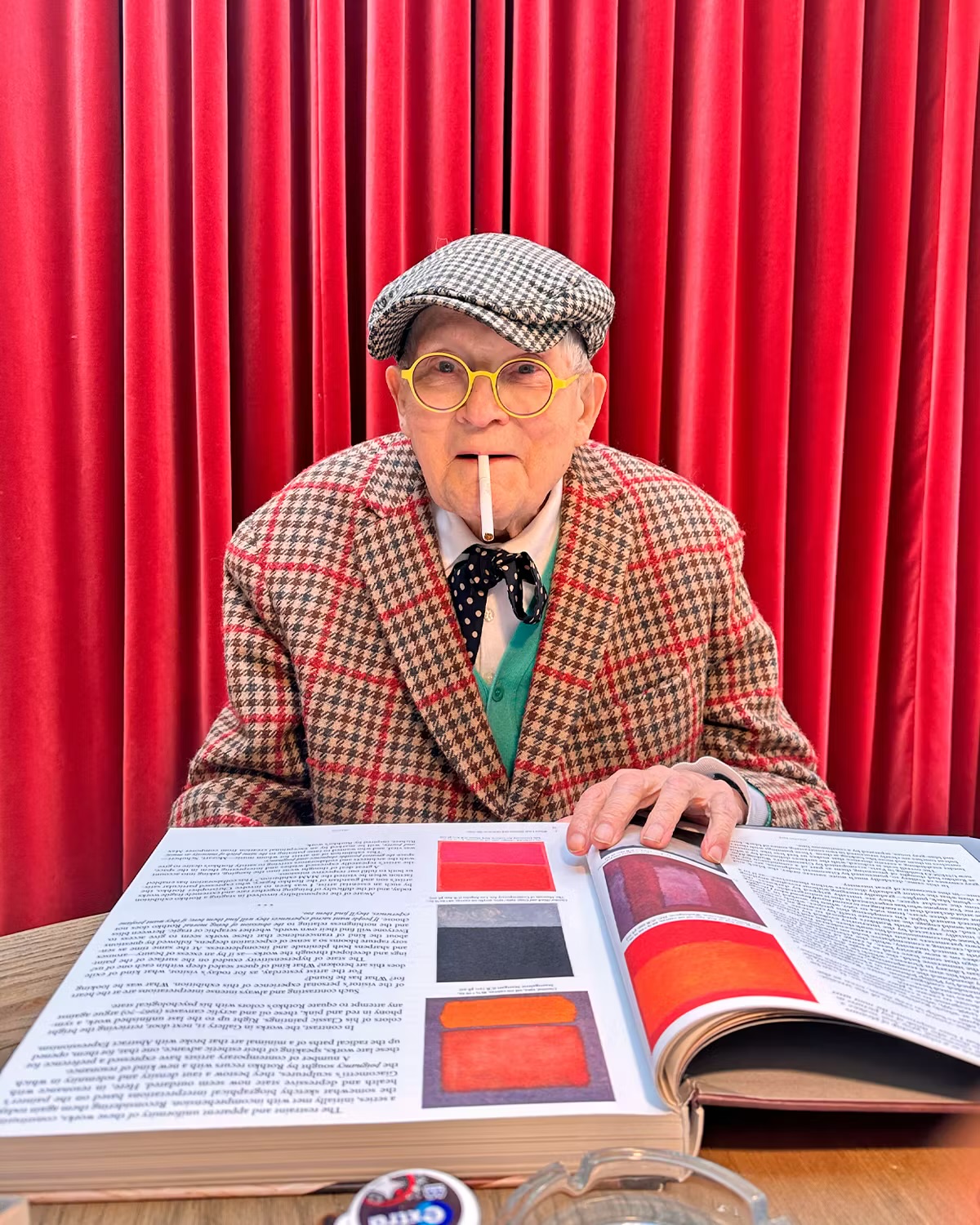
When David Hockney's photographic joiners began appearing at auction in the early 2010s, something unexpected happened. Rather than being treated as curiosities from a painter who dabbled in photography, they commanded serious attention and serious money. A composite Polaroid work from his celebrated Cameraworks series sold at Christie's for well over half a million dollars, signaling that the market had finally caught up with what critics had been arguing for decades: that Hockney's experiments with photographic collage were not a detour from his main practice but a radical investigation into how we actually see. The moment crystallized something larger about where the medium now sits in the collecting imagination.
Photographic collage occupies a strange and generative position in contemporary art. It belongs fully to neither photography nor to collage as a historical form, yet it draws on the conceptual energy of both. It is a medium defined by interruption, by the deliberate fracturing of the photographic promise of seamless reality. This is precisely why it has attracted artists with such varied ambitions, from the formally rigorous to the politically urgent, and why it continues to generate some of the most charged conversations happening in galleries and auction rooms right now.
Linder
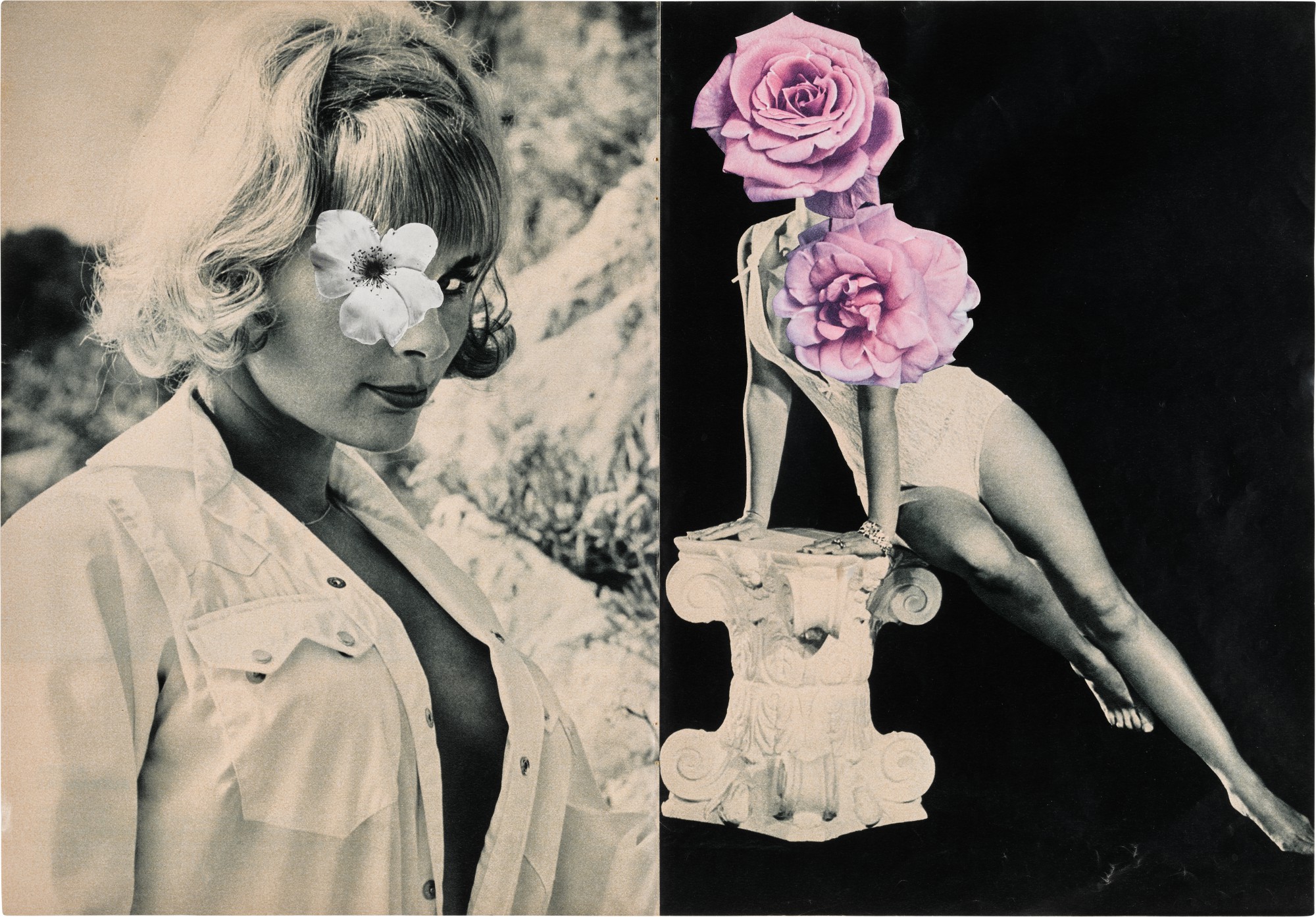
Frühlingsmorgen, 2008
The exhibition record over the past decade reflects this energy. The Museum of Modern Art's 2012 survey New Photography and subsequent iterations of that annual series consistently foregrounded artists working at the intersection of the photographic image and assemblage. The Tate Modern's landmark 2016 exhibition on Dadaism and its legacies brought renewed attention to the founding photomontage tradition, with Hannah Höch and Raoul Hausmann reasserting their influence on generations that followed. Closer to the present moment, institutions like the International Center of Photography in New York have mounted focused exhibitions on artists such as Linder, the British artist whose confrontational photomontages splice domestic imagery from women's magazines with industrial and erotic fragments.
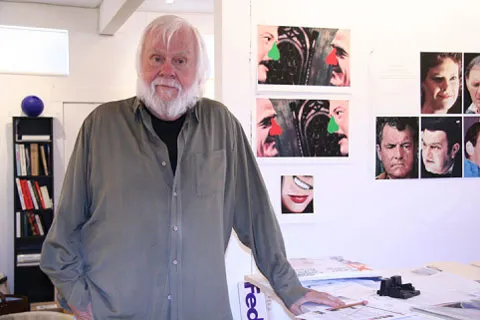
Her work, now held by the Tate and the Museum of Contemporary Art Los Angeles, has moved from cult status to canonical with notable speed. John Baldessari, whose work appears on The Collection, represents perhaps the most intellectually compelling lineage within American photographic collage. His practice of combining found photographic imagery with painted interventions, text, and cropping established a conceptual grammar that younger artists continue to speak. Baldessari's auction market has remained strong since his death in 2020, with major institutions accelerating their acquisitions of his work.
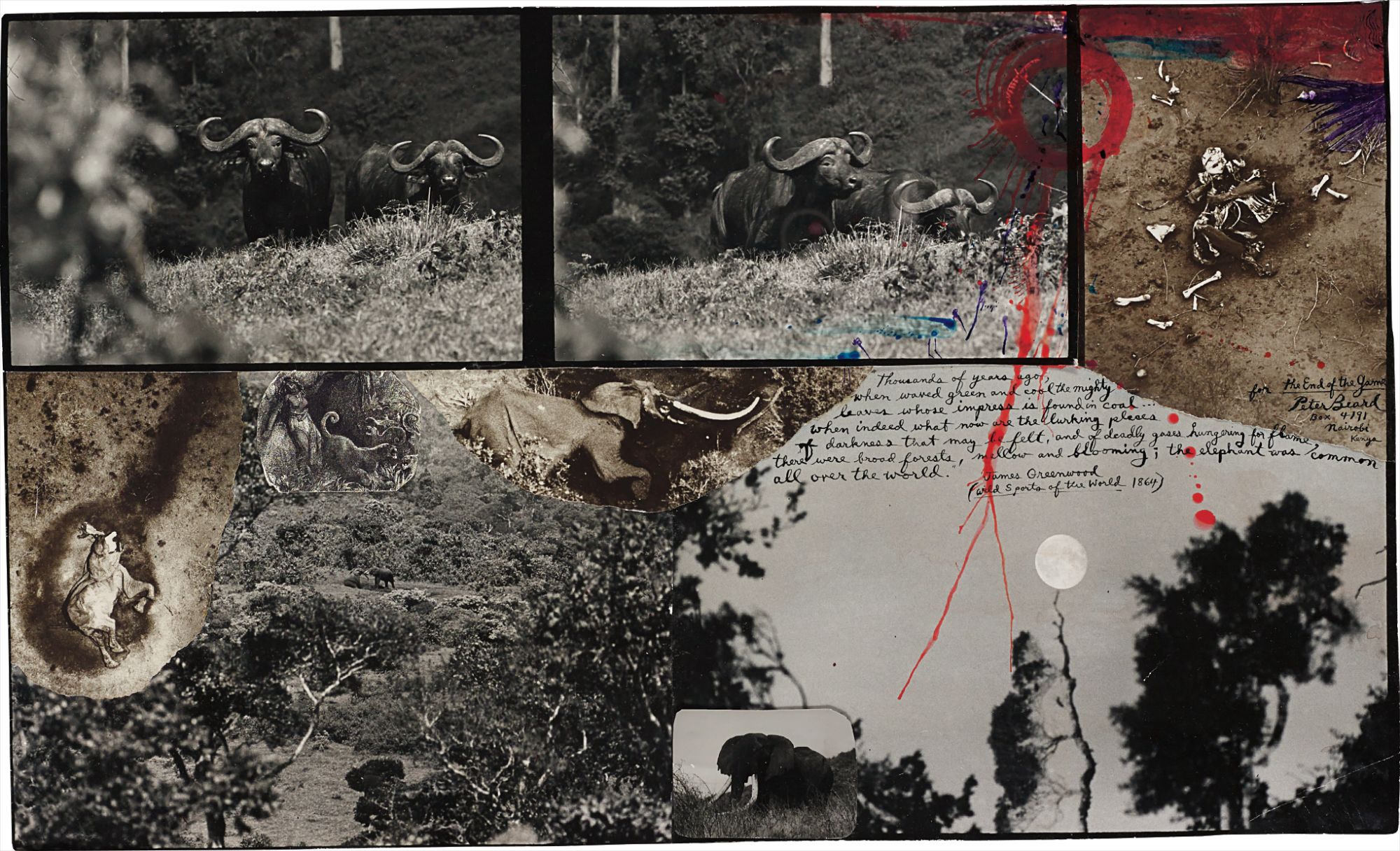
Peter Beard
Buffalos and Eles, Abedares
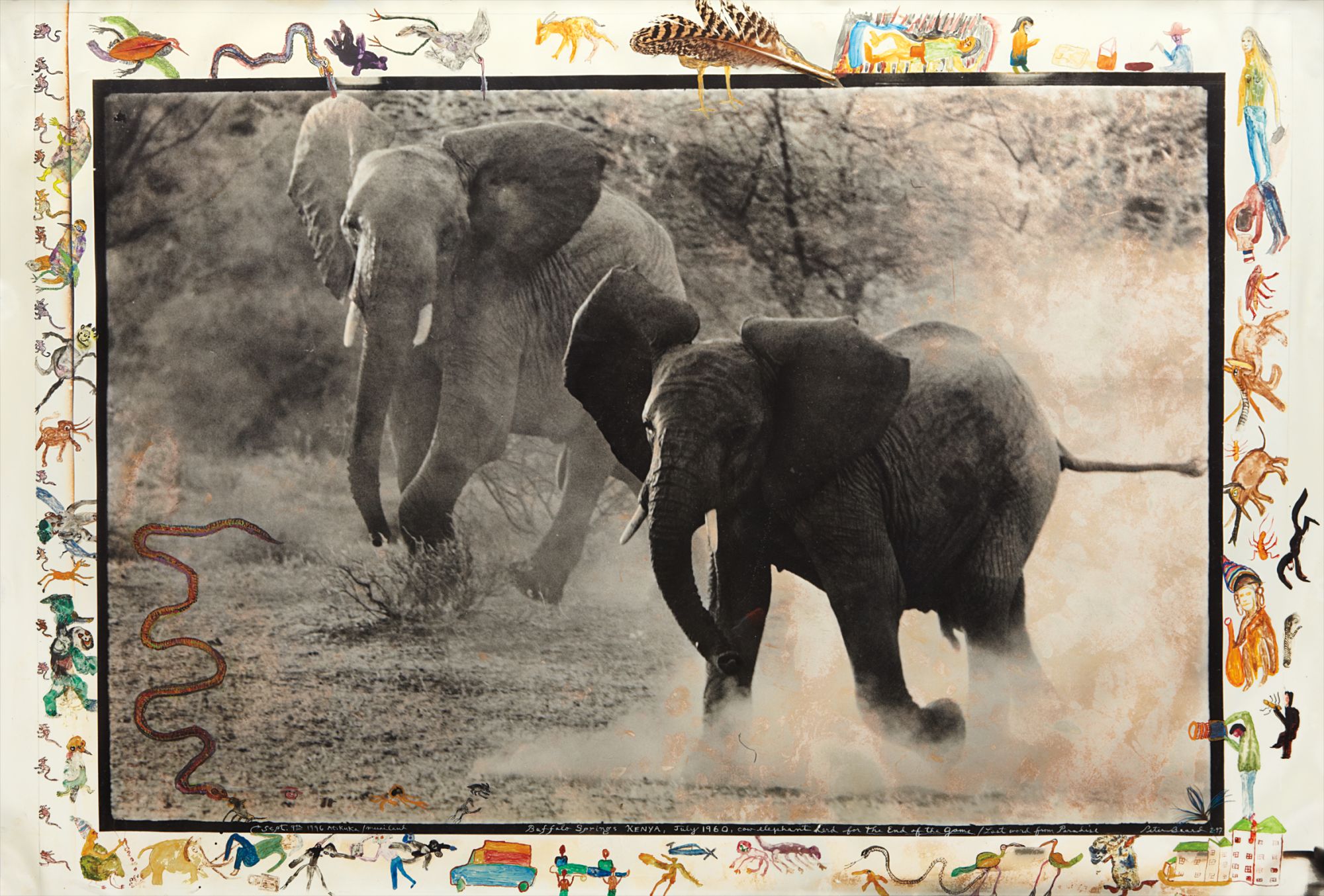
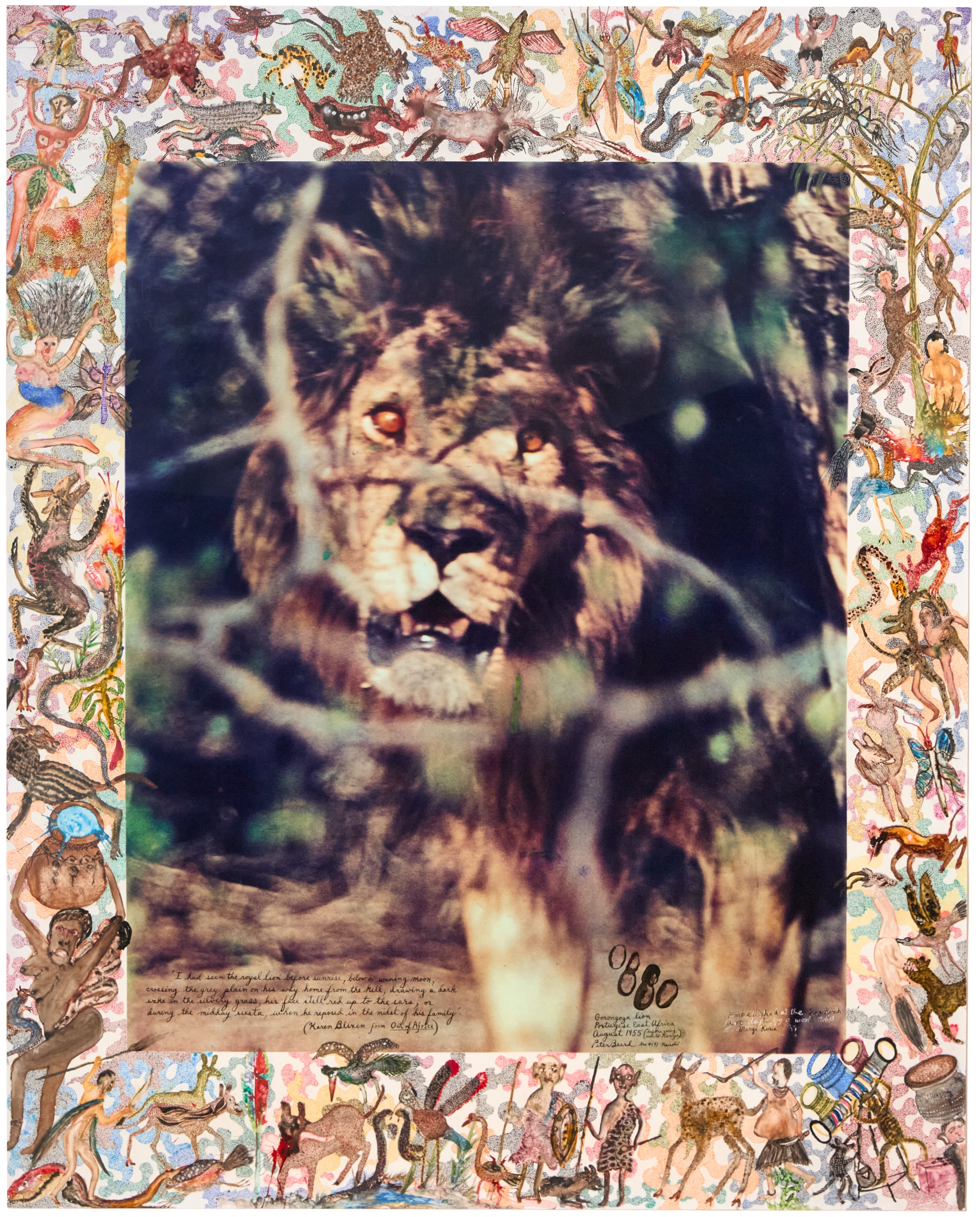
The Getty, LACMA, and the San Francisco Museum of Modern Art have all deepened their holdings, understanding that Baldessari is now a fixed point of reference for any serious account of postwar American art. His prices at auction reflect this: works that seemed expensive a decade ago now look like opportunities that passed too quickly. The market for Peter Beard occupies a different register entirely. His large format photographic diaries, which incorporate collaged photographs, handwritten text, pressed insects, and blood, sell on the basis of their irreproducibility and their biographical intensity.
Christie's and Sotheby's have both handled significant Beard works in recent years, with prices reflecting collector appetite for objects that feel genuinely singular. Beard belongs to a tradition of the artist as adventurer and archivist, and his work sits at a productive tension with more strictly formalist approaches to photographic collage. That tension is part of what makes the category so rich and so resistant to simple market categorization. What institutions are collecting in this space tells you a great deal about where cultural authority is moving.
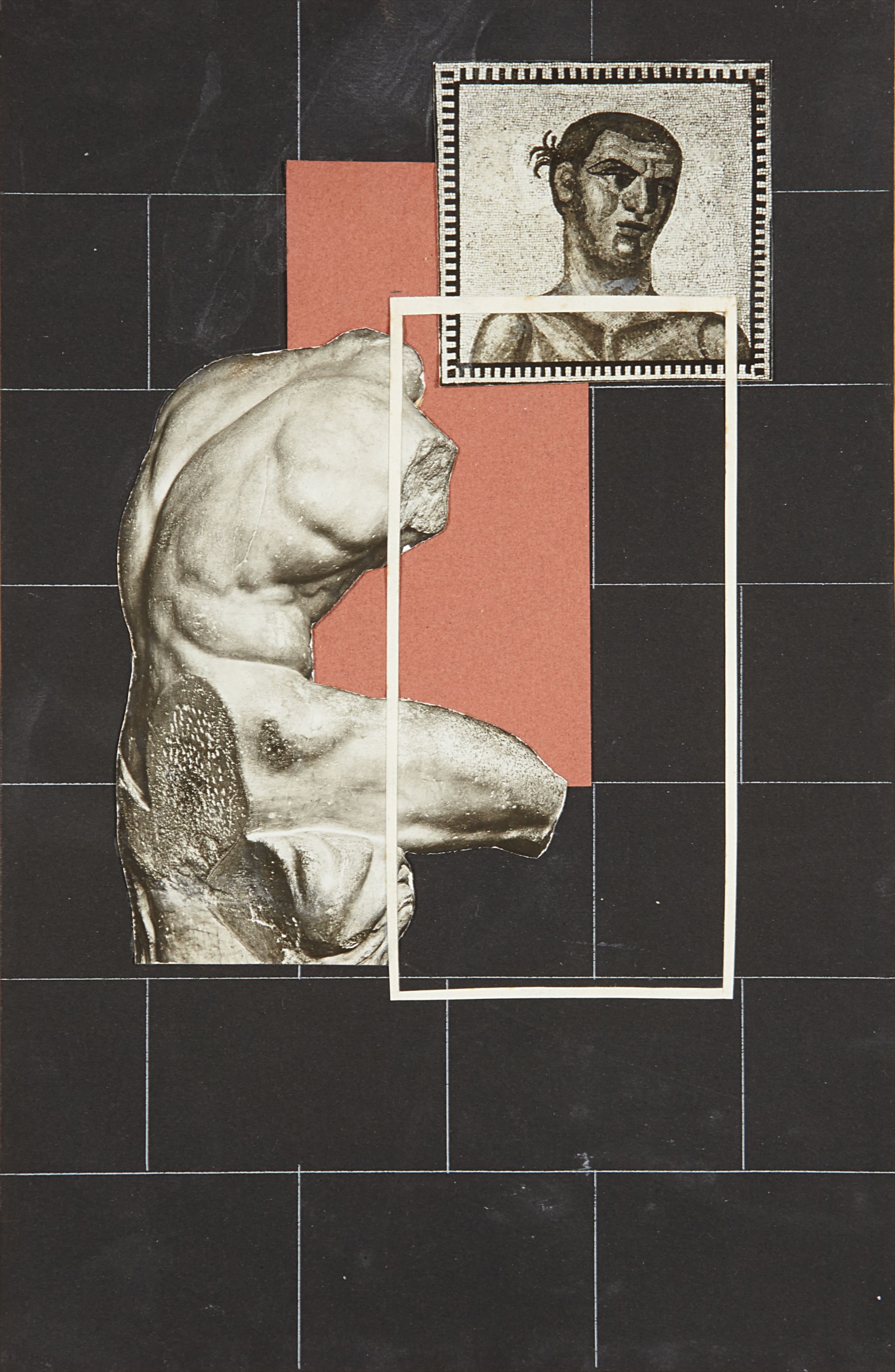
Vinicio Paladini
The Olympic Games
The Victoria and Albert Museum has been particularly active in acquiring photomontage works that bridge historical and contemporary practice. The Whitney Museum's sustained attention to artists like Sara Vanderbeek, whose works weave together art historical photographs, sculptural objects, and personal imagery, signals a recognition that photographic collage is doing some of the most serious thinking about memory and representation happening anywhere in contemporary art. Vanderbeek's quiet, meditative practice has attracted significant critical attention from writers at Artforum and October, and her institutional footprint is growing steadily. The critical conversation shaping this field draws on several overlapping traditions.
Scholars working in the wake of Rosalind Krauss and her influential writings on the photographic index have had to account for what happens when that index is deliberately fragmented and reassembled. Meanwhile, curators like Roxana Marcoci at MoMA have brought rigorous historical thinking to bear on how photomontage functions as political speech, drawing lines from Weimar Germany through 1970s feminist practice to the present. Publications like Aperture have devoted considerable space to this conversation, as have monographs on artists like Linder and Valerie Asiimwe Amani, whose work uses photographic collage to negotiate questions of postcolonial identity and representation with both formal elegance and conceptual seriousness. What feels genuinely alive right now is the intersection of photographic collage with questions of archival politics.
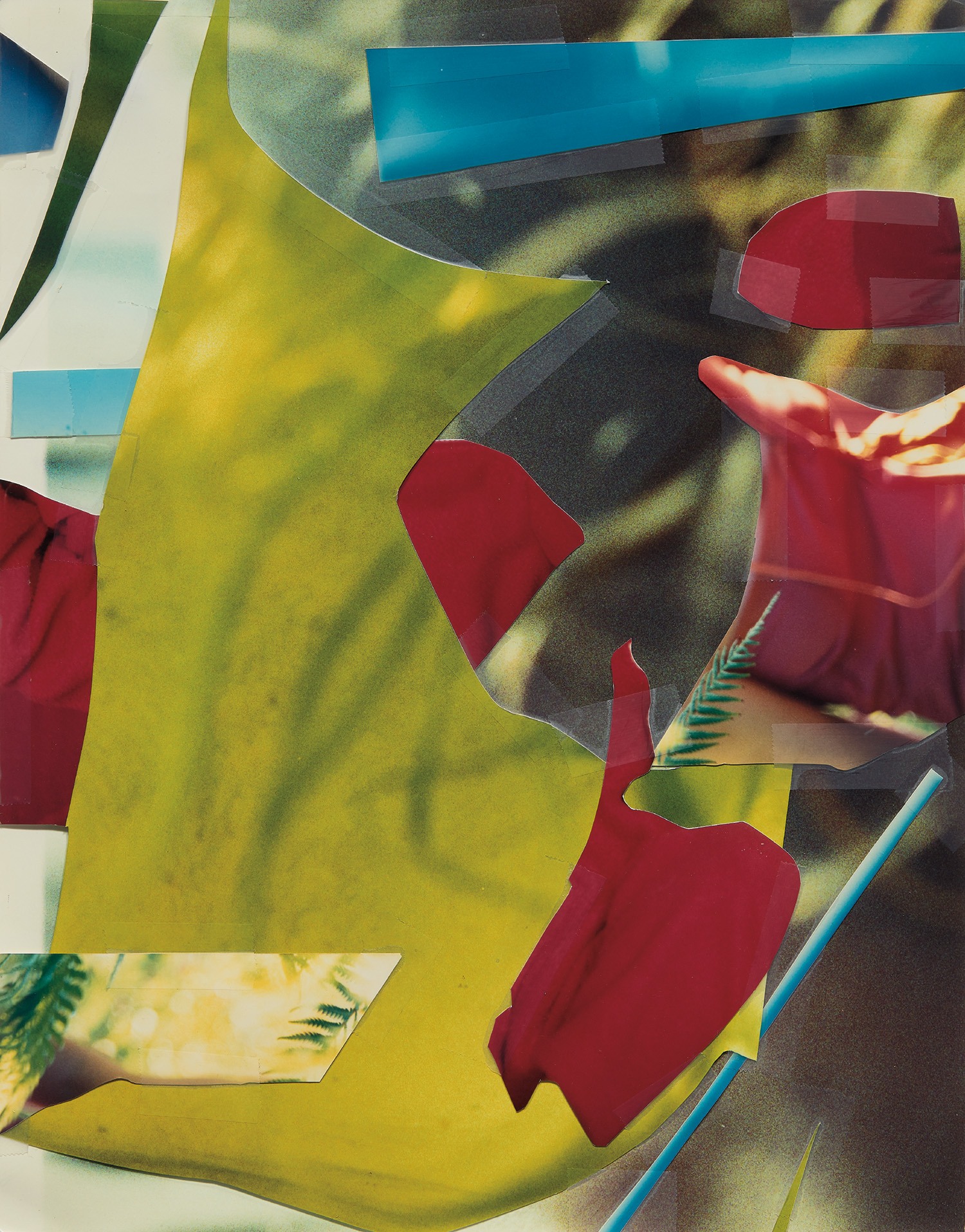
Jack Pierson
Jack Pierson
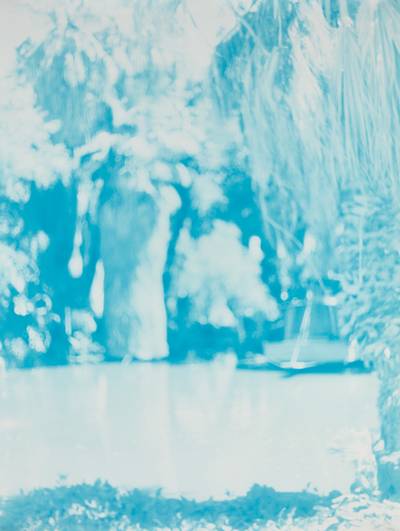
Who owns images, whose bodies appear in them, and who gets to reassemble them into new meanings: these are not abstract questions in 2024. Artists working across Africa, Latin America, and South and Southeast Asia are bringing urgent specificity to these concerns, and the market is beginning to notice, though institutions are often ahead of collectors in this regard. Jack Pierson's work, with its scarred and beautiful surface treatments of photographic material, points toward a more intimate and lyrical strand of the practice, one concerned with desire and loss rather than political critique, and this emotional directness gives it a different kind of staying power with private collectors. The artists well represented on The Collection reflect the full bandwidth of what photographic collage can do.
From Hockney's joyful epistemological experiments to the charged political imagery of Linder, from the conceptual rigor of Baldessari to the biographical intensity of Beard, what you see is a category that refuses to settle into a single meaning or a single market tier. That restlessness is exactly what makes it worth paying close attention to. The collectors who understood this early are sitting on works that have appreciated not just financially but culturally, and the work of understanding where the next chapter of that story goes is very much still in progress.