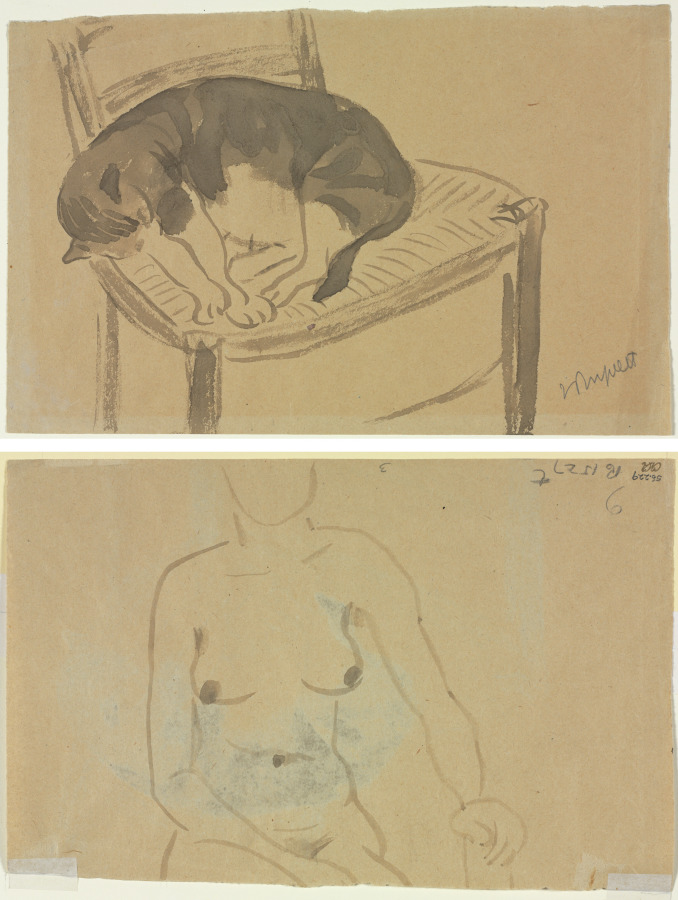
Photo-Realism
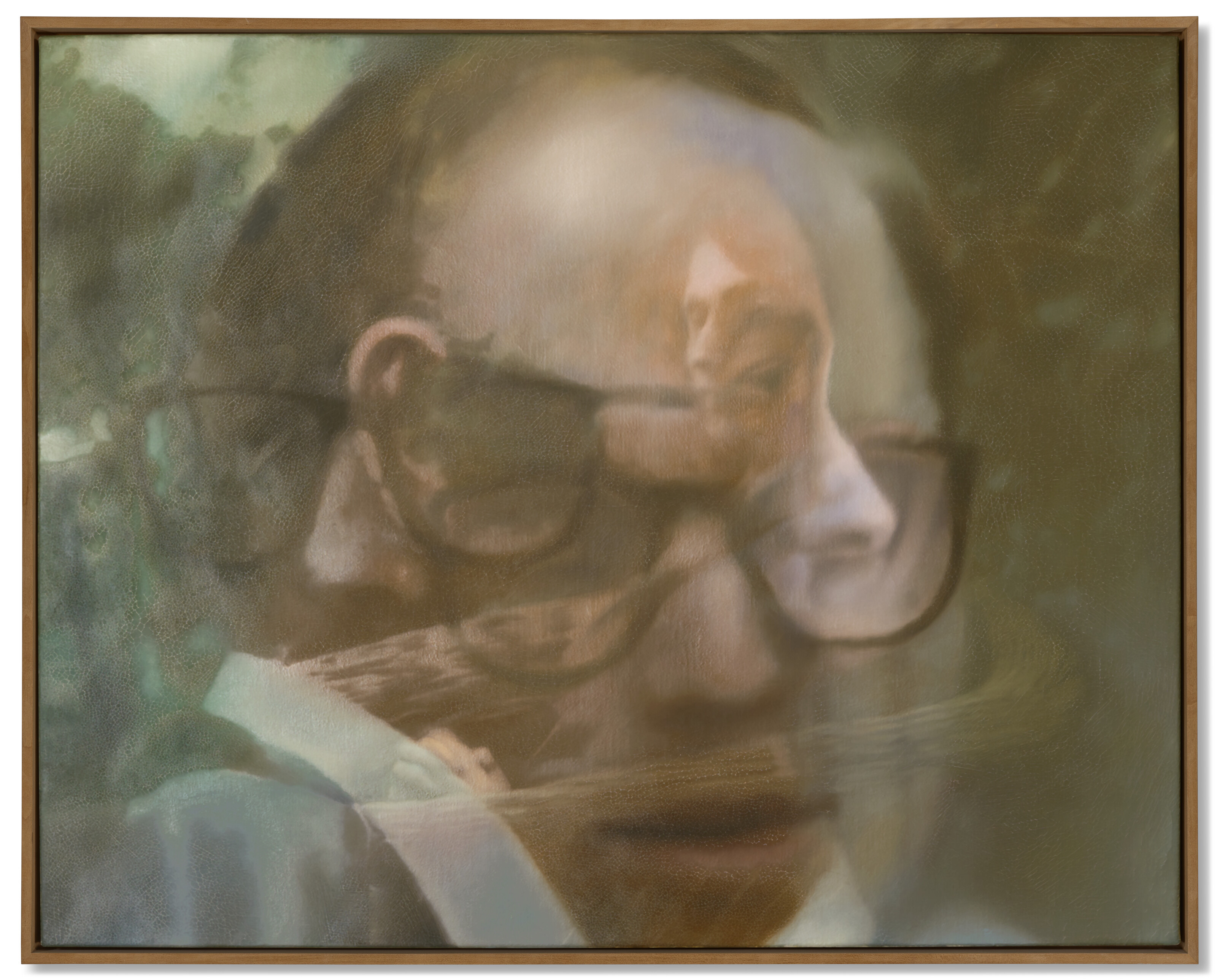
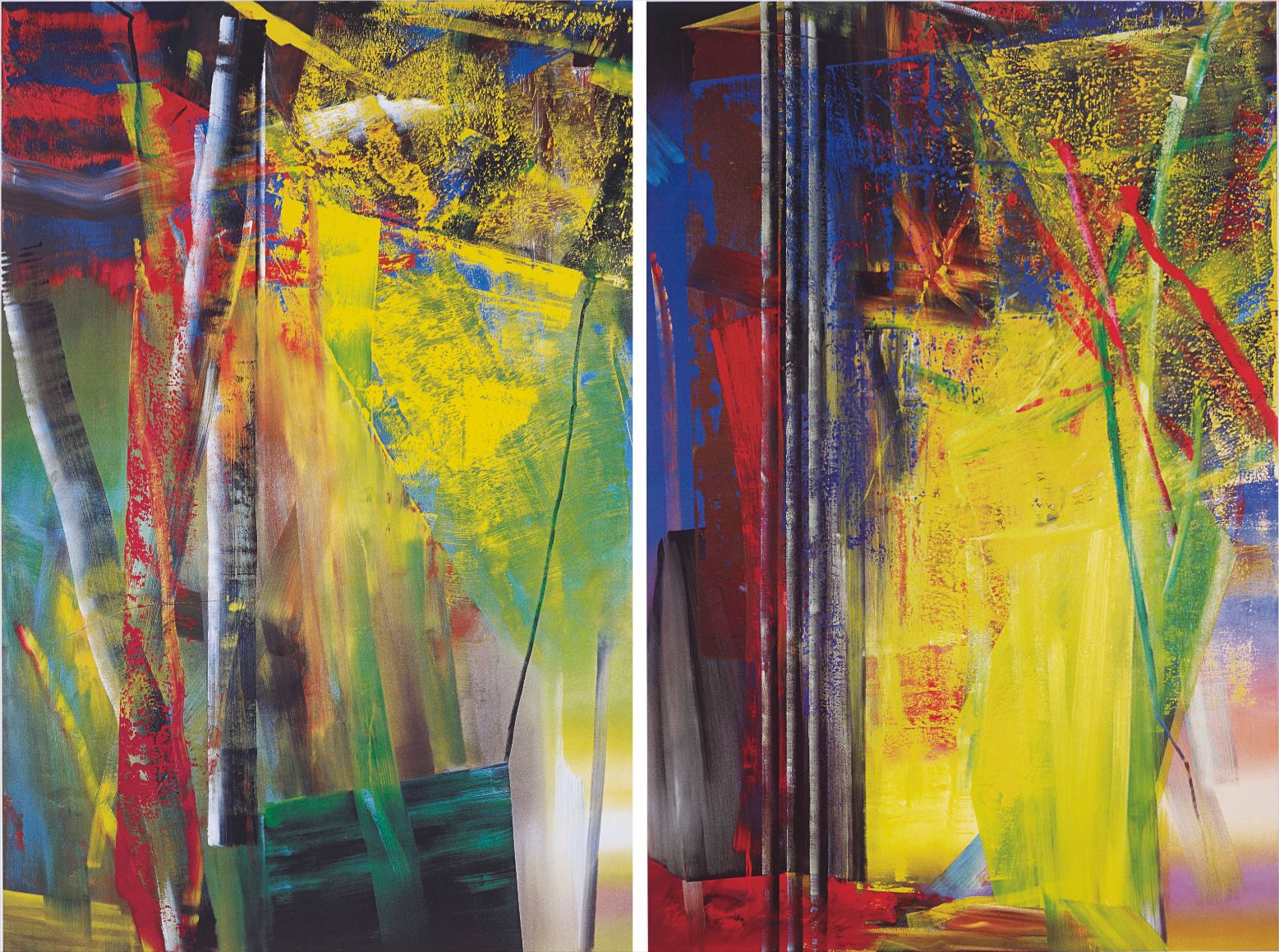
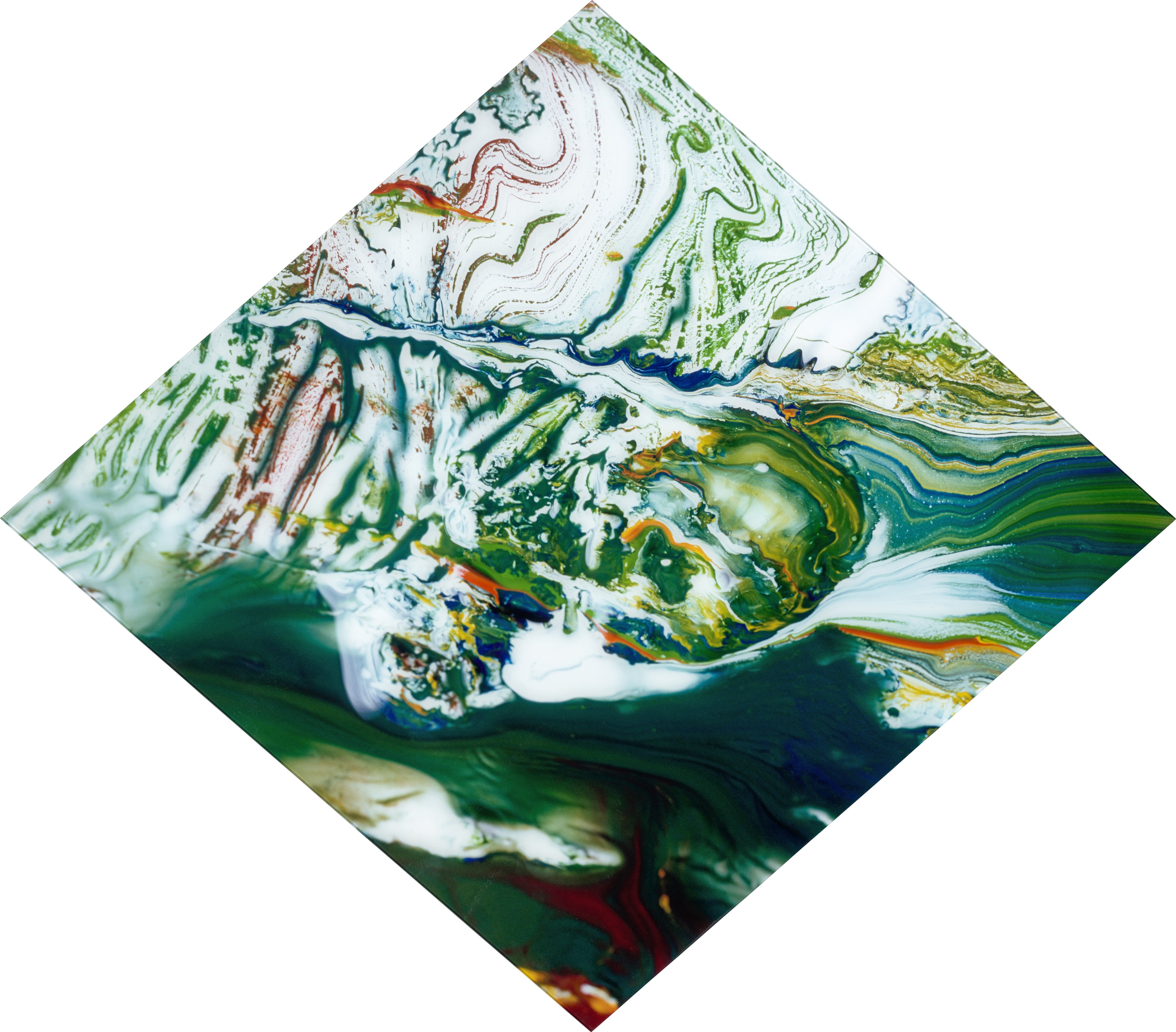
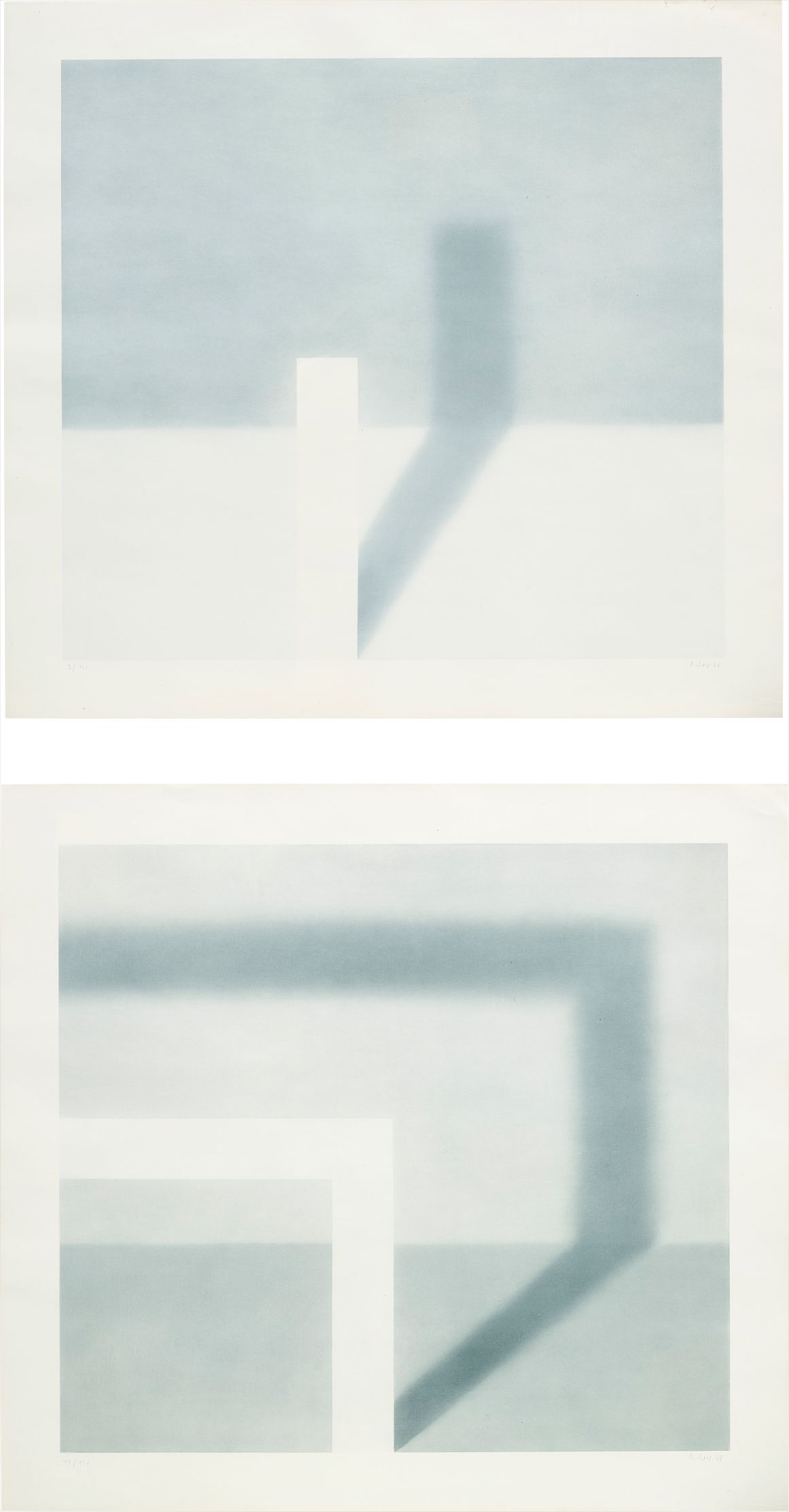
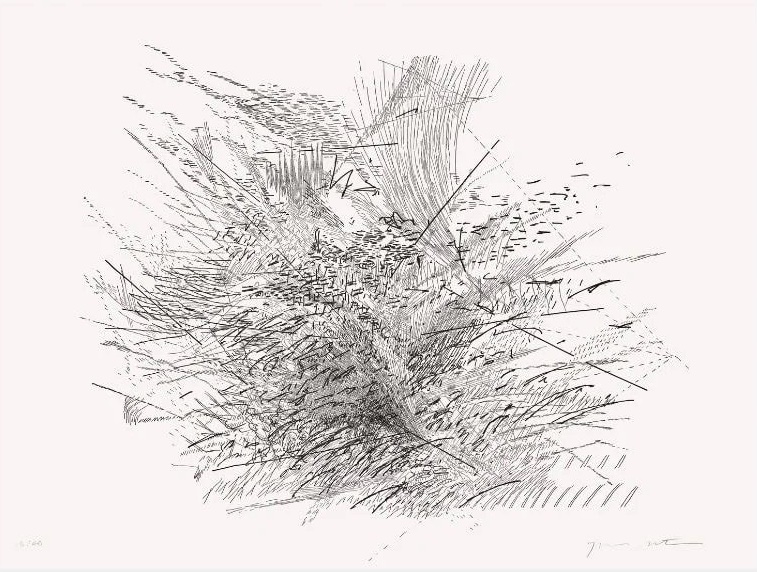
Gerhard Richter
Gilbert & George, 1975
The Real Illusion: Photorealism Reclaims Its Power
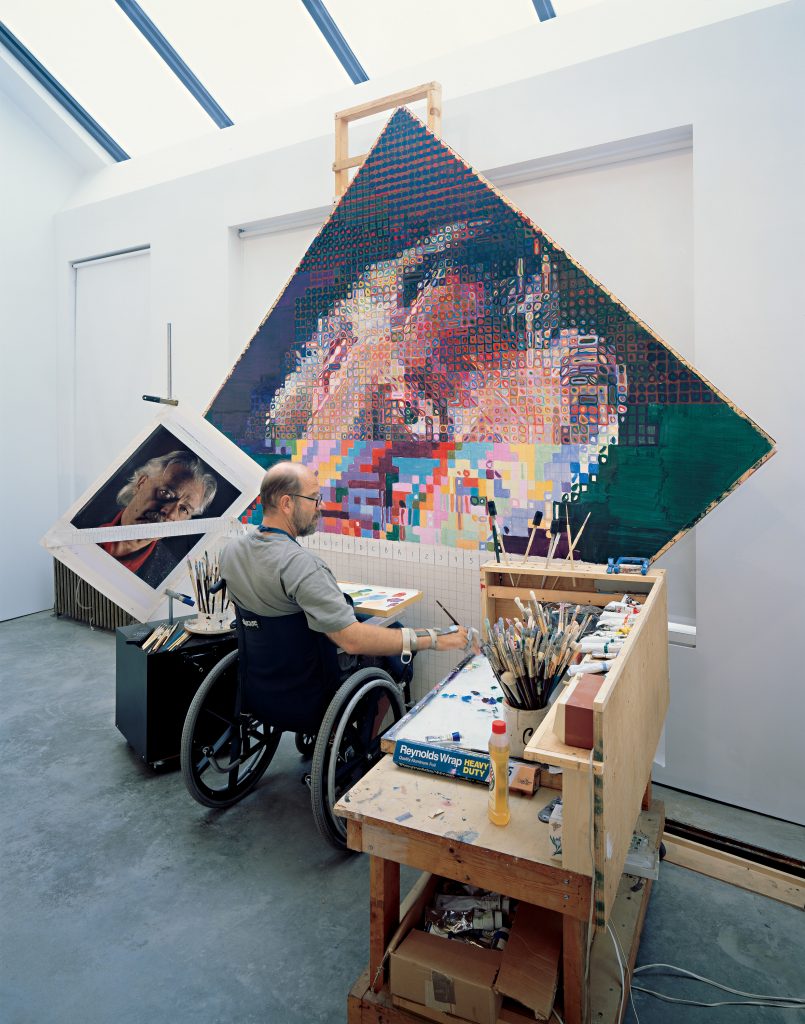
When a large scale Chuck Close self portrait sold at Christie's in the early 2020s for well above its estimate, it was easy to read the moment as simple nostalgia, collectors warming again to a movement that once felt definitively settled. But something more interesting was happening. The bidding reflected a genuine reassessment of what photorealism had always been about, not mimicry of the camera, but a profound and unsettling meditation on perception itself. That distinction matters enormously right now.
The critical rehabilitation of photorealism has been building for over a decade, and the pace has accelerated considerably. The movement that emerged in the late 1960s and found its commercial footing in the 1970s spent much of the following two decades regarded as technically impressive but intellectually thin, overshadowed by conceptualism and the theory driven art that dominated critical discourse. What has changed is the framework. Curators and writers are now approaching photorealism less as a reaction to abstraction and more as an early and serious engagement with questions about mediation, the photograph as a cultural object, and the act of looking itself.
Gerhard Richter
Gilbert & George, 1975
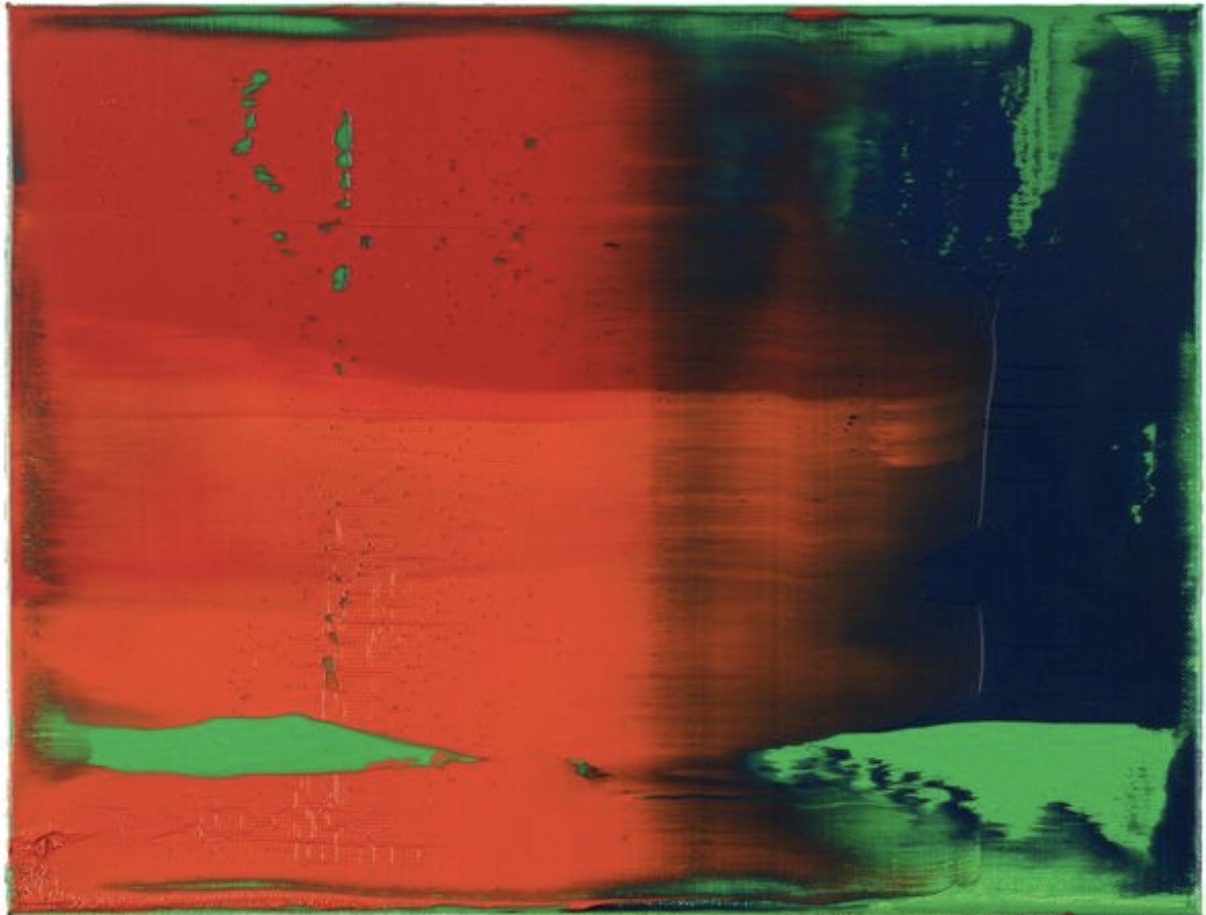
Those questions have never felt more urgent. Gerhard Richter sits at the center of this reassessment, and his presence on The Collection reflects exactly why serious collectors have been paying attention. His photo paintings, those famously blurred translations of found photographs into oil on canvas, occupy a unique position in the market and in art history simultaneously. A 2022 retrospective at the Neue Nationalgalerie in Berlin drew enormous attention and reinforced what auction results had already been suggesting for years: that Richter is among the most important artists of the twentieth century, full stop.
His works regularly achieve eight figures at auction, with several painting records set at Sotheby's and Christie's over the past decade. The blurred surfaces that once confused buyers now read as conceptually rich statements about memory, trauma, and the limits of representation. Chuck Close occupies a different but equally significant position. His enormous grid based portraits, built from thousands of individually painted cells, made visible the mechanical process behind the illusion.
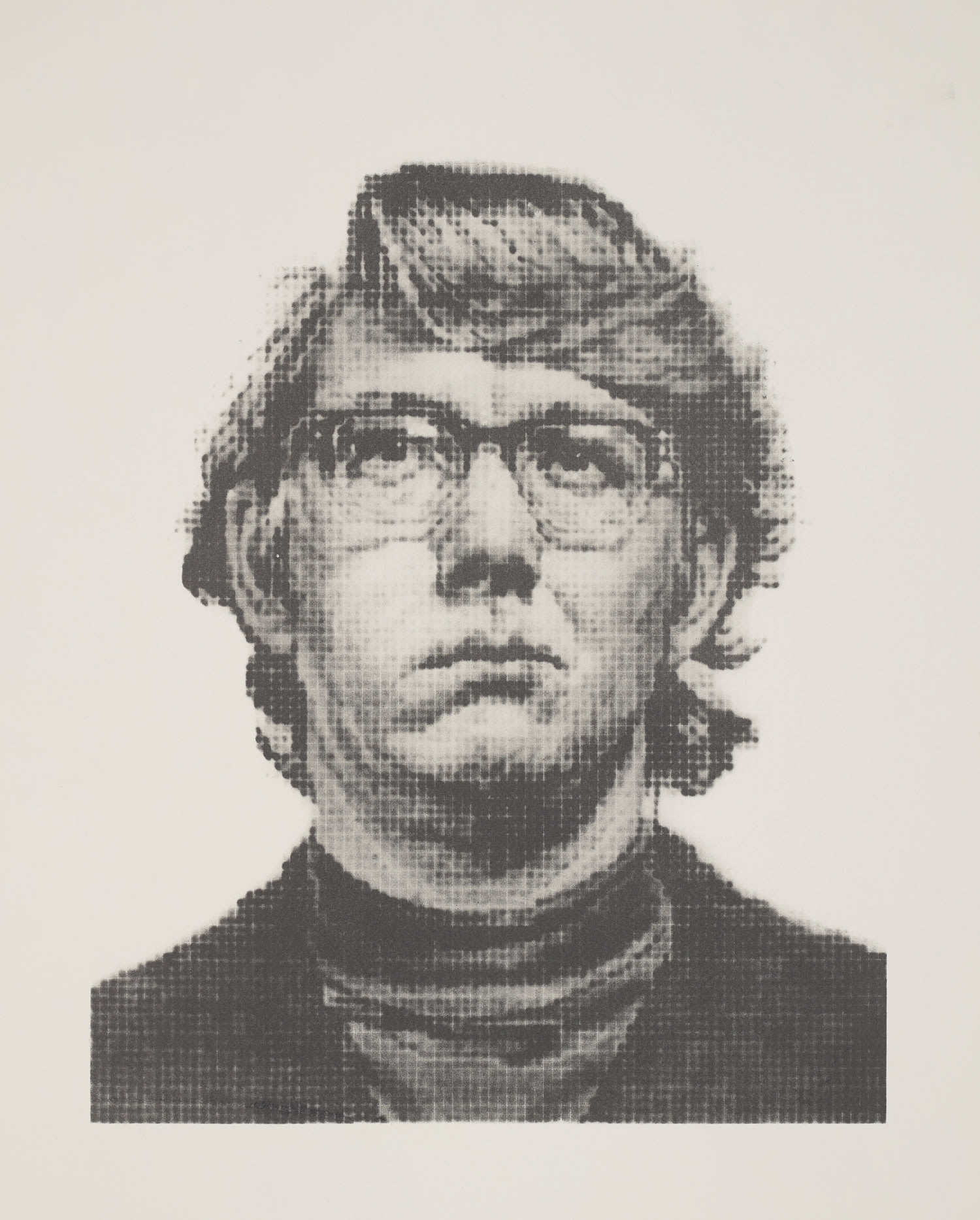
Chuck Close
Keith IV - State II
The Metropolitan Museum of Art held a major retrospective in 1998 that reframed his practice for a new generation, and his work has remained institutionally beloved ever since. MoMA holds significant examples, and the Walker Art Center in Minneapolis, which has long championed American photorealism, has kept his work in prominent rotation. At auction, Close consistently performs above estimate, with buyers recognizing that the labor intensity and conceptual rigor of his paintings place them beyond any simple category. The works on The Collection represent this duality well.
The institutional conversation around photorealism has been shaped by a handful of important exhibitions beyond individual retrospectives. The Smithsonian American Art Museum's sustained attention to the movement, particularly its holdings of work by artists like Richard Estes and Robert Bechtle, established a serious museological framework. More recently, shows at the Fondation Louis Vuitton and various German institutions have placed photorealism in dialogue with digital image culture in ways that feel genuinely fresh. The argument being made is subtle but persuasive: photorealism anticipated our current image saturation in ways that only become legible in retrospect.
Critically, writers like Peter Schjeldahl brought a humanist lens to photorealism that cut through earlier dismissals. His writing in The New Yorker consistently acknowledged the emotional weight of Close's portraits in particular, resisting the tendency to reduce them to demonstrations of technique. Roberta Smith at the same publication has written with similar nuance about Richter, as has Isabelle Graw, whose market oriented criticism has helped collectors understand why certain photorealist works retain and build value over time. The journal October, not always friendly to representational painting, has published important reconsiderations.
The critical establishment has largely come around. The market signals from the past several years are worth reading carefully. Richter's auction results remain the most dramatic, but the broader photorealist market has shown consistent strength at the secondary level. Works that were considered purely decorative thirty years ago are now being reconsidered and repriced accordingly.
Collectors who built serious positions in photorealism during its critical low period have been rewarded. What the top results reveal is that the market distinguishes sharply between photorealist work that asks genuine questions and work that merely demonstrates skill. The former performs; the latter plateaus. Where is the energy heading?
Several directions feel genuinely alive. Younger painters working with photorealist vocabularies are engaging explicitly with digital imaging, social media aesthetics, and the distortions of screen culture in ways that make direct visual dialogue with Close and Richter. Artists like Zaria Forman, while working in a slightly different register, are showing how the language of extreme realism can carry serious ecological and emotional weight. Museums in Asia, particularly in China and South Korea, have been acquiring photorealist work with notable ambition, expanding the collector base and introducing new critical perspectives.
That geographic shift in institutional attention often precedes significant market movement. What feels settled is the defensive crouch photorealism once occupied. No serious curator needs to justify showing this work anymore. What remains genuinely surprising is how contemporary the foundational works feel.
Standing in front of a Richter photo painting or a Close grid portrait in 2024, the experience is not of looking at history. It is of looking at something that understood our current condition before we did. For collectors with a long view, that quality is precisely what makes the category worth continued and serious attention.