Peruvian Artist
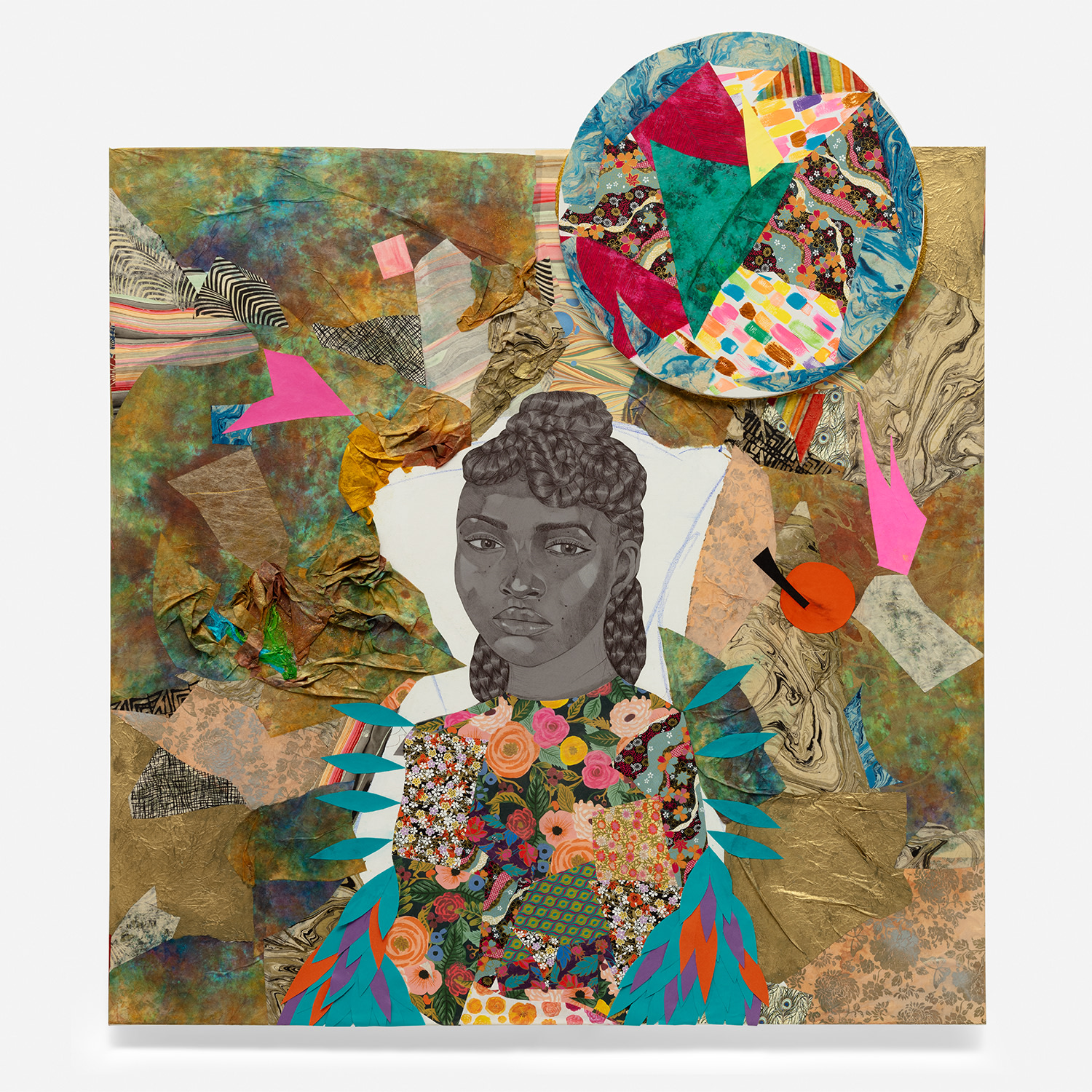
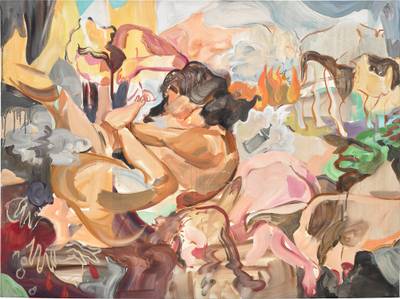
Wynnie Mynerva
Story of Revenge 2, 2021
Peru's Art Scene Is Overdue Its Moment
There is something unusually intimate about living with Peruvian art. Whether it is the weight of pre Columbian visual language pressing through a canvas or the charged psychological atmosphere of a contemporary work, pieces made in or shaped by Peru tend to ask something of the viewer. They do not perform. They insist.
For collectors who have grown weary of art that announces itself loudly and says very little, this tradition offers a genuinely different proposition. The draw begins, as it often does in serious collecting, with a sense of depth. Peru carries within it one of the most layered visual cultures on earth, stretching from the refined geometric abstraction of ancient Nasca textile and ceramic traditions through to the charged gestural painting that emerged in Lima during the mid twentieth century. Collectors are not simply acquiring individual objects.
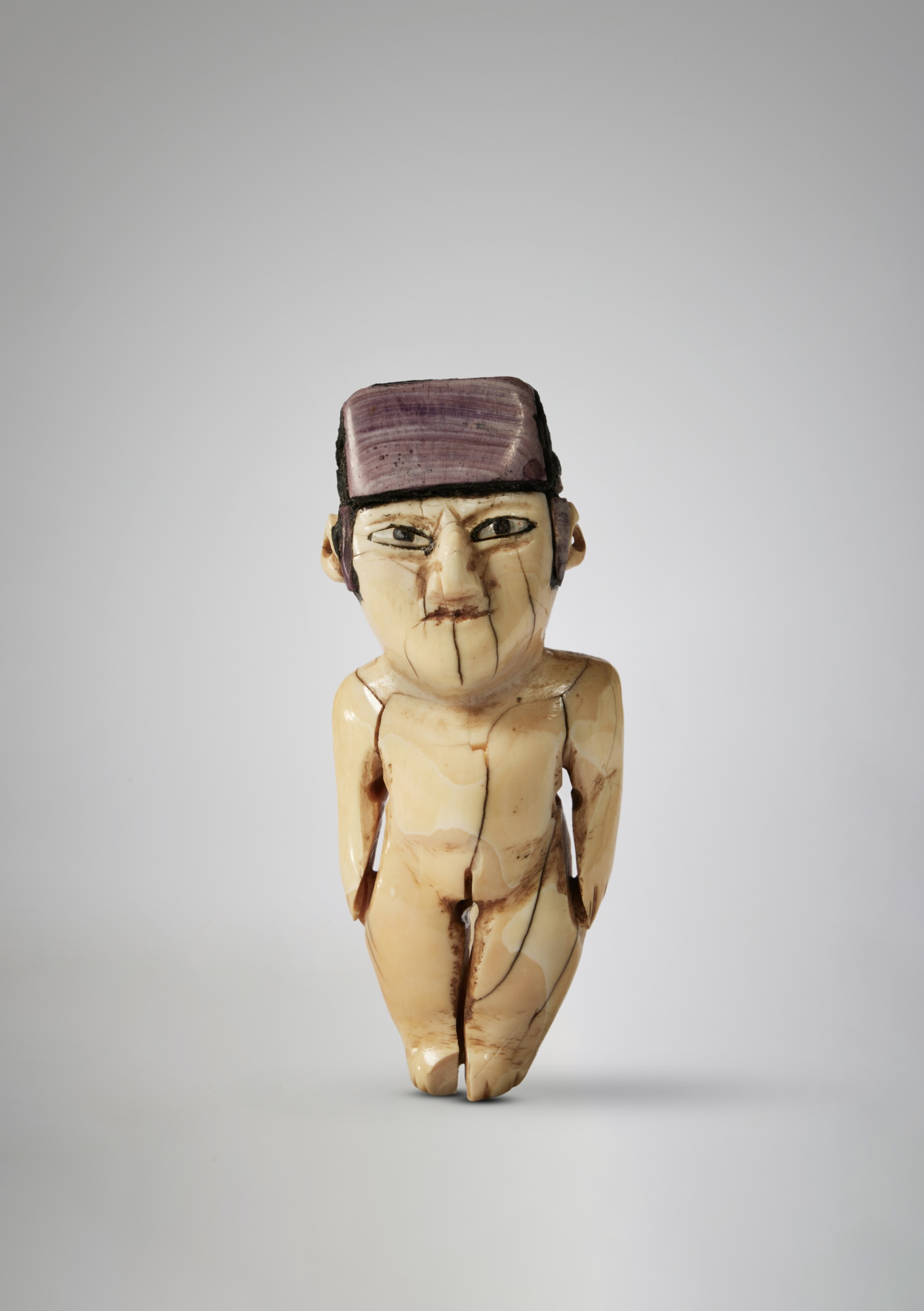
Nasca Inlaid Ivory
Nasca Inlaid Ivory and Shell Figure
They are entering a conversation that has been running for millennia, and the best Peruvian works make that conversation audible without being didactic about it. That combination of formal sophistication and cultural density is precisely what rewards long term living with a work. When thinking about what separates a good work from a great one in this space, the question of dialogue becomes central. A great Peruvian work tends to hold its ground in two directions at once: it speaks fluently to international art historical movements while remaining unmistakably rooted in its own geographic and cultural moment.
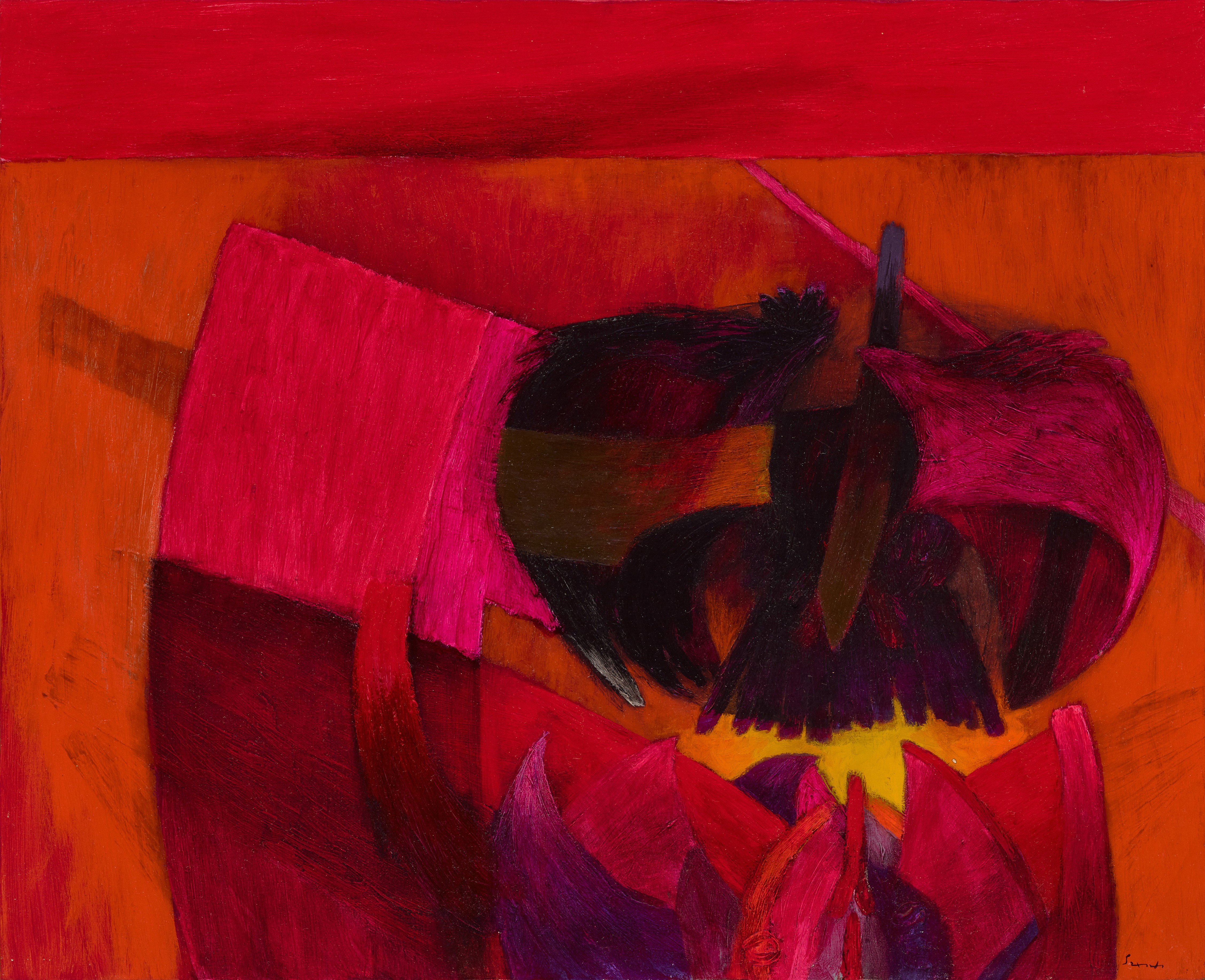
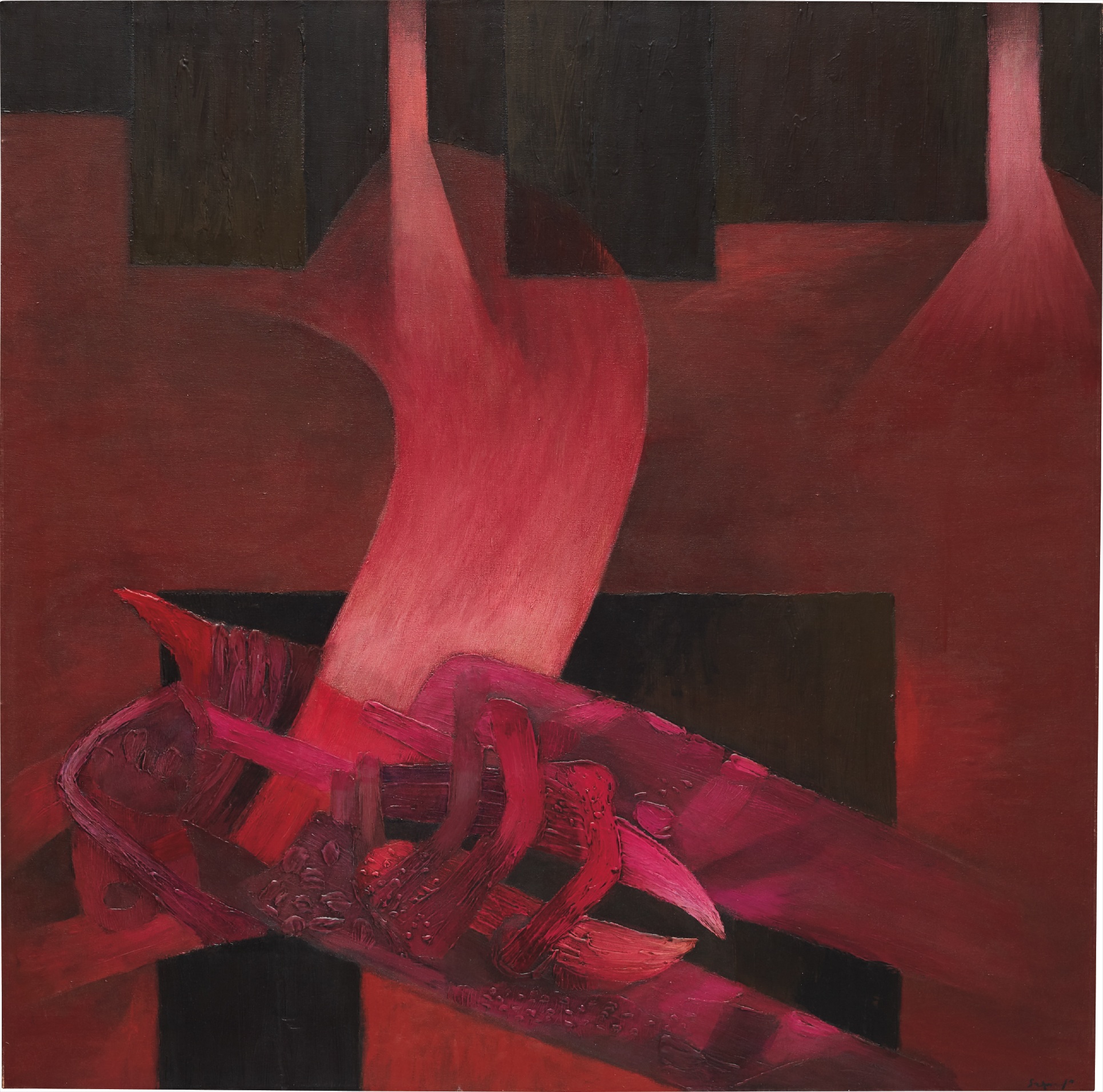
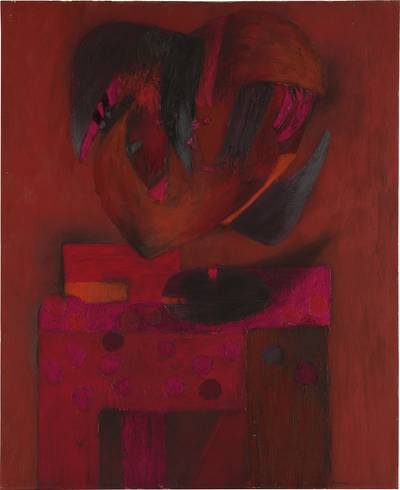
Fernando de Szyszlo, one of the undisputed pillars of Latin American modernism, achieved this throughout his long career. His paintings absorb the influence of Abstract Expressionism and translate it through pre Columbian Andean color and myth, arriving somewhere that could not have come from anywhere else. Collectors should look for works in which that dialogue feels earned rather than decorative, where the tension between sources generates genuine pictorial energy rather than simply surface interest. Jorge Eielson presents a different but equally compelling case.
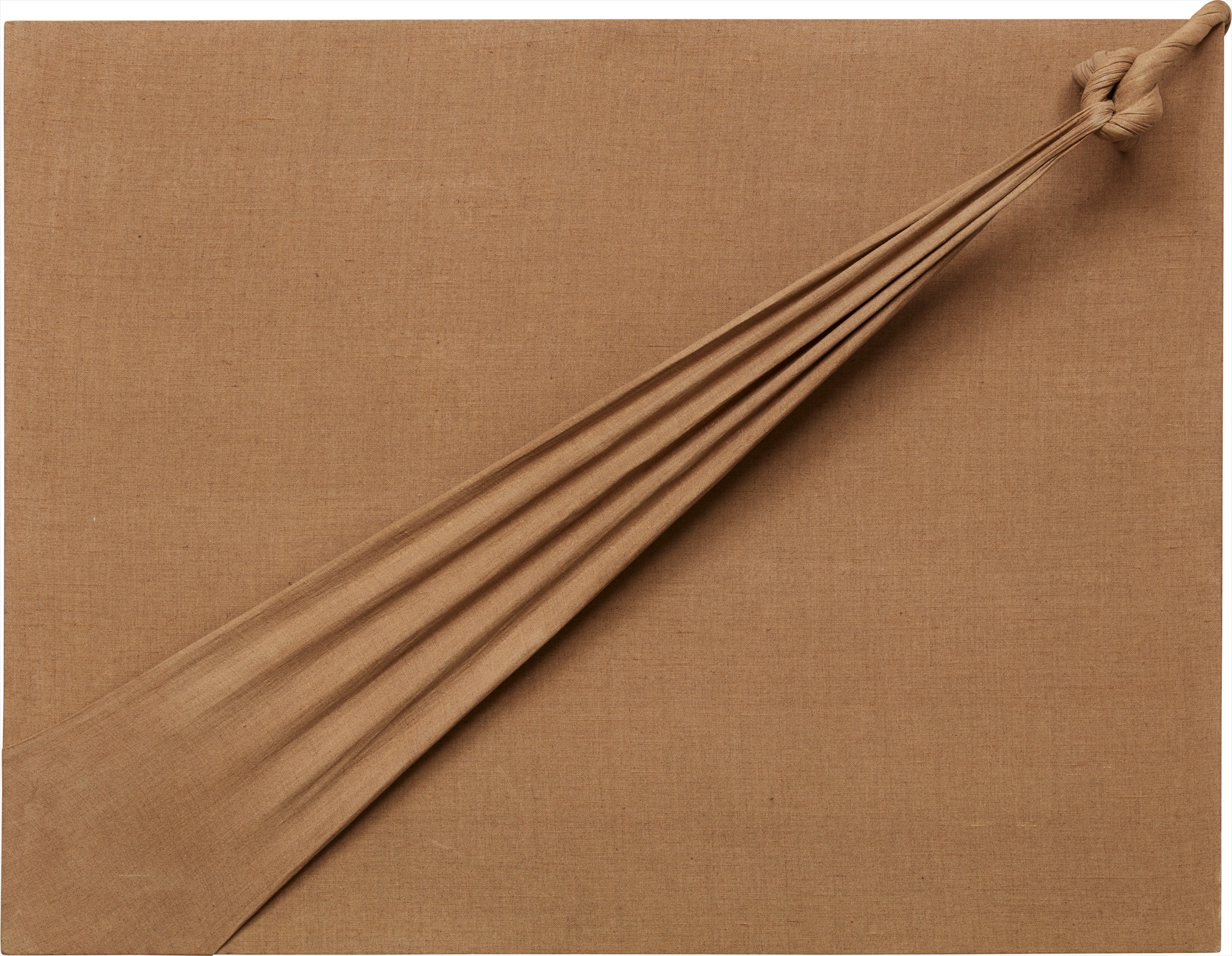
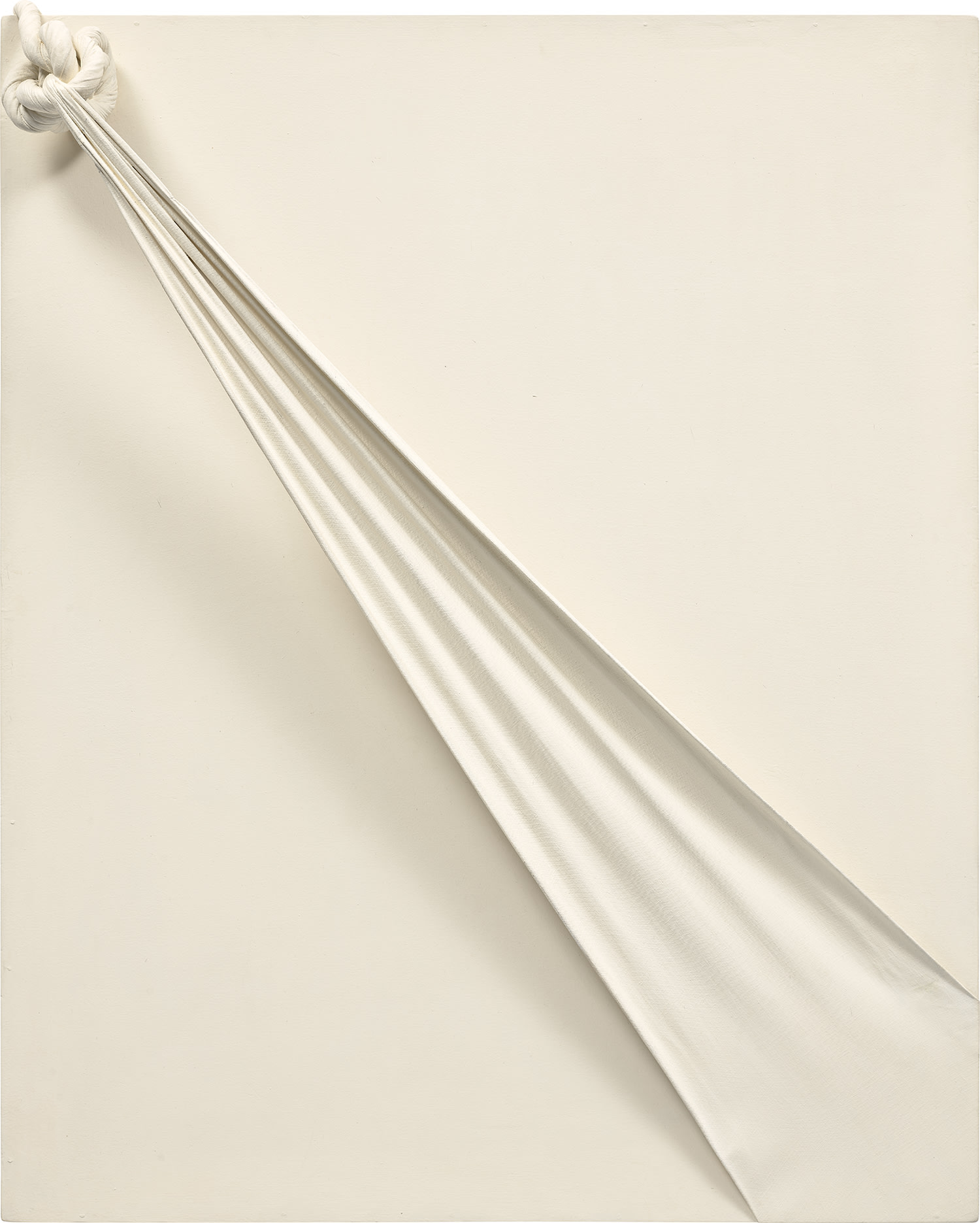
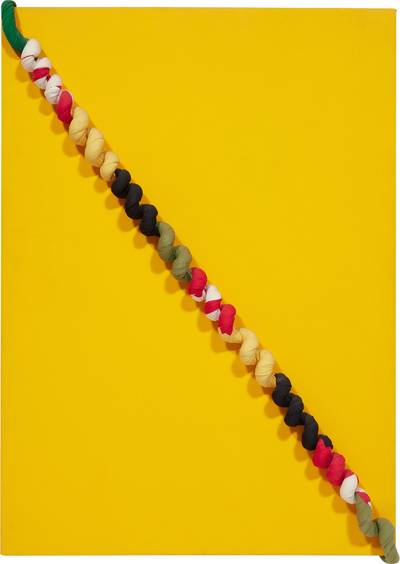
Jorge Eielson
Quipus 31TL-1, 1966
Better known internationally as a poet, Eielson developed a visual practice centered on knotted cloth and textile based abstraction that was decades ahead of its moment. His quipus series drew directly from the ancient Andean recording system using knotted strings, yet the resulting works sit with complete ease in conversations about Arte Povera and conceptual practice. For a collector, Eielson represents the kind of rigorous intellectual position that tends to appreciate not just financially but in terms of art historical standing. Works by artists who anticipated major movements rather than following them have a particular staying power in both institutional and private contexts.
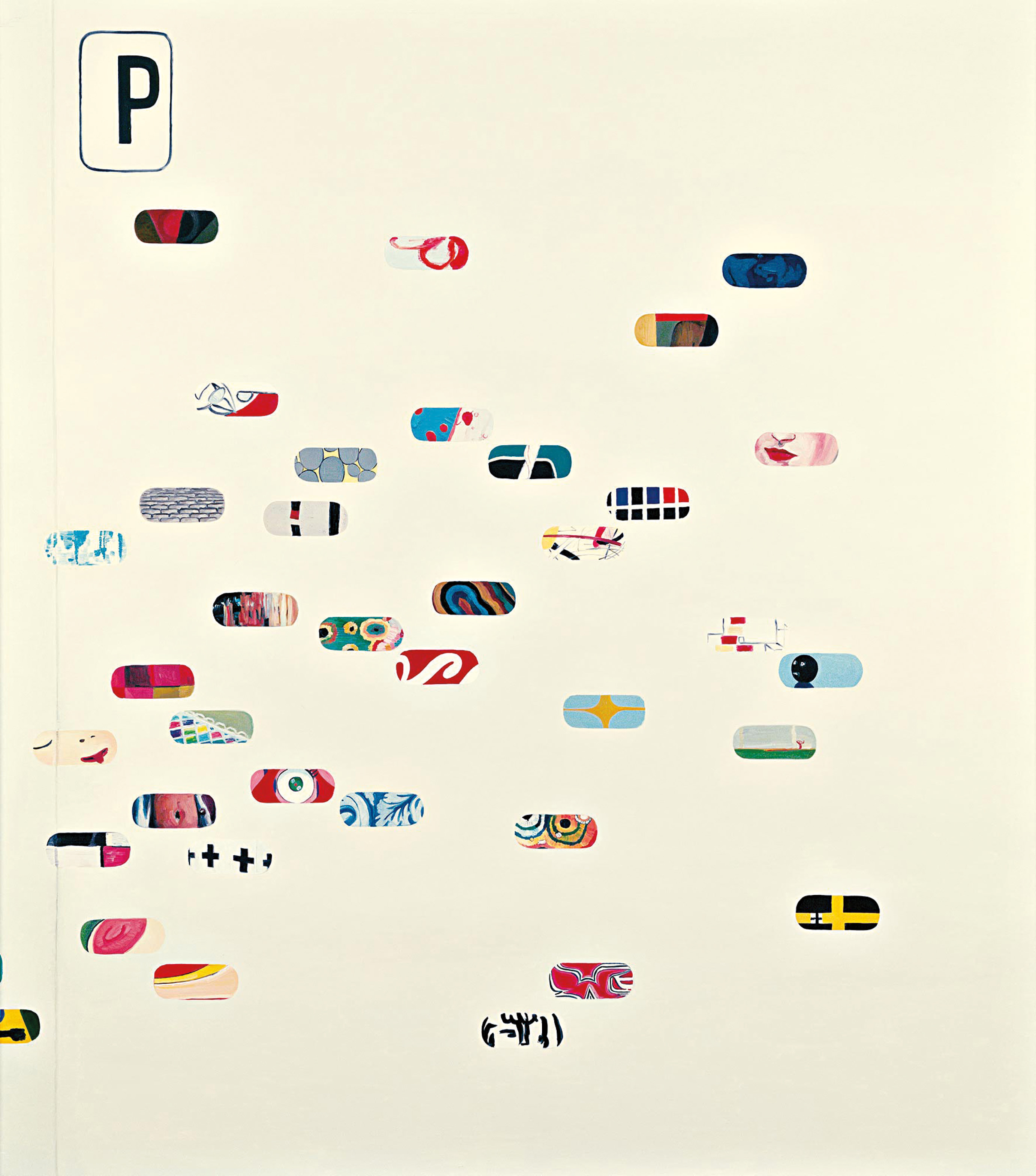
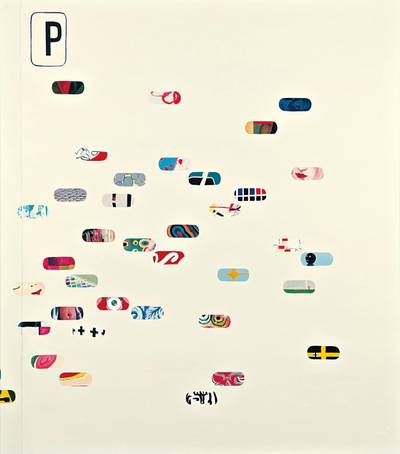
For collectors looking at where the most interesting energy is concentrated right now, Wynnie Mynerva demands serious attention. Working across painting, performance, and installation, Mynerva has built a practice that interrogates the body, desire, and power with a directness that is both formally accomplished and culturally specific to Peru's contemporary social landscape. Her work has been shown at the Venice Biennale and has attracted significant international curatorial interest, yet her market remains at a stage where thoughtful collectors can still build a meaningful position. Sandra Gamarra, who works through the conceit of a fictional museum to interrogate issues of colonial representation and institutional power, is another artist whose conceptual framework is unusually coherent and whose international profile has grown steadily.
Wynnie Mynerva
Story of Revenge 2, 2021
Both artists represent a generation whose work will increasingly be sought by major institutions. The secondary market for Peruvian art outside of Latin America has historically been thin, which is both a caution and an opportunity. De Szyszlo works appear periodically at Latin American art sales at the major houses, and prices have been relatively stable, supported by serious institutional collecting in Peru and increasing interest from US and European collections. Eielson's work has moved through auction less frequently, which makes gallery and private sale the more reliable route.
The relative scarcity of secondary market material can work in a collector's favor if they are buying through galleries with strong primary relationships, but it also means that liquidity is not guaranteed in the short term. Peruvian art rewards a collecting horizon measured in decades rather than seasons. For collectors who are also drawn to pre Columbian material, works in the tradition of Nasca inlaid ivory offer a different kind of entry point. These objects bring immediate questions about provenance, legal title, and export history that must be addressed with complete rigor before any acquisition.
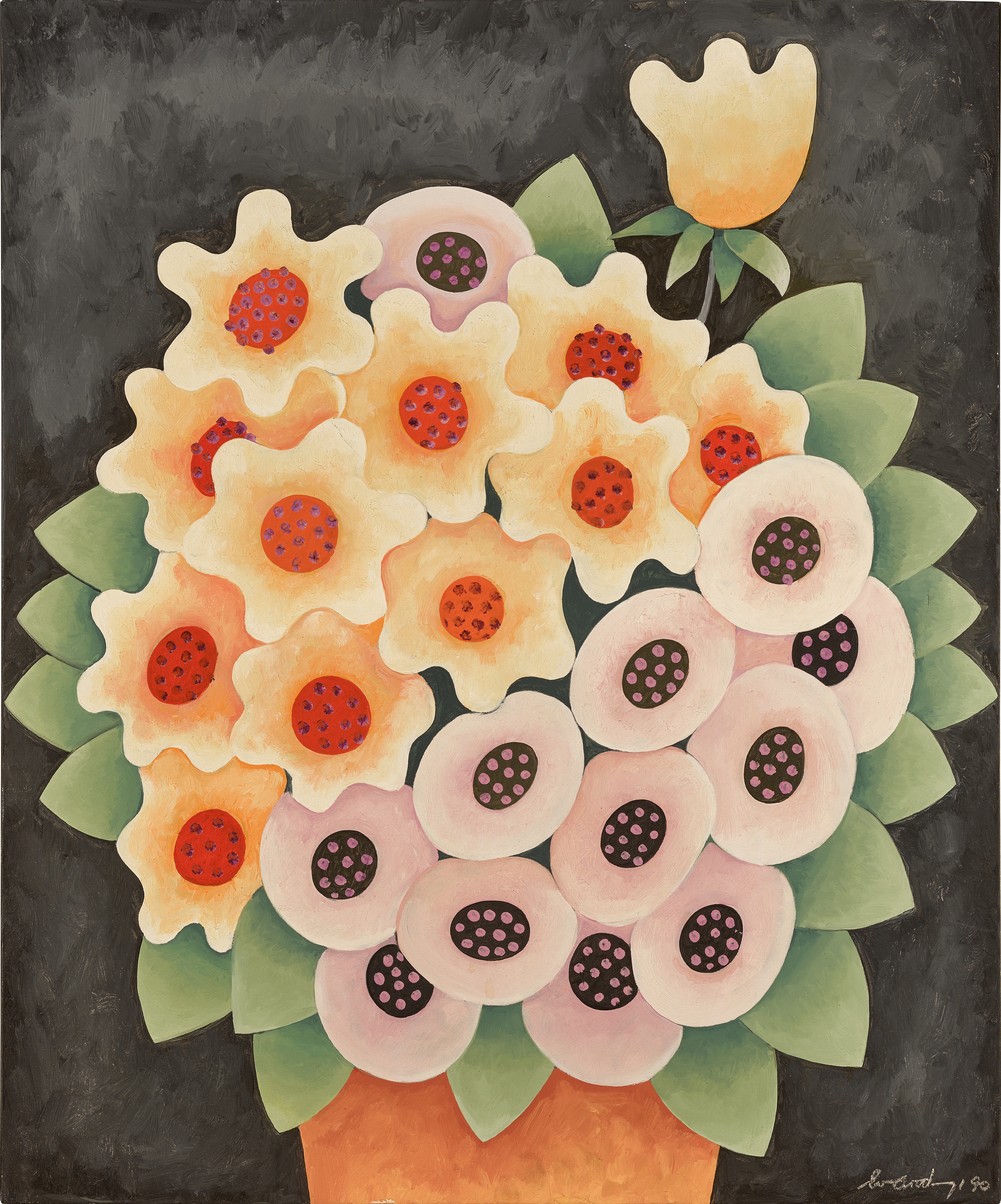
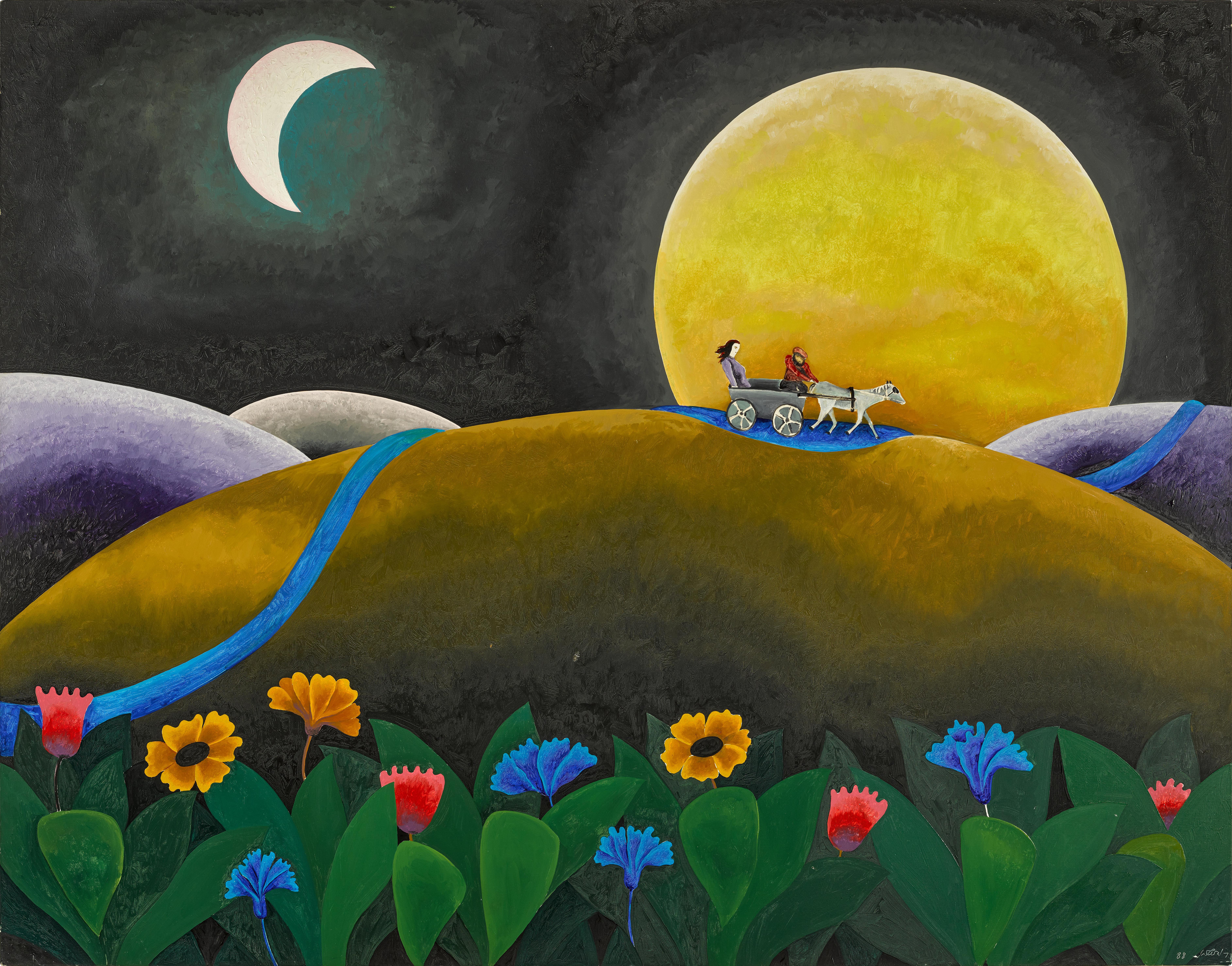
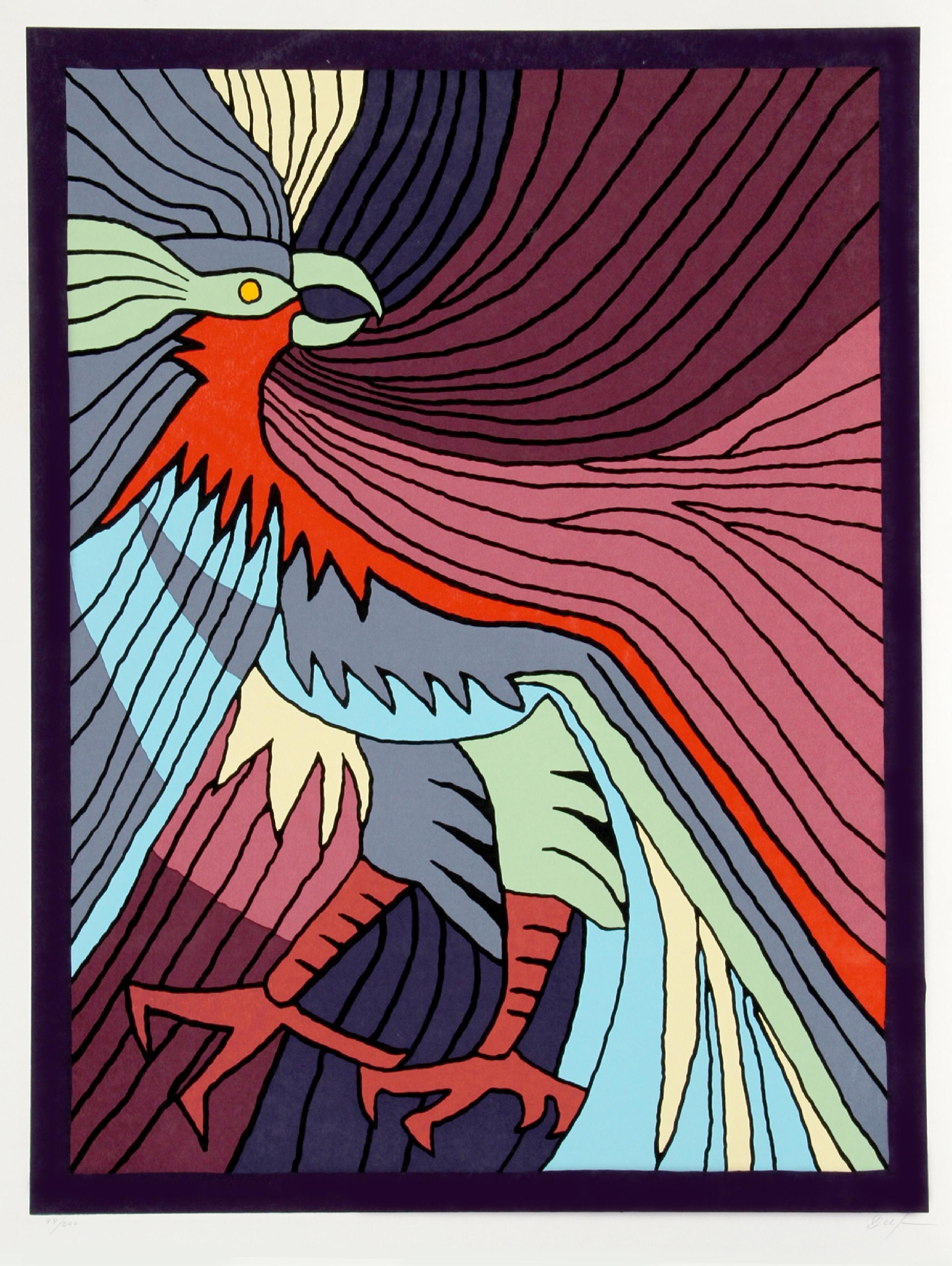
Willy Aractingi
24 Flowers, 1990
Any serious collector or advisor will tell you that thorough due diligence against international databases, clear documentation of collection history, and independent legal review are non negotiable. The market for ancient Andean objects has become significantly more regulated and scrutinized over the past two decades, and rightly so. Works that cannot demonstrate clean provenance are not simply a legal risk. They are a reputational one.
On the practical side, Peruvian paintings on canvas tend to be relatively forgiving in stable domestic environments, but works that incorporate textile, organic material, or mixed media require more careful attention to humidity and light. Eielson's knotted works, for example, should be kept away from strong directional light and significant fluctuations in relative humidity. When approaching a gallery about a contemporary Peruvian work, ask specifically about the artist's exhibition history outside Peru, which institutions hold works in their collections, and whether there is a catalogue raisonné or scholarly documentation in progress. For works by living artists, ask whether the artist has a relationship with a major international gallery as well as their Lima representation, since that secondary relationship is often a meaningful signal of where the market is heading.
Peruvian art occupies a position in the global market that feels genuinely anomalous given its quality: seriously undervalued relative to its art historical importance, actively collected by a growing number of international institutions, and represented by a generation of contemporary artists whose careers are visibly accelerating. For collectors willing to move thoughtfully rather than reactively, and to engage with the cultural context rather than simply the formal surface, this is a moment that will look, in retrospect, like an obvious opportunity that not everyone saw.