Pencil
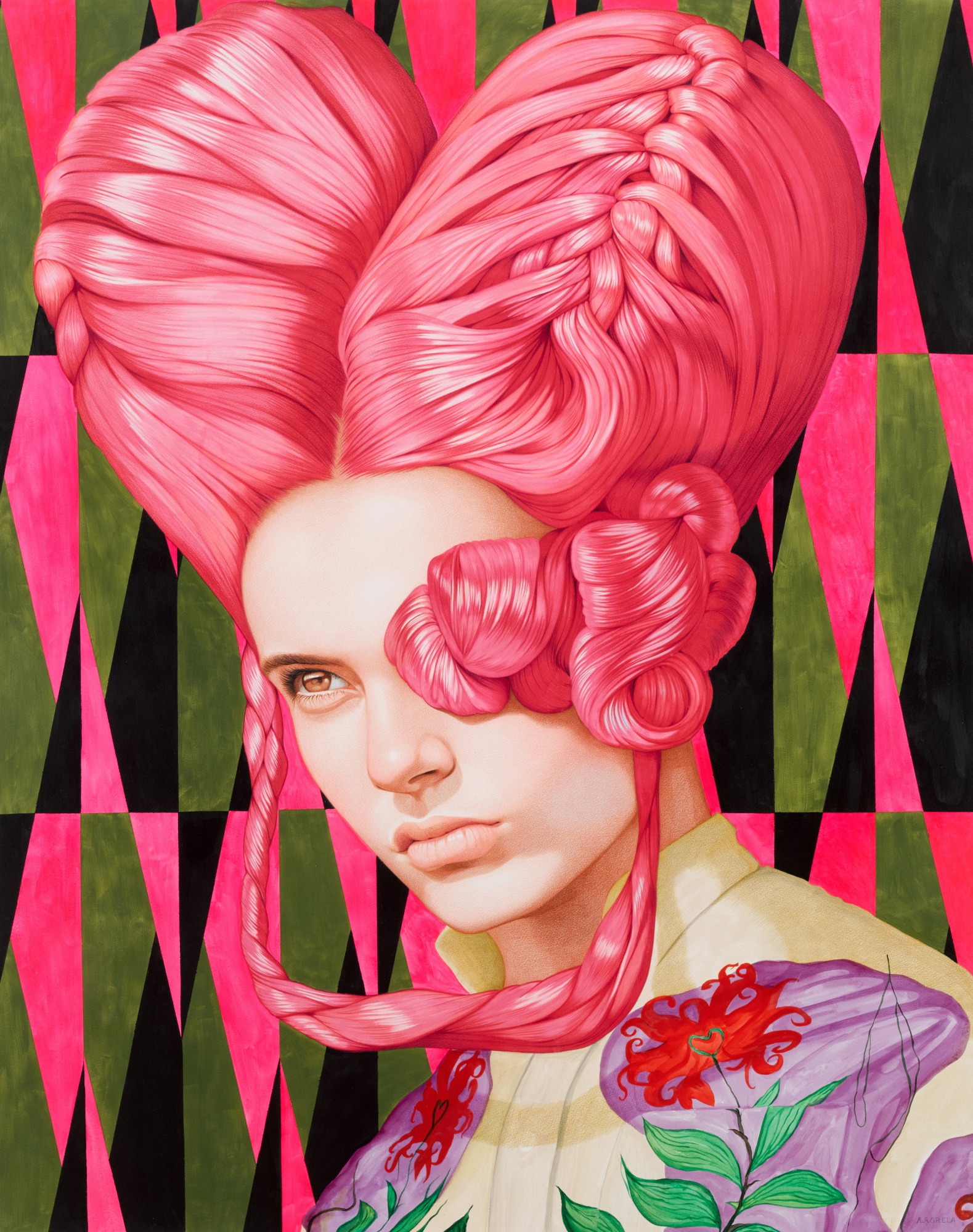
Ángeles Agrela
Elisenda 愛莉姍妲, 2022

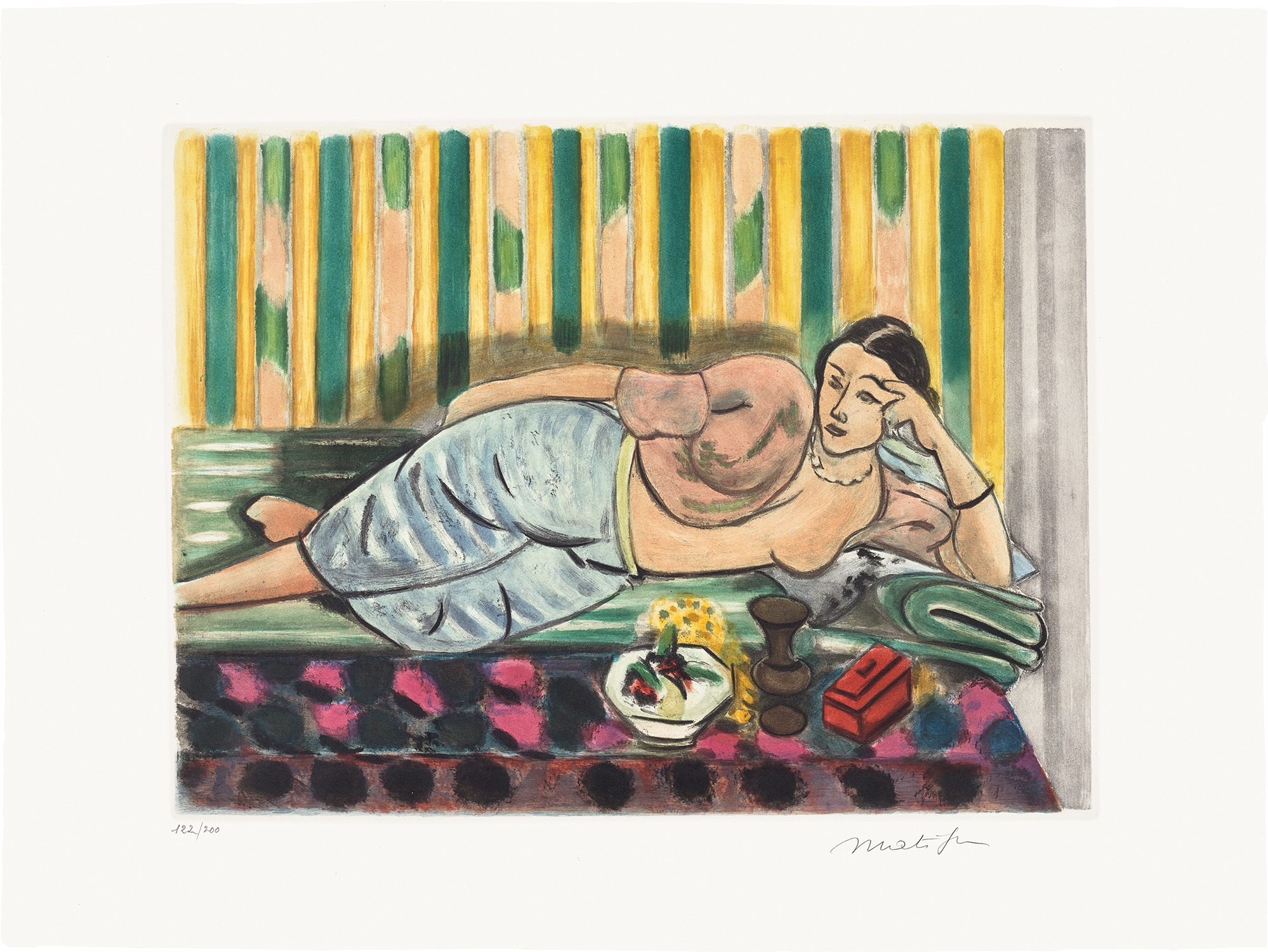
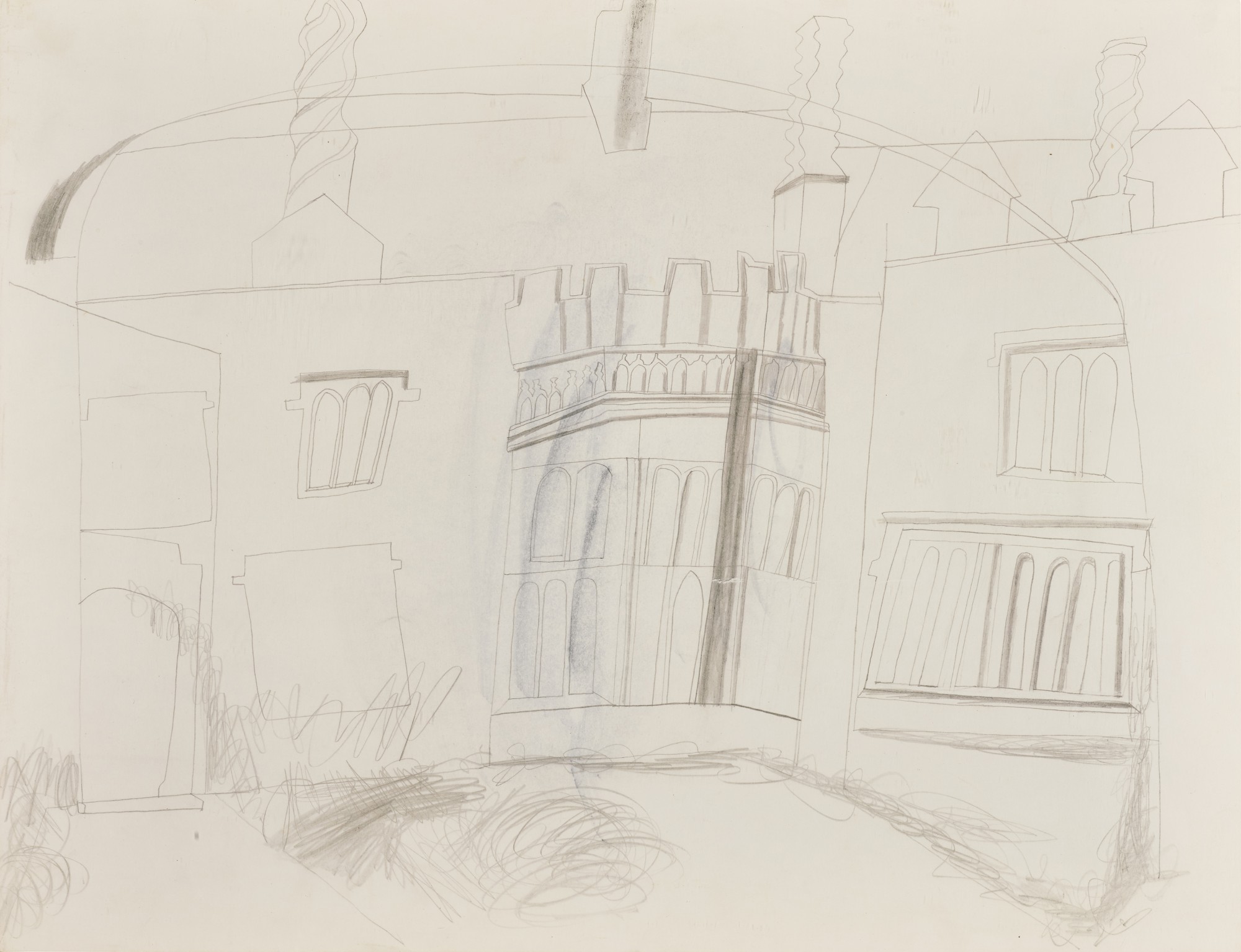
The Pencil Line That Changes Everything
There is something almost confessional about a pencil drawing. No medium is more intimate, more immediate, more honest about the hand that made it. Collectors who fall for works on paper in graphite describe a feeling that oil paintings rarely produce: the sense of being allowed inside the room where thinking happened. A pencil drawing does not perform.
It simply is. That directness, that quality of captured thought, is what keeps serious collectors returning to the medium again and again, even as the market for paintings climbs into territory that requires institutional budgets. Living with pencil works demands a different kind of attention than living with paintings, and most collectors find this deeply satisfying over time. A drawing in graphite reveals itself slowly.
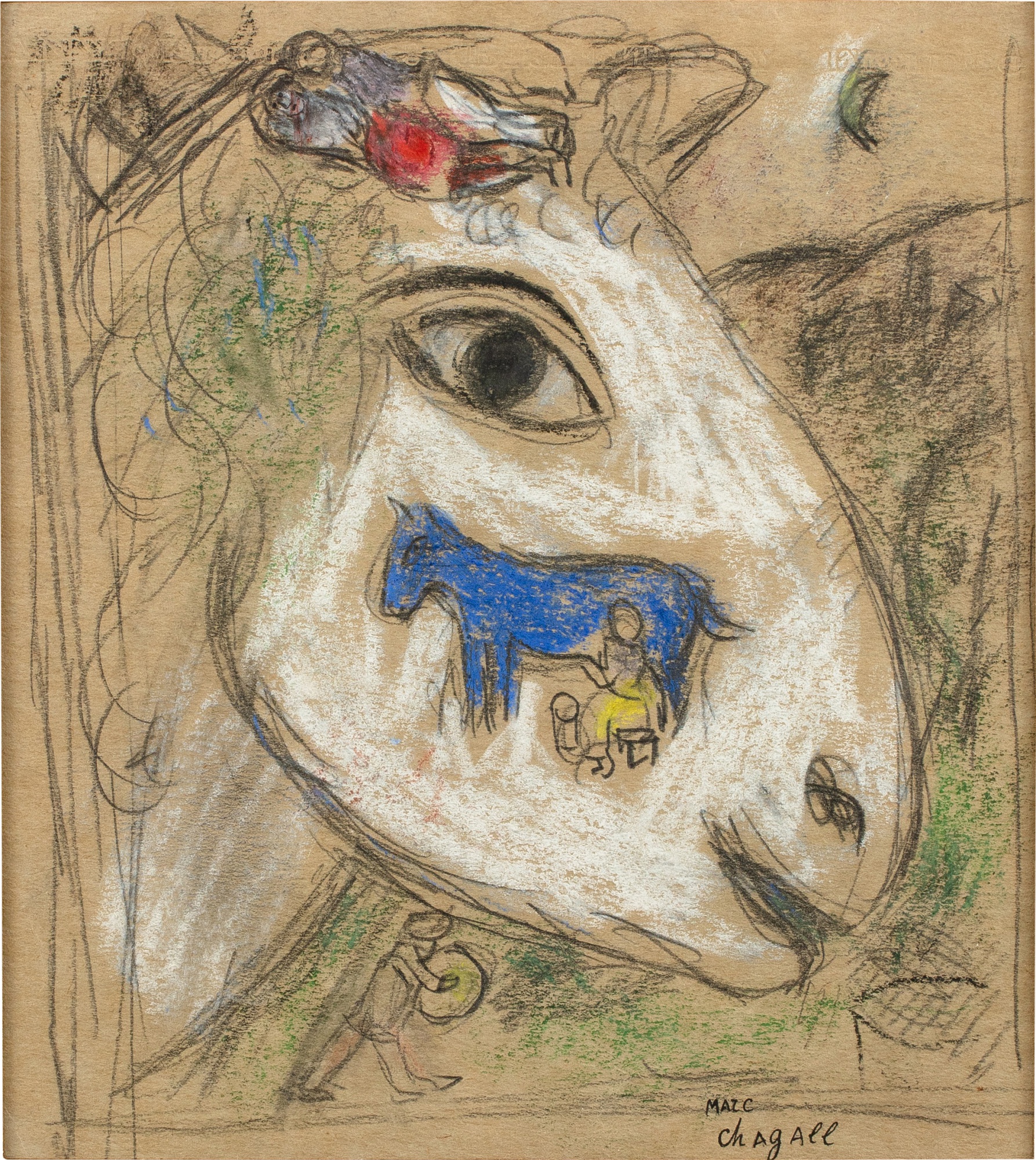
Marc Chagall
L'âne blanc, 1940
The silvery shimmer of the medium changes with the light across a day, turning warmer in afternoon sun, cooler and more luminous under evening artificial light. There is also the matter of scale. Pencil works tend toward the intimate, which means they create pockets of close looking within a collection, moments where you are drawn forward rather than stopped in your tracks from across the room. This intimacy is not a limitation.
For many collectors, it becomes the point. What separates a good pencil work from a great one is harder to articulate but easy to feel. Pressure matters enormously: a skilled draftsperson uses the pencil not as a simple marking tool but as an instrument with a full range of expression, moving from the faintest silvery breath of line to a deep, almost velvety darkness. Look at how the artist handles transitions, where a line softens or stops entirely, where hatching builds form without becoming mechanical.
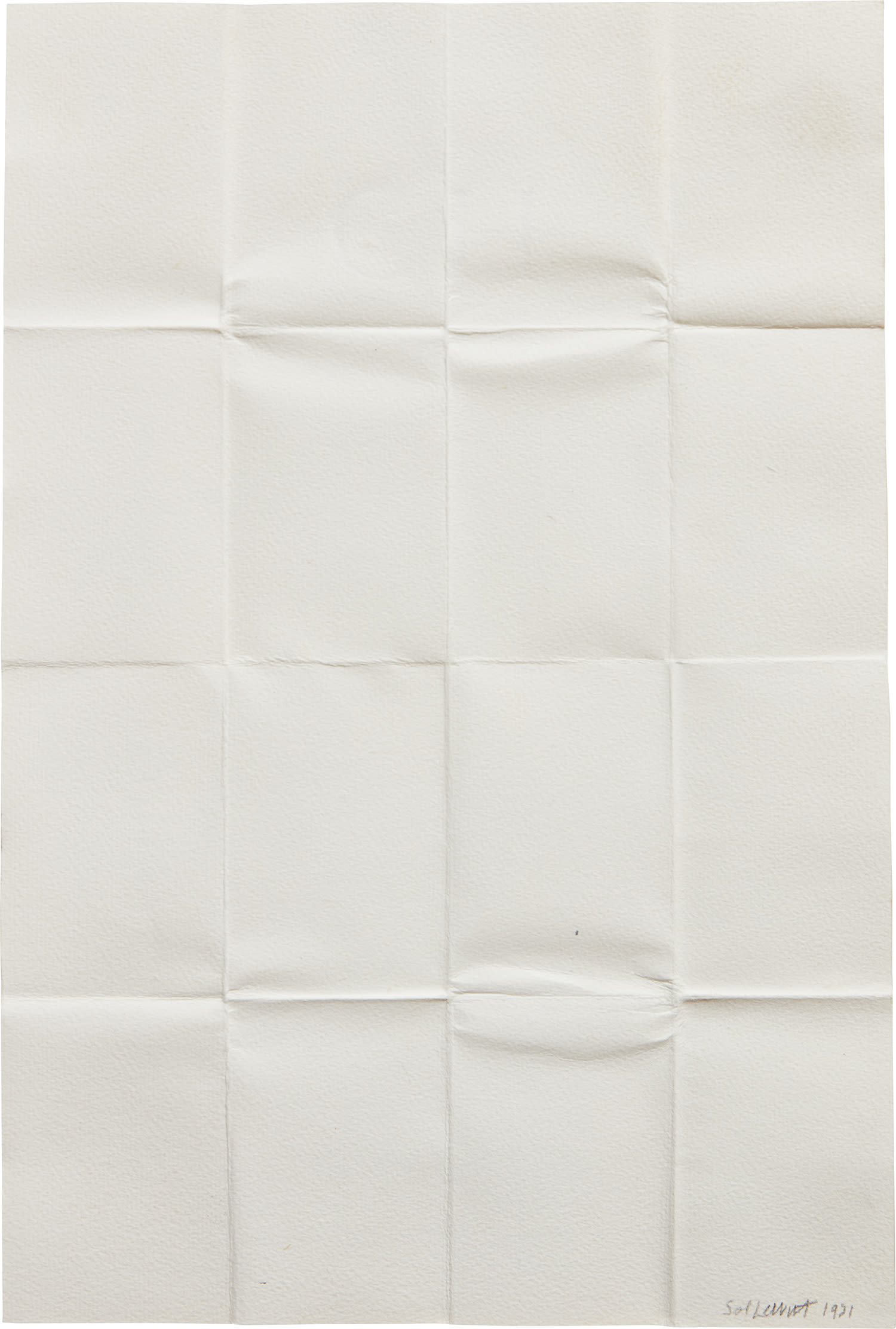
Sol LeWitt
Fold Drawing
In the best works, you can feel the artist's hand thinking in real time. A drawing that looks resolved and confident but retains a sense of discovery in its mark making sits at the highest level. When the medium and the idea feel genuinely inseparable, that is when you know you are looking at something important. The artists represented on The Collection make a compelling case for just how wide that category of importance can be.
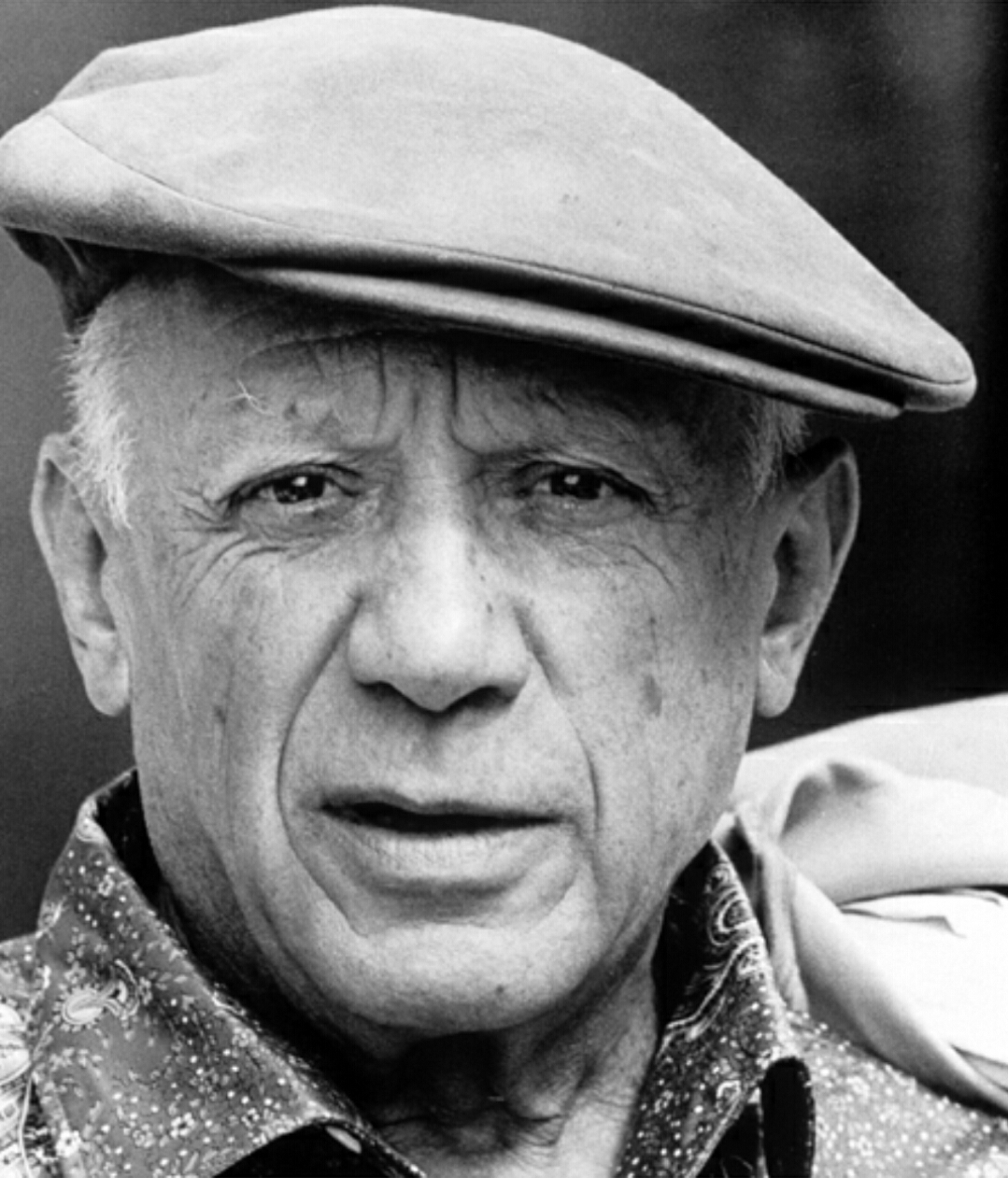
Alberto Giacometti's drawings are among the most studied works on paper of the twentieth century, their obsessive line work erasing and rebuilding form in a way that feels more like philosophy than representation. Works by Henri Matisse in pencil carry enormous weight in the market and in art history simultaneously, given that drawing was, for him, a daily practice and a form of pure inquiry rather than preparatory work. Pablo Picasso's pencil drawings occupy their own category of desire, covering a range of periods and moods that rewards patient study. What unites these works is a sense that the pencil was the artist's first and truest language, the place they went to work something out.
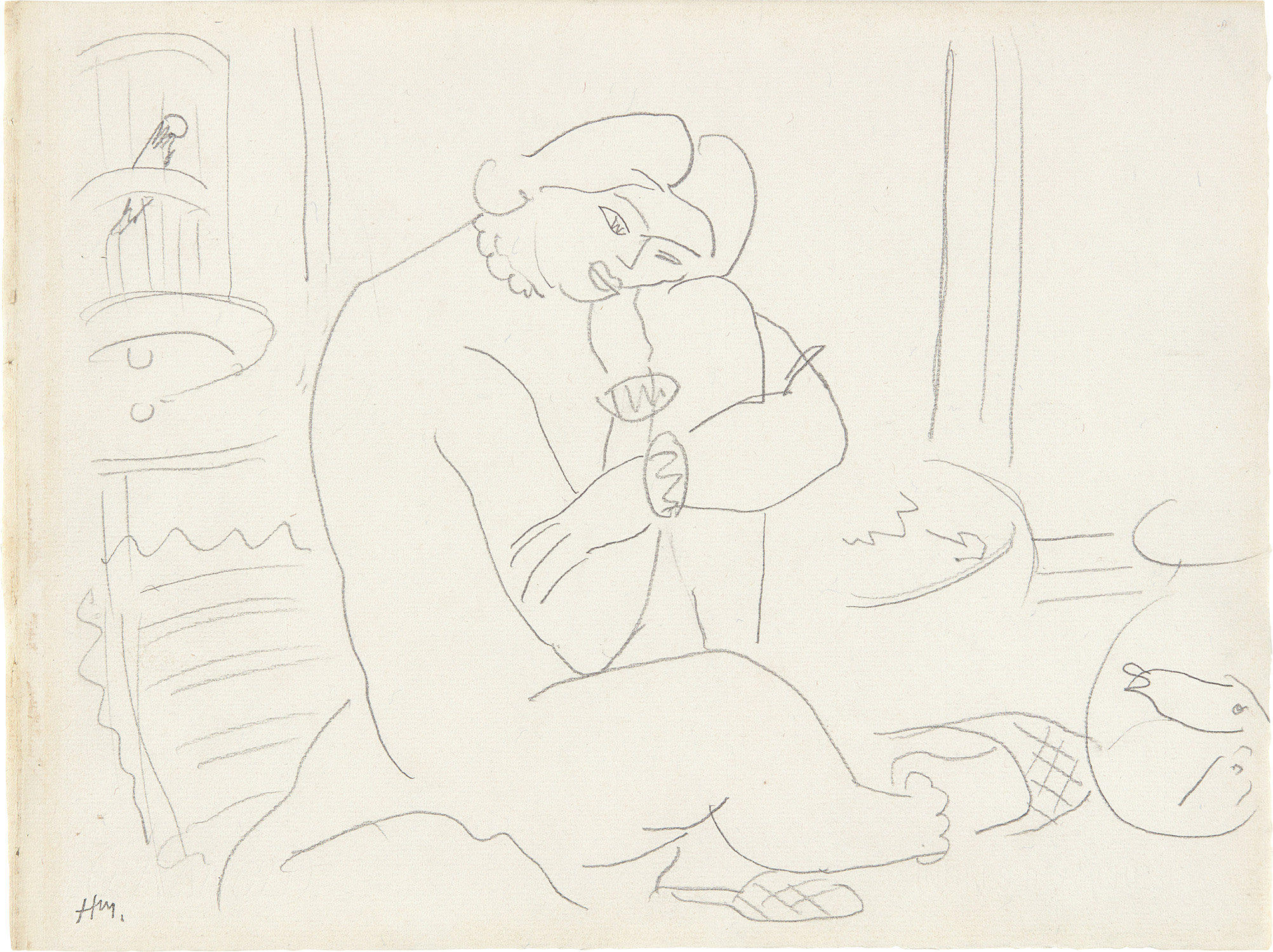
Henri Matisse
Femme assise au Bocal de Poissons, 1929
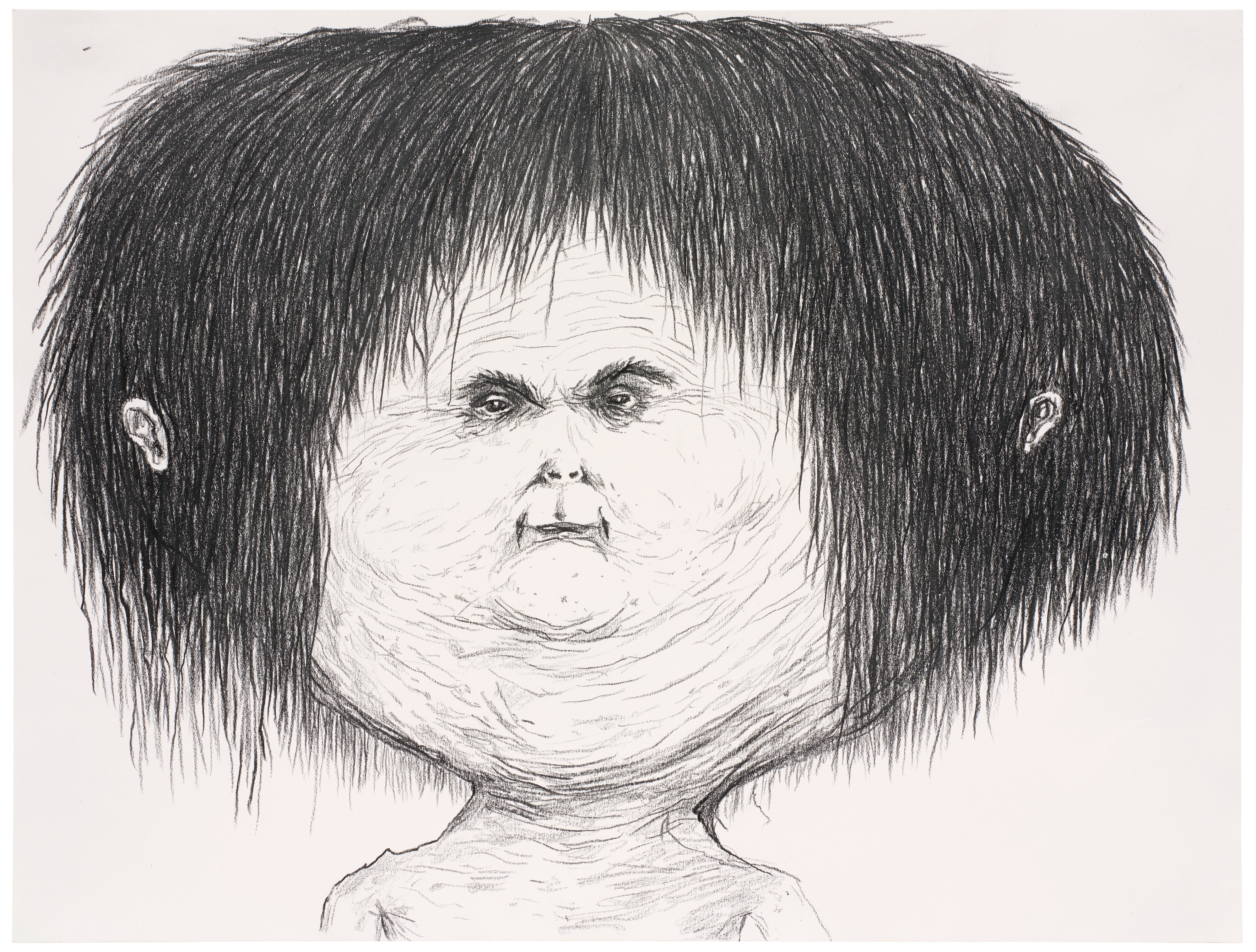
Beyond the canonical names, there are artists on The Collection whose pencil works represent genuine collecting opportunities at a moment when their broader recognition continues to grow. Toyin Ojih Odutola has built one of the most original bodies of work in contemporary drawing, her graphite surfaces built up to an almost sculptural density that challenges everything you think you know about the medium's limits. Her work is already collected by major institutions, and the secondary market for her drawings has responded accordingly, but it would be a mistake to treat that trajectory as a reason to wait. Ángeles Agrela offers a different kind of intensity, her drawn figures carrying a psychological charge that rewards the kind of sustained attention that only comes from living with a work.
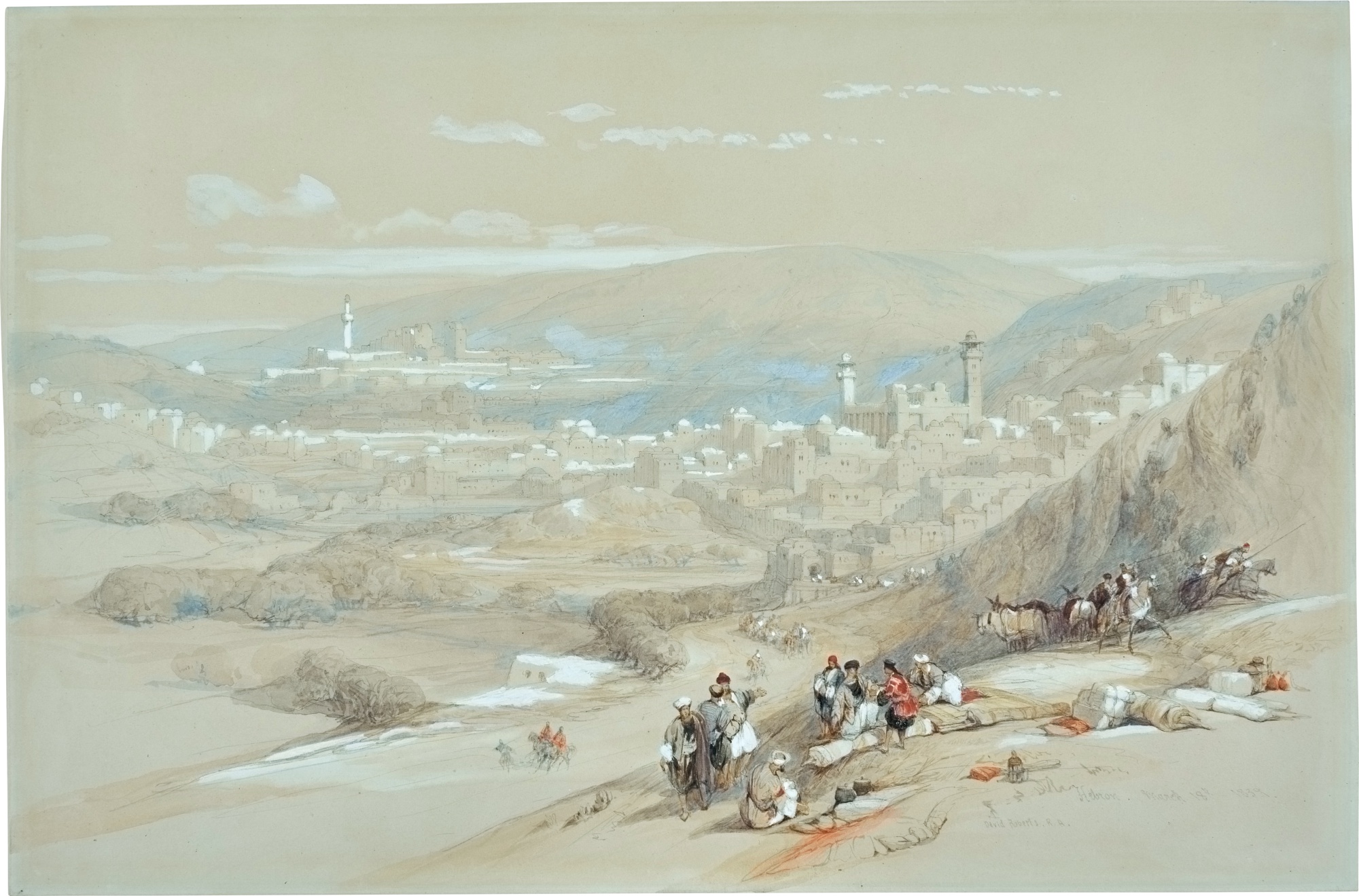
Both artists remind you that pencil is not a minor medium waiting for oil paint to arrive. It is the destination. At auction, pencil works by major artists have consistently outperformed pre sale estimates over the past decade when condition is strong and provenance is clear. Works on paper by Picasso and Matisse regularly achieve seven figure results at the major houses, but the more interesting story is happening further down the market ladder, where drawings by artists like Camille Pissarro and Paul Signac, both well represented on The Collection, change hands at prices that still feel proportionate to their quality.
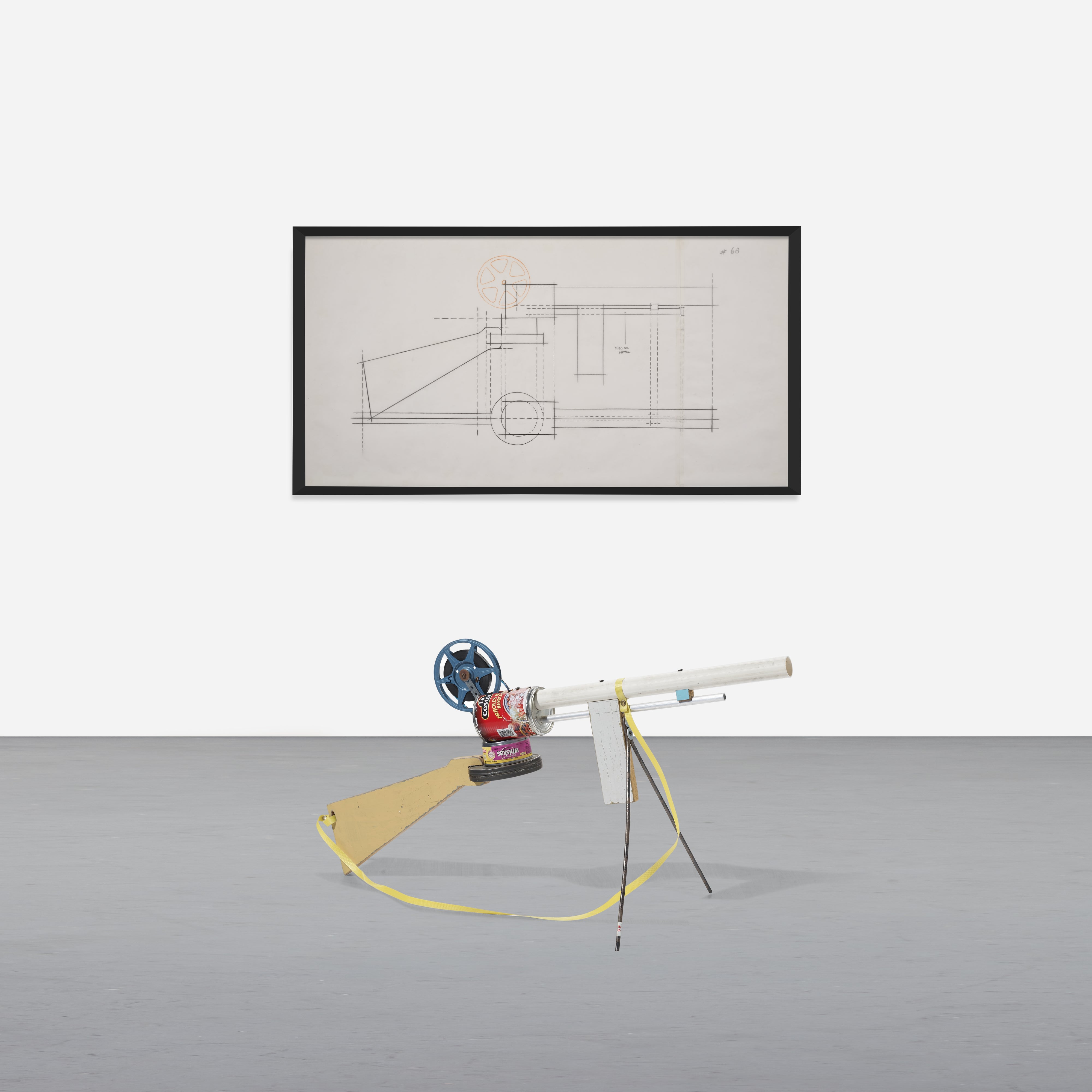
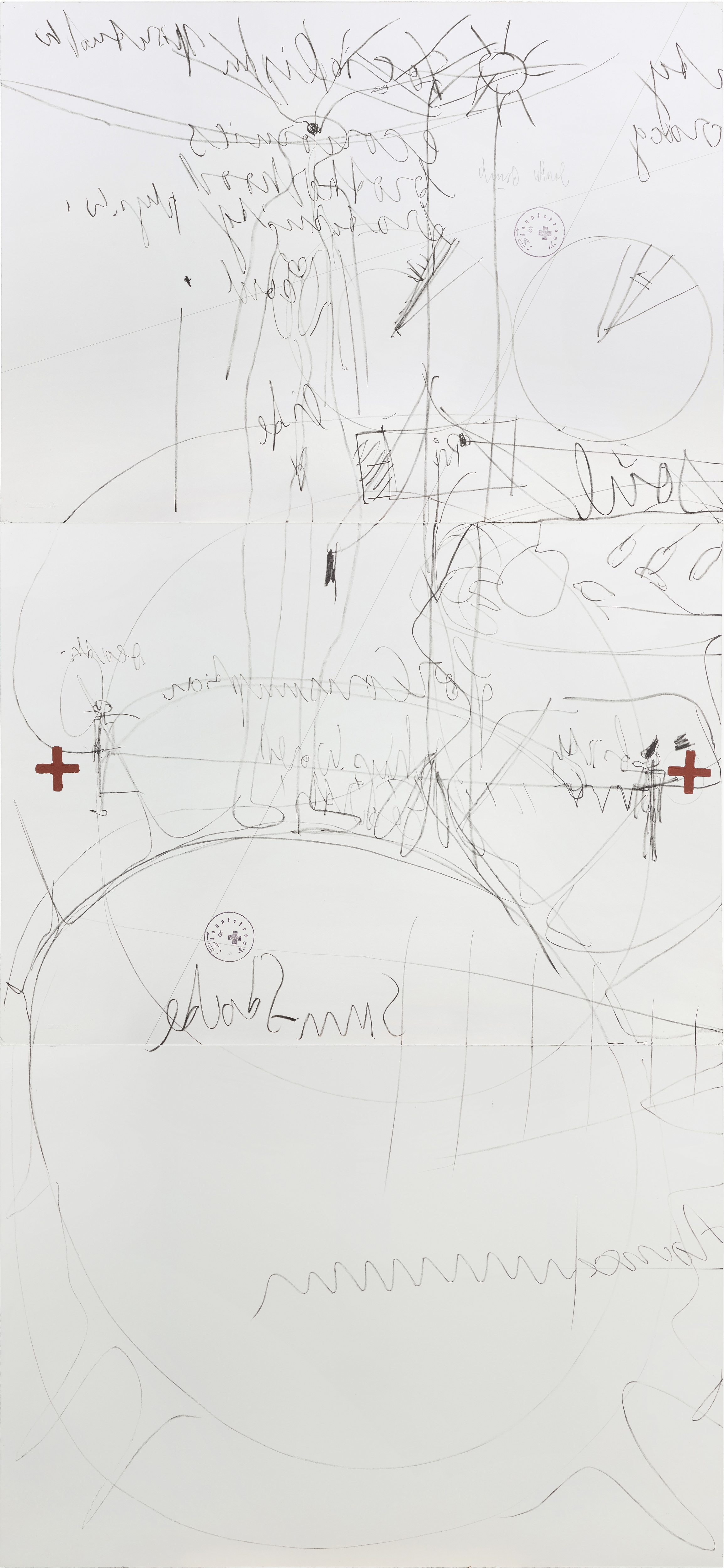
Francis Alÿs
Camgun #68, 2005
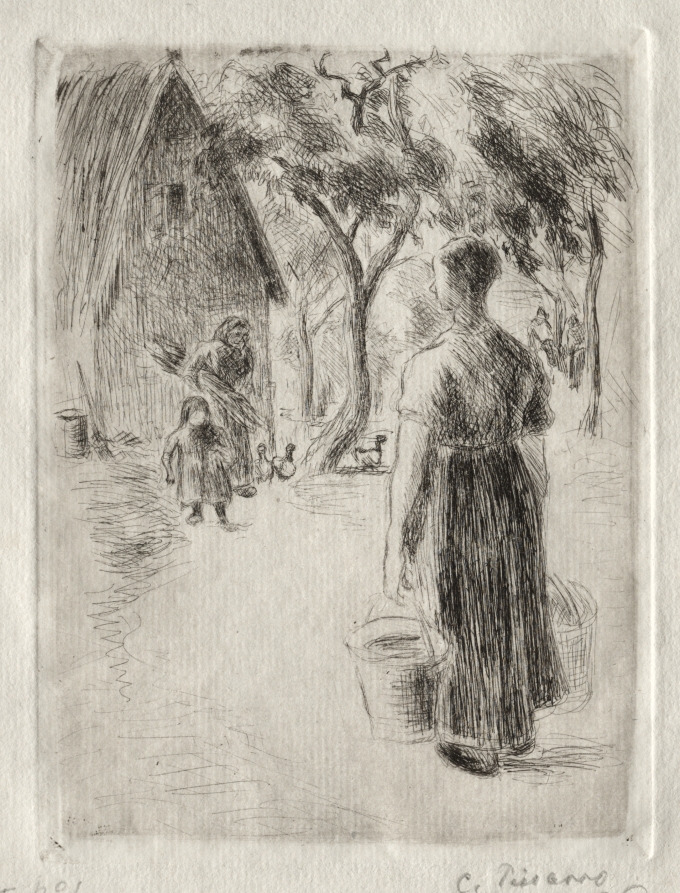
A Pissarro pencil study of a figure or landscape carries the full weight of his observational intelligence and can be acquired for a fraction of what an oil by the same artist commands. That gap will not persist indefinitely. Collectors who understand the relationship between an artist's drawings and their paintings have always known this. Practical considerations matter more with pencil works than with almost any other medium.
Graphite is stable but vulnerable to abrasion, which means framing with proper conservation glass and keeping works away from any surface they might press against is non negotiable. UV protective glazing is essential, not because graphite fades the way watercolor does, but because the paper it lives on is susceptible to light damage over time. When acquiring a work, ask the gallery directly about any previous restoration, any foxing or tideline in the paper, and whether the work has been stored rolled or flat. A work that has been rolled improperly will show stress lines that are nearly impossible to reverse.
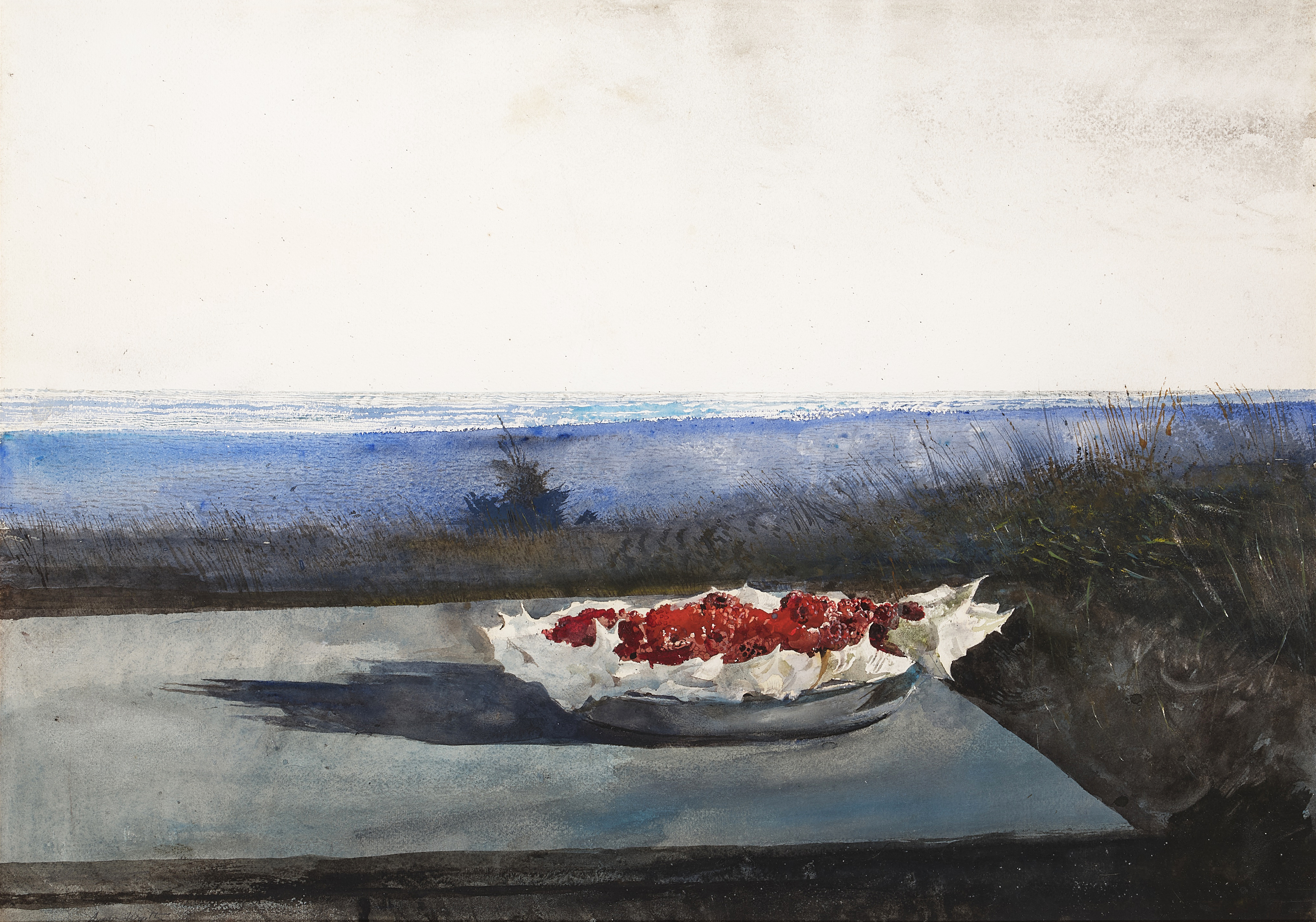
Ask too whether you are looking at a unique work or a facsimile, since high quality reproductions of famous drawings circulate with more frequency than most buyers realize, and provenance documentation is your primary protection. The deeper pleasure of collecting pencil works is something experienced collectors talk about in terms of proximity. You are close to the artist in a way that a finished, varnished painting rarely allows. When you look at a pencil drawing by Andrew Wyeth, whose draftsmanship was among the most exacting of any American artist of the twentieth century, you are watching a mind at work in real time.
That feeling does not diminish. If anything, after years of living with such a work, it intensifies. The pencil line is where everything begins, and for many collectors, it turns out to be where the most important things happen.