Panoramic Format
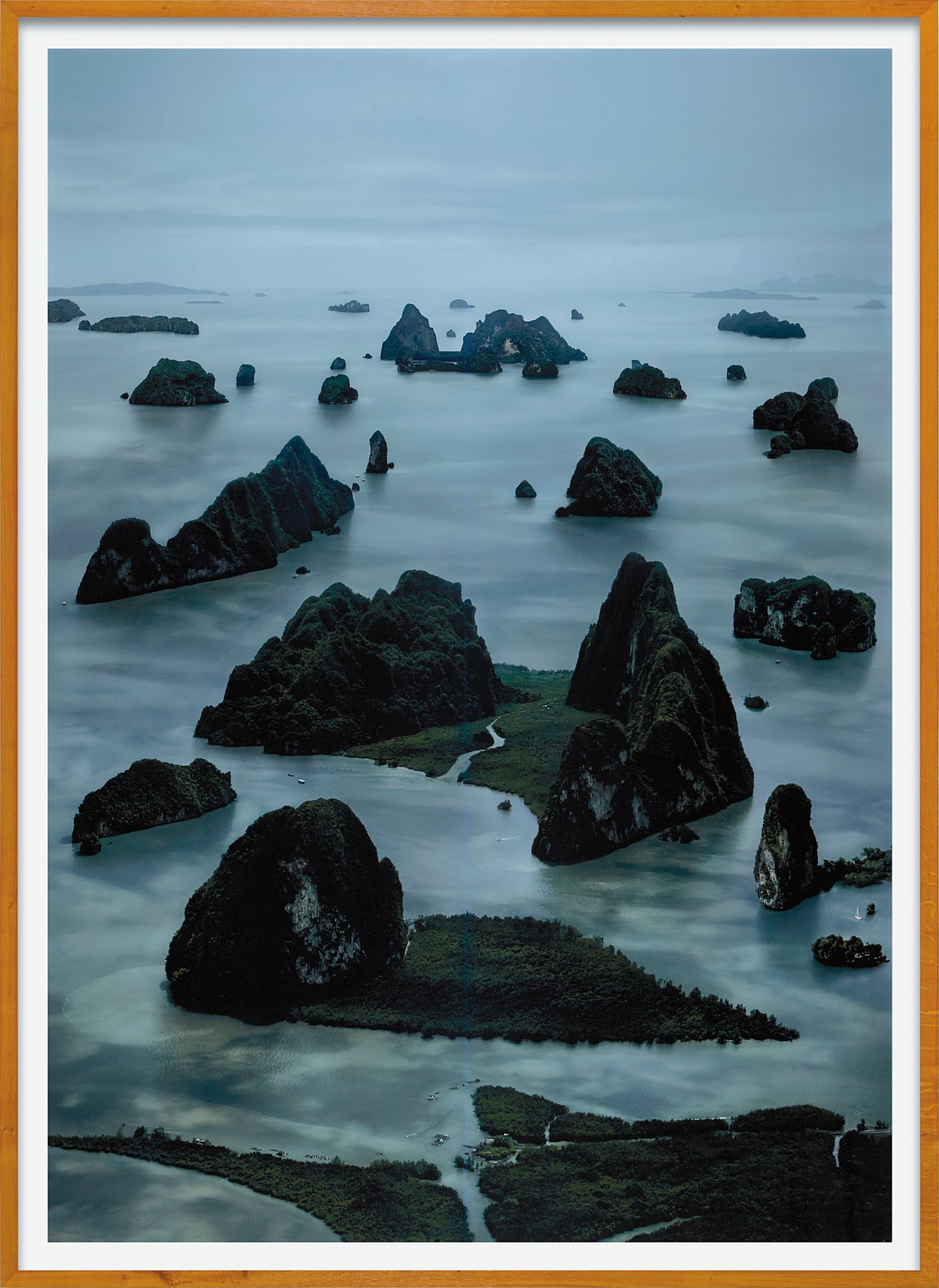
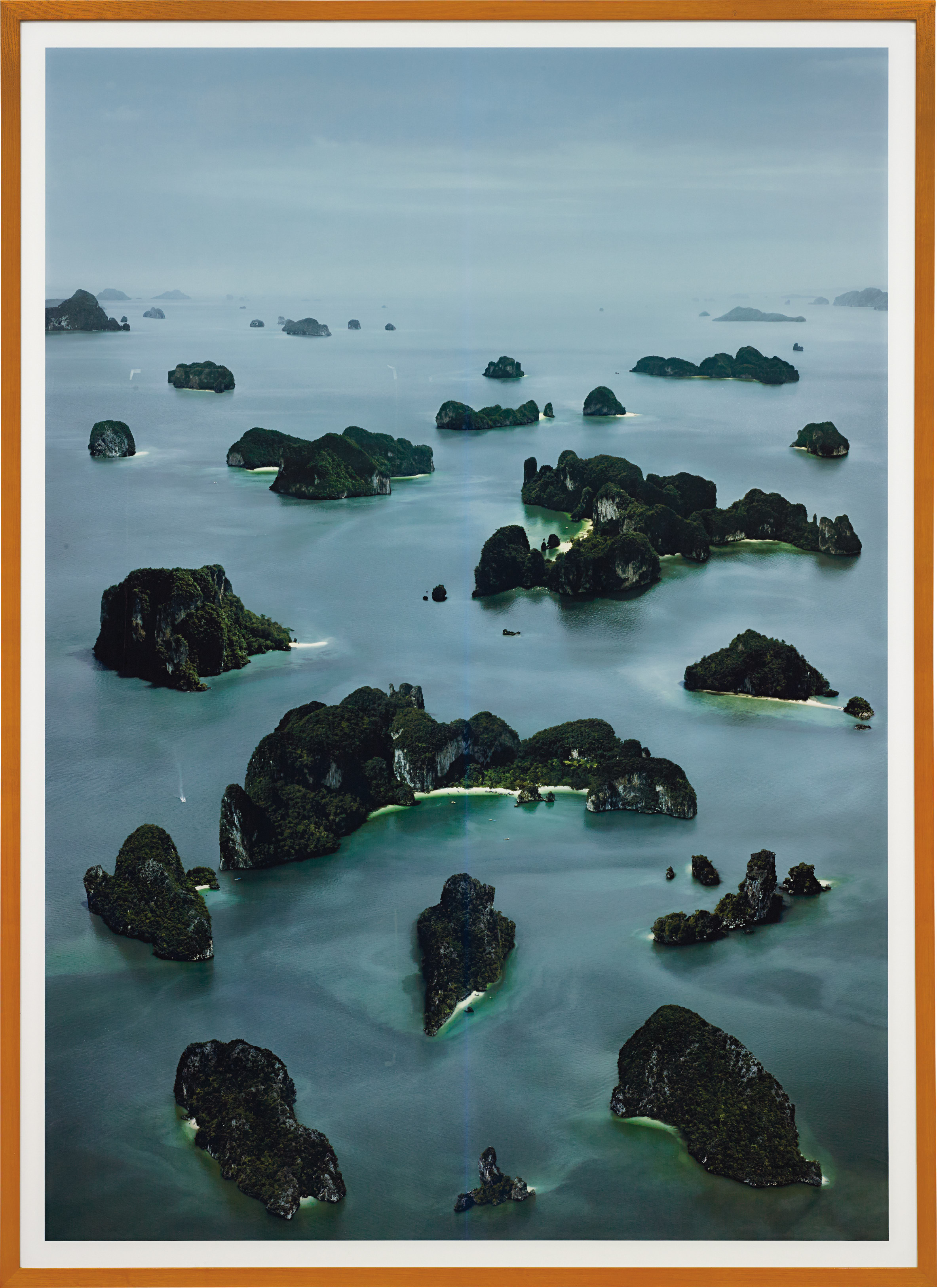
Andreas Gursky
James Bond Island II


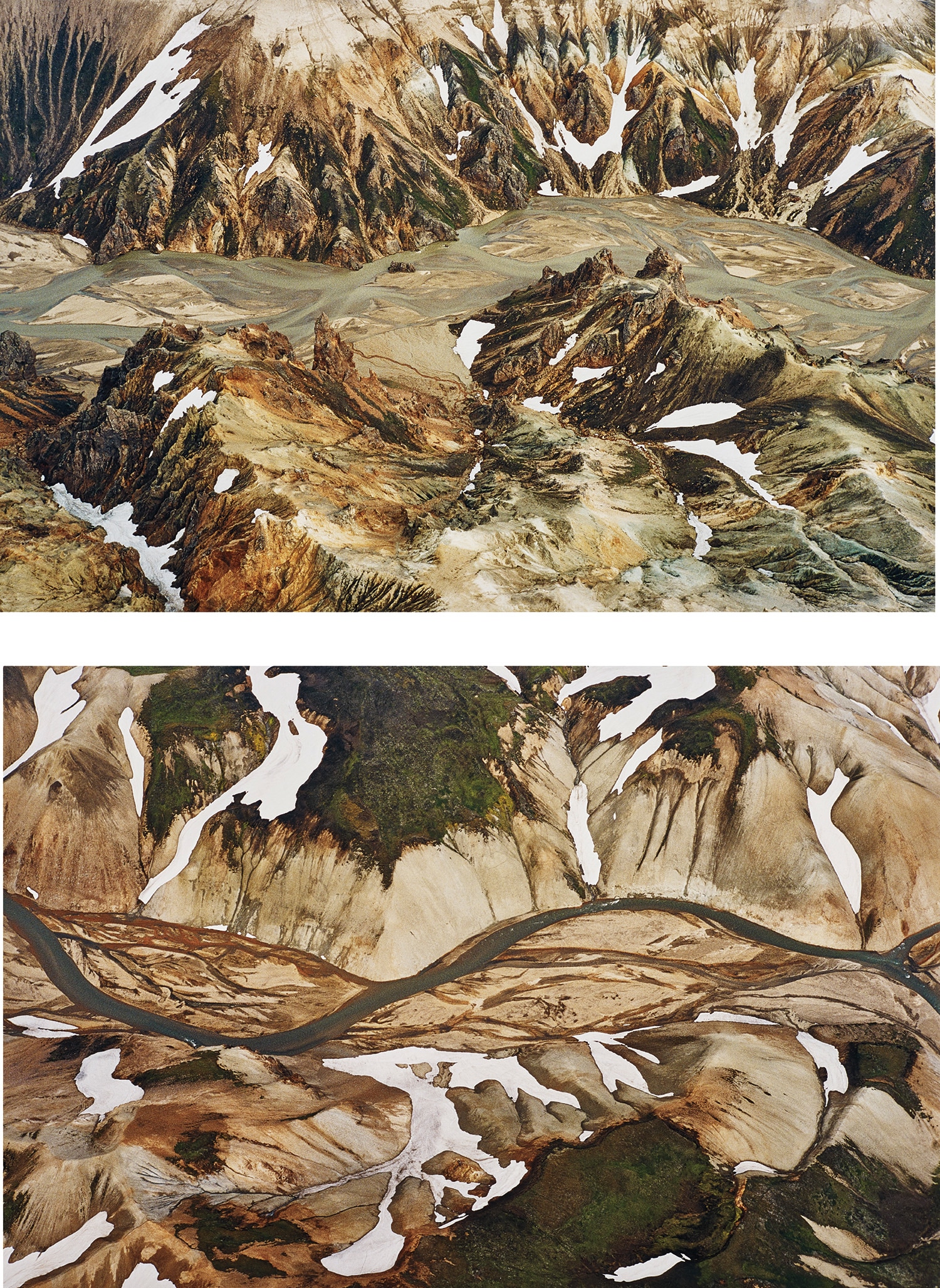
The Wide View That Changes Everything
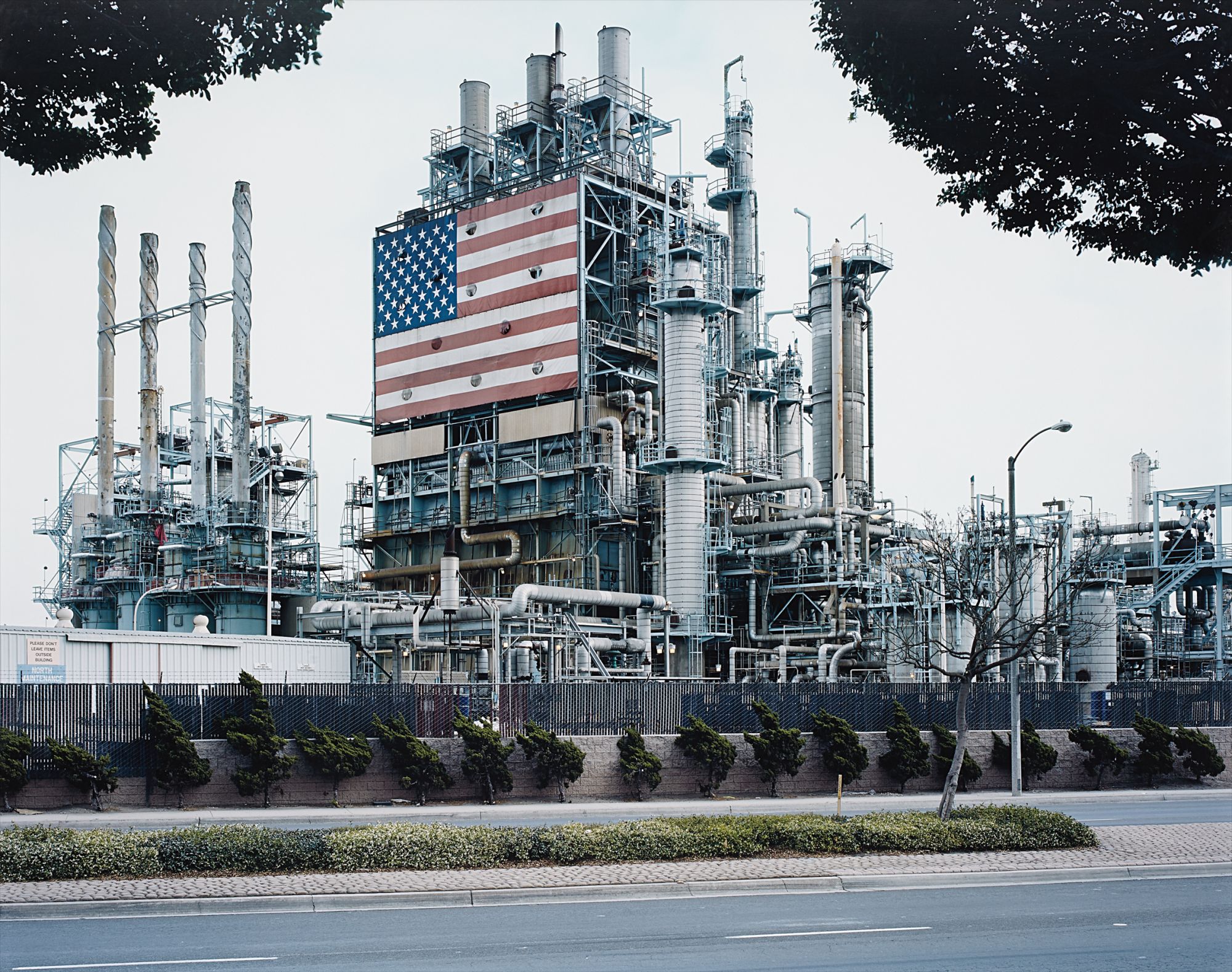
When Andreas Gursky's 'Rhein II' sold at Christie's New York in 2011 for just over four million dollars, becoming at that moment the most expensive photograph ever auctioned, the art world paused to ask a simple question: what exactly were people paying for? The answer, in large part, was format. Stretched to nearly three and a half metres wide, the image demanded a physical reckoning. You could not glance at it.
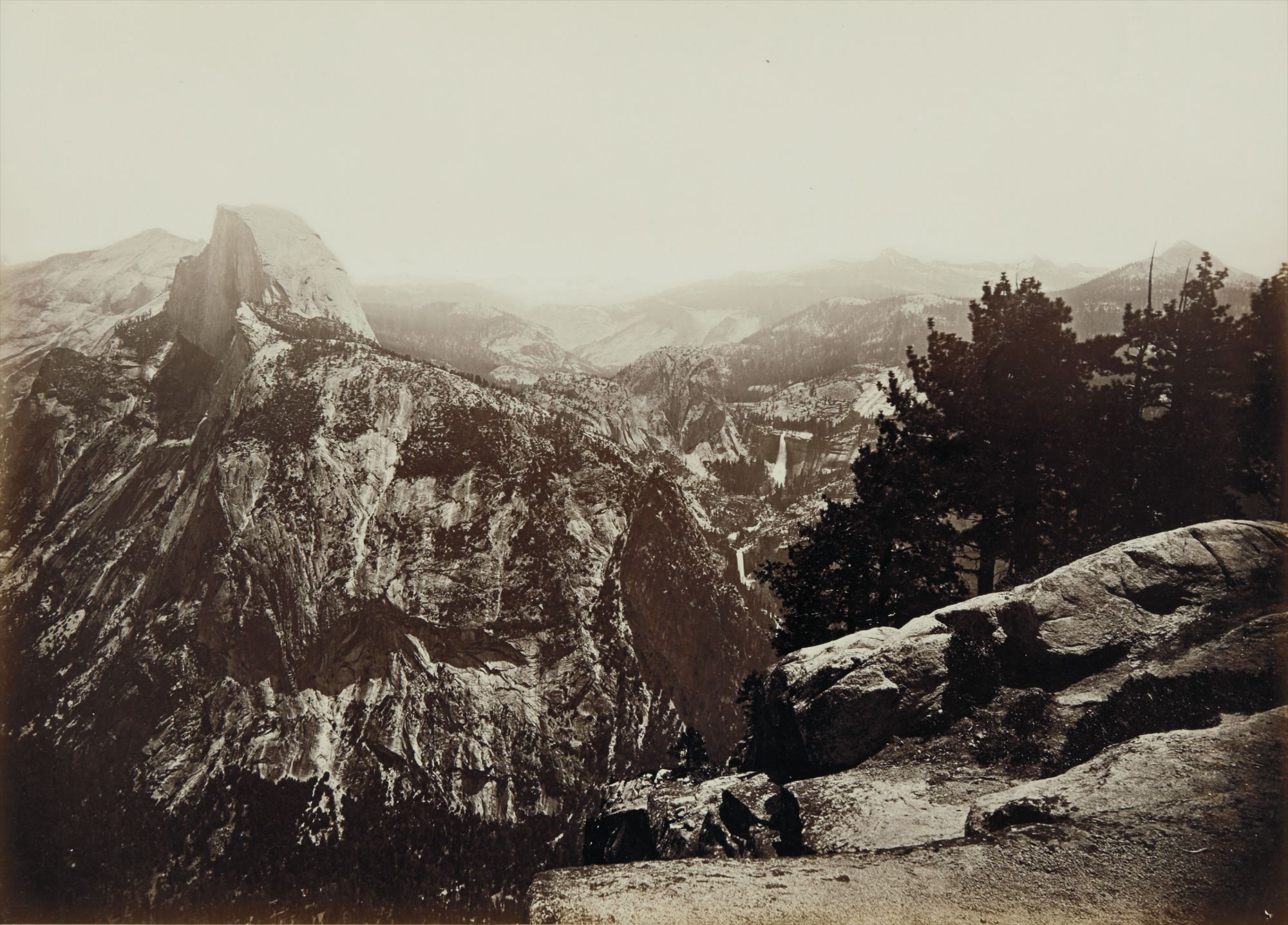
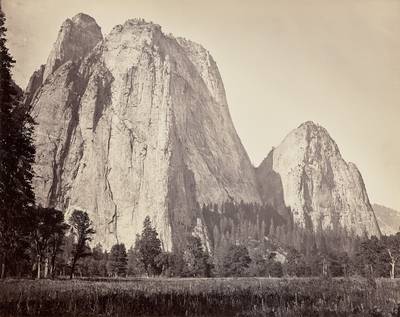
You had to inhabit it. The panoramic format had announced itself not merely as a compositional preference but as a philosophical position, and the market has been taking that position seriously ever since. The panoramic tradition in photography and visual art carries a lineage that runs from the grand survey photographs of Carleton Watkins in the 1860s, who lugged enormous glass plate cameras through Yosemite to produce images that reshaped how Americans understood their continent, through to the immersive studio productions of contemporary artists working at scales that would have seemed reckless even a generation ago. What makes this moment different from earlier periods of panoramic enthusiasm is the alignment of several forces at once: museum spaces that have grown architecturally ambitious enough to actually hang these works properly, a collector class with homes and foundations built around statement scale, and a critical discourse that has caught up to what the format is actually doing.
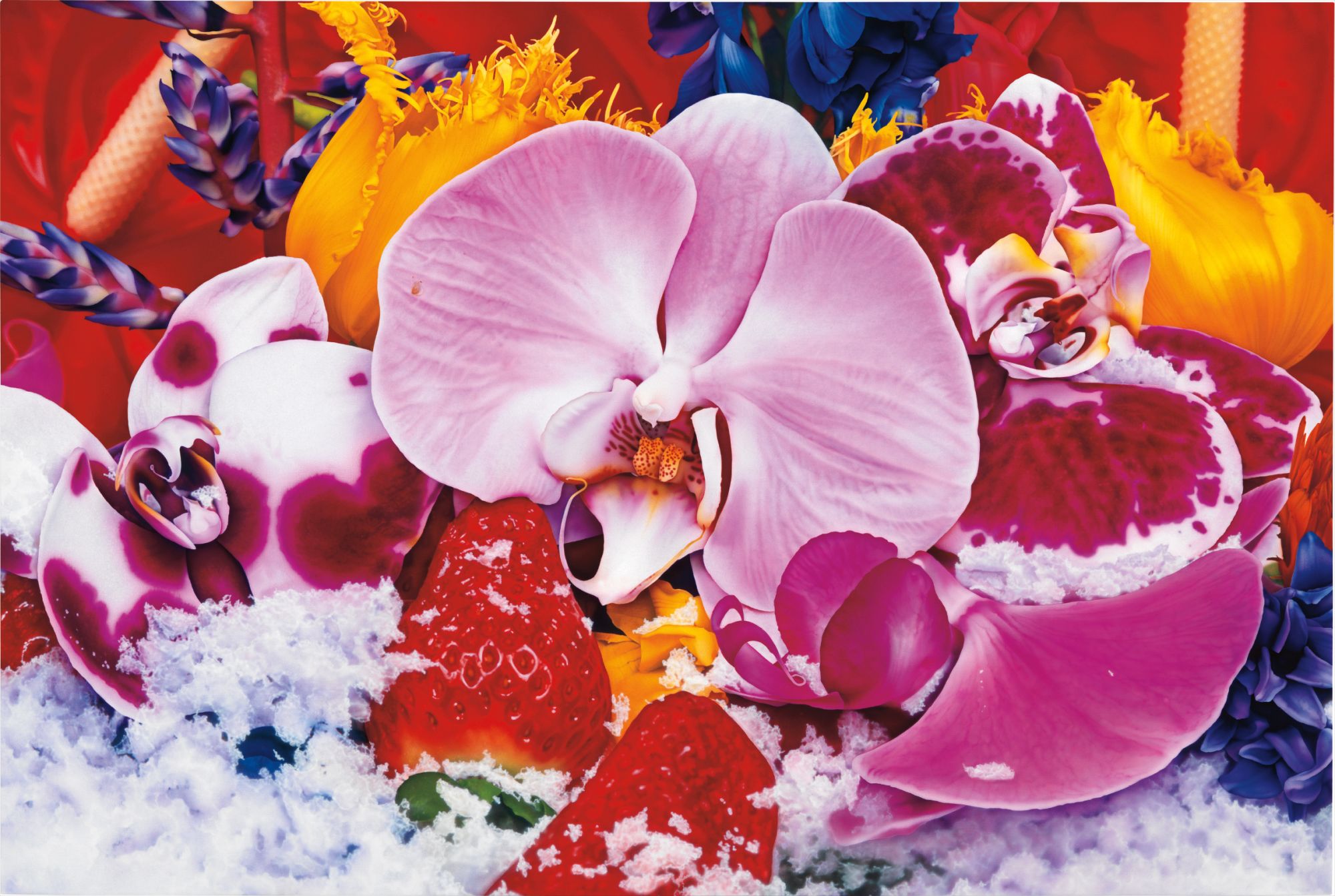
Andreas Gursky
James Bond Island II
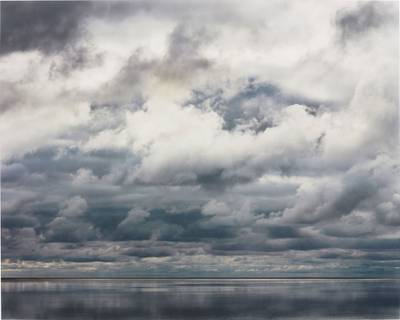
In terms of recent exhibition history, a few shows stand out as genuinely formative. The Hayward Gallery's 2018 retrospective of Andreas Gursky brought together large format works spanning three decades and demonstrated conclusively that scale in his practice is never spectacle for its own sake. The photographs functioned as arguments about systems, about labour, about the way capital organises space. Around the same time, major institutions were also reassessing the work of Hiroshi Sugimoto, whose seascape series presents the panoramic impulse in its most meditative register: horizon lines bisecting the frame with an almost surgical calm, the wide view stripped of incident.
The Solomon R. Guggenheim Museum has long held significant Sugimoto works, and his presence in permanent collections across the Tate, MoMA, and the Art Institute of Chicago signals that the institutional appetite here is not speculative but settled. The auction market tells a similarly committed story. Gursky commands the highest prices among photographers working in extended horizontal formats, but Sebastião Salgado has seen remarkable auction momentum in recent years, driven partly by the cultural visibility of the 2014 documentary 'The Salt of the Earth' directed by Wim Wenders and Juliano Ribeiro Salgado.
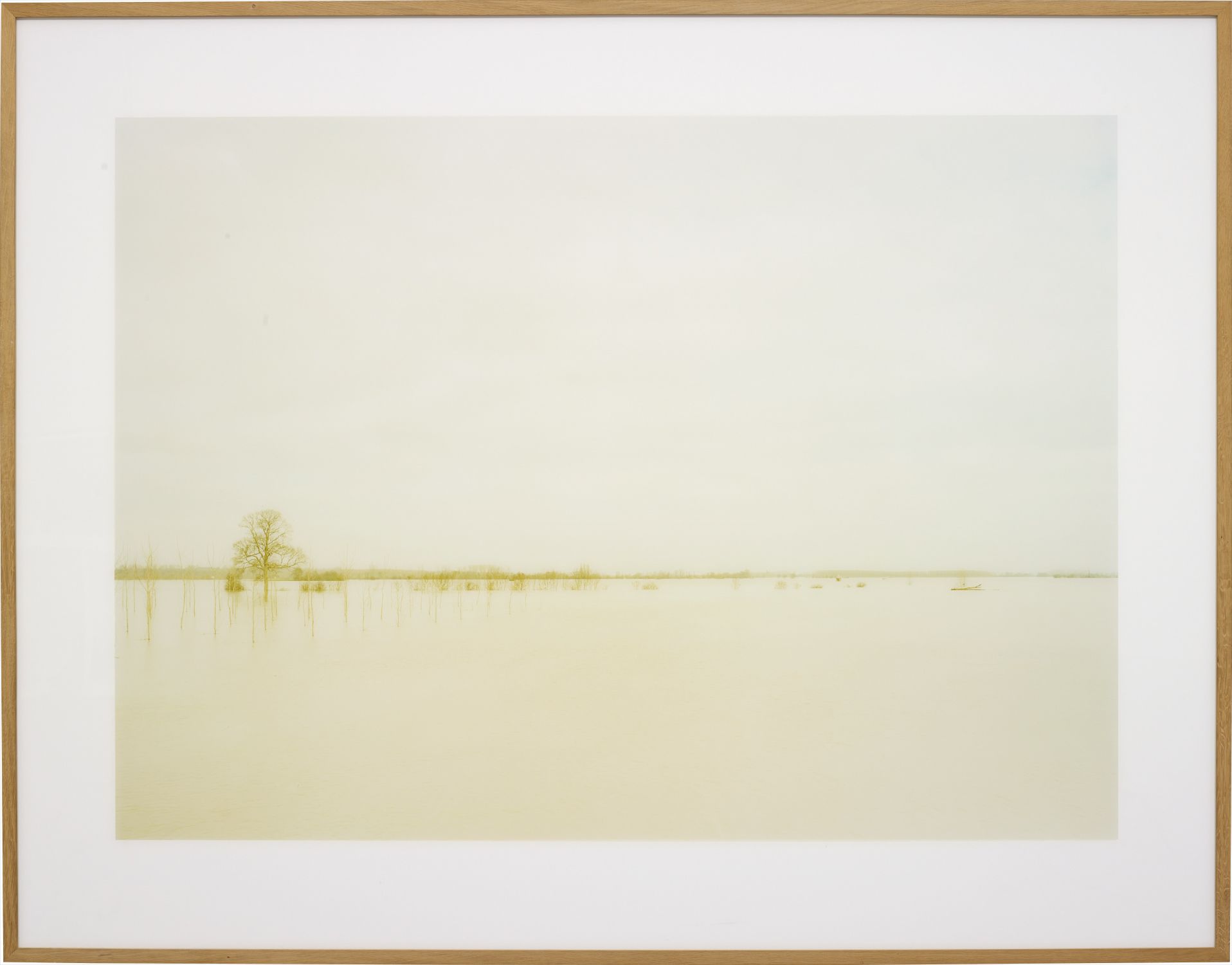
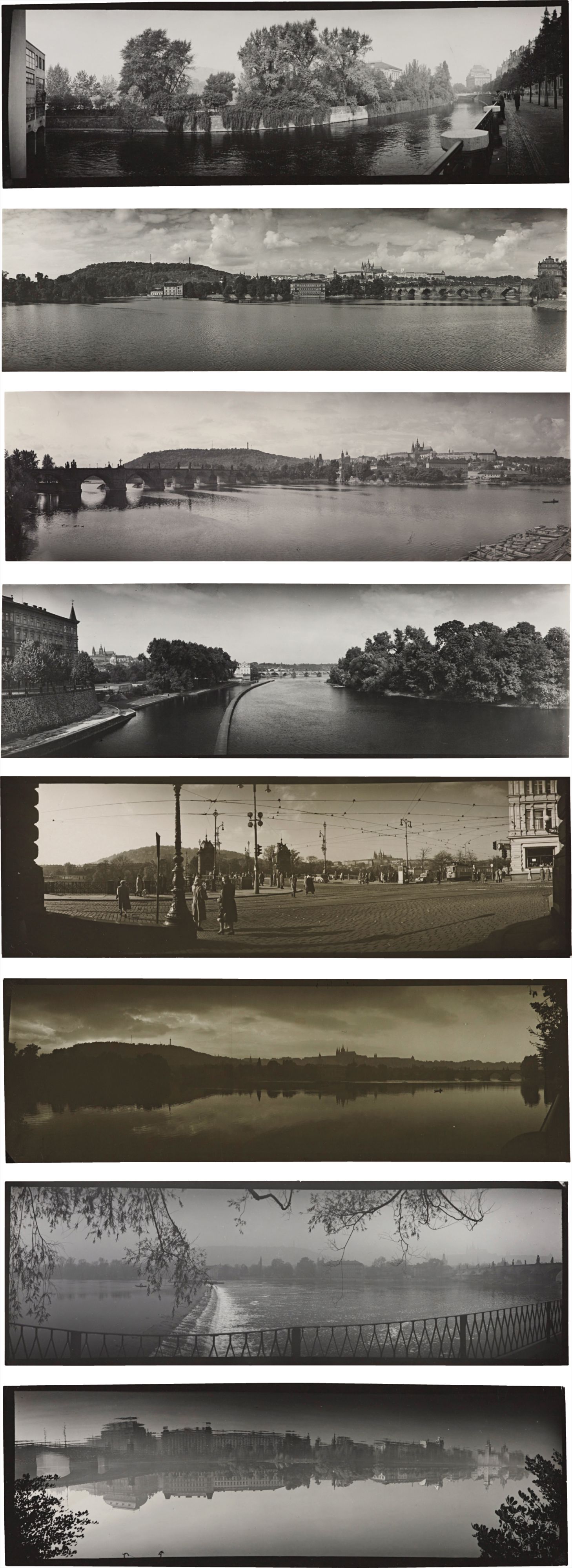
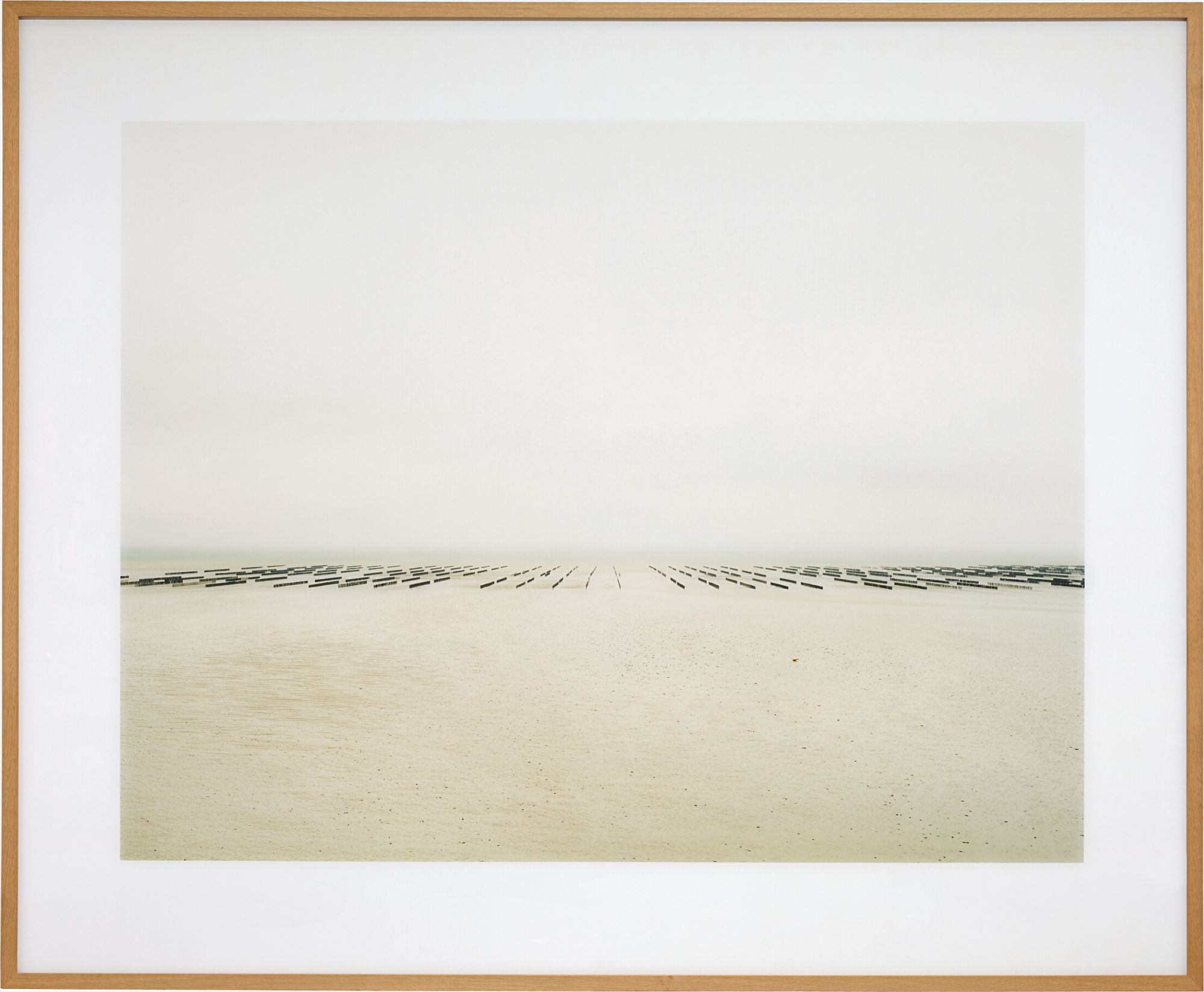
Elger Esser
Saone, France
His panoramic visions of mass human migration and ecological wilderness carry a moral weight that translates powerfully at auction, where bidders are responding to something beyond formal beauty. Elger Esser, whose work draws on the painterly tradition of Romanticism and situates itself between photography and landscape painting, has developed a devoted secondary market in Europe, particularly at Sotheby's and Phillips in London. His long horizontal images of rivers, coastlines, and architectural ruins have found homes in some of the most serious European private collections. Nick Brandt occupies a different corner of the panoramic conversation.
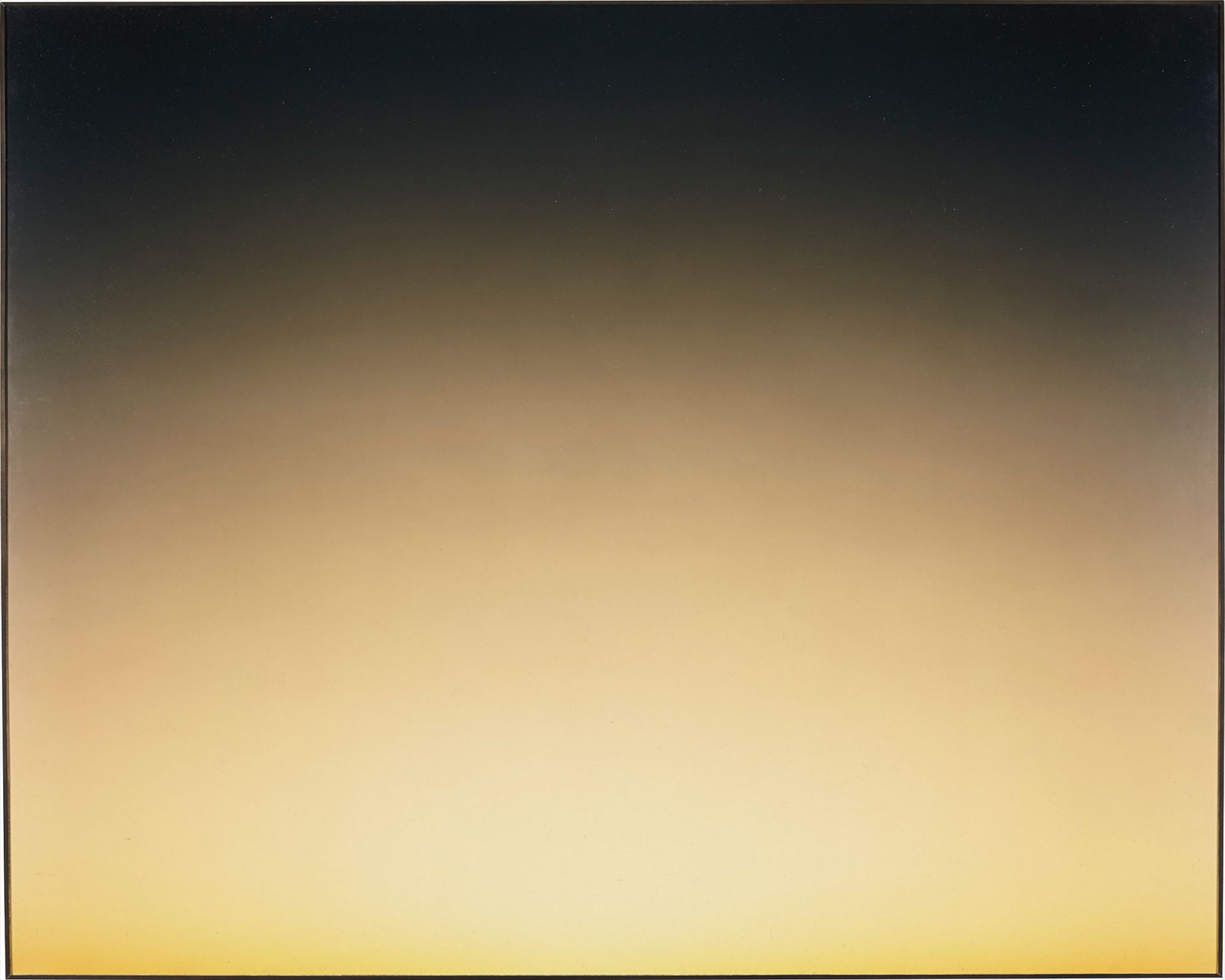
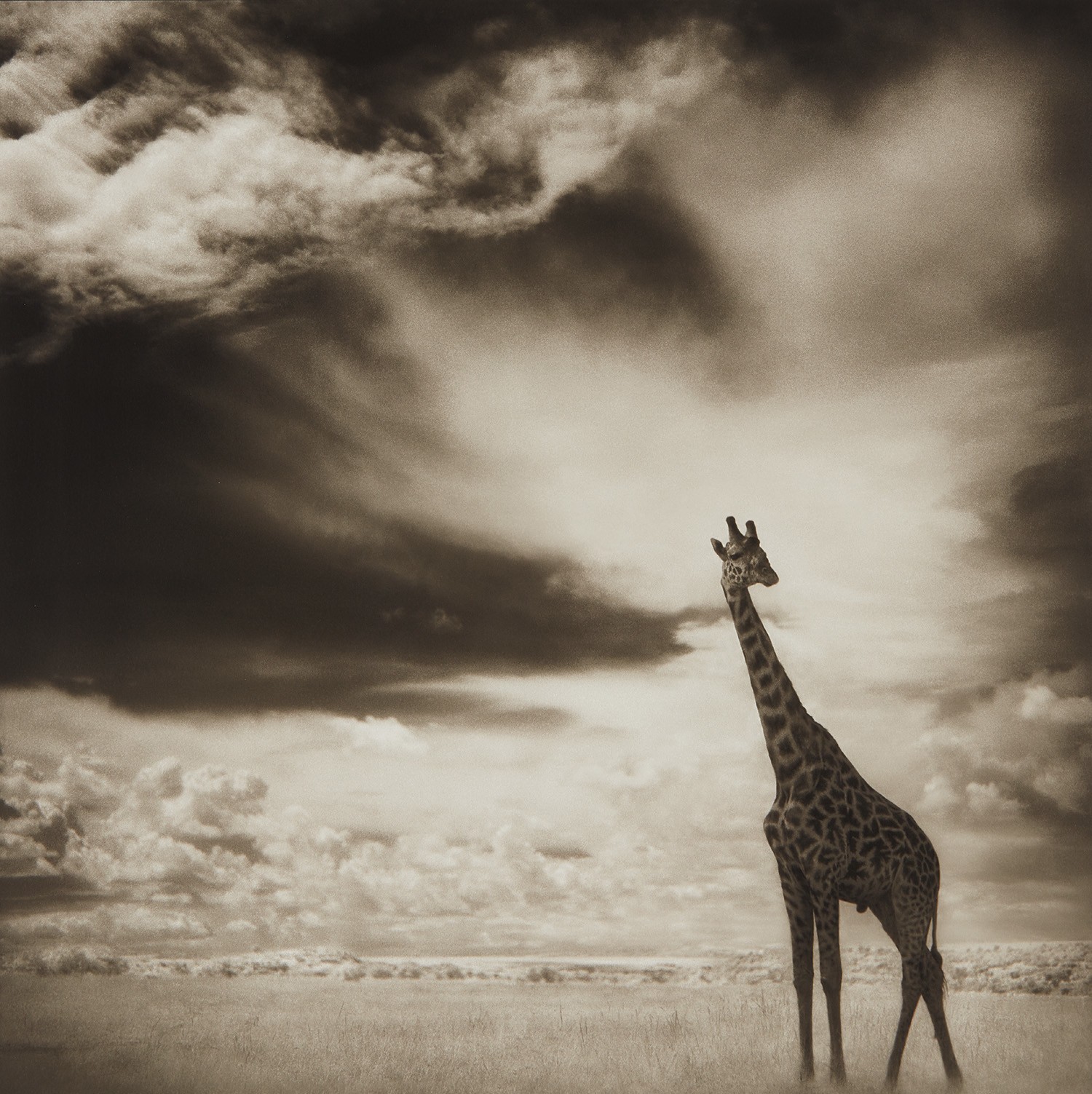
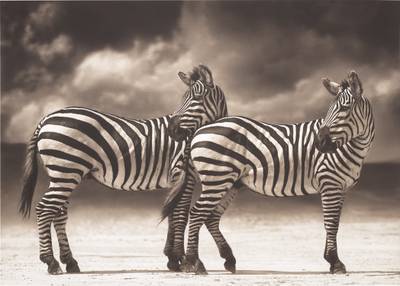
His large scale black and white photographs of African wildlife and, more recently, the devastation wrought upon those same landscapes by human activity, have developed an audience that spans traditional photography collectors and environmental philanthropists. Murray Fredericks, less widely known outside specialist circles but deeply respected within them, has spent years photographing the Australian salt lake known as Kati Thanda Lake Eyre under conditions of almost punishing isolation, producing images of radical horizontal emptiness that reward extended looking. Both artists are well represented on The Collection, and both speak to the way panoramic format has become a natural home for work that wants to hold something vast and fragile in a single sustained breath. The critical conversation around panoramic format has been shaped significantly by writers engaging with what scholars sometimes call the sublime in contemporary visual culture.
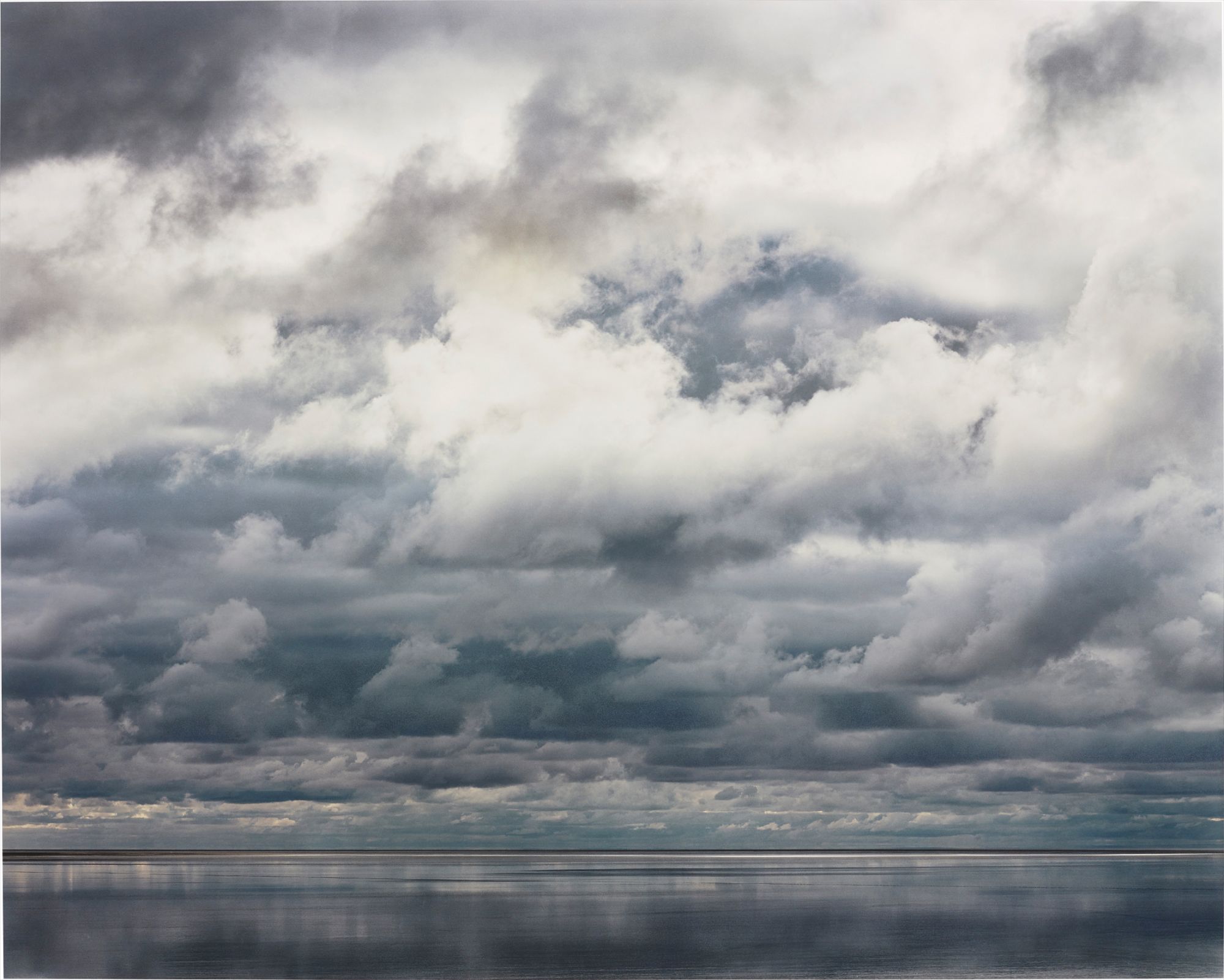
Murray Fredericks
Salt 18
T.J. Demos, in his writing on ecology and art, has helped frame the large scale landscape photograph as a political object rather than simply an aesthetic one. The journal Aperture has returned repeatedly to questions of scale and environmental urgency, and institutions like the Fondation Cartier in Paris have mounted shows, including their acclaimed presentations of Salgado's 'Genesis' project, that position the panoramic image as a space for ethical as well as aesthetic reflection.
Curators like Roxana Marcoci at MoMA have been attentive to the way format itself carries meaning, and her writings on photography and scale remain essential reading for anyone collecting seriously in this space. What feels genuinely alive right now is the emergence of artists working at the intersection of panoramic photography and digital landscape construction. Michael Reisch produces images that sit deliberately between the photographed and the fabricated, long horizontal visions of terrain that feel geological in their authority while refusing straightforward documentary claims. Stefan Rüesch brings a similarly ambiguous quality to his practice.
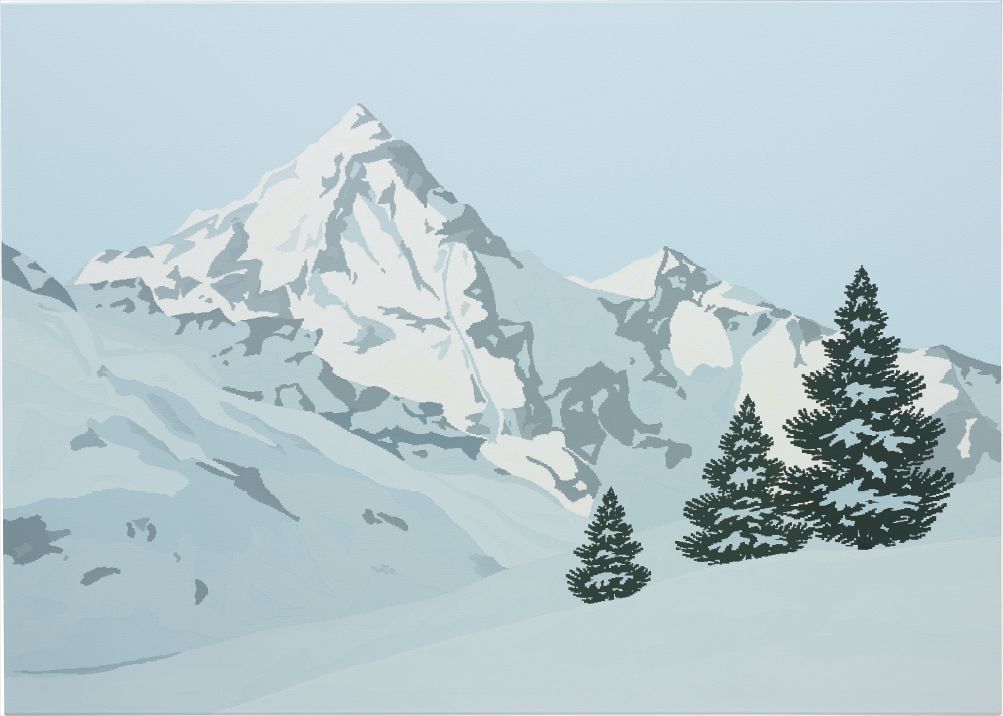
Stefan Rüesch
Gipfeltreffen (St Moritz), 2016
Alongside them, the legacy of artists like Art Sinsabaugh, the mid twentieth century American photographer who made urban and agricultural panoramas using a format camera typically reserved for architectural documentation, is receiving renewed critical attention as institutions and scholars recognise how early and how precisely he understood what the extended horizontal could do. For collectors, the question is less whether panoramic format matters and more where within it the next significant movement will emerge. The most adventurous institutions are currently looking at practices that combine large format photography with installation, where the image becomes environment rather than object. David Hockney's digital panoramas and his ongoing investigations into multiple perspective, well represented in museum collections from the Royal Academy to the Metropolitan Museum of Art, suggest that the appetite for works that stretch and challenge peripheral vision has no obvious ceiling.
The wide view, it turns out, keeps getting wider, and the market, the museums, and the most attentive collectors are all leaning in the same direction.