Neon Art
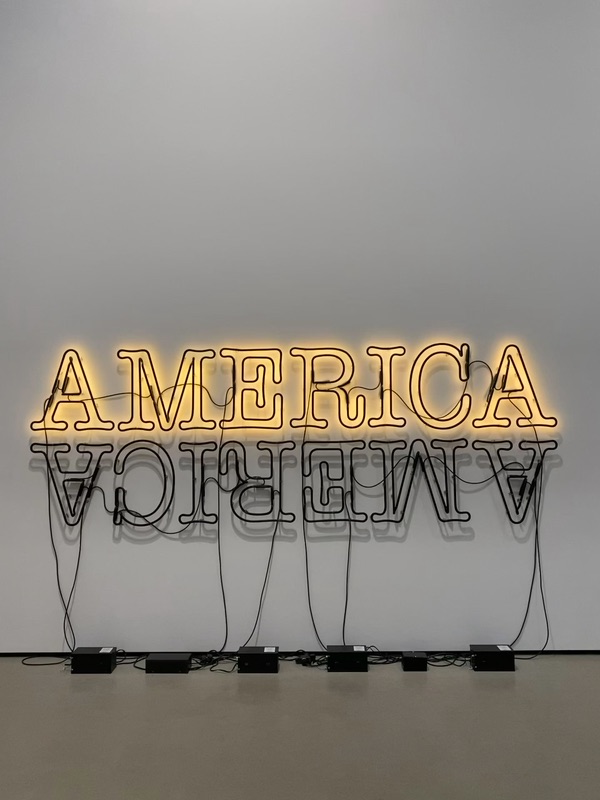
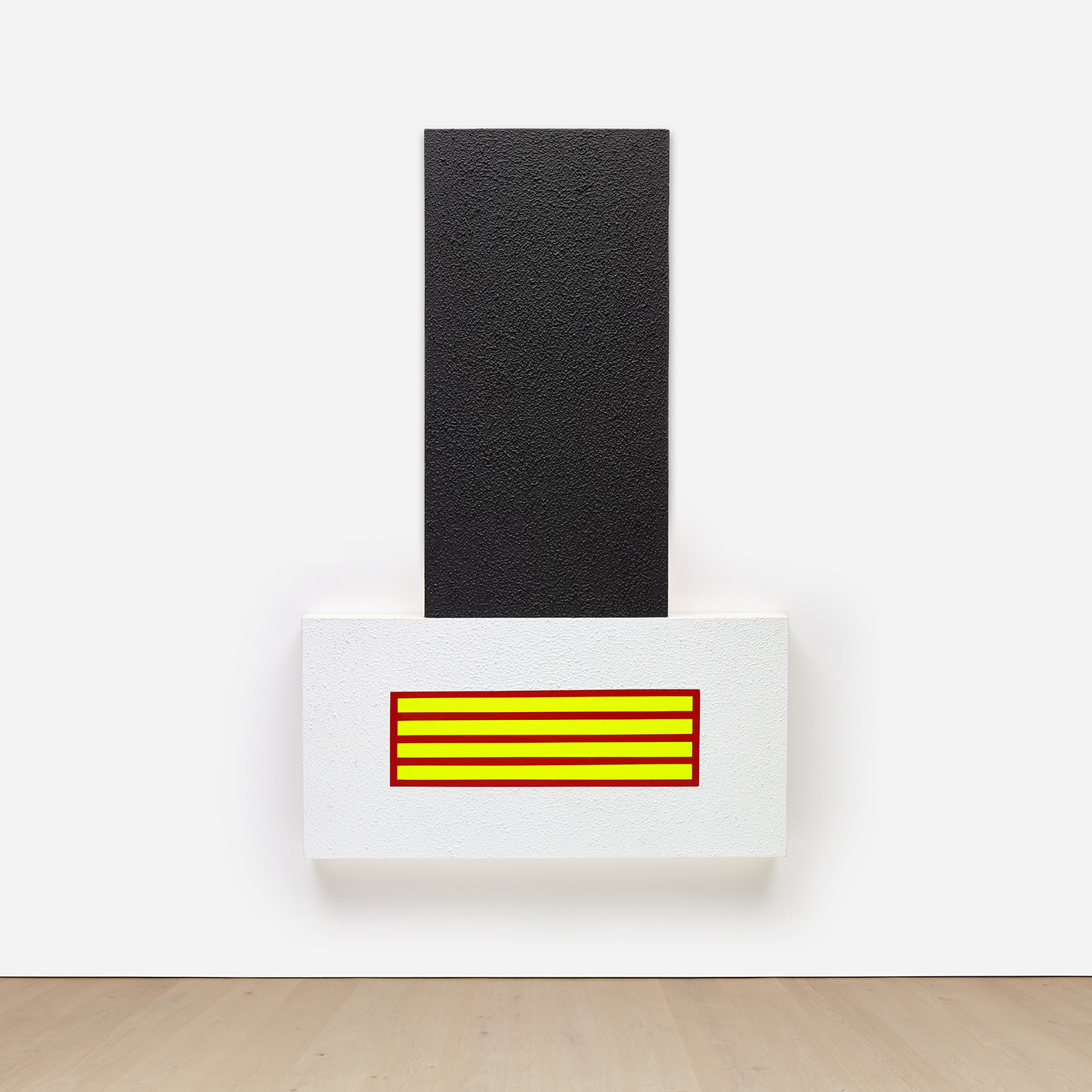
Glenn Ligon
Untitled





Neon: The Medium That Never Stops Glowing
There is something almost alarmingly alive about a neon work. The gas hums inside its glass prison, the light pulses with a warmth no LED can convincingly imitate, and the whole object seems to breathe. It is one of the few mediums in contemporary art that activates a room before you have even focused your eyes on it. That quality, seductive and slightly unsettling in equal measure, is precisely why neon has endured from its industrial origins through decades of avant garde experimentation and into the white cube spaces of the world's most serious collectors.
The story of neon as art begins well before any gallery showed it. Georges Claude, the French engineer and inventor, first demonstrated neon lighting publicly at the Paris Motor Show in December 1910, and within two decades the technology had swept across commercial America, wrapping diners and movie houses in buzzing chromatic fire. Artists took note. The medium was already doing something aesthetically interesting in the street, and the question was only whether it could be brought inside and made to mean something beyond advertisement.
Bruce Nauman
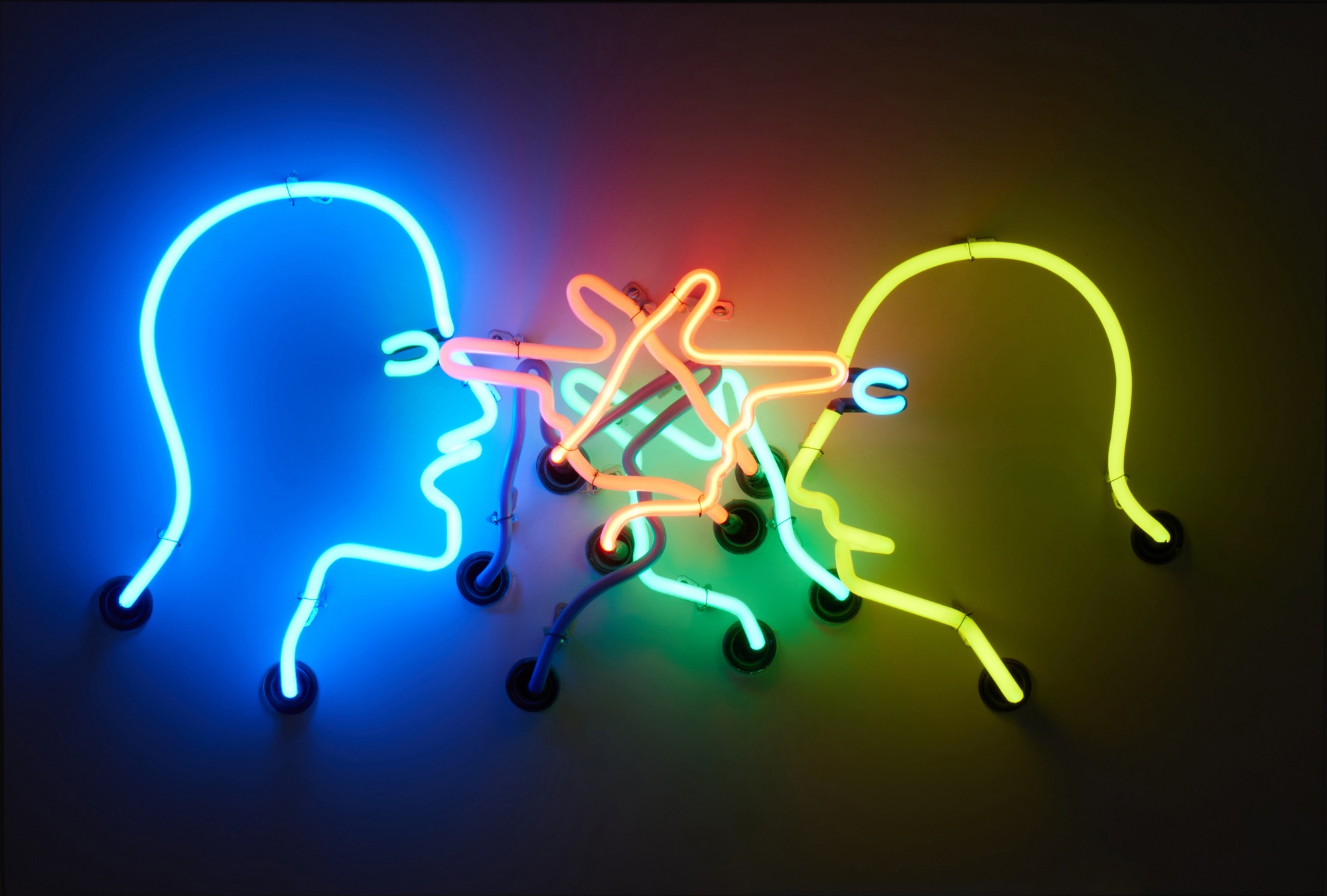
Double Poke in the Eye II, 1985
That question would take another fifty years to answer properly. It was the American artist Bruce Nauman who, in the late 1960s, transformed neon from commercial signage into a vehicle for conceptual and linguistic enquiry. His neon works from this period, including pieces that bent text into loops and spirals, treated language as something physically unstable, something that could be twisted, inverted, and made to contradict itself. Nauman's approach insisted that neon was not decoration but argument.
Around the same time, Keith Sonnier was incorporating neon into installation work that blurred the boundary between sculpture and environment, using the glow of the tubes as a spatial material rather than simply a surface effect. Both Nauman and Sonnier are represented on The Collection, and seeing their work alongside each other makes the range of neon's conceptual possibilities immediately legible. The 1980s brought a different sensibility. Neon appeared in the paintings and text works of Jean Michel Basquiat's generation, and the medium became entangled with the energy of downtown New York, the clubs, the streets, the urgency of a cultural moment that felt like it was happening in real time under artificial light.
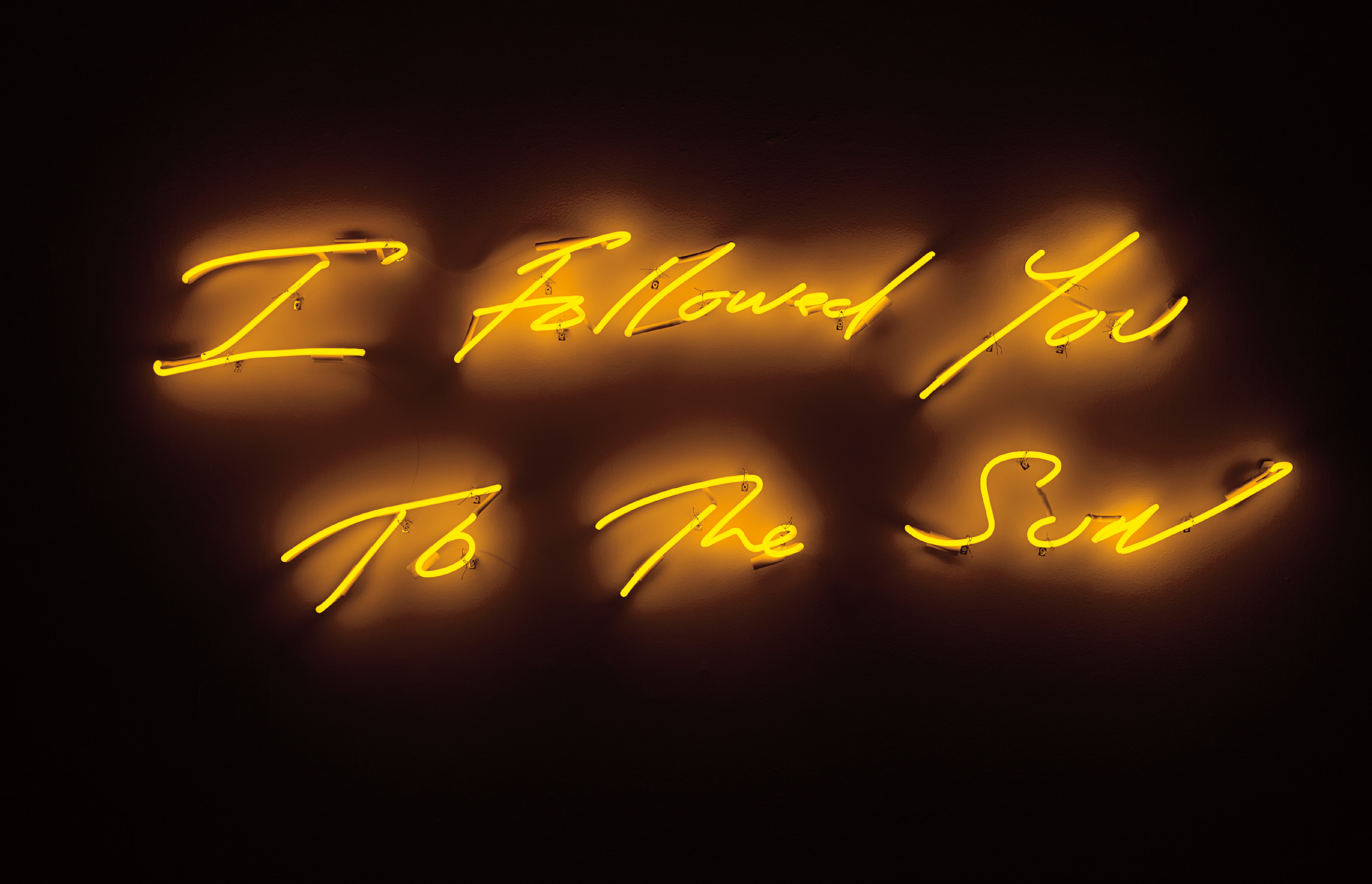
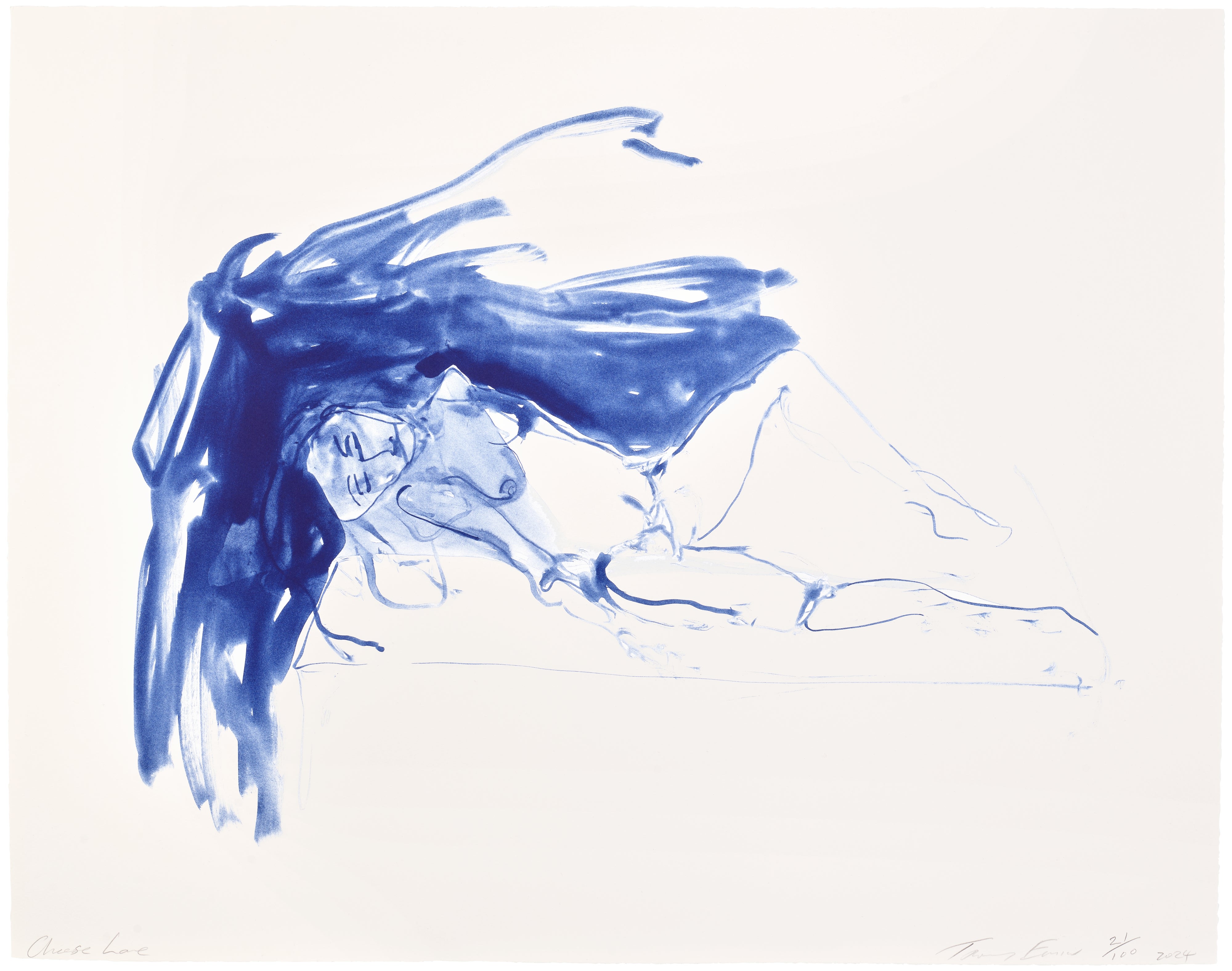
Tracey Emin
I Followed You to The Sun
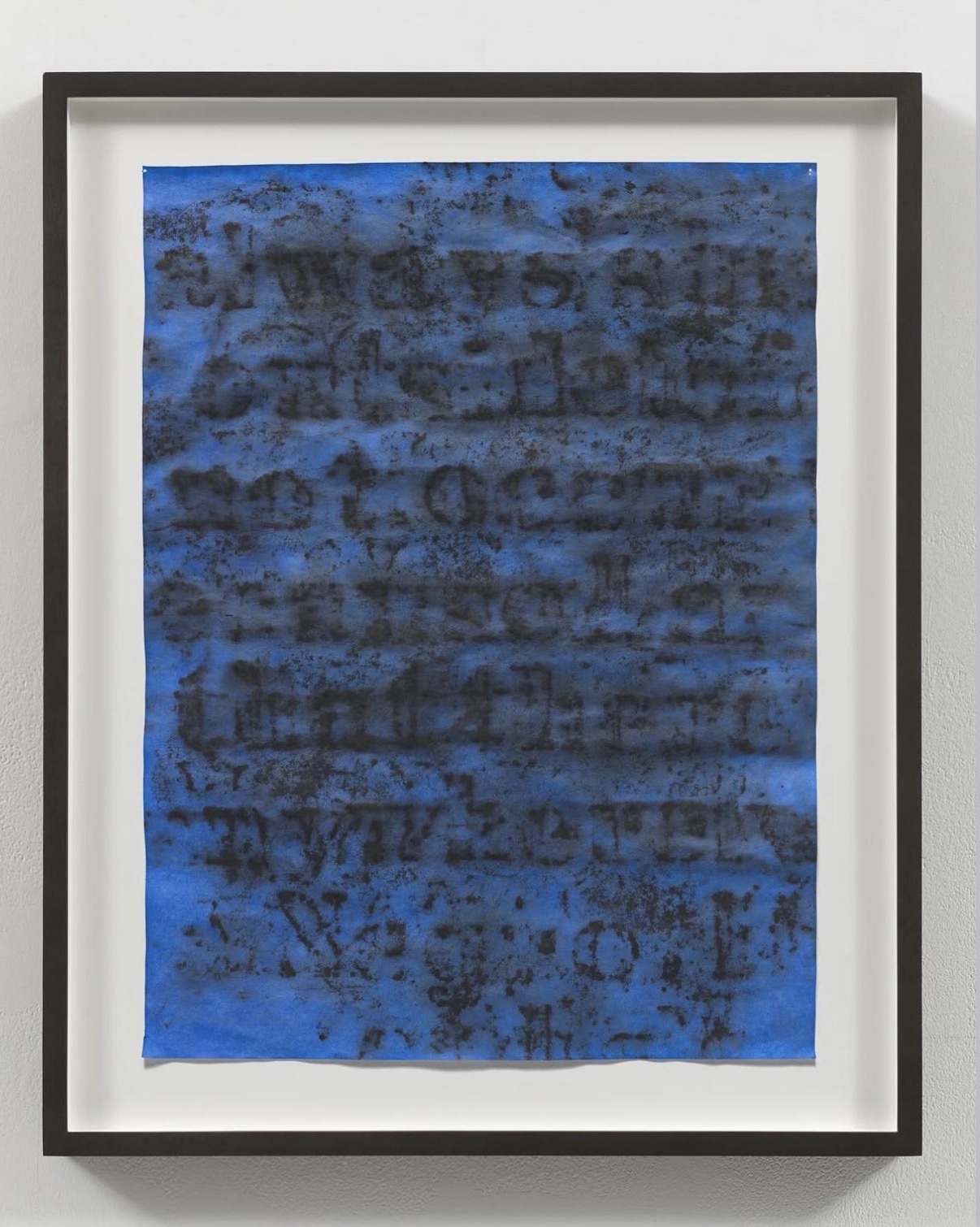
Glenn Ligon, whose work on The Collection pursues language as both weapon and wound, has used neon to deliver text that hits the viewer with the force of a slap, the warm glow of the medium acting in deliberate and uncomfortable tension with the weight of the words it carries. That tension, between the seductive beauty of the light and the difficulty of the content, is one of neon's great gifts to artists working with race, identity, and power. In Britain, neon found a particularly fertile home during the Young British Artist moment of the 1990s. Tracey Emin became perhaps the most recognisable neon artist in the world, her handwritten confessions bent into glass and gas with an intimacy that felt almost embarrassing to witness.
The looping cursive of her neon works carries the vulnerability of a personal letter combined with the permanence and public declaration of a monument. Emin is exceptionally well represented on The Collection, and the breadth of her neon practice available here speaks to how central this medium has been to her entire project of making the private radically visible. Tim Noble and Sue Webster, also on The Collection, took a darker and more theatrical route, using neon in ways that amplified their interest in transgression, desire, and the seedy glamour of the night. Where Emin whispers, Noble and Webster tend to shout, and the difference is instructive.
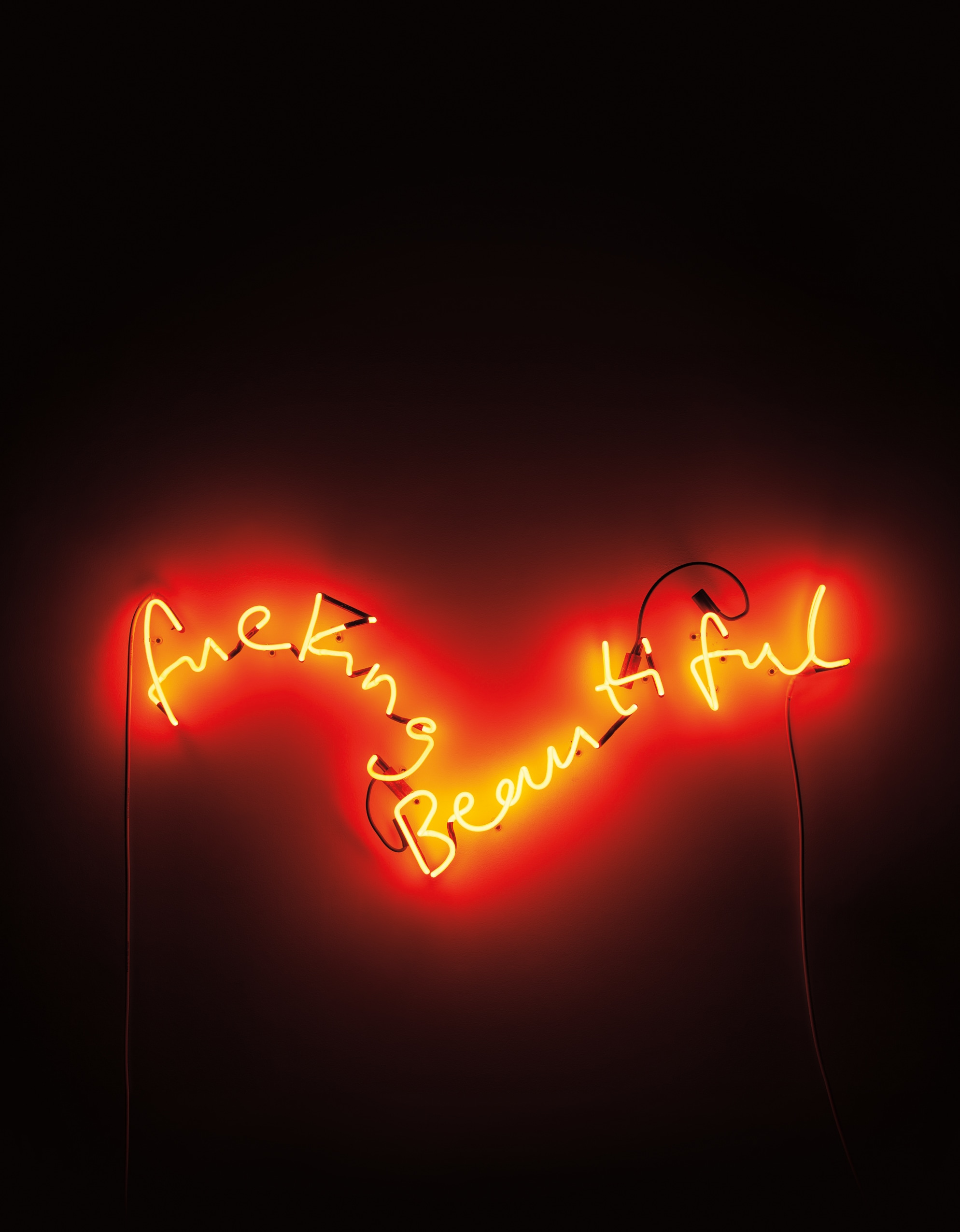
Tim Noble and Sue Webster
A 'Fucking Beautiful' detail, 2000
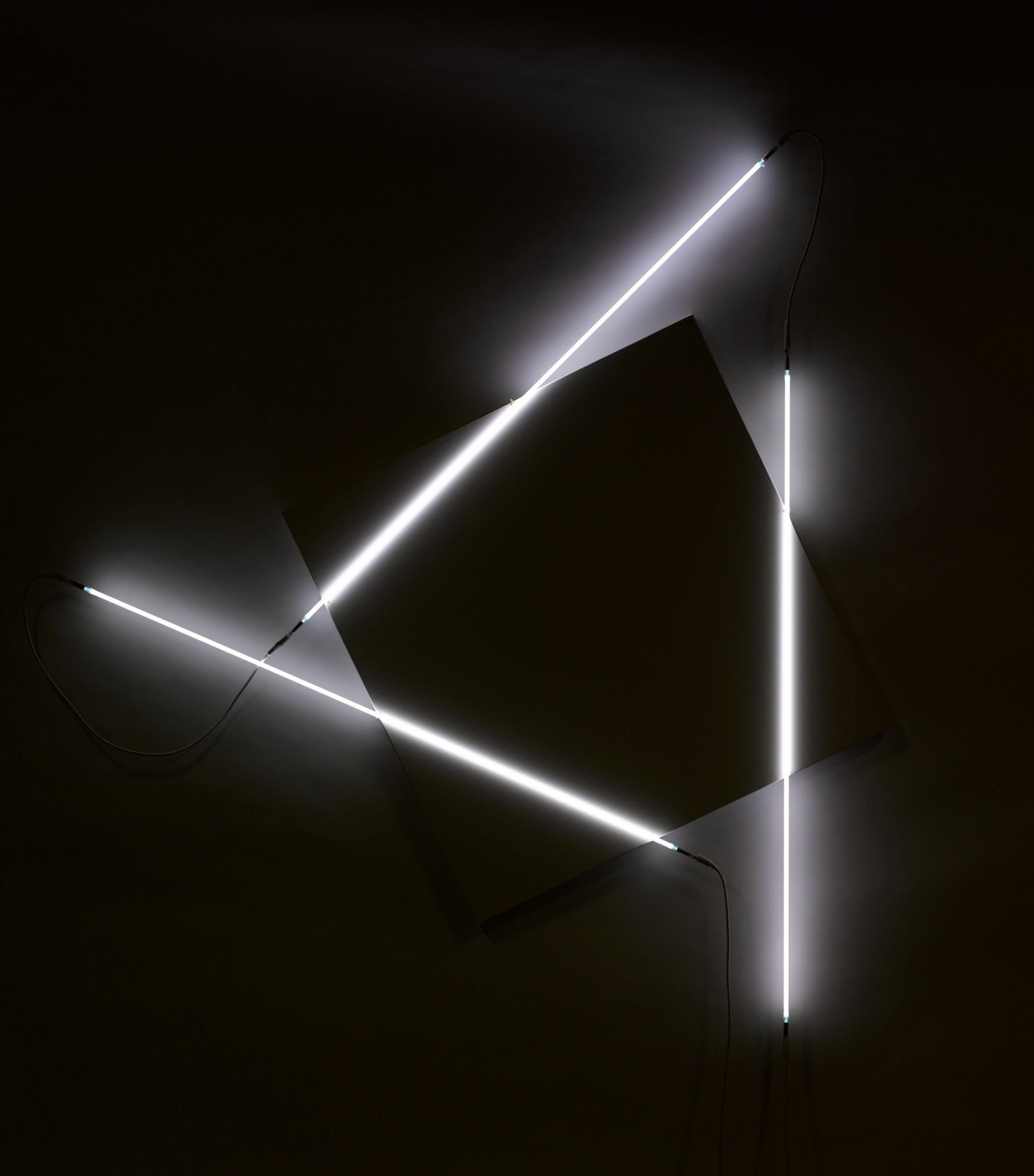
The conceptual possibilities of neon have never been confined to text. François Morellet, the French artist associated with geometric abstraction and the GRAV group, used neon tubes as pure form, exploring fragmentation and spatial rhythm with the same rigour he brought to his paintings and installations. Martin Creed's work with neon sits within his broader practice of reducing art to almost nothing while refusing to let that nothing be meaningless. Cerith Wyn Evans has consistently used neon as a vehicle for layered literary and philosophical reference, his works functioning like quotations from an invisible library.
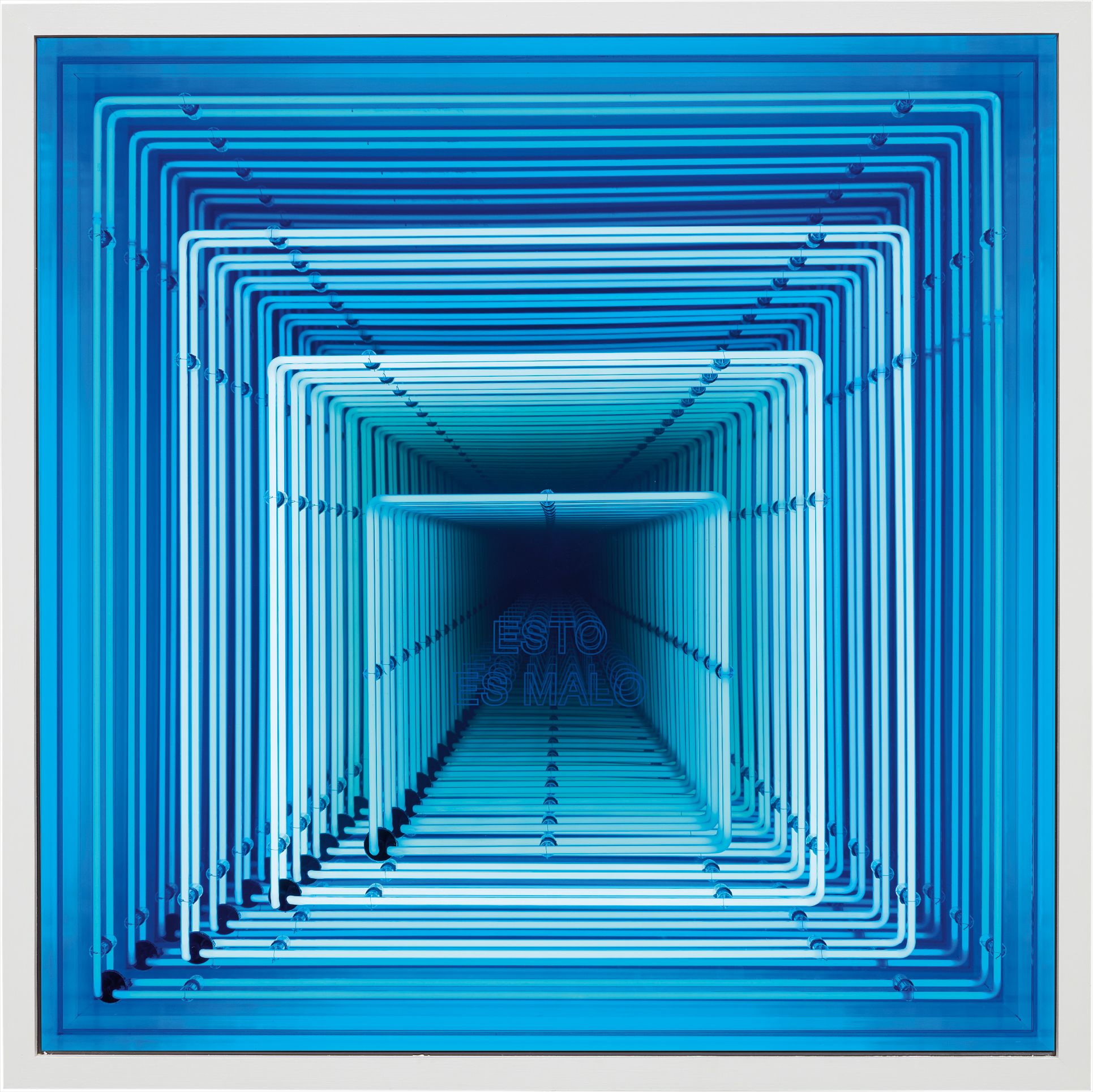
Each of these artists, all present on The Collection, reveals a different facet of what the medium can bear. Beyond the established names, younger and mid career artists have continued to find new pressures to apply to the form. Iván Navarro has used neon within mirrored structures that create vertiginous illusions of infinite space, connecting the glamour of the medium to darker meditations on surveillance and power. Tavares Strachan's neon works enter into dialogue with science, history, and the politics of who gets to be remembered.
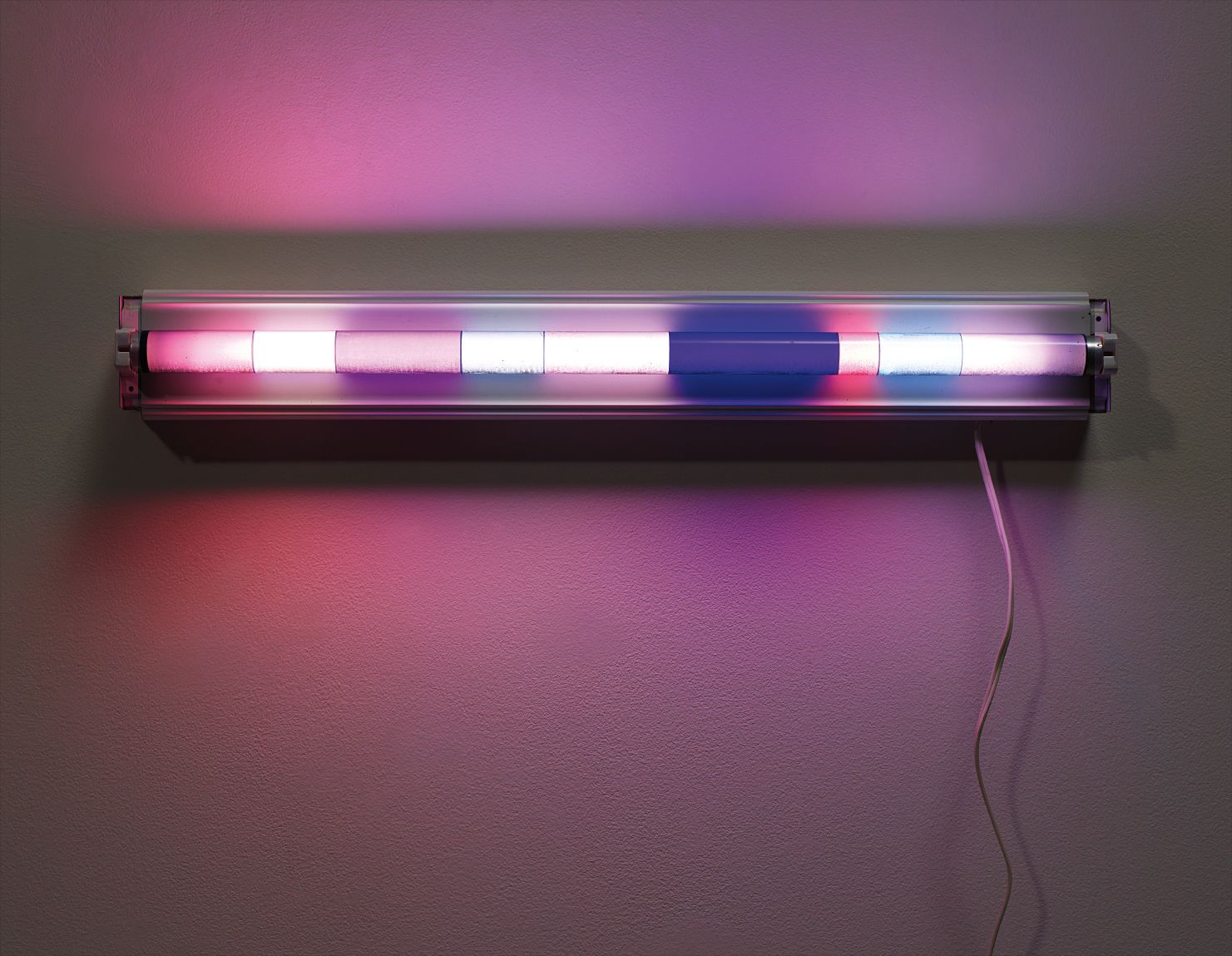
Spencer Finch
Moonlight (Luna Country, New Mexico, July 13, 2003)
Spencer Finch, always attentive to the phenomenology of light and perception, brings a quieter and more meditative approach. The range suggests that neon is not a movement with a fixed ideology but a material with enough physical and conceptual richness to support genuinely different kinds of thinking. What neon asks of a collector is also worth considering. These works require care: the gas can leak, the transformers need maintenance, and installation demands real expertise.
Neon is not a medium you can hang and forget. That fragility, combined with the irreducible physicality of the object, places it in an interesting position relative to an art world increasingly drawn toward the digital and the dematerialised. A neon work insists on its own presence. It takes up space, produces heat, and makes noise.
In a culture of screens and surfaces, there is something almost rebellious about that insistence on the corporeal. The Collection brings together a genuinely impressive survey of neon practice, from the canonical figures who established the medium's art historical credentials to artists who are currently redefining what it can do. Looking across these works, what becomes clear is that neon's longevity is not nostalgia and not novelty. It is the fact that light, when shaped by a human hand and charged with intention, does something to a viewer that no other medium quite replicates.
The room changes. The air changes. You find yourself standing closer than you meant to.