Naval
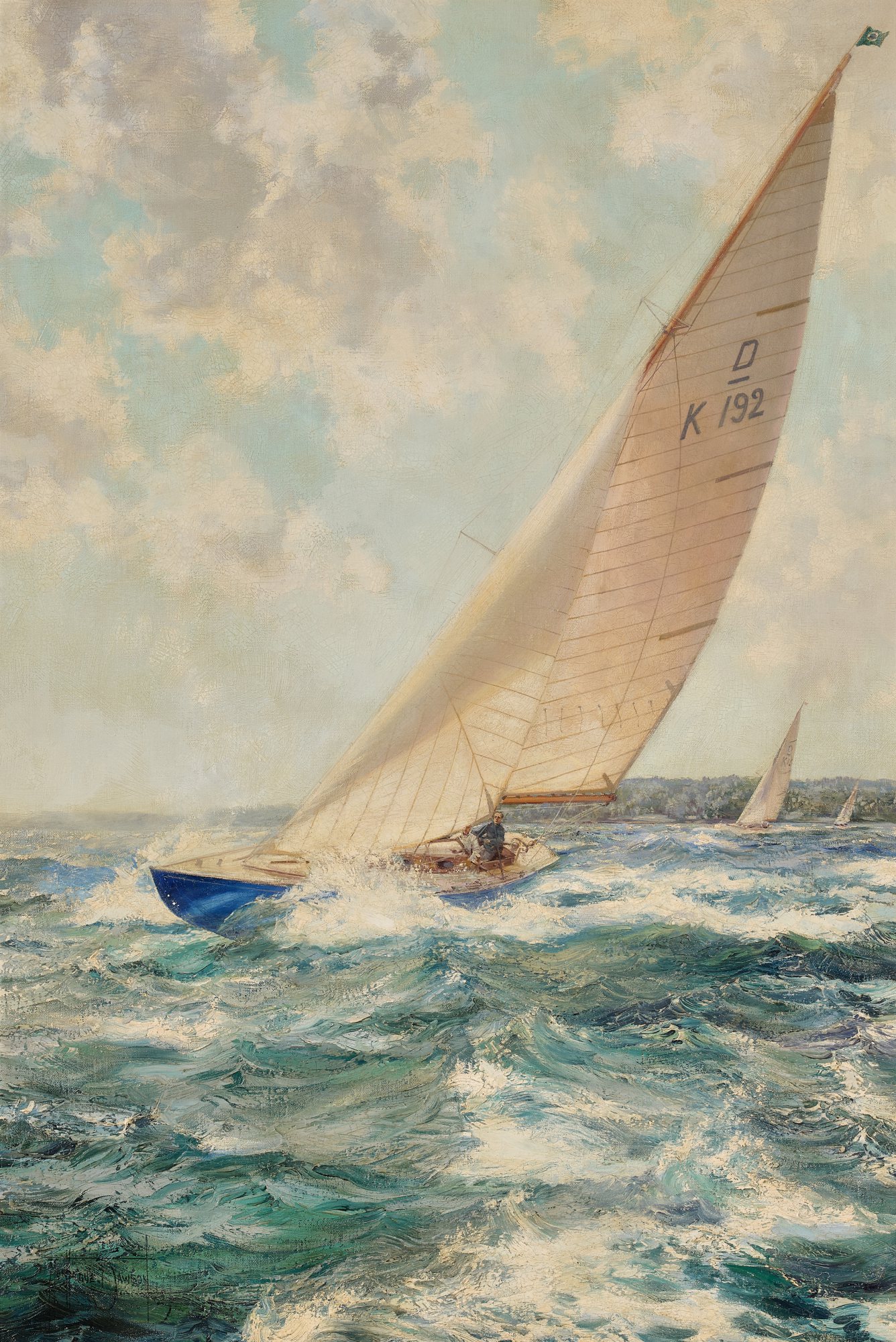
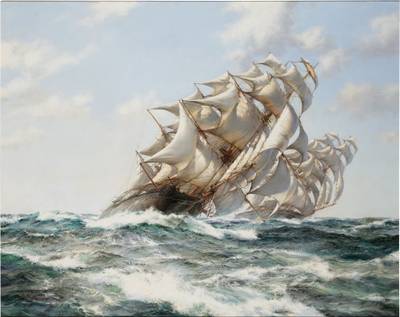
Montague Dawson
Bluebottle-Royal Racer, Helmed by the Duke of Edinburgh

The Sea Remembers Everything We Forgot
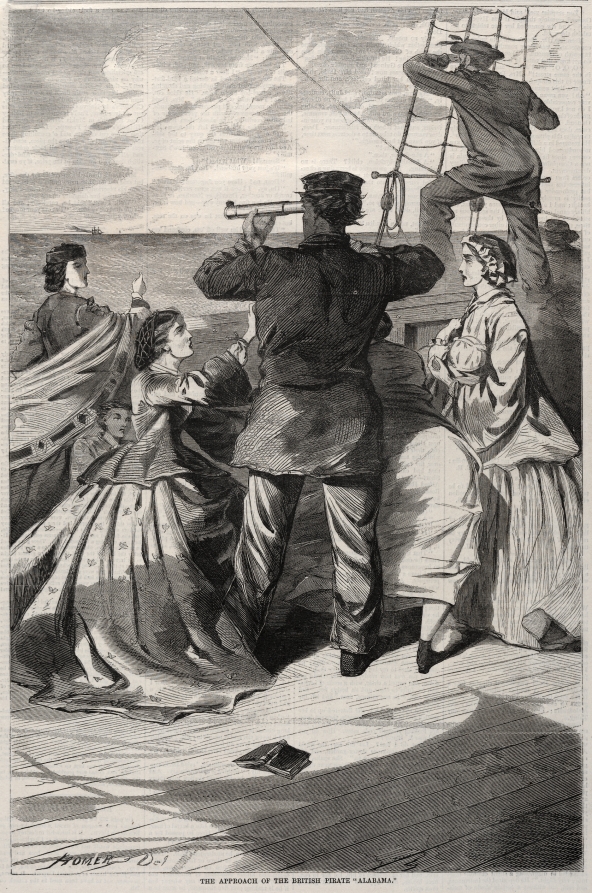
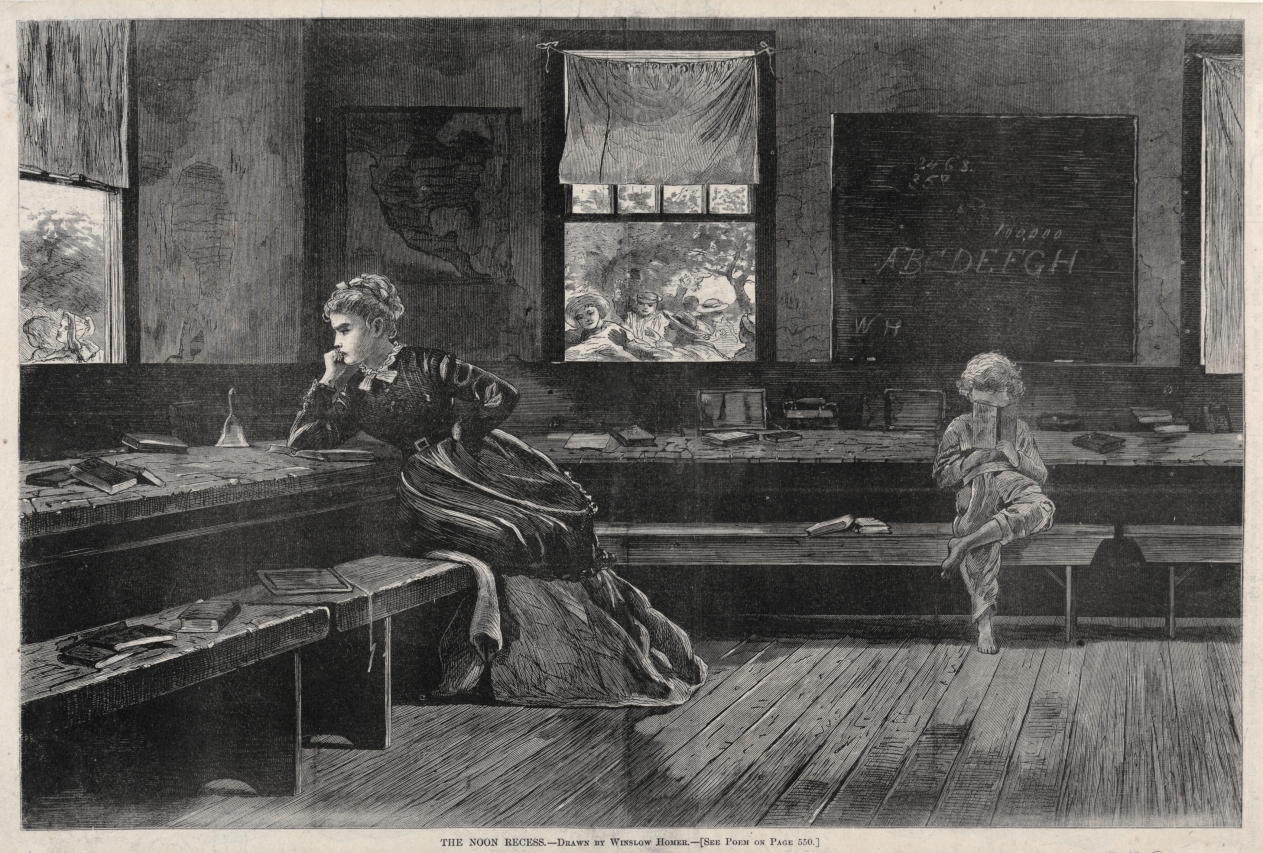
When a Winslow Homer watercolor of Adirondack guides navigating a lake went to auction at Christie's a few years back and cleared well above its high estimate, the room took note. But when Homer's maritime works surface, whether depicting the churning Atlantic or figures braced against coastal wind, something else happens entirely. The bidding slows down, then catches, then accelerates with a kind of urgency that feels almost personal. Naval and maritime painting has always had a complicated relationship with the market, dismissed by some as genre work and fiercely defended by others as among the most technically demanding and emotionally resonant painting in Western art.
Right now, the defenders are winning. The critical rehabilitation of maritime painting as a serious collecting category has been building quietly for at least two decades, and the momentum has become impossible to ignore. Major survey exhibitions at institutions like the Peabody Essex Museum in Salem and the National Maritime Museum in Greenwich have done significant curatorial work to reframe how we understand the genre, situating it not as nostalgic decoration but as a lens through which to examine colonialism, trade, power, and the sublime. When the Tate mounted its major Turner retrospective in 2014, it was the sea paintings that commanded the most sustained critical attention, and that conversation has not really stopped.
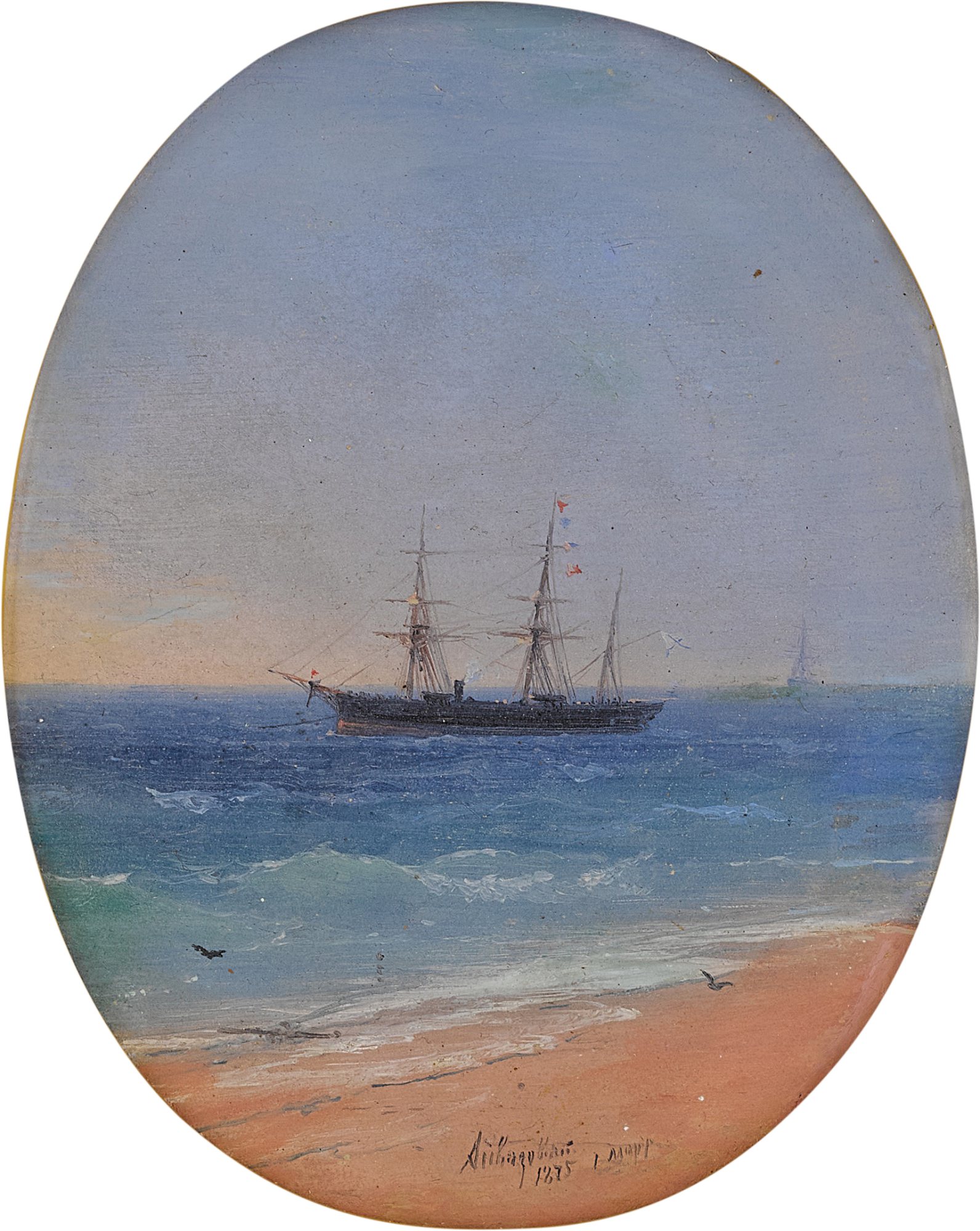
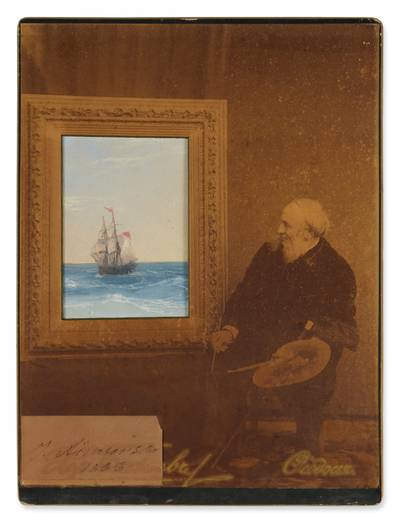
Ivan Konstantinovich Aivazovsky
A Ship of the Russian Navy off the Coast
Writers and curators began asking more rigorously what it means to paint the ocean, and whose oceans were being painted. Ivan Konstantinovich Aivazovsky sits at the absolute apex of this market conversation. The Russian master, who lived from 1817 to 1900 and produced an astonishing body of work across his long career, has become something of a bellwether for how seriously the international market takes maritime painting. His auction records are genuinely dramatic.
In 2016, his work The Ninth Wave, a different version from the famous one held at the Russian Museum in Saint Petersburg, and other major canvases have repeatedly tested and reset expectations at Sotheby's and Christie's. When an Aivazovsky appears on the block, particularly one with strong provenance and the characteristic luminous treatment of breaking water that defines his finest work, collectors from London to Moscow to the Gulf compete with real intensity. The prices signal something beyond nostalgia. They signal belief.
Montague Dawson
Bluebottle-Royal Racer, Helmed by the Duke of Edinburgh
Montague Dawson, who sits at the more accessible end of the market but is strongly represented on The Collection, occupies a fascinating position in this landscape. An artist who worked well into the twentieth century, Dawson painted sailing vessels and clipper ships with a technical precision that earned him devoted followers and occasional critical condescension in equal measure. But the market has consistently validated him. His works appear regularly at the major maritime specialists, and collectors who understand sail, who have spent time on boats and know what rigging actually looks like under pressure, respond to him with genuine enthusiasm.
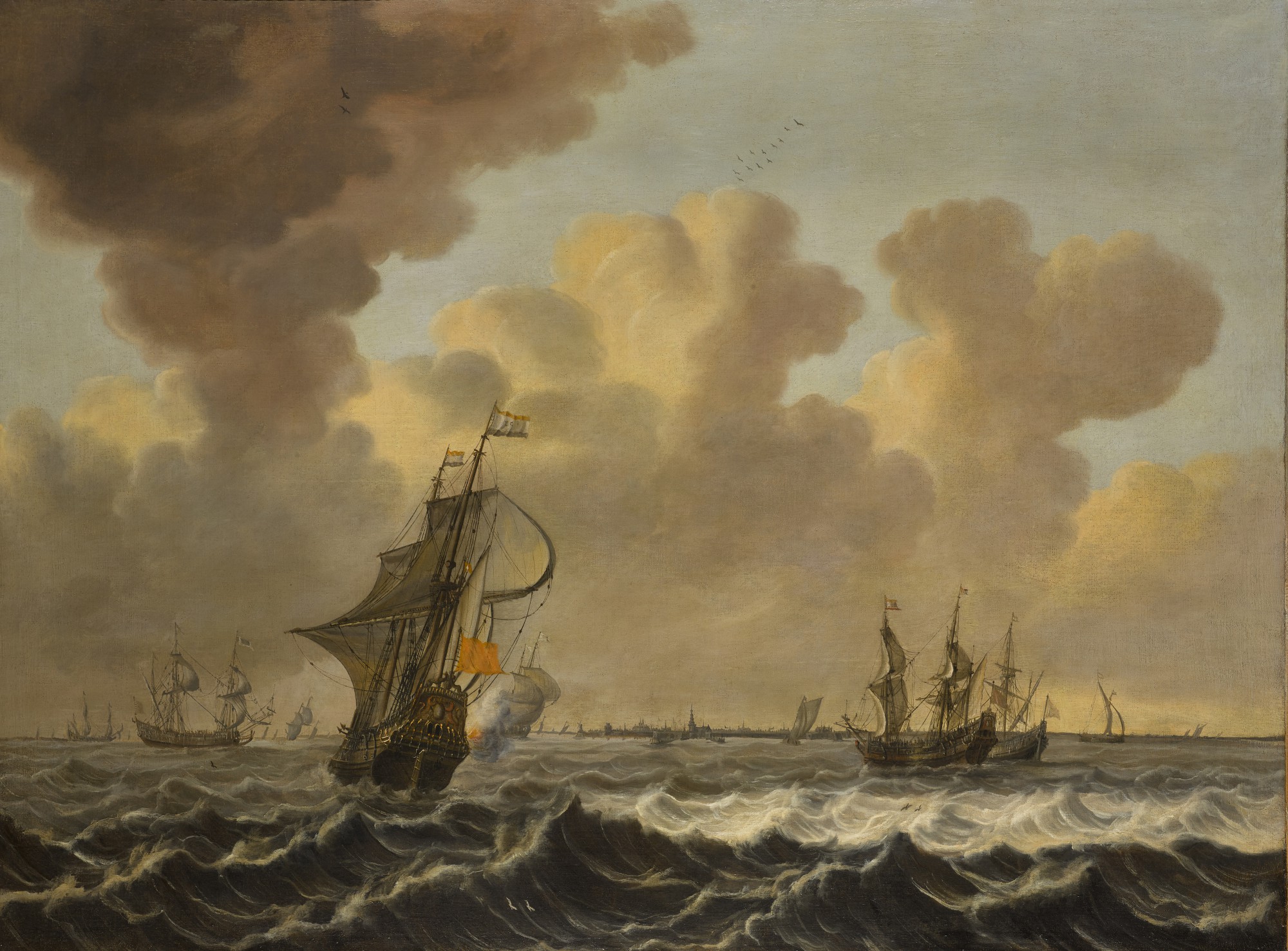
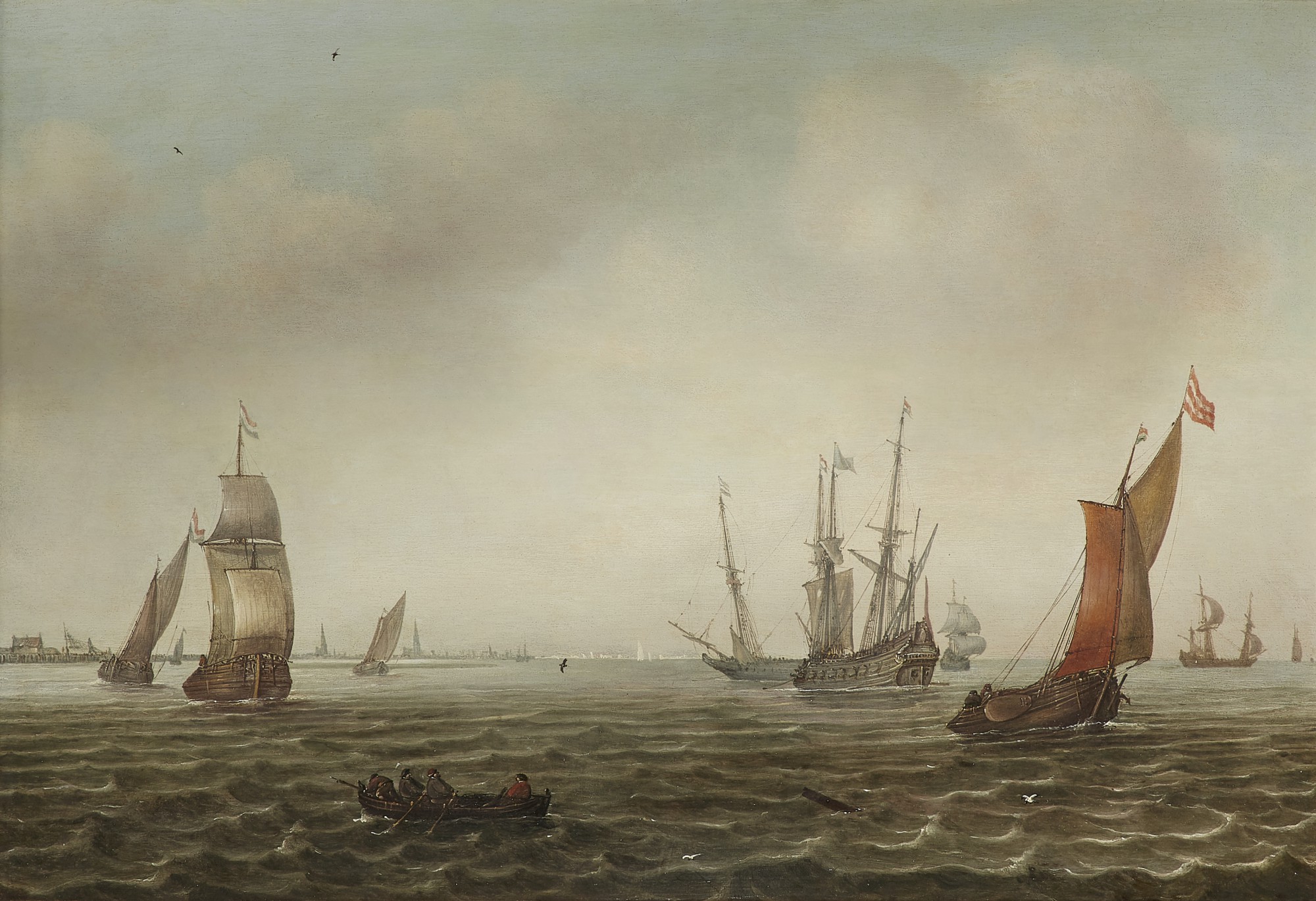
There is a community of collectors around Dawson that feels almost like a fellowship. The Dutch masters Hendrik Rietschoof, Pieter Coopse, and Justus De Verwer, all of whom have works on The Collection, represent an earlier and perhaps even more rigorous tradition of marine painting rooted in the great age of Dutch mercantile power. Their seventeenth century canvases were records of real ships, real routes, real wealth, and they carry that weight into any room they hang in. The institutional appetite for naval and maritime work has been growing in interesting directions.
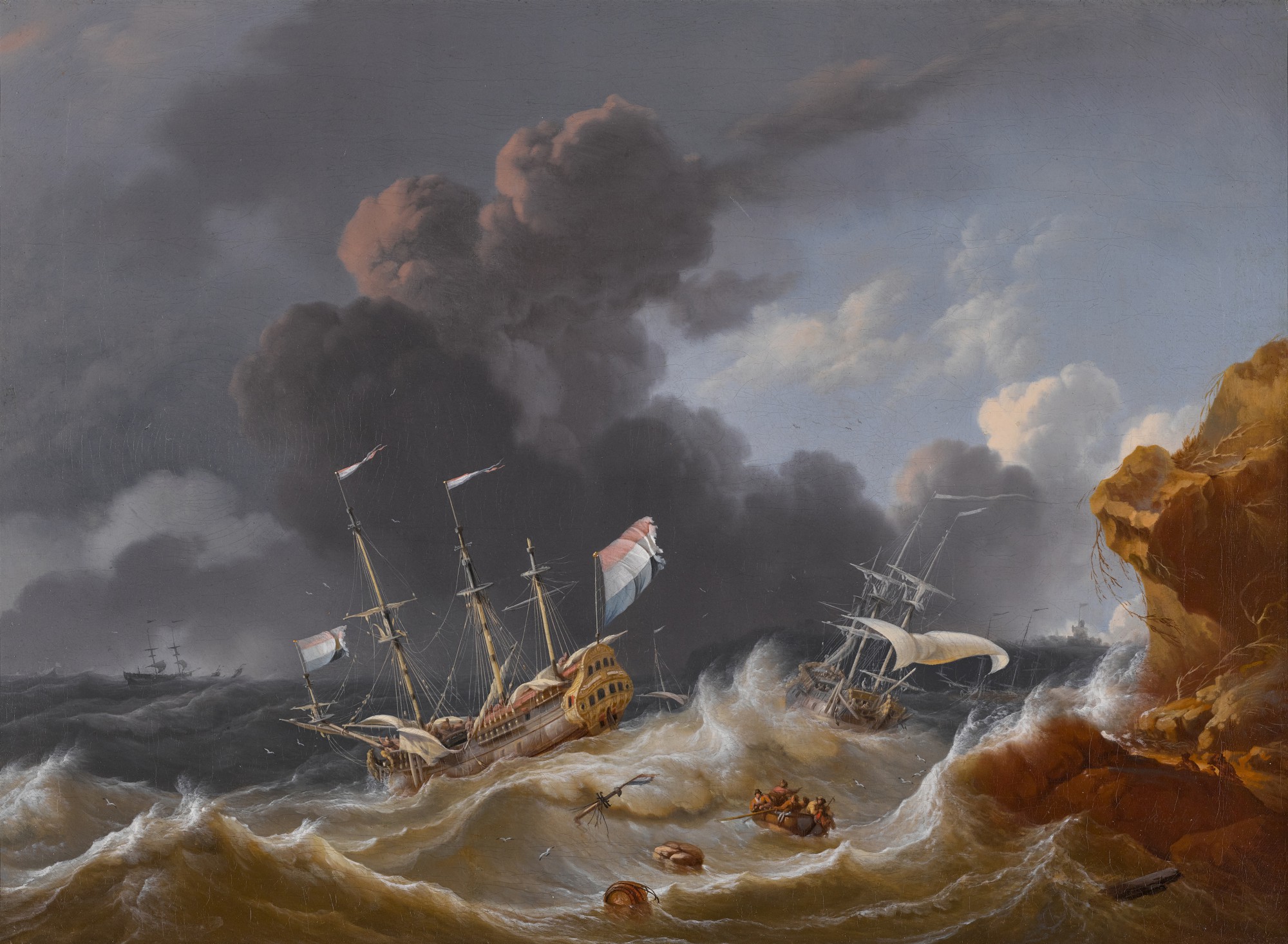
Hendrik Rietschoof
A Dutch Man-of-War and other boats in a stormy sea
The Royal Collection Trust, the National Gallery of Art in Washington, and the Rijksmuseum have all made strategic acquisitions or mounted focused displays of maritime work in recent years, and smaller regional institutions with historic connections to seafaring have been revisiting their permanent collection displays with fresh interpretive energy. What is particularly interesting is the crossover interest from museums whose primary focus is not marine art at all. Ethnographic collections, natural history museums, and institutions focused on the history of science have all begun looking at maritime painting as relevant to their own conversations about exploration, environmental understanding, and the mapping of the world. This kind of interdisciplinary interest tends to drive market awareness over time.
The critical conversation around the genre has also been refreshed by writers taking an environmental angle. As the ocean itself becomes central to discussions about climate and ecological crisis, painting that engaged seriously with water and weather and the vulnerability of human endeavor at sea suddenly feels less like historical decoration and more like urgent witness. The essay culture around this question, appearing in publications from Apollo to the Burlington Magazine and even crossing into more general literary venues, has given naval and maritime collecting a new vocabulary and a new relevance. Curators like those who shaped the National Maritime Museum's recent programming have been deliberately reaching toward younger and more diverse audiences, understanding that the genre's historical associations with empire and trade require honest engagement rather than avoidance.
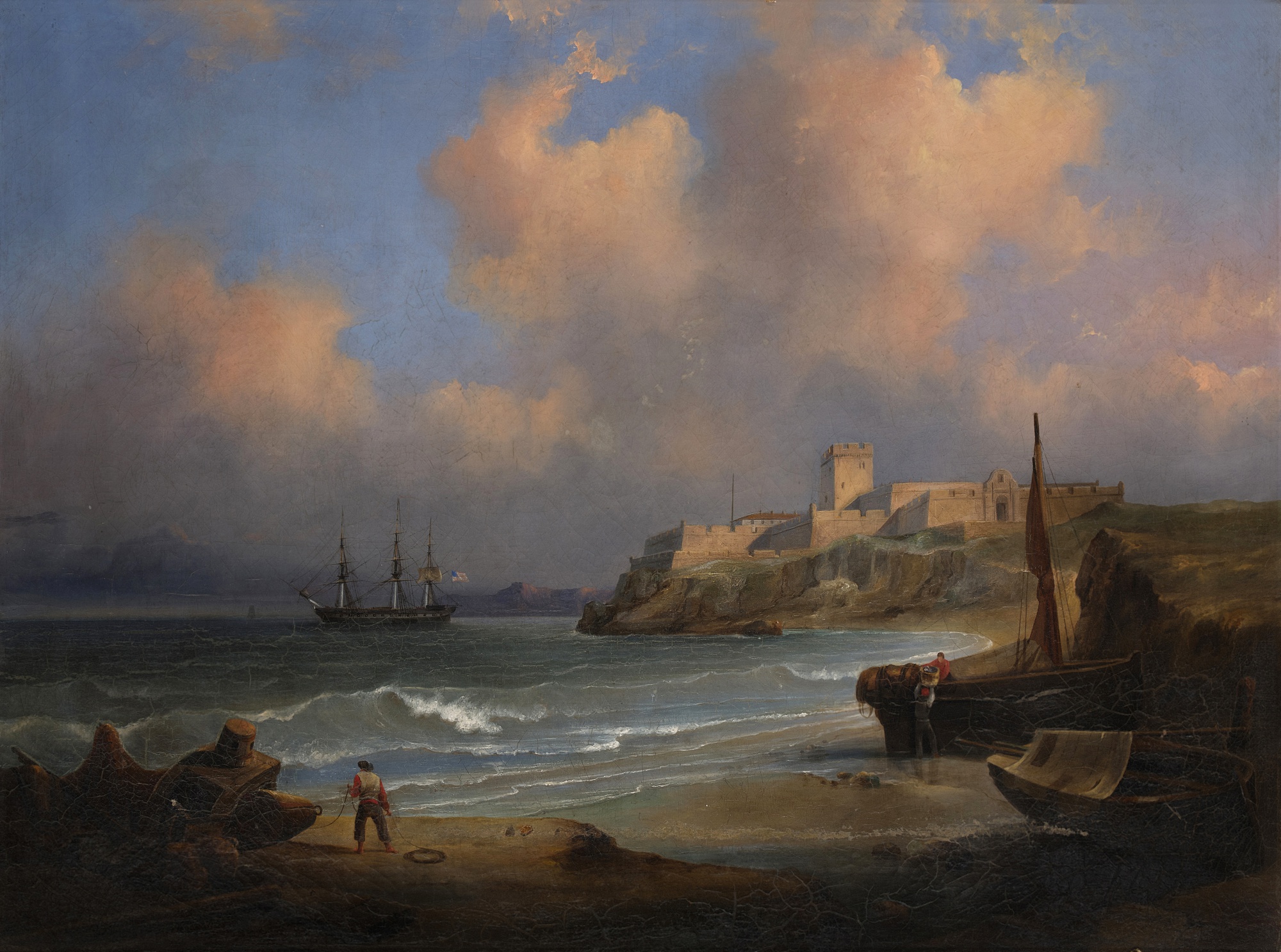
Follower of Dominic Serres
U.S.S. Constitution in a Caribbean harbor
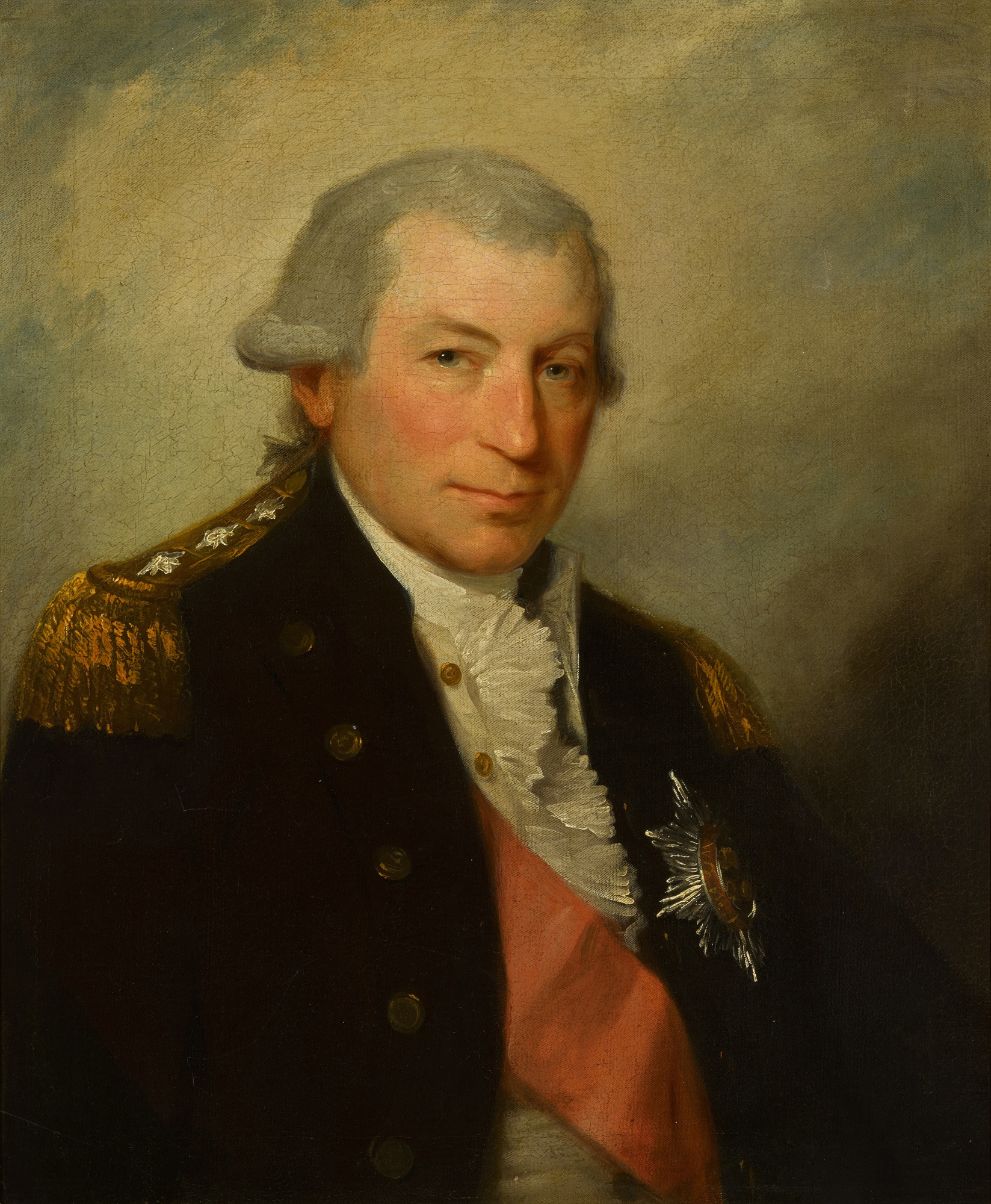
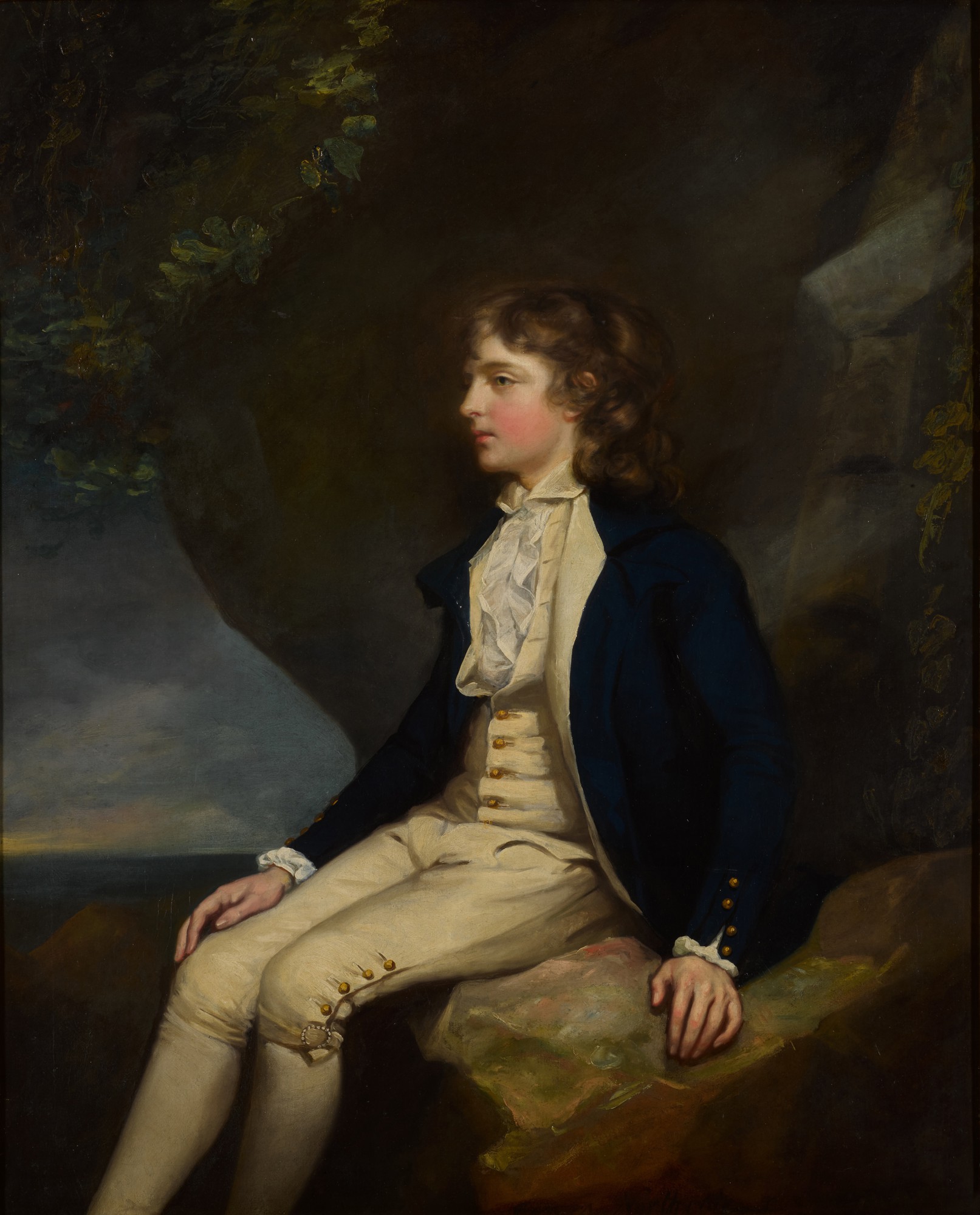
Follower of Dominic Serres, George Baxter, and James Northcote R.A., all present on The Collection, remind us that the naval genre was never a monolith. Serres was official Marine Painter to George III and documented the Seven Years War with the eye of someone who understood both spectacle and strategy.
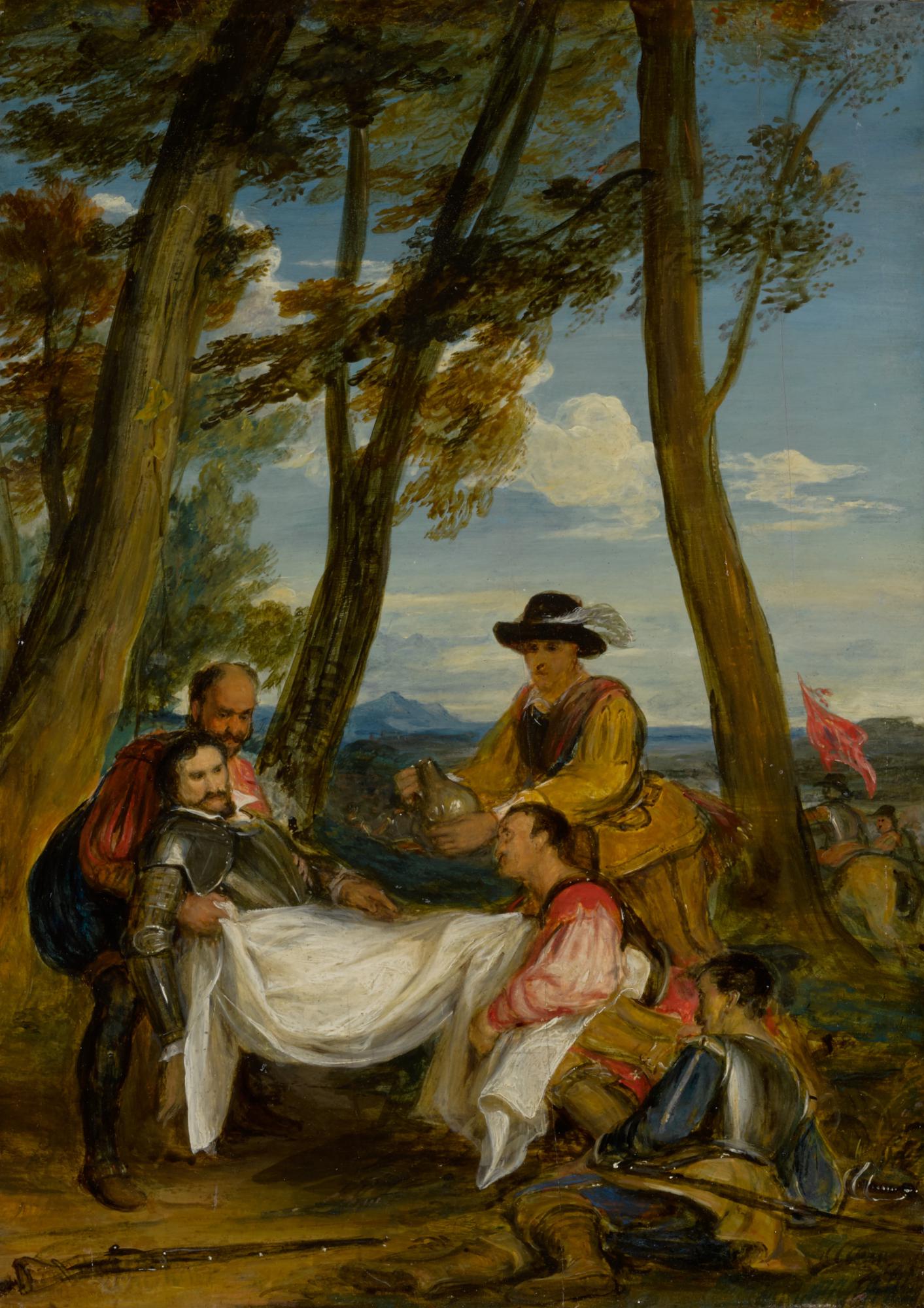
Northcote was primarily a portrait painter whose nautical adjacent work reveals the social world around the sea rather than the sea itself. These works function as historical documents as much as aesthetic objects, and serious collectors understand that distinction as a feature rather than a complication. Sir David Wilkie's presence in this grouping adds another dimension, as his career touched Scottish life, royal portraiture, and genre painting in ways that remind us the borders between categories were always more porous than the market likes to pretend. Where is the energy heading.
Toward the Dutch masters, where supply is constrained and quality is undeniable. Toward Aivazovsky, where international competition keeps prices strong. And perhaps most interestingly, toward the works that exist at the edges of the category, pieces that complicate easy readings of maritime painting as triumphalist or merely decorative. The collectors who are acquiring thoughtfully right now are asking what a painting of a ship actually means, what it was made for, and what it still has to say.
Those are the right questions. The sea, as these painters knew, holds its secrets and gives nothing away easily.