Muted Colors
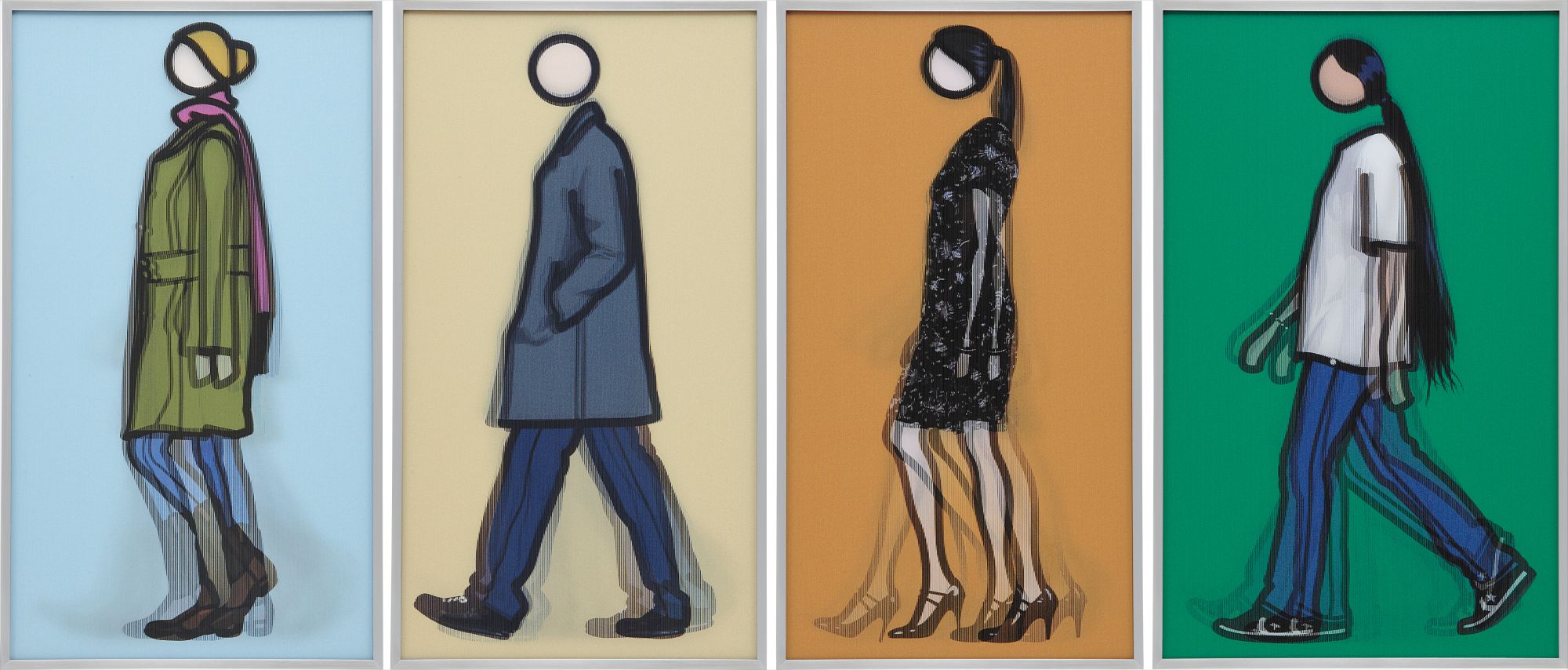
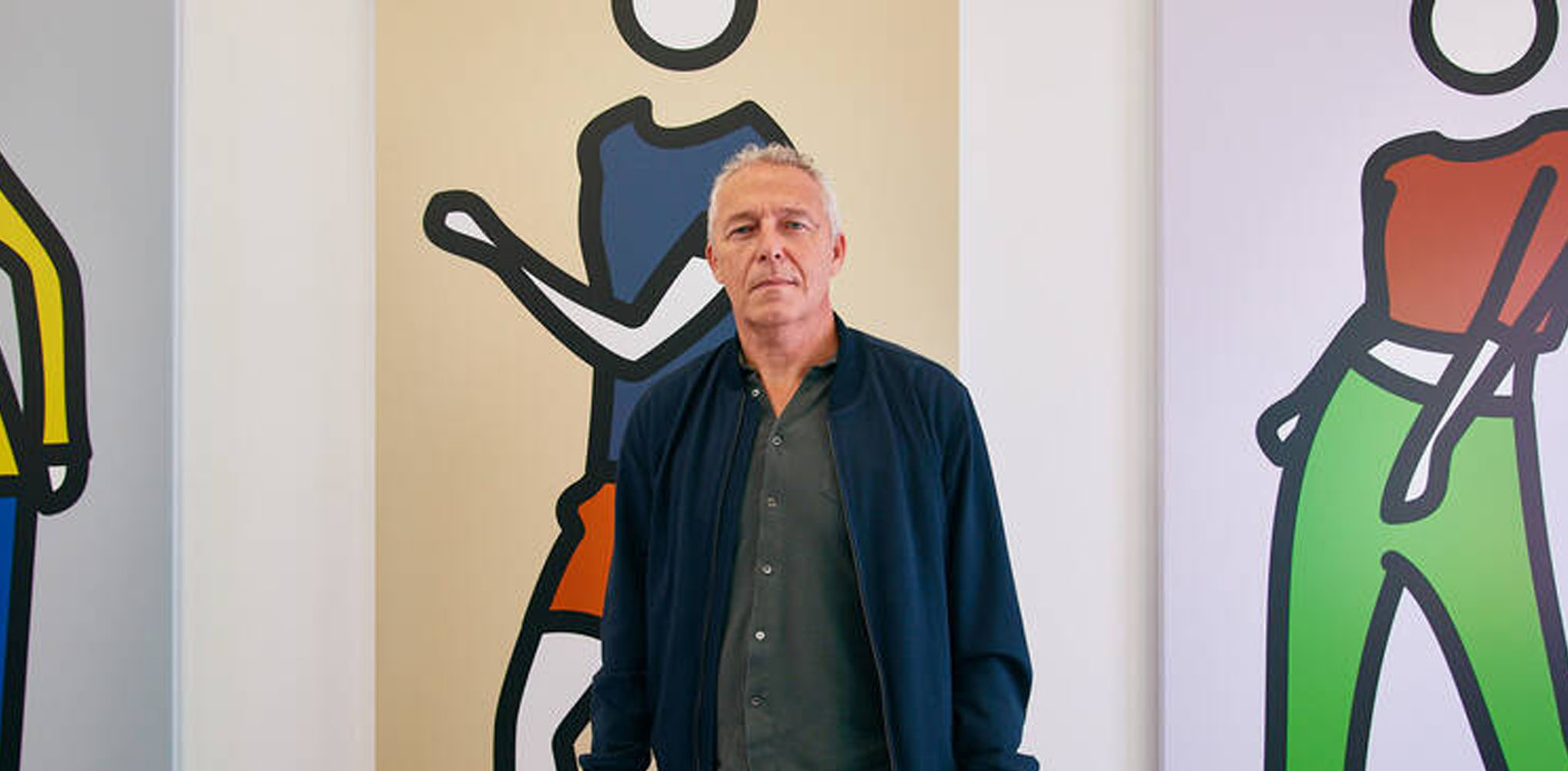
Julian Opie
Siân Walking; Jeremy Walking in Coat; Verity Walking; and Kris Walking




The Quiet Ones Always Win Eventually
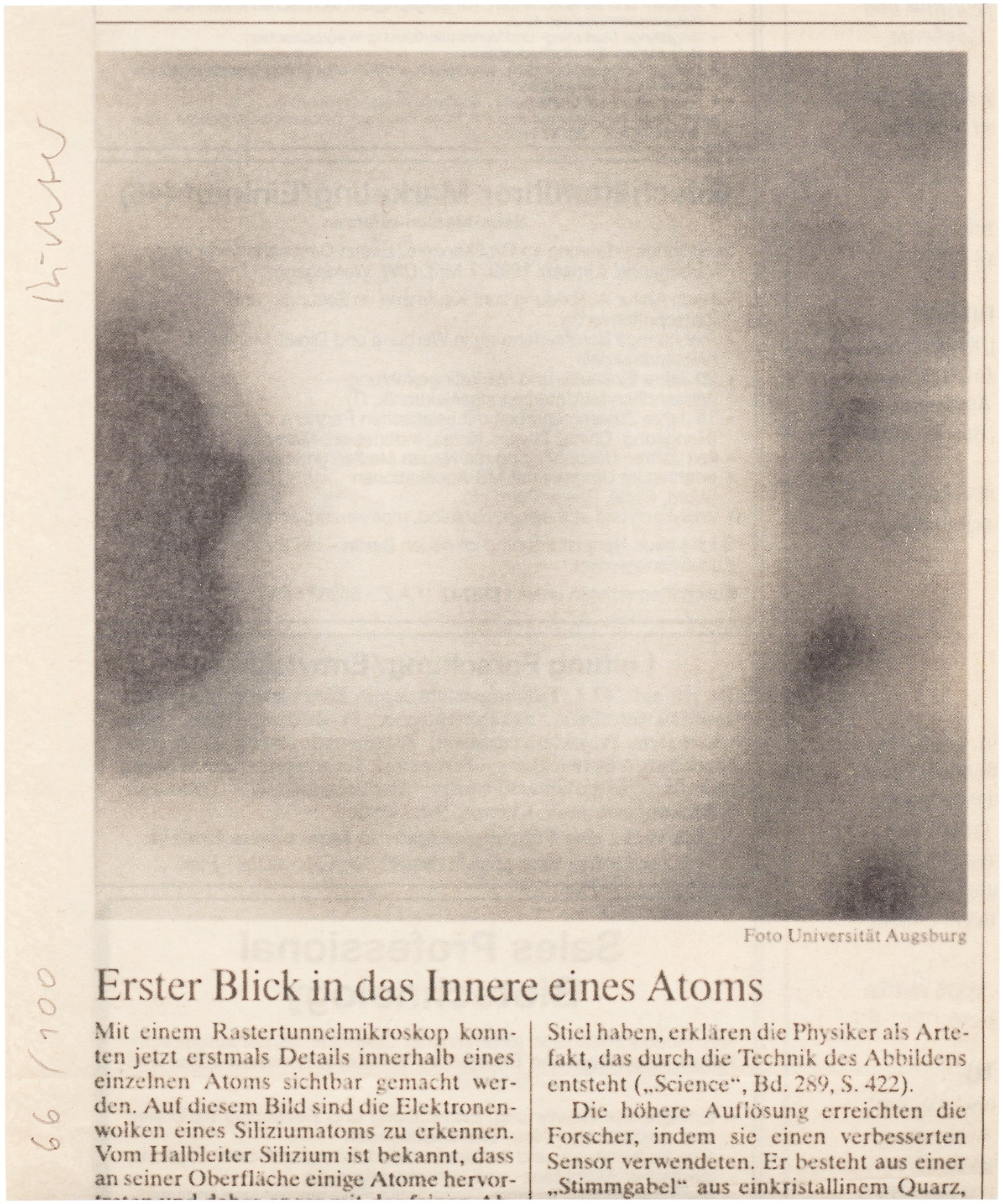
When Gerhard Richter's grey abstractions began commanding prices that outpaced his more immediately seductive photorealist works, the market sent a signal that took a while for everyone to decode. The 2015 Sotheby's London sale of his large scale grey painting Abstraktes Bild achieved a result that surprised even seasoned observers, reinforcing what certain collectors had quietly understood for years: restraint is not absence. The muted palette, long associated with academic caution or midcentury melancholy, had become one of the most contested territories in contemporary collecting. The critical rehabilitation of muted color as a serious aesthetic choice rather than a failure of nerve has been building across institutions for well over a decade.
The Museum of Modern Art's 2013 retrospective of Brice Marden, which traced his move from the monochrome panels of the late 1960s through the looping calligraphic works of later decades, demonstrated how restrained color could carry an enormous philosophical weight. Marden's surfaces, built from encaustic and oil in tones that hover between ash, bone, and sage, reward the kind of looking that most contemporary work refuses to ask for. That show reminded a generation of younger curators that silence in color is itself a form of eloquence. The Guggenheim Bilbao's extended focus on Arte Povera and its successors brought Lee Ufan into a broader European conversation around the same period.
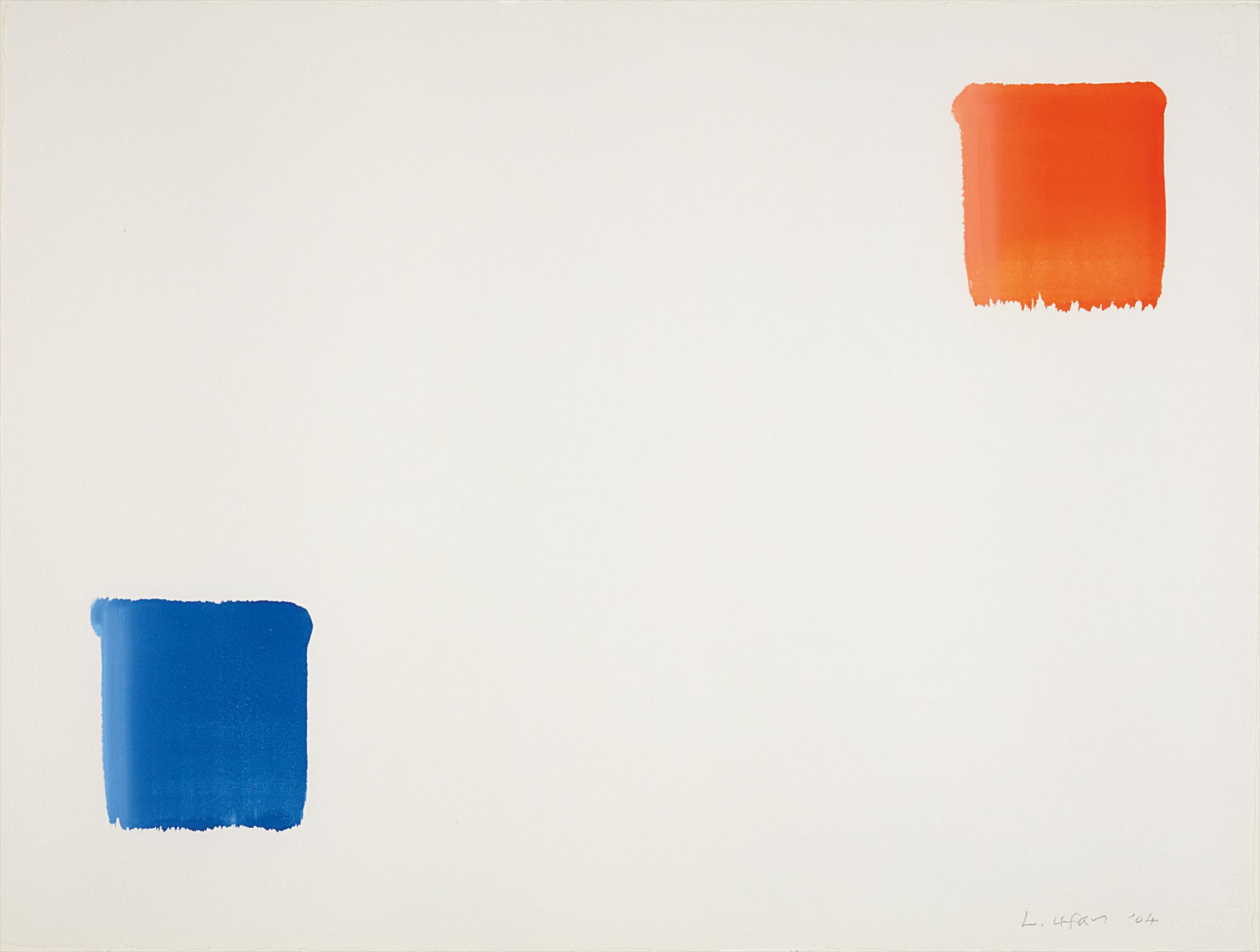
Lee Ufan
“It is difficult to say what is perfect or what is balanced, but the movement of vision in relation to similarity and difference is endless.” - Lee Ufan
Ufan's practice, rooted in the Korean Dansaekhwa movement and its insistence on the spiritual dimension of near colorlessness, has moved from cult appreciation to institutional validation with remarkable speed. His works on The Collection reflect exactly the quality that institutions prize: a rigorous commitment to the interval, the space between marks, the stone grey and mineral white that feel less chosen than discovered. When the Pace Gallery staged a major Ufan survey in New York in 2017, the critical response confirmed what collectors already knew. The market followed.
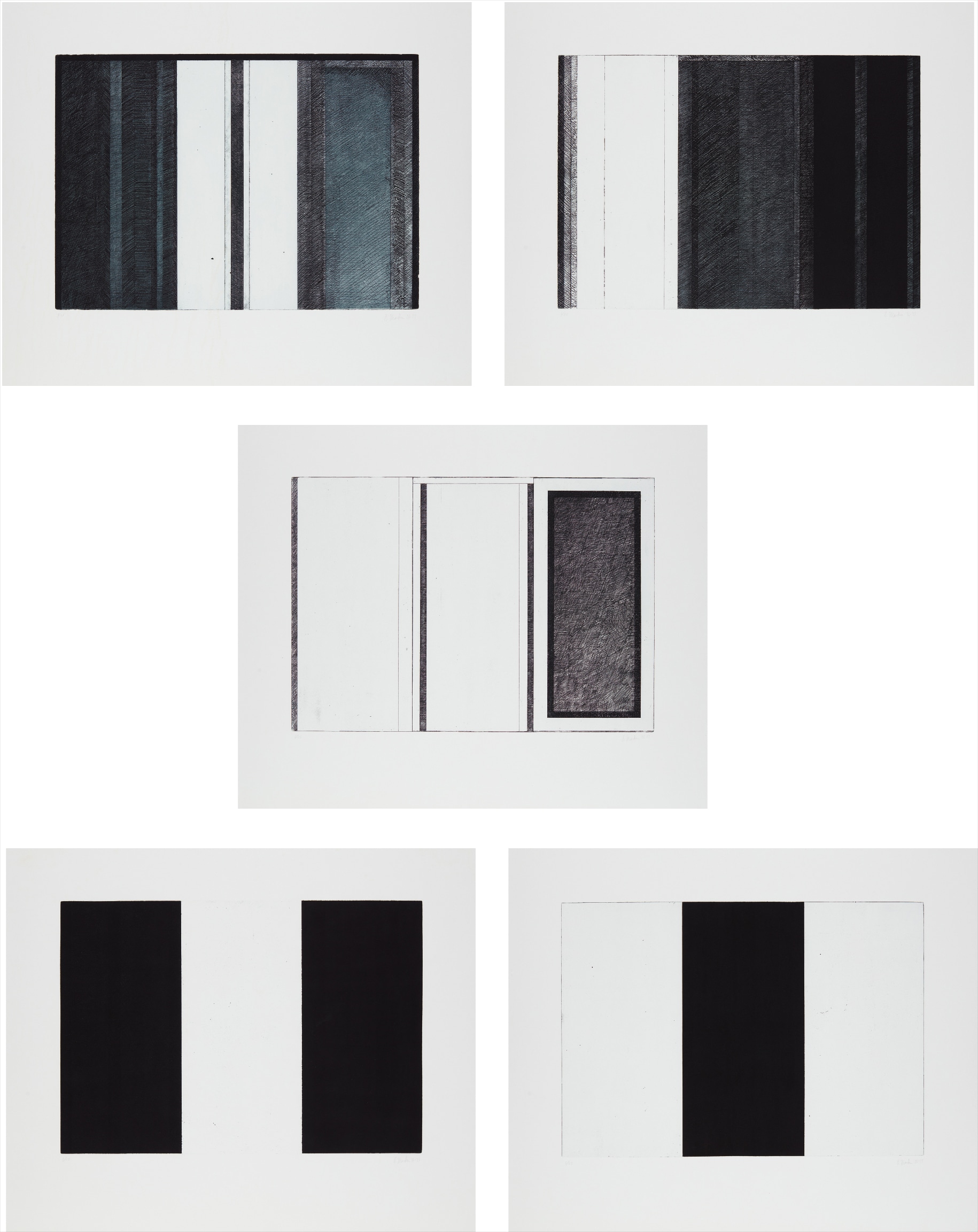
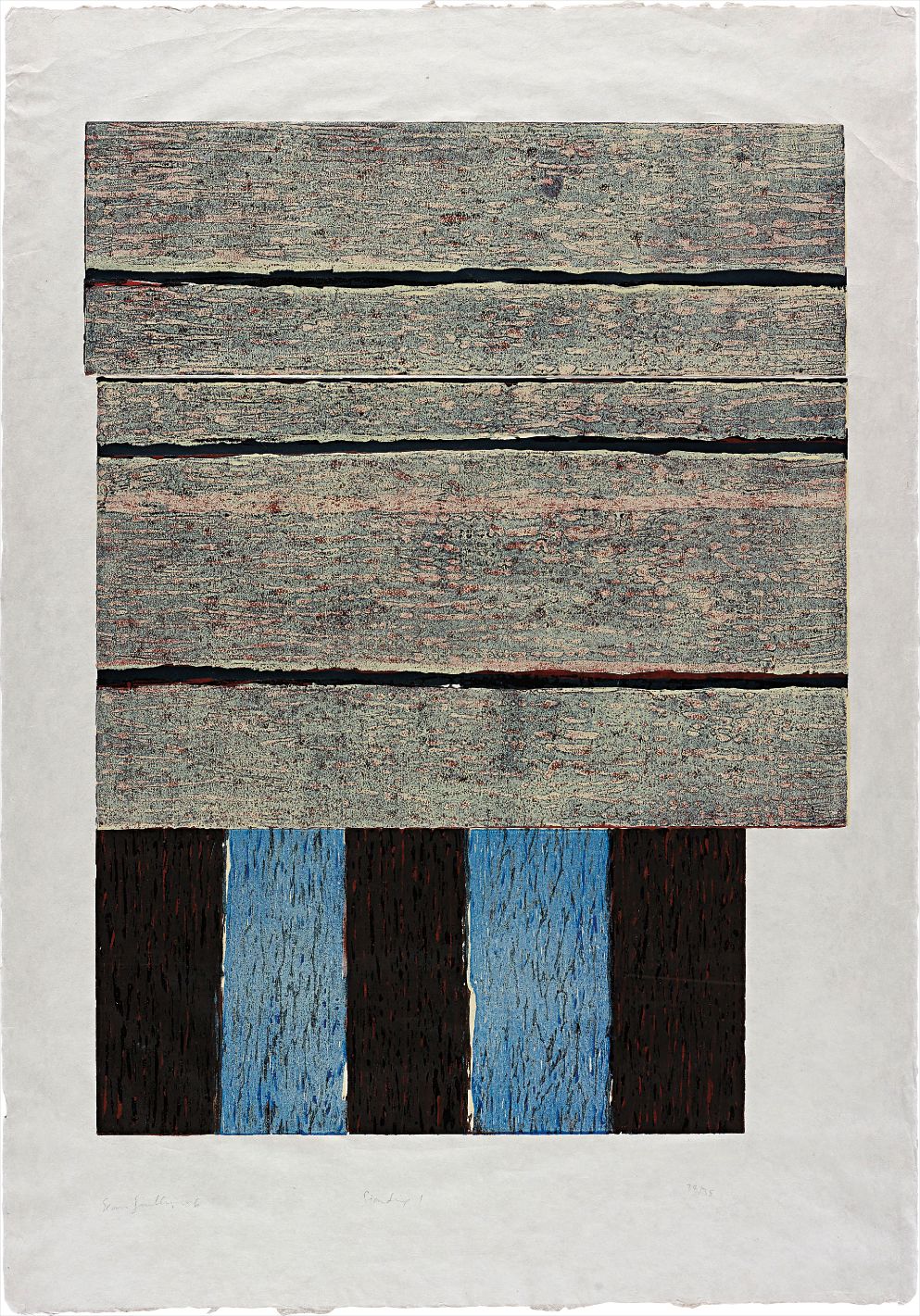
Auction results across the past five years reveal a clear appetite for artists who work in registers that might once have been described dismissively as understated. Sean Scully's striped canvases in their bands of charcoal, rust, and warm grey have found consistent buyers at Christie's and Phillips, with his work regularly exceeding estimate. Milton Avery, the great American colorist whose palette always leaned toward the hushed and internal, has seen his prices rise substantially as collectors recognize how much his approach influenced artists who are now canonical. Georges Braque, well represented on The Collection, remains a touchstone for understanding how Cubism's fractured planes demanded a near monochromatic palette to hold together, and late Braque works in particular continue to perform strongly at auction.
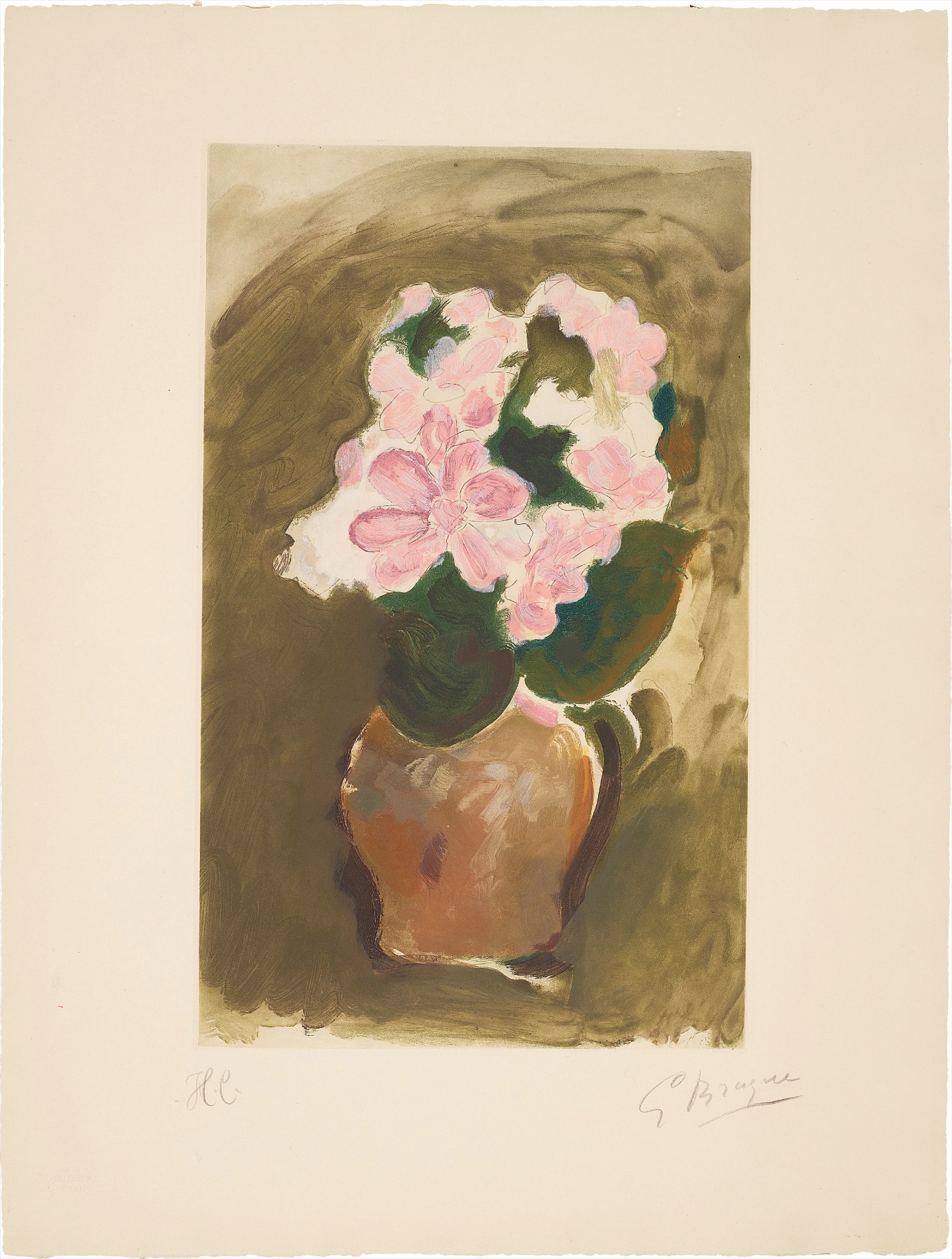
Georges Braque
Bouquet dans un vase (Bouquet in a Vase)
The market is not chasing the spectacular here. It is chasing the considered. Institutions building in this direction include the Menil Collection in Houston, which has long championed artists whose work requires sustained attention rather than immediate impact. The Rothko Chapel remains the most extreme case, a room designed to make chromatic intensity feel like withdrawal from the world rather than an assault on it.
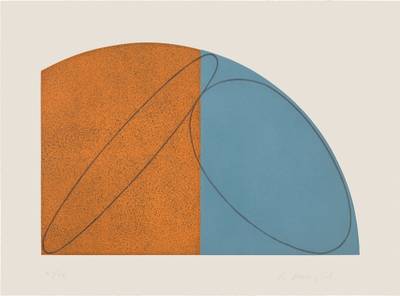
The Dia Art Foundation's program has similarly privileged artists who operate in reduced palettes, with its permanent collection featuring major works by Robert Mangold among others. Mangold's shaped canvases in their gentle off whites and pale ochres function almost as architectural propositions, and their presence in serious institutional collections signals exactly the kind of long view that supports strong secondary market performance. When Dia collects something, collectors pay attention. The critical writing that has shaped this conversation most meaningfully includes T.
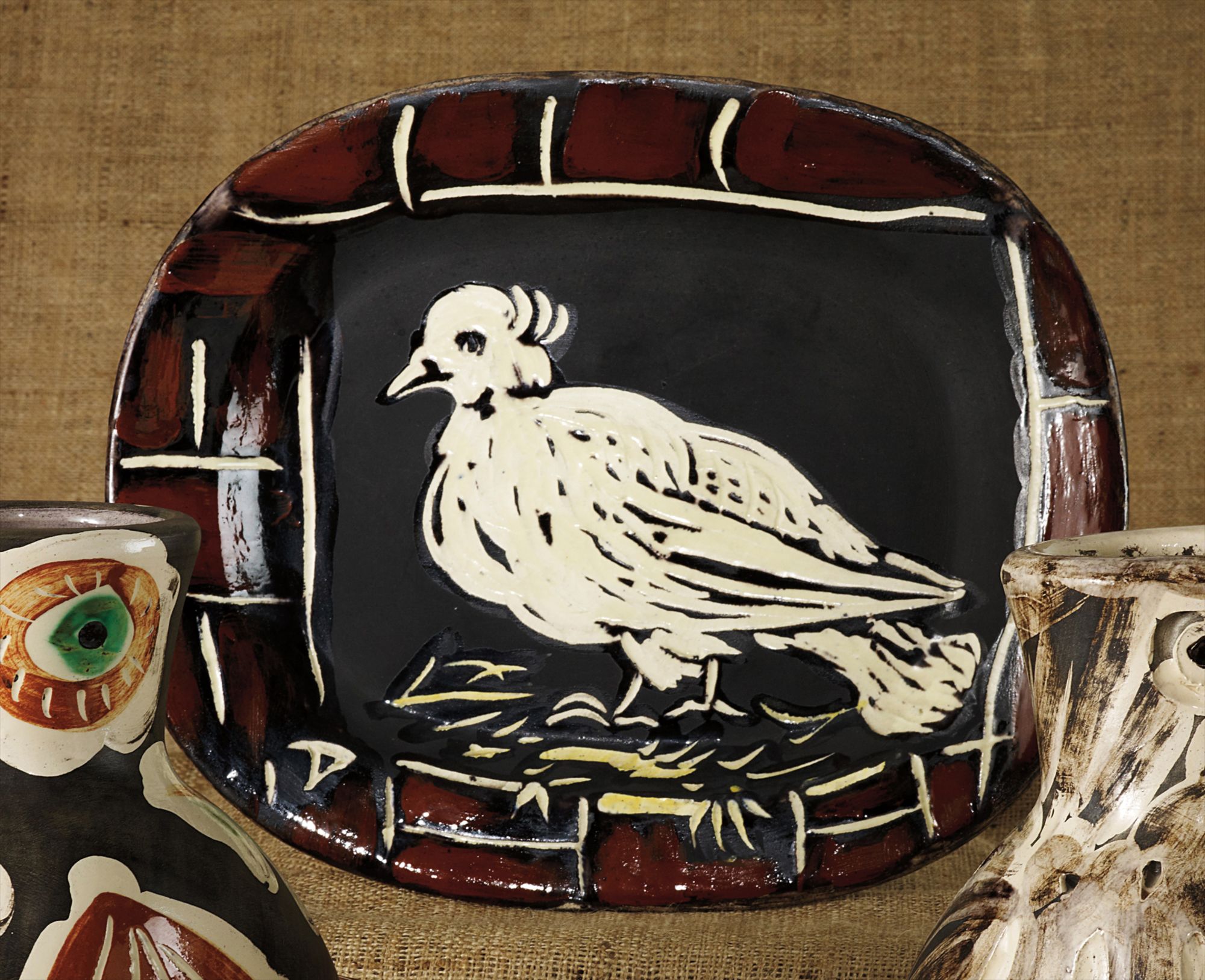
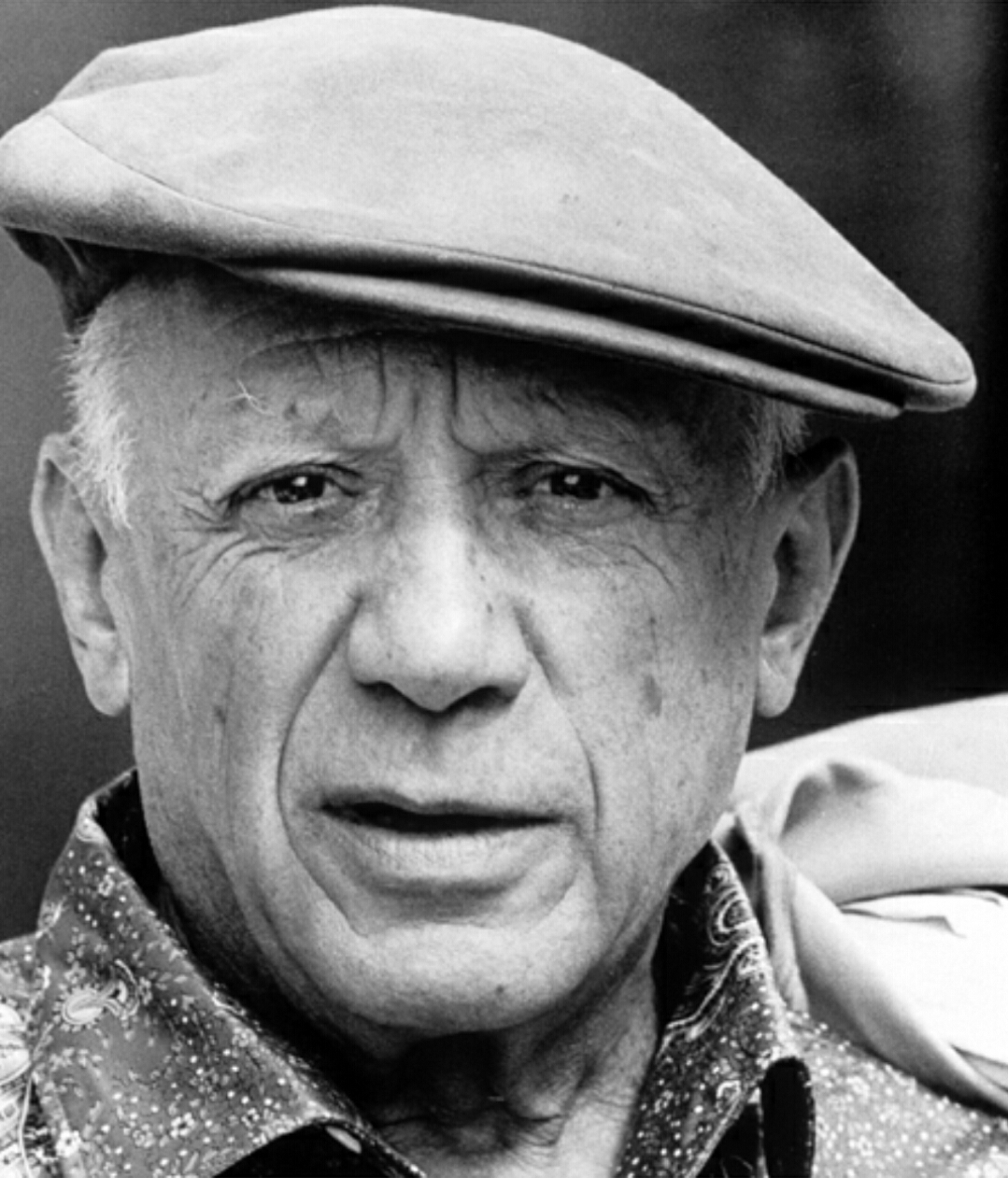
Pablo Picasso
Colombe Mate (Mat Dove)
J. Clark's extended meditations on painting and silence, and the sustained advocacy of critics like Barry Schwabsky, whose columns in The Nation and his book on painting have consistently argued for the intelligence of the subdued. Frieze and Artforum have both published significant pieces in recent years on the Dansaekhwa artists and their relationship to Western minimalism, bringing writers like Kirsty Bell into the discussion with real depth. The catalogue essays from the Marden retrospective, particularly those addressing his early panels, remain essential reading for anyone trying to understand why collectors are willing to pay for paintings that initially appear to offer so little.
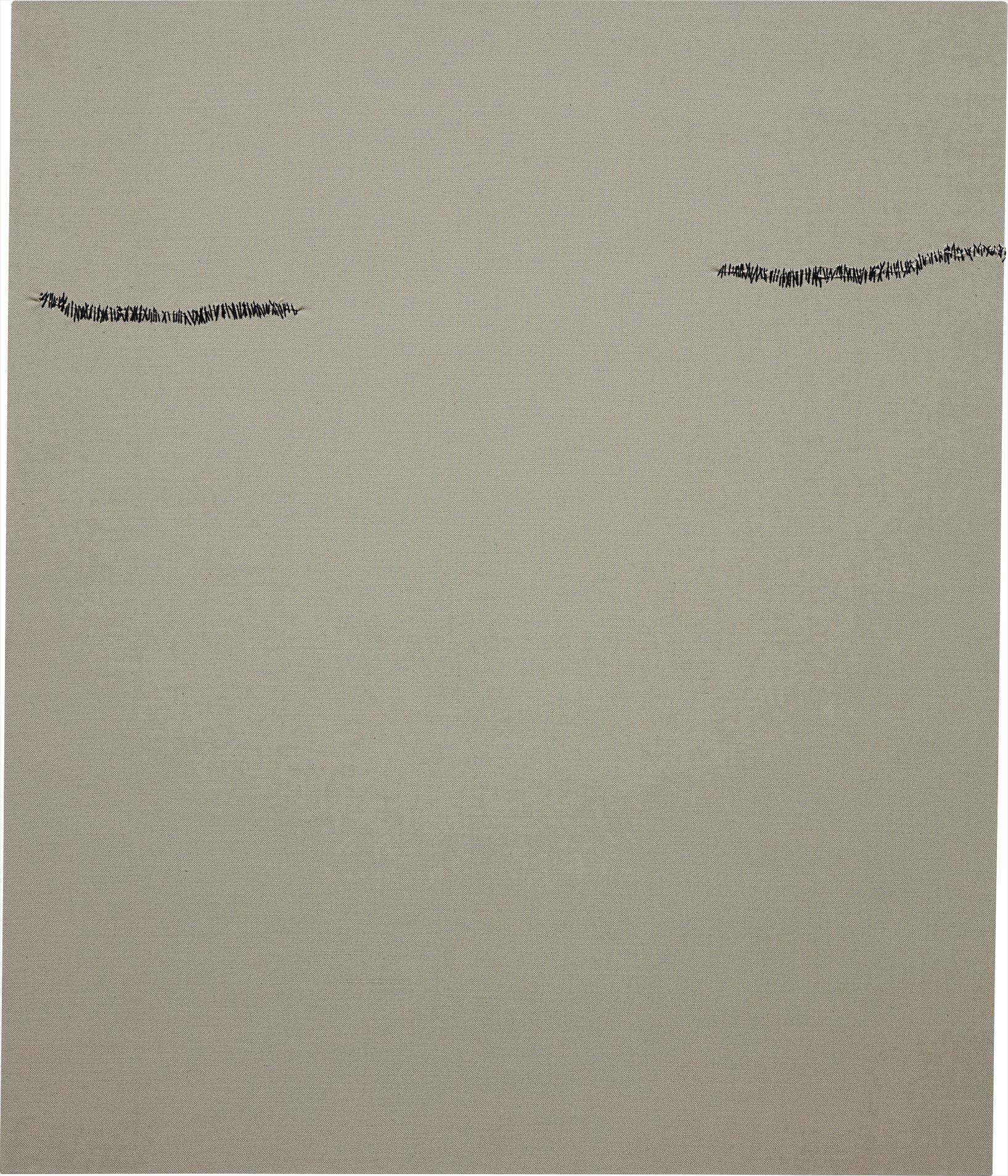
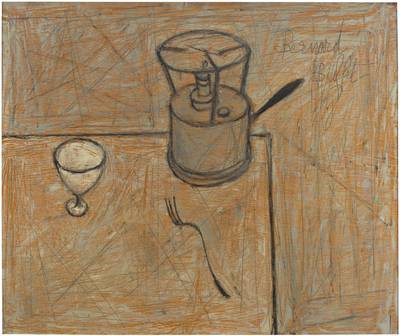
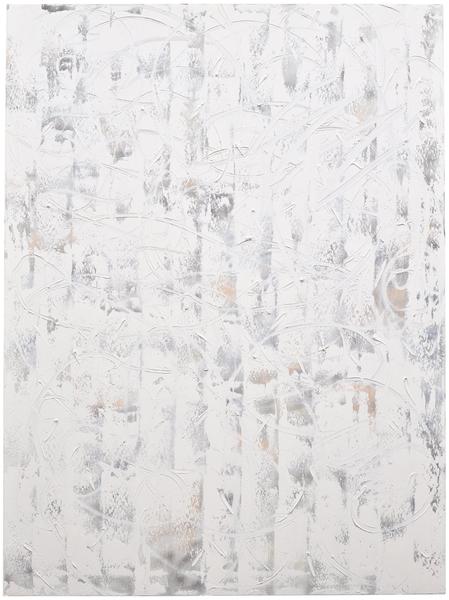
What is interesting about the broader roster of artists working in muted registers is how differently they arrive at restraint. Bernard Buffet's grey Paris streetscapes come from a kind of postwar existential flatness, while Henri Le Sidaner's luminous but hushed garden scenes emerge from a very different tradition of intimism that connects him to Édouard Vuillard. Chris Succo's painting carries a different energy entirely, street culture filtered through a palette of washed blacks and bruised greys that feels genuinely contemporary. Sergej Jensen works in found and damaged fabrics whose color is already spent before he begins.
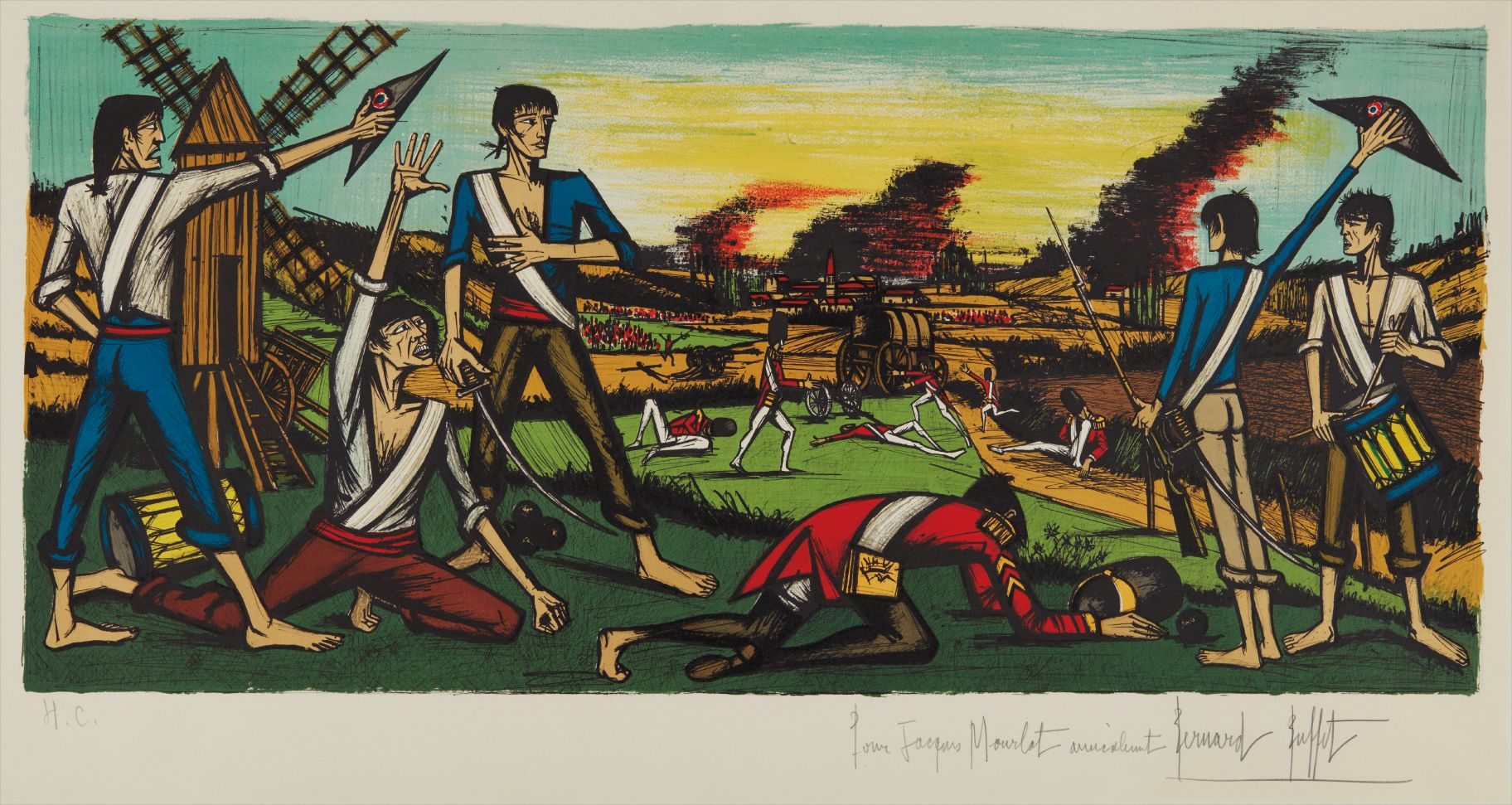
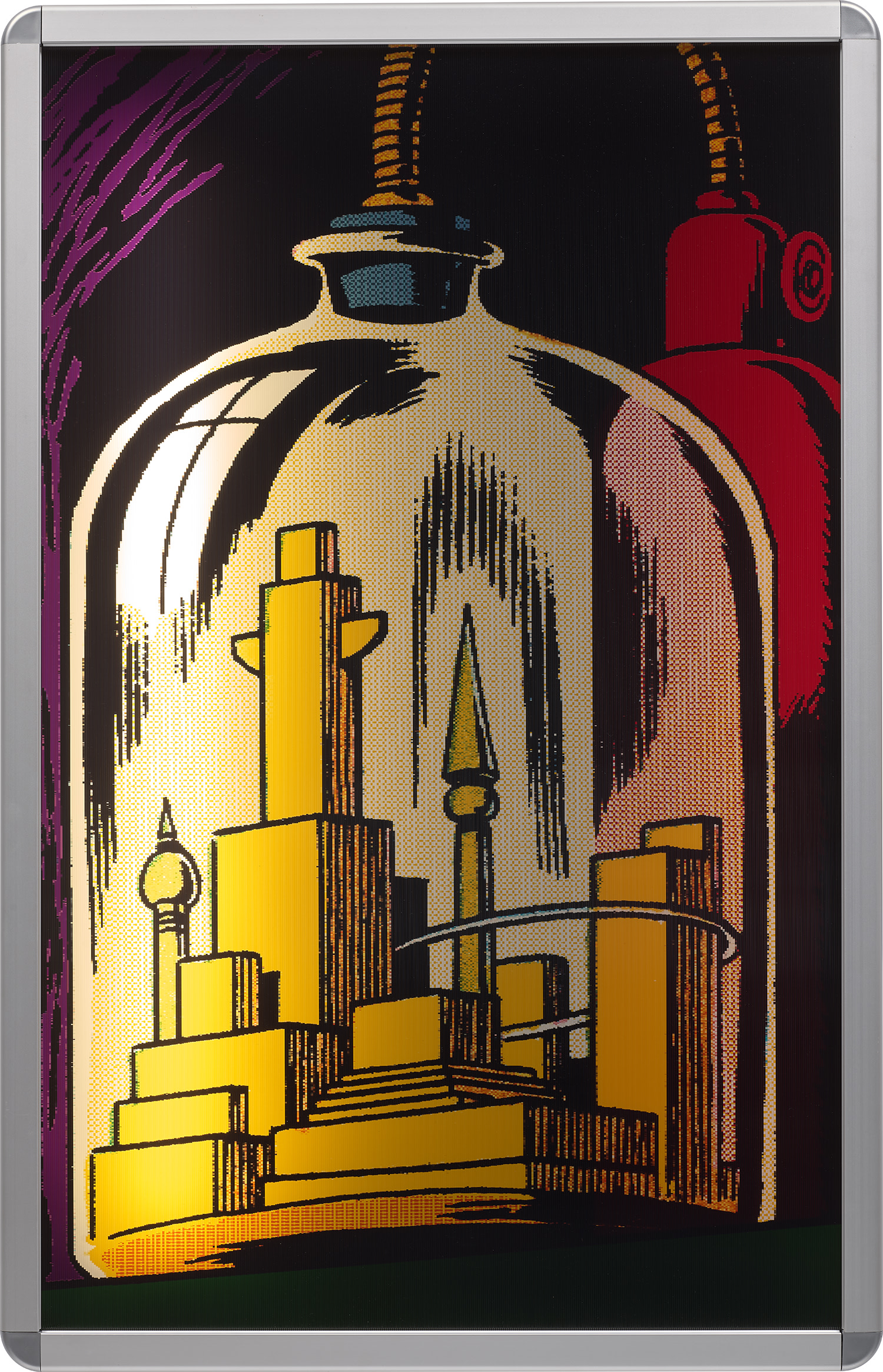
Bernard Buffet
La bataille de Valmy (The Battle of Valmy)
The common thread is not a shared ideology but a shared refusal of easy seduction. The energy right now feels concentrated around two areas. The first is a reappraisal of artists who were overshadowed during the period when maximalist painting dominated critical attention, roughly the 1980s through the early 2000s. Pierre Lesieur is a good example, a French painter whose quiet domestic interiors deserve more sustained international attention than they have received.
The second is a genuine curiosity about how younger artists are processing this tradition, whether through the lens of digital image culture filtered into something weary and washed out, or through a sincere engagement with the meditative possibilities that Marden and Ufan have kept open. What feels settled is the prestige of the established figures. What feels alive is the question of who comes next. And the surprise, for those not paying close attention, will be how much the quietest works in a collection end up carrying the room.