Morning Light
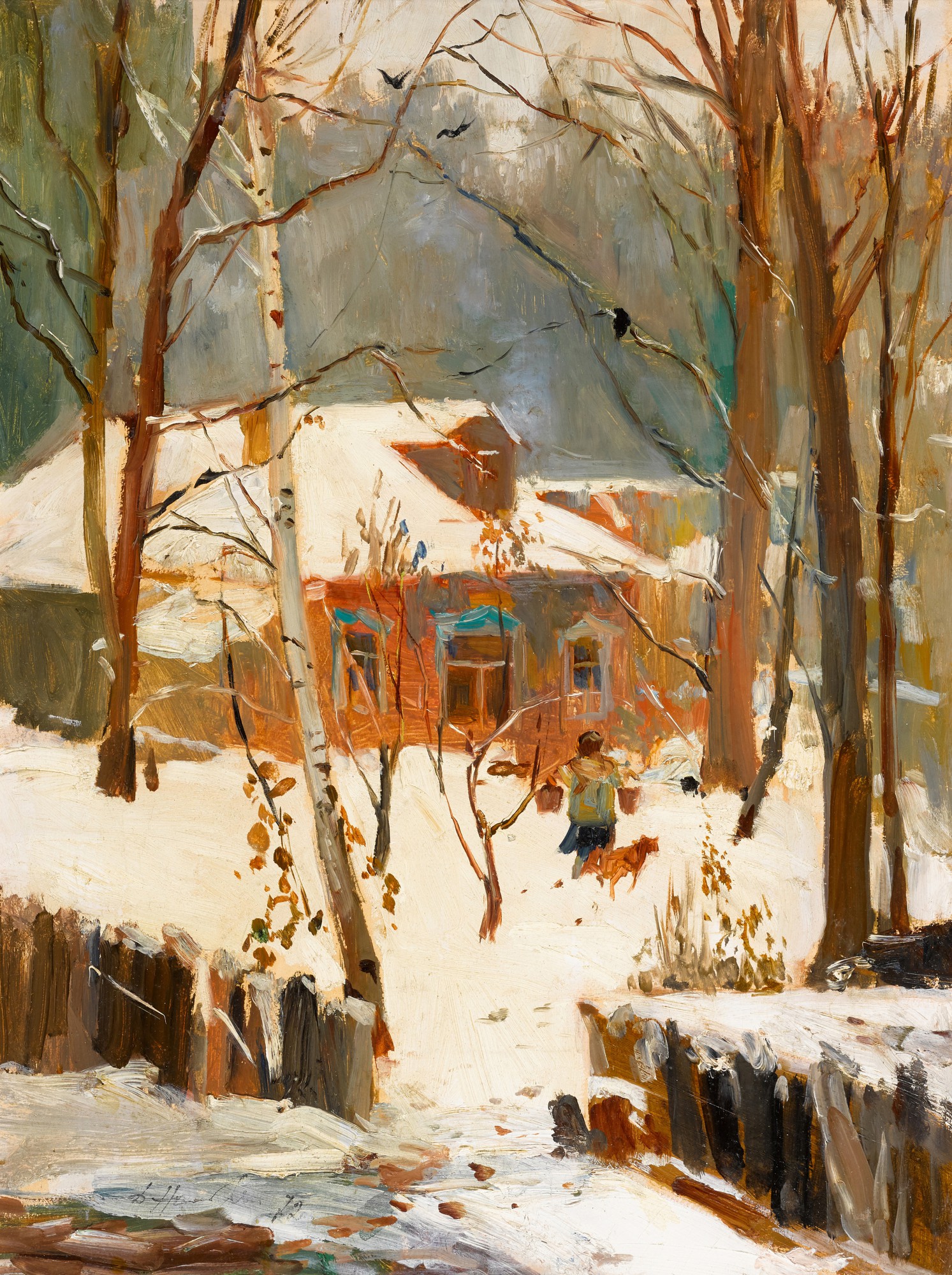
Dmitri Nalbandian
Early Morning in Winter
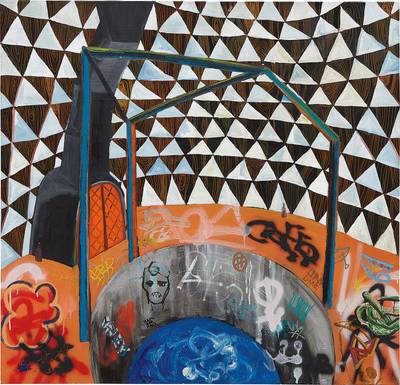
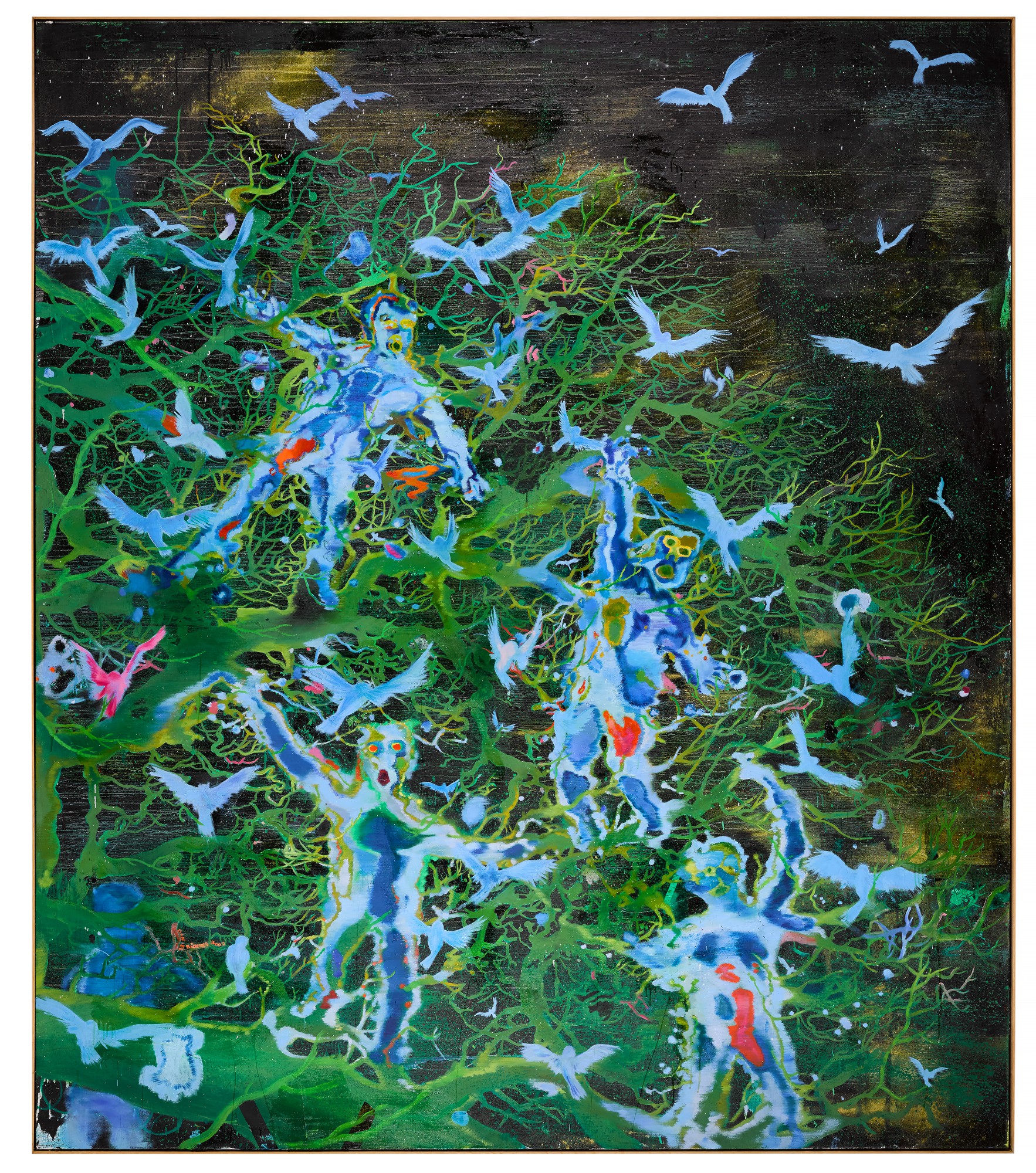
The Hour Light Does Its Best Work
There is a particular quality to the light that arrives in the first hour after dawn, before the world has fully committed to the day. It arrives at a low angle, long and searching, finding edges and surfaces that the flat midday sun simply ignores. Artists across centuries and continents have understood this intuitively, which is why morning light has functioned not just as a technical condition to be managed but as a subject in its own right, a phenomenon capable of carrying the full weight of human feeling. The serious investigation of light as a primary concern in Western art found early momentum in seventeenth century Dutch painting, where artists in Delft and Amsterdam began treating the fall of light through a window as something worthy of extended contemplation.
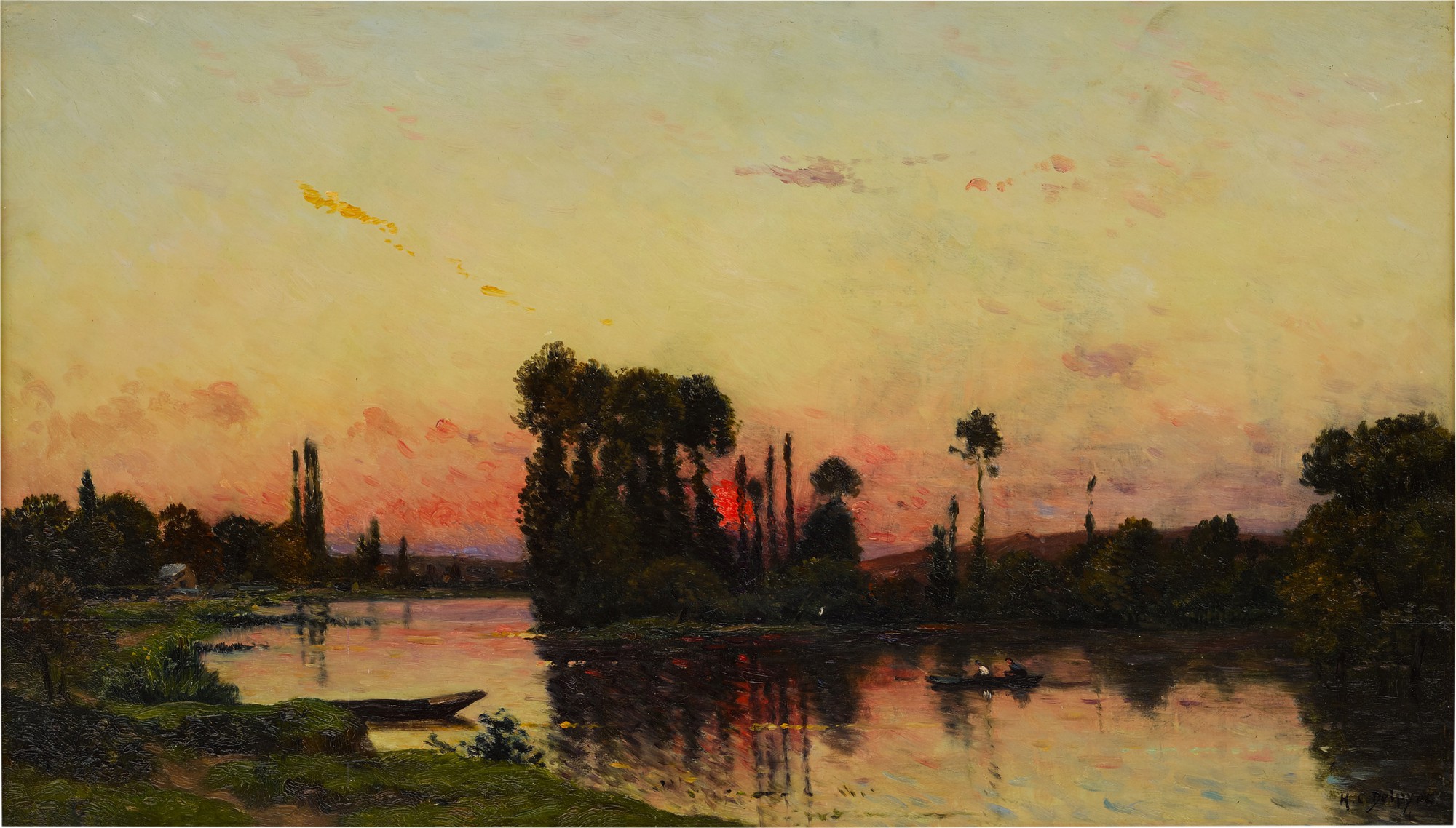
But it was the nineteenth century that truly unlocked the expressive potential of morning specifically. The Impressionists recognized that light was not a fixed property of objects but a constantly shifting relationship between source, surface, and observer. Claude Monet's serial investigations of the Rouen Cathedral facade, begun in 1892, were among the most rigorous demonstrations of this idea, showing how the same stone edifice could read as cool silver at dawn and warm amber an hour later. Alfred Sisley, whose work appears in The Collection, occupied an interesting position within the Impressionist movement.
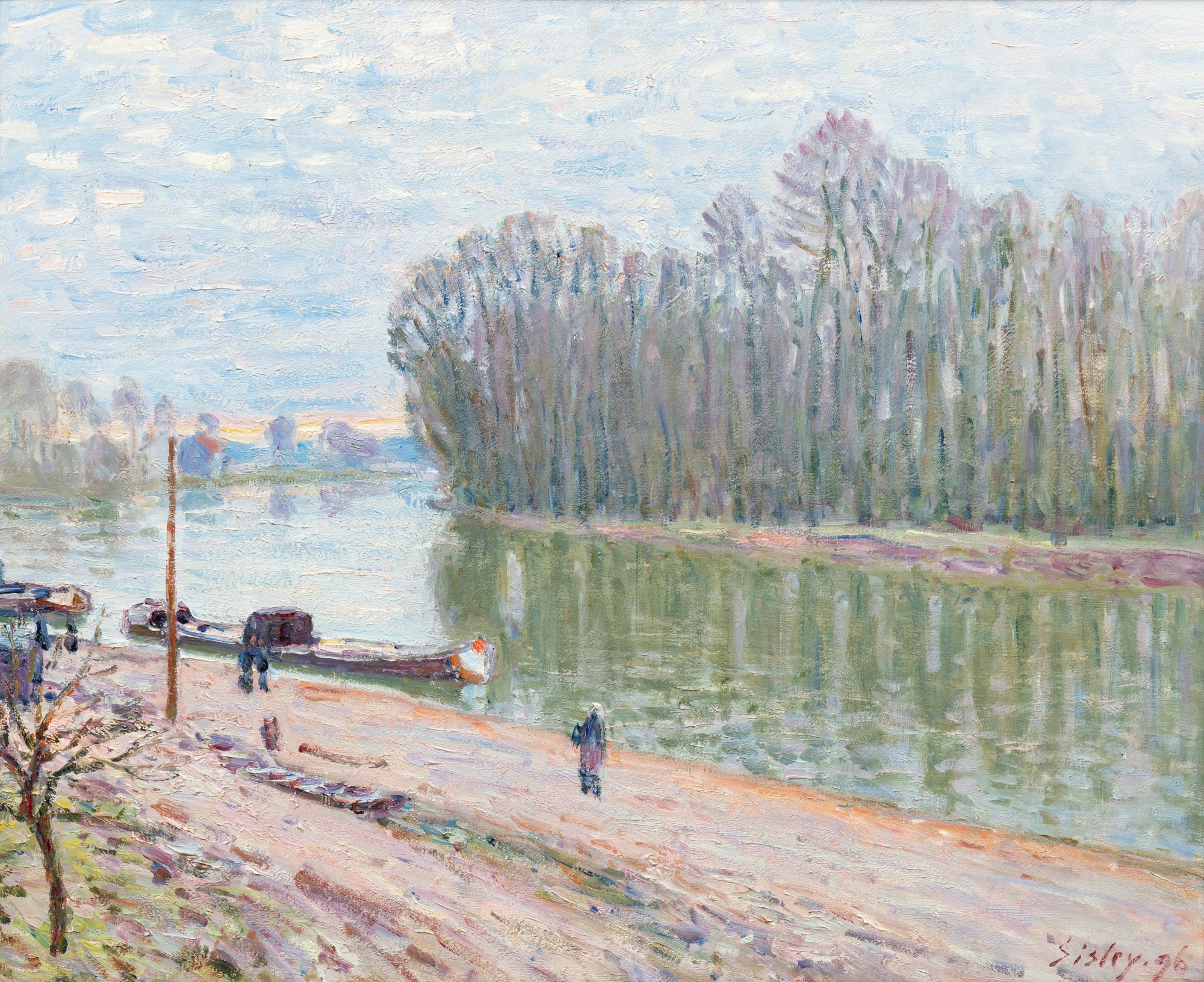
Alfred Sisley
Bords du Loing, effet du matin, 1896
Less celebrated than Monet or Renoir during his lifetime, Sisley was in some ways more consistently devoted to the pure observation of light and atmosphere than either of them. His landscapes of the Seine and its surrounding countryside return again and again to transitional light, that neither here nor there quality of early morning when shapes are still resolving themselves from the dark. There is a patience in his canvases that rewards close looking, a refusal to dramatize what is already, quietly, extraordinary. The parallel development of photography in the second half of the nineteenth century introduced an entirely new set of questions about how morning light could be captured and interpreted.
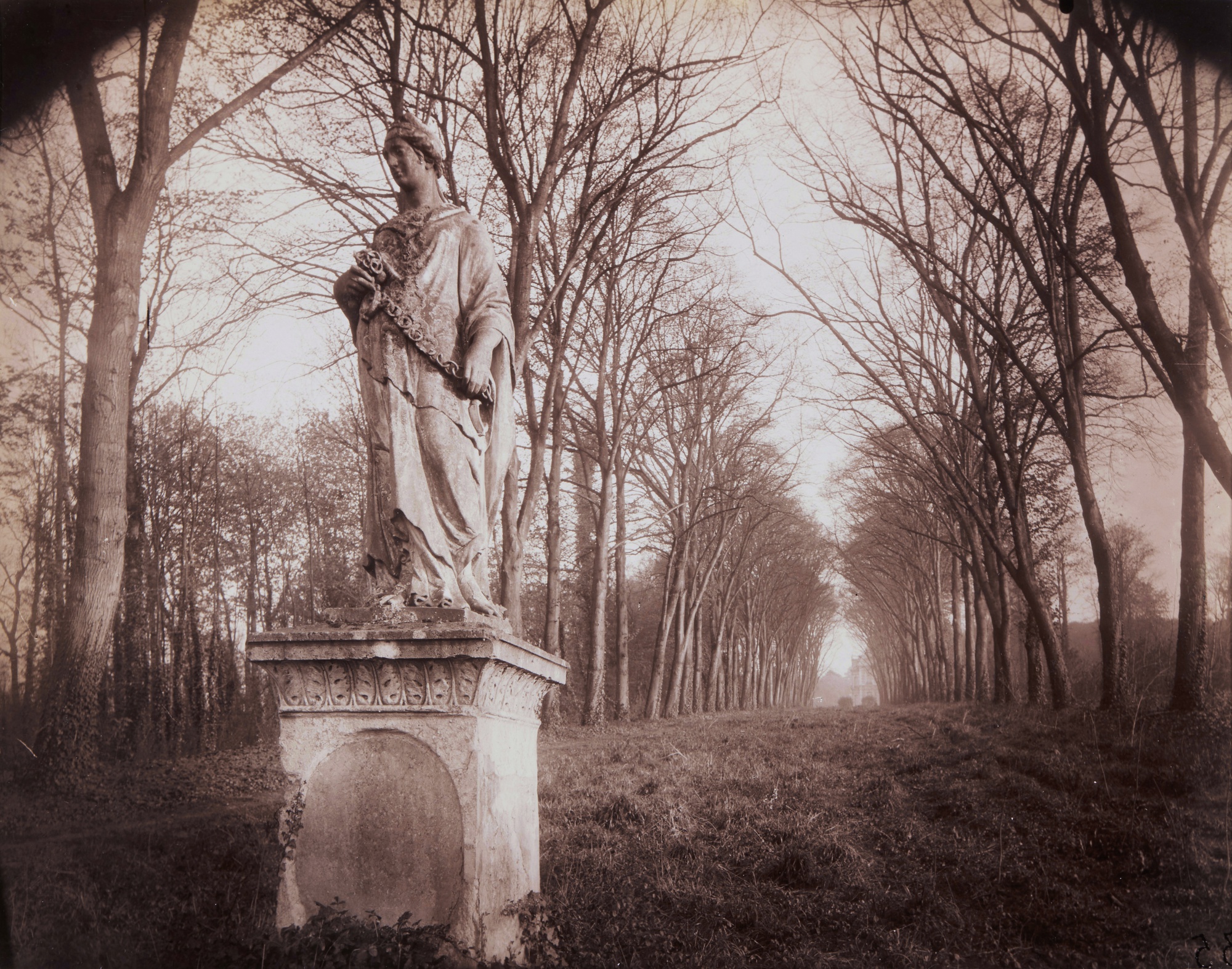
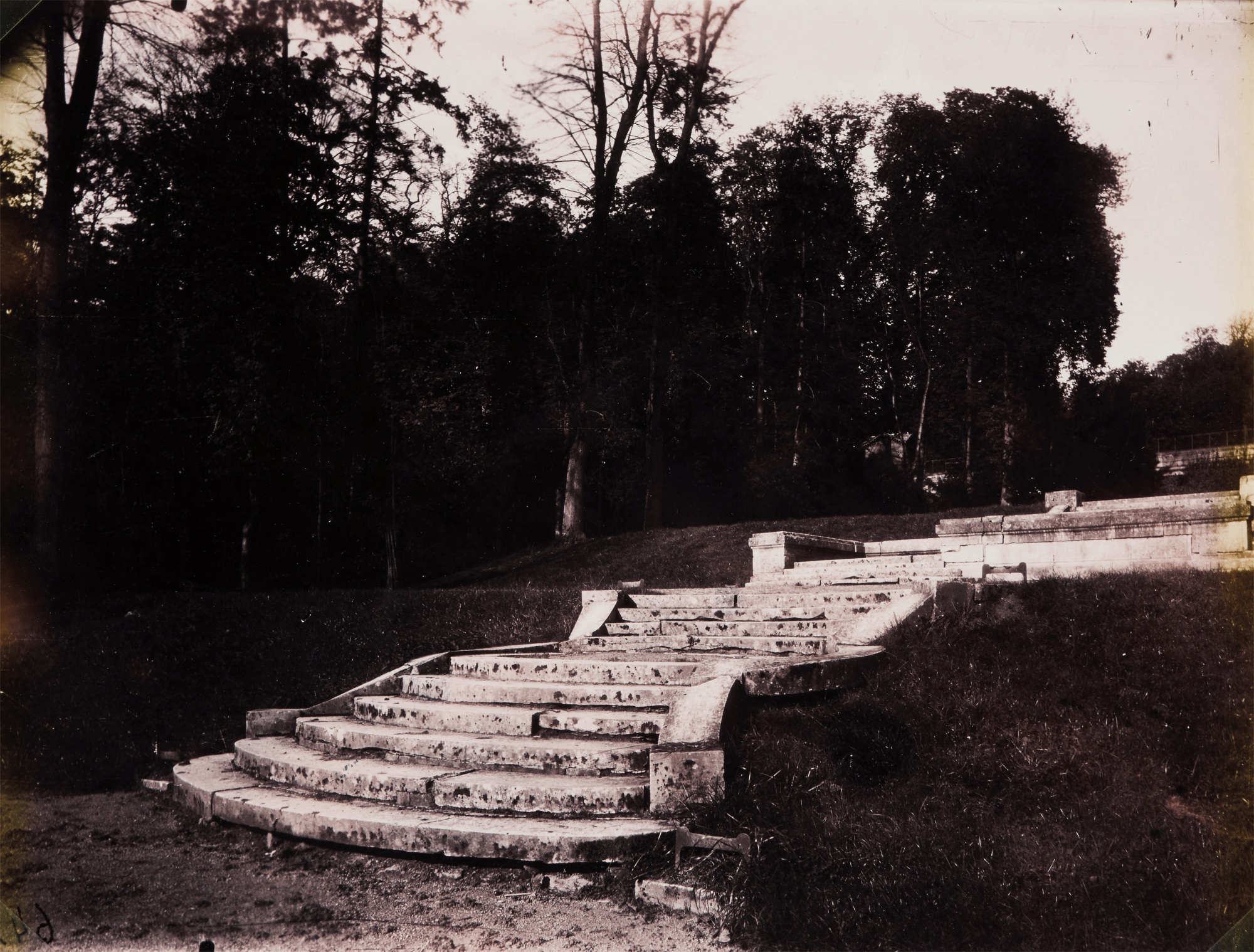
The medium was in some ways ideally suited to the subject, since the longer exposures required by early photographic processes made soft, directional morning light practically preferable to the harsh contrasts of noon. Eugène Atget, whose atmospheric records of Paris and its environs began in earnest around 1898, often worked in early morning hours precisely because the streets were empty and the light was low and revealing. His photographs of empty courtyards and misted gardens have an otherworldly stillness that owes everything to the hour at which he chose to work. Similarly, Peter Henry Emerson brought a naturalistic philosophy to photography in the 1880s, arguing in his 1889 publication that the camera, used thoughtfully, could achieve the same atmospheric truth as the finest painting.
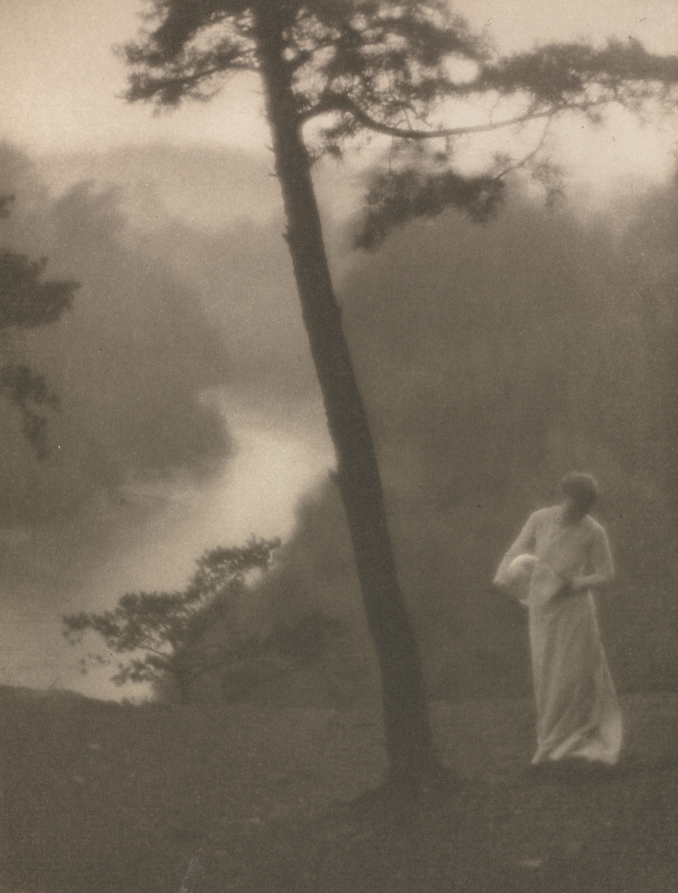
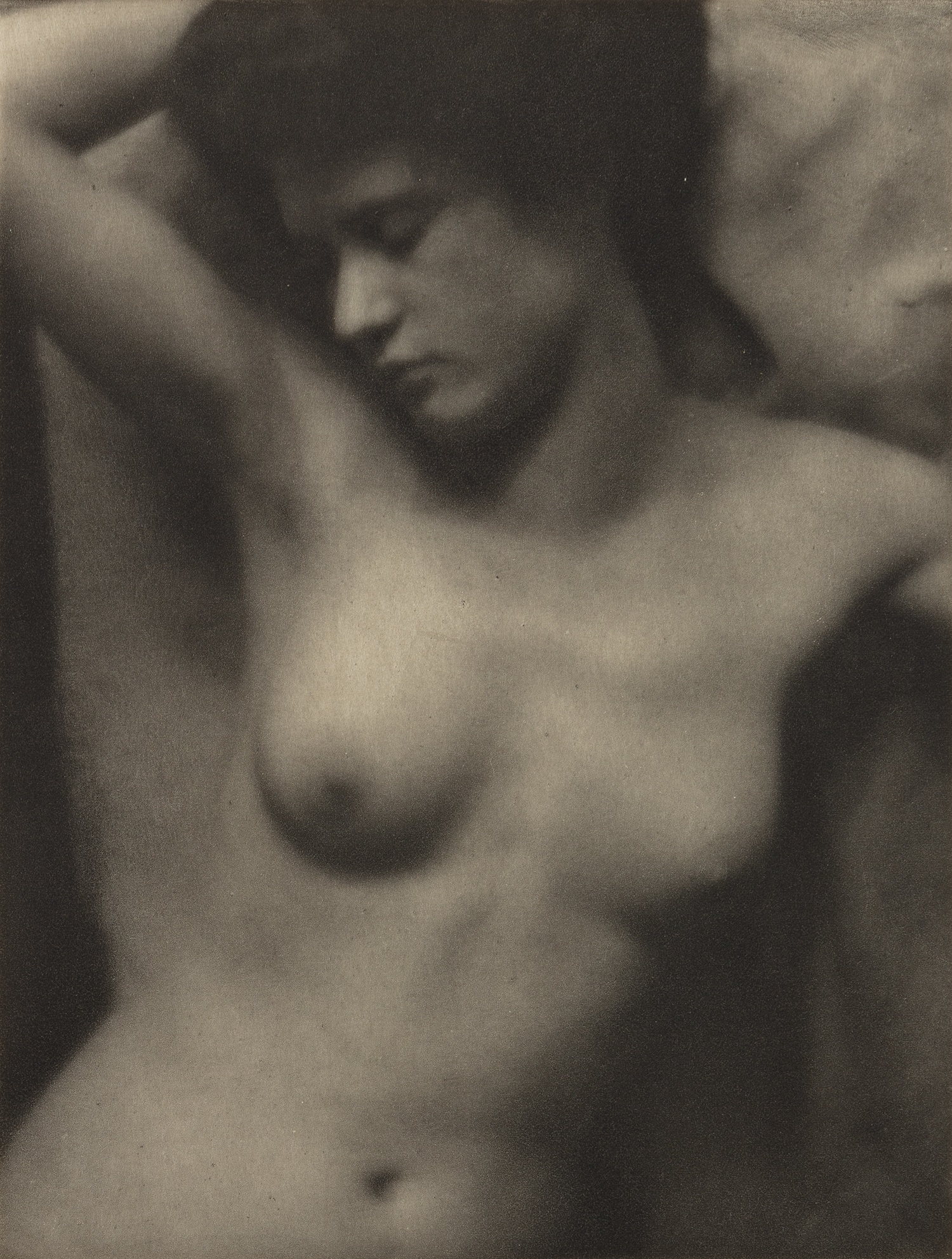
Clarence H. White
Camera Work: Morning, 1908
Clarence H. White, one of the founding members of the Photo Secession group established by Alfred Stieglitz in 1902, was perhaps the photographer most thoroughly committed to the painterly possibilities of soft morning light. His images use the diffuse, low luminosity of early hours to create a mood that sits somewhere between the Pre Raphaelites and Symbolism, figures caught in a gentle, contemplative suspension. Ansel Adams, working decades later and in an entirely different landscape and philosophical register, found in the crisp morning light of the American West a means to render the physical world with a kind of heightened clarity, as though the land itself were more truthful at that hour.
Both men understood that morning light is, above all, a light that seems to ask for attention. The woodblock print tradition of Japan brought its own profound understanding of morning atmosphere to the subject. Hasui Kawase, one of the great figures of the shin hanga movement of the early twentieth century, constructed images of temples, rivers, and village streets in which the quality of early morning mist and soft rising light is rendered with extraordinary delicacy through layered water based pigments on washi paper. His work, well represented on The Collection, demonstrates how a different visual culture entirely arrived at similar conclusions about the particular emotional register of morning, its combination of stillness and imminence, the sense that the day is holding its breath.
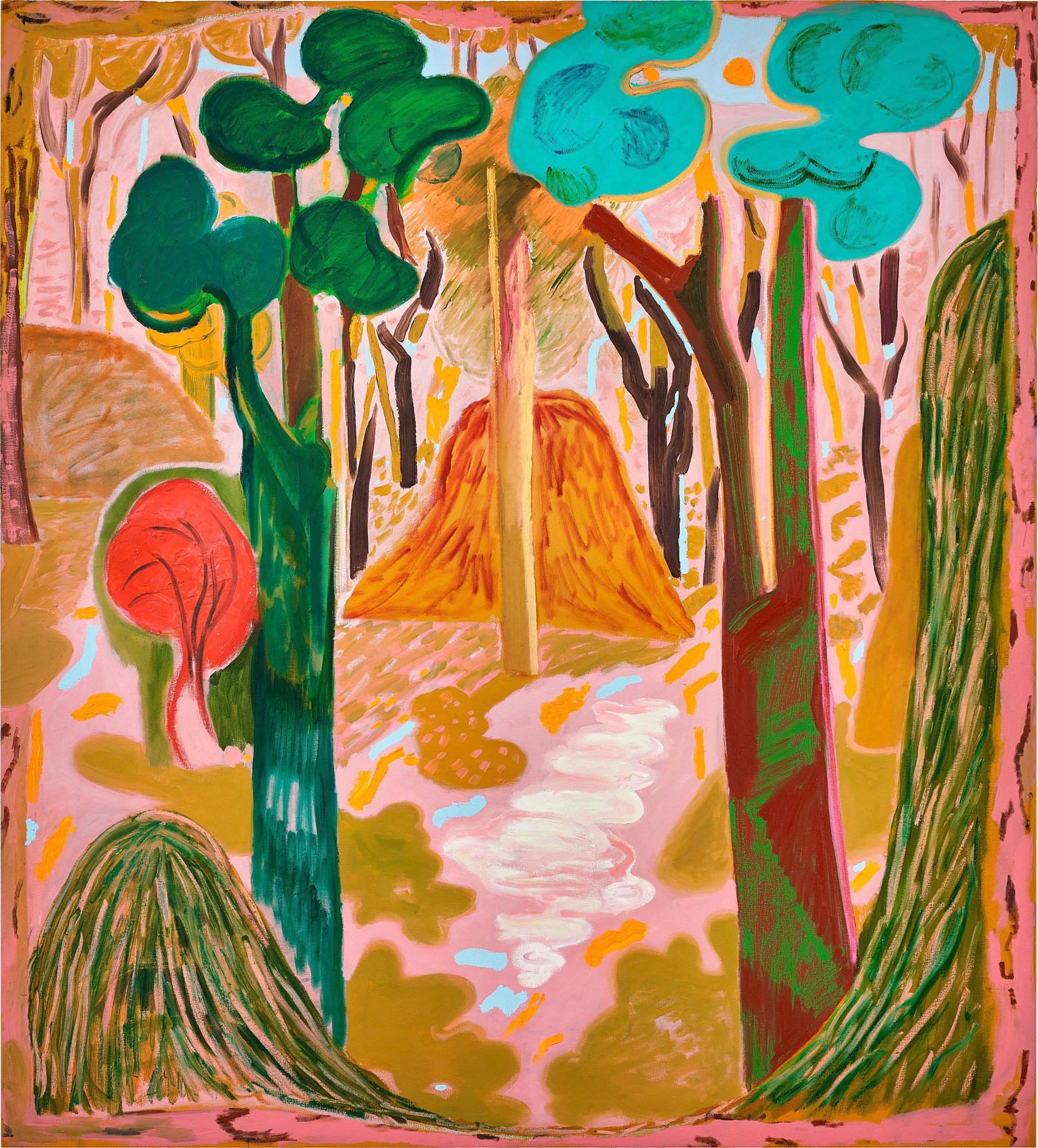
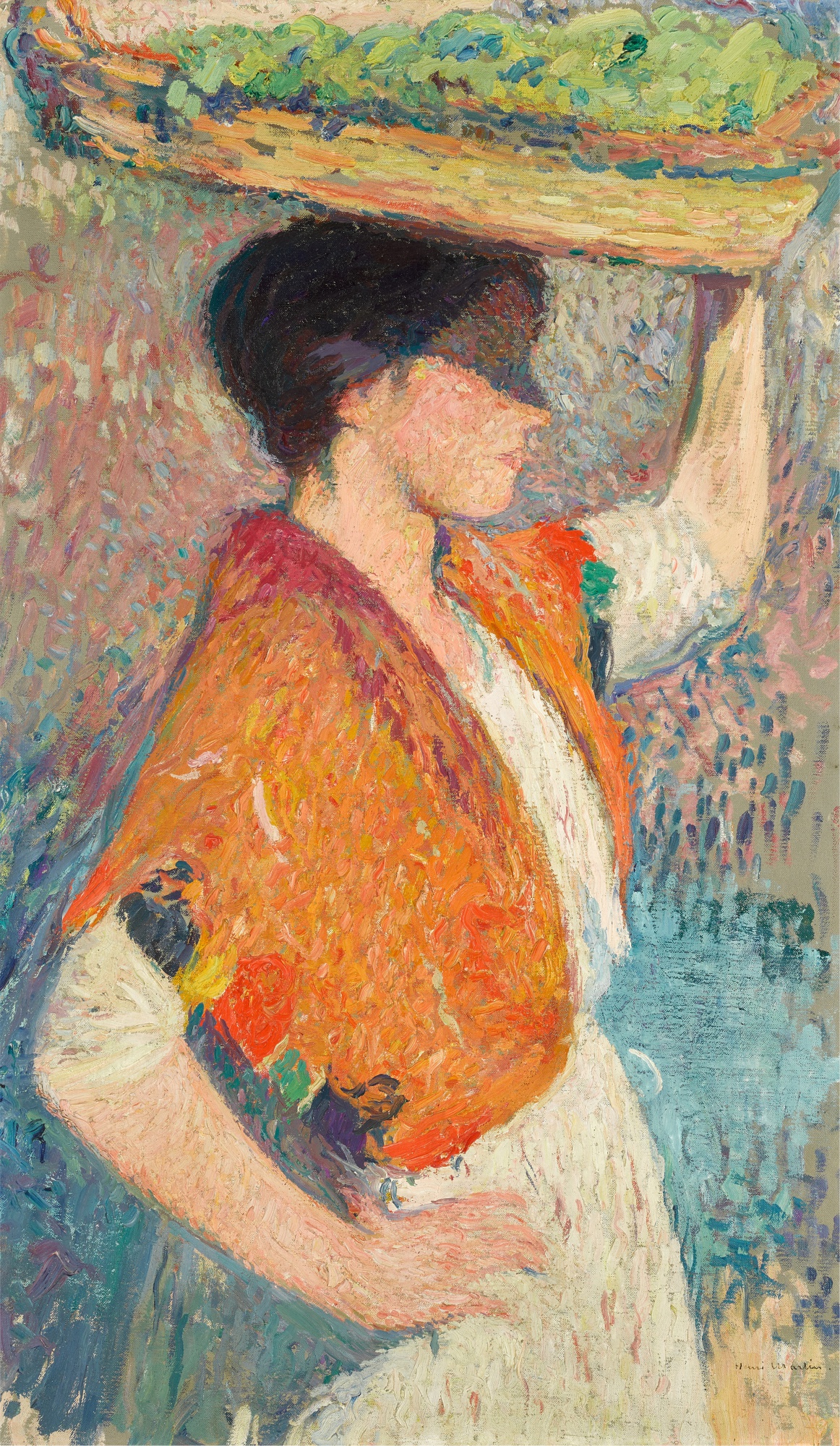
Shara Hughes
Pink Morning 粉紅色的早晨
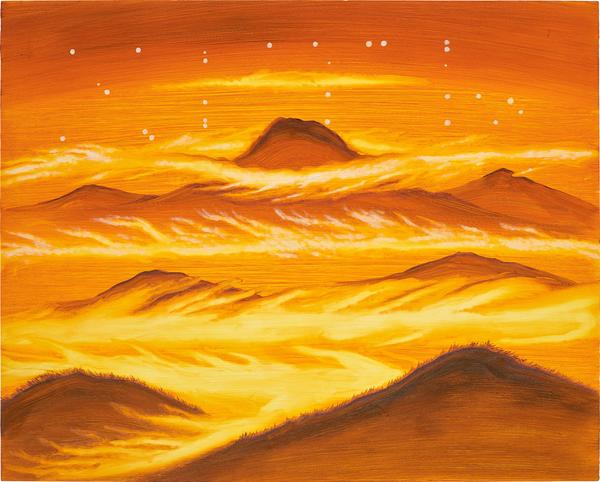
The theme has proven stubbornly persistent into contemporary practice, and not because artists are nostalgic. Caroline Walker, whose large scale figurative paintings place women in domestic interiors flooded with natural light, is working with morning in a way that is saturated with questions about visibility, privacy, and the politics of who gets to inhabit the soft luxury of a sunlit room. Her canvases share something with the great tradition of interior light painting while pushing hard against its assumptions. Shara Hughes takes an altogether different approach, using vivid, almost hallucinatory color to render landscapes that seem lit from within, pushing the idea of environmental light until it becomes psychological rather than descriptive.
What connects a nineteenth century French landscapist, a Japanese printmaker, a pictorialist photographer, and a contemporary British painter working in the figurative tradition is not style or medium but a shared recognition that light at a particular moment of day functions as a kind of argument. It argues for the value of attention, for slowness, for the practice of being present to what the world is doing before human noise drowns it out. Morning light in art has always been, underneath its technical applications, a moral proposition. It asks whether you are paying the kind of attention that the world, at its best, deserves.
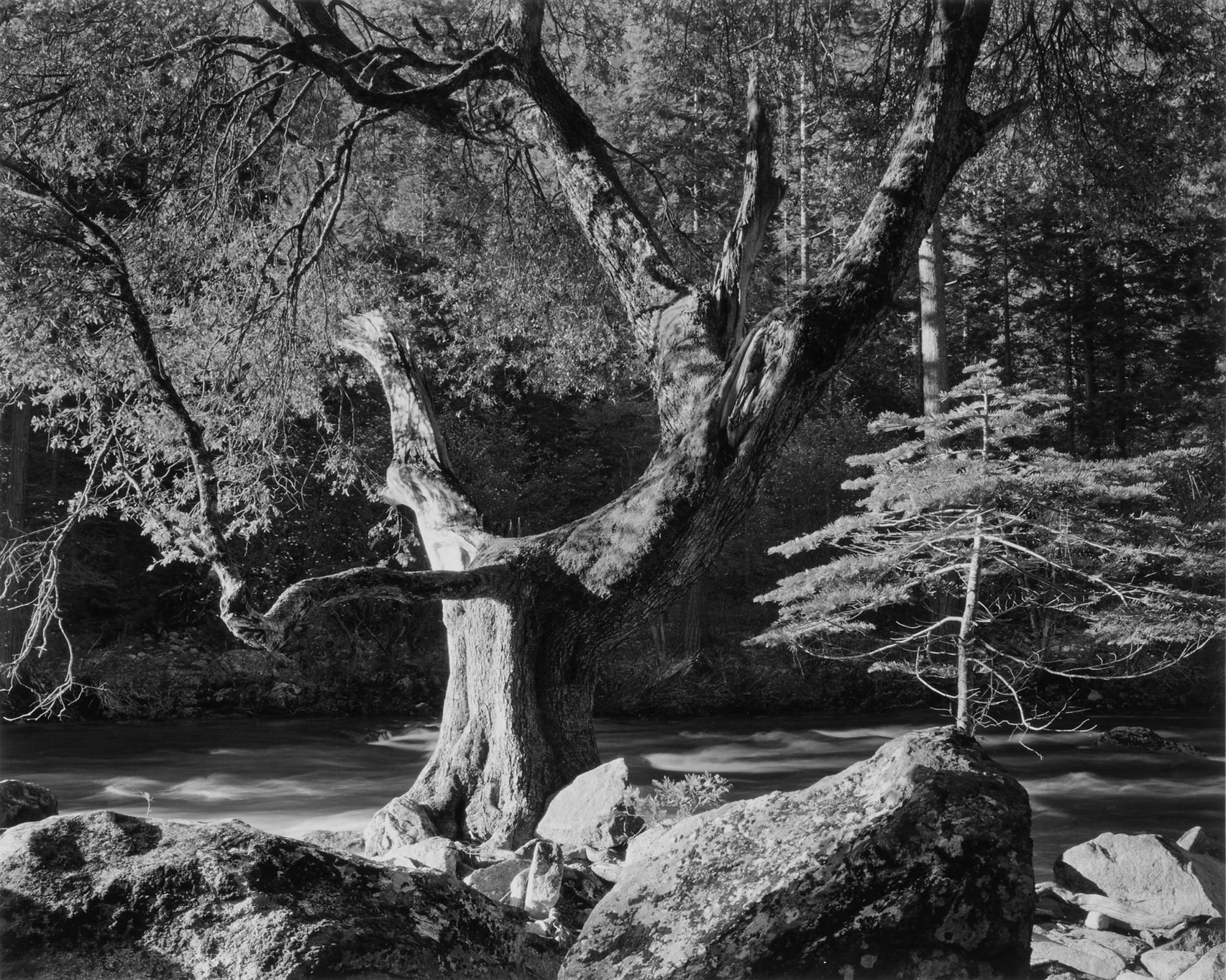
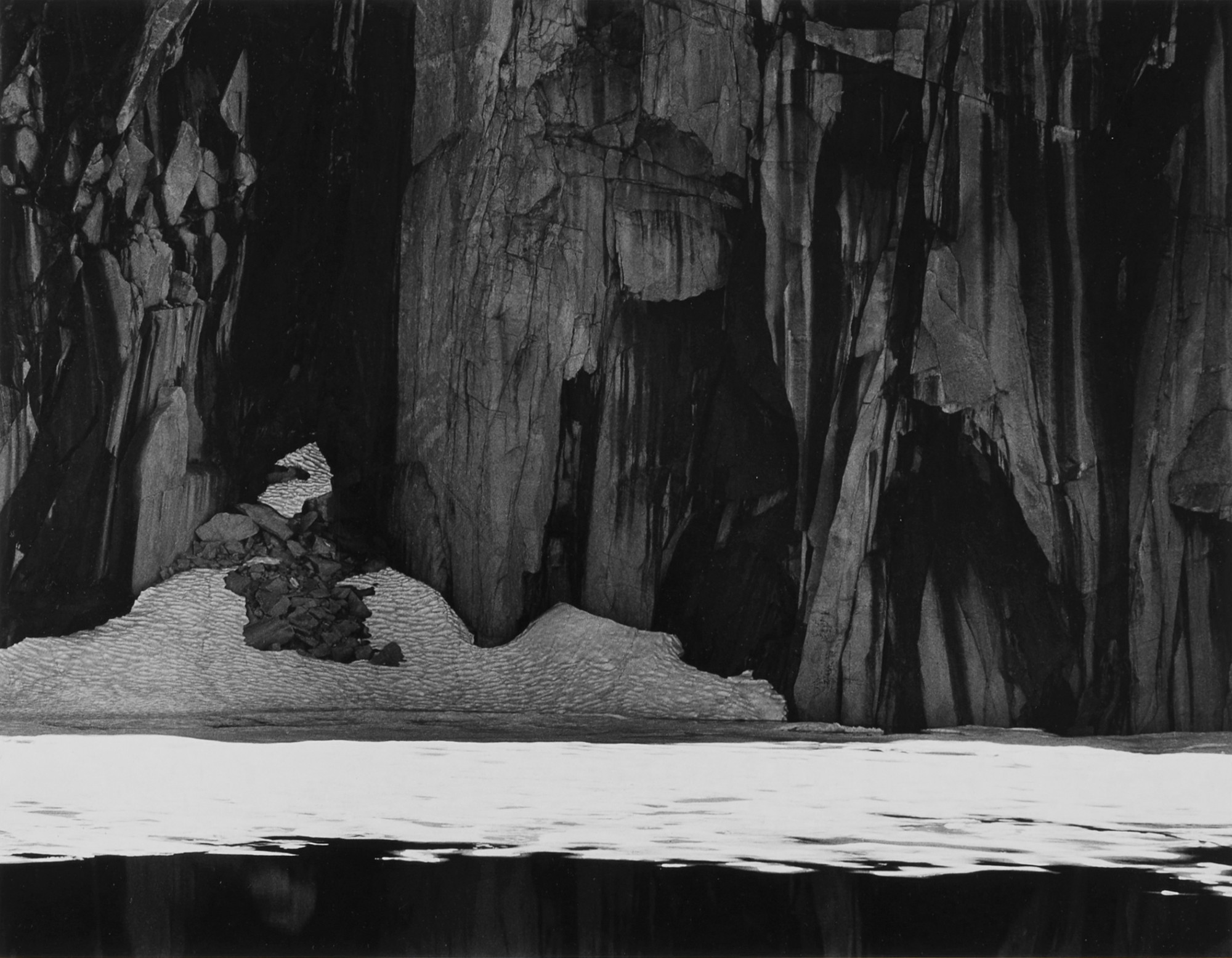
Ansel Adams
'Early Morning, Merced River Canyon, Yosemite National Park, Ca.'
For collectors, works that engage seriously with morning light tend to reward long acquaintance in a way that more dramatic subjects sometimes do not. They operate at a lower frequency, asking to be lived with rather than immediately decoded. The artists gathered on The Collection who have dedicated themselves to this pursuit, whether through oil on canvas, photographic silver gelatin, or woodblock on paper, share a quality of looking that is itself the subject. The light they record is real.
The attention behind it is what makes art.