Modernist Master
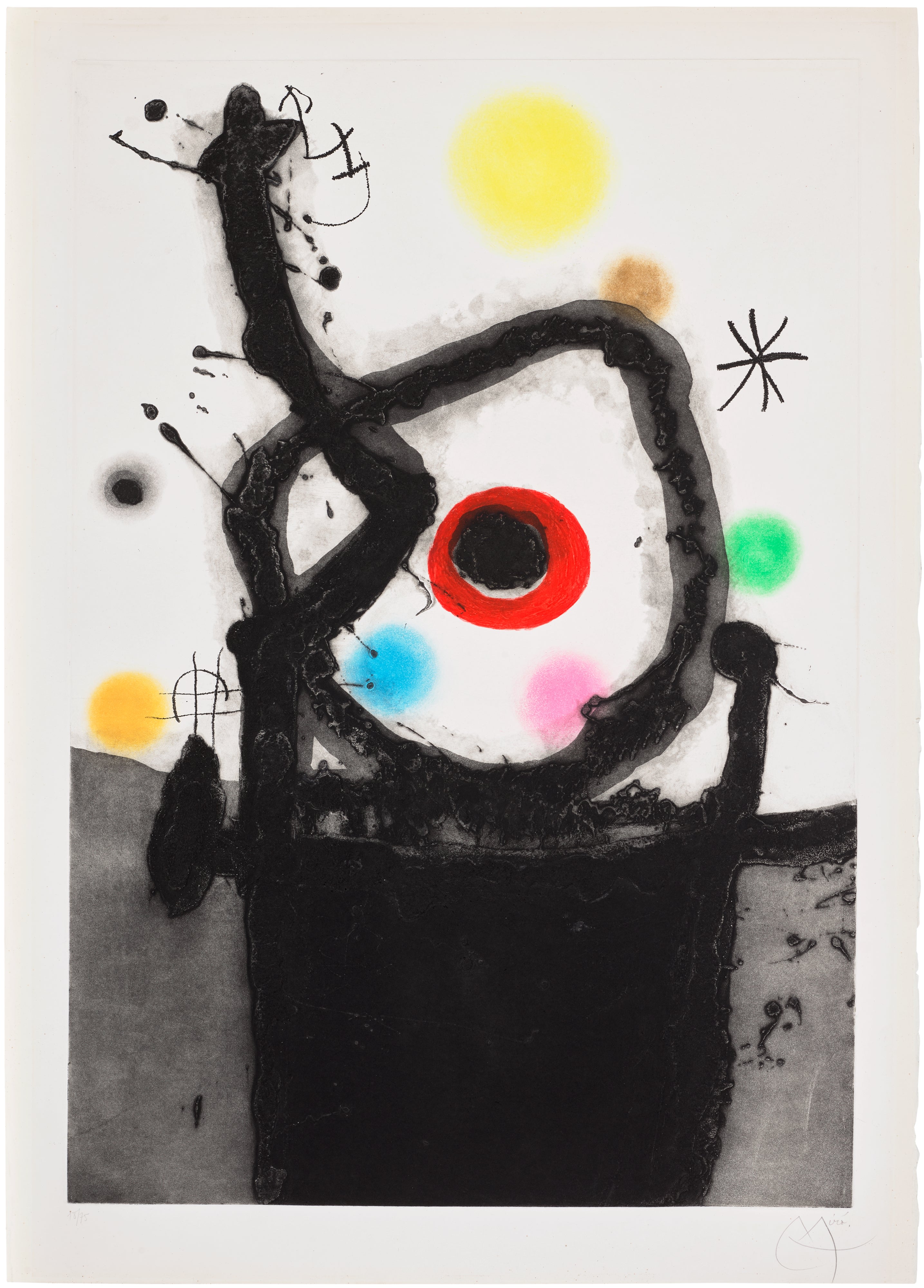
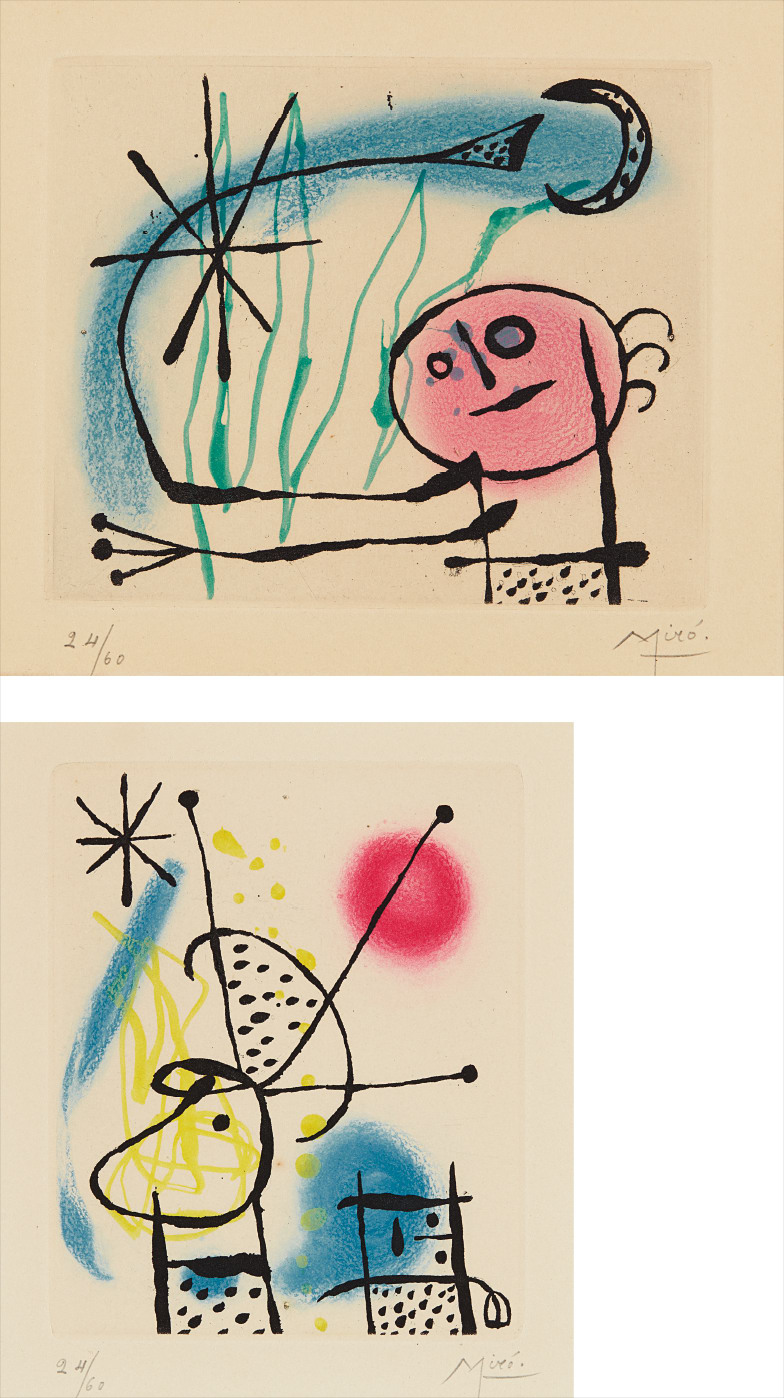
Joan Miró
Le rebelle (The Rebel)



The Century That Broke Everything Open
There is a particular kind of thrill that comes from standing in front of a work that refuses to behave. A canvas that won't depict, a sculpture that won't sit still, a photograph that insists it is also a painting. Modernism produced that thrill in industrial quantities, and more than a century after its first provocations, the sensation has not dulled. If anything, the distance of time has made the audacity more legible, the ambition more breathtaking.
To collect modernist work is to collect the record of a civilization arguing with itself about what art could possibly mean after everything changed. The origins of modernism as a coherent force are usually traced to the final decades of the nineteenth century, when industrialization, urbanization, and the trauma of mass warfare began reshaping what it felt like to be alive in the world. Paul Cézanne's systematic dismantling of perspective, completed quietly in his Provence studio before his death in 1906, handed subsequent generations a permission slip. If structure itself could be questioned, then everything was negotiable.
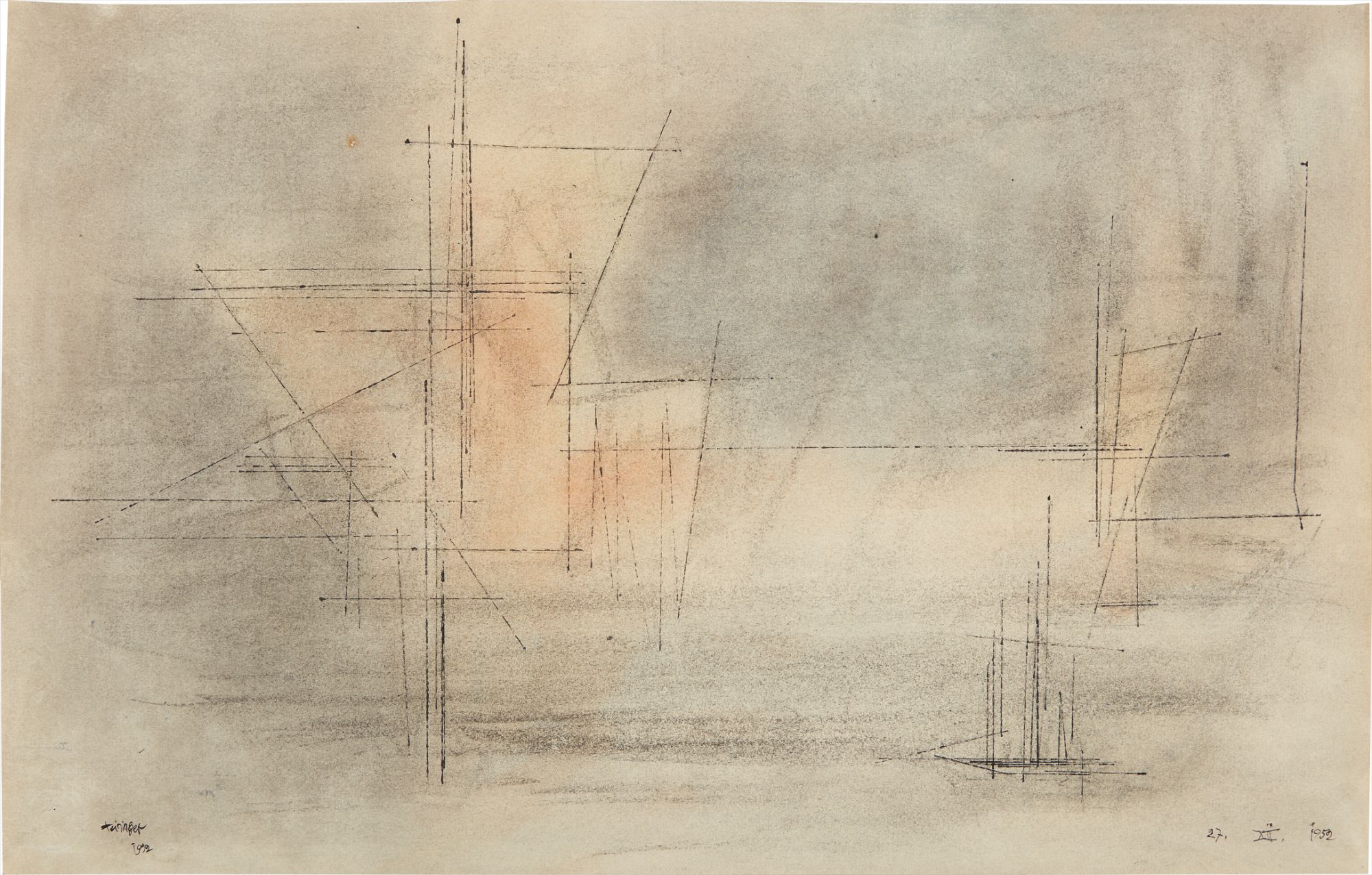
Lyonel Feininger
Sky Space, 1953
The Armory Show of 1913 in New York made that argument publicly and violently, introducing American audiences to Cubism, Fauvism, and abstraction in a single overwhelming gesture. The shocked reviews and the crowds who came to mock stayed, eventually, to look. What followed was not one movement but a constellation of competing, overlapping, sometimes mutually hostile revolutions. The Bauhaus, founded by Walter Gropius in Dessau in 1919, proposed that art and industry could be reconciled through rigorous formal education.
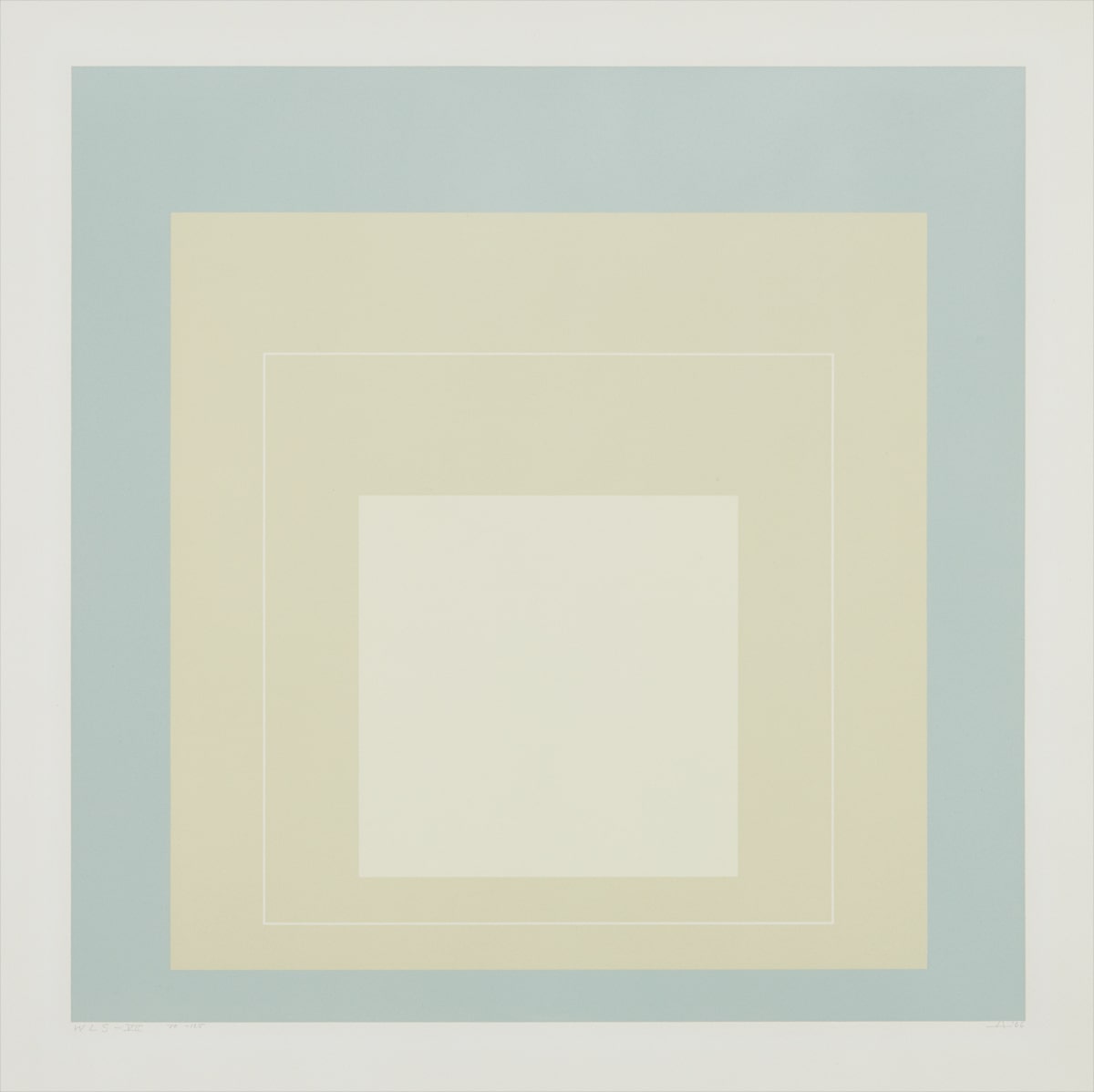
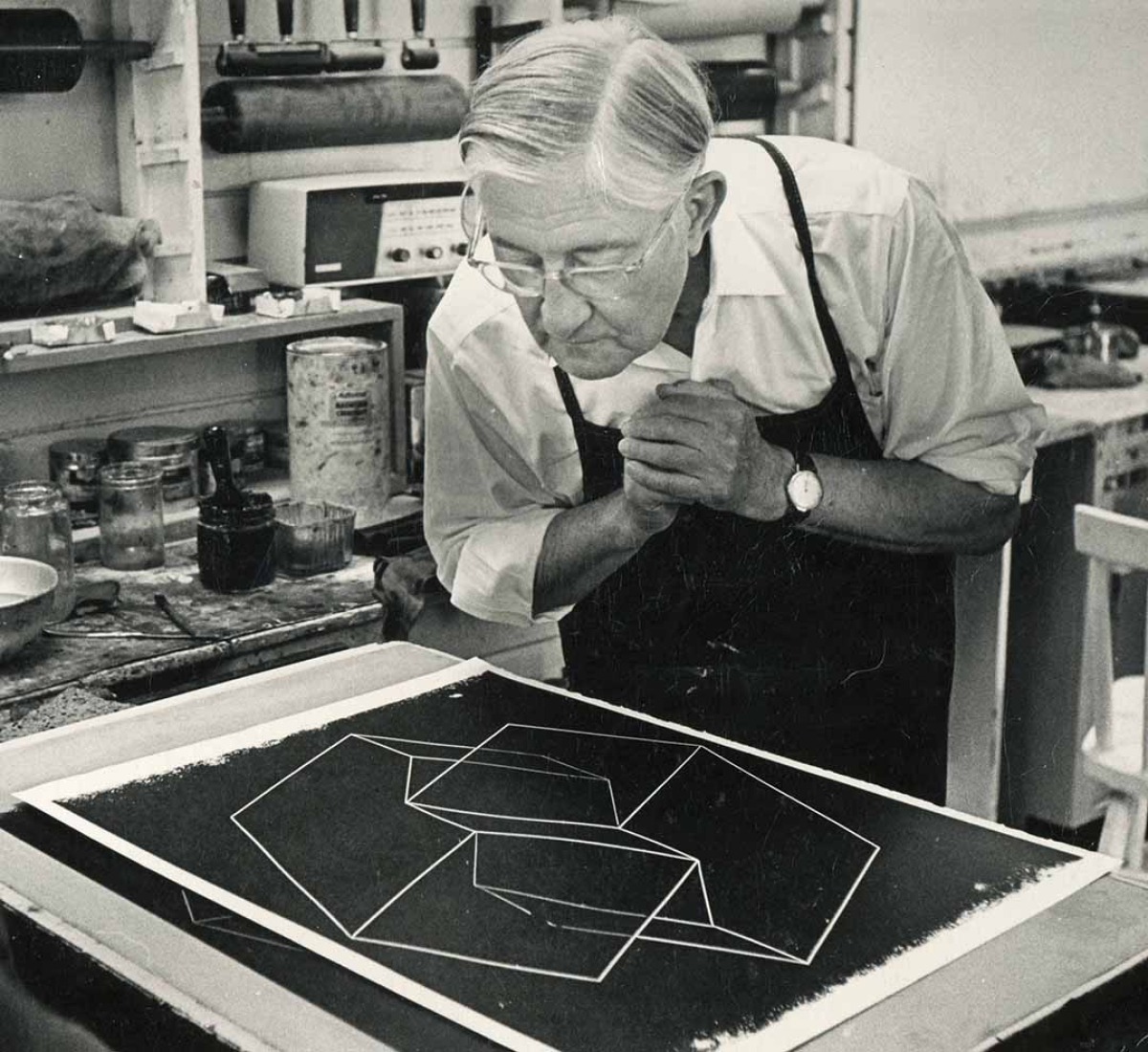
Josef Albers studied and then taught there, eventually carrying its methodologies to Black Mountain College and then Yale, where his sustained investigations into color interaction would consume decades of work. His former partner Anni Albers brought the same Bauhaus discipline to textile and print, treating weave structures as a formal language as serious as any painting. Their commitment to the idea that perception itself was the subject of art remains one of the great intellectual inheritances of the twentieth century. Meanwhile the Surrealists were pursuing a very different account of the modern psyche.
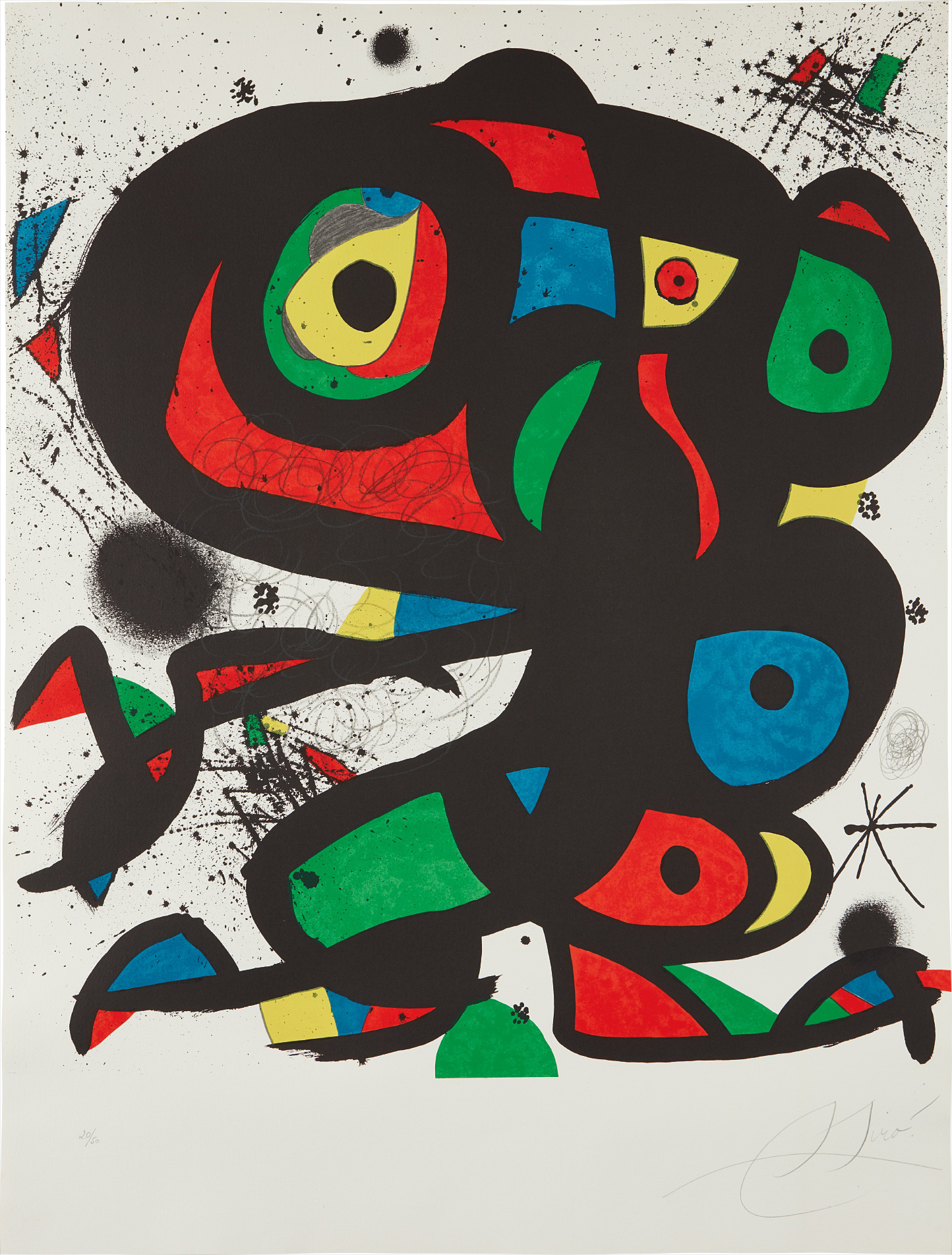
Joan Miró
Le rebelle (The Rebel)
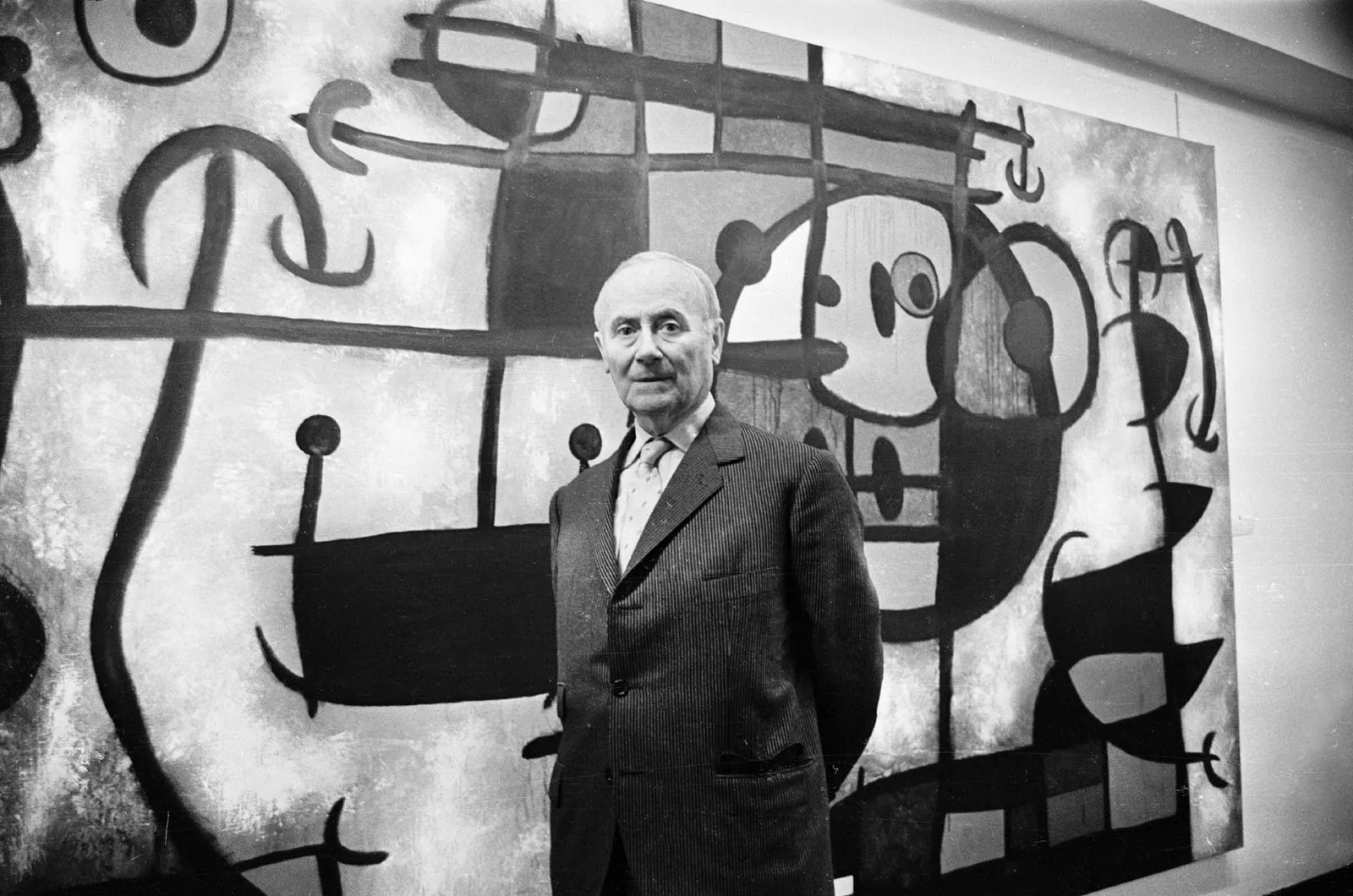
André Breton's first Surrealist Manifesto appeared in Paris in 1924, proposing the unconscious as the only reliable source of genuine creativity. Joan Miró occupied a singular position within this orbit, close enough to Surrealism to benefit from its energy but independent enough to develop a visual language that was entirely his own. His biomorphic forms, those floating symbols that seem to exist in some dimension between dream and diagram, evolved through the 1920s and 1930s into one of the most immediately recognizable bodies of work in modern art. Man Ray, equally impossible to confine to a single category, moved between painting, photography, and object making with the ease of someone who had decided that medium was merely a suggestion.
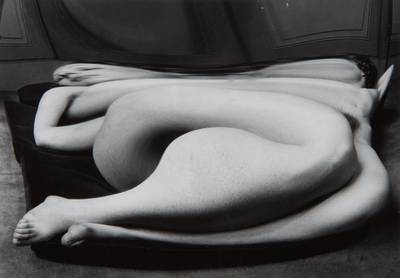
His Rayographs, made by placing objects directly onto photosensitive paper, produced images of uncanny beauty that remain genuinely strange. Photography's relationship to modernism is one of the movement's most generative tensions. The medium was young enough to feel experimental, old enough to have accumulated conventions worth breaking. László Moholy Nagy, who joined the Bauhaus faculty in 1923, treated the camera as an instrument for reorganizing visual consciousness, tilting perspectives and abstracting surfaces until the familiar became alien.
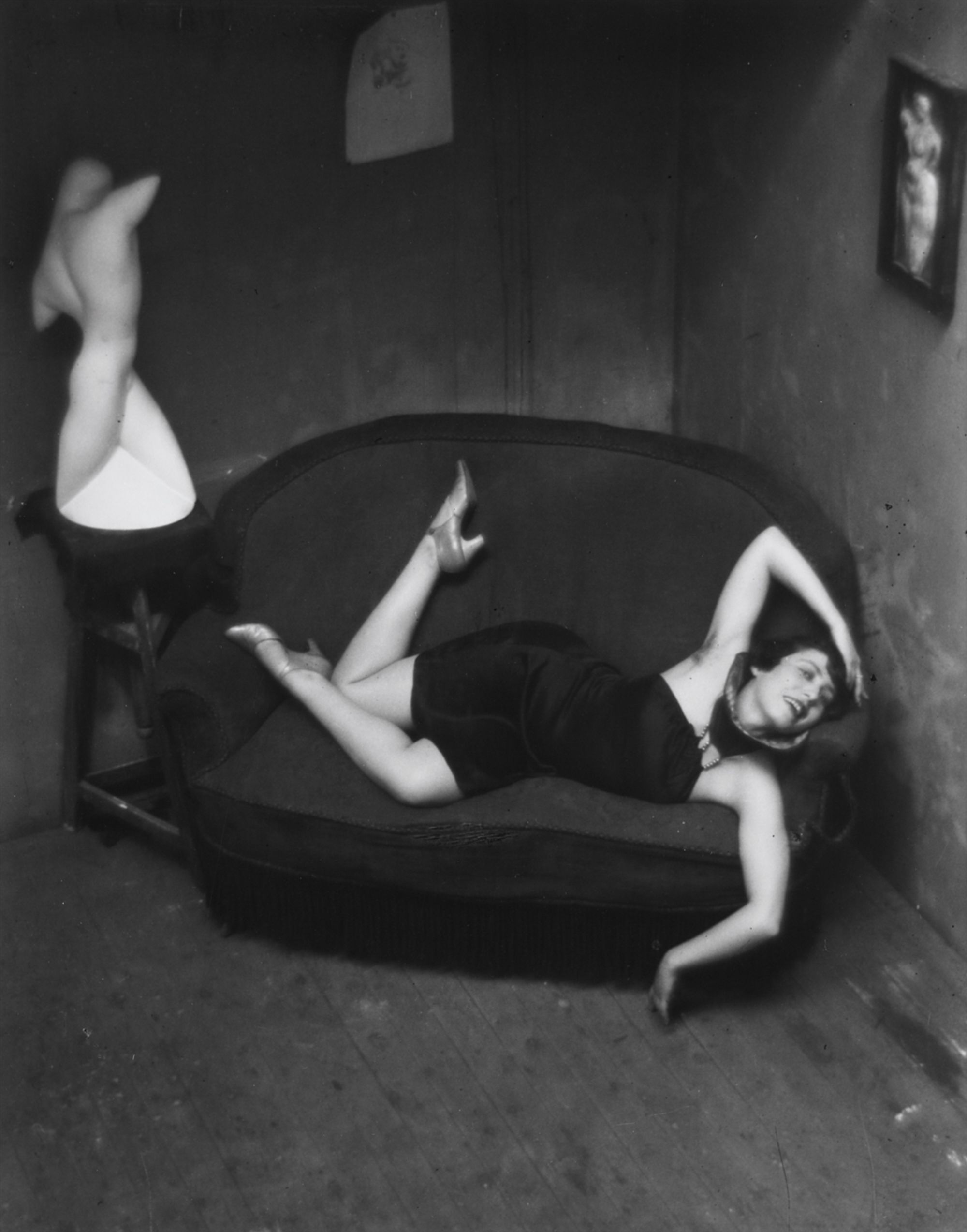
André Kertész
Satiric Dancer, Paris
His theoretical writing, particularly his 1947 book Vision in Motion, argued that photography was not documentation but transformation. André Kertész, working in Paris from 1925 onward, brought a different sensibility to the same mission, finding formal poetry in the incidental geometry of ordinary life. Ilse Bing, known in Paris circles as the Queen of the Leica, worked with a handheld freedom that made her images feel simultaneously spontaneous and precisely composed. Sculpture in the modernist period underwent its own radical reorganization.
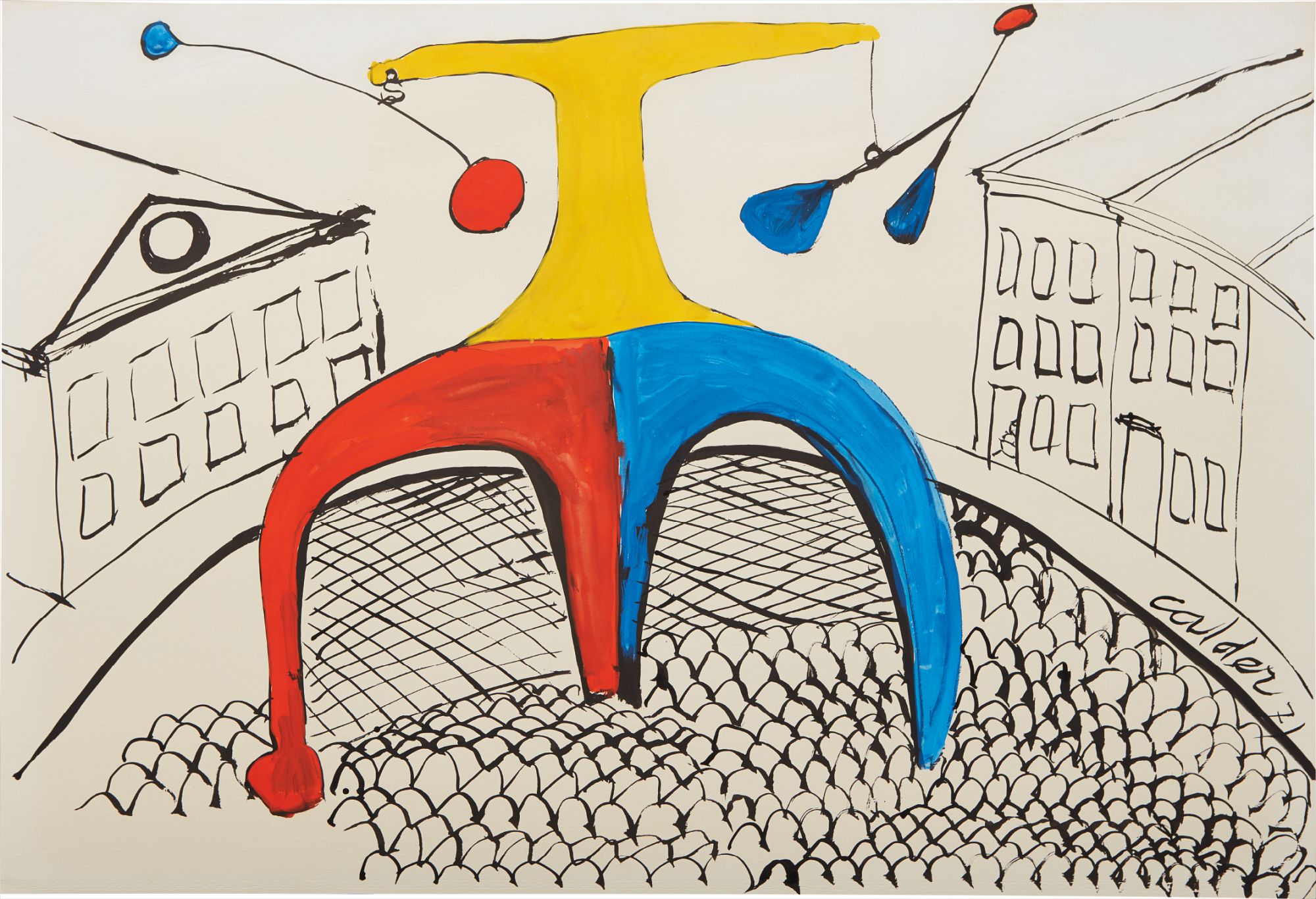
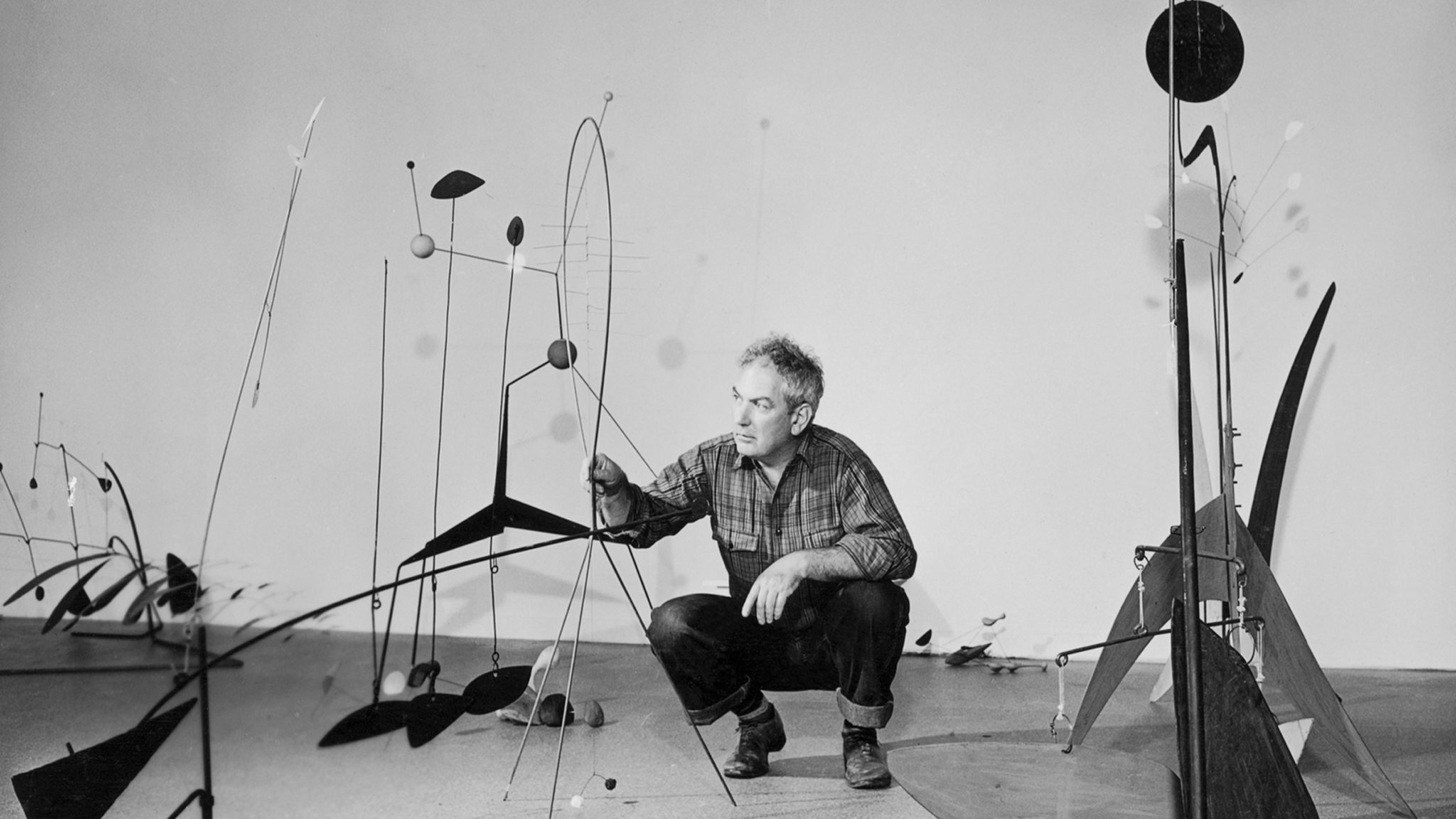
Constantin Brâncuși stripped form down to its essential gesture, producing works that seemed to arrive from outside historical time. Alexander Calder invented an entirely new category of object with his mobiles, introducing duration and chance into sculpture in ways that the medium has never recovered from, which is to say it has never stopped absorbing. Louise Nevelson built monumental wall assemblages from found wood, painted black or gold or white, creating environments that felt both architectural and deeply interior. These were not decorative objects.
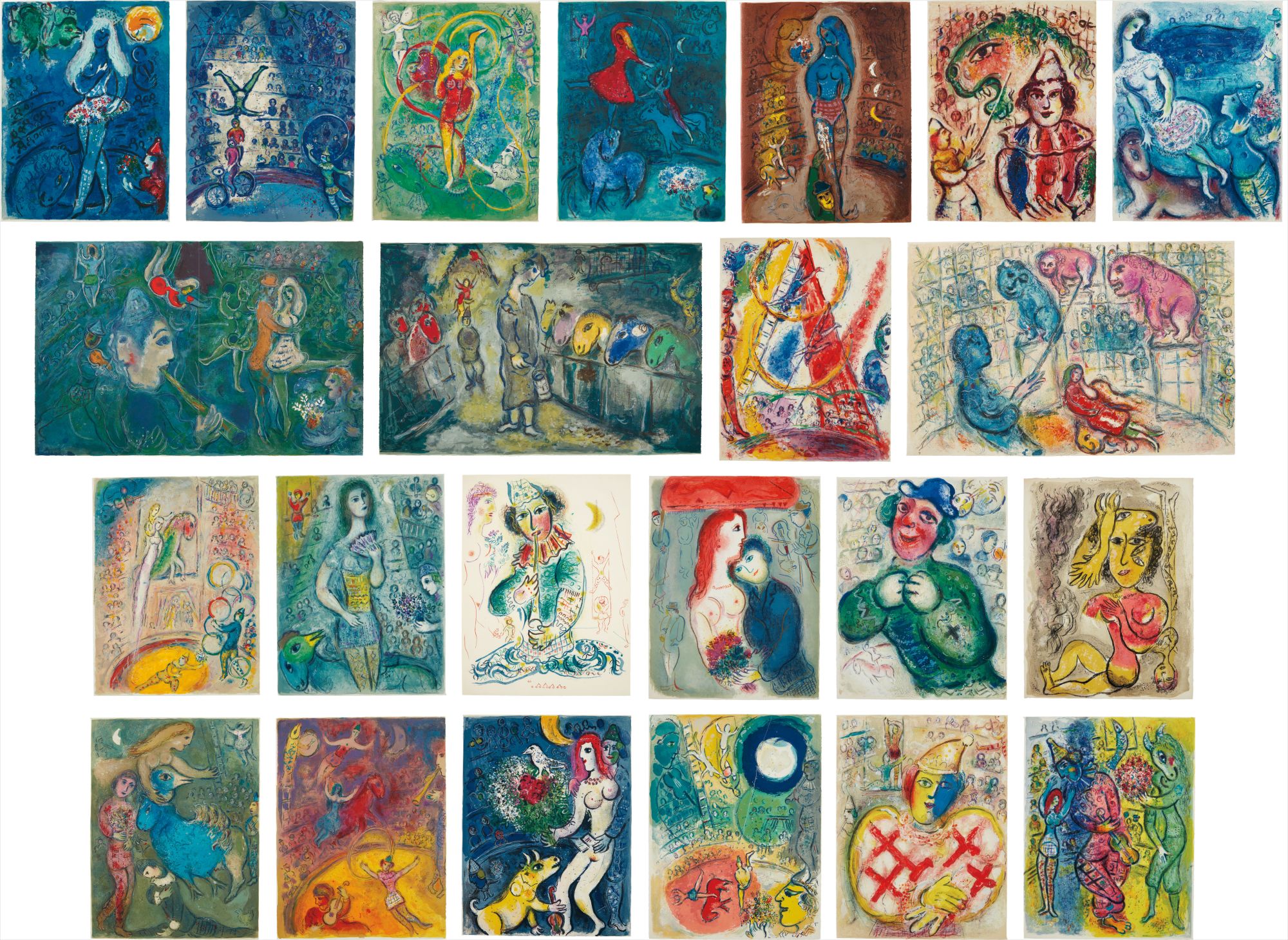
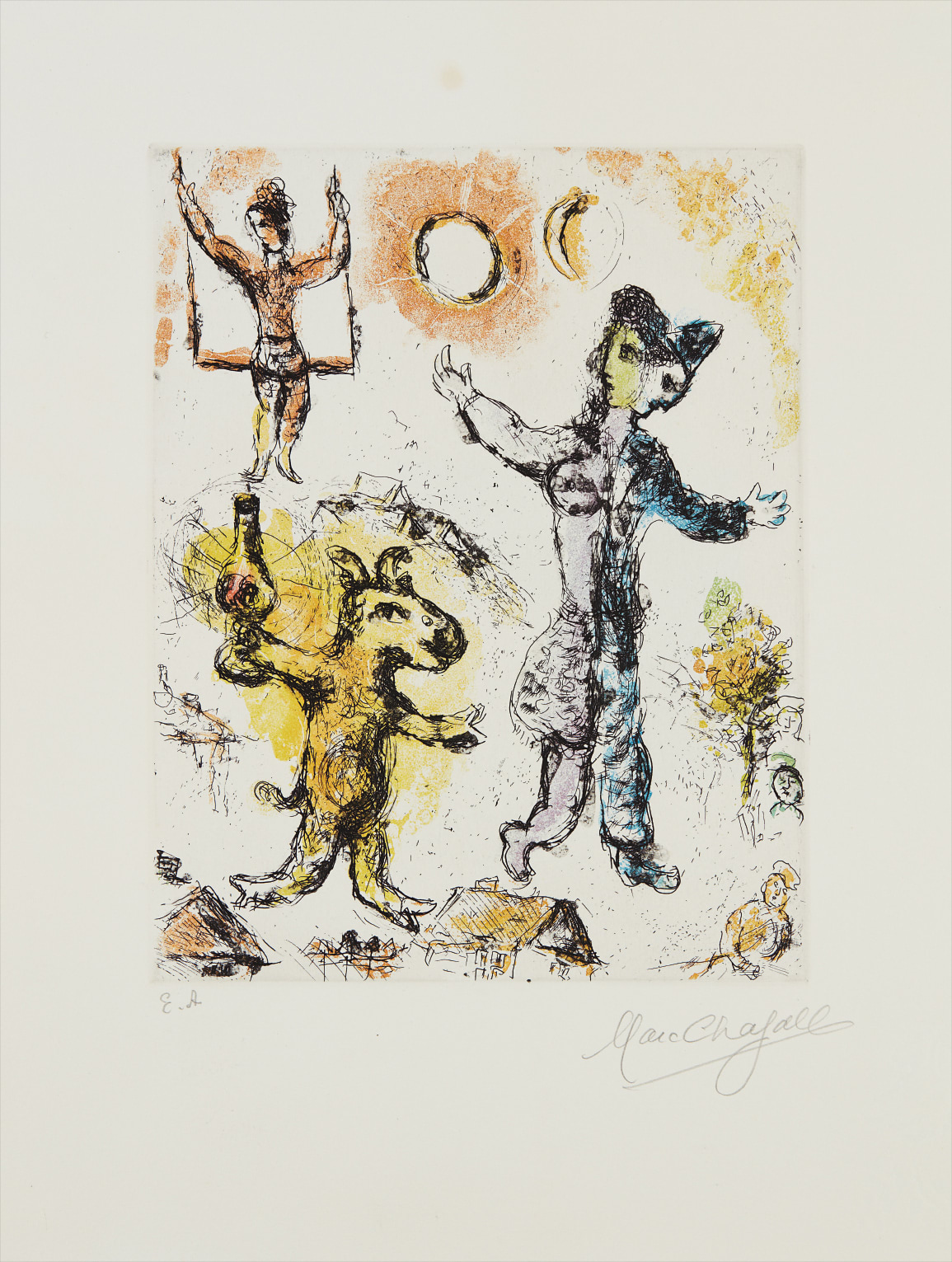
Marc Chagall
Le Cirque (The Circus)
They were philosophical positions made physical. The reach of European modernism across the Americas is a story that continues to be told with greater complexity and nuance than early art histories allowed. Le Corbusier's influence on architecture and urbanism reshaped cities on multiple continents. Marc Chagall carried the imagery of Eastern European Jewish life into a modernist visual grammar that was entirely his own synthesis.
Carlos Mérida, working between Mexico and Guatemala, fused pre Columbian visual culture with European abstraction in ways that produced something neither tradition could have generated alone. Mira Schendel, born in Zurich and working for most of her life in São Paulo, developed a practice that touched Concrete art, philosophy, and spirituality simultaneously. The modernist project was never solely a European one, and the works that most reward sustained attention are often those that traveled the furthest from its original centers. The collection at collctn.
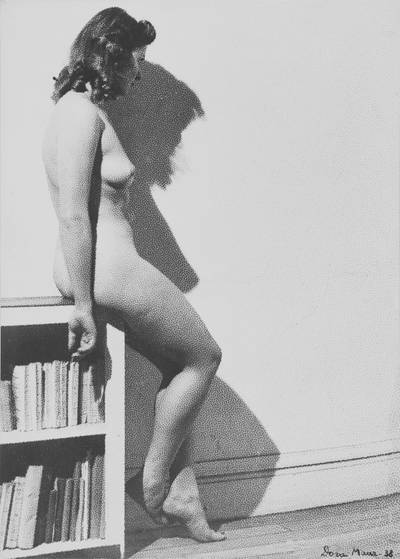
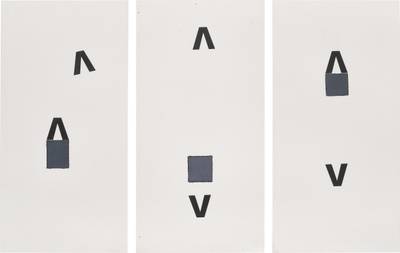
art reflects this breadth with genuine intelligence. The works gathered here span the full arc of the modernist century, from the formal experiments of the Bauhaus generation through the gestural freedoms of abstract expressionism, represented here by Willem de Kooning and Hans Hofmann, to the cool structural thinking of Sol LeWitt's conceptual propositions. Alexander Rodchenko's graphic severity sits in conversation with Dora Maar's Surrealist object making, each a reminder that modernism contained multitudes and contradictions it never bothered to resolve. To move through these works is to understand that the twentieth century's great artistic argument was not about style but about what art is actually for, a question that remains, stubbornly and wonderfully, open.