Minimalist Abstraction
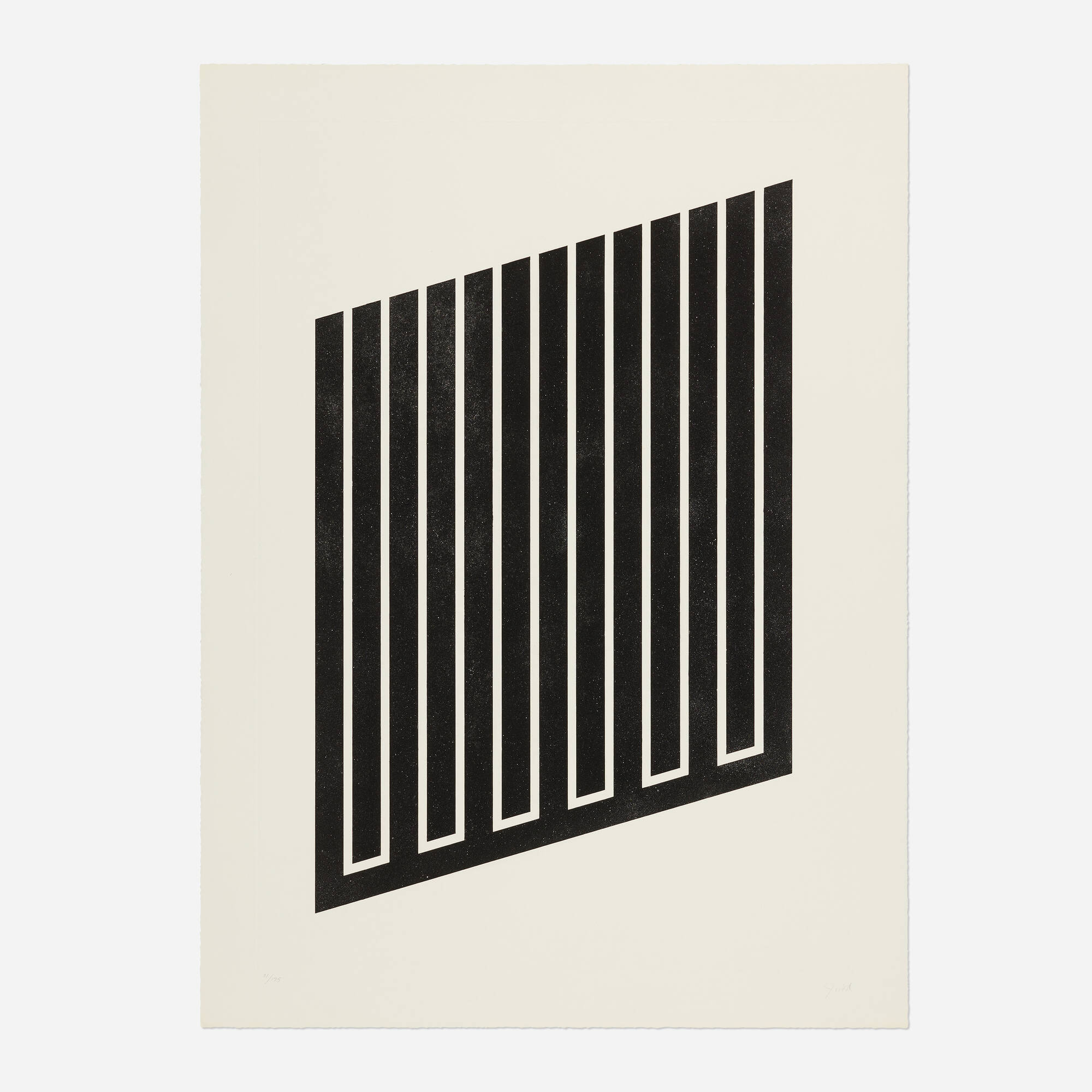
Donald Judd
Untitled, 1979

The Art of Less: Minimalism's Endless Return
There is a particular quality of attention that certain works demand from us, not through spectacle or narrative, but through their very refusal of both. A Agnes Martin canvas, with its faint penciled grids and fields of pale wash, asks you to slow down, to notice the slight tremor in a hand drawn line, to feel something like silence made visible. This is the essential proposition of minimalist abstraction: that less is not a deprivation but an invitation, and that the space between form and feeling is where meaning lives. The roots of what we now call minimalist abstraction reach back to the early twentieth century, to the radical stripping away that Kazimir Malevich enacted with his 1915 Suprematist works, particularly the Black Square shown at the 0.
10 exhibition in Petrograd. Mondrian's reductions followed, then the cool geometries of the Bauhaus, but these were early tremors. The true seismic shift came in postwar America, when a generation of artists looked at Abstract Expressionism's emotional excess and asked what might remain if you cleared the canvas of autobiography and gesture. What remained, they found, was form itself, color itself, surface itself, and these turned out to be more than enough.
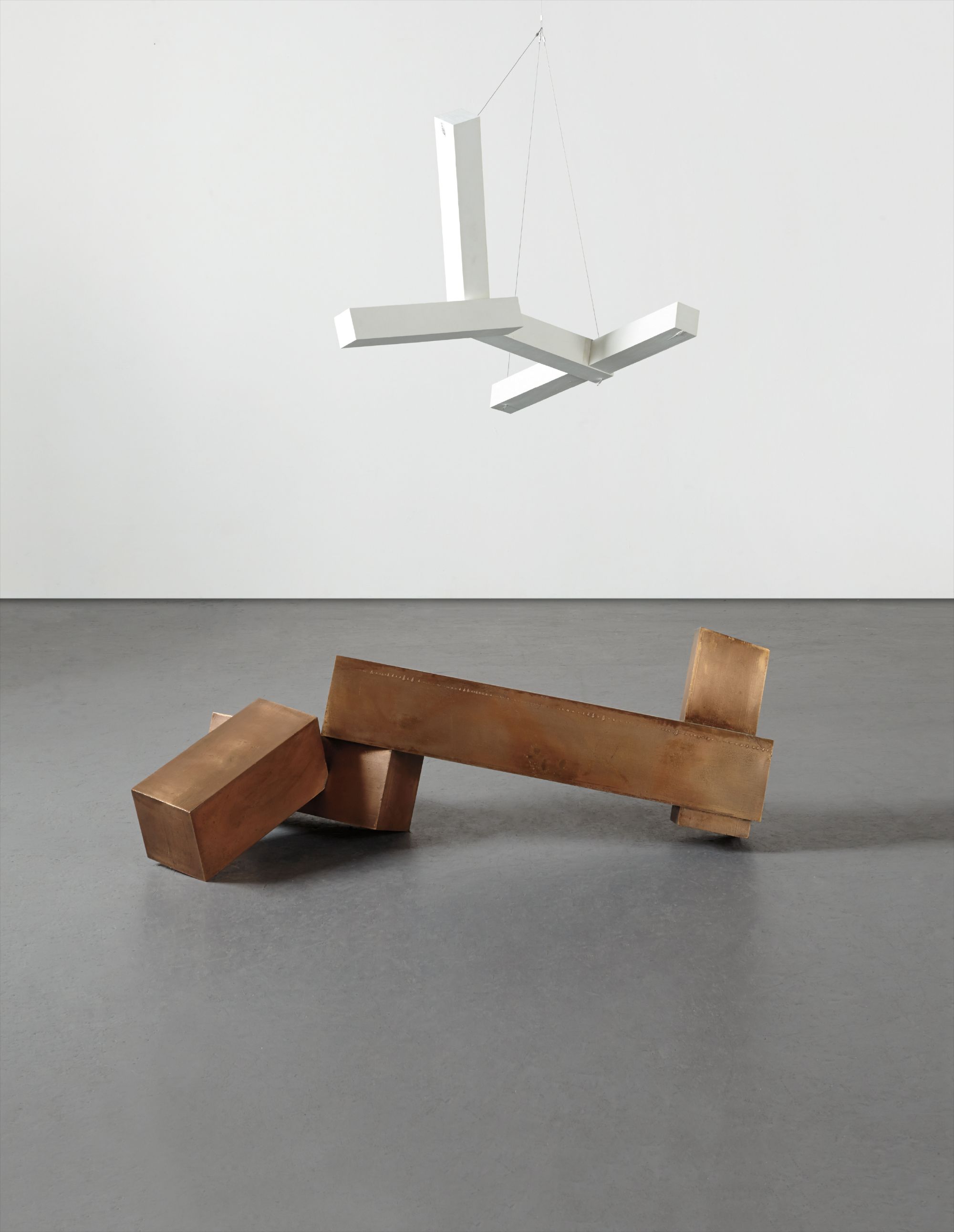
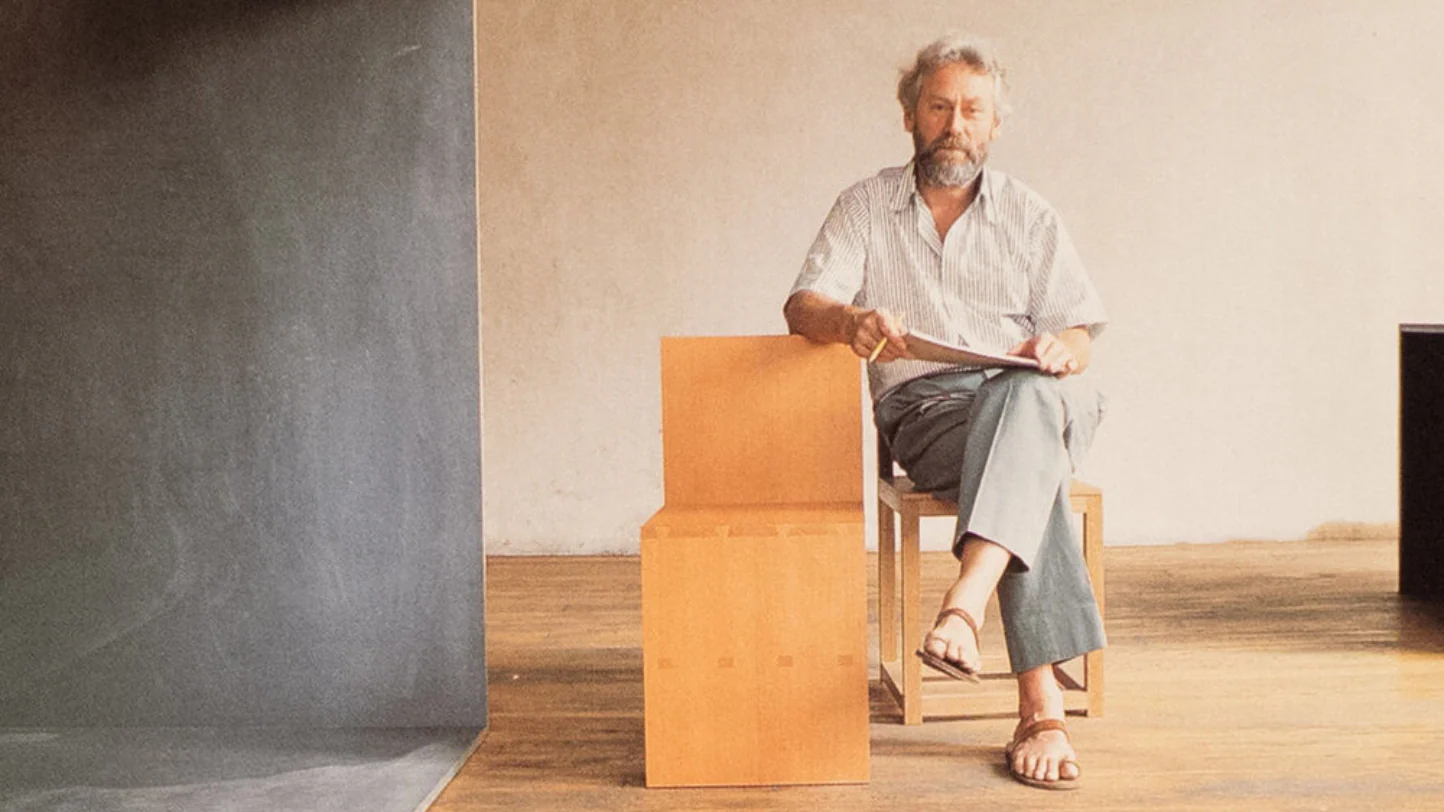
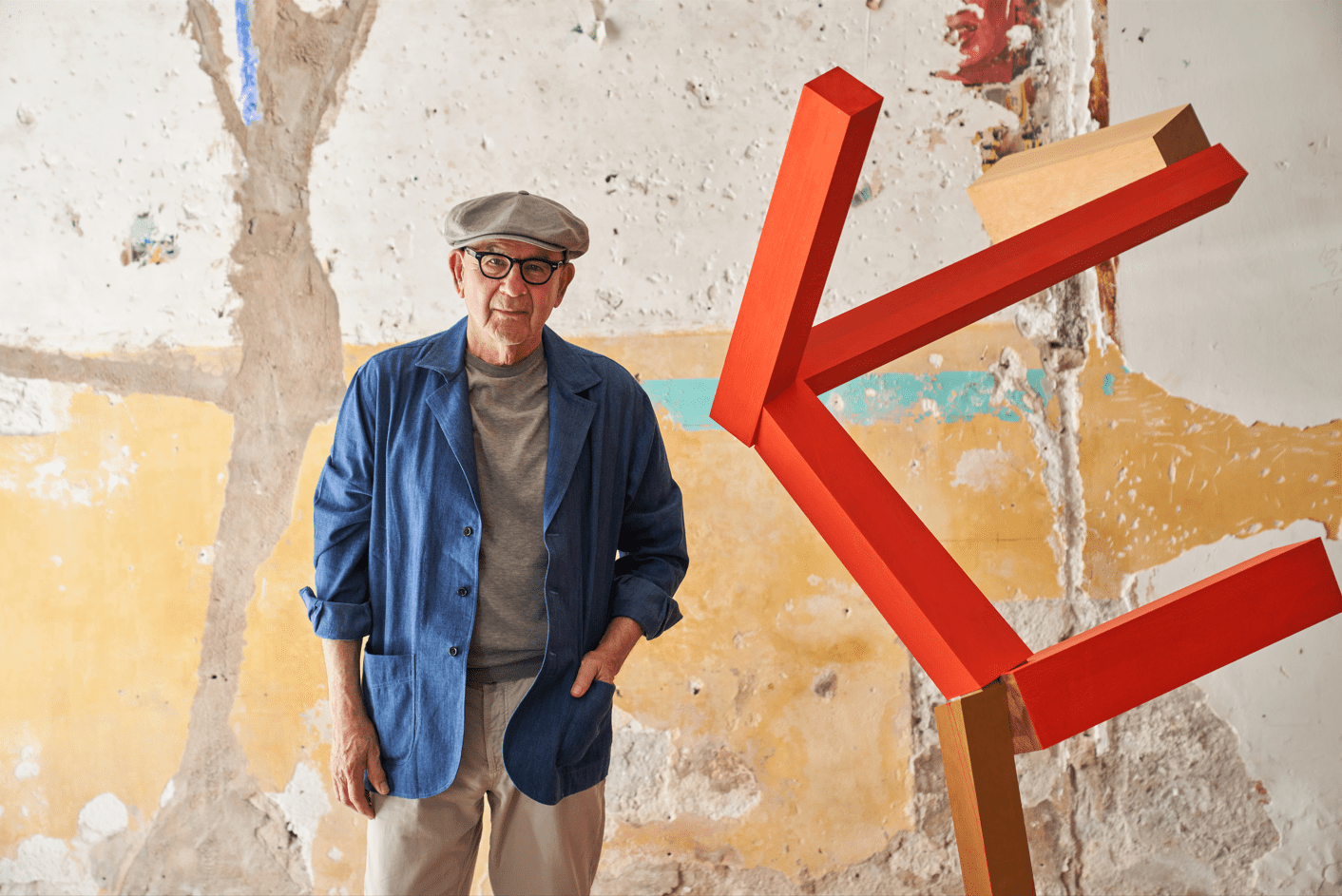
Donald Judd
Untitled, 1979
By the early 1960s, the term Minimalism was beginning to attach itself to a cluster of practices that shared certain instincts without constituting a unified manifesto. Donald Judd's 1965 essay Specific Objects articulated something that many artists had been feeling toward rather than naming. Judd argued for three dimensional work that owed nothing to the hierarchies of traditional sculpture or painting, objects that simply were what they were, neither representing nor symbolizing anything beyond their own physical presence. The stacks and progressions he fabricated from industrial materials, often anodized aluminum or galvanized iron, embodied this commitment with a kind of intellectual severity that was also, unexpectedly, beautiful.
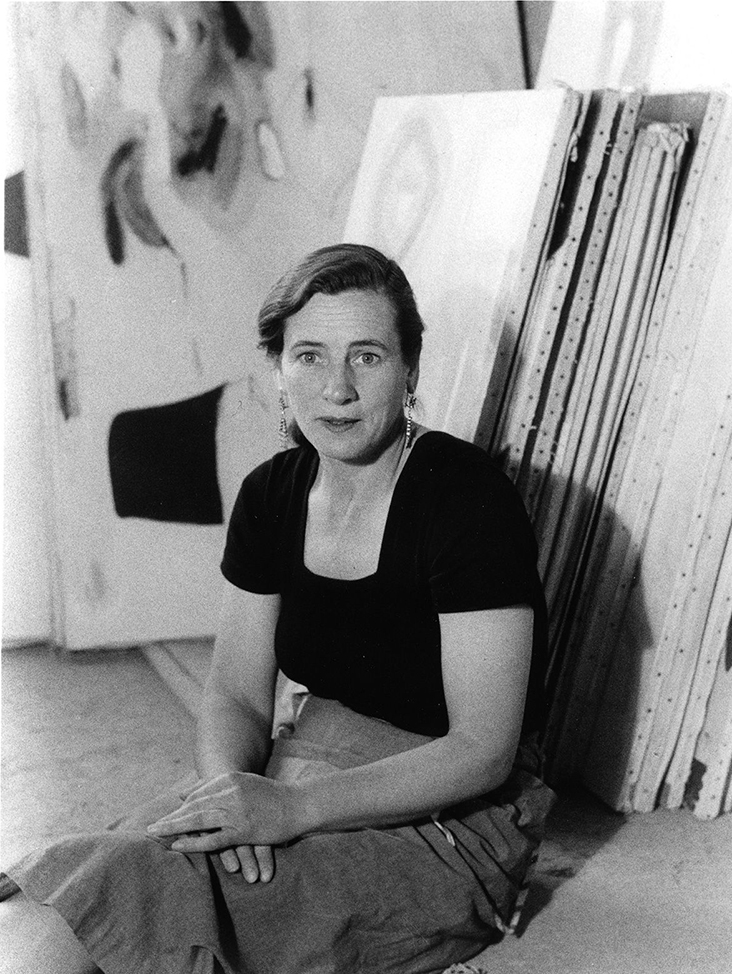
Agnes Martin occupies a singular place within this history, partly because she resisted the Minimalist label while remaining one of its most beloved exemplars. Working from her studio in New Mexico after she left New York in 1967, Martin produced paintings of such sustained quietude that they function almost as meditative objects. Her grids were never mechanical, always hand ruled, trembling slightly with the evidence of a human hand. Where Judd sought objecthood, Martin sought something closer to a felt state, happiness as she sometimes called it, or innocence.
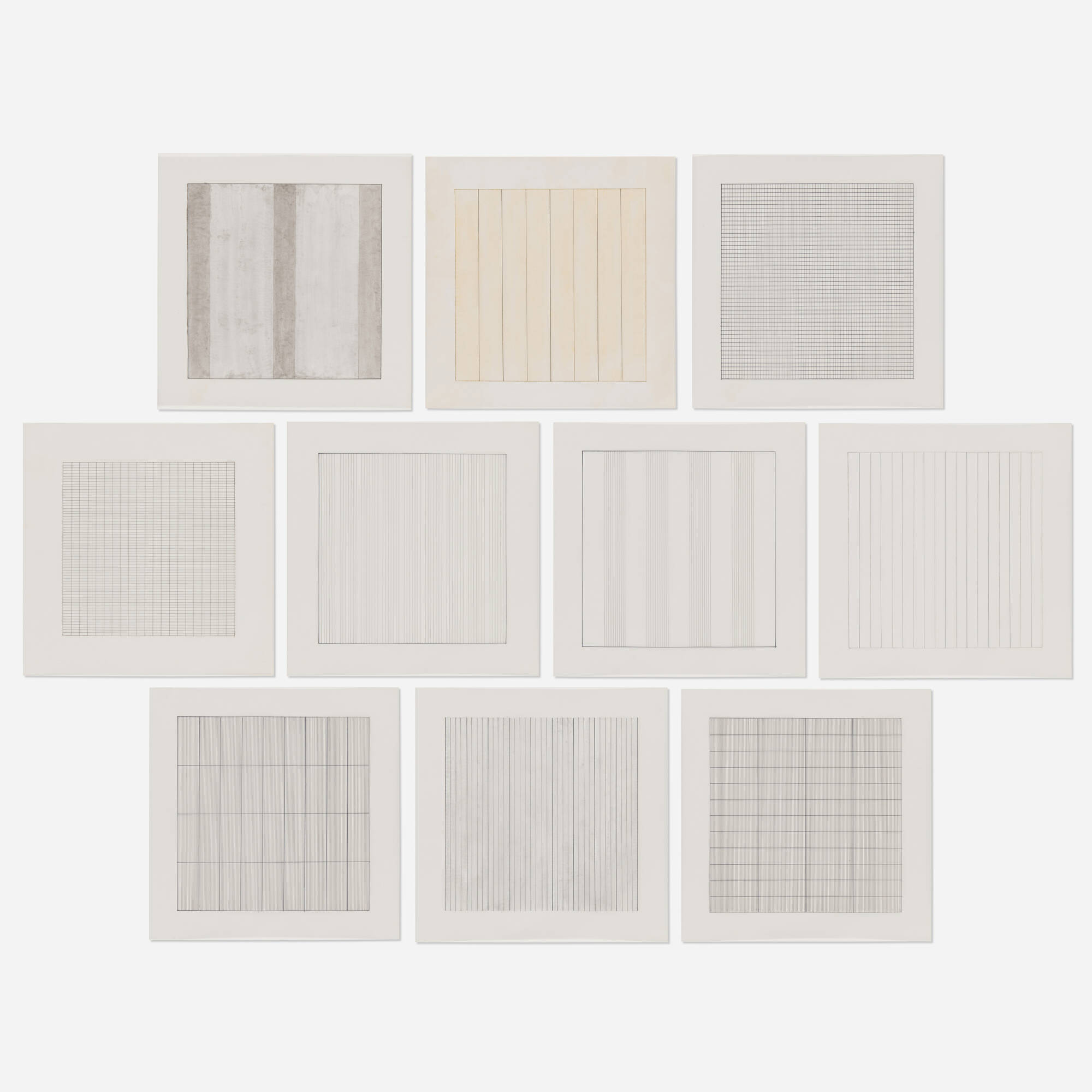
Agnes Martin
Paintings and Drawings: Stedelijk Museum Portfolio, 1990
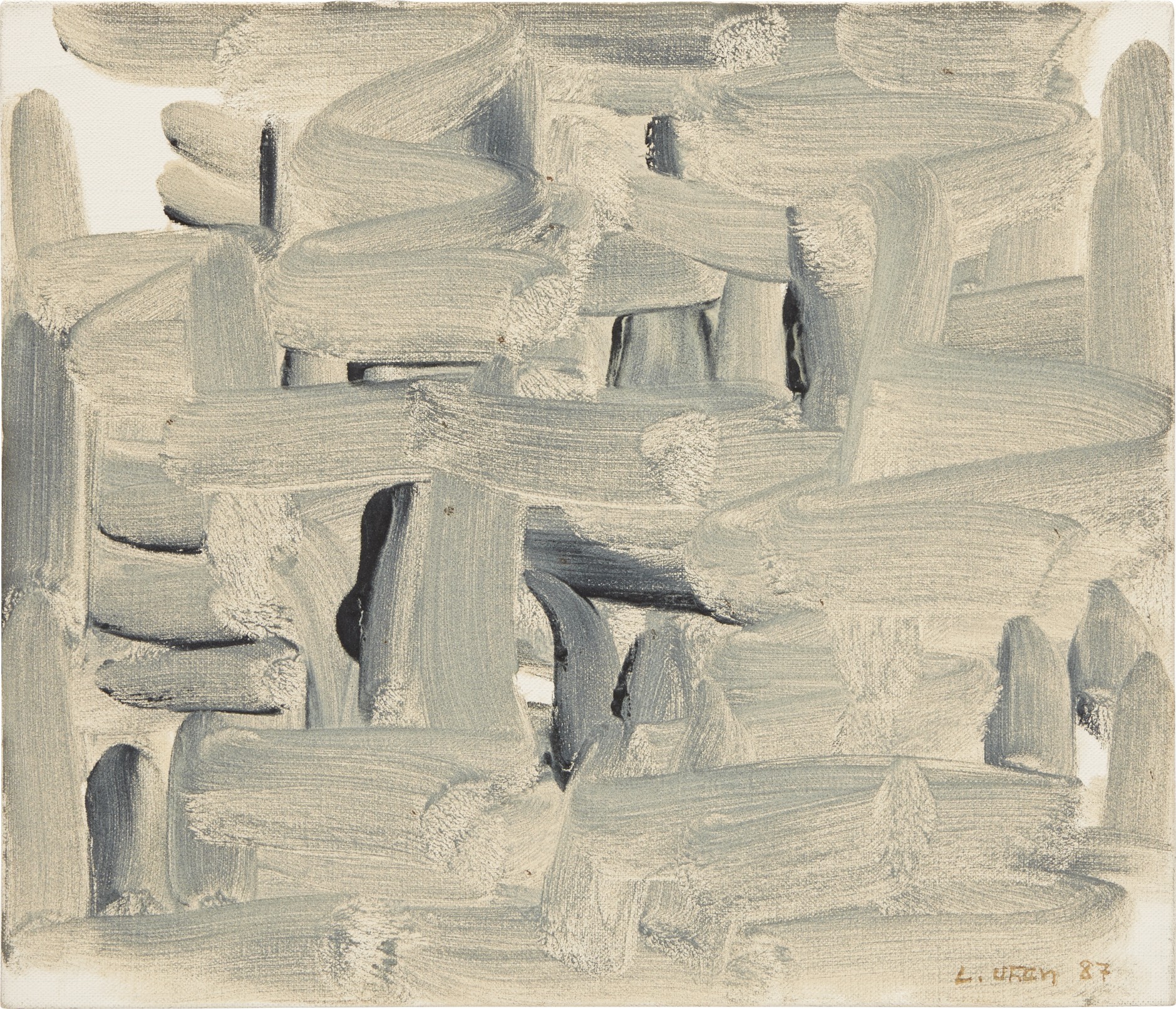
Both impulses belong to minimalist abstraction, and their tension is part of what keeps the category alive. The movement extended across the Atlantic and took on different inflections. In South Korea and Japan, the Dansaekhwa painters and the Mono ha group were developing parallel languages of restraint and material honesty. Lee Ufan, one of the central figures of Mono ha, brought a philosophical grounding drawn from phenomenology and East Asian thought.
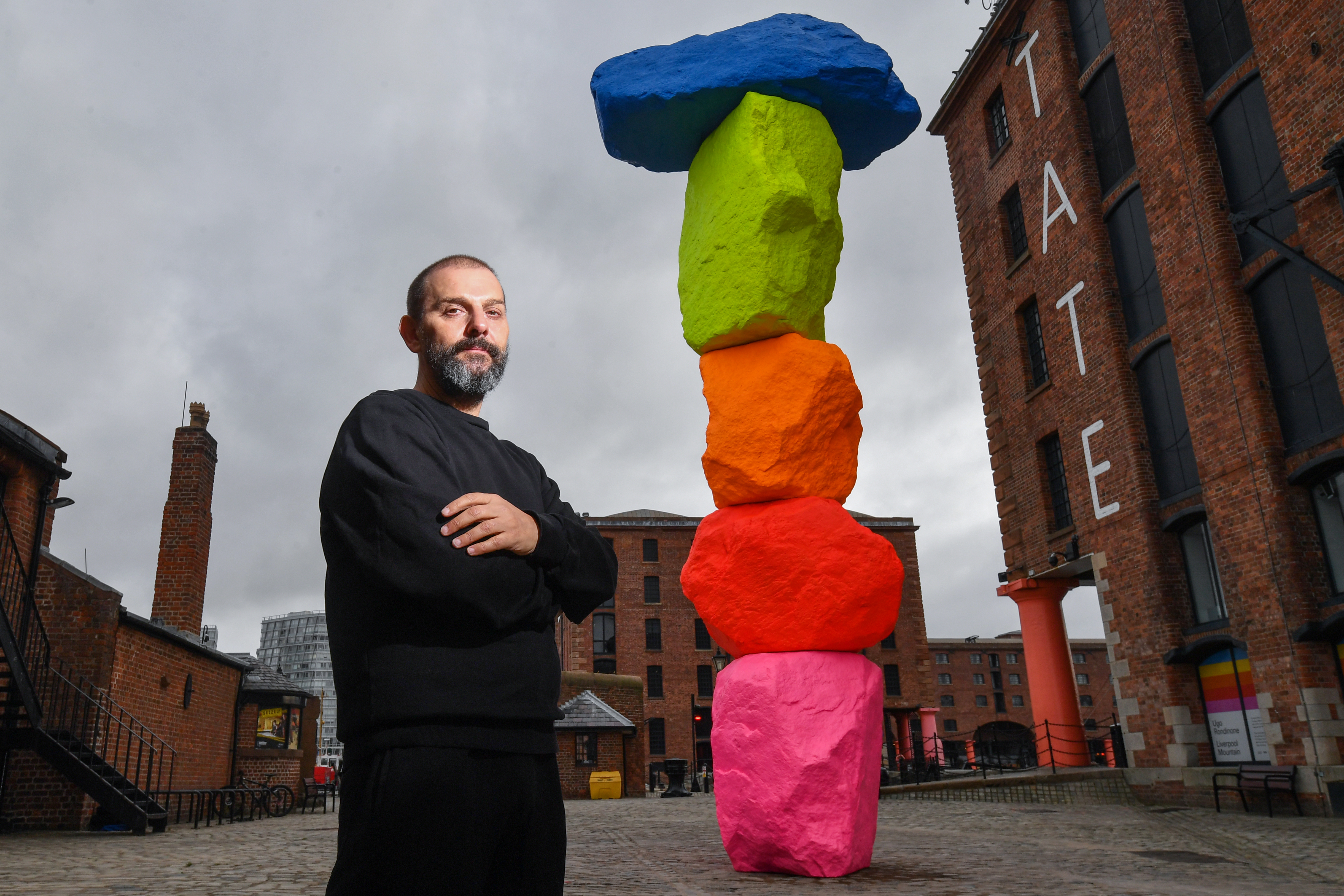
His Relatum series, begun in the late 1960s, placed steel plates against natural stones on gallery floors, staging encounters between the manufactured and the found that questioned the Western assumption that art must transform its materials. Lee's work, well represented on The Collection, continues to attract serious collectors who understand that his quiet propositions accumulate meaning slowly and reliably. The 1980s and 1990s saw minimalist abstraction absorbed into new contexts and complicated by new concerns. Artists like Ugo Rondinone and Anish Kapoor brought a sensory richness and at times a poetic mysticism to the stripped language of their predecessors.
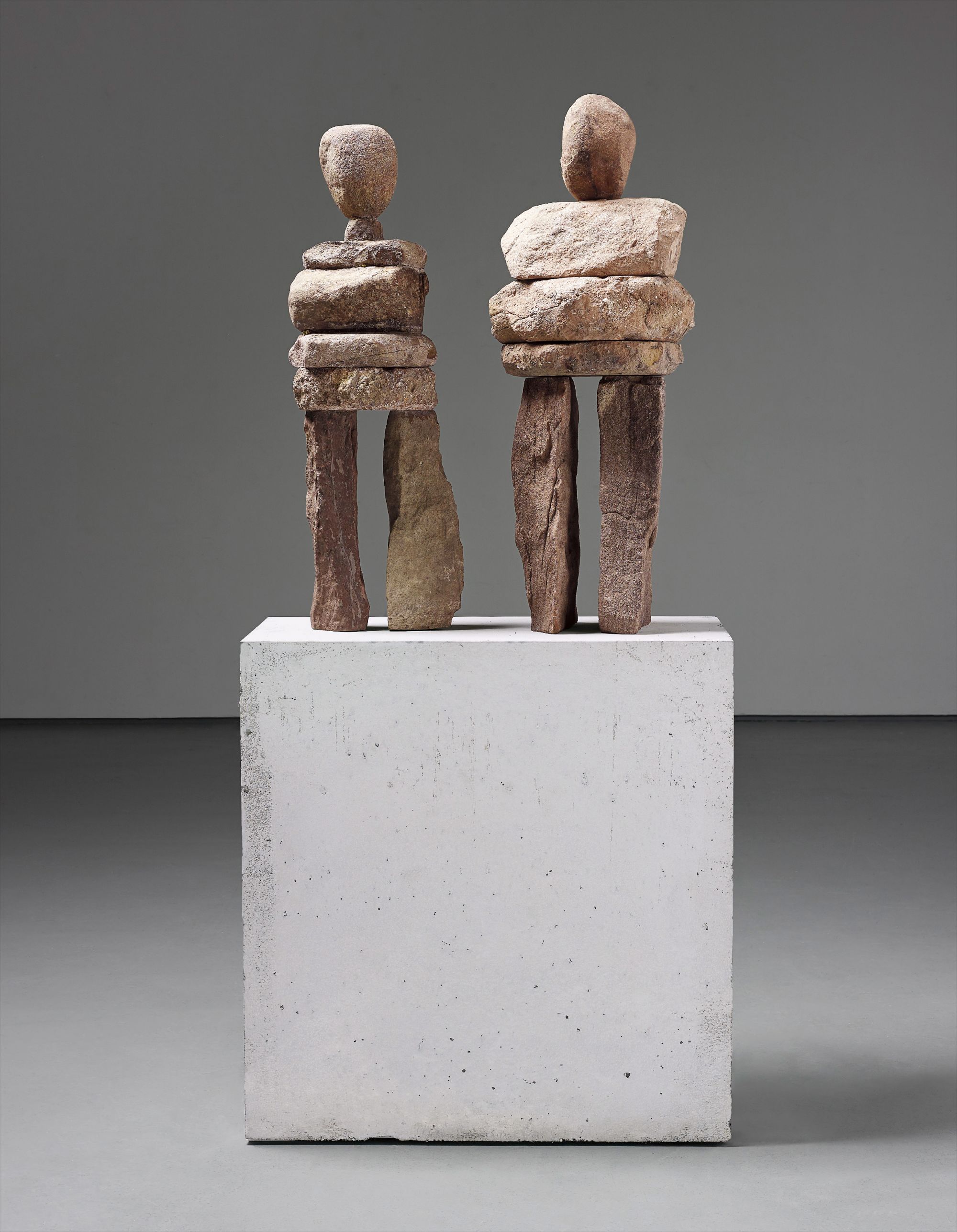
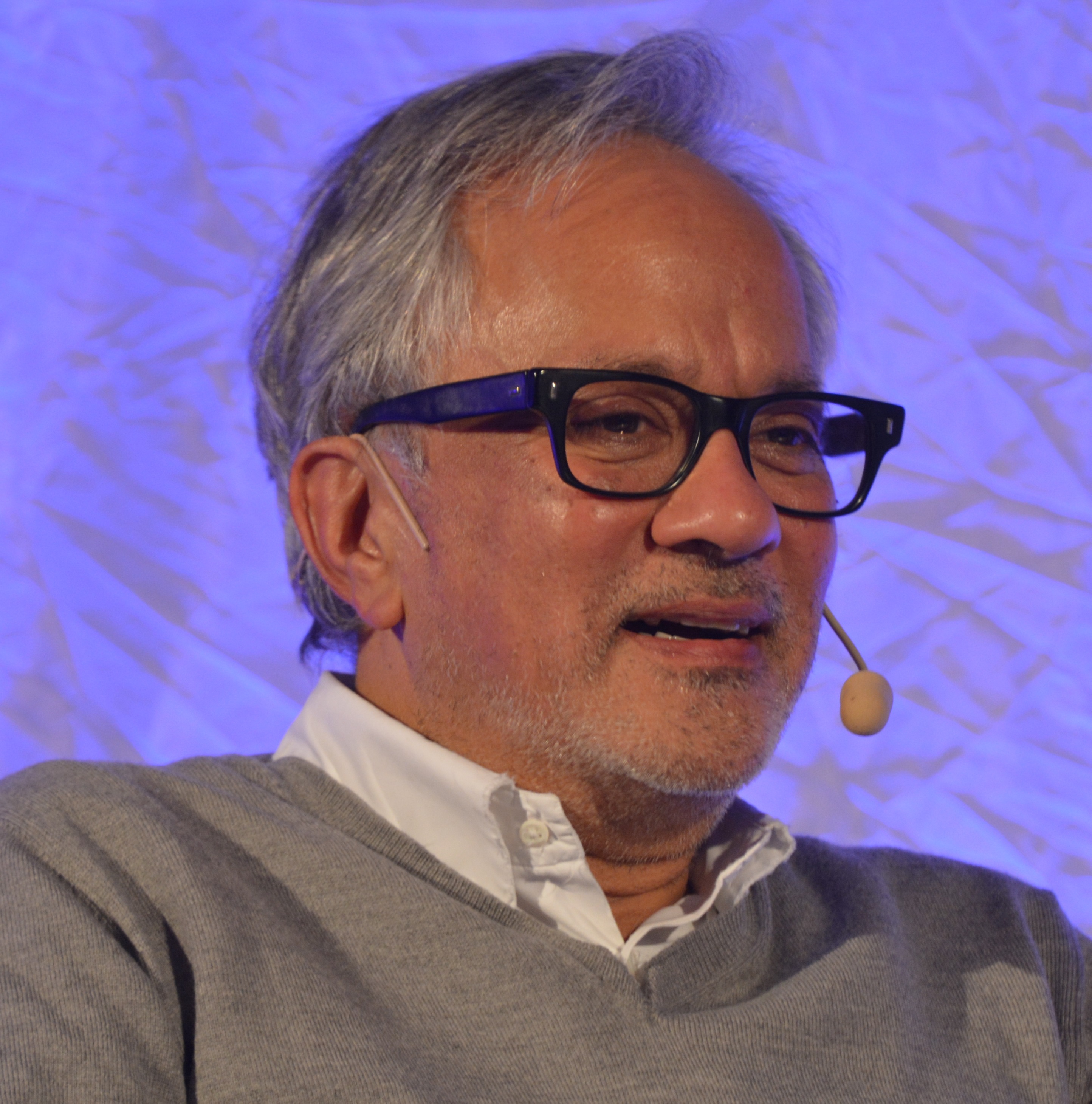
Ugo Rondinone
The Pleased and the Delighted
Kapoor's voids and pigment works introduced an almost visceral quality to surfaces that Minimalism had sought to neutralize. Rondinone's circular paintings and elemental sculptures carry an emotional directness that sits in productive tension with their formal economy. Neither artist simply repeats the 1960s canon; both use its grammar to say something that feels urgent in the present. A younger generation has continued to find the territory of minimalist abstraction generative rather than exhausted.
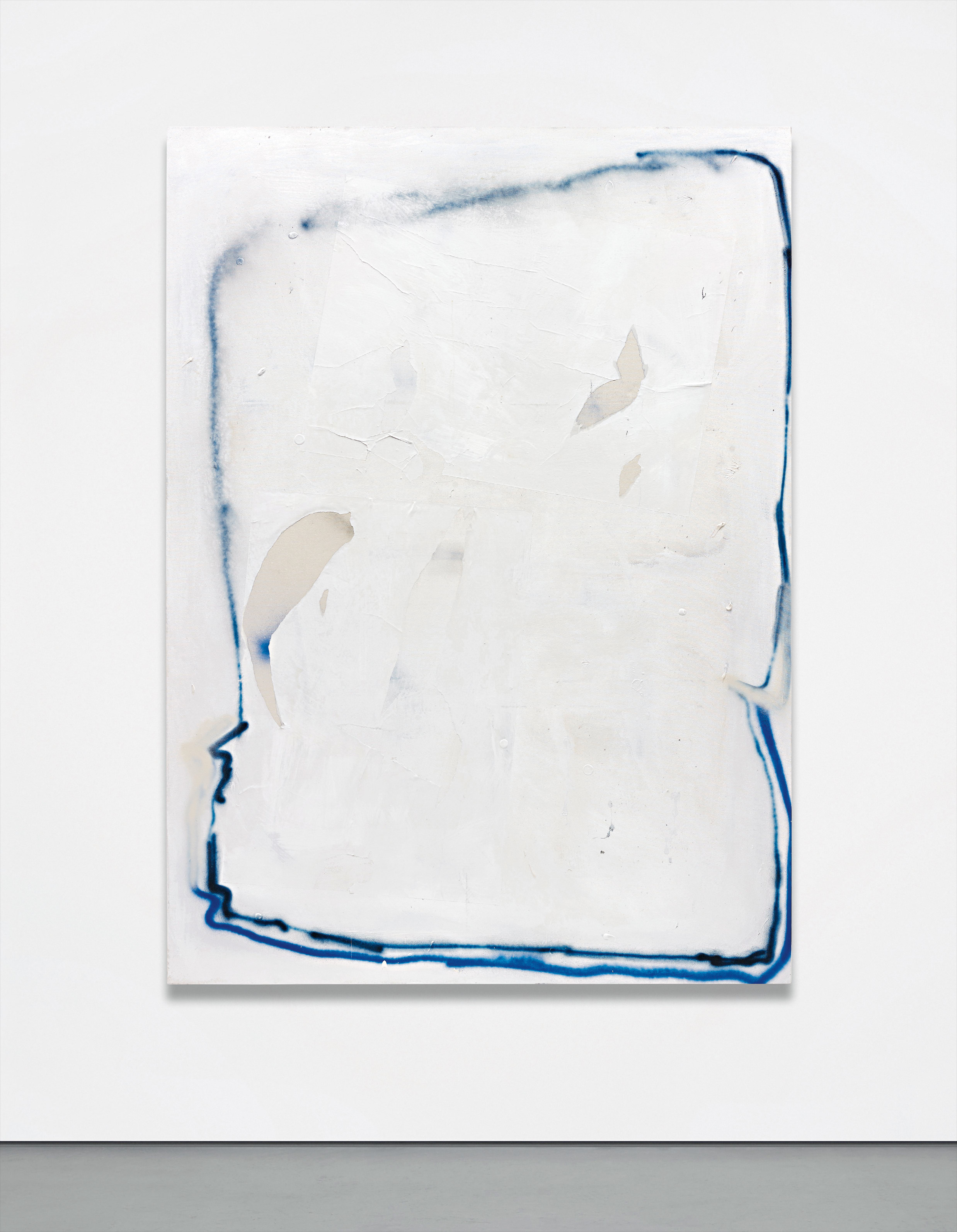
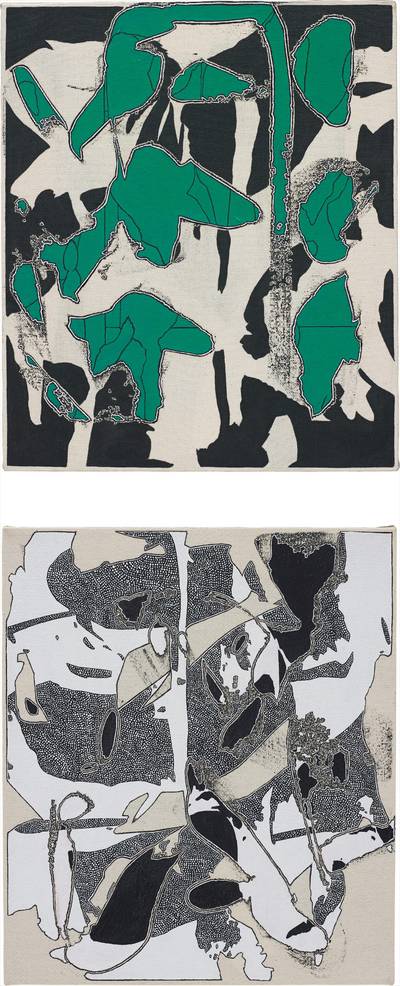
Zak Prekop, working in Chicago and then New York, produces paintings that layer process and mark in ways that hover between chance and control, never quite settling into pure system. David Ostrowski makes paintings that embrace incompleteness as a formal strategy, leaving exposed canvas and casual gestures that look provisional but are precisely calibrated. Thilo Heinzmann brings a material sensuousness to reduced compositions, often using unusual substrates that complicate the relationship between surface and image. These artists share with their predecessors a commitment to what painting can do when it stops trying to illustrate anything at all.
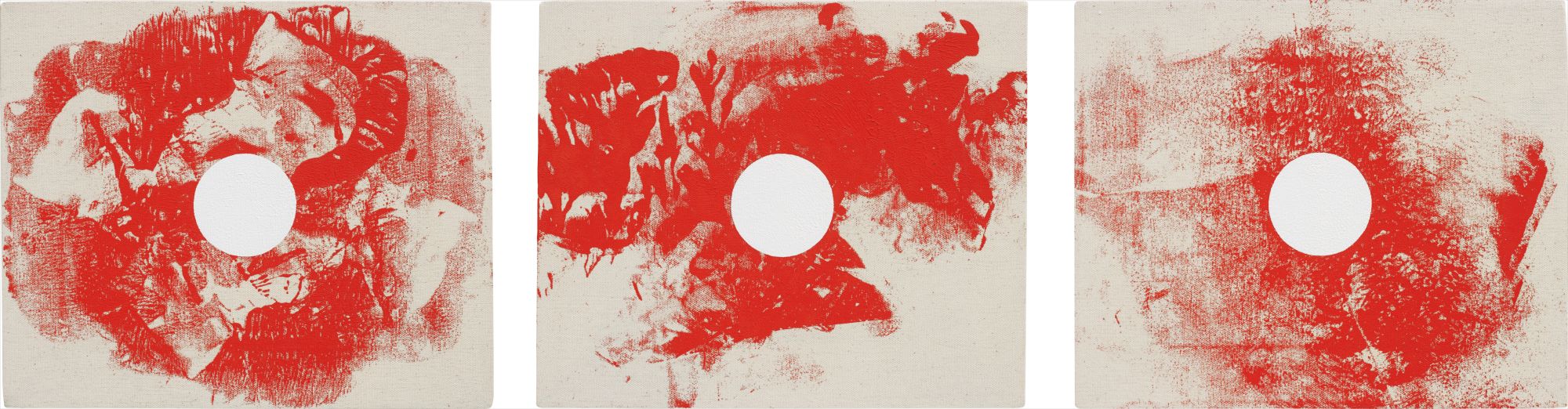
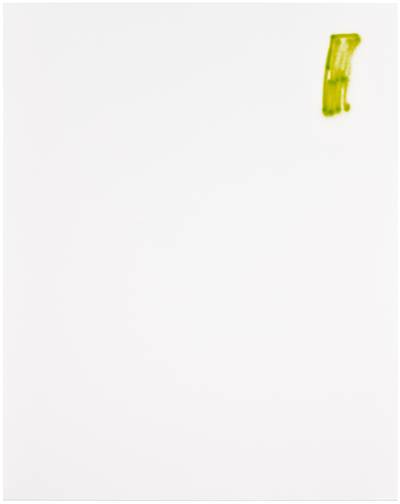
Zak Prekop
"When looking at paintings, an awareness of material reality coincides with the perception of an interior, pictorial space, so a painting is looked both at and through. I work with this literally in many of my paintings where one actually sees through the semi-transparent canvas to its other side, so that looking into or through is again a process of perceiving real material, not only the kind of painterly space that has been constructed historically by conventions like the rectangle of stretcher bars or an oval framing in a portrait." Zak Prekop
Joel Shapiro offers another angle on the lineage. His small cast bronze figures, begun in the 1970s, brought a figural memory back into abstract territory without abandoning the formal logic of Minimalism. A Shapiro house or body is always also a composition of geometric volumes in space, and the emotional charge that results from this doubleness is characteristic of the way abstraction and reduction, when handled with intelligence, can carry a human weight that purely representational art sometimes cannot. What makes minimalist abstraction so durable as a collecting category is precisely its resistance to easy consumption.
These works do not give themselves up quickly. They reward repeated looking, changes in light, changes in the viewer. A collector who lives with a Lee Ufan or an Agnes Martin over years will tell you that the work changes, or more accurately that they change in relation to it, finding new registers of feeling in what initially seemed resolved and complete. This is the quiet ambition that runs through the entire history of the mode: not to overwhelm but to remain, to be present in a room and in a life in ways that more declarative art cannot manage.
On The Collection, the works in this category represent a thoughtful cross section of that history, from artists who helped define the movement to those who are actively extending it today. For collectors building a coherent vision, minimalist abstraction offers something rare in the contemporary market: a body of work where formal intelligence and emotional depth are not competing values but the same thing, approached from different directions.