Masks
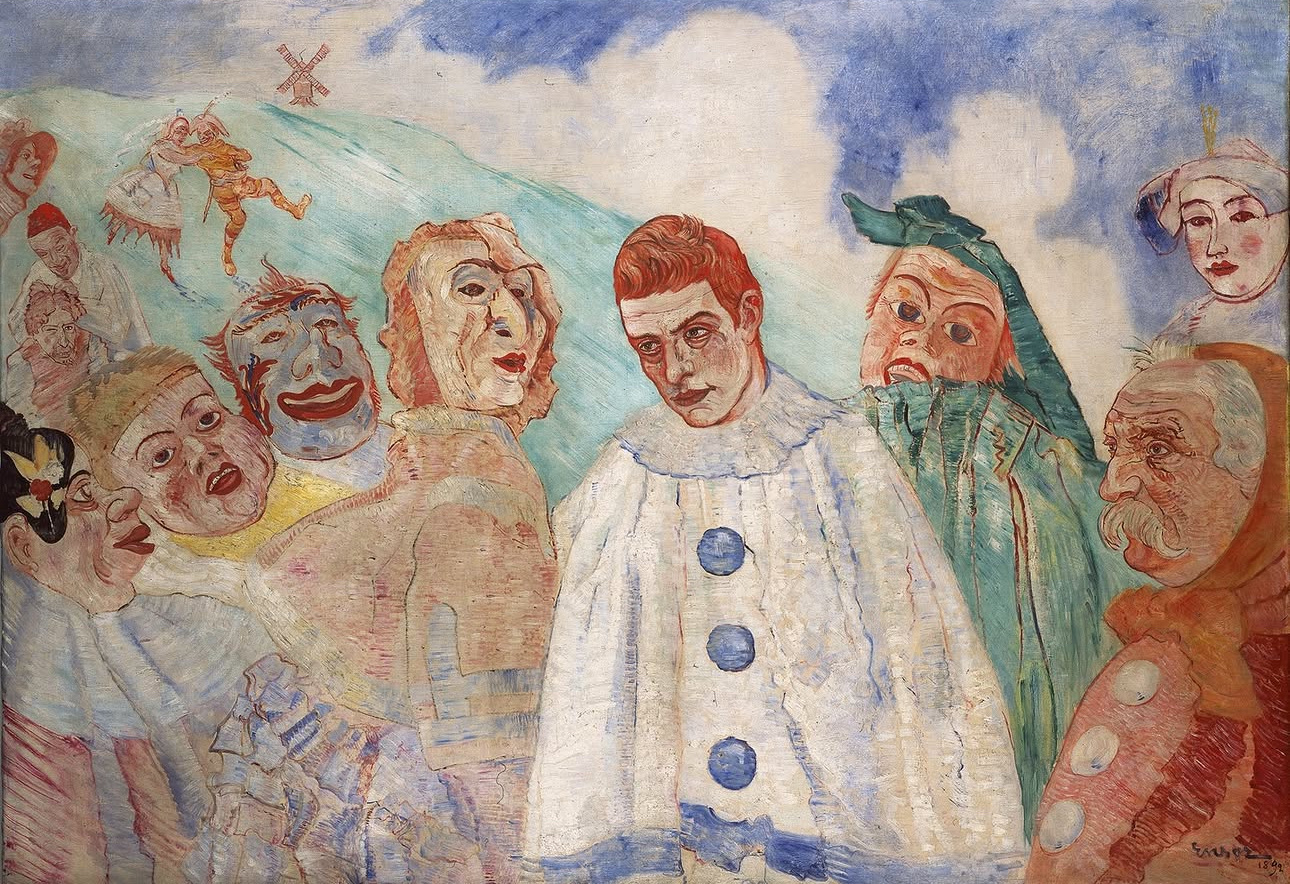
James Ensor
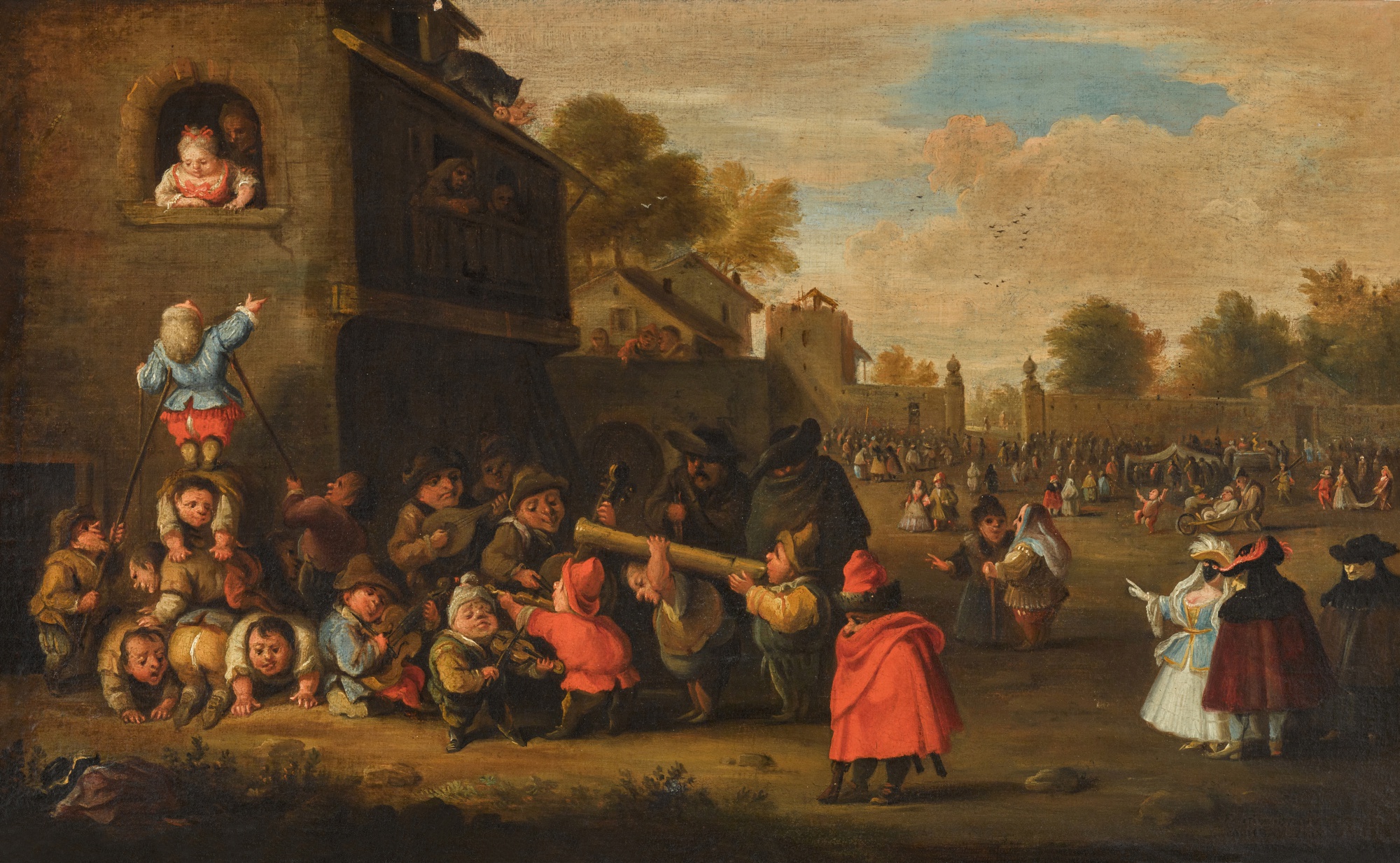
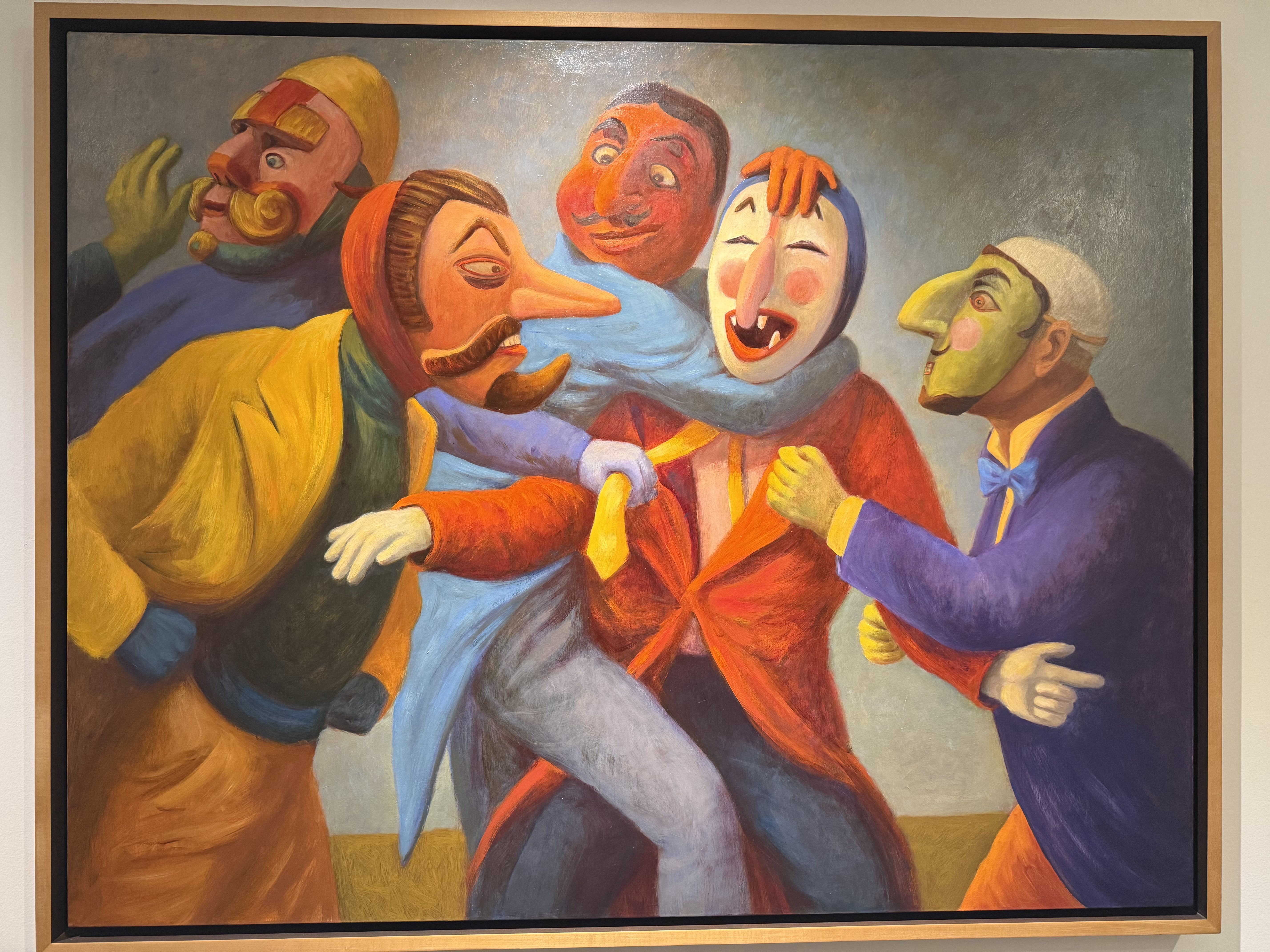
Le désespoir de Pierrot (Pierrot le jaloux), 1892





Behind Every Mask, Another Face Waiting
When a rare Baule double mask from Côte d'Ivoire sold at auction in recent years for multiples of its estimate, the room went quiet in the particular way rooms do when something genuinely old and genuinely powerful changes hands. It was not simply a market moment. It was a reminder that masks have never really belonged to art history. They belong to something older and more insistent, and the art world keeps returning to them because, in every era, they say something that straightforward representation simply cannot.
The mask as subject and object has been enjoying a sustained critical renaissance across galleries and institutions worldwide. The Musée du quai Branly in Paris has long championed the ceremonial mask as an object worthy of serious aesthetic and anthropological attention, but what has shifted in recent years is the willingness of contemporary art spaces to hold both registers simultaneously. The mask is no longer filed away as artifact or ethnographic curiosity. It is understood as one of the most durably charged forms in visual culture, carrying within it questions about identity, performance, concealment, and the uneasy relationship between the face we present and the self we protect.
James Ensor
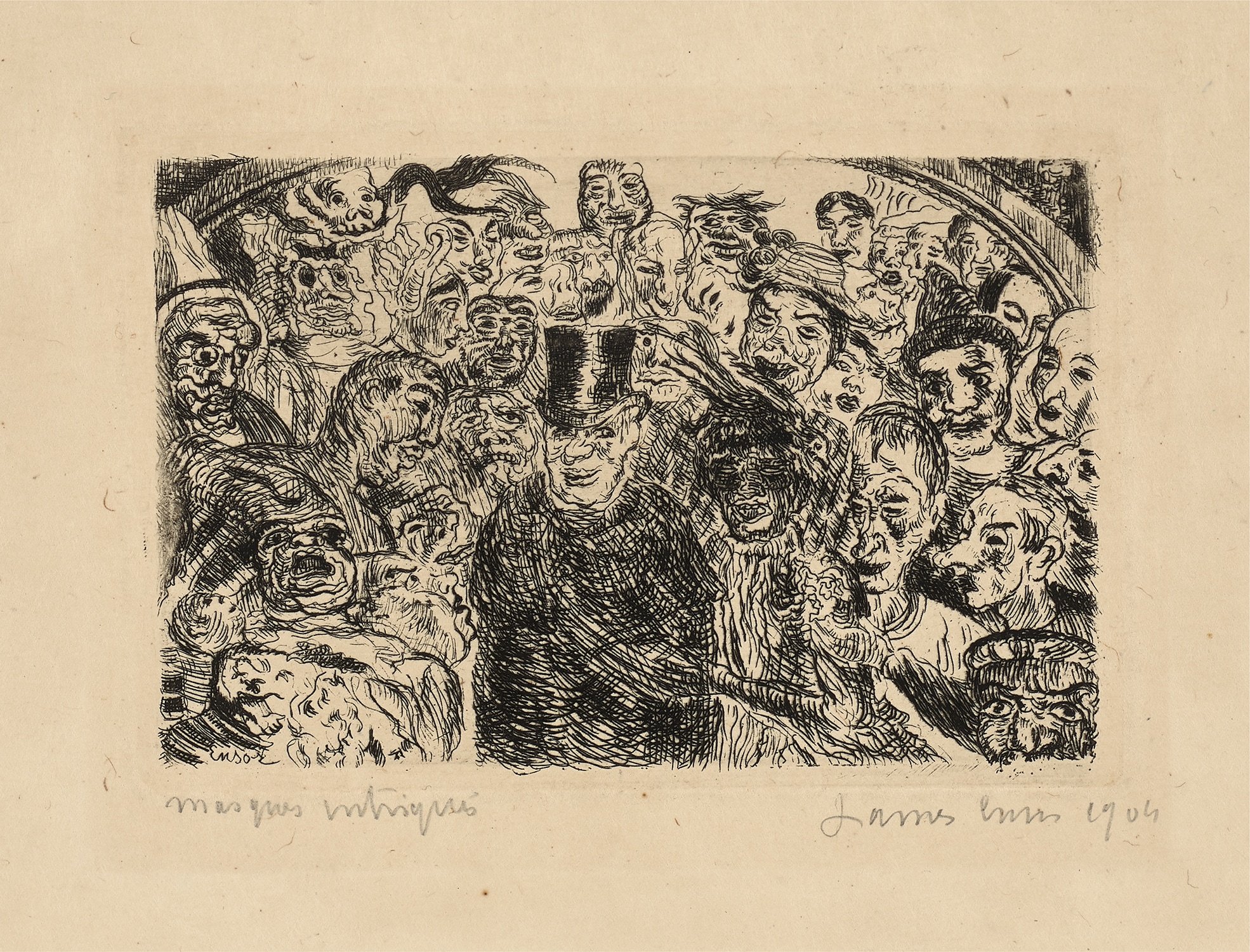
Masques intrigués (Perplexed Masks) (T. 128, E. 133)
James Ensor understood this more than a century ago, and the market has been catching up ever since. His carnival scenes populated with grotesque, leering masks have become touchstones for critics and collectors alike, and his works have drawn serious attention at the major auction houses over the past decade. The Antwerp painter treated the mask not as disguise but as revelation, suggesting that the false face tells more truth than the real one. That inversion is what makes Ensor feel so alive to contemporary collectors.
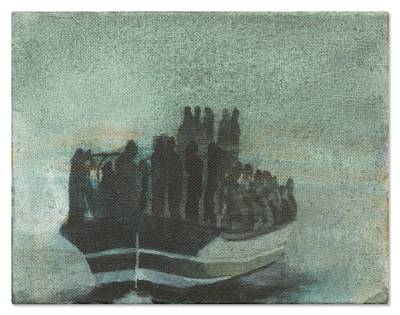
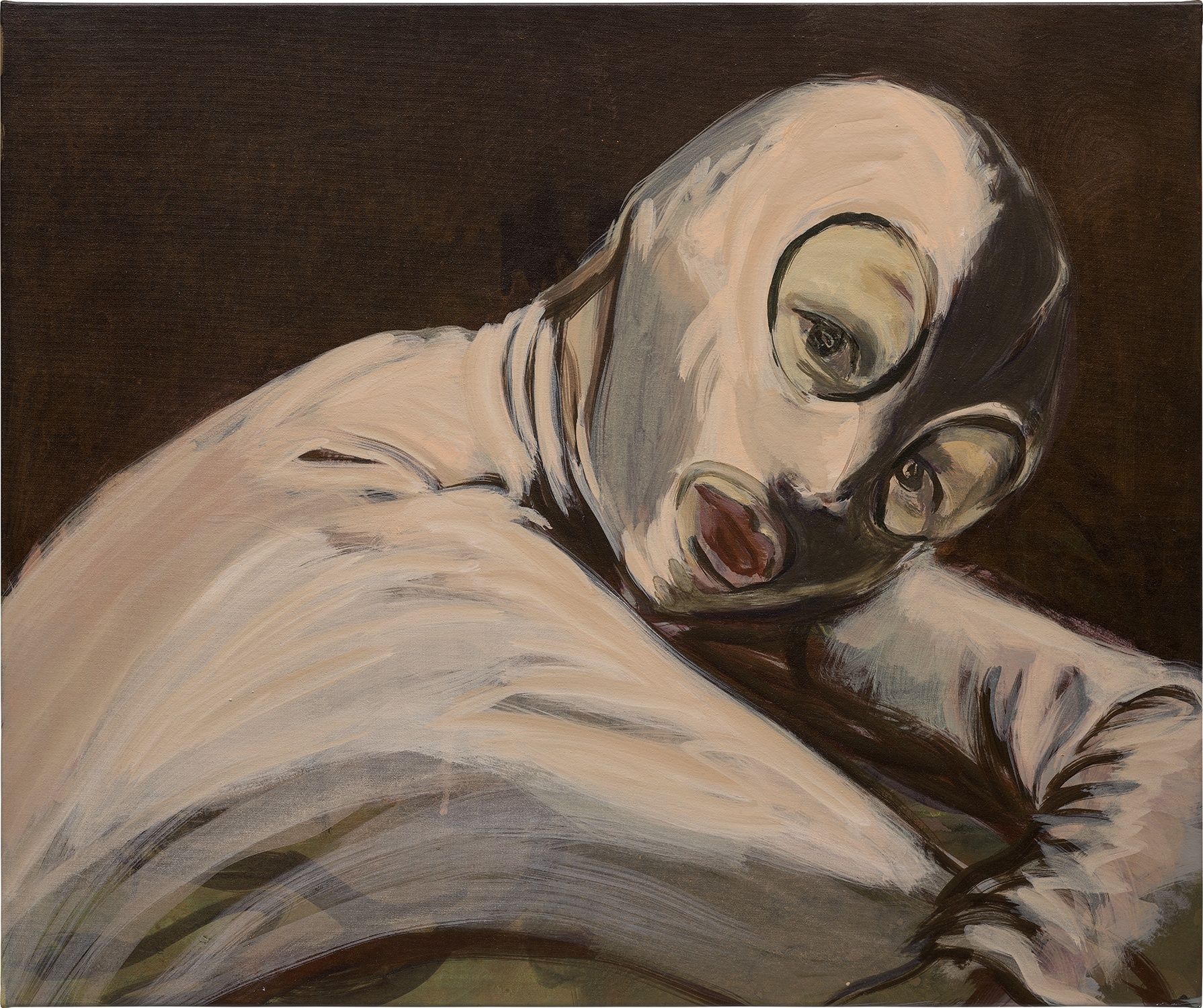
His paintings do not feel historical. They feel diagnostic. Claire Tabouret brings something different and equally urgent to the conversation. Her masked figures, often children or adolescent girls rendered in washes of acrylic in spectral palettes, carry a psychological charge that has found enormous resonance with collectors in both Europe and the United States.
Claire Tabouret
Les masques (de bíaís 2), 2015
Tabouret's recent shows in Los Angeles and Paris confirmed what her auction results had been suggesting for several years: that she is one of the most significant painters working with questions of girlhood, transformation, and social performance. Her masks are never simply costumes. They are armor, ritual, and invitation all at once. The prices her works command at auction, frequently well above estimate, reflect the speed with which institutions and serious private collectors have recognized her importance.
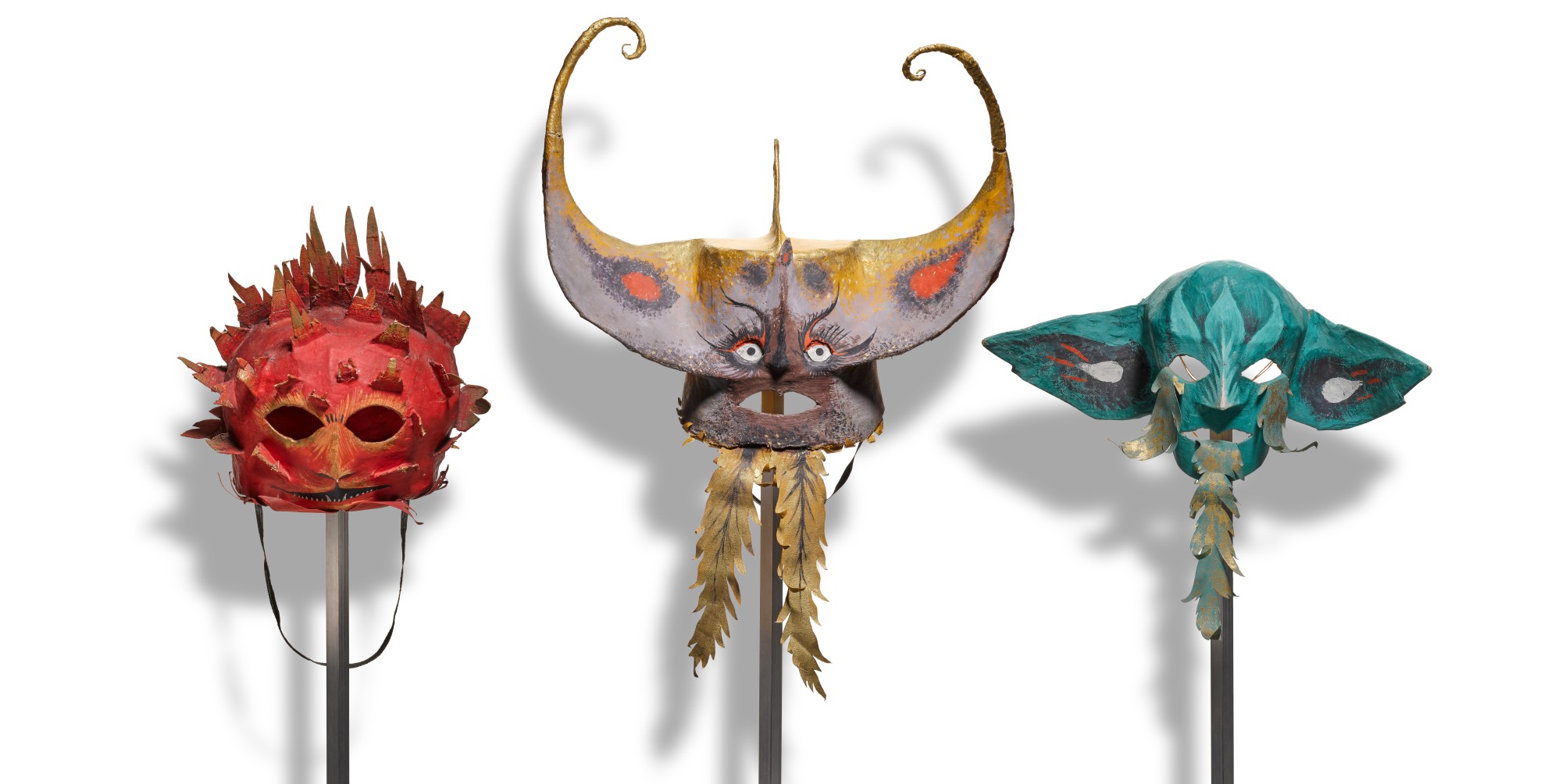
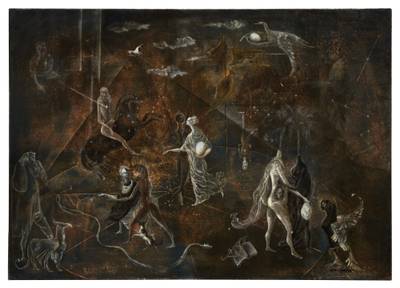
The Surrealist tradition casts a long shadow over this entire conversation, and it is impossible to think about masks in contemporary collecting without acknowledging Leonora Carrington, whose dreamlike imagery drew on folk ritual, alchemy, and the masked figures of pre Christian ceremony. Carrington spent decades working in relative obscurity before the market and the critical establishment caught up to the depth of her vision. Her prices have climbed steadily, and major retrospectives at institutions including the Tate have repositioned her not as a peripheral figure of Surrealism but as one of its most original and philosophically serious voices. When her works appear at auction now, there is genuine competition.
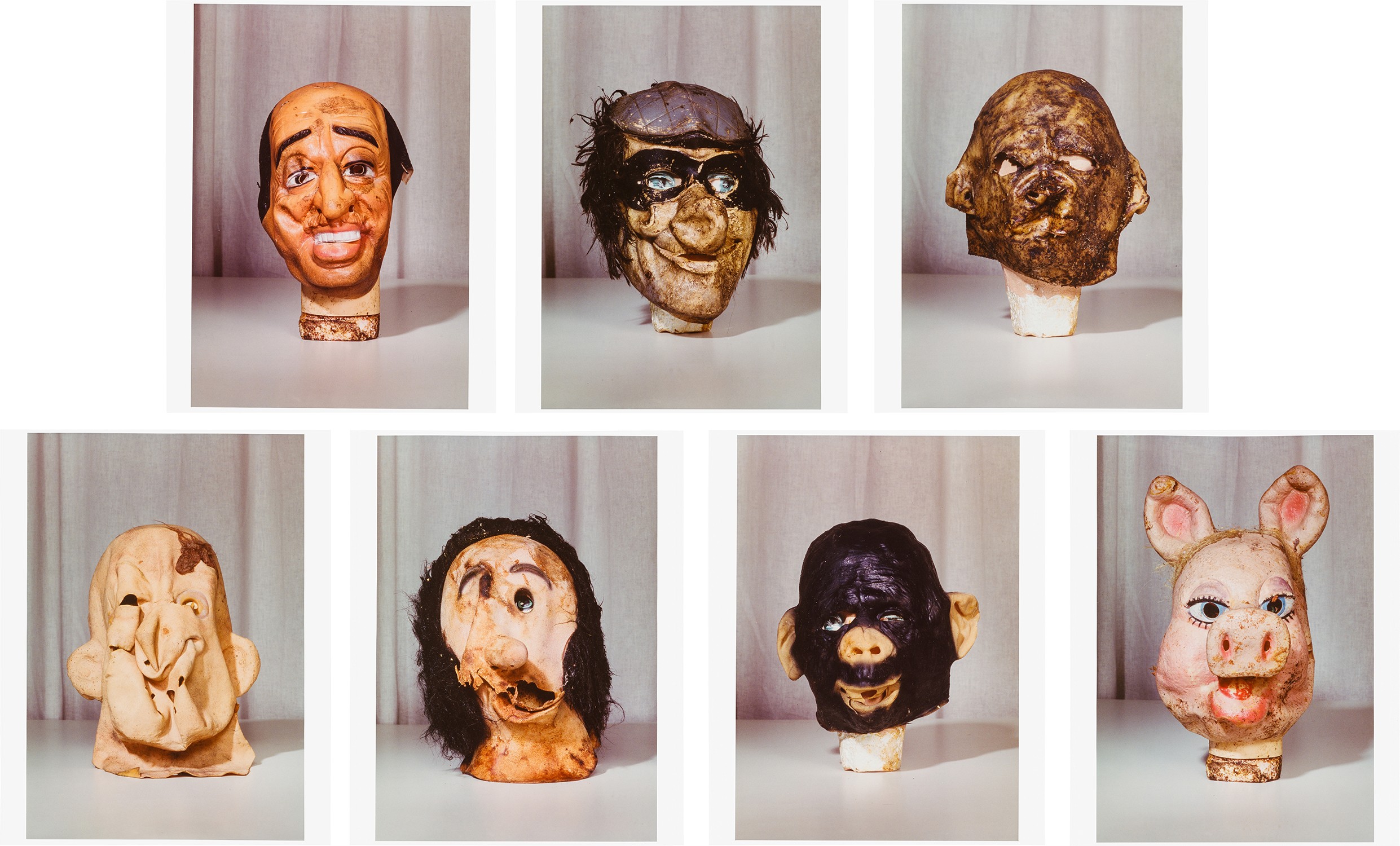
Paul McCarthy
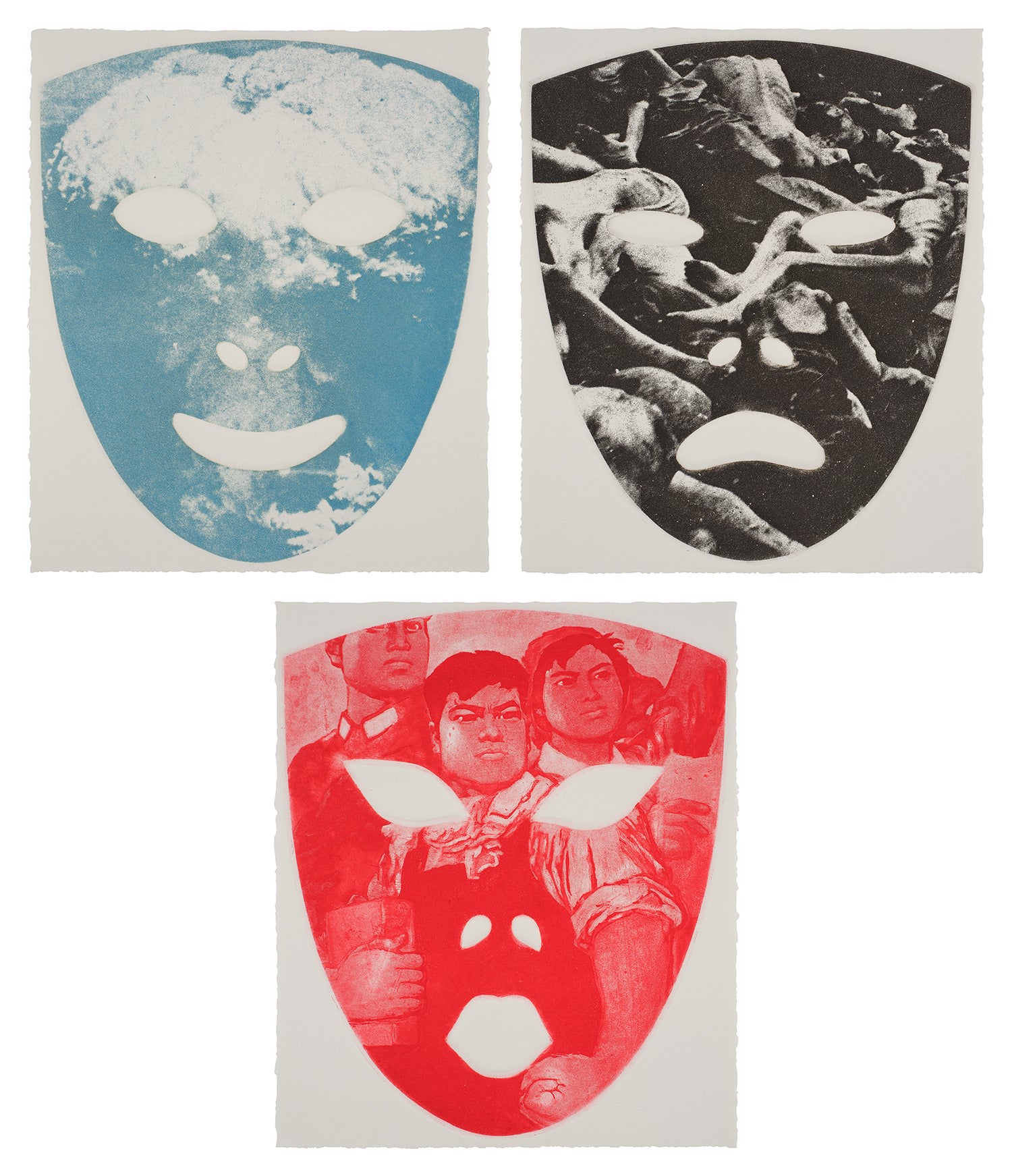
Masks (Small) from the Propo series, 1994
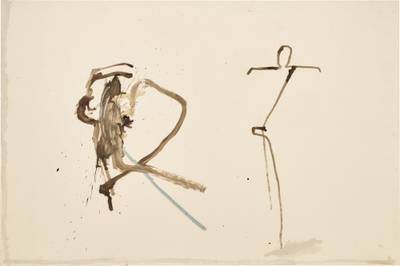
Paul McCarthy has approached the mask from an entirely different angle, using the disguise and the costume as instruments of provocation and cultural satire. His Santa Claus sculptures and performance derived works made the mask a vehicle for attacking American mythologies of innocence and consumer culture. The institutional embrace of McCarthy, particularly through MoMA and major European kunsthalles, has anchored his market at a level that reflects his centrality to the conceptual tradition. Vito Acconci, whose body and performance based practice also engaged with questions of self presentation and self concealment, has seen renewed scholarly attention as institutions reckon with the full scope of his contribution to post minimal art.
Yinka Shonibare CBE RA has used the masquerade as a direct entry point into postcolonial critique, staging figures in Dutch wax print fabrics and elaborate period dress that collapse the distinctions between European and African cultural identity. His work forces the question of who gets to perform what identity and under what historical conditions. Major acquisitions of his work by the Victoria and Albert Museum and the collection of the British Council signal that institutions are using his practice as a lens for broader questions about representation and colonial history. That institutional validation has reinforced strong secondary market results and sustained collector interest across multiple continents.
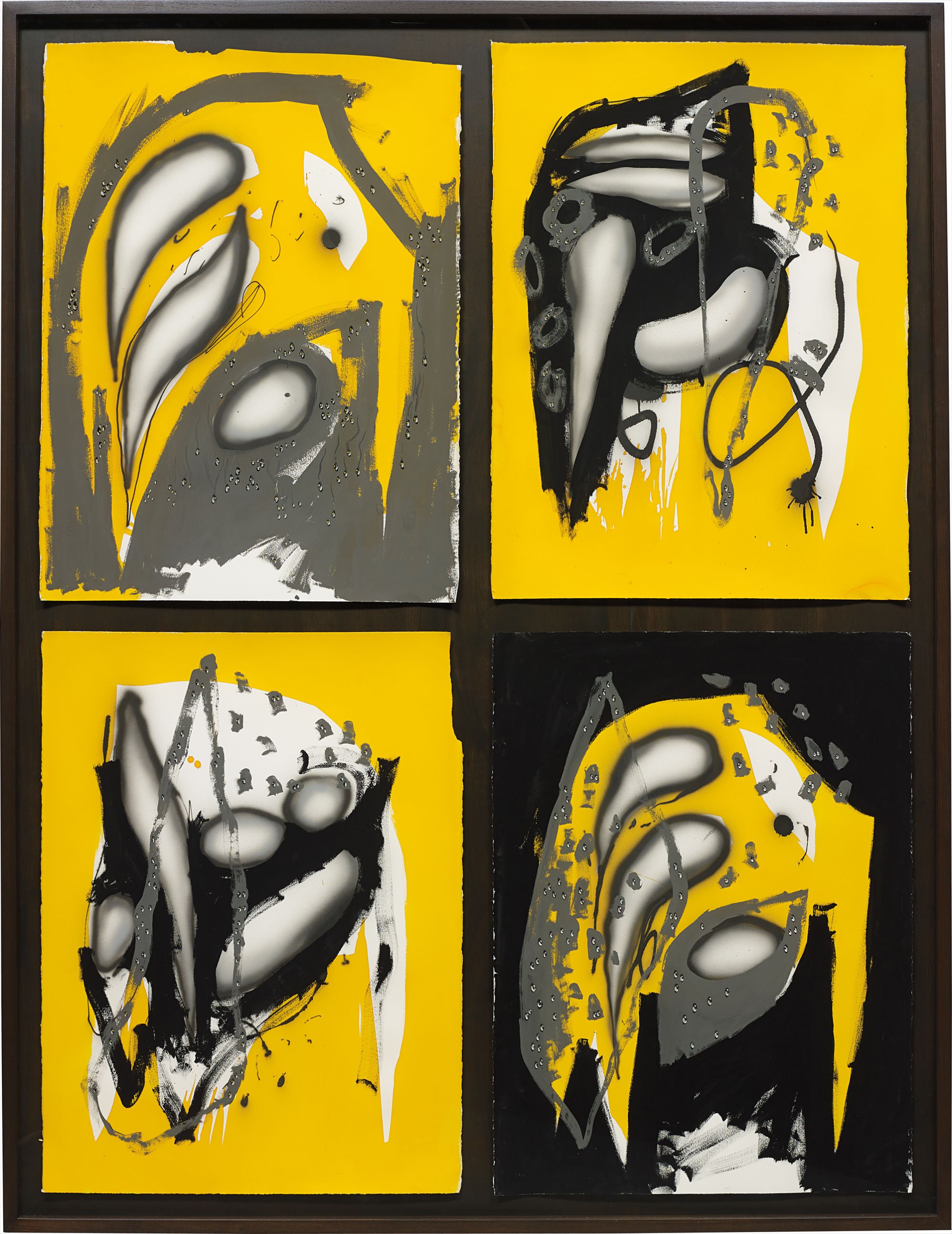
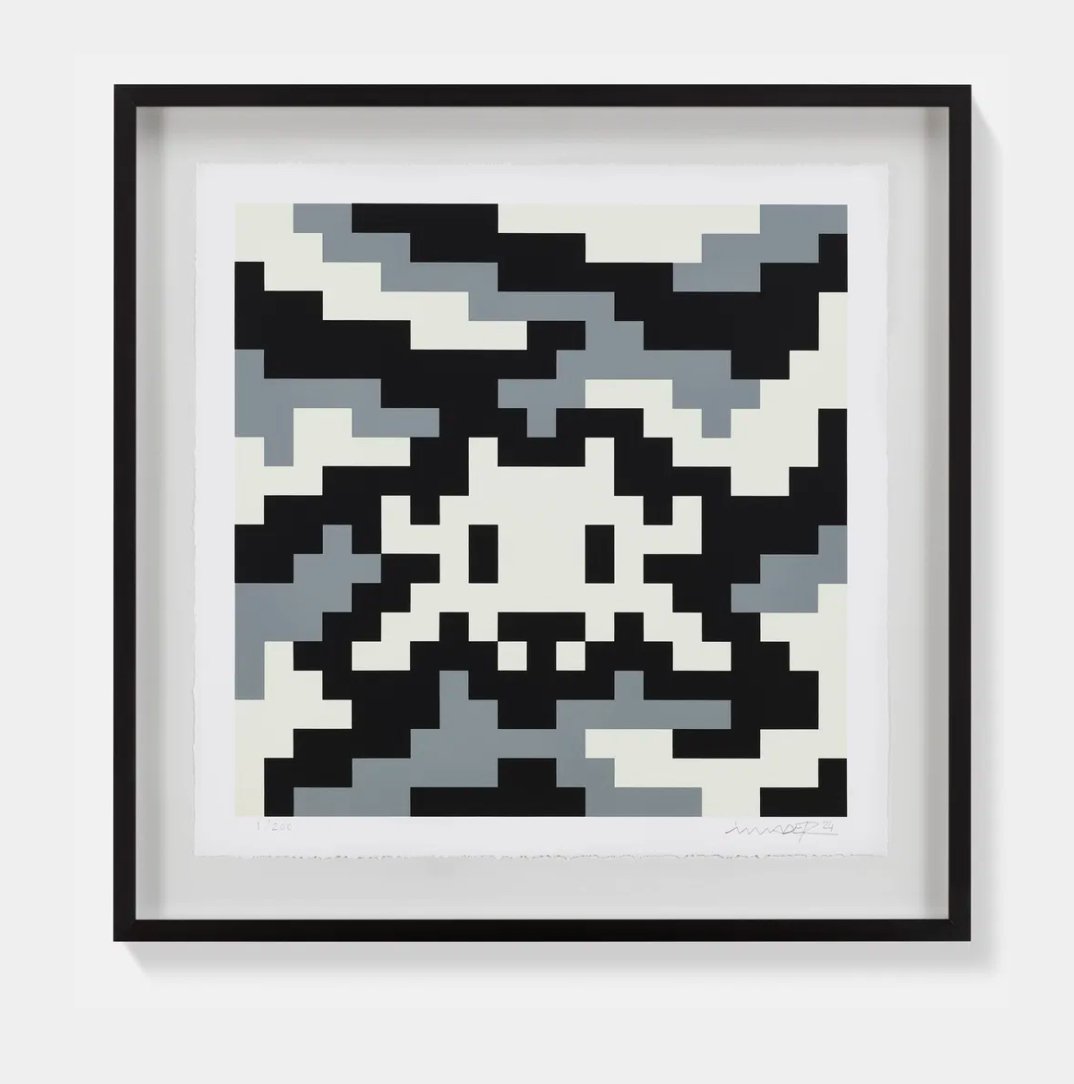
Aaron Curry
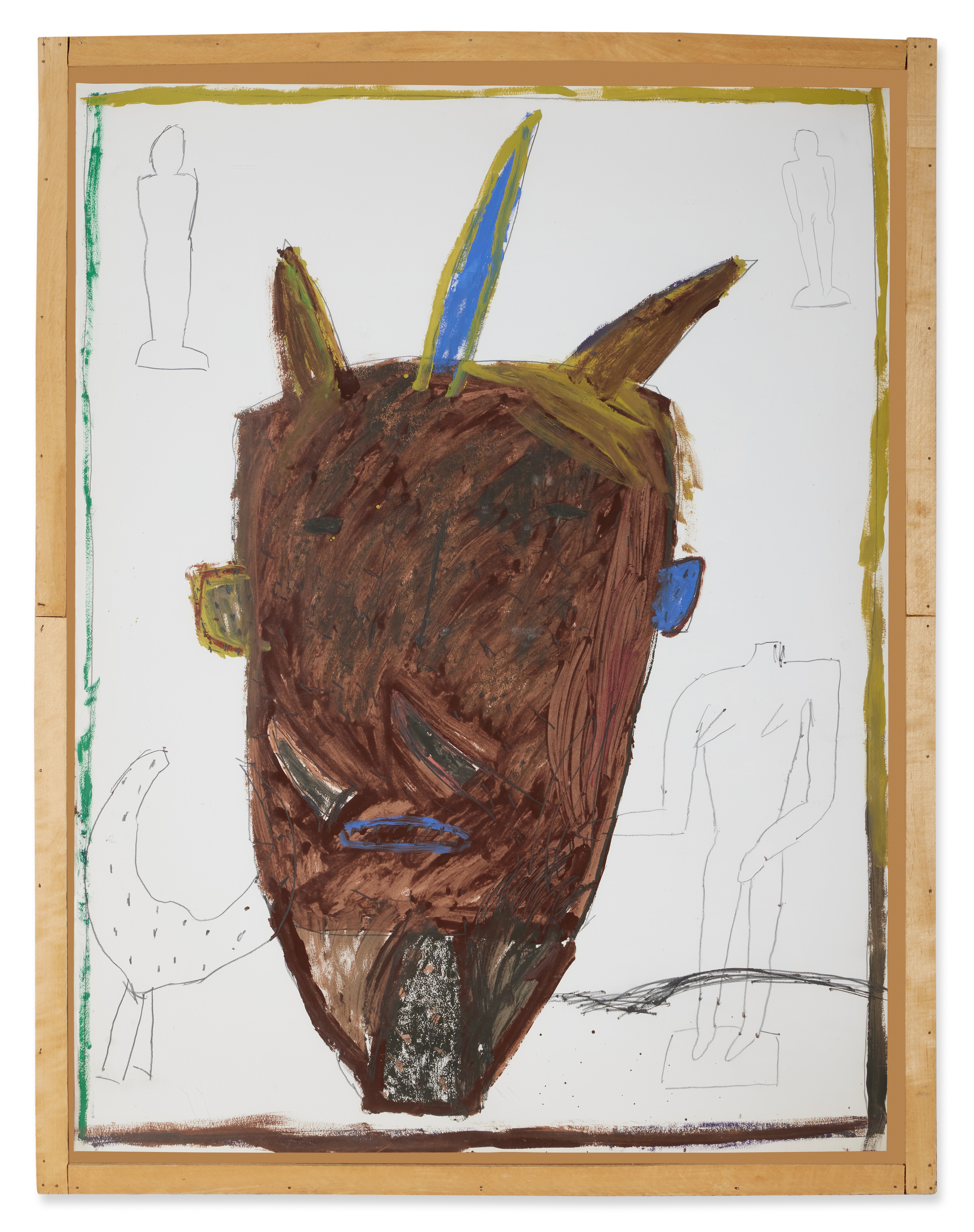
Masks (Pixelated Sorcerers)
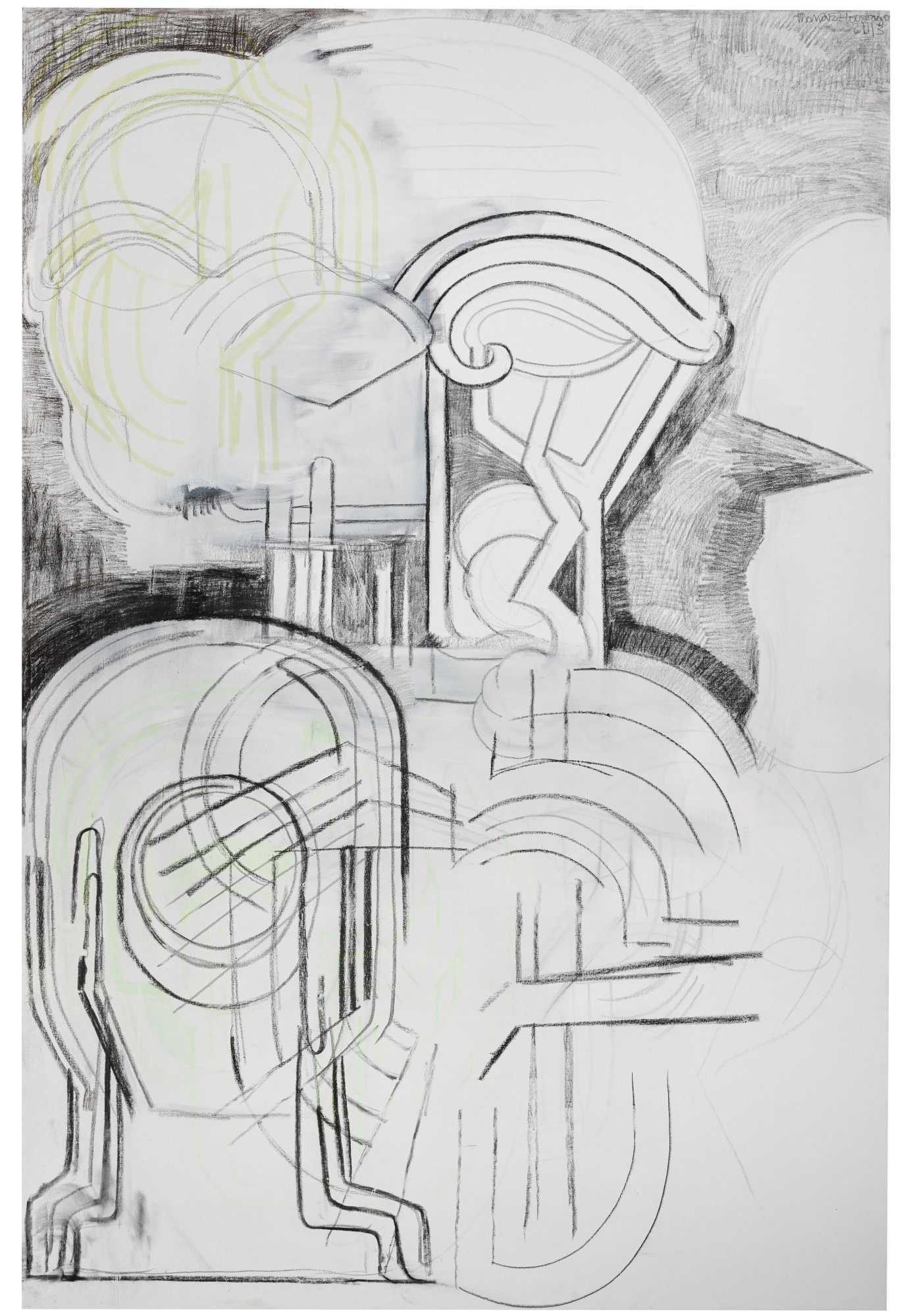
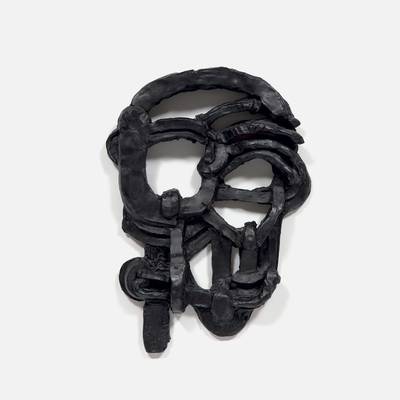
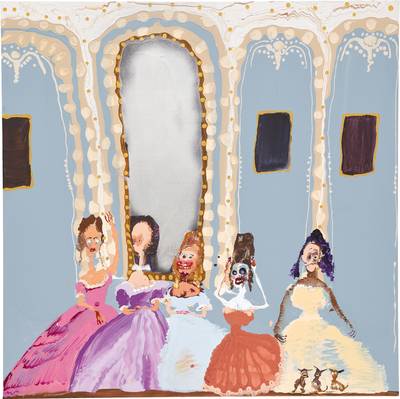
Genieve Figgis, Thomas Houseago, and Aaron Curry each bring the mask into a conversation about painterly and sculptural tradition. Figgis, whose dripping, vertiginous paintings recall Fragonard filtered through a fever dream, uses masked and costumed figures to undermine the elegance of the aristocratic portrait tradition from within. Houseago's totemic sculptures carry the weight of tribal and ceremonial mask making into a contemporary idiom that has attracted significant institutional attention from MoMA and the Hammer Museum in Los Angeles. Curry's works, equally sculptural and graphic, play with the flattened hieratic quality of ritual objects in ways that feel indebted to both Oceanic art and mid century American abstraction.
What the critical conversation is now centering on, shaped by writers including T.J. Demos and curators working across the African art and contemporary art divide, is the political urgency embedded in the mask as form. The question of who is permitted to wear what face, and who is forced to, runs through discussions of race, gender, and power in ways that make the mask newly legible as a theoretical and political object.
Publications including Frieze and e flux have devoted substantial space to this reframing, and it has made the category feel genuinely alive rather than comfortably settled. The energy in this space is moving toward younger painters and sculptors who are approaching the mask through the lens of social media performance, gaming avatars, and the constructed identities of digital life. The works on The Collection reflect this breadth, from the ceremonial authority of the Baule double mask to the contemporary psychological intensity of Tabouret. What unites them is the conviction that the mask is never merely decorative.
It is always, in some fundamental sense, the whole point.