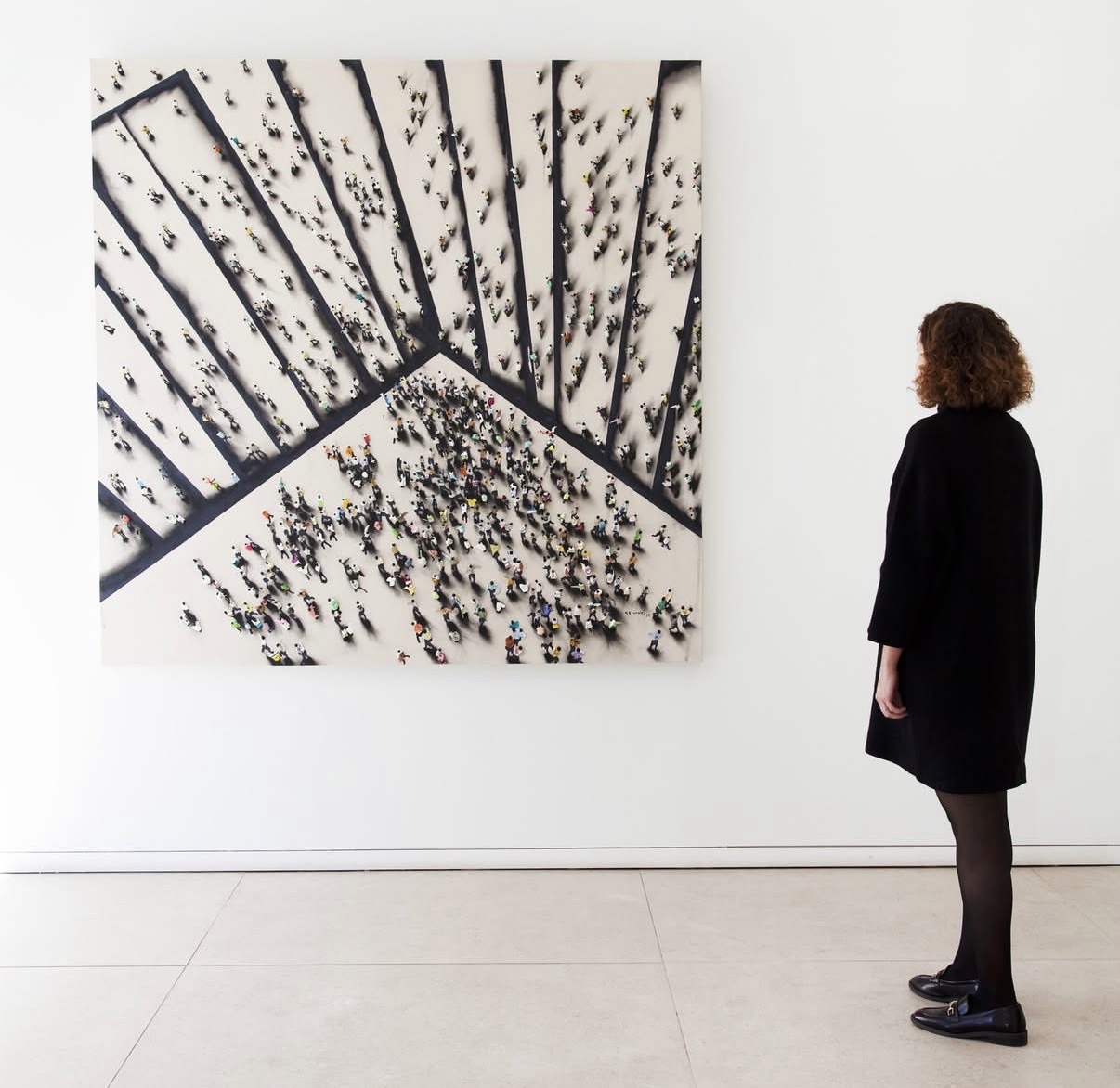
Limited Edition Portfolio
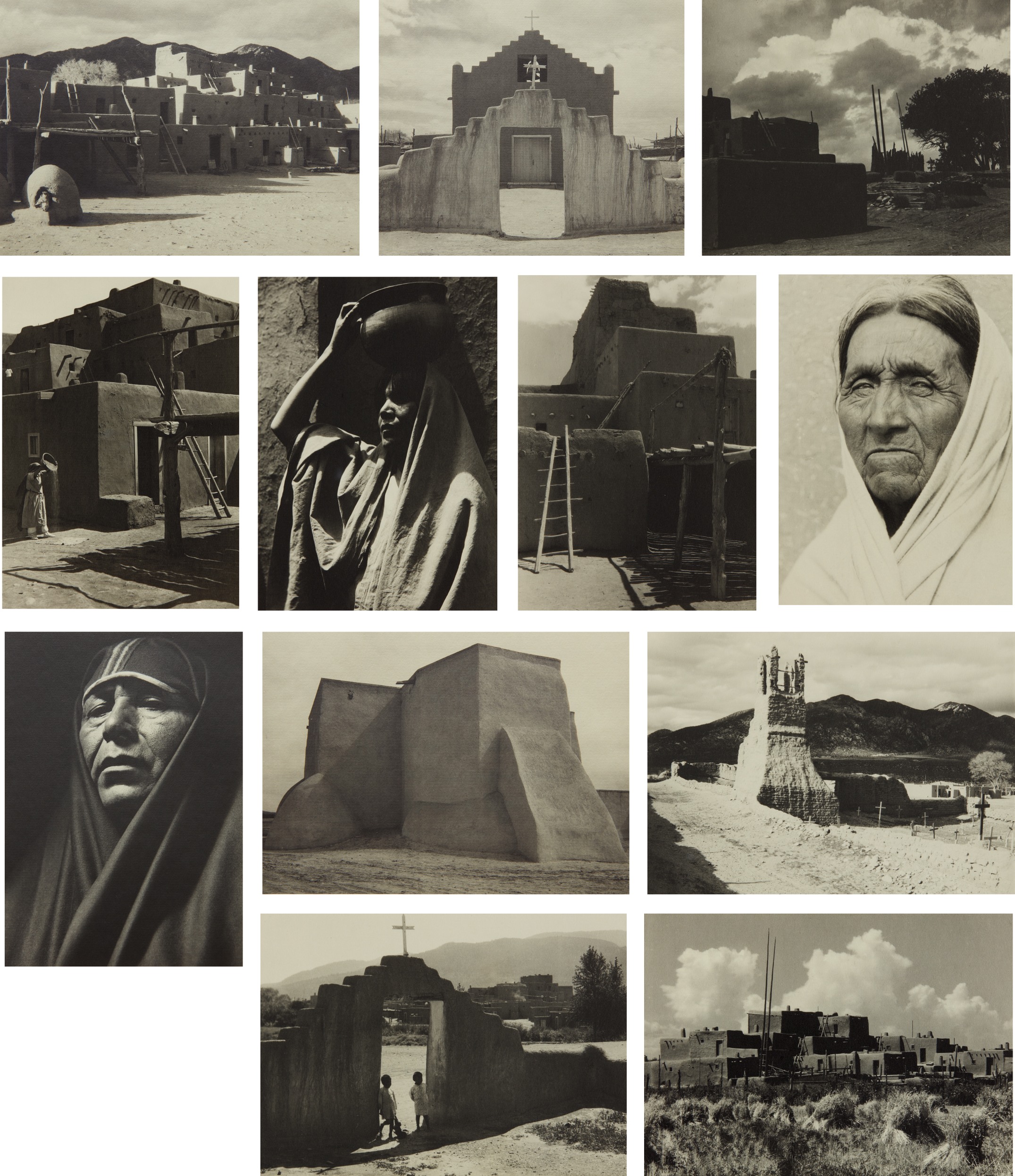
Ansel Adams
Taos Pueblo






The Edition That Changed Everything
There is something almost alchemical about the limited edition portfolio. It exists at the intersection of democratic impulse and deliberate scarcity, a format that has allowed some of the most significant artists of the twentieth century to reach collectors who might never have acquired a singular painting or sculpture. The portfolio is not merely a collection of prints bound together. It is, at its best, a statement of intent, a collaborative act, and a document of a particular cultural moment that continues to appreciate in meaning long after the ink has dried.
The origins of the artist portfolio as a serious collecting proposition trace back to the print workshops of Europe, where master printers and artists developed working relationships of extraordinary intimacy. By the nineteenth century, publishers like Ambroise Vollard in Paris understood that grouping prints into a unified suite gave individual works a conceptual weight they might not carry alone. Vollard commissioned portfolios from Cézanne, Bonnard, and Vuillard, recognizing that the format could elevate printmaking from reproductive craft to primary artistic statement. This was the foundation upon which the twentieth century would build something altogether more ambitious.
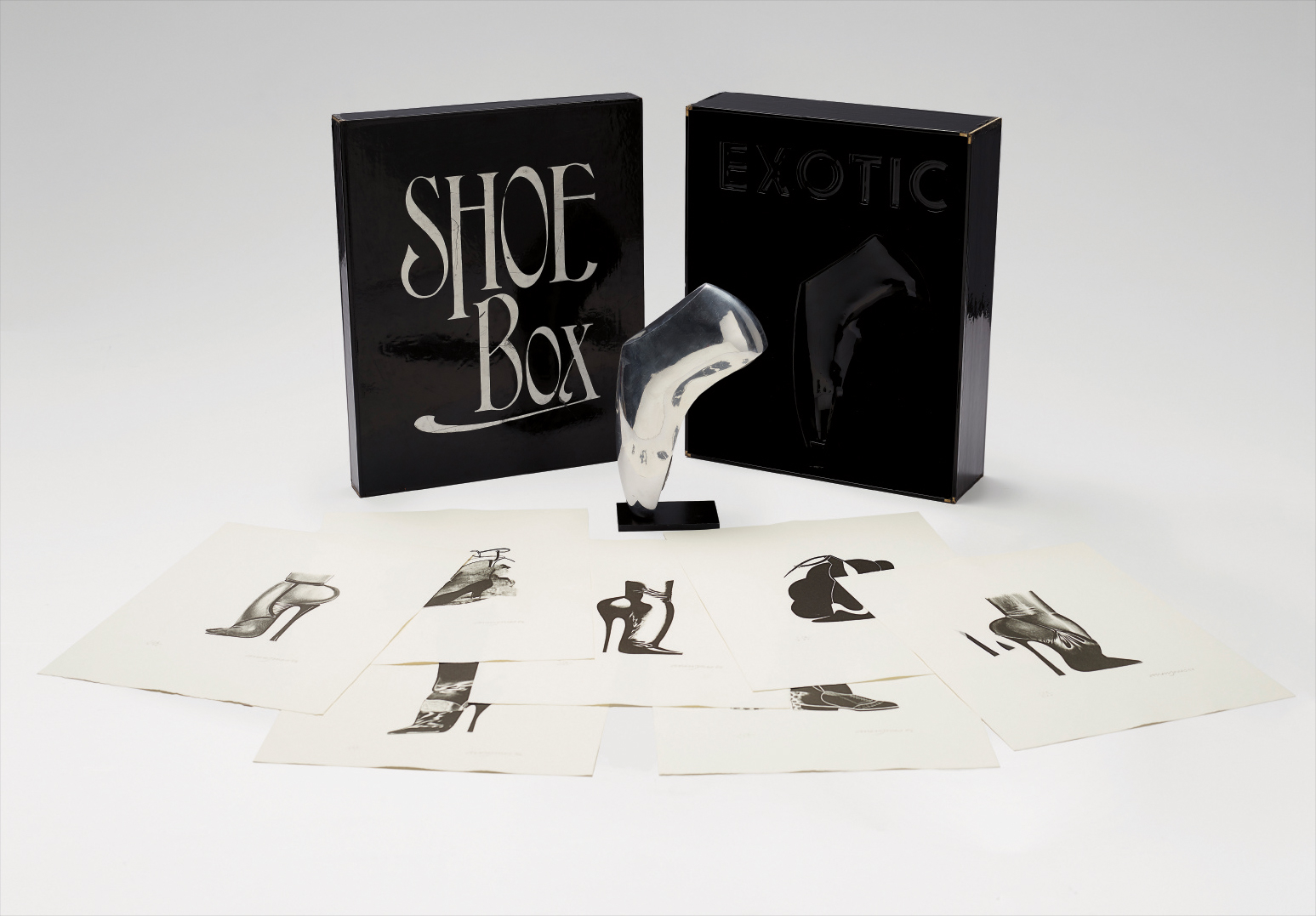
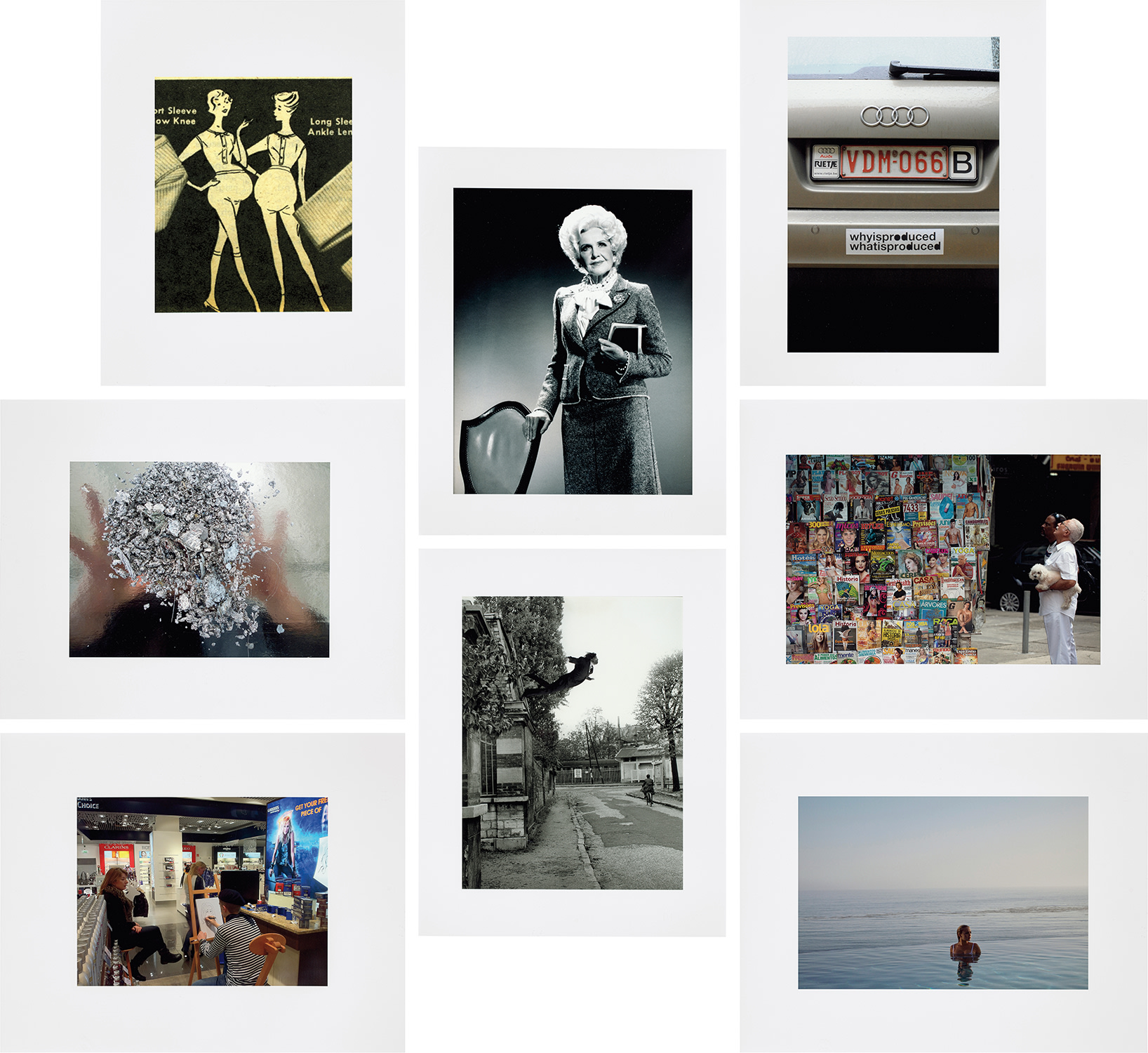
Miles Aldridge
Colour Pictures
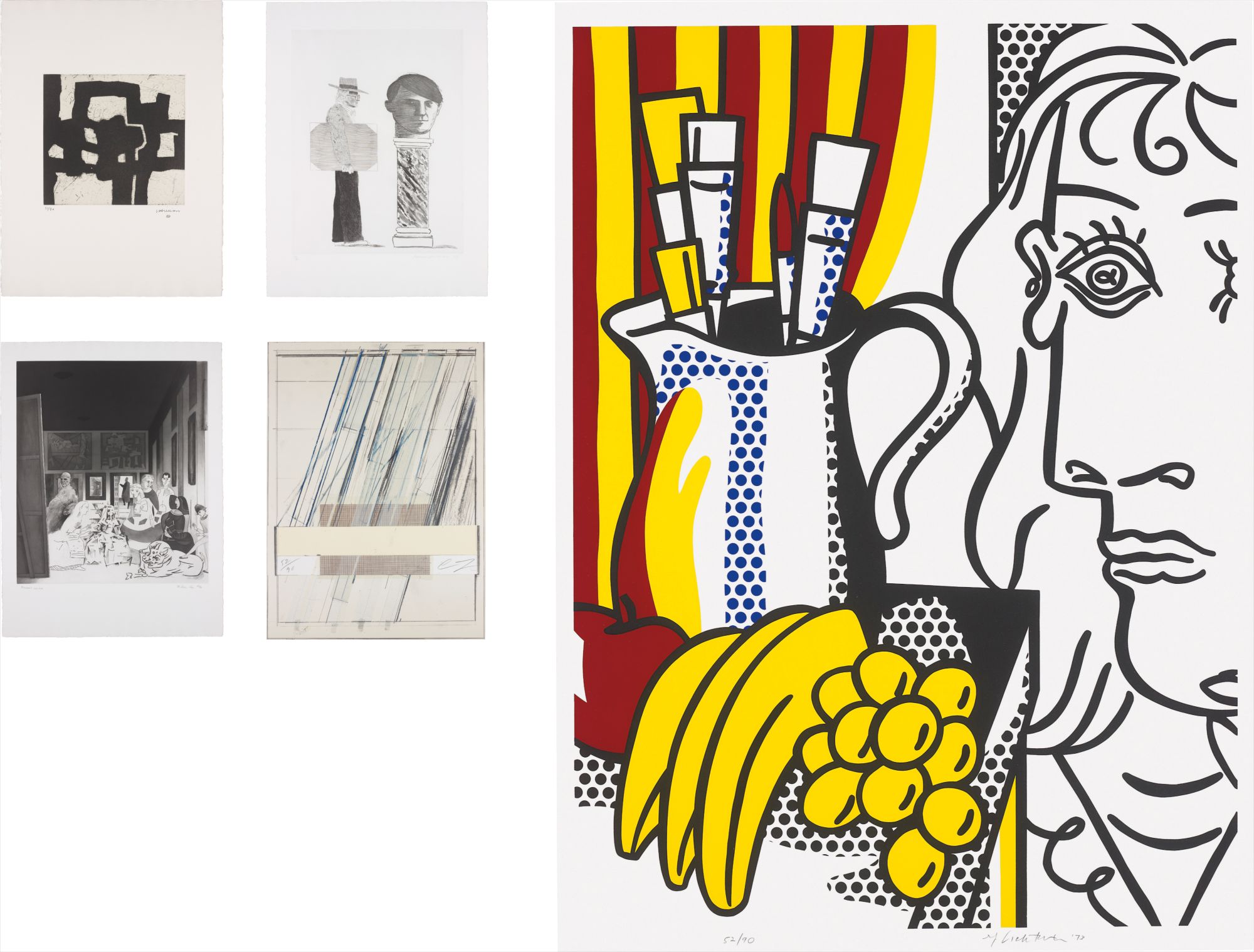
The postwar decades saw the limited edition portfolio become one of the defining formats of contemporary art. The workshop model was reinvented in the 1960s when Tatyana Grosman established Universal Limited Art Editions in West Islip, New York, in 1957, drawing artists like Jasper Johns and Robert Rauschenberg into serious engagement with lithography. Around the same time, Ken Tyler was transforming the technical possibilities of printmaking at Gemini G.E.
L. in Los Angeles, working with artists who understood that the edition was not a lesser version of something else but a form with its own particular integrity. The portfolio thrived in this environment of technical ambition and artistic seriousness. Josef Albers, whose work appears in The Collection, represents one of the purest expressions of what a portfolio can achieve.
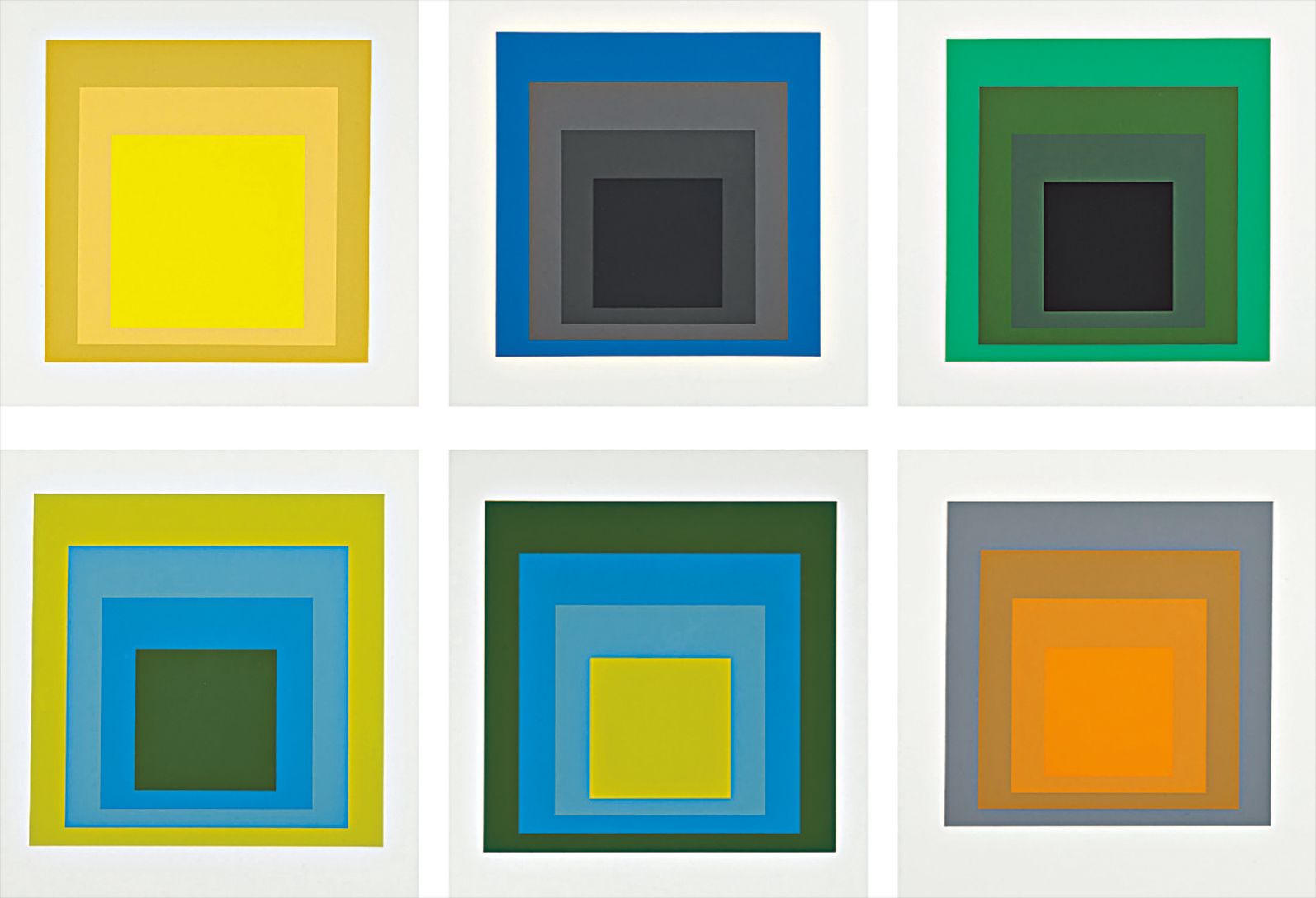
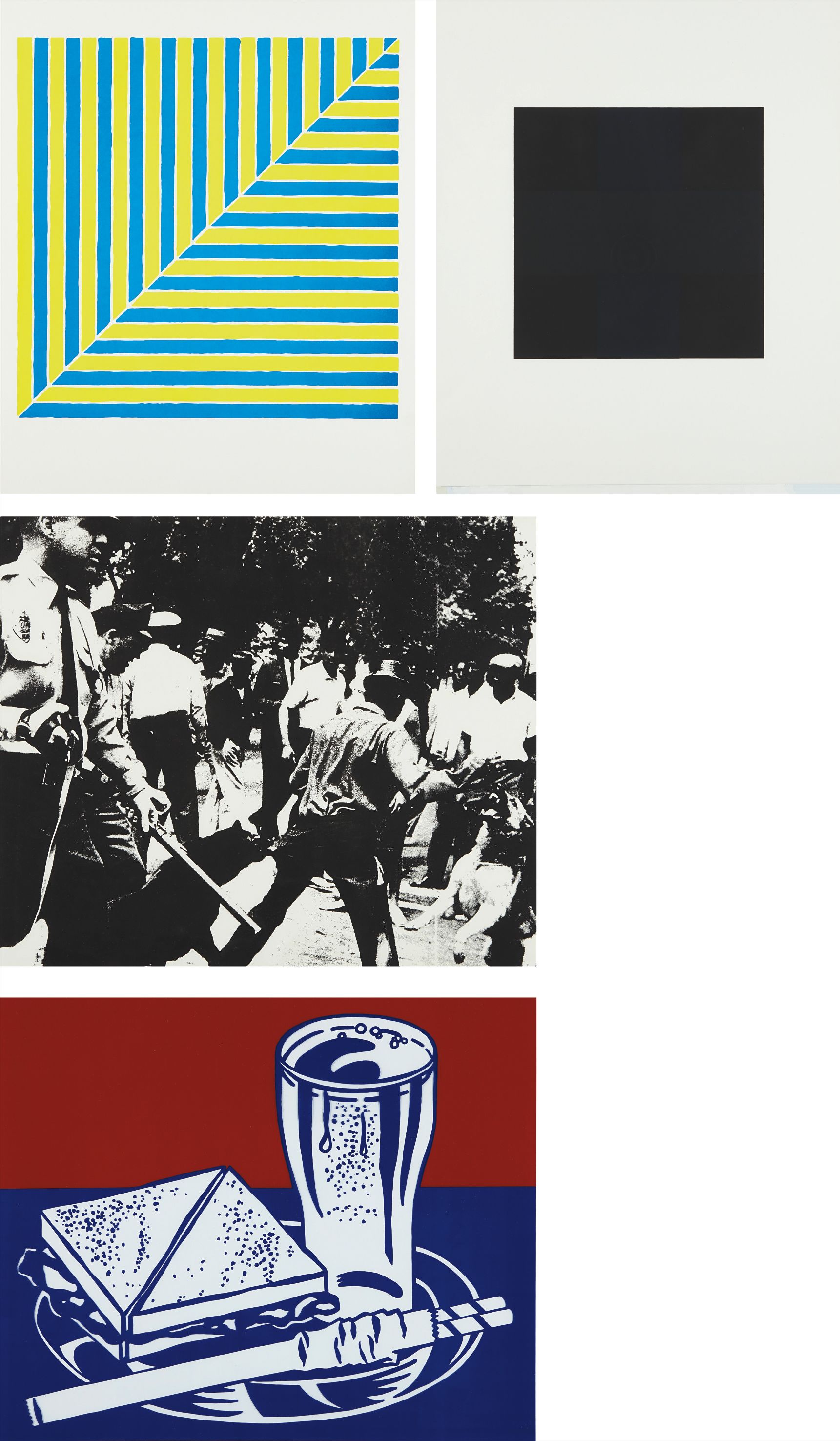
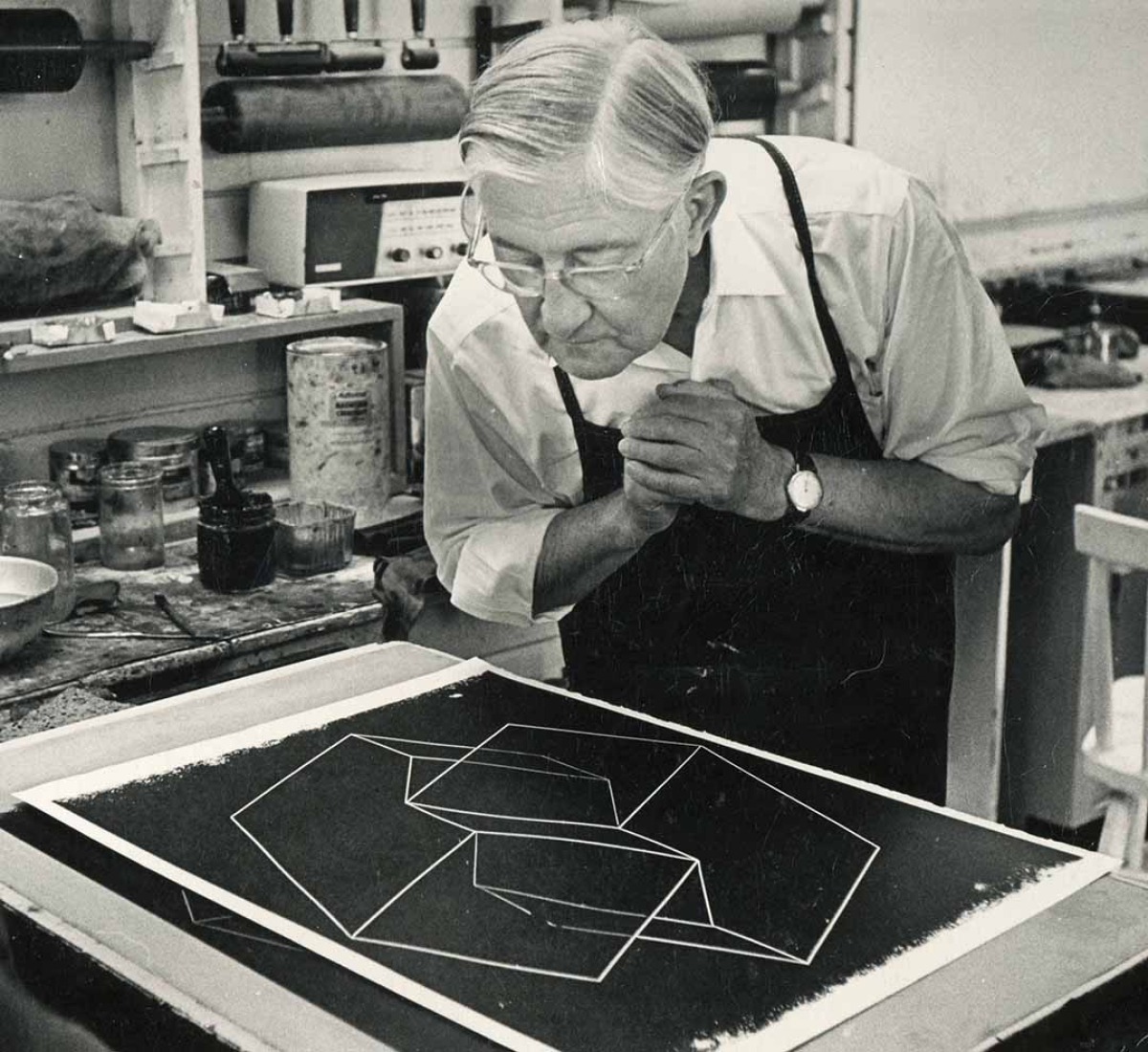
Josef Albers
Formulation Articulation I & II
His Homage to the Square series, developed systematically from 1950 until his death in 1976, found its most precise and reproducible form through screenprinting. The edition allowed Albers to pursue his investigations into color interaction with a consistency that painting alone could not guarantee. Each print in a portfolio like Formulation and Articulation is both an independent study and part of a larger argument about perception. Collecting a portfolio by Albers is not merely acquiring objects.
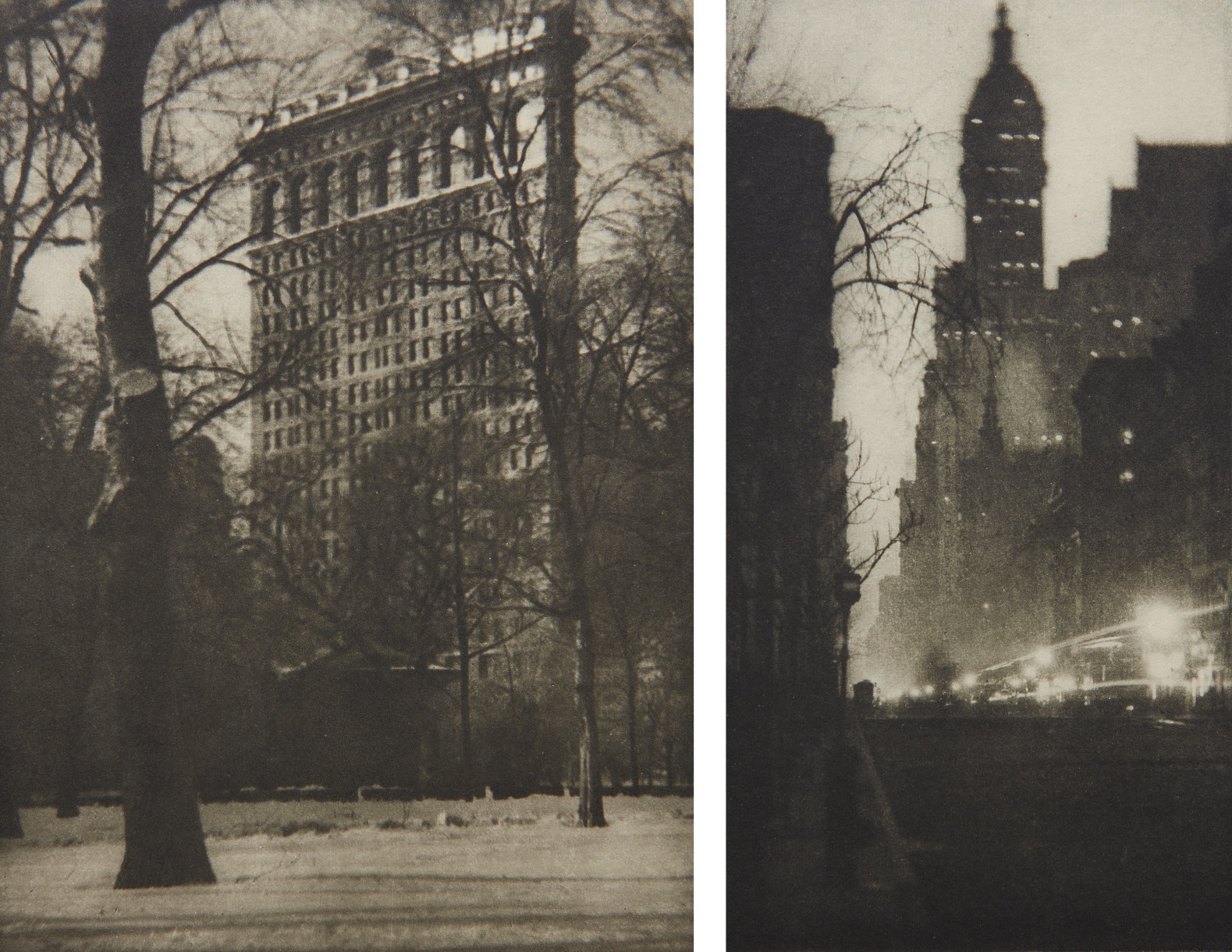
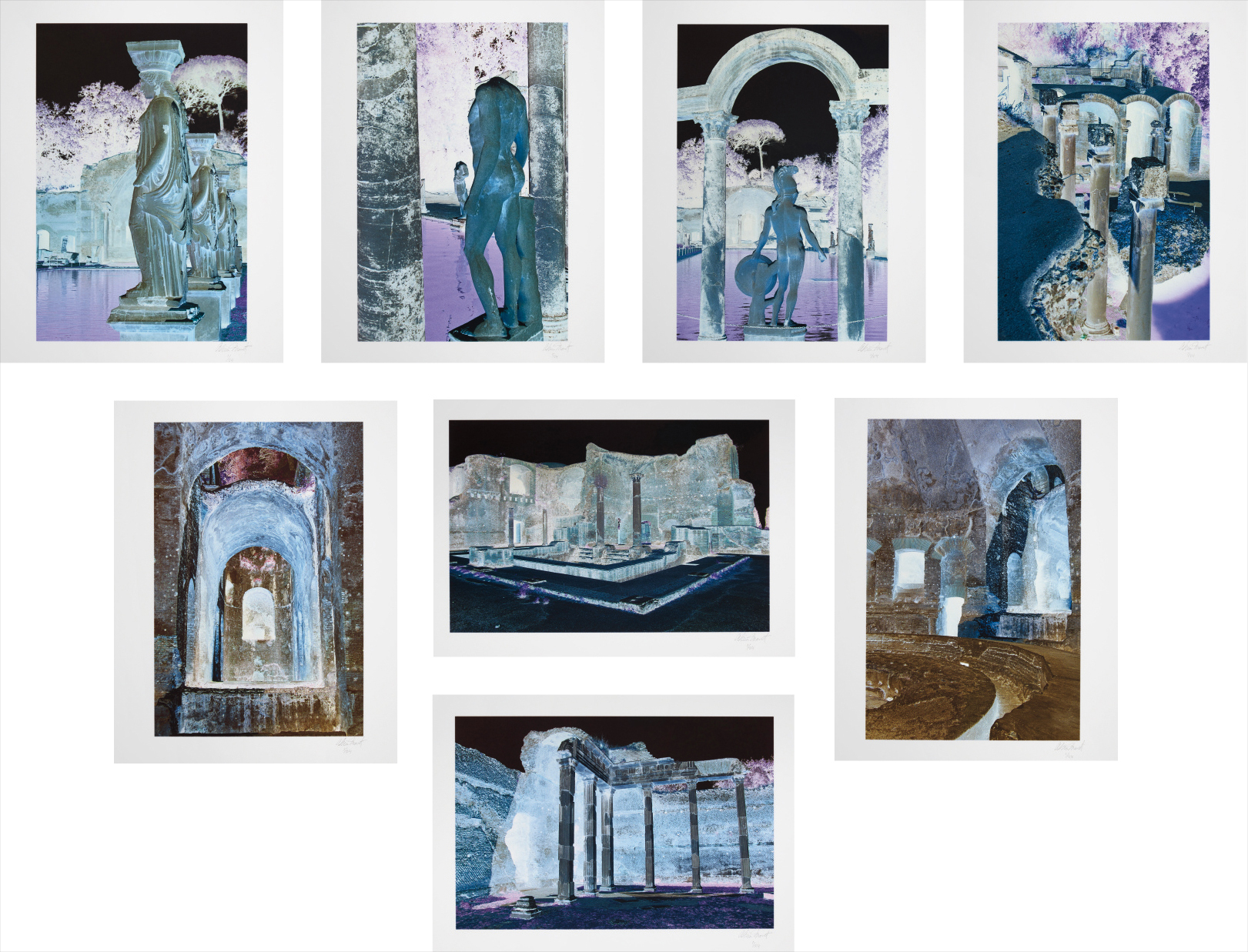
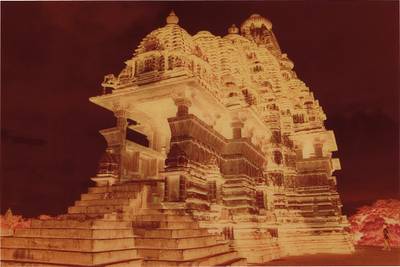
It is entering a sustained philosophical conversation about how the eye constructs reality. Salvador Dalí, who also has a presence in The Collection, approached the portfolio format from precisely the opposite direction, embracing its theatrical possibilities and producing suites of imagery that operate as visual manifestos of Surrealist thought. The photographic portfolio carries its own distinct lineage and logic. Ansel Adams formalized the idea of the limited photographic edition with characteristic rigor, understanding that a photograph printed by the artist and gathered into a suite with documented intention was something categorically different from a reproduction.
Ansel Adams
Taos Pueblo
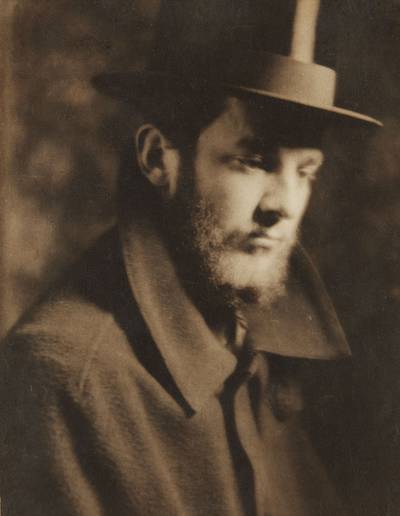
His portfolios, beginning with the Parmelian Prints of the High Sierras in 1927, established standards of craft and presentation that shaped how photography would eventually be valued as a collecting category. Alvin Langdon Coburn, working even earlier in the century, produced portfolios of extraordinary refinement that positioned photography as a medium equal to any other in expressive ambition. Ruth Bernhard and William Eggleston, both represented in The Collection, extended this tradition in their respective ways. Bernhard through her luminous formal studies and Eggleston through his radical democratization of the color photograph as art object.
Steve McCurry and Linda McCartney bring their own very different documentary and personal sensibilities to a format that rewards sustained engagement with a single artist's vision. Beyond photography and printmaking, the portfolio format has attracted artists working across sculpture, conceptual art, and performance documentation. Joseph Beuys, present in The Collection, used multiples and editions as extensions of his ideas about social sculpture, believing that art needed to circulate beyond the museum if it was to function as a transformative force. Keith Haring produced editions that carried his visual language out of the subway and into collections around the world, insisting that accessibility and seriousness were not contradictory values.
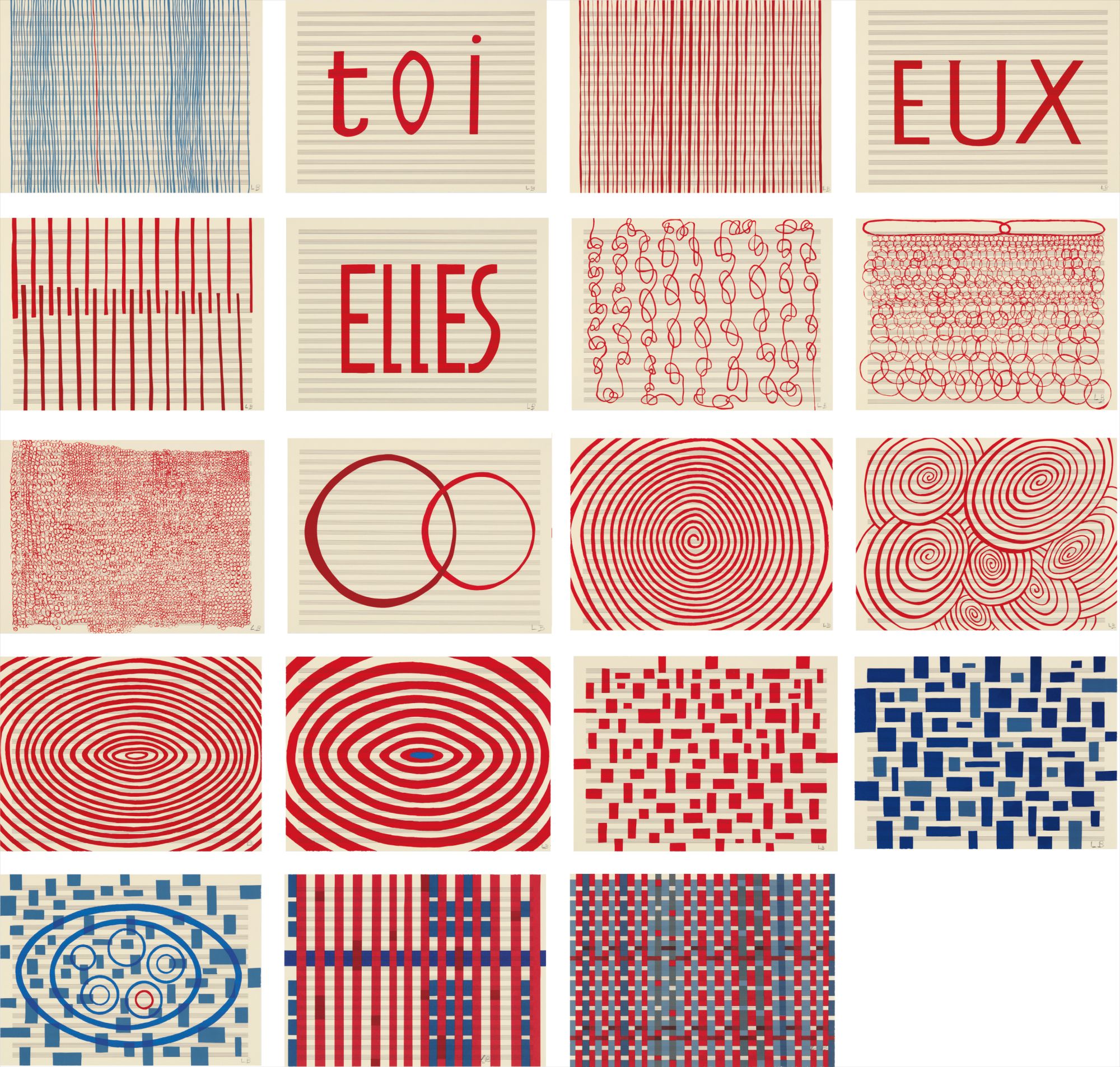
Louise Bourgeois
Fugue
The portfolio in Haring's hands was never a compromise. It was the point. Louise Bourgeois, one of the most significant artists of the last century and represented in The Collection, brought her characteristic psychological intensity to her print suites, creating works on paper that feel as inhabited and urgent as her large scale sculptures. What makes the limited edition portfolio so enduring as a collecting format is precisely its dual nature.
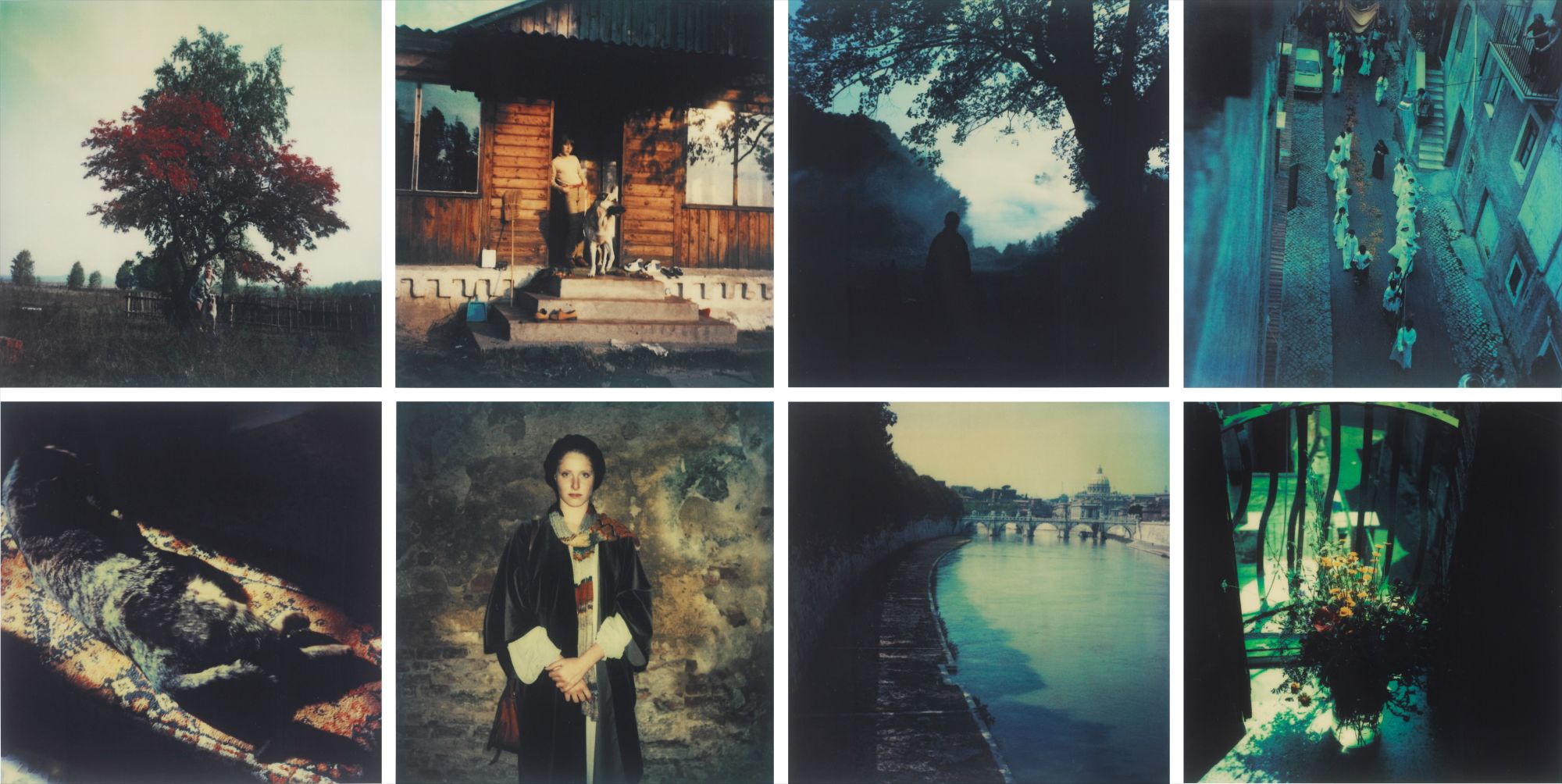
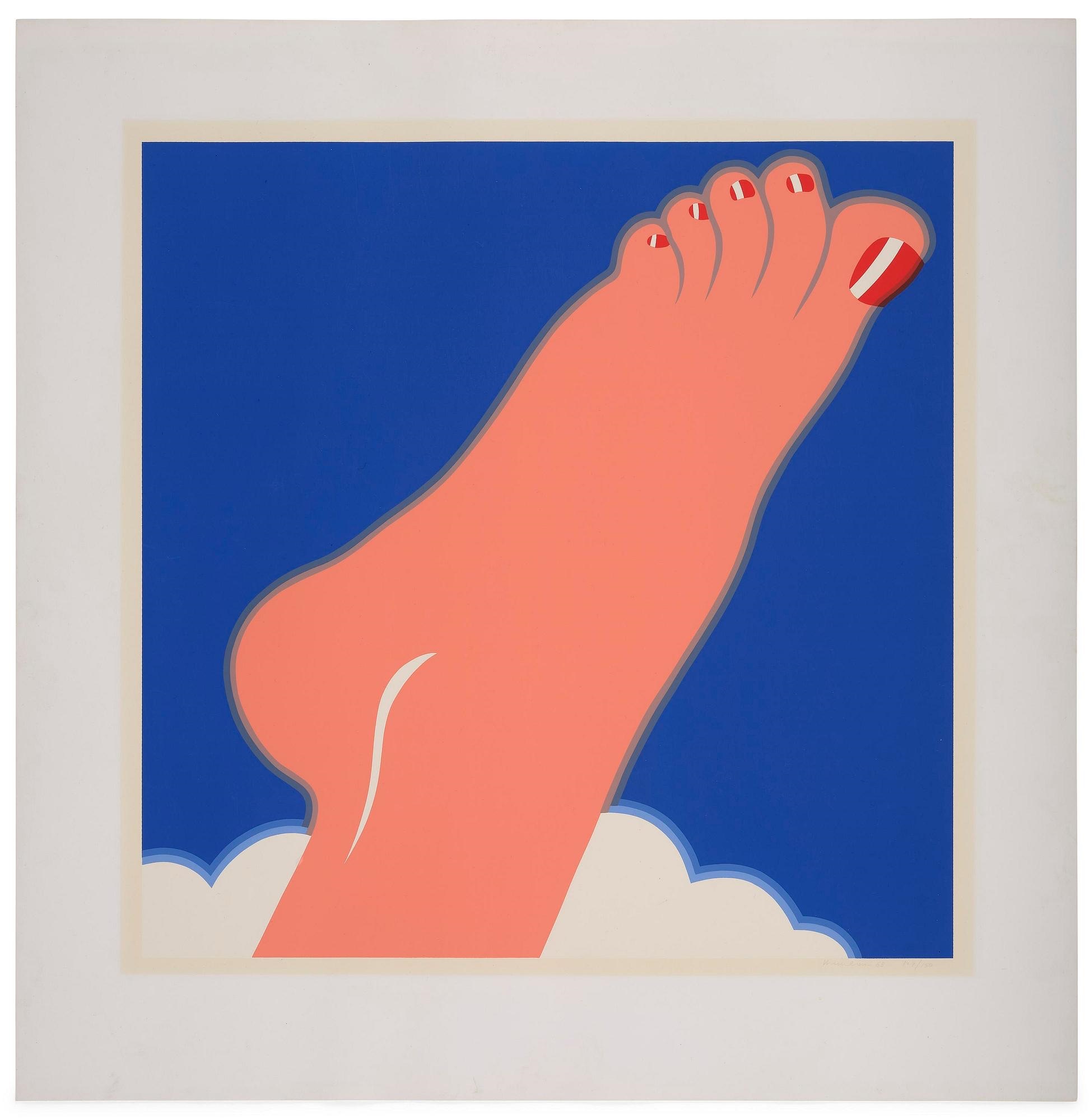
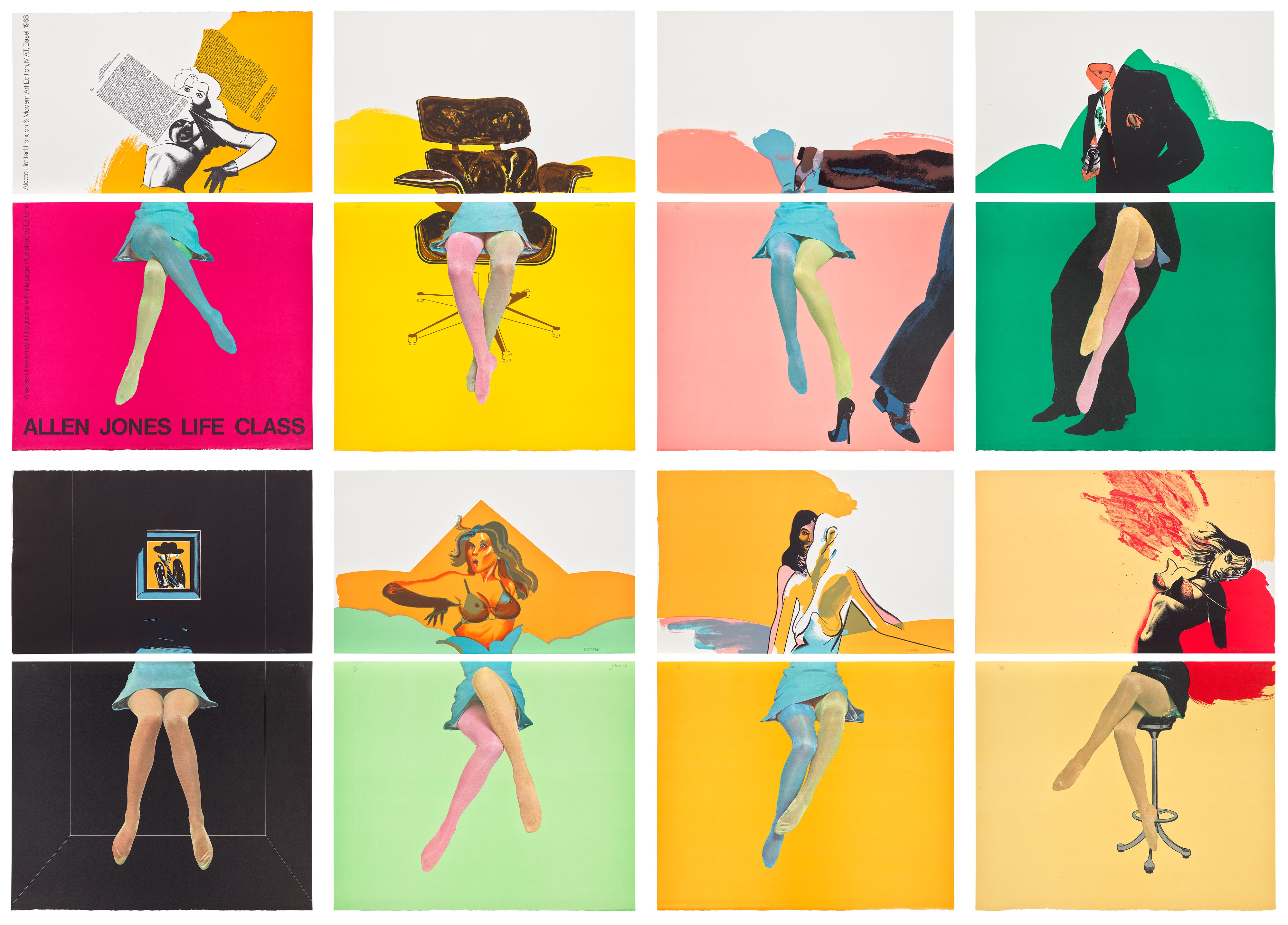
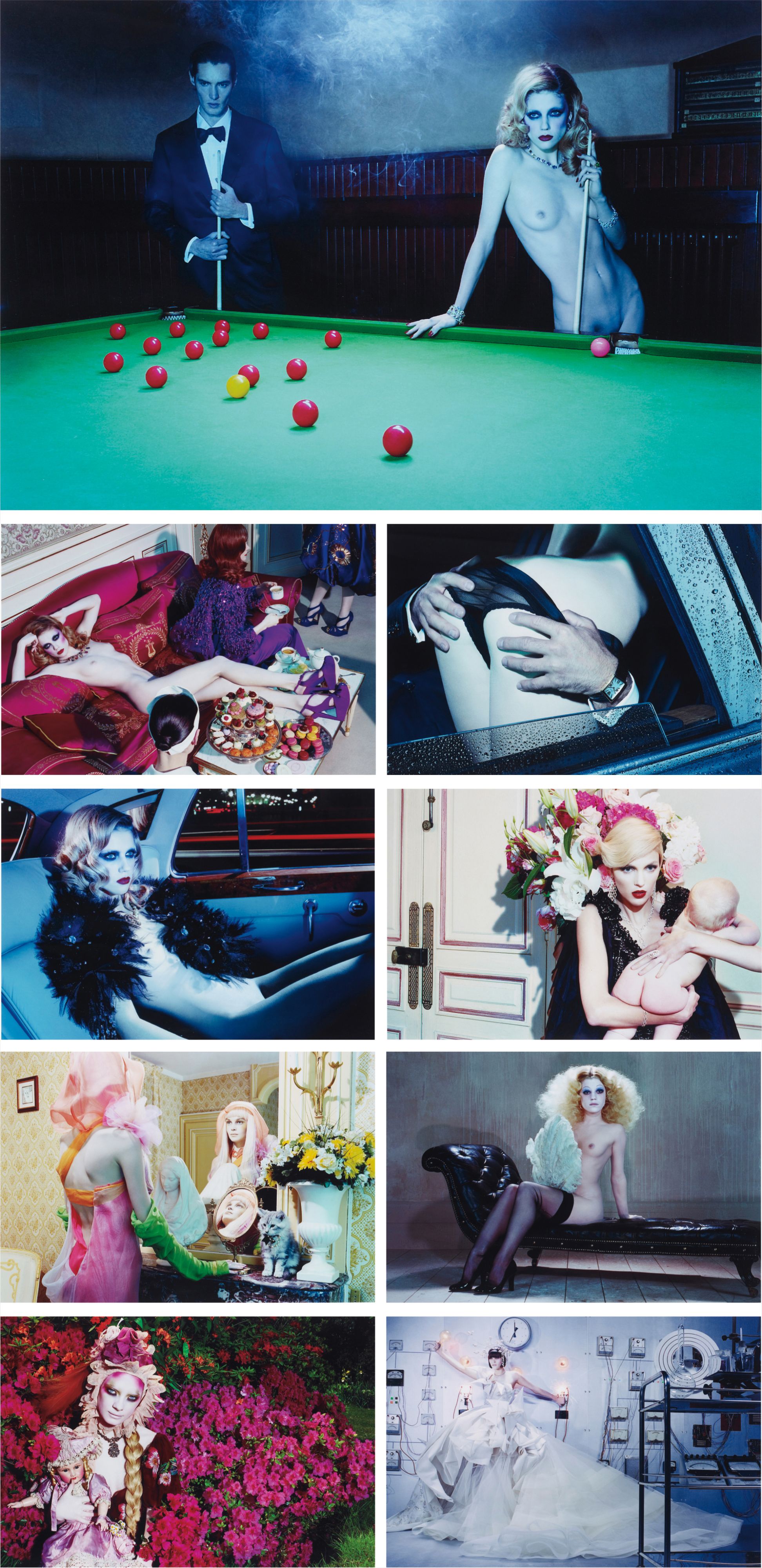
It offers intimacy and sequence, the sense of moving through an artist's thinking rather than encountering a single resolved statement. Miles Aldridge, Gary Hume, and Allen Jones, each of whom appears in The Collection, work in modes where the suite structure amplifies their individual obsessions. Aldridge's cinematic saturations, Hume's blunt formal confidence, and Jones's charged figuration each benefit from the sustained attention the portfolio demands of its viewer. The format asks you to sit with an artist's decisions across multiple works, to trace the logic of a visual intelligence operating over time.
The market for limited edition portfolios has matured considerably in recent decades. Collectors who once overlooked editions in favor of unique works have come to understand that provenance, condition, and the integrity of the complete suite carry their own particular value. An intact portfolio with its original colophon and justification page is a document of art history in the most literal sense. It records who made what, when, how many times, and in whose company.
In an art world that increasingly prizes transparency and traceable history, the portfolio stands as one of its clearest examples. The Collection reflects this understanding, bringing together portfolios and editions that reward the kind of attentive, long term engagement that distinguishes serious collecting from mere acquisition.