Lenticular Print
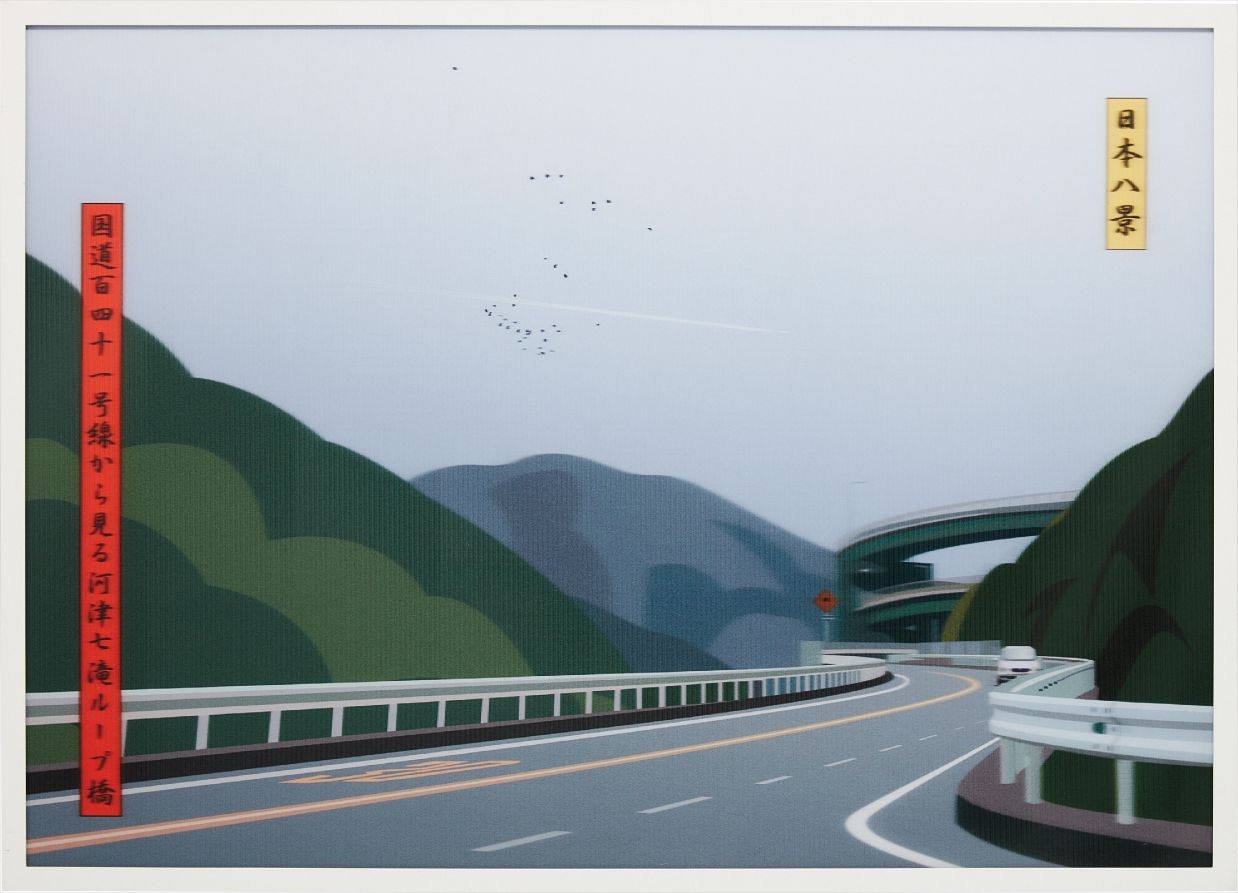
Julian Opie
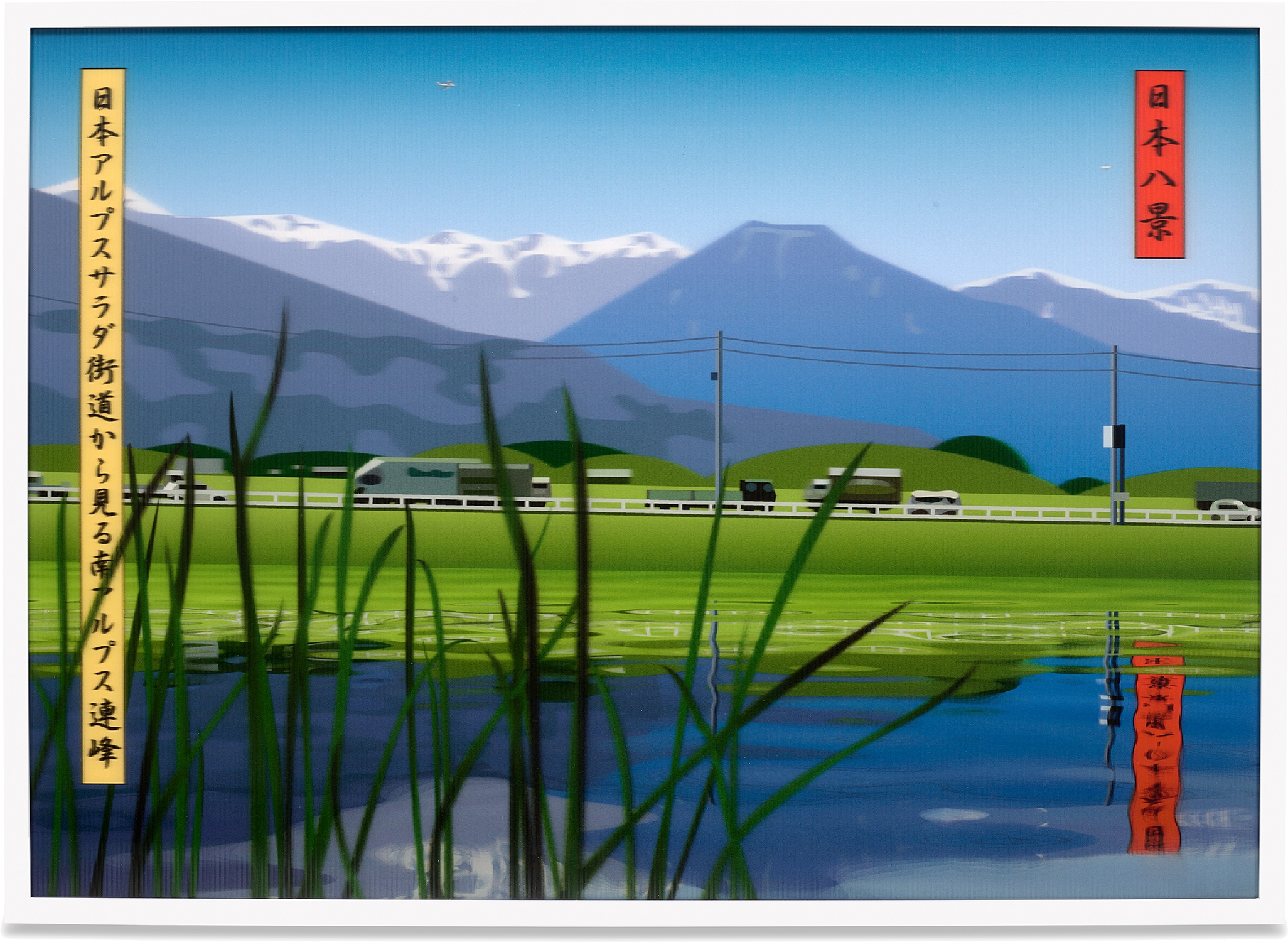
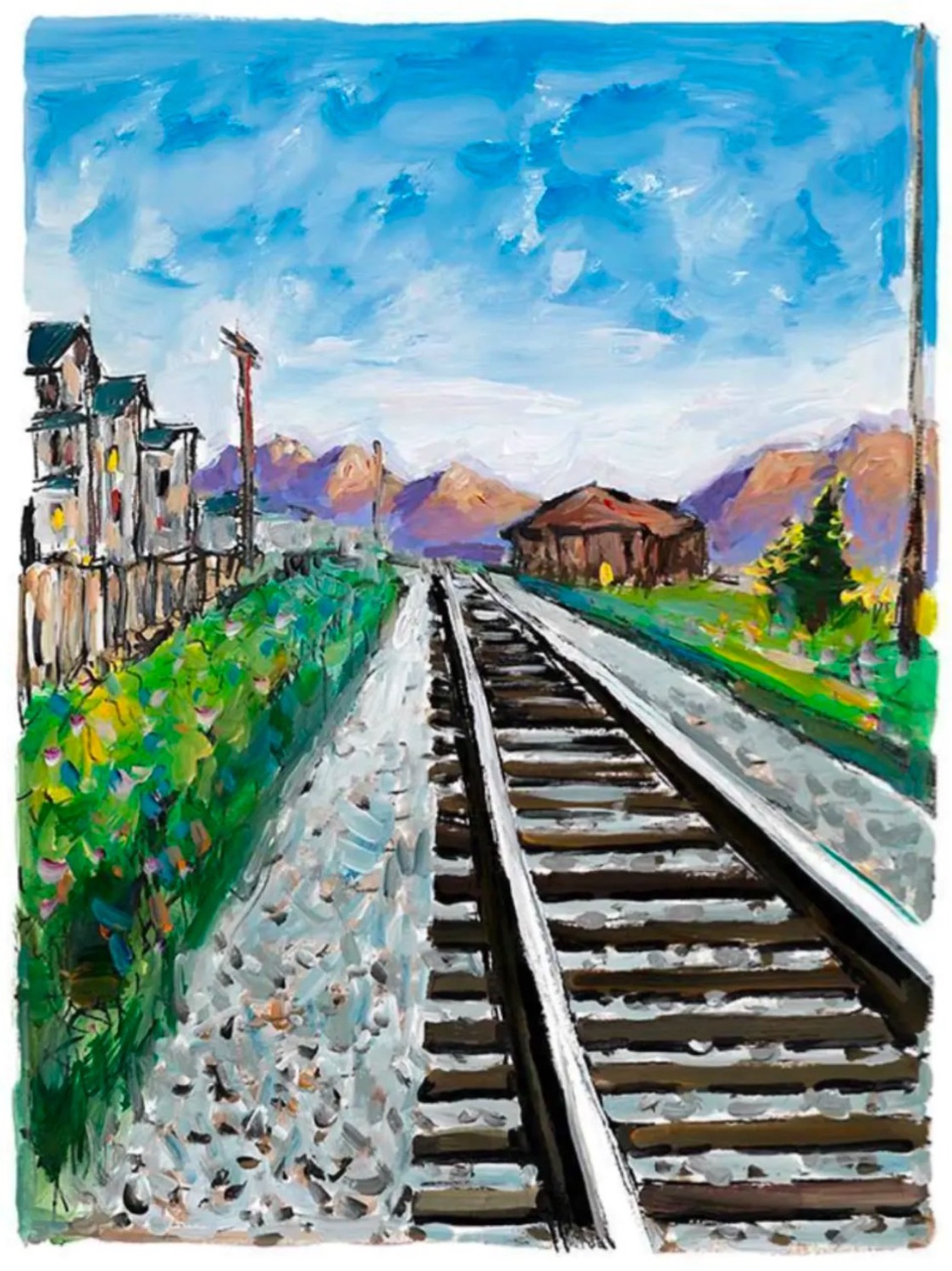
View of Loop Bridge Seen from Route 41 in the Seven Falls Area, from Japanese Landscapes

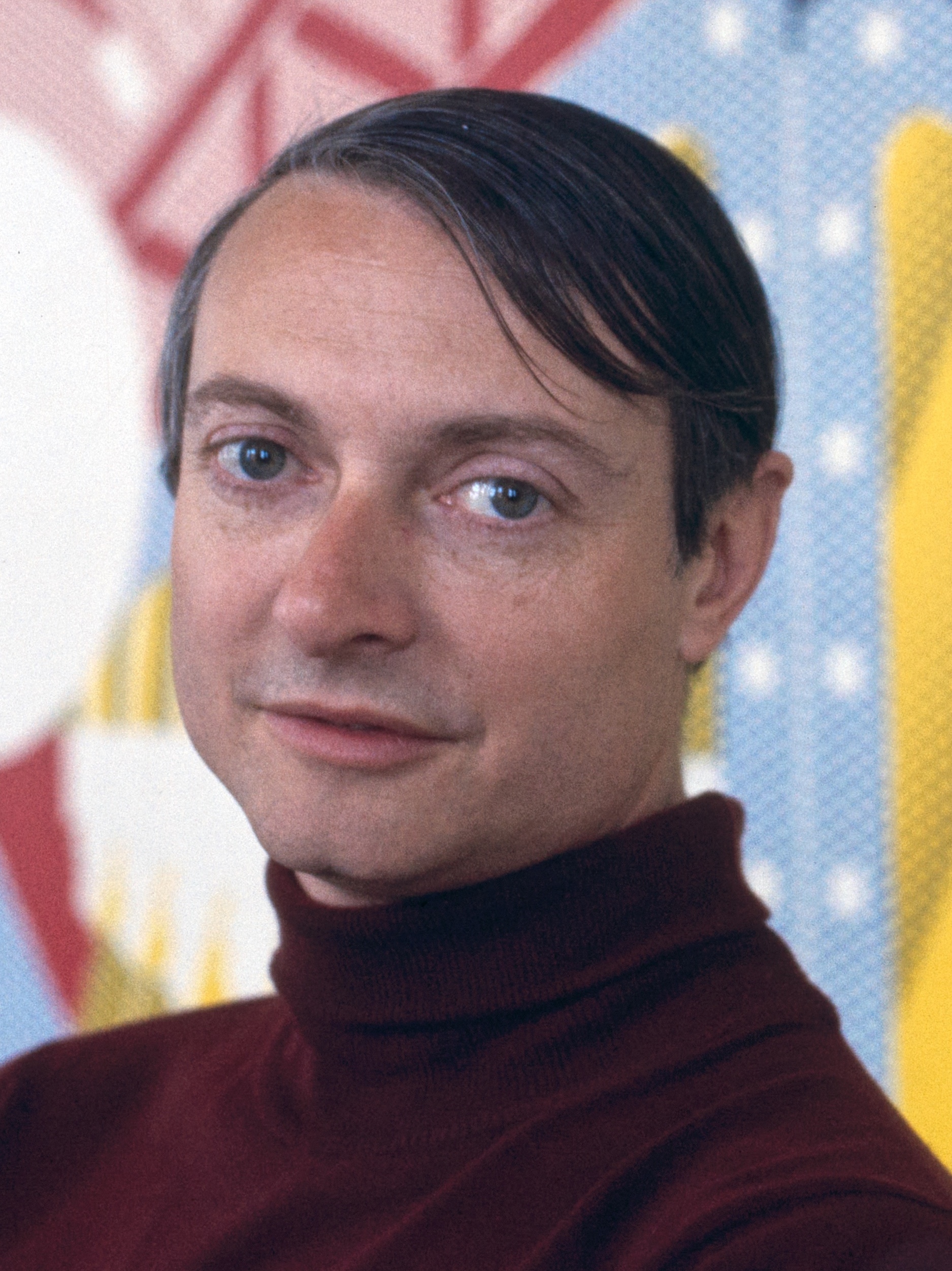
Between Two Worlds, Nothing Stays Still
When a lenticular print by Julian Opie appeared in a 2023 Phillips auction and attracted serious bidding from collectors who had previously focused exclusively on his flat screenprints, something shifted in the room. It was not just the novelty of the format that drew attention. It was the growing recognition that lenticular works occupy a genuinely distinct category within the broader conversation about editions, multiples, and what it means for an image to live in time rather than simply exist on a wall. The work moved.
And so did the market. Lenticular printing, which uses a ridged lens sheet to display different images depending on viewing angle, has been in commercial use since the mid twentieth century. For most of that time, it belonged to the world of novelty postcards, breakfast cereal boxes, and tourist shop curiosities. What changed, gradually and then all at once, was the arrival of artists who understood that the flicker between states was not a gimmick but a genuine pictorial problem worth solving.
Julian Opie
View of Loop Bridge Seen from Route 41 in the Seven Falls Area, from Japanese Landscapes
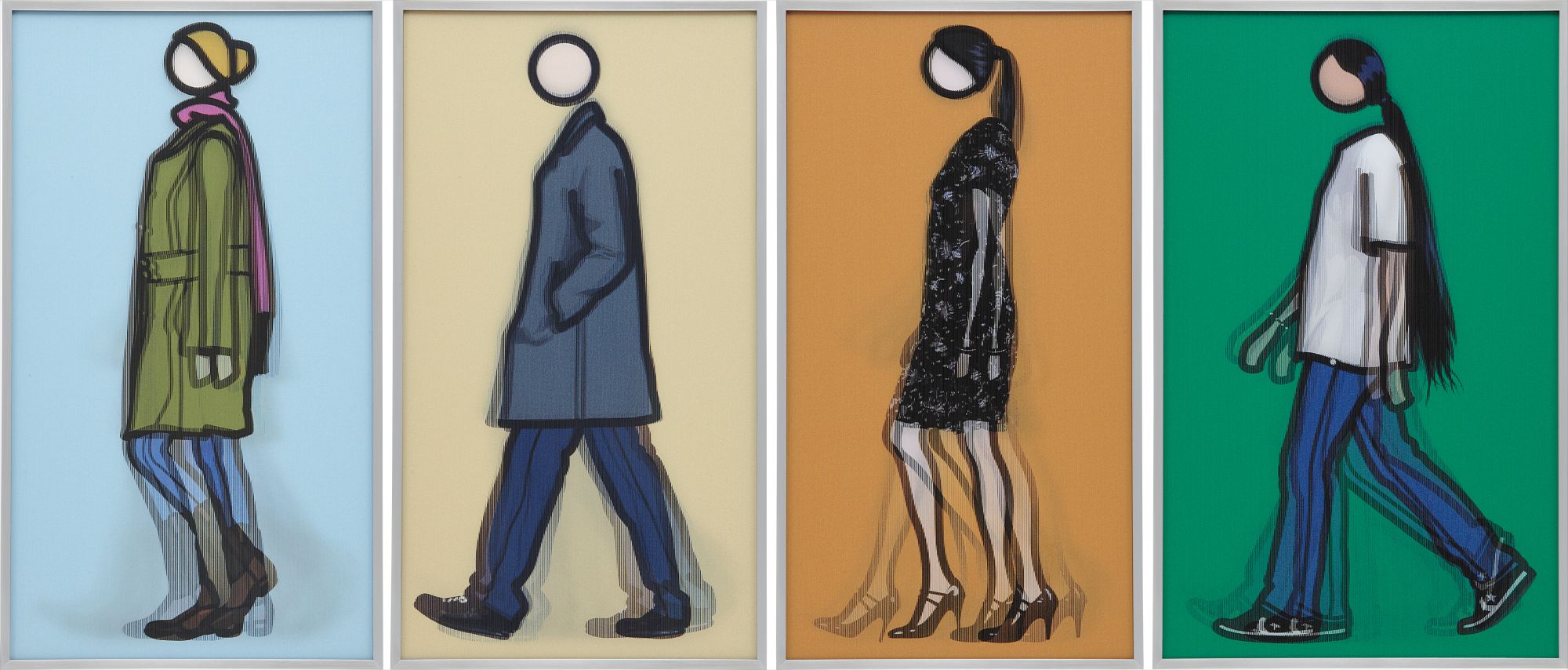
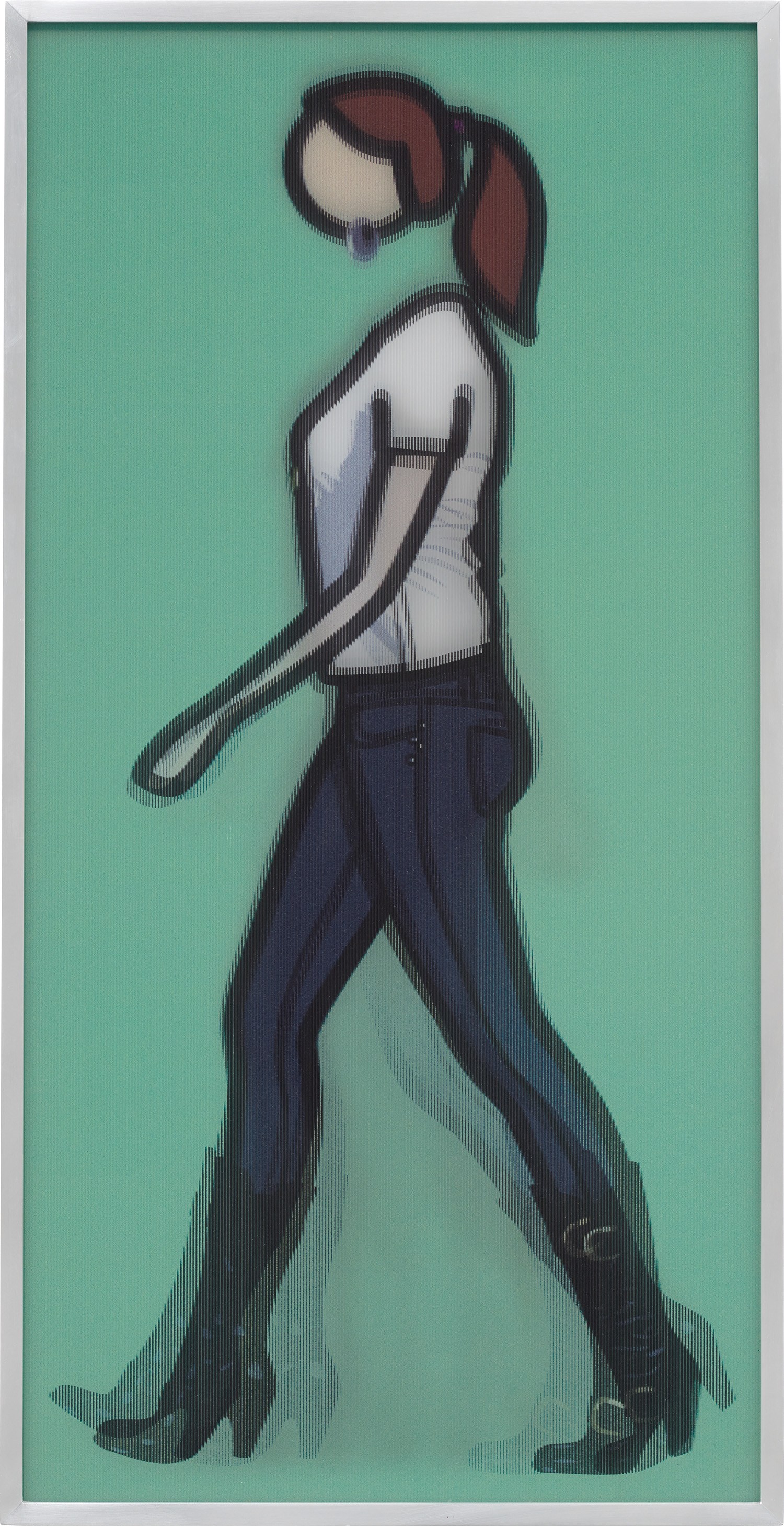
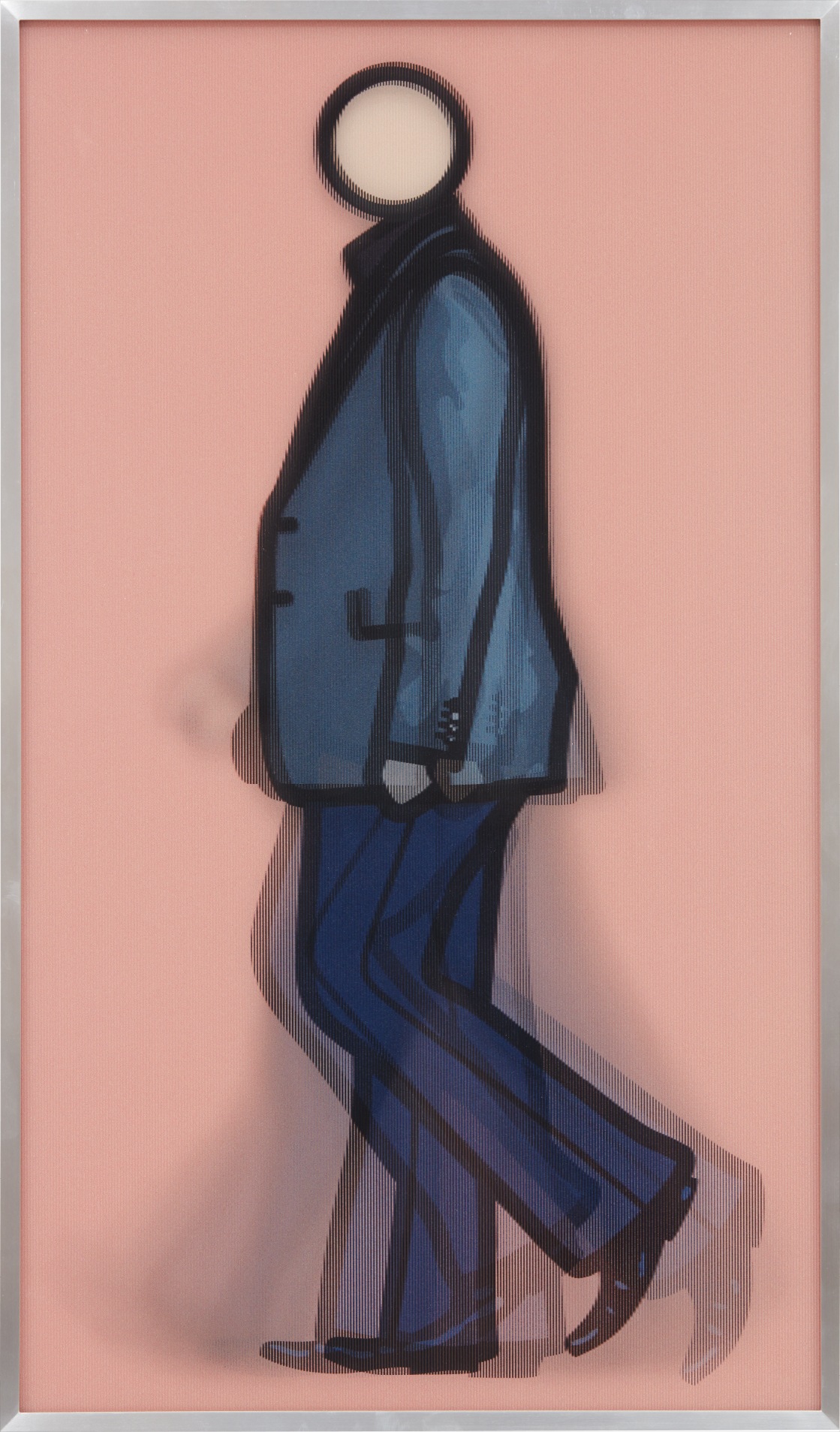
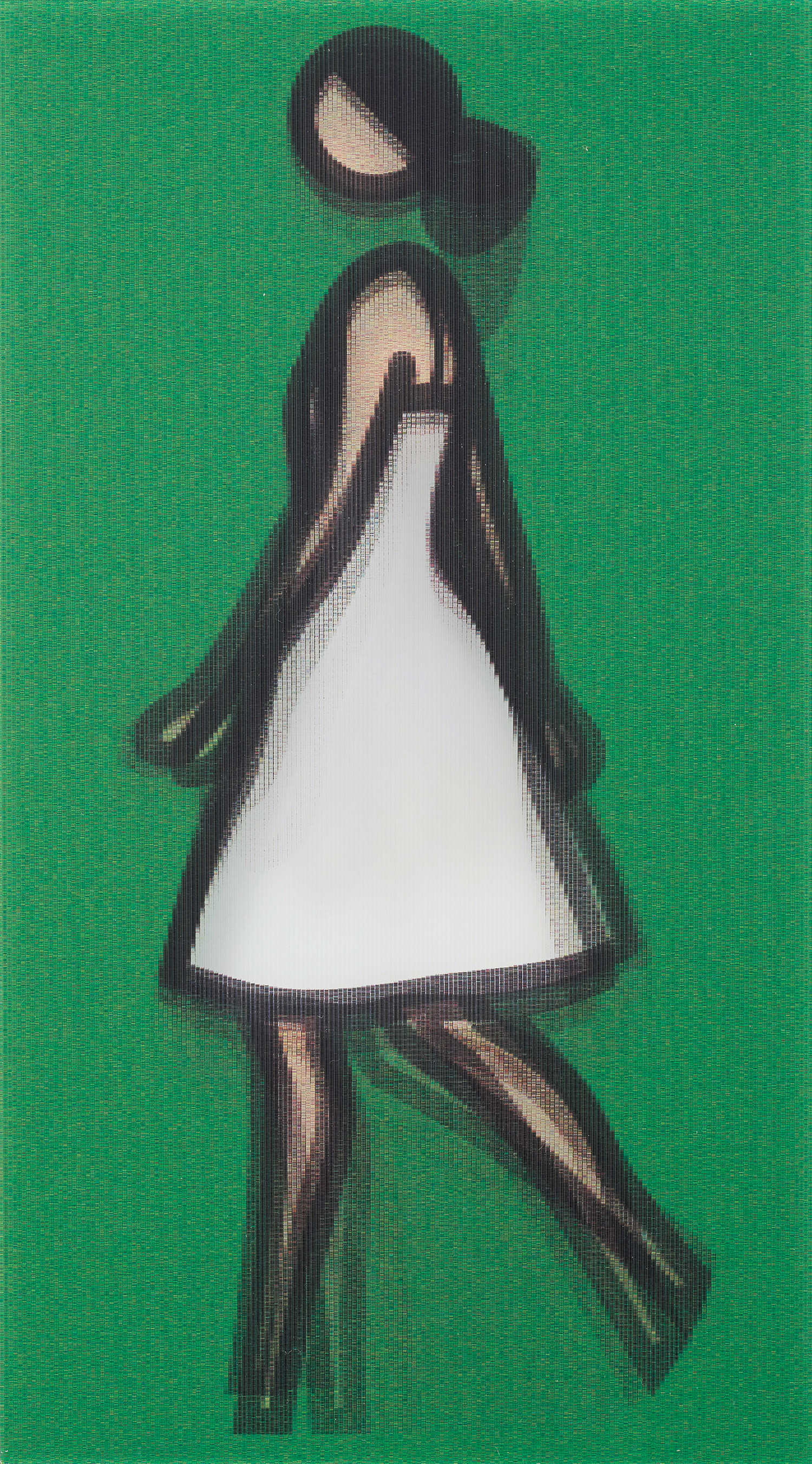
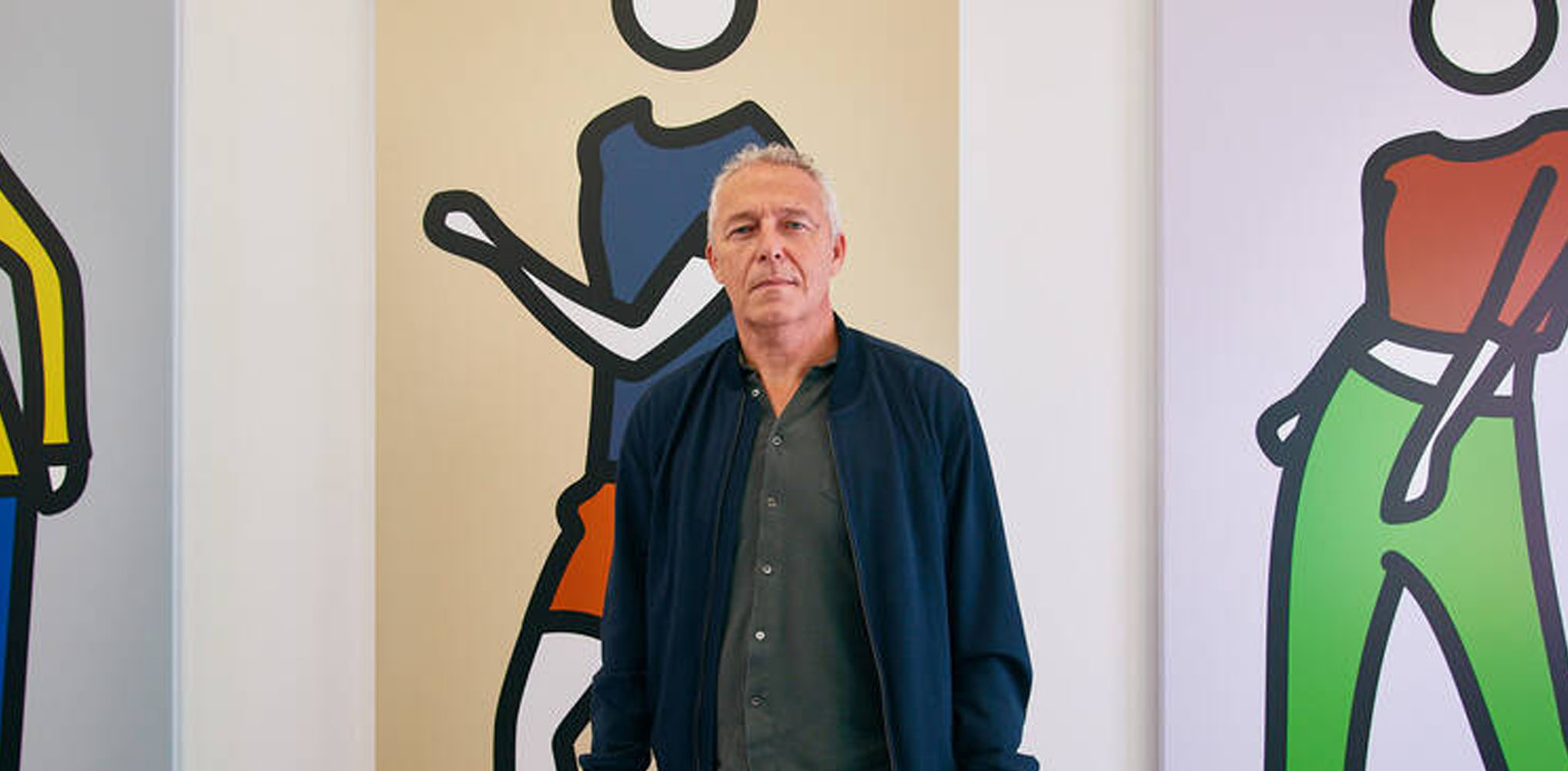
The shift from image to image, the moment of visual uncertainty as you move past a piece, introduces duration into a medium that had always pretended to be static. That is a significant claim to make, and the market is beginning to understand it. Julian Opie has done more than almost any other artist to establish lenticular print as a serious collector category. His figures, those clean outlined pedestrians and portraits drawn from the visual language of street signage and digital iconography, gain an entirely different quality when rendered in lenticular format.
The walking figures actually walk. The eyes in a portrait seem to follow you. Works from his lenticular series have appeared consistently at Christie's, Sotheby's, and Phillips over the past decade, with prices for strong examples now regularly clearing the ten thousand pound mark at auction and occasionally moving well beyond that for larger format pieces in fine condition. His output in this format is well represented on The Collection, and for good reason.
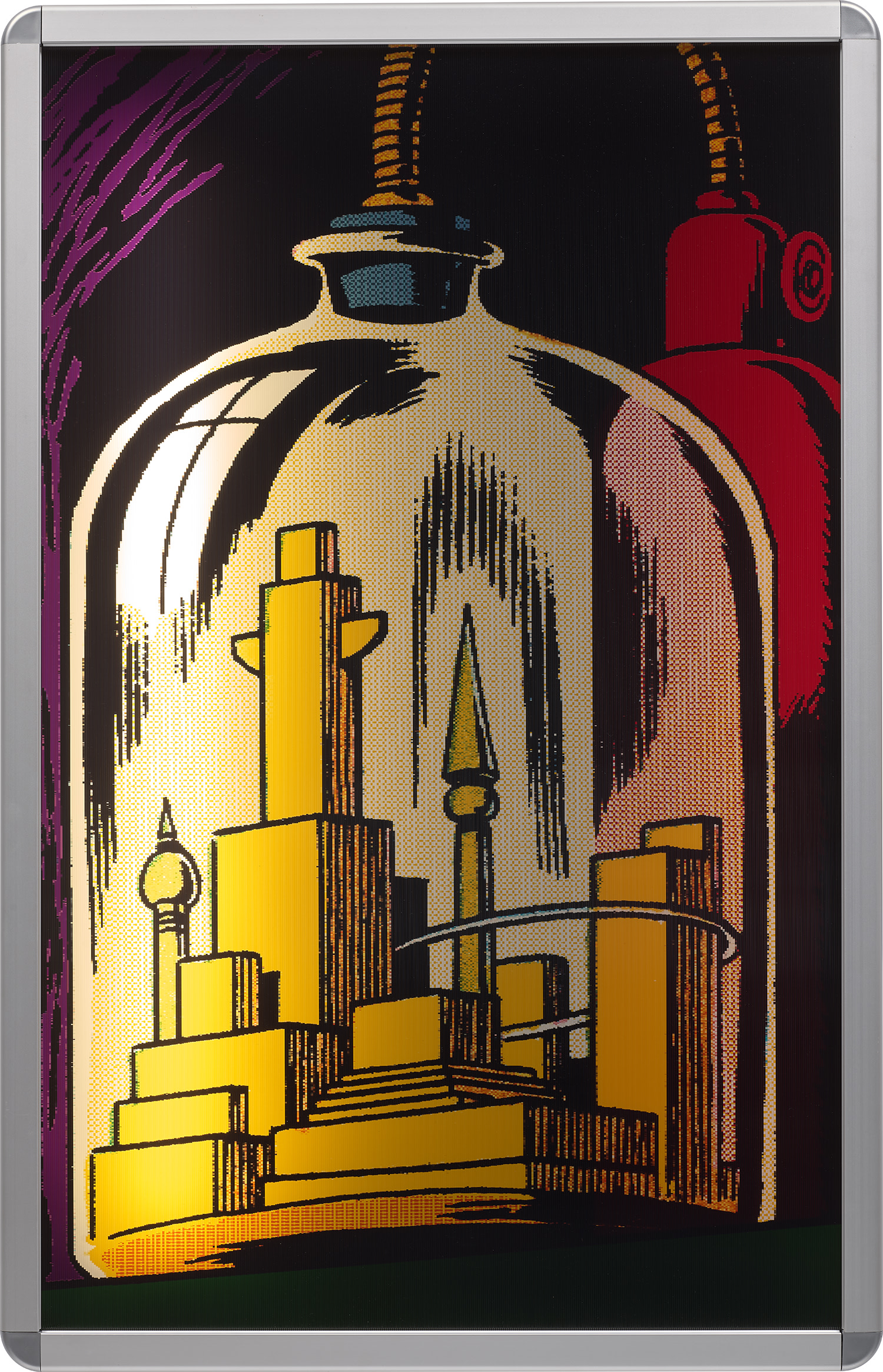
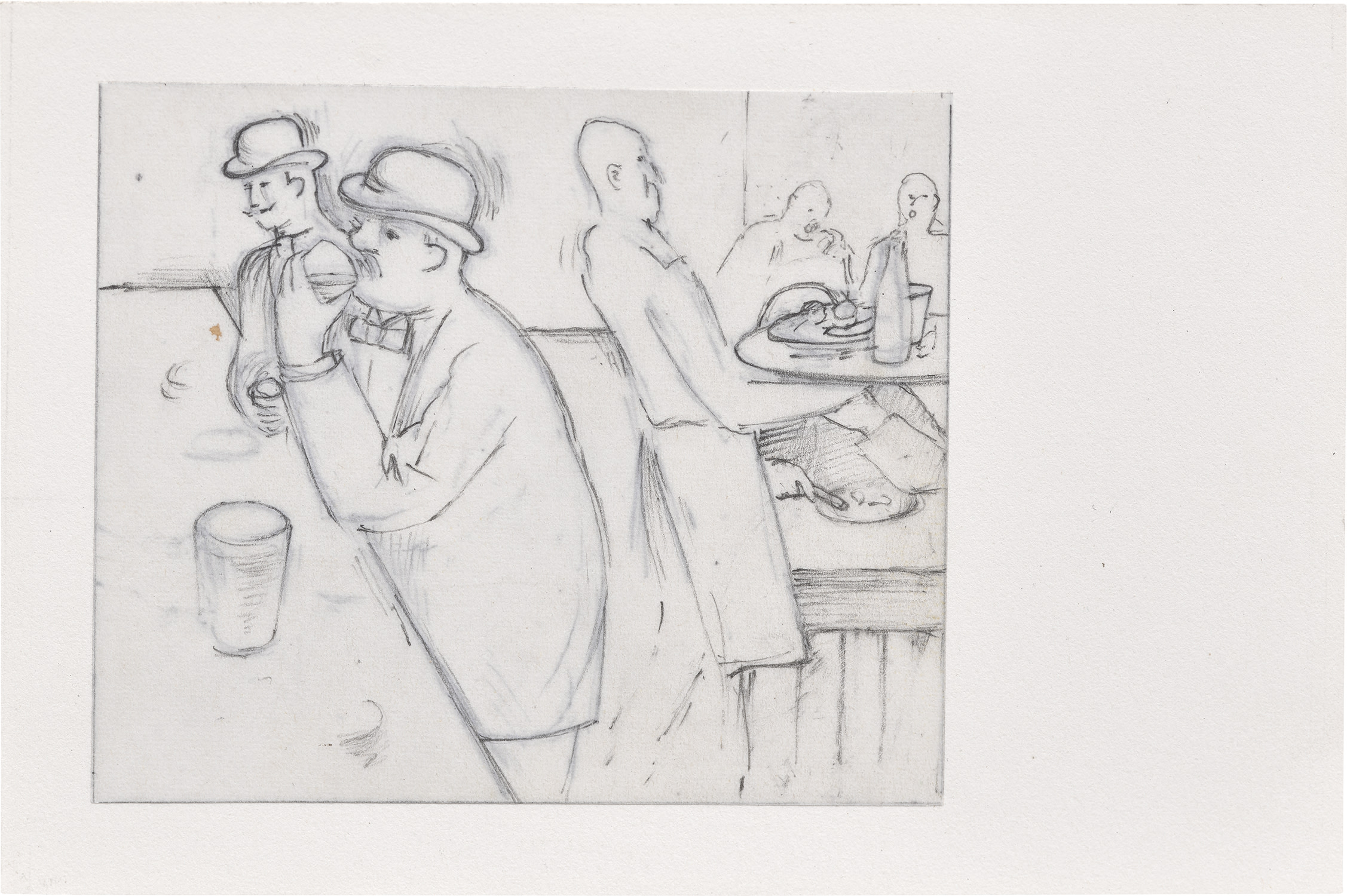
Mike Kelley
Lenticular 1
Opie has treated lenticular not as an experiment but as a sustained body of work, which gives collectors genuine depth to explore. The critical conversation around lenticular work has historically been thin, perhaps because the format sits uncomfortably between fine art and commercial reproduction. But that is changing. Writers associated with publications like Frieze and Art in America have increasingly addressed the broader category of kinetic and optical editions, within which lenticular sits alongside works by artists exploring moiré, holography, and digital animation.
The curator Matthew Slotover, and critics in the orbit of post internet discourse, have helped create a framework in which the destabilisation of the fixed image is understood as culturally significant rather than merely decorative. Barbara Kruger, whose practice has always been about the power of the image to address the viewer directly, has worked in formats that share this confrontational quality, and her presence in this broader conversation feels natural. The politics of who is looking and who is being looked at become genuinely activated when the image itself shifts as you move. Institutionally, the collecting of lenticular works has accelerated most noticeably in museums with strong contemporary editions programs.
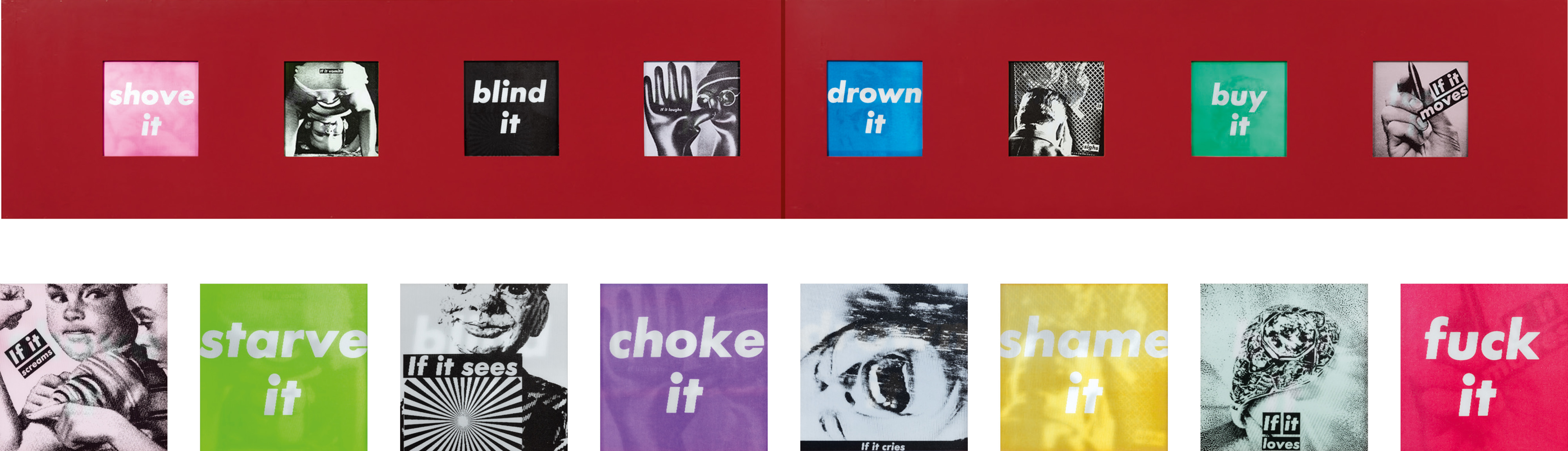
Barbara Kruger
lenticular prints in artist's frames, diptych, 1986
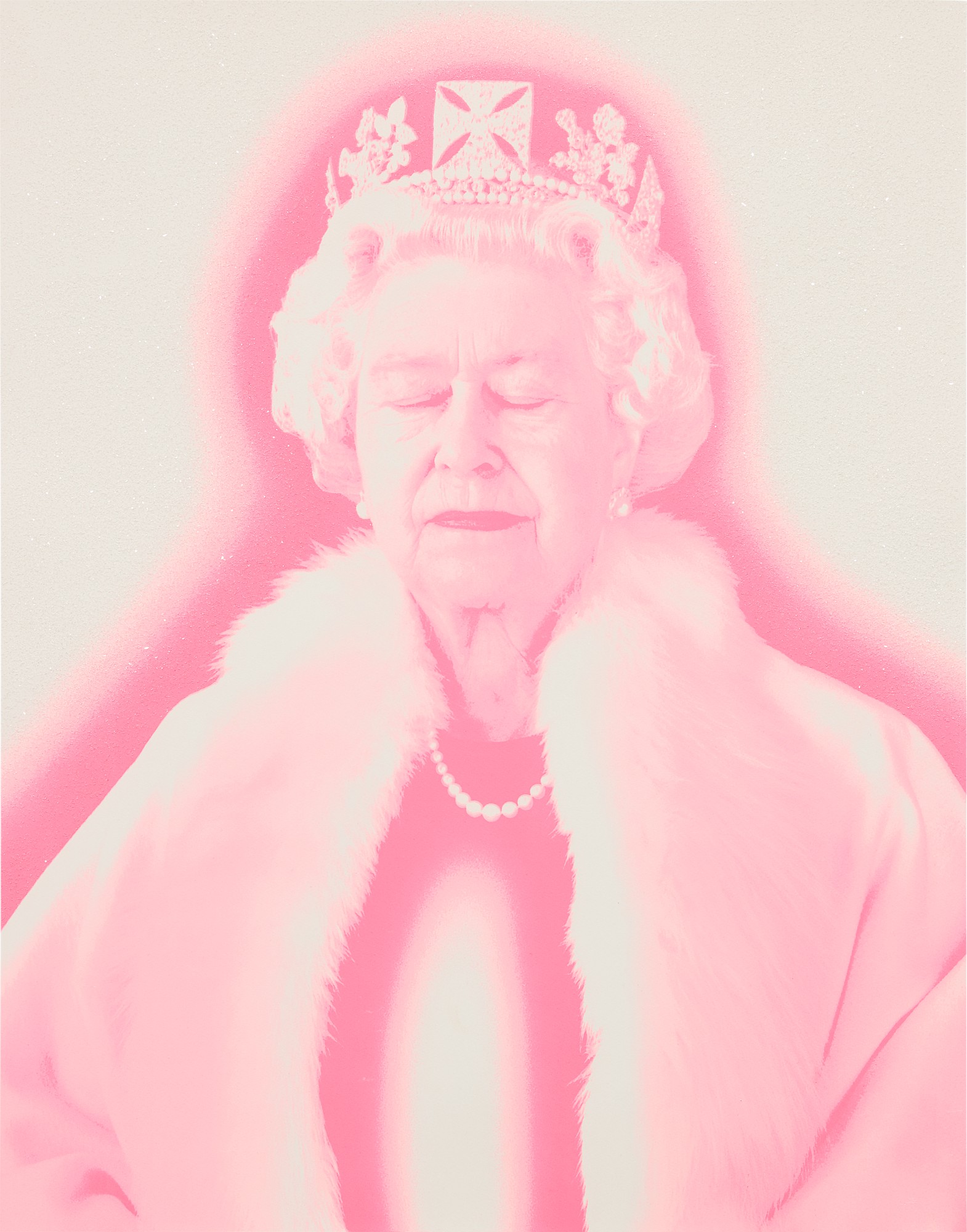
The Victoria and Albert Museum in London has long collected across print media with unusual ambition, and its acquisitions in kinetic and optical print work reflect an understanding that editions can carry as much conceptual weight as unique works on paper. MoMA's department of prints and illustrated books has also been attentive to this area, particularly in the context of pop derived imagery where artists like Roy Lichtenstein established a precedent for treating mechanical reproduction as a subject rather than a compromise. Lichtenstein's engagement with Ben Day dots and the language of industrial printing sits upstream from a lot of what lenticular artists are doing, and institutions that collect across both generations can show that lineage clearly. Chris Levine, whose meditative portrait of Queen Elizabeth II titled Lightness of Being became one of the most discussed portrait commissions of the early 2000s, works extensively with lenticular and light based media.
His practice draws from both the spiritual and the technological, and his lenticular works carry a quality of hovering presence that is genuinely unlike anything else in the editions market. That particular portrait, which appears to show the Queen in a state of deep stillness, gains an eerie animation in its lenticular incarnations. Collectors who discovered Levine through that single famous image have found in his broader output a consistent investigation of what light and movement do to a face, to a moment, to an act of looking. The energy in the lenticular market right now feels focused and purposeful rather than speculative.
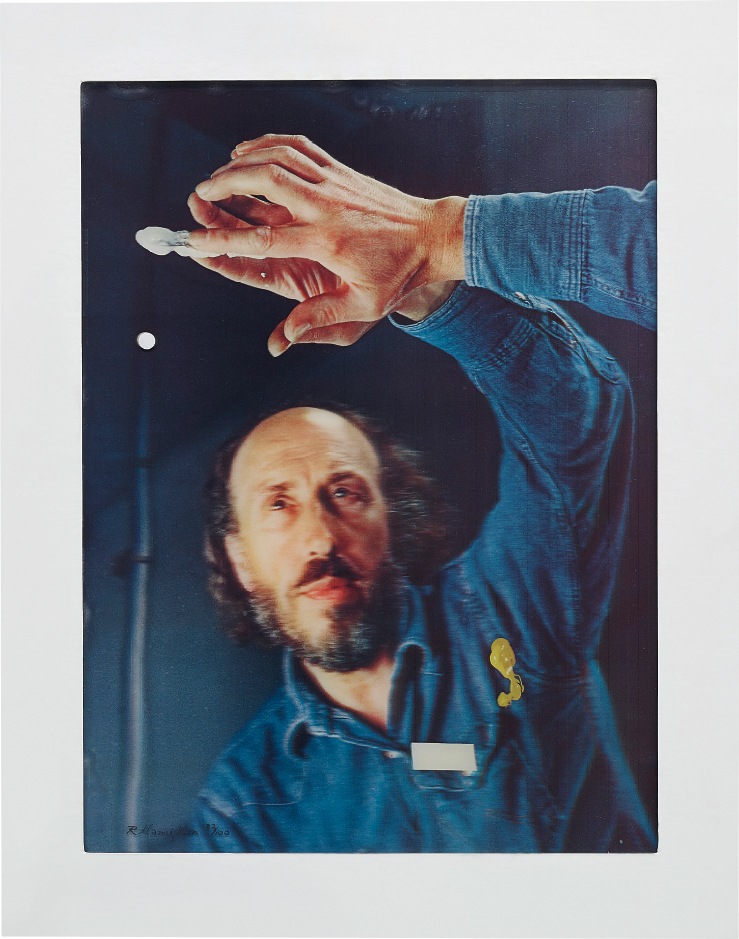
Richard Hamilton
Palindrome, from Mirrors of the Mind
This is not a category experiencing the kind of frothy enthusiasm that eventually exhausts itself. Prices are rising steadily for works by established practitioners, and the secondary market for strong examples is showing real depth, meaning that buyers are not simply hoping for a future sale but finding one when they need it. The surprise element, if there is one, may come from a younger generation of artists who grew up with digital animation and are now asking what a lenticular print can do that a screen cannot. The answer, increasingly, seems to be that it can exist in physical space, accumulate age and patina, and carry the authority of a handmade object even while doing something a handmade object should not be able to do.
That tension is where the most interesting work is being made, and where the most attentive collectors are looking.