Latin American Art
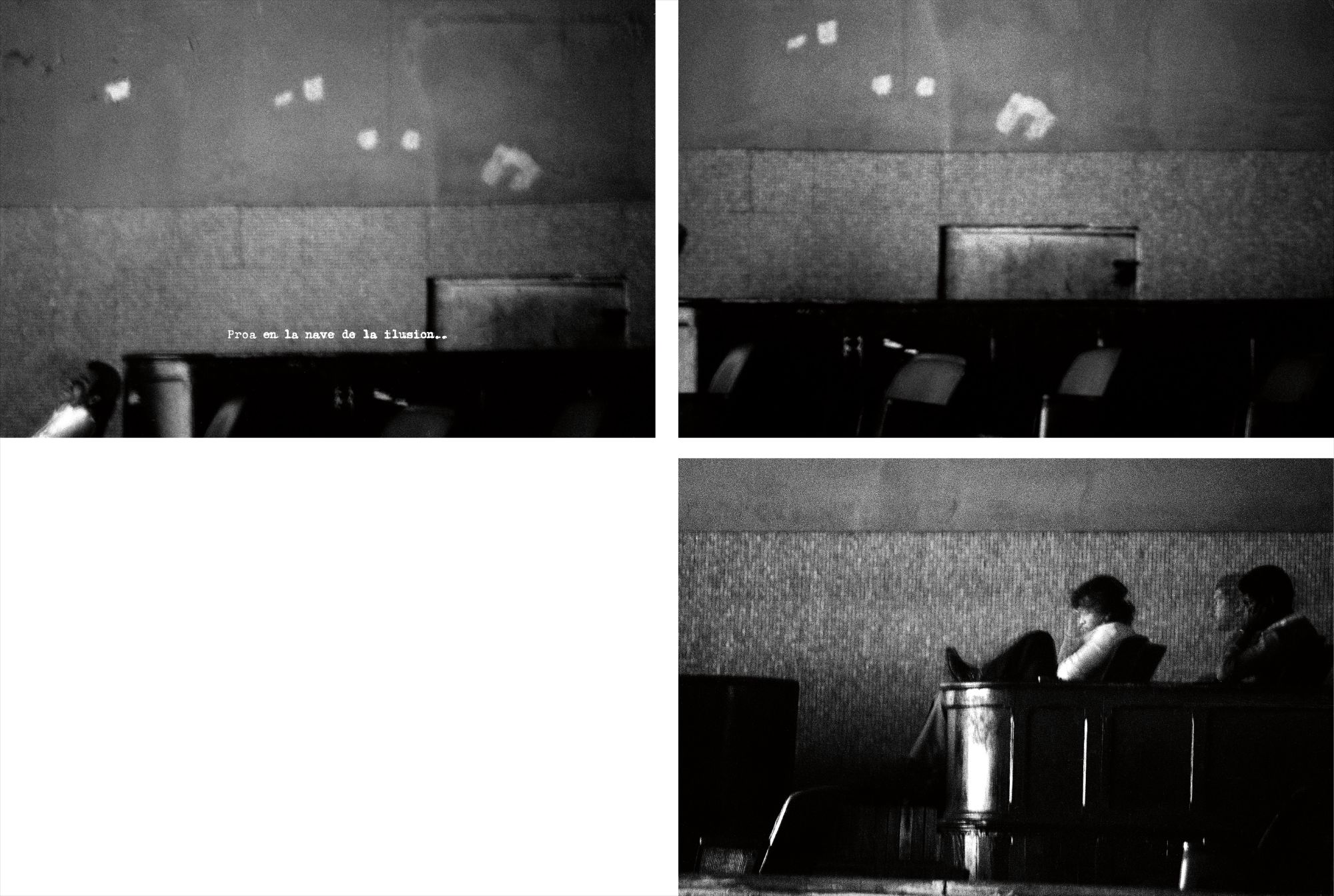
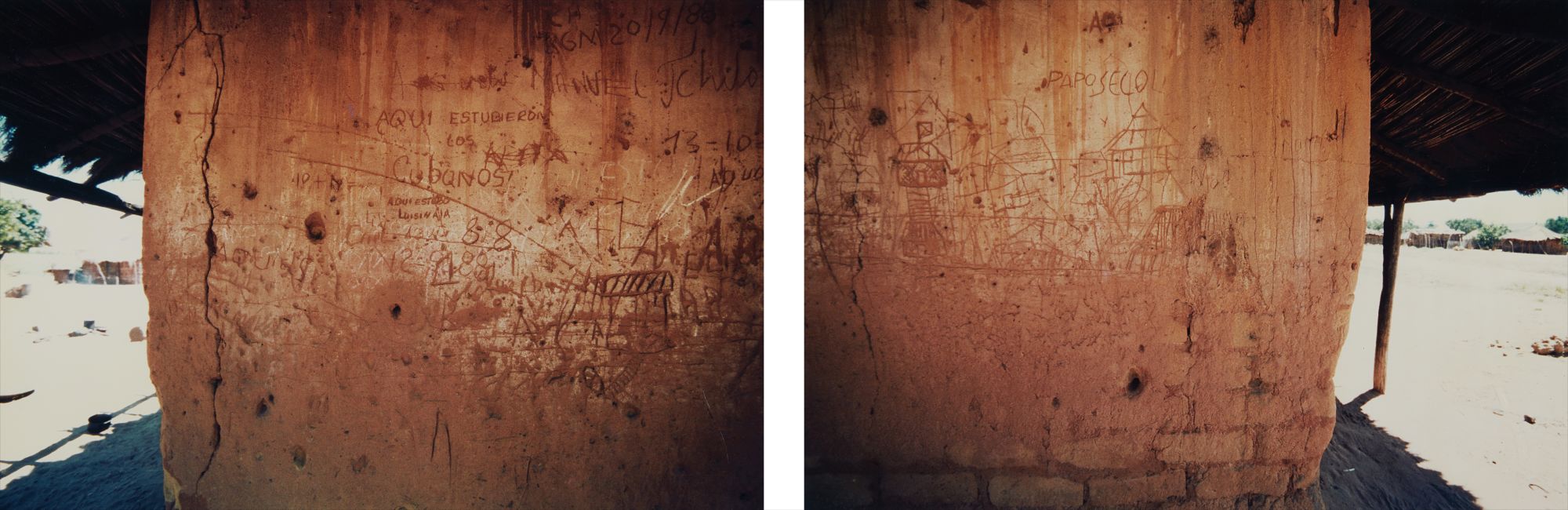
Miguel Ángel Rojas
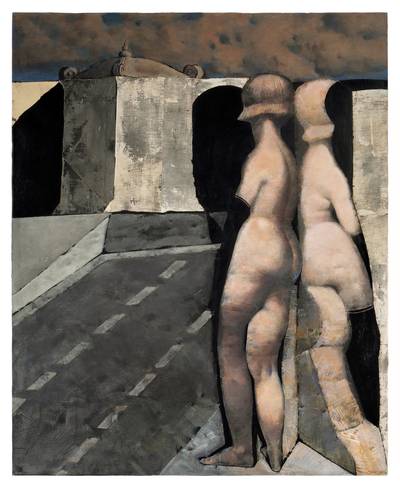
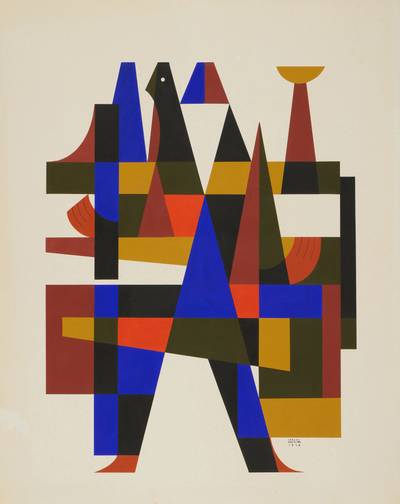
Three Works: Proa en la nave de la ilusión (from the Faenza series), 1979




The Continent That Rewrote Modernism's Rules
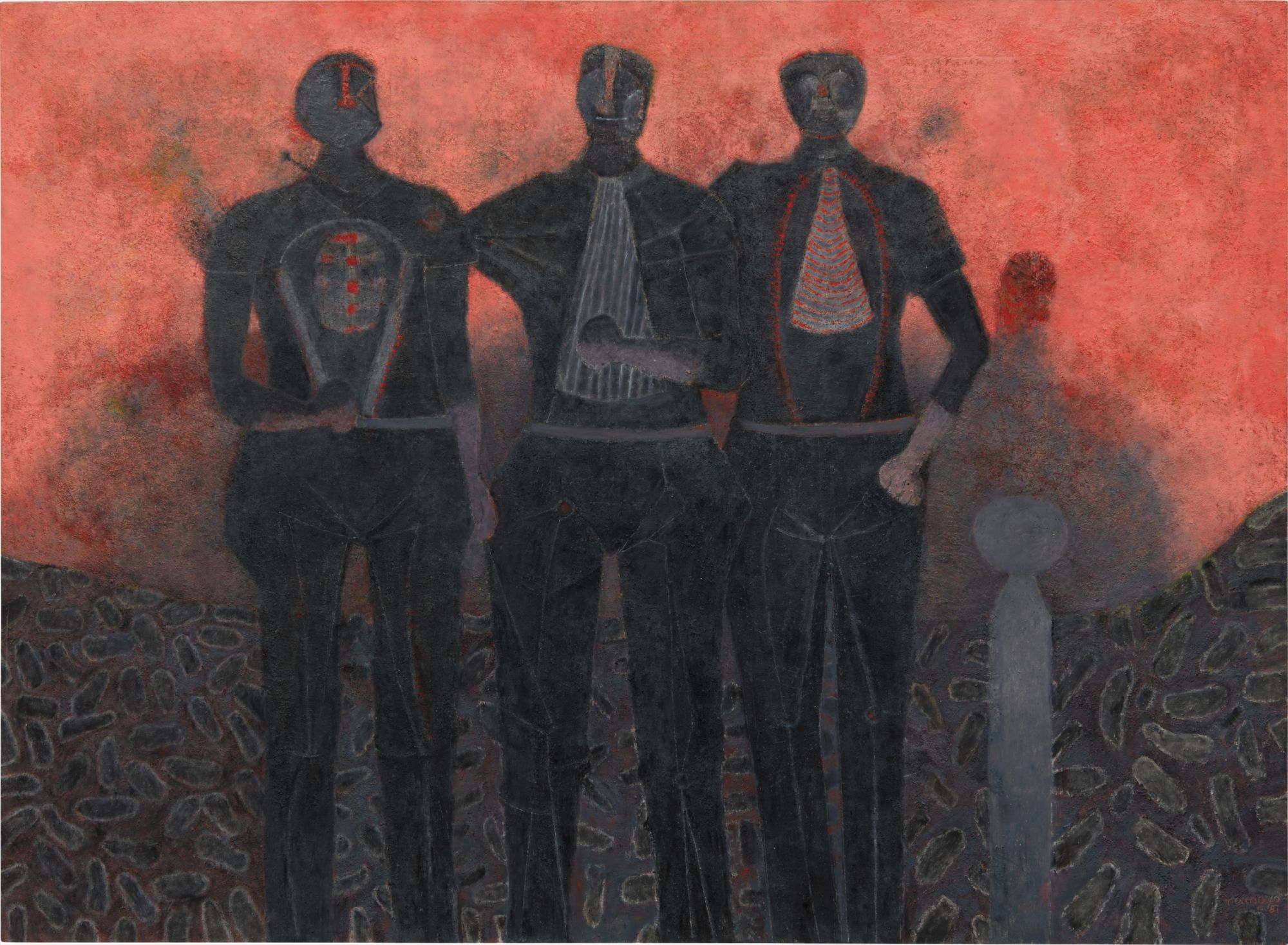
When Christie's New York brought a major work by Rufino Tamayo to auction in recent years and watched it sail past its high estimate, it confirmed something seasoned collectors had already sensed: the global market for Latin American art is no longer a regional conversation. It is a central one. The room, and the phone lines, told the full story. Demand was not coming only from Mexico City or São Paulo.
It was coming from everywhere at once. The critical reassessment of what Latin American modernism actually achieved has been quietly building for at least two decades, but the past several years have brought it into sharp focus. The Museum of Modern Art's ongoing effort to reframe its permanent collection around a more genuinely international modernism has meant that figures like Gabriel Orozco and Ana Mendieta are no longer positioned as footnotes to European or North American movements. They are understood as originators, thinkers who worked from entirely different premises and arrived at conclusions that still feel unresolved in the best possible sense.
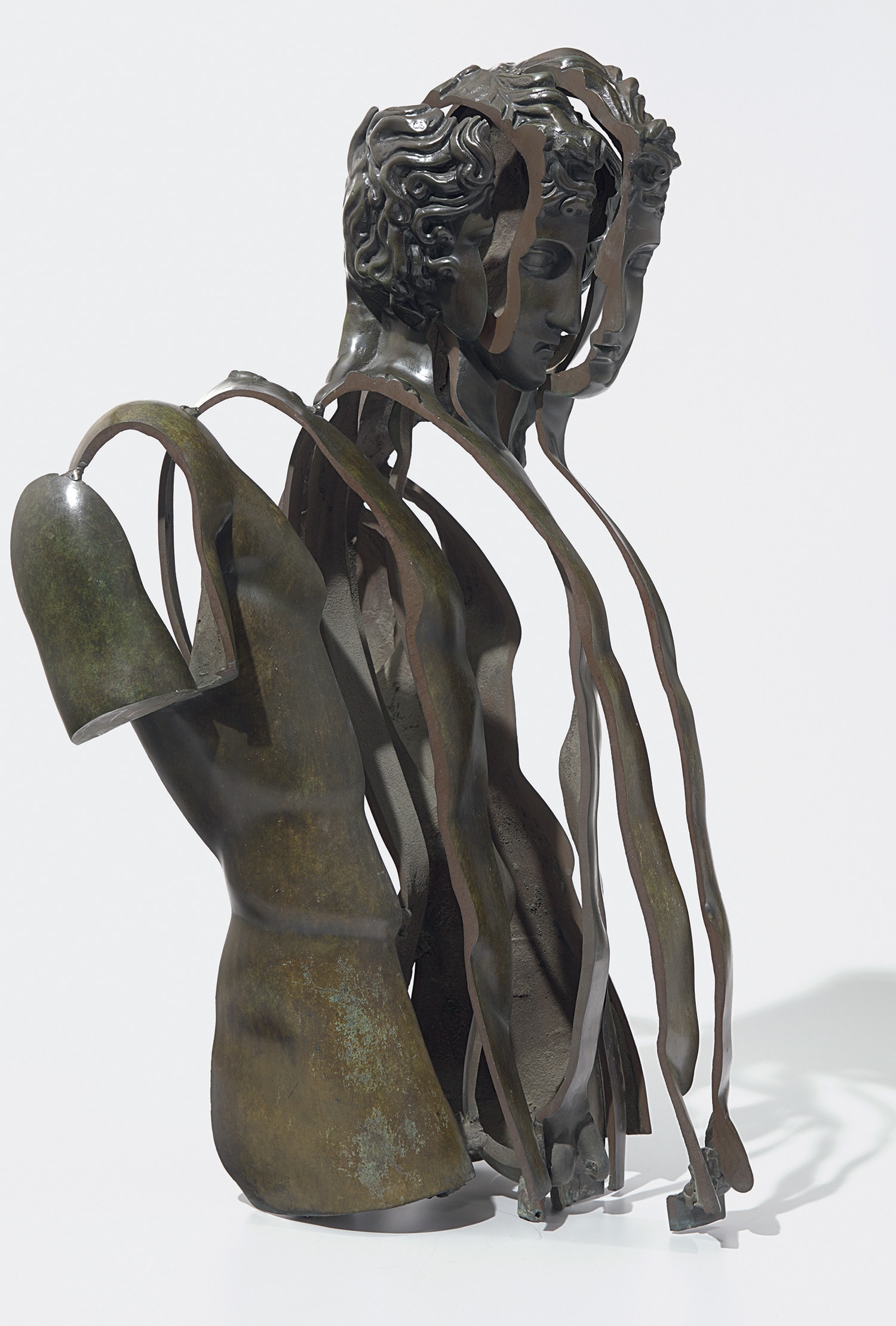
Cildo Meireles
Fontes, 1992
That intellectual restlessness is part of what makes this area so alive right now. On the exhibition front, the Tate Modern's retrospective programming around Latin American conceptualism has been particularly influential in shaping how institutions and collectors think about artists such as Cildo Meireles, whose Insertions into Ideological Circuits from the early 1970s remains one of the most quietly radical gestures in postwar art. The work used currency and Coca Cola bottles as vehicles for political speech under Brazil's military dictatorship, and it holds its charge completely. When you encounter Meireles in a museum context today, you understand immediately why younger curators are so drawn to him.
The conceptual framework is airtight, but the object itself carries feeling. Auction results across the last decade reveal a clear hierarchy among the artists the market has chosen to reward most consistently. Fernando Botero remains a name that crosses categories, appealing to collectors who might not otherwise engage deeply with Latin American art while also holding genuine art historical significance. His ability to compress political critique and formal invention into instantly recognizable imagery has made him one of the most broadly collected artists from the region.
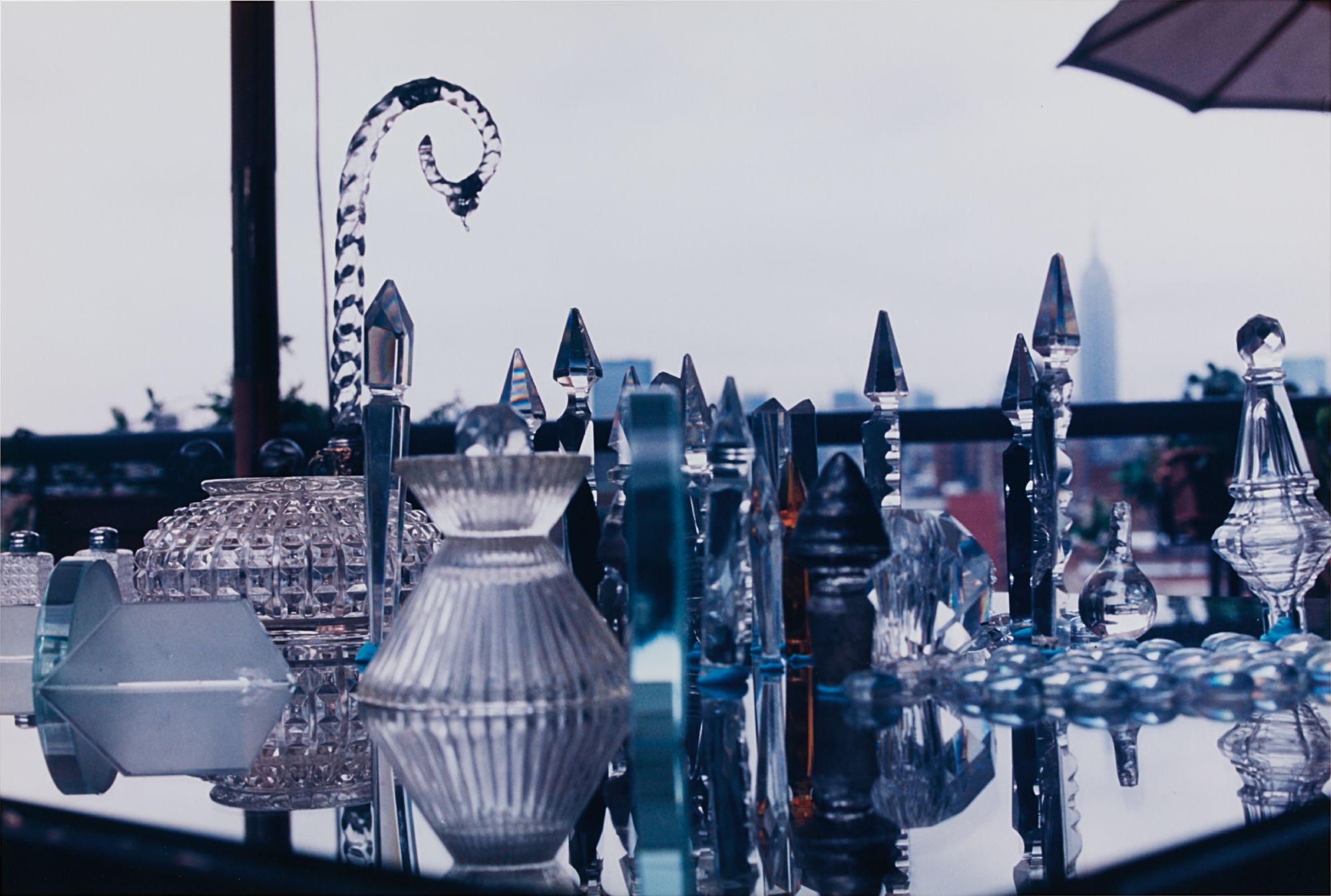
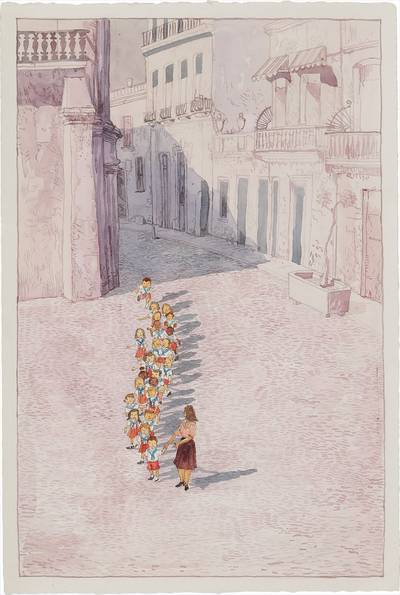
Carlos Garaicoa
cibachrome print, 1998
Tamayo, meanwhile, commands serious institutional and private attention in a different register entirely. His dialogue with pre Columbian form and his refusal to be absorbed into either the Mexican muralist tradition or the New York School places him in a genuinely singular position, and prices reflect that singularity. Works on The Collection give a strong sense of why he continues to attract such sustained interest. The photography market within this broader category deserves its own careful attention.
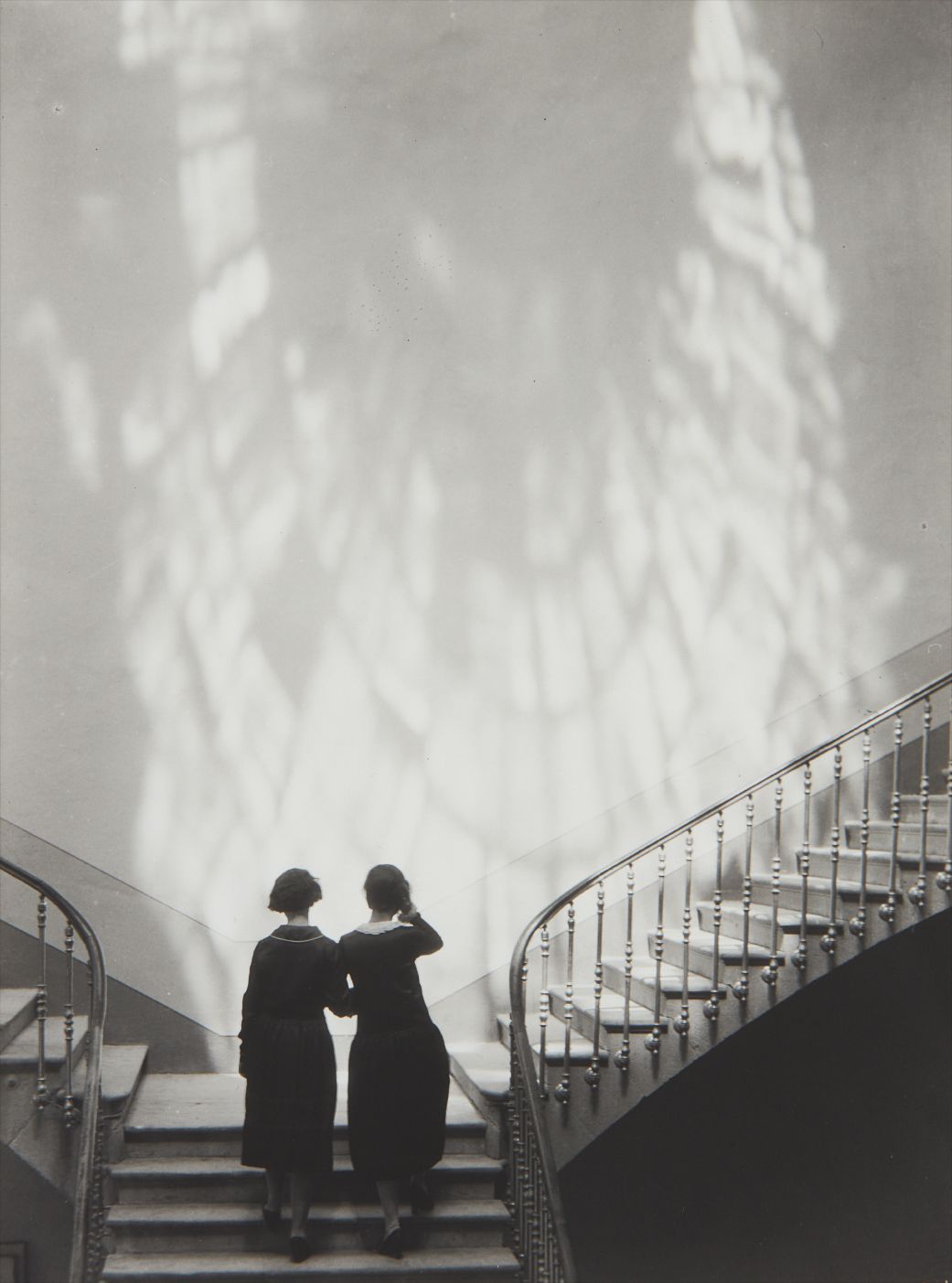
Manuel Álvarez Bravo essentially invented a visual language for twentieth century Mexican photography, and his prints have become essential holdings for any serious collection engaging with the region. Graciela Iturbide and Flor Garduño extended and complicated his legacy in ways that feel increasingly important to contemporary curators working across photography and social documentary. The fact that all three are represented on The Collection is a meaningful signal about where discerning collectors are focusing their attention. Photography from Latin America carries an ethnographic weight and a formal ambition that is rare, and the market has been slow to fully price that combination.
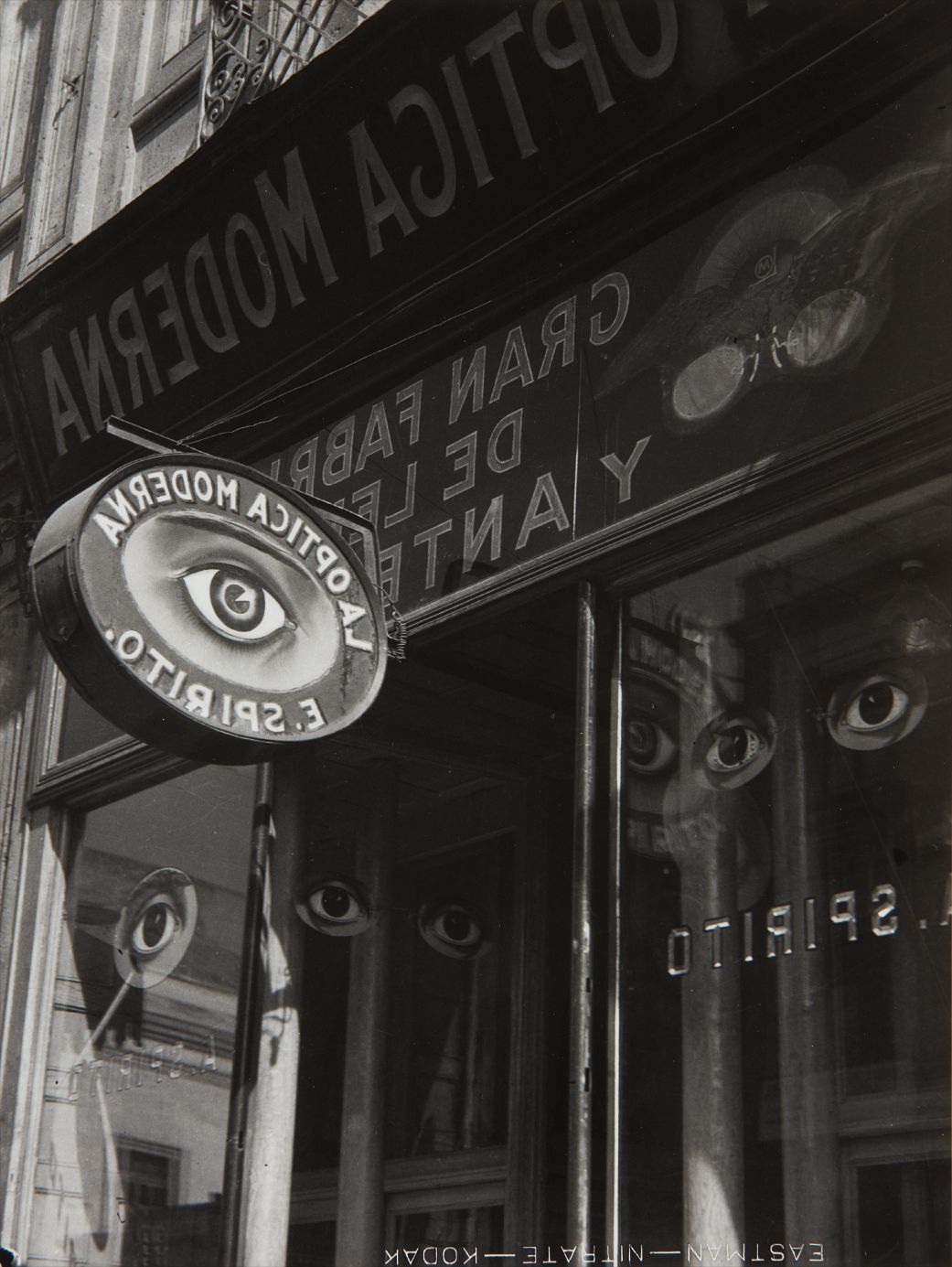
Manuel Álvarez Bravo
Parábola Óptica (Optical Parable), Mexico
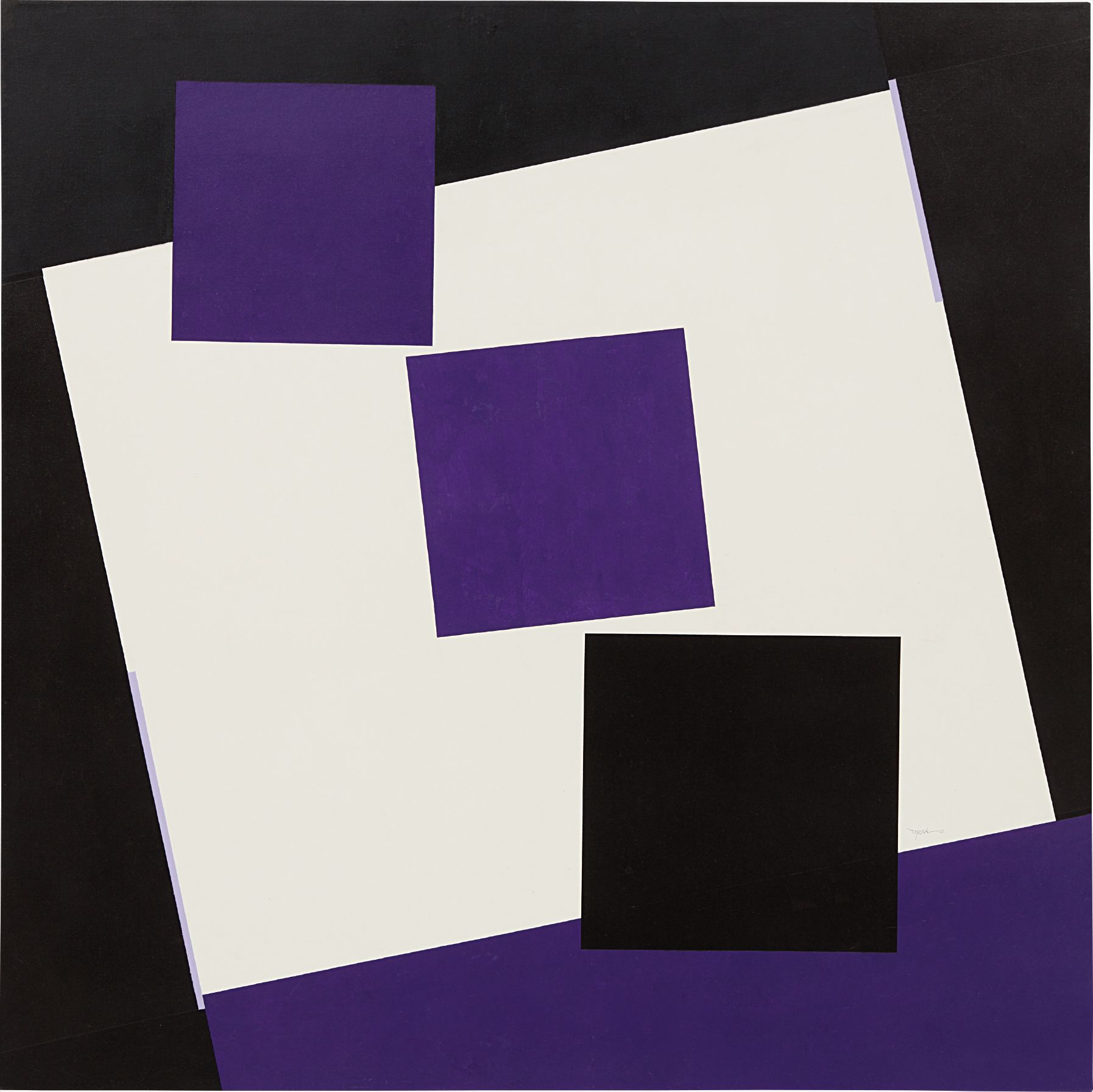
Institutionally, the signals are worth tracking closely. The Patricia Phelps de Cisneros Collection, which has made long term loans to MoMA and other major institutions, has done more to shape scholarly understanding of Latin American geometric abstraction than almost any other single force. Artists like Carlos Mérida and Édgar Negret, whose work exists in deep conversation with European constructivism while remaining grounded in indigenous visual traditions, have benefited enormously from that sustained institutional advocacy. When a major private collection commits to an artist over decades and then places work in public trust, it creates a scholarship infrastructure that eventually moves markets.
We are seeing that play out now. The critical conversation has also been shaped significantly by publications like Plural and the decades of writing that emerged from Mexico City's intellectual culture, as well as by curators such as Gerardo Mosquera, whose essays on Afro Cuban visual culture opened up serious critical space for figures working at the intersection of Caribbean identity and conceptual art. Carlos Garaicoa, whose architectural drawings and photographic work engage with Havana's urban decay and utopian promise, is an artist who benefits from that critical scaffolding. His work requires some knowledge of Cuban political history to fully land, but once it does, it is unforgettable.
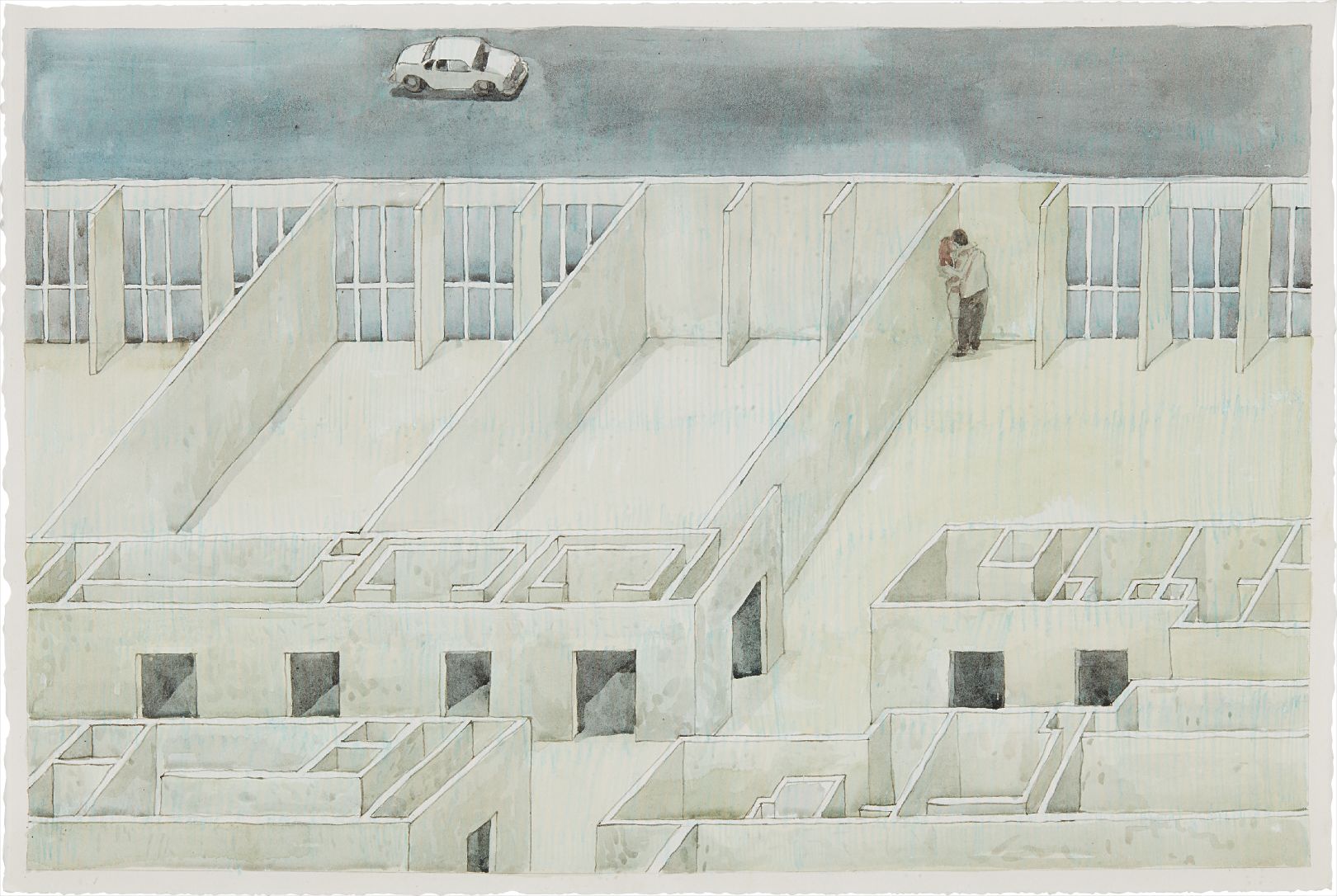
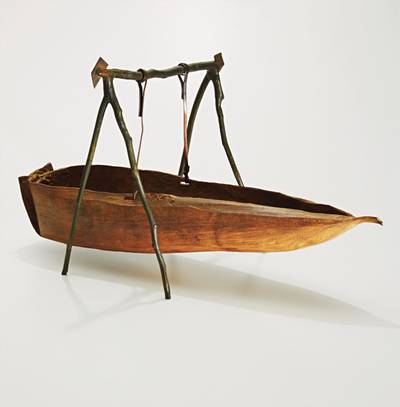
Douglas Pérez Castro
Microbrigada
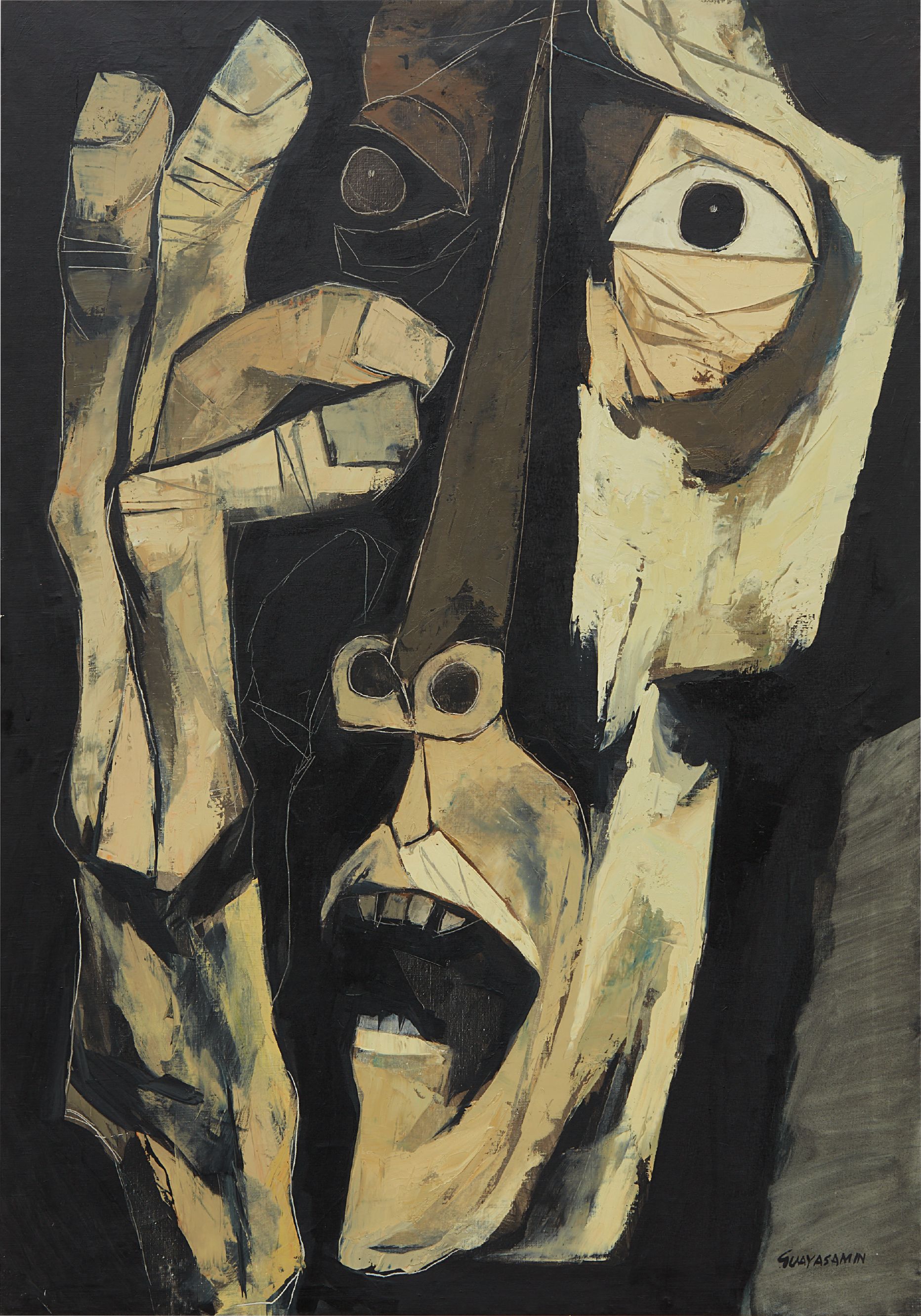
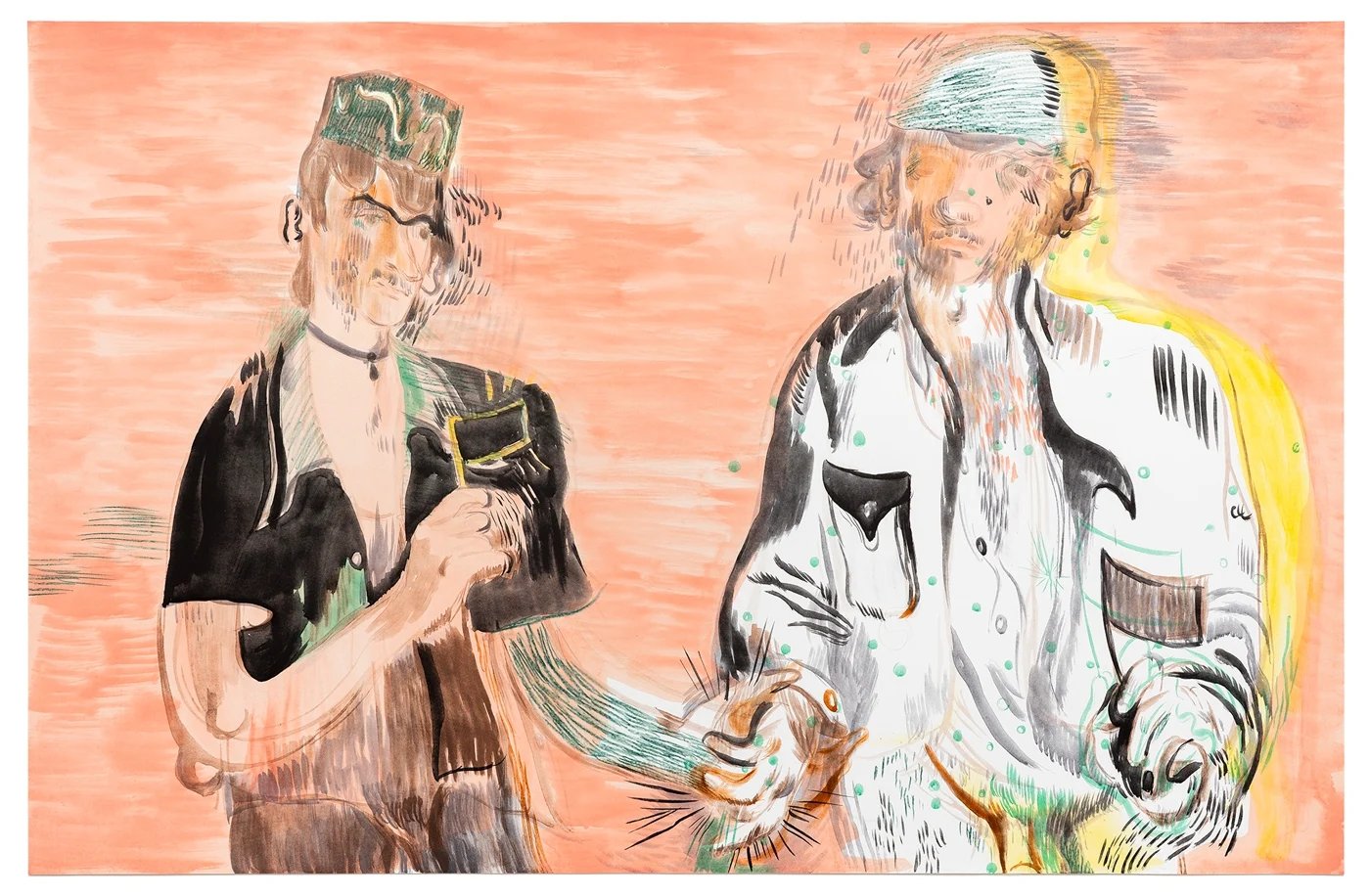
Douglas Pérez Castro operates in a related register, bringing a similarly loaded relationship to Cuban visual culture into a practice that feels urgent and formally inventive. What feels settled is the canonical status of the major modernists: Tamayo, Botero, Álvarez Bravo, Pedro Figari with his luminous evocations of Uruguayan Carnival and Candombe traditions, Oswaldo Guayasamín with his monumental humanism rooted in Andean experience. These artists have been collected, written about, and exhibited enough that the market understands them with reasonable confidence. What feels genuinely alive and still underpriced relative to significance is the generation working in the 1980s and 1990s across conceptual, performance, and photographic practices.
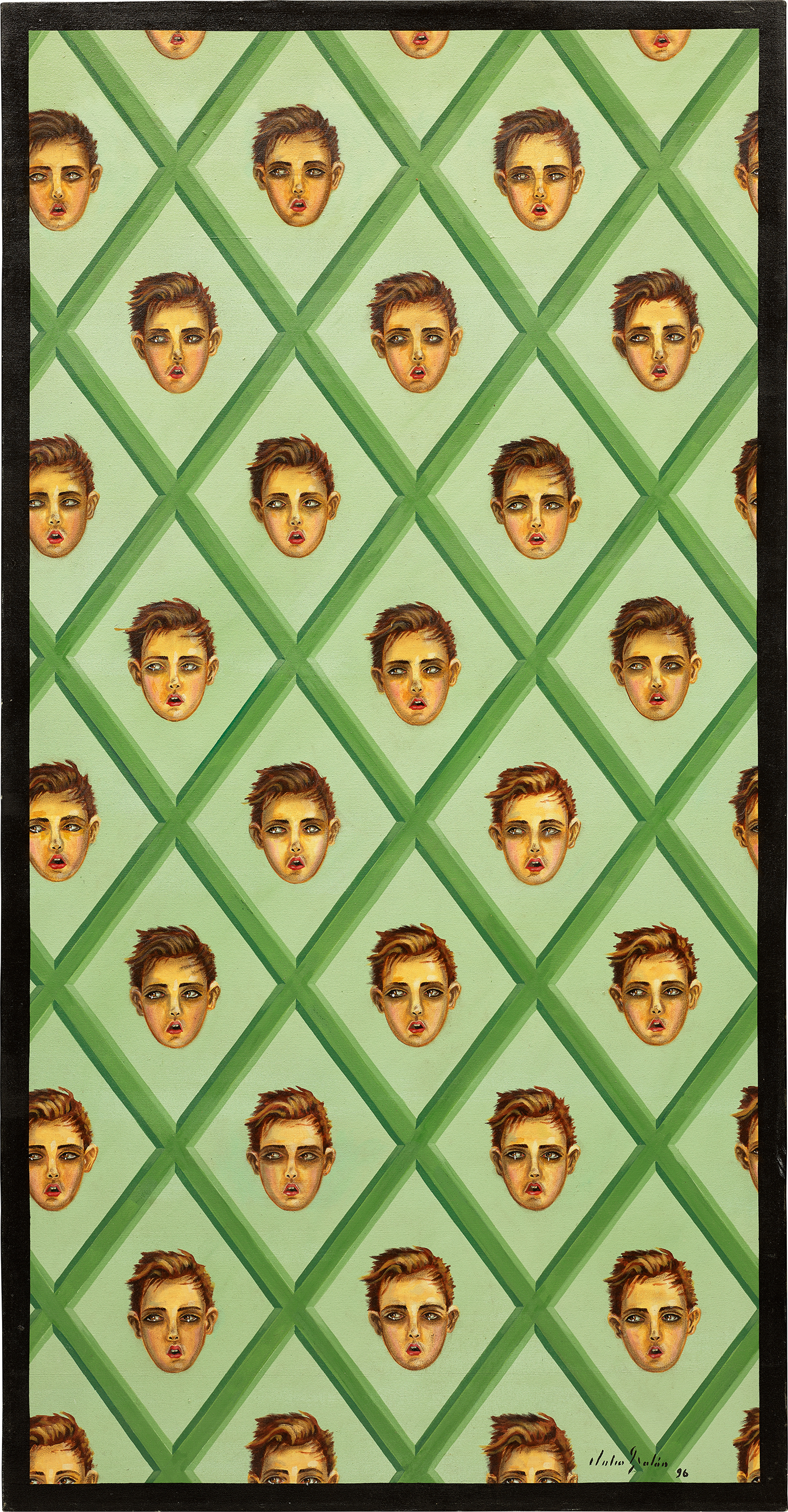
Julio Galán, the extraordinary Mexican painter whose hallucinatory self portraits merge folk art with psychological rawness, feels like an artist whose full critical moment has not yet arrived. Armando Reverón, the Venezuelan painter who made his own brushes and worked in an almost obsessive isolation in Macuto, is another figure where museum attention has outpaced collector awareness. The energy right now is moving toward artists who complicate the narrative, who do not fit cleanly into the story of Latin American modernism as either derivative of European movements or as purely rooted in indigenous or political identity. The collectors who are paying attention to artists like Carlos Amorales or Roberto Obregón are collecting ahead of consensus, which is precisely where the most interesting acquisitions are made.
The continent's contribution to the history of modern and contemporary art is no longer being argued. It is being priced, archived, and written into the permanent record.