Large Scale Drawing
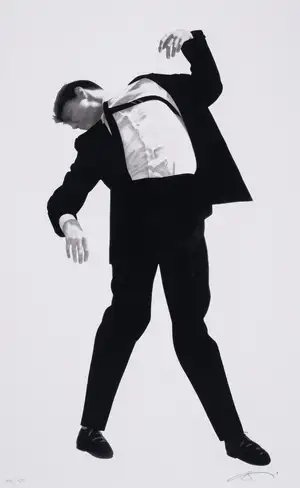
Robert Longo
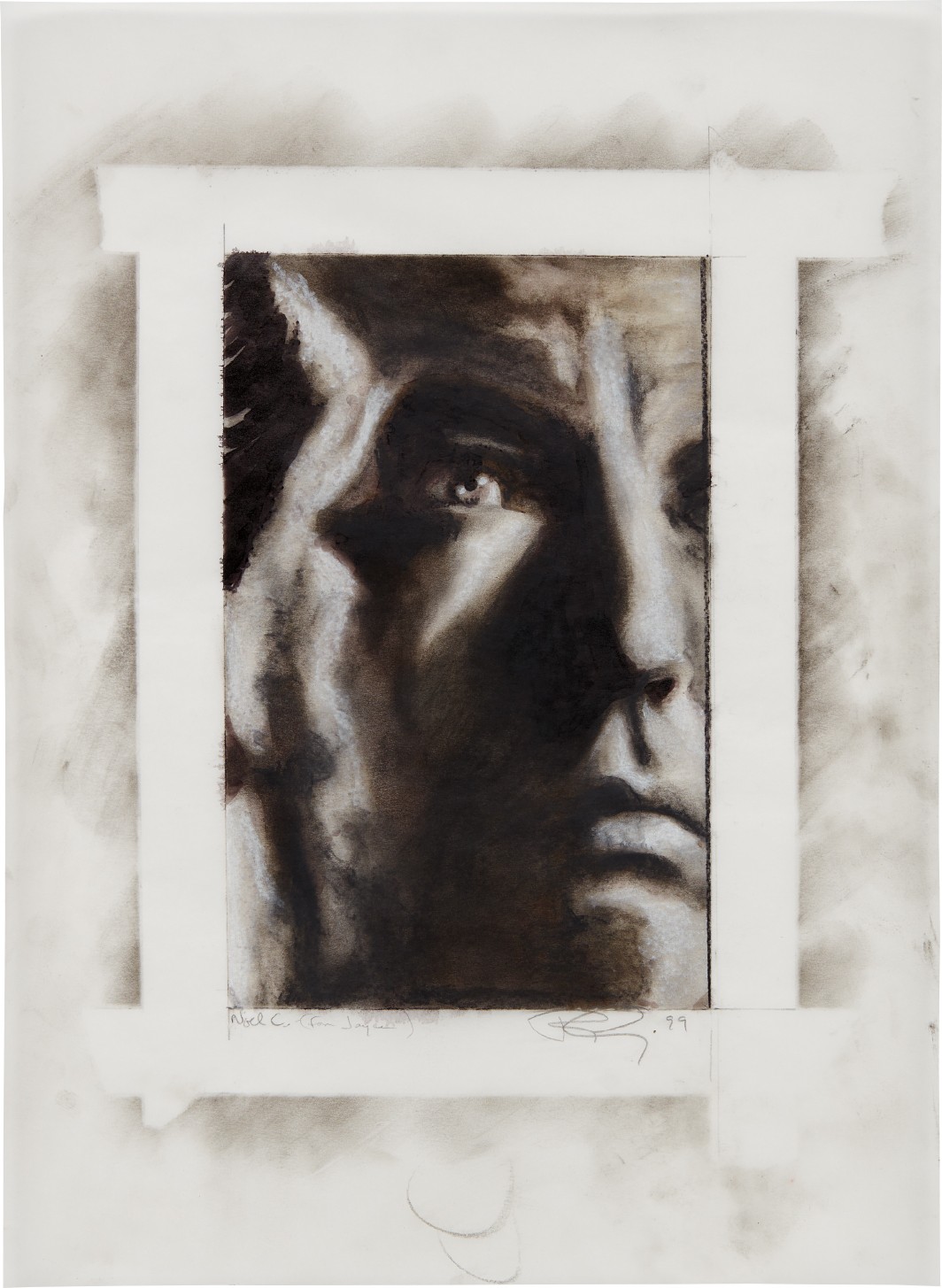
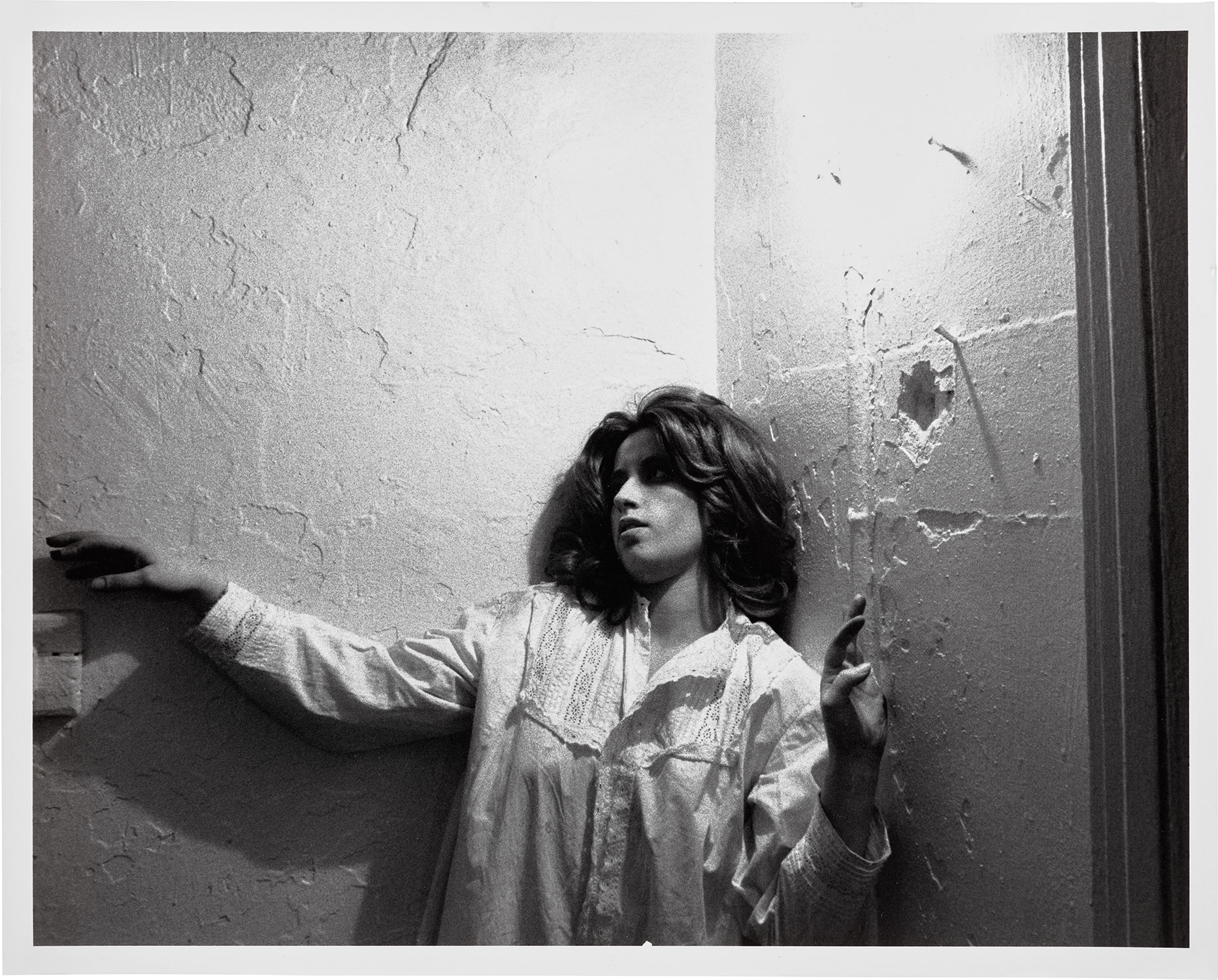
Untitled (Eric, from Men in the Cities)



The Line Between Presence and Power
There is something almost irrational about the hold a large scale drawing can have on a room. Collectors who live with these works describe the same phenomenon: guests stop mid conversation, pulled toward the surface as if by gravity. Unlike painting, which often announces itself through color and material richness, drawing operates on a more primal register. It is the mark of a hand, the evidence of decision and hesitation, time made visible.
At scale, this intimacy becomes confrontational, and that tension is exactly what serious collectors find so difficult to resist. The appeal is also deeply personal in a way that large paintings sometimes are not. When you stand before a monumental drawing, you are reading the body of another person. The pressure applied, the rhythm of a line, the moment a gesture changes direction these are not effects manufactured through layered glazes or assistants with rollers.

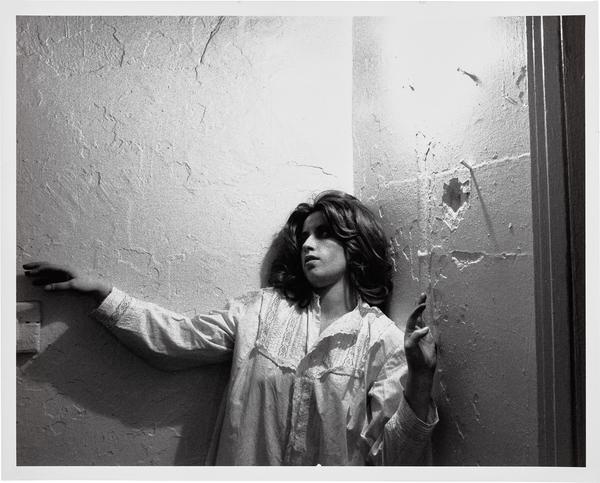
Agnes Martin
Untitled, 1975
They are singular acts, and collectors who understand this feel the difference immediately. Living with a large scale drawing means living with a kind of sustained presence, something that shifts as the light changes through the day and rewards long, slow looking over months and years. When assessing quality in this category, the first question worth asking is whether the scale serves the work or merely impresses through size alone. The strongest examples use dimension as a formal argument.
Robert Longo, whose work is well represented on The Collection, understood this from early in his career. His "Men in the Cities" drawings from the 1980s are not large because Longo wanted to overwhelm they are large because the subject demanded it. The figures, rendered in charcoal and graphite with almost photographic intensity, needed to be life size to produce the psychological confrontation that is the entire point. Scale and meaning are inseparable in the best work.
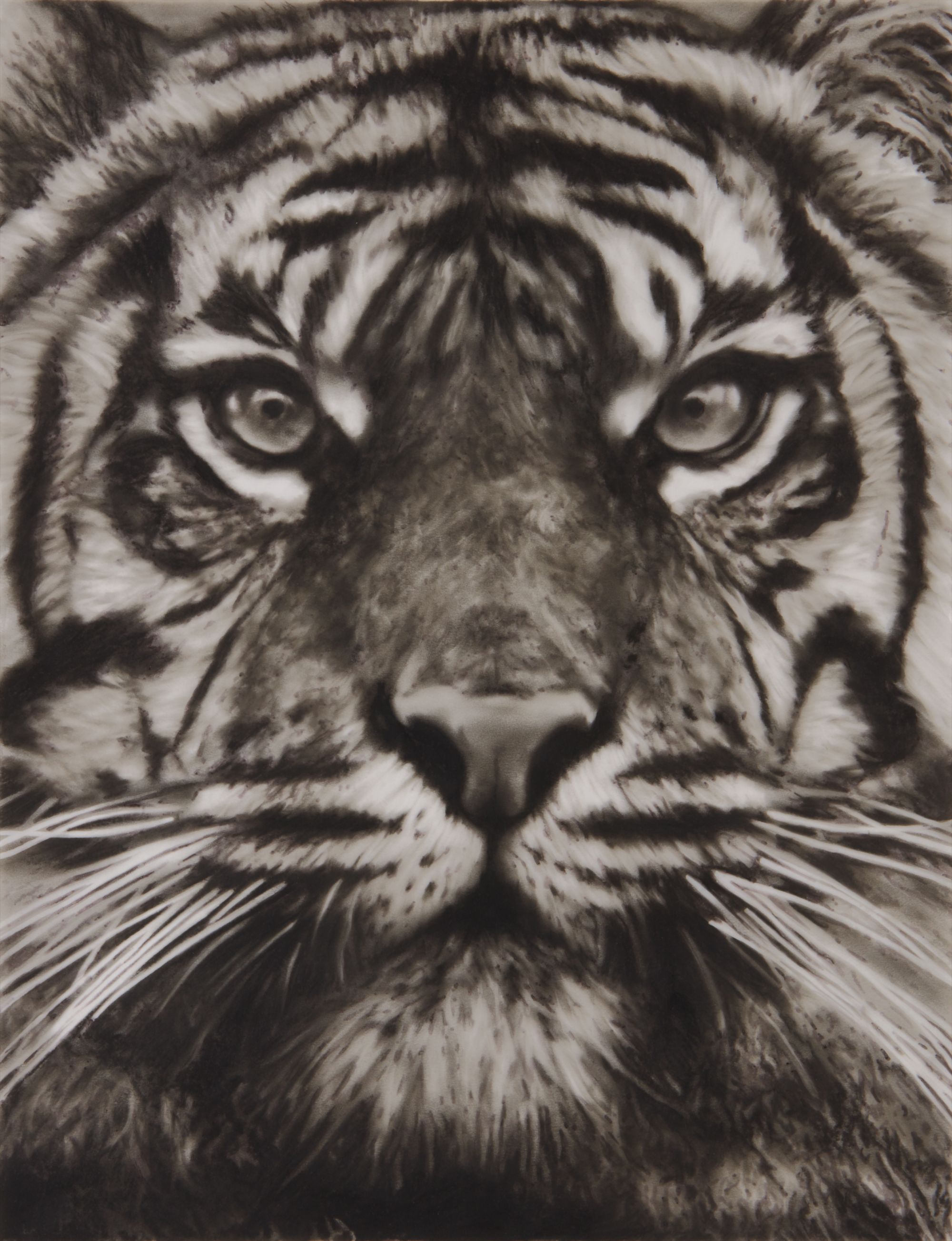
Robert Longo
Study of Tiger Head 18, 2013
Beyond the relationship between size and intention, collectors should look carefully at surface quality and tonal range. A great large scale drawing holds its own internal atmosphere, moving from near blackness into light with conviction and without muddiness. The paper or substrate matters enormously archival quality and the ability to accept sustained reworking without degrading are signs that an artist approached the work with long term seriousness. You should also ask about the framing history and whether the work has been under glass, behind UV protective glazing, or rolled at any point.
Each of these factors shapes condition significantly, and condition in drawing is less forgiving than in almost any other medium. The question of which artists represent genuine value in this space is one that rewards careful thinking. Toba Khedoori, whose painstaking large scale works on wax paper occupy a category nearly of their own, commands serious attention from institutional collectors and has been the subject of significant museum retrospectives. Her works are rare on the market precisely because she produces slowly and deliberately, and that scarcity has only strengthened her position.
Toba Khedoori
graphite on Lana aquarelle paper, 2011
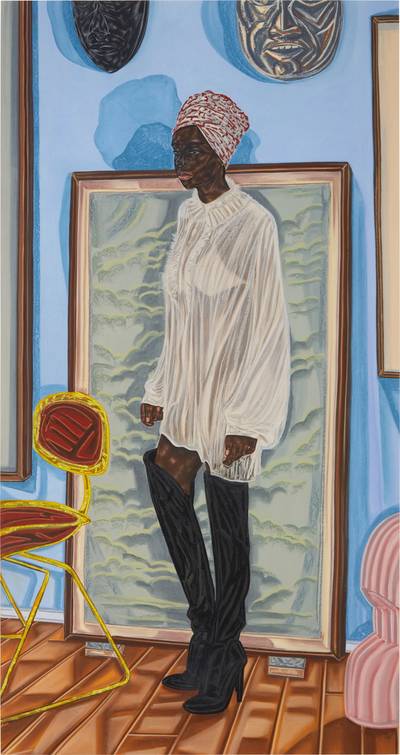
Toyin Ojih Odutola represents a different kind of strength. Her large drawings, built through dense, layered mark making in ballpoint and charcoal, have moved through auction with remarkable momentum over the past decade, and her critical standing has risen in lockstep with market performance in a way that suggests durability rather than a moment of speculative heat. Agnes Martin occupies a position that transcends category. Her works on paper, including drawings that predate the canonical paintings for which she is best known, have achieved prices that reflect her place in art history rather than simply the market for drawing.
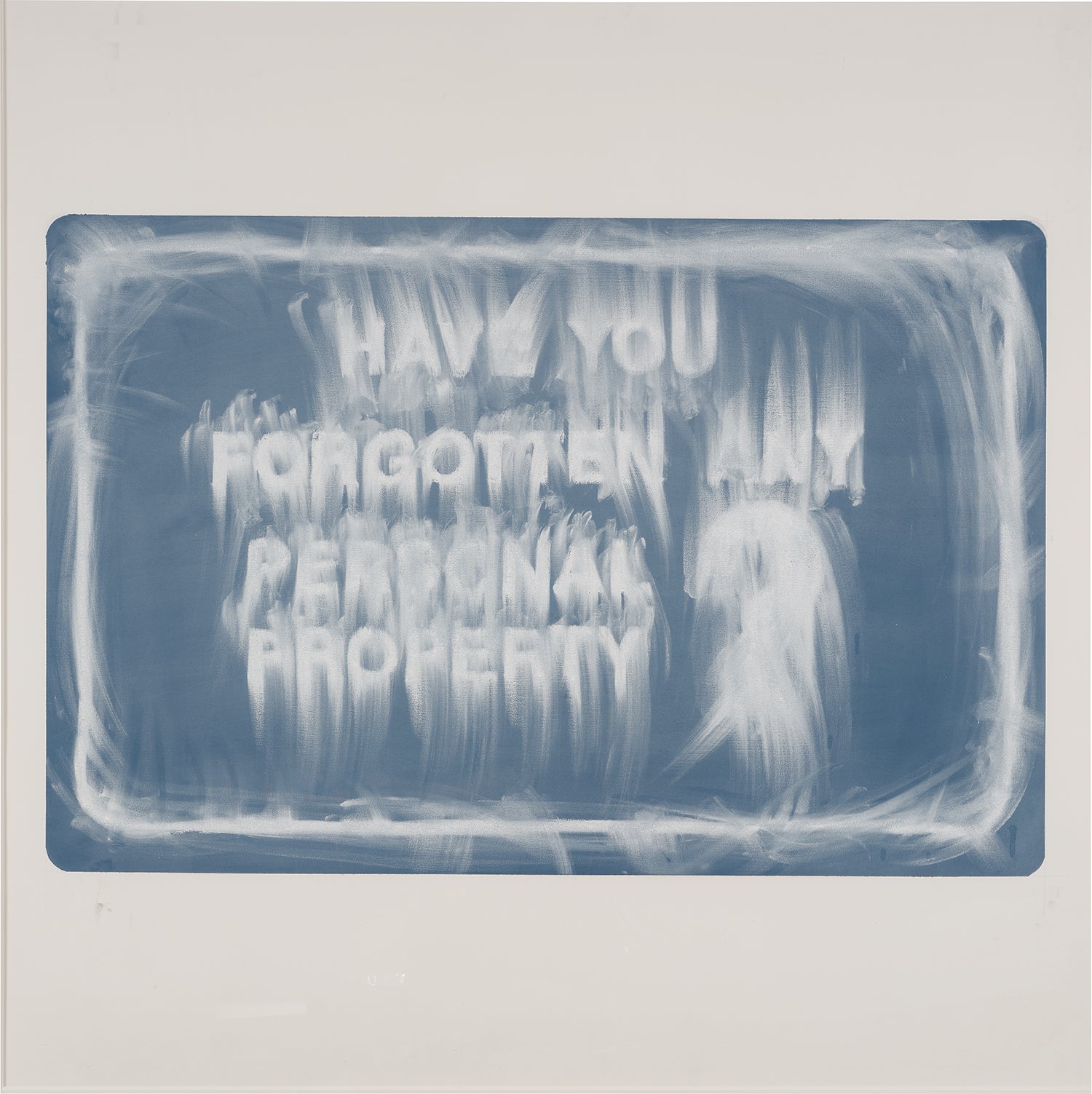
When a Martin drawing appears, collectors treat it as they would a painting as a primary rather than secondary expression of her thinking. Gary Simmons brings a different kind of tension to large scale work. His chalk erasure drawings engage directly with questions of memory, erasure, and the construction of cultural iconography. His presence on The Collection signals the kind of conceptually grounded practice that tends to accumulate critical and market value over time.
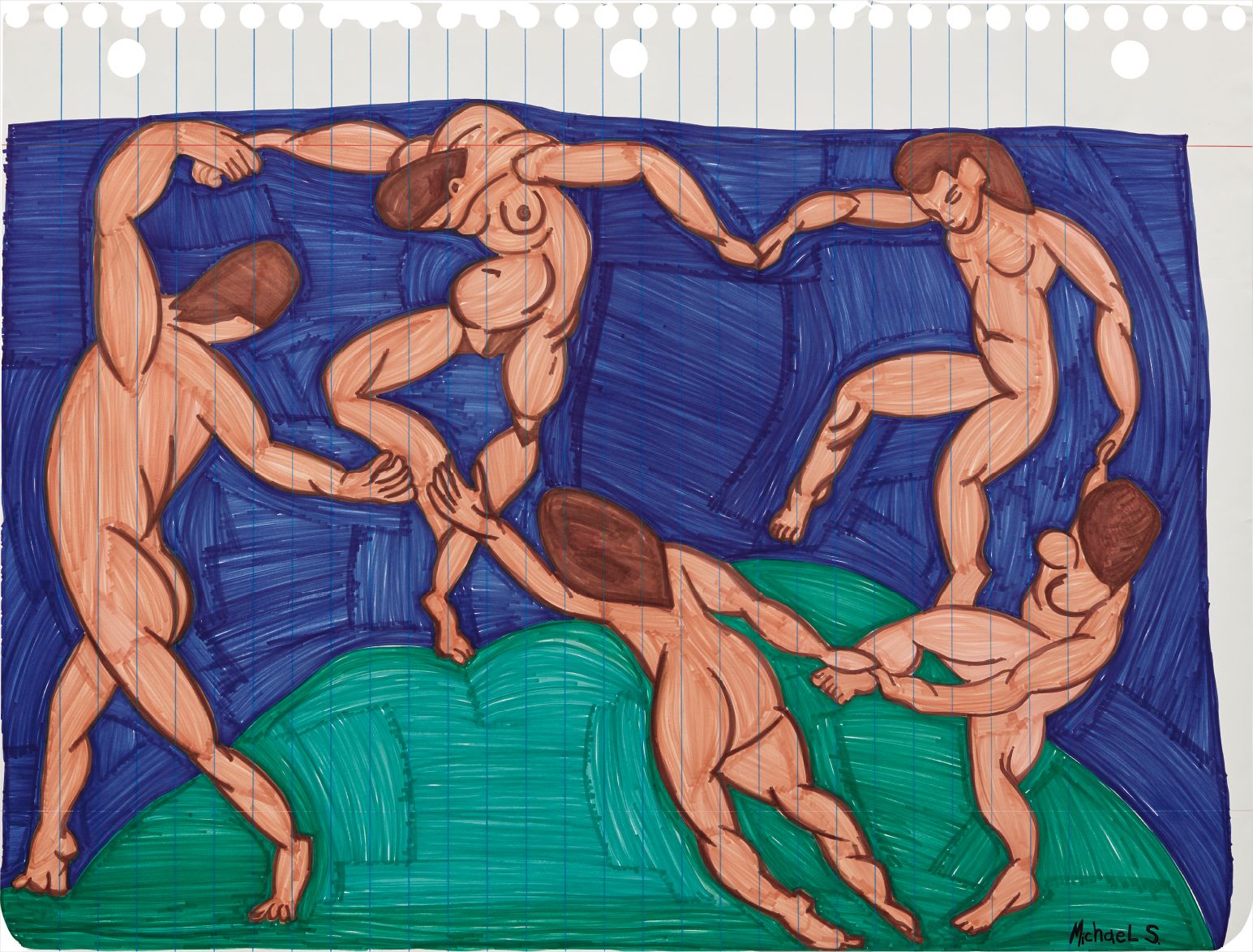
Michael Scoggins
The Dancers (after Matisse), 2011
For collectors interested in emerging opportunities, Michael Scoggins is worth sustained attention. His large scale drawings, which appropriate the visual language of notebook paper and adolescent hand lettering, work precisely because the gap between scale and subject is so productively strange. Works like this that operate through wit and formal intelligence rather than spectacle alone have historically held value well, because they ask something of the viewer rather than simply delivering sensation. The secondary market for younger artists working at this scale has become more active in the past five years, and works that were modestly priced at their first showing are finding real competition at auction.
Speaking of the secondary market, large scale drawings present particular logistical challenges that affect both pricing and liquidity. Works on paper require specialized shipping, climate controlled storage, and archival framing that can add meaningfully to the cost of ownership. This has historically kept some buyers away and created buying opportunities for collectors willing to absorb those carrying costs. At the same time, major auction houses have devoted increasing space to works on paper in their evening sales, and the former premium on canvas over paper has eroded significantly over the past two decades.
A great drawing by a major artist can now achieve prices that would have been unthinkable thirty years ago. Practically speaking, when approaching a gallery about a large scale drawing, the questions that matter most are around condition history, exhibition history, and whether the work has ever been rolled or folded. Ask specifically about the substrate and whether it has been tested for acidity. Ask whether the framing is reversible and whether conservation notes exist.
For works by living artists, ask whether the framing specifications were approved by the artist or studio. These are not skeptical questions they are the questions that mark you as a serious buyer, and any good gallery will have the answers at hand and welcome the conversation.