Jewish Artist
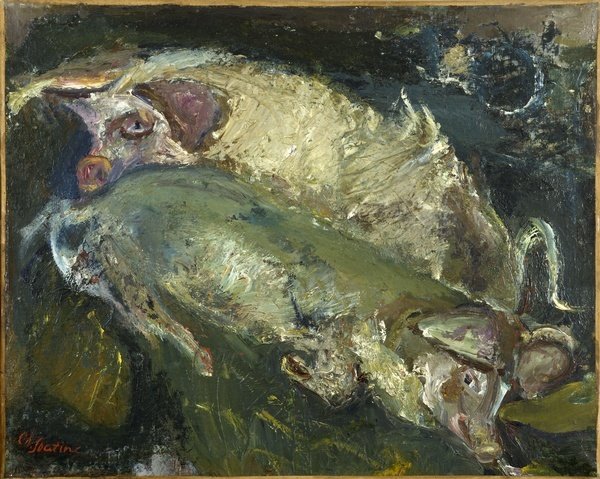
Chaïm Soutine
Les porcs, 1941


The School of Paris Never Left the Room
When Sotheby's New York brought a major Chaïm Soutine canvas to auction in recent years, the room tightened in that particular way it does when something genuinely rare appears. Soutine, born in what is now Belarus and raised in grinding poverty, spent his most ferocious creative years in Paris, and the market has not forgotten him. The result, landing well above estimate, signaled something the art world had been quietly observing for some time: Jewish artists of the early twentieth century, long appreciated by scholars and a devoted coterie of collectors, are finally receiving the broader institutional and commercial recognition their work has always deserved. The timing feels right for reasons that go beyond the auction room.
Cultural institutions across Europe and North America have been revisiting what was once called the École de Paris, a loose and imprecise term that gathered together a generation of mostly immigrant artists working in Paris between the wars. Many were Jewish, many were fleeing poverty or persecution, and almost all of them brought something to French modernism that transformed it from within. The Musée de l'Art et d'Histoire du Judaïsme in Paris has been particularly thoughtful in presenting this history not as a footnote but as a central chapter in the making of modern art. Their programming over the past decade has done serious curatorial work in reframing these artists as agents of modernism rather than recipients of it.
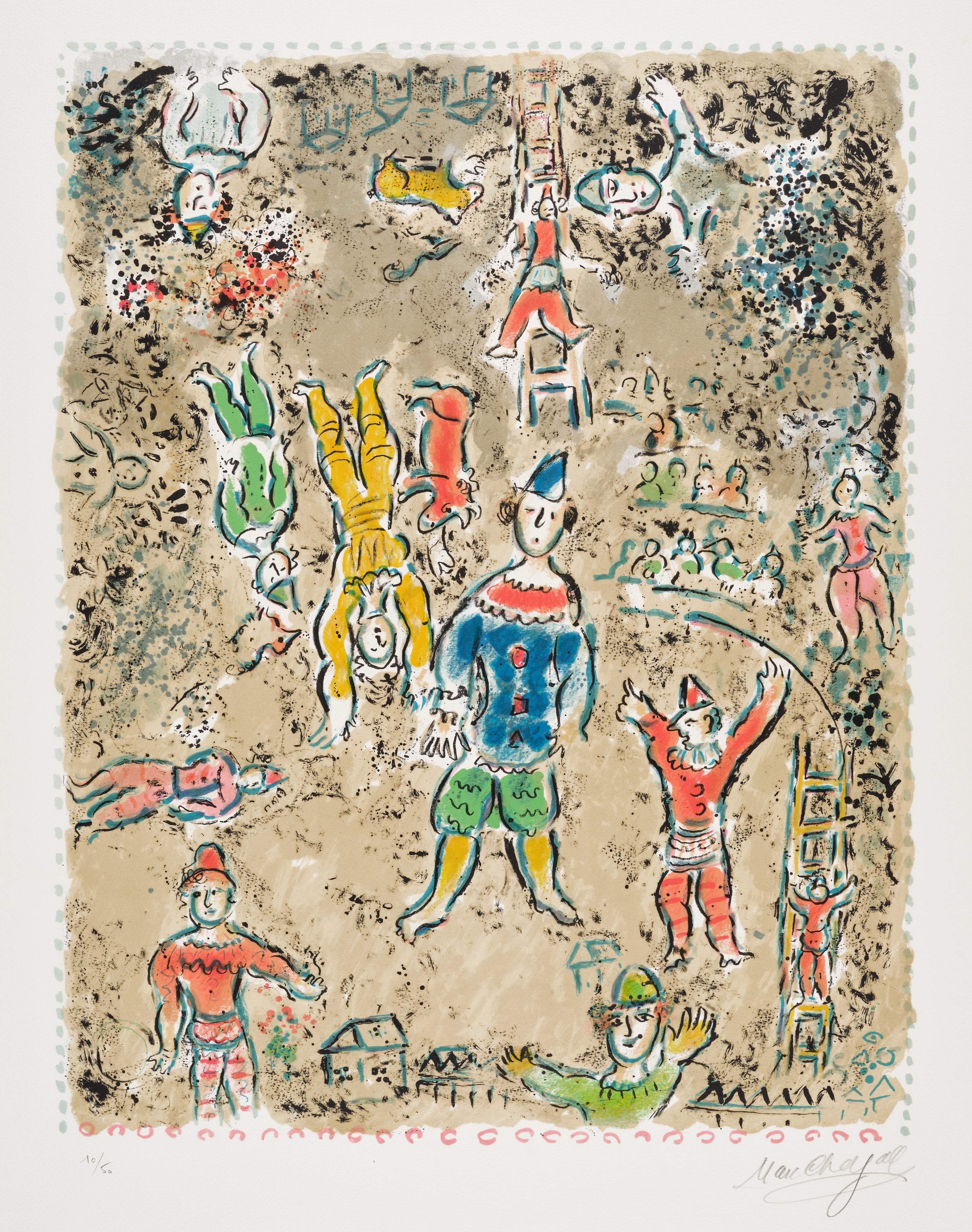
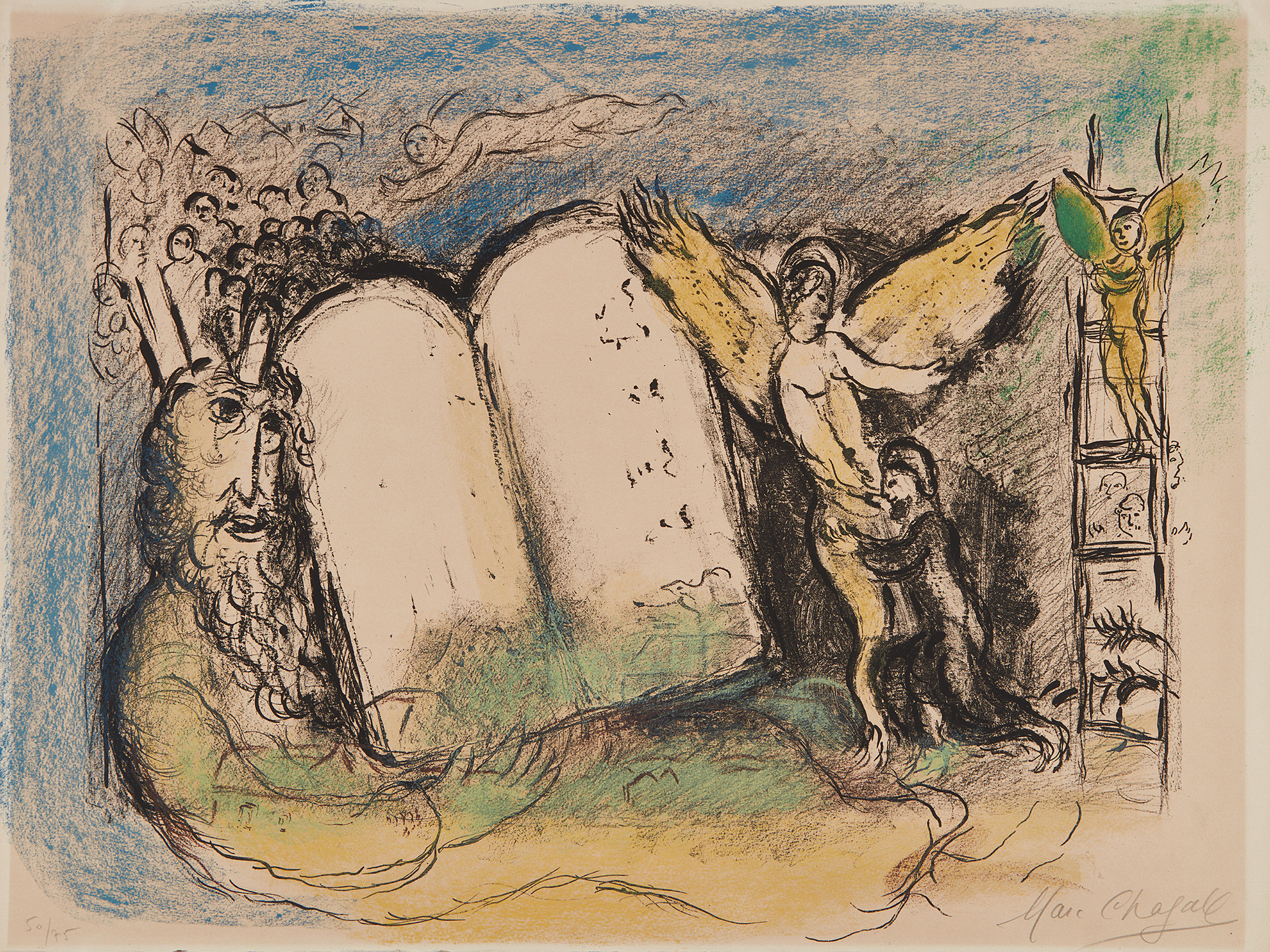
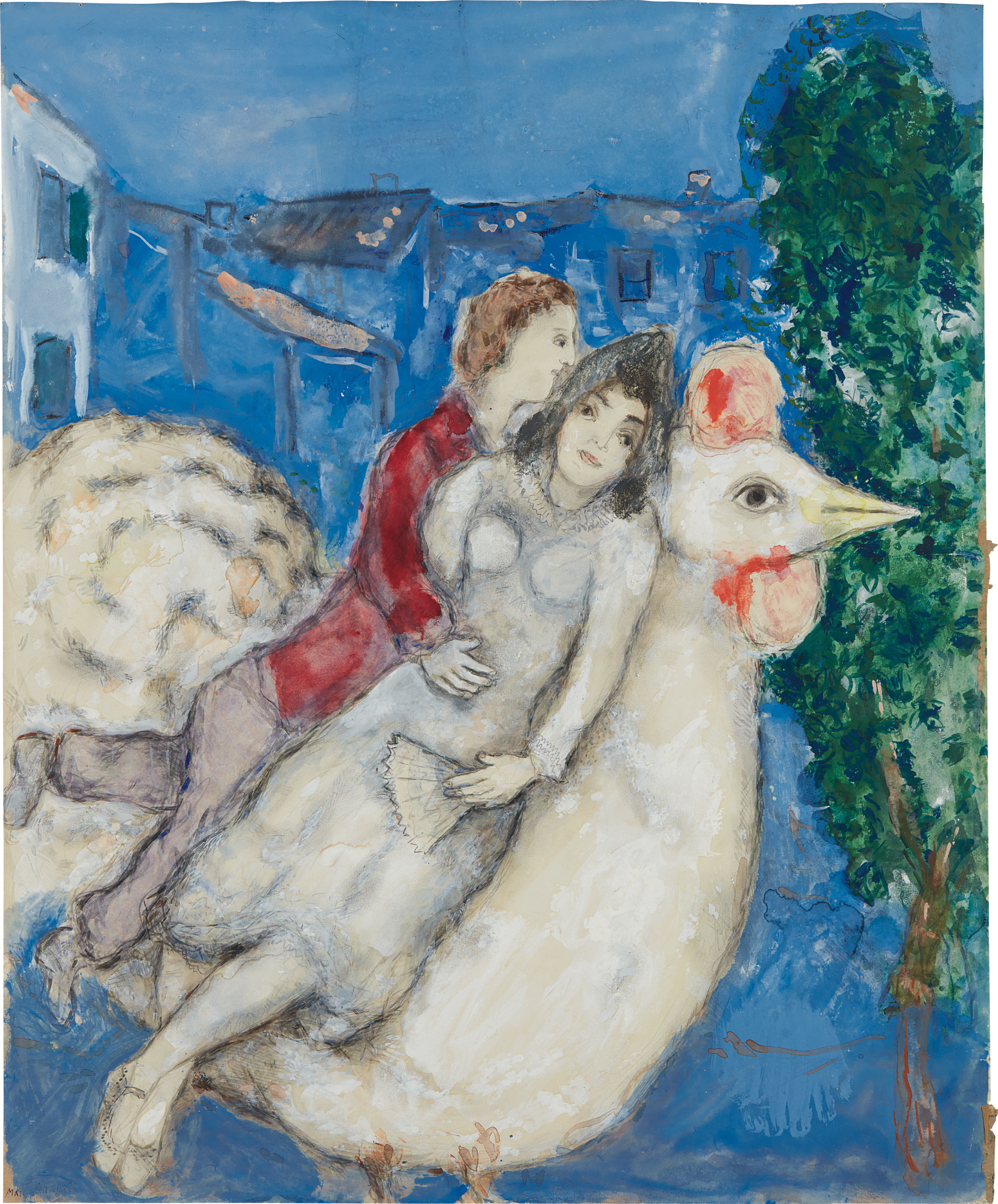
Marc Chagall
Le Clown bleu (The Blue Clown) (M. 1032)
Marc Chagall remains the great popular name in this conversation, and for good reason. His market is extraordinarily consistent, drawing institutional buyers, private collectors, and foundations with equal enthusiasm. Works by Chagall appear regularly at the major houses, Christie's and Sotheby's both, and they rarely disappoint. There is something in his imagery, at once deeply rooted in Hasidic memory and entirely at home in the visual language of the twentieth century avant garde, that speaks across cultures and generations.
Chagall is well represented on The Collection, and for collectors approaching this area for the first time, his work offers both accessibility and genuine depth. But the more interesting market story right now belongs to figures who have spent decades in Chagall's considerable shadow. Pinchus Krémègne, who arrived in Paris from Lithuania around the same time as Soutine and shared his world of Montparnasse cafes and collective ambition, is a name that serious collectors are beginning to speak with new urgency. His painterly surfaces, dense and emotionally charged, reward close looking in ways that reproductions simply cannot capture.
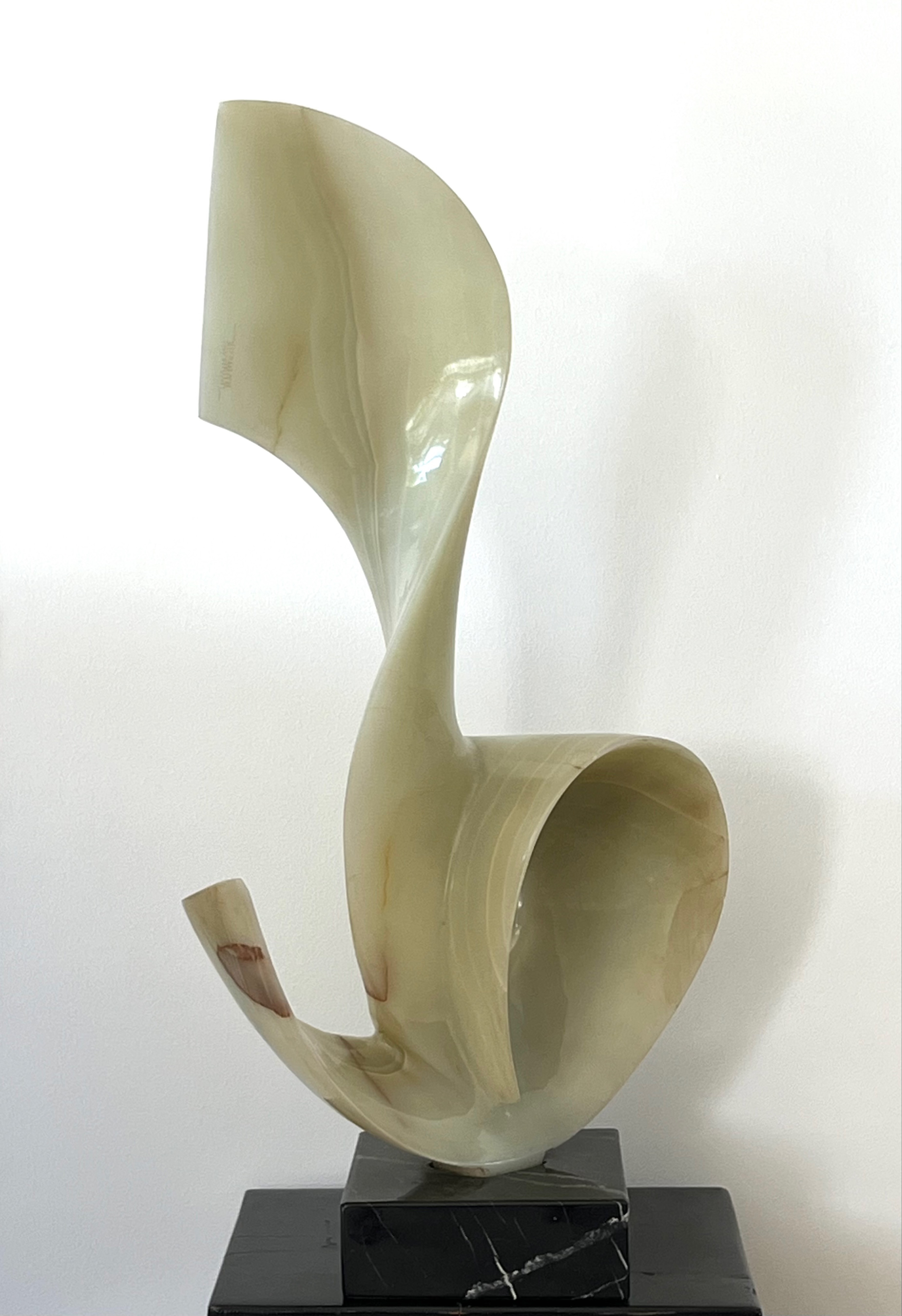
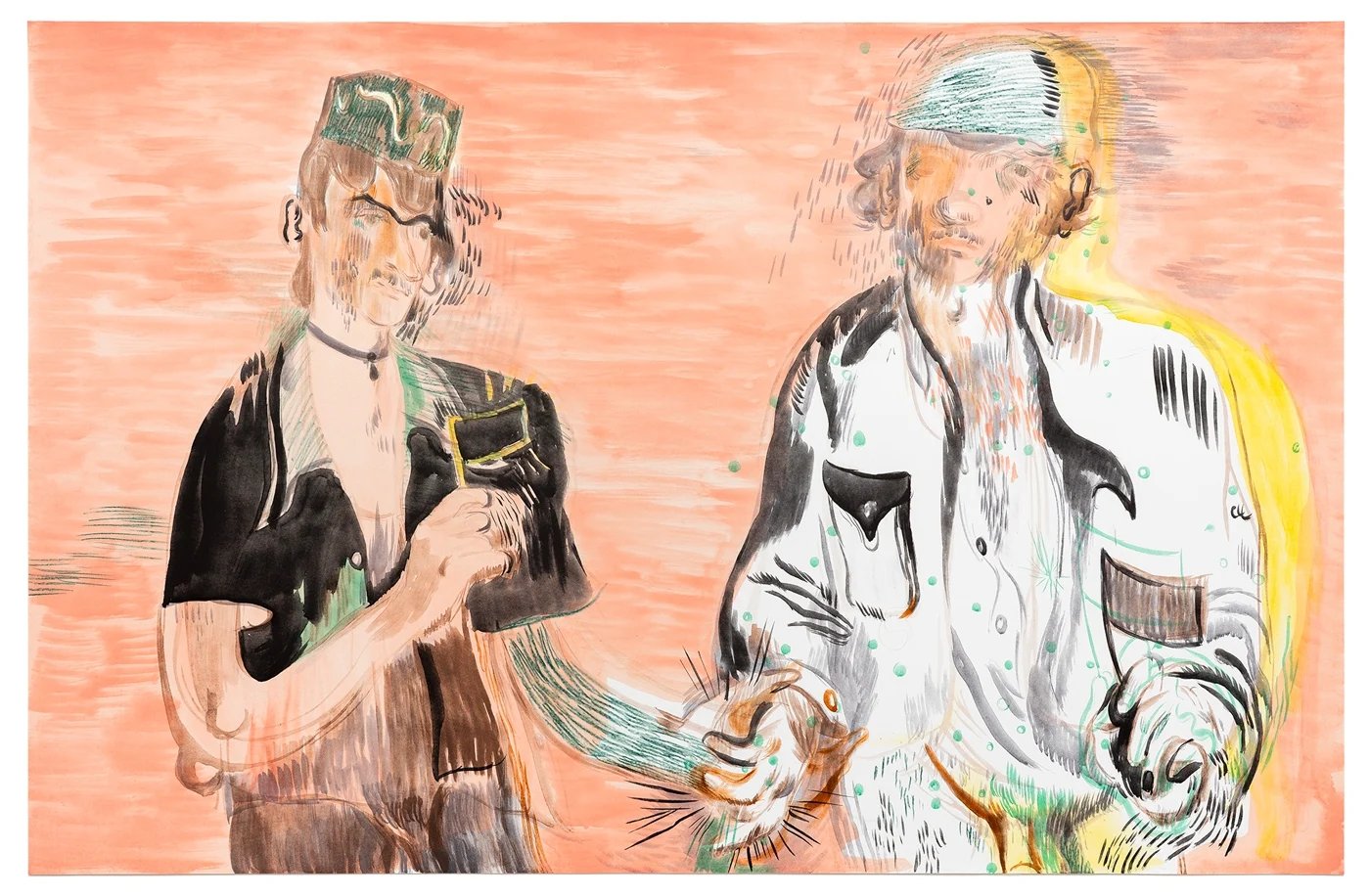
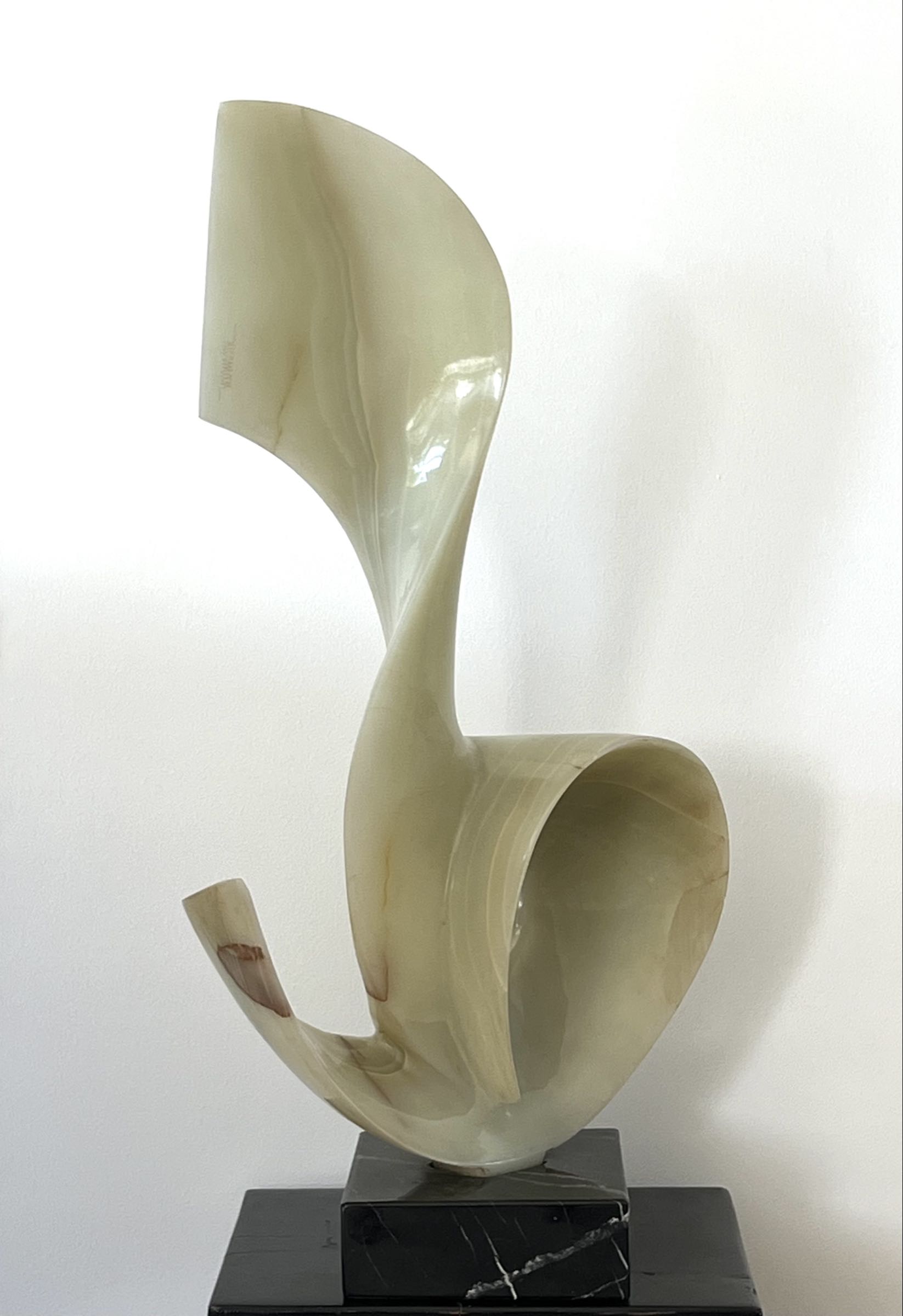
Leonardo Nierman
Untitled
Similarly, Leonardo Nierman, the Mexican painter and sculptor of Jewish heritage, has attracted renewed attention as collectors in Latin America and the United States reconnect with a generation of modernists who worked outside the dominant New York axis. His work on The Collection offers a useful entry point into a figure whose reputation is still in the process of being properly consolidated. The institutional collecting picture tells its own story. The Jewish Museum in New York, one of the oldest institutions dedicated to the intersection of Jewish culture and contemporary art, has sharpened its acquisitions program considerably in recent years, with a focus on works that challenge the boundaries of identity in art.
The Israel Museum in Jerusalem continues to hold one of the most significant collections of works by Jewish artists anywhere in the world, and their loans to international exhibitions carry real weight in the critical conversation. When a work travels from Jerusalem to a major European retrospective, it tends to reframe the entire show. Andy Warhol belongs in this conversation too, though he is rarely placed there. Born Andrew Warhola to Carpatho Rusyn immigrant parents, Warhol engaged with questions of identity, visibility, and cultural assimilation in ways that Jewish critics and scholars have found deeply resonant.
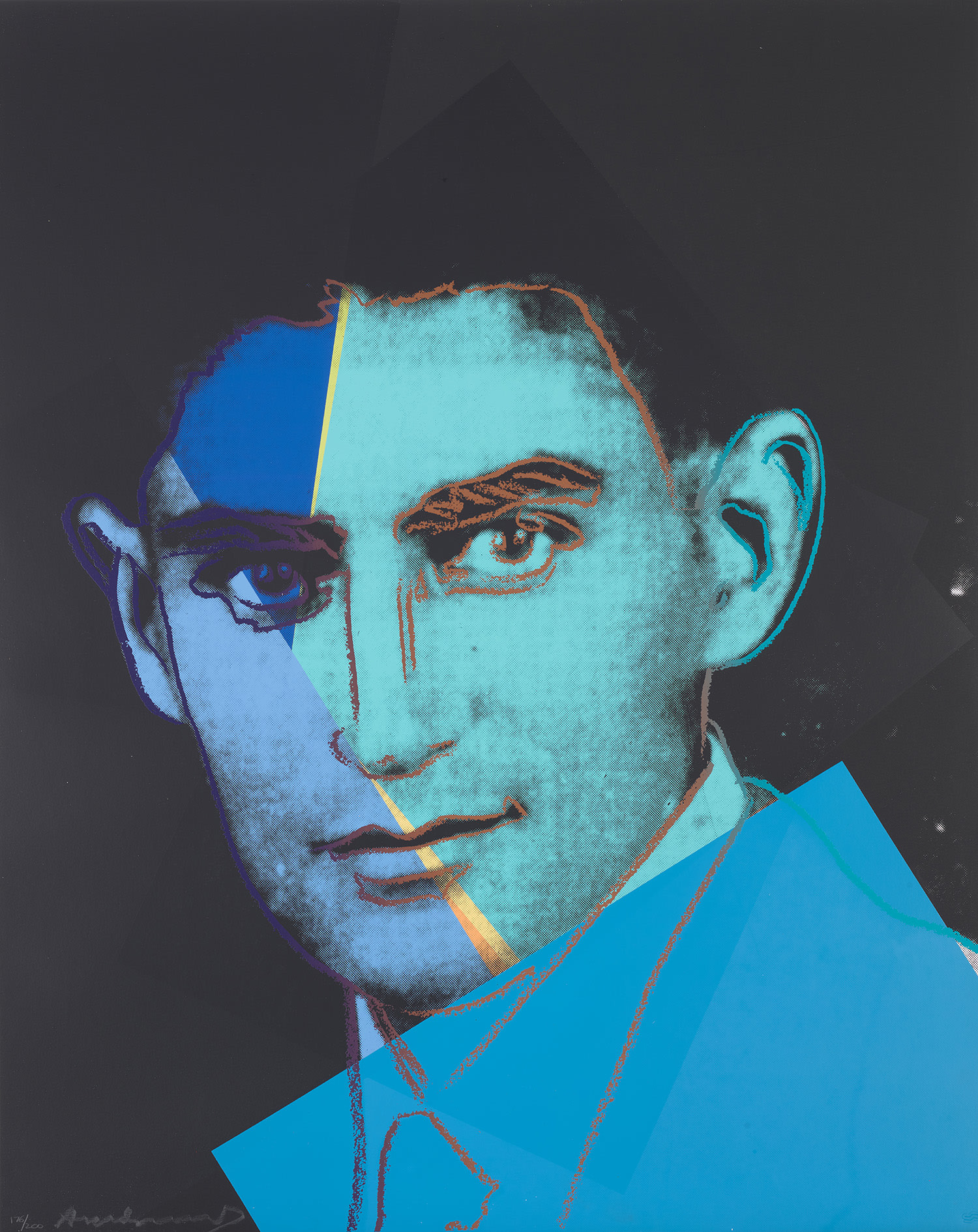
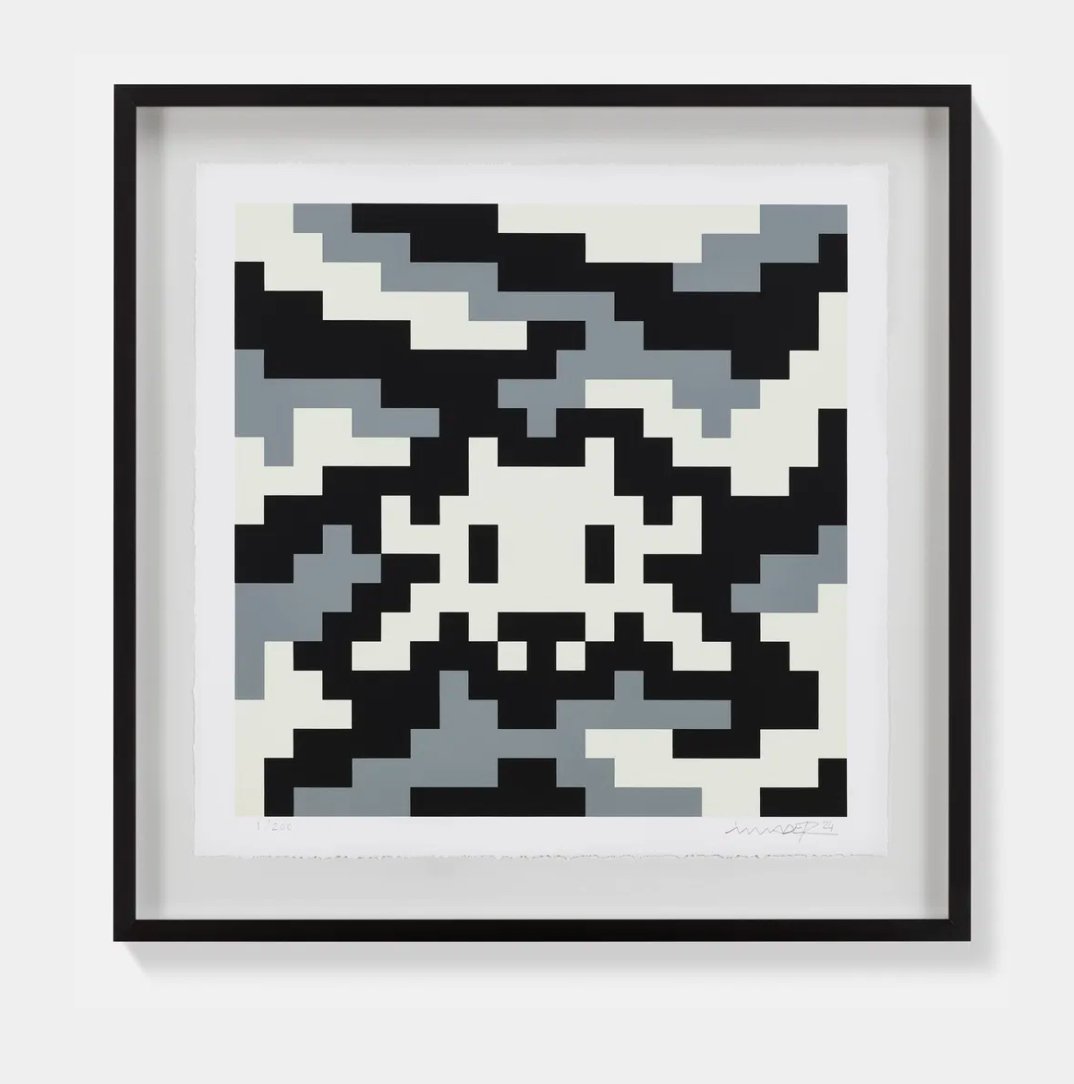
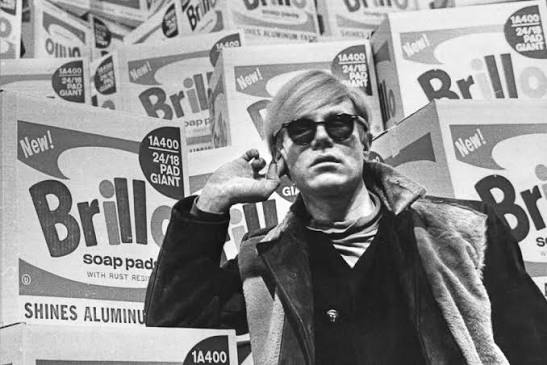
Andy Warhol
Franz Kafka, from Ten Portraits of Jews of the Twentieth Century (F. & S. 226)
His presence on The Collection alongside figures like Chagall and Soutine creates an unexpected and genuinely interesting dialogue, one that collectors with a synthetic eye will appreciate. The grouping suggests that Jewishness in twentieth century art is not a single aesthetic register but a constellation of responses to modernity, displacement, and the question of what it means to belong. The critical writing shaping this field has become more sophisticated and more willing to take risks. Books like Kenneth Silver's work on the School of Paris, and the broader contributions of scholars at the YIVO Institute for Jewish Research, have given collectors and curators a richer vocabulary for thinking about these artists without reducing them to their biography.
The best recent criticism insists that the work must carry the argument, not the backstory. That is a healthier and more demanding standard, and it is producing more honest appraisals of which figures in this tradition are truly major and which have benefited primarily from historical sympathy. Looking ahead, the energy in this area feels genuinely alive rather than nostalgic. A younger generation of curators, many of them working in Berlin, Tel Aviv, and New York simultaneously, is bringing fresh eyes to the archives and finding connections that earlier scholarship missed.
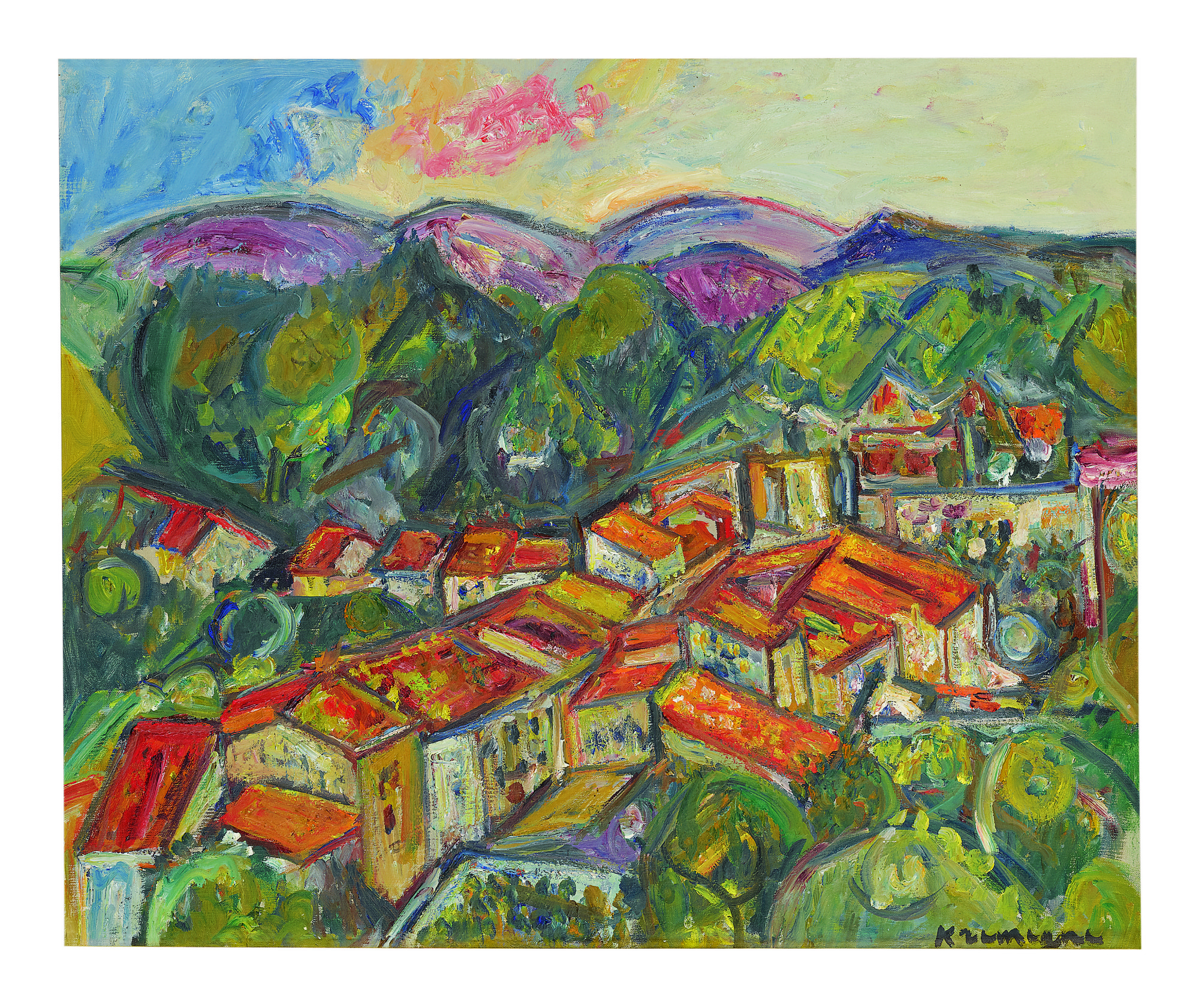
Pinchus Krémègne
Vue De Céret Et Du Canigou
There is growing interest in women artists associated with the School of Paris whose Jewish identity intersected with gender in ways that made their work doubly invisible for much of the twentieth century. Mela Muter, Marevna, and others are beginning to appear in major auction catalogues with serious scholarly apparatus behind them. For collectors paying attention now, the opportunity to acquire significant works before the market fully catches up is real, and it does not come along often.